

Synopsis
Covers the whole plot, including the ending.
- Difficulty
- Easy
- Pacing
- Moderate
- Mood
- Whimsical, Adventurous, Classic, Charming
- Read it if
- You enjoy classic high fantasy, adventure stories with a strong sense of wonder, or tales of unlikely heroes finding courage.
- Skip it if
- You prefer grimdark fantasy, complex political intrigue, or stories without a clear good-versus-evil narrative.
The Hobbit, Part One Plot Summary
Covers the whole plot, including the ending.
An Unexpected Party
Bilbo Baggins, a respectable hobbit from Bag End, values comfort and routine. His peaceful life changes one afternoon when Gandalf the Grey, a wizard he vaguely remembers, marks his door. Soon after, thirteen dwarves—Dwalin, Balin, Kili, Fili, Dori, Nori, Ori, Oin, Gloin, Bifur, Bofur, Bombur, and their leader, Thorin Oakenshield—arrive at Bilbo's hobbit-hole for an uninvited supper. Bilbo, flustered, tries to stay calm as the dwarves sing and talk about their lost treasures. Gandalf reveals their purpose: a quest to reclaim their ancestral home, the Lonely Mountain, and its gold from the dragon Smaug. Bilbo is chosen as their 'burglar'.
Over Hill and Under Hill
The company sets out. Bilbo, still confused, struggles with travel. One stormy night, seeing a light, Thorin sends Bilbo to investigate. Bilbo finds three large, crude trolls—William, Bert, and Tom—trying to cook a sheep. He tries to pickpocket William but is caught, leading to the capture of several dwarves who rush to help. Gandalf, who had been away, returns just in time. He mimics the trolls' voices, tricking them into arguing until dawn, when they turn to stone. The company then loots the trolls' cave, finding swords, including Glamdring and Orcrist, and a small dagger for Bilbo.
A Short Rest
After the trolls, the company travels through the Misty Mountains to the hidden valley of Rivendell, the Last Homely House. Elrond, the wise elven leader, welcomes them. He provides shelter, food, and hospitality, letting the tired travelers rest. During their stay, Elrond examines the swords from the trolls' hoard, identifying Glamdring as the Foe-hammer and Orcrist as the Goblin-cleaver, both old elvish blades. More importantly, he deciphers the moon-letters on Thorin's map. This reveals a secret message about the side-door entrance to the Lonely Mountain and the exact time to open it on Durin's Day.
Over the Misty Mountains
Leaving Rivendell, the company climbs the Misty Mountains. Caught in a storm, they shelter in a cave. During the night, the cave entrance opens, and goblins ambush them, dragging them deep underground. Bilbo, bumped and confused, falls and hits his head, losing consciousness. When he wakes, he is alone in the dark, separated from Gandalf and the dwarves. This is a turning point for Bilbo, as he must now rely on himself for the first time.
Riddles in the Dark
Lost in the tunnels, Bilbo finds a cold, slimy lake where he meets Gollum, an old, miserable creature. Gollum, interested in Bilbo, suggests a riddle game. If Bilbo wins, Gollum will show him the way out; if Bilbo loses, Gollum will eat him. Bilbo, surprisingly clever, stumps Gollum with the riddle, 'What have I got in my pocket?' Gollum, angry, goes to get his 'precious' magic ring, which makes the wearer invisible, to help him find and kill Bilbo. However, the ring, which Gollum had dropped, is already in Bilbo's pocket. Bilbo realizes its power, slips it on, and follows Gollum out, unseen.
Out of the Frying-Pan into the Fire
Bilbo, now invisible, avoids the goblins and reunites with Gandalf and the dwarves, who also escaped the goblin caves. Their rest is short. A pack of Wargs, intelligent and cruel wolves allied with the goblins, corners them. The company climbs trees for safety, but the Wargs try to burn them out. Just when hope seems lost, Gandalf calls the Great Eagles of the Misty Mountains. The Eagles rescue the company, carrying them away from the burning forest and the goblins and Wargs, to a safer, wild region.
Queer Lodgings
The Eagles drop the company near Beorn's home. Beorn is a strong skin-changer who can turn into a great black bear. Gandalf, knowing Beorn distrusts strangers, approaches him carefully, introducing the dwarves two at a time to avoid overwhelming him. Beorn, though suspicious at first, is convinced of their trouble and offers them shelter, food, and important advice for their journey through Mirkwood. He warns them strongly not to leave the path in the dark forest and provides ponies and supplies, though he insists on taking back his animals before they enter Mirkwood. Beorn's help is vital for their continued travel.
Flies and Spiders
The company enters Mirkwood, a vast, dark, old forest. Gandalf leaves them at the edge, reminding them not to stray from the path. They struggle through the oppressive gloom, running low on supplies and morale. Thirsty, the dwarves repeatedly ignore Beorn's and Gandalf's warnings, stepping off the path towards an enchanted stream and distant lights. Giant spiders capture them, cocooning them and hanging them from trees. Bilbo, who had fallen behind and escaped capture, uses his magic ring's invisibility and new courage to distract and fight the spiders, freeing his friends.
Barrels Out of Bond
Soon after being freed from the spiders, the Wood-elves, led by the Elvenking, capture the dwarves and take them to their underground palace. Thorin, defiant, refuses to reveal his quest, and the dwarves are imprisoned. Bilbo, still invisible with his ring, follows them into the Elvenking's halls, spending days observing and planning. He finds that the elves trade wine with the Men of Lake-town, sending barrels down a river that flows beneath the palace. During an elvish feast, Bilbo seizes an opportunity, steals the keys, frees the dwarves, and stuffs them into empty wine barrels. He then rolls them through a trapdoor into the river. He jumps on the last barrel, and they float downriver towards Lake-town.
A Warm Welcome
The barrels, with the disheveled dwarves inside, eventually reach Lake-town (Esgaroth), a settlement on stilts in the Long Lake. Bilbo, who rode on the last barrel, frees his companions. Though suspicious at first, the Master of Lake-town and the townspeople are thrilled to see Thorin Oakenshield. They recognize him as the descendant of the King Under the Mountain, a figure of prophecy believed to restore the town's wealth. The dwarves are hailed as heroes, feasted, and given supplies, boats, and guides for the final part of their journey to the Lonely Mountain. Bilbo, despite his discomfort with the attention, enjoys the brief break.
On the Doorstep
Leaving Lake-town, the company travels to the base of the Lonely Mountain. They spend weeks searching for the secret side-door mentioned in Thorin's map. Their supplies run low, and morale drops. Just as despair sets in, Bilbo remembers Elrond's deciphering of the moon-letters: 'Stand by the grey stone when the thrush knocks, and the setting sun with the last light of Durin's Day will shine upon the key-hole.' On the appointed day, a thrush knocks a snail against a stone. As the sun sets, a single ray of light illuminates a keyhole, which Thorin opens with his special key. The mountain's secret entrance is revealed.
Inside Information
With the secret door open, the company faces entering Smaug's lair. Bilbo, the designated 'burglar,' must go first. Gathering his courage, he goes down the dark, dangerous tunnel. Deep inside the mountain, he finds Smaug, a magnificent and terrifying dragon, asleep on a huge pile of treasure. Bilbo, trembling but determined, secretly steals a large, two-handled cup. He returns to the dwarves, excited by his success. However, the theft wakes Smaug, who immediately notices the missing cup and erupts in furious rage, realizing he has been robbed. His roar shakes the mountain, and the dwarves realize their true danger.
Not at Home
Smaug, enraged by the theft, bursts from the main gate of the Lonely Mountain, looking for the thief. He attacks the mountainside, trapping the dwarves and Bilbo within the secret passage. Bilbo, showing great bravery, decides he must go back down the tunnel to get more information. He meets Smaug again. Smaug pretends to be asleep but is watching the tunnel. Bilbo, invisible with the Ring, talks to Smaug, subtly flattering him while also learning important details about the dragon's defenses, including a vulnerable spot on his underbelly where a scale is missing. Smaug, though clever, is tricked by Bilbo's riddles and flattery.
Principal Figures
Bilbo Baggins
Protagonist
A respectable hobbit who reluctantly becomes a burglar on an epic quest.
Bilbo is initially a comfort-loving, homebody hobbit, averse to adventure and change. He values good food, quiet evenings, and the predictability of his life in Bag End. He is polite, somewhat timid, and very much a creature of habit. As the journey progresses, he gradually sheds his timidity, developing courage, resourcefulness, and a surprising knack for 'burgling' and problem-solving, often finding solutions where the dwarves and even Gandalf are stumped. He possesses an innate goodness and a growing sense of responsibility towards his companions.
Relationships: Gandalf (mentor and instigator of his adventure); Thorin Oakenshield (leader of the dwarves, initially dismissive but eventually respectful); The Dwarves (companions on the quest, initially tolerate him, later rely on him)
Gandalf the Grey
Supporting
A powerful wizard who orchestrates the quest and guides the company.
Gandalf is an ancient and powerful wizard, wise, enigmatic, and often appearing at opportune moments. He has a deep understanding of the world's dangers and its hidden strengths. He is the catalyst for Bilbo's adventure, seeing potential in the hobbit that no one else, including Bilbo himself, recognizes. Gandalf often leaves the company to attend to other pressing matters (which are later revealed in 'The Lord of the Rings'), but always returns when the situation is most dire. He uses his magic, wisdom, and influence to protect and guide the company, though he encourages them to find their own solutions.
Relationships: Bilbo Baggins (mentor and friend, seeing his potential); Thorin Oakenshield (ally and advisor, though often frustrated by Thorin's pride); Elrond (fellow wise leader and ally)
Thorin Oakenshield
Supporting
The proud and determined leader of the company of dwarves.
Thorin is the rightful heir to the Kingdom Under the Mountain and the leader of the thirteen dwarves on the quest. He is proud, stubborn, and driven by a fierce desire to reclaim his ancestral home and its treasure from Smaug. He is a skilled warrior and a respected, if sometimes arrogant, leader. Initially, he views Bilbo with skepticism and even disdain, seeing him as a burden. However, as Bilbo proves his worth through various acts of courage and ingenuity, Thorin's respect for the hobbit slowly grows, though his pride and greed remain significant character flaws.
Relationships: Bilbo Baggins (initially dismissive, grows to respect and rely on him); Gandalf (reluctant ally, often disagreeing but ultimately trusting his wisdom); The Dwarves (their revered leader)
Smaug
Antagonist
A magnificent and terrifying dragon guarding the treasure of the Lonely Mountain.
Smaug is a colossal, ancient, and incredibly powerful dragon, the chief antagonist of the story. He is immensely proud of his hoard, cunning, intelligent, and speaks with a sophisticated, mocking tone. He is also immensely vain, easily flattered, which Bilbo exploits. He devastated the Dwarf-kingdom of Erebor years ago, driving out Thorin's ancestors and claiming their vast treasure. Smaug is a force of nature, representing greed, destruction, and a formidable obstacle that the company must overcome to reclaim their heritage. His presence looms over the entire quest, a constant, deadly threat.
Relationships: Bilbo Baggins (his unwitting 'burglar' and tormentor); Thorin Oakenshield (the inheritor of the kingdom Smaug usurped)
Gollum
Mentioned
A wretched, ancient creature dwelling beneath the Misty Mountains, possessor of the One Ring.
Gollum is a small, slimy, and ancient creature, corrupted by centuries of possessing the One Ring. He lives in isolation beneath the Misty Mountains, obsessed with his 'precious' ring, which he uses to catch goblins and fish. He speaks to himself in a distinctive sibilant manner and is prone to fits of rage and despair. His encounter with Bilbo is pivotal, as it's during their riddle game that Bilbo acquires the Ring, unknowingly setting in motion events that will shape the future of Middle-earth. Gollum is a tragic figure, a victim of the Ring's power.
Relationships: Bilbo Baggins (the one who takes his 'precious' ring)
Elrond
Supporting
The wise and ancient Half-elven master of Rivendell.
Elrond is a venerable and powerful Elf-lord, master of Rivendell, and a significant figure in Middle-earth's history. He possesses great wisdom, healing abilities, and an understanding of ancient lore, including the ability to read moon-letters. He offers the company a safe haven, rest, and crucial information, specifically deciphering the map that reveals the secret entrance to the Lonely Mountain. Elrond represents the ancient, refined, and benevolent forces of Middle-earth, standing in contrast to the growing darkness.
Relationships: Gandalf (long-standing friend and ally); Thorin Oakenshield (provides aid, but views dwarves with some detachment)
Beorn
Supporting
A powerful skin-changer who can transform into a giant bear.
Beorn is a formidable and solitary figure living in the wilderness between the Misty Mountains and Mirkwood. He is a 'skin-changer,' capable of transforming between the form of a man and a giant black bear. He is fiercely independent, distrustful of strangers, and deeply protective of nature and animals. Though imposing and initially intimidating, he possesses a strong sense of justice and compassion for those in need, provided they earn his trust. He offers the company vital shelter, food, and transport, along with stern warnings about Mirkwood.
Relationships: Gandalf (known to him, trusted enough to bring others); The Dwarves (initially wary, but provides aid)
The Elvenking
Supporting
The leader of the Wood-elves of Mirkwood, who imprisons the dwarves.
The Elvenking is the haughty and territorial ruler of the Wood-elves in Mirkwood. He is ancient, proud, and suspicious, particularly of dwarves, with whom his people have a long-standing dispute over treasure. He is a powerful figure within his own domain, but also somewhat isolationist and less concerned with the wider world's problems than Elrond. He captures the dwarves for trespassing and for their refusal to reveal their purpose, holding them prisoner in his underground palace. His actions force Bilbo to take decisive, independent action.
Relationships: Thorin Oakenshield (adversarial, due to ancient grievances and Thorin's defiance); Bilbo Baggins (unaware of Bilbo's presence and role in the escape)
Themes & Insights
The Transformation of the Ordinary Hero
This theme is central to Bilbo's journey. He starts as a typical 'stay-at-home' hobbit, valuing comfort and routine. His change is slow but significant, driven by necessity and the challenges he faces. From his initial unwillingness to his brave stand against the spiders in Mirkwood and his clever talk with Smaug, Bilbo consistently exceeds his own expectations. He finds courage, resourcefulness, and a capacity for leadership he did not know he had. This shows that heroism is not just for the grand or powerful, but can come from unexpected places.
“"Go back? No good at all! Go sideways? Impossible! Go forwards? Only way! So up he got, and trotted along with his little sword held in front of him and his other hand feeling the wall, till his fingers met something that felt like a ring of cold metal.”
Greed and its Corrupting Influence
Greed is a theme throughout the story, seen most clearly in Smaug's obsessive hoarding of treasure, which led him to destroy the dwarves' kingdom. However, it also subtly affects Thorin and the dwarves, whose focus on their ancestral gold often blinds them to dangers and alienates potential allies, like the Wood-elves. The lure of gold is a strong motivator, but also a dangerous one, threatening to consume those who give in to it. This theme shows the destructive nature of unchecked desire for material wealth.
“"He was a most excellent dragon, and he had a most excellent hoard.”
The Call to Adventure vs. Comfort
The story begins with a clear tension between Bilbo's deep love for his comfortable hobbit-hole and Gandalf's call to adventure. Bilbo's initial reluctance and frequent longing for home during the journey highlight this theme. However, as he overcomes challenges and discovers his abilities, the 'call to adventure' starts to appeal to him. This theme explores how people (or hobbits) resist change and danger, but also the potential for growth and fulfillment found by leaving one's comfort zone. It ultimately shows the value of experience over staying still.
“"Adventures are nasty, disturbing, uncomfortable things! Make you late for dinner! I can't think what anybody sees in them.”
The Power of Unexpected Wisdom and Small Deeds
Throughout the quest, Bilbo's seemingly small or 'hobbitish' qualities—his quiet cleverness, his ability to blend in, his good manners, and his common sense—often save the day, rather than the dwarves' strength or Gandalf's magic. His riddle game with Gollum, his stealth in Smaug's lair, and his ingenuity in freeing the dwarves from the spiders and the Elvenking are good examples. This theme shows that true power and wisdom can come from unexpected sources, and that even the smallest individual can make a big difference through wit and courage, challenging common ideas of heroism.
“"There is more in you than you know, my little hobbit, and a good deal more than you guess.”
Plot Devices & Literary Techniques
The Map and Key
Artifacts guiding the company to the Lonely Mountain and its secret entrance.
Thorin's map, inherited from his grandfather Thrór, is crucial to the quest. It not only points the way to the Lonely Mountain but also contains the hidden moon-letters, deciphered by Elrond, which reveal the precise location and timing for opening the secret side-door. The accompanying key is the physical means to unlock this entrance. These items serve as tangible goals and sources of mystery, driving the plot forward and providing moments of revelation and challenge as the company strives to understand and utilize them.
The One Ring
A magic ring that grants invisibility, found by Bilbo.
Bilbo's accidental discovery of the One Ring in Gollum's cave is a pivotal plot device. It grants him invisibility, which is instrumental in numerous escapes and acts of 'burgling,' such as evading goblins, rescuing the dwarves from spiders, escaping the Wood-elves, and confronting Smaug. More subtly, it begins to influence Bilbo, though his hobbit nature provides some resistance. While its true power and malevolent nature are not fully revealed in 'The Hobbit', its immediate utility profoundly shapes Bilbo's actions and survival, allowing him to fulfill his role as the company's burglar.
Moon-letters
Runes that only appear under specific lunar conditions, revealing vital information.
Moon-letters are a magical form of writing that can only be read when the moon shines upon them, specifically on a certain phase or time of year. Elrond's ability to read them on Thorin's map reveals the crucial instructions for finding and opening the secret door to the Lonely Mountain on Durin's Day. This device adds an element of ancient magic and mystery to the quest, highlighting the importance of lore and timing. It also serves as a 'deus ex machina' of sorts, providing a solution to a seemingly insurmountable obstacle at a critical moment in the narrative.
Prophecy/Foreboding
Hints and warnings about future events or character fates.
The narrative uses subtle prophecies and foreboding to build tension and foreshadow future events. The legend of the King Under the Mountain returning to Lake-town, for instance, creates anticipation and influences the townspeople's reception of Thorin. Gandalf's mysterious disappearances hint at larger, unseen conflicts, while the warnings from Beorn and Elrond about Mirkwood and the dangers of greed subtly prepare the reader for challenges and moral dilemmas to come. These elements add depth to the world and a sense of destiny to the quest, even as the characters navigate their immediate challenges.
The Hobbit, Part One Quotes
“In a hole in the ground there lived a hobbit.”
“Not a nasty, dirty, wet hole, filled with the ends of worms and an oozy smell, nor yet a dry, bare, sandy hole with nothing in it to sit down on or to eat: it was a hobbit-hole, and that means comfort.”
“Go back? No good at all! Go sideways? Impossible! Go forwards? Only way!”
“May the wind under your wings bear you where the sun sails and the moon walks.”
“If ever you want to know anything about the Mirkwood, ask me. I know it all. I've been there and back, and I'm not going there again.”
“There is more in you of good than you know, child of the kindly West. Some courage and some wisdom, blended in measure. If more of us valued food and cheer and song above hoarded gold, it would be a merrier world.”
“Never laugh at live dragons, Bilbo you fool!”
“Farewell, good thief. I go now to the halls of waiting to sit beside my fathers, until the world is renewed. I have bought it with my life, but I have avenged my people.”
“It was a turning point in his career, though he did not know it.”
“There is nothing like looking, if you want to find something. You certainly usually find something, if you look, but not always quite what you were after.”
“Roads go ever ever on, Under cloud and under star, Yet feet that wander have not gone, Past the mountain-shadows far.”
“Where there's a will there's a way, as the hobbit used to say, and he was a wise little chap.”
“I am looking for someone to share in an adventure that I am arranging, and it's very difficult to find anyone.”
“Home is behind, the world ahead, And there are many paths to tread.”
Quiz
10 questions on the plot and the characters. Each answer comes with a short explanation.
Question 1
What is the primary reason Bilbo Baggins is initially reluctant to join the adventure with Gandalf and the dwarves?
- He fears Gandalf is a dark wizard.
- He prefers the comforts and predictability of his hobbit-hole.
- He believes the dwarves are untrustworthy.
- He has a prior engagement he cannot break.
Show answer
B. He prefers the comforts and predictability of his hobbit-hole. Bilbo, like most hobbits, values comfort and routine above all else, making him resistant to the idea of a dangerous adventure.
Question 2
What significant item does Bilbo acquire in the Misty Mountains after encountering Gollum?
- A magical sword named Sting.
- A map of the Lonely Mountain.
- A magical ring that grants invisibility.
- A pouch full of gold coins.
Show answer
C. A magical ring that grants invisibility. Bilbo finds the One Ring, which he initially calls 'my precious', after his riddle game with Gollum, and uses its invisibility to escape the goblins.
Question 3
What is the name of the dragon whose treasure hoard the company intends to raid?
- Glaurung
- Ancalagon
- Smaug
- Scatha
Show answer
C. Smaug The dragon guarding the treasure of the Lonely Mountain is Smaug the Magnificent, as mentioned in the book's description.
Question 4
How does Bilbo manage to trick the three trolls, Bert, Tom, and William, at the beginning of the journey?
- He uses his magical ring to disappear and steal their food.
- He engages them in a long riddle contest until morning.
- He keeps them arguing amongst themselves until sunrise, turning them to stone.
- He convinces Gandalf to use a powerful spell to defeat them.
Show answer
C. He keeps them arguing amongst themselves until sunrise, turning them to stone. Bilbo, with Gandalf's help, keeps the trolls bickering and confused until the sun rises, which turns them into stone, as trolls cannot endure sunlight.
Question 5
What is the significance of the 'last homely house' where the company rests before crossing the Misty Mountains?
- It is where Thorin Oakenshield reveals his secret map.
- It is the elven stronghold of Rivendell, ruled by Elrond.
- It is a hidden fortress built by ancient dwarves.
- It is the home of Beorn, the skin-changer.
Show answer
B. It is the elven stronghold of Rivendell, ruled by Elrond. The 'last homely house' refers to Rivendell, the valley of the Elves, where Elrond deciphers the moon-letters on Thorin's map.
Question 6
What characteristic of Bilbo's hobbit nature proves to be an unexpected asset on the journey?
- His exceptional strength and fighting skills.
- His natural stealth and quiet movement.
- His extensive knowledge of ancient languages.
- His ability to charm dangerous creatures.
Show answer
B. His natural stealth and quiet movement. Hobbits are naturally quiet and light-footed, a trait that makes Bilbo an ideal 'burglar' and allows him to move unnoticed in many perilous situations.
Question 7
What crucial piece of information does Bilbo discover about Smaug while conversing with him in the Lonely Mountain?
- Smaug has a hidden weakness in his belly, a bare patch.
- Smaug is afraid of the sound of trumpets.
- Smaug has a secret escape tunnel he uses.
- Smaug is actually under a powerful enchantment.
Show answer
A. Smaug has a hidden weakness in his belly, a bare patch. During his encounter with Smaug, Bilbo notices a bare patch on the dragon's underside, which he later relays to Bard, providing the crucial weak point for Smaug's defeat.
Question 8
The excerpt states Smaug was 'only pretending to be sleep! He was watching the tunnel entrance!' What does this reveal about Smaug's character?
- He is easily deceived by intruders.
- He is cunning, suspicious, and highly intelligent.
- He is primarily concerned with his comfort.
- He possesses limited magical abilities.
Show answer
B. He is cunning, suspicious, and highly intelligent. The fact that Smaug feigns sleep to observe Bilbo demonstrates his shrewdness, suspicion, and intelligence, making him a more dangerous adversary.
Question 9
What is the primary theme explored through Bilbo's transformation from a home-loving hobbit to an adventurous hero?
- The corrupting influence of wealth.
- The importance of racial purity.
- The discovery of inner courage and capabilities.
- The futility of resisting fate.
Show answer
C. The discovery of inner courage and capabilities. Bilbo's journey is a classic hero's arc, where he overcomes his initial fears and discovers bravery and resourcefulness he never knew he possessed, embodying the theme of self-discovery and growth.
Question 10
Why is Bilbo chosen as the 'burglar' for the expedition, despite his lack of experience?
- He is the only one who can speak the dragon's language.
- Gandalf believes his small stature and quiet nature make him ideal for sneaking.
- He possesses a magical item that can bypass Smaug's defenses.
- He is a distant relative of Thorin Oakenshield and has a claim to the treasure.
Show answer
B. Gandalf believes his small stature and quiet nature make him ideal for sneaking. Gandalf specifically recruits Bilbo because hobbits are small, light-footed, and generally unnoticed, making them excellent at sneaking, which is crucial for a burglar entering a dragon's lair.
The Hobbit, Part One FAQ
What is the primary goal of Thorin Oakenshield and his company of dwarves?
Thorin Oakenshield and his company aim to reclaim their ancestral home, the Lonely Mountain (Erebor), and its vast treasure hoard, which was stolen by the dragon Smaug many years ago. They seek to restore their kingdom and recover the Arkenstone, a priceless family heirloom.
Who is Bilbo Baggins and how does he become involved in the adventure?
Bilbo Baggins is a respectable, comfort-loving hobbit from the Shire, who values peace and good food above all else. He is unexpectedly recruited by Gandalf the wizard as the 'burglar' for Thorin's company, much to his initial dismay and reluctance, due to a latent adventurous Tookish side.
What role does Gandalf play in the early stages of the journey?
Gandalf is the orchestrator of the adventure, convincing Bilbo to join the dwarves and providing crucial guidance and intervention at various points. He often disappears and reappears, leaving the company to face challenges but always returning when his wisdom or power is most needed, typically to save them from dire situations.
What significant magical item does Bilbo acquire from Gollum?
Bilbo acquires a magical ring from Gollum in the Misty Mountains, which grants its wearer invisibility when worn. This 'precious' ring becomes an invaluable tool for Bilbo throughout his journey, allowing him to escape dangers and perform his 'burglar' duties more effectively, though its true nature remains unknown to him.
Describe Smaug's personality and his interaction with Bilbo.
Smaug is a proud, intelligent, and immensely greedy dragon who revels in his hoard and his own power. He engages Bilbo in a cunning verbal duel, attempting to discover the hobbit's identity and motives, while subtly revealing weaknesses in his own armor to trick Bilbo into divulging information.
What is the significance of the map and key given to Thorin by Gandalf?
The map, inherited from Thorin's grandfather Thrór, shows the secret entrance to the Lonely Mountain, which is crucial for the company to bypass Smaug's watchful eye. The accompanying key is specifically designed to open this 'Last Light of Durin's Day' door, which only appears and can be opened on a specific day of the year.
How does Bilbo's encounter with the Trolls foreshadow his later development?
Bilbo's initial, clumsy attempt to 'burgle' the trolls, leading to his capture, highlights his initial inexperience and fear. However, his quick thinking to delay them until Gandalf arrives marks his first small step towards resourcefulness and courage, foreshadowing his growing confidence and ability to act under pressure.
What is the 'Burglar's Mark' Gandalf places on Bilbo's door, and what does it signify?
Gandalf scratches a secret rune on Bilbo's door, which serves as a signal to the dwarves that this is the home of their designated burglar. It signifies Bilbo's unwilling commitment to the adventure, marking him as a key, though initially ignorant, participant in the quest.
How does the Arkenstone influence Thorin's character and the dwarves' quest?
The Arkenstone, the 'Heart of the Mountain,' is a magnificent jewel revered by Thorin's family. Its recovery becomes an obsession for Thorin, driving his greed and possessiveness, and ultimately leading to conflict and mistrust within the company and with outside parties, overshadowing the initial goal of reclaiming their home.
How does Bilbo's 'Tookish' side manifest throughout the journey?
Bilbo's 'Tookish' side, inherited from his adventurous mother's family, is his latent desire for adventure and readiness to take risks. It manifests in moments of unexpected courage, quick thinking, and a growing enjoyment of the journey, contrasting with his more conventional 'Baggins' desire for comfort and routine.
Analyze the psychological impact of the Ring on Bilbo during this part of the journey.
Initially, the Ring provides Bilbo with confidence and a practical means to fulfill his role as burglar, boosting his self-esteem. However, it also introduces a subtle possessiveness and secrecy; he keeps it hidden from the dwarves and even Gandalf, hinting at its corrupting influence and the burden of its power.
How does the concept of 'home' evolve for Bilbo as he travels further from the Shire?
Initially, 'home' for Bilbo is his comfortable hobbit-hole, a symbol of safety and routine. As he journeys, he experiences discomfort and danger, but also growth and camaraderie. By the time he reaches the Lonely Mountain, his understanding of home expands to include the journey itself and the bonds forged, though his hobbit-hole remains a cherished ideal.
What psychological effect does the Dragon Sickness (gold-lust) have on Thorin?
The Dragon Sickness, or gold-lust, gradually consumes Thorin upon reaching the treasure, transforming him from a noble leader into a paranoid, greedy, and unyielding figure. It makes him suspicious of allies, unwilling to share, and obsessed with the Arkenstone, prioritizing wealth over honor and friendship.
Is Bilbo a true hero by the end of 'Part One,' or still an accidental participant?
By the end of 'Part One,' Bilbo has undeniably shown heroic qualities like courage, resourcefulness, and selflessness, particularly in his dealings with Smaug and his acquisition of the Arkenstone. While he was an accidental participant initially, his deliberate actions and moral choices cement his transformation into a true hero, rather than just a passive observer.
Discuss the moral dilemma Bilbo faces regarding the Arkenstone.
Bilbo faces a significant moral dilemma after finding the Arkenstone: keeping it secret from Thorin, who views it as his rightful possession, or revealing it and potentially exacerbating Thorin's gold-lust. His decision to hide it and later use it as a bargaining chip highlights his developing moral compass and desire to prevent further conflict.
How does the narrative portray the contrast between the dwarves' greed and Bilbo's evolving values?
The narrative starkly contrasts the dwarves' deep-seated desire for gold and ancestral wealth, which often borders on greed, with Bilbo's gradual shift from valuing comfort to valuing friendship, courage, and peace. Bilbo's actions, such as his willingness to give up treasure for the greater good, highlight this divergence in values.
To what extent is Smaug's 'pretending to be asleep' a test of Bilbo, and what does it reveal about the dragon?
Smaug's feigned sleep is a deliberate test of Bilbo's cunning and observation, revealing the dragon's immense intelligence and manipulative nature. It shows Smaug isn't merely a brute force but a shrewd adversary who understands psychology, attempting to lure Bilbo into a false sense of security and expose his presence.
What is the significance of the Elves' presence and their interactions with the company?
The Elves, particularly the Wood-elves of Mirkwood, represent a different form of ancient wisdom and pride, often at odds with the dwarves' practical, treasure-focused mindset. Their capture of the dwarves and their king Thranduil's skepticism serve to highlight the long-standing animosity between the races and provide another obstacle for Bilbo to overcome through stealth.
About the author
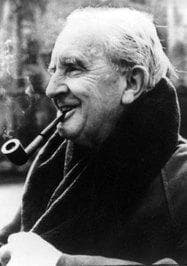
J.R.R. Tolkien was an English writer and philologist, best known for his high-fantasy works. His notable books include "The Hobbit, or There and Back Again," "The Fellowship of the Ring," and "The Return of the King," which are foundational texts in the fantasy genre. He also authored "The Silmarillion" and a boxed set featuring "The Hobbit" and "The Lord of the Rings."
Similar books
- A Wizard of Earthsea
Ursula K. Le Guin
4.0 (241k) average on GoodreadsFantasyClassic fantasy with a journey of self-discovery and magic.
- Harry Potter and the Sorcerer's Stone
J.K. Rowling
4.5 (7M) average on GoodreadsFantasyRescued from a miserable life under the stairs, an orphaned boy discovers he's a wizard destined for a magical school, where he uncovers a dangerous secret tied to the dark wizard who murdered his parents.
- The Hunger Games
Suzanne Collins
4.3 (6.4M) average on GoodreadsFantasyIn a future where children fight to the death on live television, Katniss Everdeen volunteers for the arena, turning a death sentence into a fight for survival and a spark of rebellion.
- 1984
George Orwell
4.2 (3.1M) average on GoodreadsPoliticsIn a future where surveillance and thought control are absolute, a man's search for truth clashes with the Party, showing that hope can be a form of rebellion.
- Divergent
Veronica Roth
4.2 (2.9M) average on GoodreadsFantasyIn a society divided by virtues, a sixteen-year-old's difference from the norm starts a rebellion that threatens her world.
- The Hobbit, or There and Back Again
J.R.R. Tolkien
4.3 (2.9M) average on GoodreadsFantasyA comfort-loving hobbit named Bilbo Baggins is whisked away by a mischievous wizard and a band of dwarves on an unexpected journey to reclaim stolen treasure from a fearsome dragon, discovering courage and a magical ring along the way.





Enjoyed the summary?
A summary gives you the shape of the book. The book itself has the detail, the examples and the voice.
Find The Hobbit, Part One on AmazonAs an Amazon Associate, BookBrief earns from qualifying purchases. How we're funded