

Synopsis
Covers the whole plot, including the ending.
- Difficulty
- Medium
- Pacing
- Variable
- Mood
- Bleak, Detached, Nihilistic, Unsettling
- Read it if
- You are fascinated by the darker side of 1980s Los Angeles, enjoy a mosaic narrative, and appreciate a stark, unflinching portrayal of moral decay and disaffection.
- Skip it if
- You prefer plot-driven thrillers with clear resolutions, are sensitive to graphic content (violence, sex, drug use), or dislike fragmented narratives with morally ambiguous characters.
The Informers Plot Summary
Covers the whole plot, including the ending.
Prologue: The Video Store
The novel begins with a group of young, rich friends—Graham, Bryan, Timothy, and others—at a video store. They talk about a disturbing home video someone found, showing violence and degradation. Their conversation shows a strong sense of boredom and moral distance, as they casually dismiss the horror they've seen. Timothy, especially, seems interested in the tape's shocking nature. This scene immediately sets the bleak and numb mood that fills the lives of these rich Los Angeles youth, hinting at the dark things beneath their glamorous outsides.
Chapter 1: Jamie's Perspective
Jamie, a young woman in Los Angeles, describes her days filled with aimless activities, drug use, and constant boredom. She talks about a recent, unsettling meeting with a man who stalked her, which makes her feel exposed and paranoid, but also strangely removed. Her story shows the shallow nature of her relationships and her inability to truly connect with others. Jamie's thoughts show a deep emptiness, as she struggles with the void of her life and the constant search for quick distractions, mirroring the crisis many characters face in the book.
Chapter 2: Les's Predicament
Les, a successful but tired film executive, tells his story; his life is falling apart despite his career success. He is having an affair, his marriage to Cheryl is tense, and he feels a growing distance from his children, especially his son, Tim. Les's story shows the pressures and moral compromises in the Hollywood industry, as well as his own part in the superficiality around him. He thinks about his past and present failures, feeling stuck by his situation and unable to find real happiness or meaning in his life, mirroring the empty theme of the other characters.
Chapter 3: Timothy's Dark Desires
Timothy, a young man from the first scene, shows his increasingly disturbing obsessions. He describes his interest in violence, pornography, and the morbid, often looking for extreme and dangerous situations. His story shows a strong lack of empathy and a desire to break social rules. Timothy's interactions with his friends are shallow, and he struggles to form real connections, instead finding twisted satisfaction in his dark pursuits. His actions and thoughts suggest a fast slide into nihilism and depravity, representing the extreme end of the moral decay explored in the novel.
Chapter 4: Cheryl's Unhappiness
Cheryl, Les's wife, gives her view on their failing marriage and her own deep unhappiness. She knows about Les's affairs and feels neglected and emotionally alone. Her story portrays a woman stuck in a rich but empty life, surrounded by money but lacking emotional fulfillment. Cheryl thinks about her past hopes and dreams, comparing them to the bleak reality of her current life. She struggles with feelings of isolation and despair, highlighting the emotional cost of the superficiality and moral bankruptcy common in their social circle.
Chapter 5: Graham's Indifference
Graham, another member of the rich youth group, tells his observations of his friends' increasingly reckless and self-destructive behavior. He keeps a cynical and distant manner, seemingly unaffected by the emotional trouble around him. Graham is often present during the more disturbing events, acting as a passive observer rather than an active participant or moral guide. His story highlights the widespread apathy and lack of responsibility within their social circle, as he watches moral decay happen without stepping in or showing much emotion.
Chapter 6: The Party
The characters gather at a lavish party, which quickly turns into a scene of heavy drug use, casual sex, and unsettling encounters. Jamie feels more and more alone and disturbed by the predatory atmosphere, while Timothy seeks more extreme experiences. Les tries to navigate the social scene, watching the younger generation's recklessness with a mix of disapproval and morbid interest. The party acts as a small example of their decadent lifestyle, where moral lines blur and the pursuit of quick pleasure overrides any sense of real connection or consequence.
Chapter 7: Bryan's Despair
Bryan, a young man struggling with his sexuality, tells about his inner conflict and growing despair. He hints at a past traumatic experience and feels separated from his friends. Bryan's story shows his vulnerability and his search for real connection in a world full of superficiality. His struggles with self-acceptance and his attempts to find meaning stand in sharp contrast to the bleak attitudes of many of his friends, making him one of the more relatable, yet equally lost, characters in the group.
Chapter 8: The Runaway
A young runaway boy, desperate and vulnerable, tells his experiences on the streets of Los Angeles. He meets various bad characters and sees the city's darker side, including prostitution and drug abuse. His story provides a sharp contrast to the rich lives of the main characters, showing the big differences and hidden suffering within the same city. The boy's innocence and desperation make his story especially sad, exposing the dangerous nature of certain parts of society.
Chapter 9: The Photographer
A photographer tells his experiences documenting the seedier parts of Los Angeles life. He captures images of violence, drug use, and urban decay, often blurring the lines between observer and participant. His story explores the ethics of artistic representation and the numbness that comes from constantly facing human suffering. The photographer's work reflects the widespread moral decay and how art can both show and add to the objectification of trauma, mirroring the themes of the disturbing video from the first scene.
Chapter 10: Timothy's Escalation
Timothy's story returns, showing his further slide into depravity. His interest in violence and control ends in a disturbing act, though the details are often unclear, relying on hints and suggestions. This chapter is the peak of his character's breakdown, showing the full extent of his moral collapse. His actions are a chilling example of the extreme nihilism and lack of empathy the novel explores, making the reader face the deep darkness hidden beneath seemingly normal lives.
Chapter 11: The Aftermath
After these events, the characters deal with the results, or lack thereof, of what they did and did not do. Some remain distant and unaffected, while others have a brief moment of thought or despair. The novel offers no clear solution or redemption, instead emphasizing the repeating nature of their self-destructive behaviors and the widespread sense of emptiness. The ending reinforces the idea that for many, life continues in a state of moral uncertainty and existential void, with little hope for change.
The Informers Characters
Jamie
Supporting
A young woman drifting through life, seeking fleeting distractions.
Jamie is a young, affluent woman in Los Angeles, characterized by her aimlessness, drug use, and a pervasive sense of boredom. She struggles with a lack of purpose and feels a profound disconnect from those around her. Despite her privileged background, she is deeply unhappy and often feels vulnerable, especially after unsettling encounters. Her internal monologue reveals a constant search for stimulation and an inability to form genuine, lasting connections, making her a poignant embodiment of the novel's themes of emptiness and isolation.
Relationships: Timothy (Acquaintance, part of the same social circle); Graham (Acquaintance, part of the same social circle)
Les
Supporting
A jaded film executive whose personal life is crumbling.
Les is a successful Hollywood film executive, outwardly accomplished but inwardly tormented. He is trapped in a failing marriage with Cheryl, engaging in affairs, and feels increasingly disconnected from his children. Les embodies the moral compromises and superficiality of the entertainment industry, constantly seeking fleeting pleasures to distract from his profound unhappiness. He observes the younger generation's nihilism with a mix of disdain and morbid fascination, recognizing elements of his own moral decay within them.
Relationships: Cheryl (Estranged wife); Tim (Son); Various mistresses (Casual sexual partners)
Timothy
Antagonist/Supporting
A young man with escalating violent and transgressive obsessions.
Timothy is a chilling figure among the group of affluent youth, characterized by his profound lack of empathy and his escalating fascination with violence, pornography, and the macabre. He actively seeks out extreme and dangerous experiences, deriving a perverse satisfaction from transgression. Timothy's internal world is dark and nihilistic, and he struggles to form any genuine human connections, instead finding fulfillment in his disturbing pursuits. He represents the most extreme manifestation of the moral decay explored in the novel.
Relationships: Graham (Acquaintance, part of the same social circle); Jamie (Acquaintance, part of the same social circle)
Cheryl
Supporting
Les's unhappy wife, struggling with neglect and despair.
Cheryl is Les's wife, a woman trapped in an unfulfilling marriage and a life of material wealth but emotional poverty. She is acutely aware of Les's infidelities and feels neglected and emotionally abandoned. Cheryl's narrative highlights the profound sadness and isolation that can exist beneath a veneer of affluence. She yearns for genuine connection and meaning but is unable to escape the cycle of despair, representing the emotional cost of the superficiality prevalent in her social sphere.
Relationships: Les (Estranged husband); Tim (Son)
Graham
Supporting
A detached and cynical observer of his friends' self-destruction.
Graham is one of the young, affluent friends, characterized by his profound indifference and cynicism. He often acts as a passive observer to the reckless and self-destructive behavior of his peers, rarely intervening or expressing strong emotions. Graham's detachment underscores the pervasive apathy within their social circle, as he watches moral decay unfold without significant emotional response or personal consequence. He embodies the intellectualized nihilism that allows him to remain untouched by the chaos around him.
Relationships: Timothy (Acquaintance, part of the same social circle); Jamie (Acquaintance, part of the same social circle)
Bryan
Supporting
A vulnerable young man grappling with his sexuality and despair.
Bryan is a more sensitive and vulnerable character among the group of wealthy youth. He struggles with his sexuality and a deep sense of alienation and hopelessness. Bryan hints at past trauma and yearns for genuine connection, often feeling out of place amidst the superficiality and moral decay of his friends. His internal conflicts make him one of the more sympathetic characters, representing a fragile search for identity and meaning in a world that offers little solace.
Relationships: Graham (Acquaintance, part of the same social circle)
The Runaway Boy
Supporting
A desperate young boy who encounters the dark side of Los Angeles.
This unnamed runaway boy provides a stark contrast to the privileged main characters. He is vulnerable, desperate, and exposed to the harsh realities of Los Angeles's underbelly, including homelessness, exploitation, and drug abuse. His narrative highlights the vast socioeconomic disparities within the city and the hidden suffering that exists beyond the affluent circles. His innocence and precarious situation make his story particularly tragic, emphasizing the predatory nature of certain elements of society.
The Photographer
Supporting
An artist who documents urban decay and violence.
The photographer is an artist who dedicates himself to capturing the raw, often disturbing, realities of Los Angeles. He focuses on scenes of urban decay, violence, and human suffering, blurring the line between observer and participant. His character explores themes of artistic ethics, voyeurism, and the desensitizing effect of constantly confronting trauma. His work serves as a meta-commentary on the novel itself, reflecting the pervasive moral decay and the way art can both mirror and contribute to the objectification of suffering.
The Informers Themes
Moral Decay and Nihilism
The most common theme is the deep moral decay and nihilism affecting the characters, especially the rich youth. They show a shocking lack of empathy, a casual disregard for human life and suffering, and a constant search for quick, often shocking, pleasures to fill an empty existence. This is clear in the first scene where friends discuss a disturbing video with distant amusement, and in Timothy's growing violent obsessions. The characters' actions come from boredom and a belief that nothing truly matters, leading to self-destructive behaviors and a breakdown of values in society.
“'There was just a lot of nothing, and that's what made me feel like I was alive, like I was real.'”
Existential Emptiness and Anomie
Despite their rich lives, the characters suffer from a deep sense of existential emptiness and aimlessness. They lack purpose, meaning, and real connection, which leads them to seek superficial distractions like drugs, casual sex, and material things. Jamie's aimless days, Les's failing marriage, and Cheryl's deep unhappiness all show this void. The characters are stuck in a cycle of seeking outside approval or stimulation because their inner lives are barren, reflecting a generation lost in a world without inherent meaning.
“'It was just another night, another party, another meaningless conversation, another pill.'”
Superficiality and Disconnection
The novel clearly shows a world dominated by superficiality and deep human disconnection. Relationships are like business deals or purely physical, lacking emotional depth or closeness. Characters struggle to talk truly, often using clichés or cynical remarks. This is clear in the strained relationships between Les and Cheryl, and in the casual, distant interactions among the younger friends. The characters live in their own bubble, unable or unwilling to form meaningful bonds, leading to widespread loneliness and isolation even when surrounded by others.
“'We were all talking, but no one was really listening. We never were.'”
Voyeurism and Objectification
Watching others and treating people as objects are recurring ideas, showing the characters' detachment and their tendency to consume experiences rather than engage with them. The disturbing home video in the beginning sets the tone, with characters seeing violence and degradation as entertainment. Timothy's obsessions, the photographer's work, and even the general observation of others' suffering without intervention, all demonstrate this theme. People become objects for pleasure, entertainment, or analysis, stripping them of their humanity and reinforcing the characters' moral distance.
“'It was like watching a movie, only it was real, and that made it even more unreal.'”
The Decadence of Los Angeles
Los Angeles itself acts as a character, a background of beautiful decay hiding deep moral rot. The city, often shown as a place of dreams, becomes a graveyard of hopes and a breeding ground for superficiality and excess. The lavish parties, the film industry's pressures, and the sharp contrast between wealth and the suffering of characters like the runaway boy, all add to this theme. The city's glamour is a thin cover over a dark, predatory underside, reflecting the inner states of its inhabitants.
“'The city was beautiful, but it was also a monster, and we were all just feeding it.'”
Plot Devices & Literary Techniques
Multiple First-Person Narrators
Different characters tell their stories in alternating chapters.
The novel employs a rotating first-person narrative, with each chapter told from the perspective of a different character. This device provides a kaleidoscopic view of the same corrupt world, allowing the reader to experience the moral decay, existential emptiness, and superficiality from various angles. It highlights the subjective nature of reality and the isolation of each character, as their narratives rarely intersect in a meaningful way, emphasizing their individual struggles within a shared environment of anomie. This structure prevents a single moral compass and reinforces the pervasive sense of detachment.
Episodic Structure
A series of interconnected vignettes rather than a linear plot.
Instead of a traditional linear plot, "The Informers" is structured as a series of loosely connected vignettes or character studies. While characters may reappear, there isn't a central overarching conflict or a clear progression towards a resolution. This episodic nature mirrors the aimlessness and lack of purpose experienced by the characters themselves, reflecting their fragmented lives and the absence of meaningful change. It allows for a broader exploration of the novel's themes across different characters and situations, emphasizing the pervasive nature of the issues rather than a single narrative arc.
Ambiguity and Implication
Key events and motivations are often hinted at rather than explicitly stated.
The novel frequently relies on ambiguity and implication, particularly regarding the more disturbing events and the characters' deeper motivations. Violent acts, sexual encounters, and personal traumas are often described vaguely or alluded to, leaving much to the reader's imagination. This device enhances the unsettling atmosphere and reflects the characters' own desensitization, where horrific events are treated with a casual indifference. It also forces the reader to confront the disturbing possibilities, making the narrative more impactful and unsettling by not providing explicit, easily digestible answers.
The Unreliable Narrator
Characters' accounts may be distorted by their own biases and detachment.
Given the characters' pervasive nihilism, drug use, and emotional detachment, many of the first-person narrators can be considered unreliable. Their perceptions of events, their own motivations, and the motivations of others are often colored by their cynicism, apathy, or self-deception. This unreliability forces the reader to constantly question the truth of what is being presented, further immersing them in the disorienting and morally ambiguous world of the novel. It underscores the subjective nature of reality when viewed through the lens of profound moral decay.
The Informers Quotes
“There was a party in the hills above Sunset Boulevard. It was a big, sprawling house, and the party was already pretty wild.”
“The pool glowed a sickly blue, reflecting the city lights that seemed to stretch out forever.”
“We were all young, beautiful, and utterly lost.”
“Nothing felt real anymore. Just a series of disconnected moments, like scenes from a movie I wasn't starring in.”
“The music was too loud, the drugs were too good, and no one cared about anything beyond the next thrill.”
“He had that look in his eyes, the one that said he'd seen too much and felt too little.”
“We were just ghosts, moving through the motions of lives we didn't quite understand.”
“The sun was setting, bleeding across the sky in shades of orange and purple, like a bruise.”
“No one ever really listened. They just waited for their turn to speak.”
“It was all just a game, and we were all losing.”
“The city was a labyrinth of desire and despair, and we were trapped within its walls.”
“Sometimes I wondered if we were all just performing, playing roles in a movie no one would ever see.”
“The silence after the music stopped was always the loudest part.”
“We were the inheritors of nothing, adrift in a world we didn't make.”
Quiz
10 questions on the plot and the characters. Each answer comes with a short explanation.
Question 1
Which character frequently struggles with his sexuality and is involved in a relationship with a much older, wealthy man?
- Graham
- Tim
- Martin
- Daniel
Show answer
B. Tim Tim is the character who is openly gay and has a relationship with an older man, struggling with his identity and the implications of his lifestyle.
Question 2
What is the primary setting for most of the interconnected stories in 'The Informers'?
- New York City
- Miami
- Los Angeles
- London
Show answer
C. Los Angeles The novel is explicitly set in Los Angeles, which plays a significant role in shaping the characters' experiences and moral landscape.
Question 3
Which theme is most prominent throughout the various narratives in 'The Informers'?
- The pursuit of social justice
- The decay of morality and emotional emptiness
- The triumph of the human spirit
- The importance of family bonds
Show answer
B. The decay of morality and emotional emptiness A central theme is the moral decay, nihilism, and emotional emptiness experienced by the characters in their affluent, superficial Los Angeles lives.
Question 4
What profession does Bryan, the main character in one of the central stories, have?
- A musician
- A film producer
- A drug dealer
- A fashion designer
Show answer
B. A film producer Bryan is a film producer, deeply entrenched in the superficial and often depraved world of Hollywood.
Question 5
Which of the following supernatural or horror elements appears in one of the storylines?
- A haunted mansion
- Vampires
- Zombies
- Werewolves
Show answer
B. Vampires One of the most distinctive and unsettling elements of the novel is the presence of vampires within the Los Angeles narrative, blurring the lines between reality and horror.
Question 6
What is the general age group of the characters whose voices dominate the narrative?
- Elderly citizens
- Young adults and teenagers
- Middle-aged professionals
- Children
Show answer
B. Young adults and teenagers The novel primarily focuses on the lives, struggles, and moral decay of young adults and teenagers in Los Angeles.
Question 7
What significant event does Bryan's son, Graham, witness or become involved in that deeply disturbs him?
- A political protest
- A violent murder
- A major earthquake
- His parents' divorce proceedings
Show answer
B. A violent murder Graham is traumatized after witnessing a brutal murder, which contributes to the novel's dark atmosphere and the characters' desensitization.
Question 8
Which character is often described as a detached and emotionally vacant woman, frequently involved in casual relationships?
- Marie
- Susan
- Pamela
- Jennifer
Show answer
B. Susan Susan embodies the emotional detachment and superficiality common among the characters, drifting through relationships without genuine connection.
Question 9
What stylistic choice does Bret Easton Ellis employ to present the various narratives in 'The Informers'?
- A single, linear plot from one protagonist's perspective
- Interconnected short stories or vignettes with overlapping characters
- A play script format
- An epistolary novel told through letters and emails
Show answer
B. Interconnected short stories or vignettes with overlapping characters The novel is structured as a collection of interconnected short stories or vignettes, each focusing on different characters but often with shared connections and themes.
Question 10
Which of the following best describes the overall tone of 'The Informers'?
- Hopeful and uplifting
- Satirical and lighthearted
- Bleak, nihilistic, and detached
- Romantic and passionate
Show answer
C. Bleak, nihilistic, and detached The novel is characterized by a bleak, nihilistic, and emotionally detached tone, reflecting the moral impoverishment of its characters and their environment.
The Informers FAQ
What is the overarching premise of Bret Easton Ellis's 'The Informers'?
'The Informers' presents a fragmented narrative through a series of interconnected short stories and monologues, primarily set in 1980s Los Angeles. It explores the moral decay, ennui, and existential dread among a group of wealthy, disaffected young adults and their parents, often touching on themes of celebrity, violence, and nihilism.
Who are some of the central characters, and what connects them?
The characters include wealthy teenagers like Jamie and Tim, their parents such as Bryan Metro, a faded rock star, and Susan, a bored housewife. They are connected by their social circles, shared experiences of privilege and anomie, and often by casual sexual encounters or drug use, forming a web of superficial relationships.
What role does Los Angeles play in the novel's atmosphere and themes?
Los Angeles is depicted as a glittering, yet hollow backdrop, embodying the superficiality and moral emptiness of the characters. Its perpetual sunshine and glamorous facade starkly contrast with the internal darkness, violence, and emotional desolation experienced by its inhabitants, highlighting the city as both a dream and a nightmare.
Is there a central plot or is the narrative more episodic?
The narrative is largely episodic, structured as a collection of interconnected vignettes rather than a single linear plot. While characters reappear and their lives intersect, there isn't one overarching mystery or goal; instead, the book focuses on presenting a mosaic of their fragmented existences and moral decline.
What kind of 'thriller' or 'mystery' elements are present in the book?
The 'thriller' elements are more psychological and atmospheric than plot-driven, focusing on underlying dread, unexplained disappearances, and casual acts of violence, such as the mysterious deaths and the unsettling presence of a stalker. The 'mystery' lies in understanding the characters' motivations and the pervasive sense of moral decay.
How do Bryan Metro's experiences as a fading rock star reflect larger themes?
Bryan Metro's decline from rock stardom symbolizes the transient nature of fame and the emptiness that can follow success. His struggles with addiction and failed relationships mirror the broader theme of characters grappling with superficial achievements and a lack of genuine connection, despite their material wealth.
Are there any subtle connections between the seemingly disparate stories?
Yes, many characters from one story will appear as minor figures or be referenced in others, creating a sense of a shared, insular world. For example, a character who is a protagonist in one chapter might be a background figure at a party in another, subtly reinforcing the interconnectedness of their social sphere.
What is the significance of the recurring motif of surveillance or being watched?
The motif of surveillance, whether through actual stalkers like the one pursuing Susan, or the pervasive sense of being observed by a detached society, highlights the characters' paranoia and isolation. It underscores their vulnerability despite their privilege and suggests a loss of privacy in their morally compromised lives.
How does Jamie's relationship with his father, Bryan Metro, contribute to his nihilistic worldview?
Jamie's relationship with his absent and self-absorbed father, Bryan Metro, instills in him a deep sense of abandonment and a cynical view of adult relationships. This parental neglect contributes significantly to Jamie's own nihilism, drug use, and detached approach to life, as he sees little meaning or stability in the world around him.
What psychological impact does the pervasive casual violence have on the characters?
The pervasive casual violence, whether witnessed or perpetrated, contributes to a desensitization among the characters, particularly the younger generation. It fosters a sense of apathy and an inability to form deep emotional responses, leading to a profound psychological numbness and moral decay.
How does Susan's ennui as a housewife reflect the psychological state of other characters?
Susan's profound ennui, despite her affluent lifestyle, reflects the existential emptiness experienced by many characters in the novel. Her boredom, infidelity, and longing for something more illustrate the psychological toll of a life devoid of genuine purpose or emotional fulfillment, a common theme across different demographics in the book.
What psychological factors contribute to the characters' inability to form meaningful connections?
A combination of extreme self-absorption, emotional detachment, and a culture of superficiality prevents characters from forming meaningful connections. Their constant pursuit of fleeting pleasures, coupled with a deep-seated fear of vulnerability, creates a psychological barrier to genuine intimacy and empathy.
Is 'The Informers' ultimately a critique of wealth and privilege, or something broader?
While it heavily critiques the moral decay associated with wealth and privilege, 'The Informers' also delves into broader themes of existential angst, the emptiness of modern life, and the search for meaning in a secular world. It examines the human condition when stripped of moral anchors, regardless of economic status.
How does the non-linear structure impact the reader's interpretation of events?
The non-linear, fragmented structure forces the reader to piece together the narrative, mirroring the characters' own disjointed experiences and lack of cohesive purpose. This approach emphasizes the episodic nature of their lives and heightens the sense of disorientation and moral ambiguity, preventing a straightforward interpretation.
To what extent is the title 'The Informers' literal versus metaphorical?
The title is largely metaphorical, referring to how the various narratives 'inform' the reader about the moral landscape of Los Angeles and its inhabitants, revealing their hidden depravities. While there are instances of characters sharing secrets, the primary 'informing' is done by the author through the collective voices, exposing a societal malaise.
Does the novel offer any hope or redemption for its characters, or is it purely bleak?
The novel is predominantly bleak, offering very little in the way of hope or redemption for its characters. The cycle of self-destruction and moral indifference seems unbroken, suggesting a pervasive and inescapable sense of despair that defines their existence and the world Ellis portrays.
How does the book's depiction of vampires relate to its themes of moral decay?
The inclusion of vampires, particularly in the story featuring Jamie, serves as a literal manifestation of the parasitic and morally bankrupt nature of the characters. They symbolize the predatory aspect of their relationships and their consumption of life and innocence, amplifying the themes of decay and soullessness.
What is the significance of the recurring theme of characters being 'lost' or 'adrift'?
The theme of characters being 'lost' or 'adrift' highlights their lack of direction, purpose, and moral compass. It underscores their existential crisis, unable to find meaning in their privileged lives, and reflects a broader societal malaise where traditional values have dissolved, leaving them without guidance.
About the author

Bret Easton Ellis is a provocative American novelist known for his unflinching explorations of consumerism, celebrity, and violence in contemporary culture. His most famous works include "Less Than Zero" and the controversial bestseller "American Psycho," which was adapted into a film. Ellis's writing is characterized by its sharp social commentary and often transgressive subject matter.
Similar books
- Less Than Zero
Bret Easton Ellis
3.6 (73k) average on GoodreadsLiterary FictionShares the same author's signature style, themes of privileged youth, moral decay, and a detached narrative voice in 1980s LA.
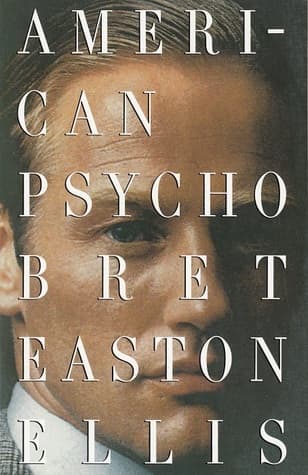
- American Psycho
Bret Easton Ellis
3.8 (242k) average on GoodreadsThrillerExplores extreme depravity and the emptiness of consumerism, though 'The Informers' is less overtly satirical and more a collection of vignettes.
- Glamorama
Bret Easton Ellis
3.5 (21k) average on GoodreadsLiterary FictionFeatures the author's characteristic blend of pop culture, ennui, and a cynical view of superficial society, albeit with a more complex plot.
- The Secret History
Donna Tartt
3.9 (2k) average on GoodreadsPoliticsWhile both novels explore moral corruption among privileged youth, Tartt's 'The Secret History' employs a singular, deeply immersive narrative arc and rich psychological introspection, allowing for greater reader investment in its well-developed characters. 'The Informers,' in contrast, offers a more fragmented, observational approach with less character depth.
- Angels & Demons
Dan Brown
3.9 (2.7M) average on GoodreadsThrillerA Harvard symbologist races through Rome's ancient sites, deciphering cryptic clues to unmask the Illuminati and stop a vengeful plot to destroy the Vatican with a stolen antimatter weapon.
- Gone Girl
Gillian Flynn
4.1 (2.3M) average on GoodreadsThrillerA wife's sudden disappearance on her fifth anniversary reveals a web of lies and psychological warfare, exposing the secrets within a seemingly perfect marriage.





Enjoyed the summary?
A summary gives you the shape of the book. The book itself has the detail, the examples and the voice.
Find The Informers on AmazonAs an Amazon Associate, BookBrief earns from qualifying purchases. How we're funded