
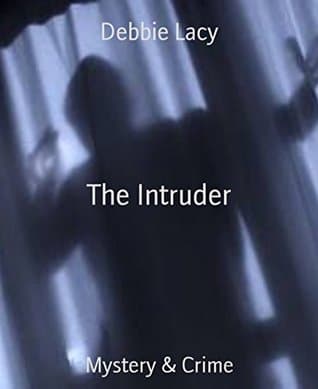
Core Idea
- Difficulty
- Medium
- Read it if
- You are interested in a concise, intense psychological horror that explores themes of isolation, mental health decline, and the internal amplification of fear within a domestic setting.
- Skip it if
- You prefer longer, more detailed narratives, or if you are looking for a story with explicit plot resolution and external conflict rather than internal psychological struggle.
Key Takeaways from The Intruder
The Weight of Solitude
Loneliness and physical decline can create a potent cocktail of vulnerability.
The story immediately establishes Mrs. Tremble's deep isolation, a common situation for many elderly individuals. As a widow living alone in a large house, her loneliness is amplified, suggesting a past full of companionship that is now gone. This loneliness is not just emotional; it is tied to her physical decline. Arthritis, which limits her movement, further restricts her world, trapping her within the walls that once held a fuller life. This combination of social isolation and physical limitation creates an environment for psychological distress, making her prone to anxieties and fears that might otherwise be manageable. It shows how a lack of social connection can worsen the challenges of aging, turning a home into a gilded cage.
“Mrs. Wendy Tremble was very a lonely widow who lived alone in a very large two-story home in New Jersey.”
In the book: Mrs. Tremble's description as a 'lonely widow' living 'alone in a very large two-story home' and her 'affliction of her arthritis discomfort hindered her mobility and was restricted to the home'.
Try this: Actively seek out opportunities for social connection as we age, and recognize the critical link between physical health and mental well-being. Proactively address mobility issues to maintain independence and engagement with the world outside the home.
Related ideas: elderly-isolation, physical-decline, emotional-vulnerability
The Burden of Independence
The desire not to be a burden can lead to profound self-imposed suffering.
Mrs. Tremble's internal conflict shows a common, yet sad, aspect of family relationships in later life. Despite her strong desire for connection with her son and his family, she actively suppresses this need, telling herself they have 'their own lives to live.' This self-sacrificing conclusion, while seemingly noble, cuts off a vital lifeline. Her fear of being a 'burden' is a strong psychological barrier, stopping her from expressing her needs and seeking the support that could ease her loneliness and fear. This internal thought process highlights how societal pressures or personal pride can lead people to endure significant emotional hardship rather than reach out, creating silent suffering that goes unnoticed by those who could help.
“She longed for frequent visits by her son and his family but concluded that they had their own lives to live and didn’t want to be a burden to them.”
In the book: Her internal thought process: 'concluded that they had their own lives to live and didn’t want to be a burden to them.'
Try this: Challenge the ingrained belief that needing help makes one a burden. Practice open communication with family members about needs and feelings, fostering a culture where asking for support is seen as strength, not weakness. For family members, proactively check in and offer assistance without waiting to be asked.
Related ideas: familial-neglect, elderly-independence, self-sacrifice
Home as a Source of Terror
A large, empty house can transform from a sanctuary into a site of dread.
The description of Mrs. Tremble's home changes from a sign of past prosperity to a source of present terror. A 'very large two-story home,' which might have once been a center of family activity, now increases her solitude and vulnerability. The sounds from the 'upstairs level' are particularly unsettling; in a large, empty house, every creak and groan is magnified, interpreted through fear and loneliness. This change of a familiar space into something threatening shows how psychological states can deeply alter our perception of our environment. What someone with company might dismiss as normal house sounds becomes a terrifying unknown for an isolated person, highlighting the deep impact of her emotional and physical vulnerability on her sense of security.
“yet living in that big house alone was a bit much for her and was often terrified in the night by the strange sounds from the upstairs level of her home.”
In the book: The contrast between the house's size and her being 'alone' in it, leading to it being 'a bit much for her,' and her being 'often terrified in the night by the strange sounds from the upstairs level.'
Try this: Recognize how isolation can distort perceptions and magnify anxieties, especially in personal spaces. For those living alone, consider practical solutions like smart home security systems or even simply having a pet to provide a sense of presence and security. For caregivers, regular check-ins can help differentiate between genuine threats and anxiety-induced fears.
Related ideas: domestic-fear, anxiety-in-elderly, psychological-impact-of-space
The Amplification of Minor Threats
In isolation, ordinary occurrences can escalate into significant psychological threats.
Mrs. Tremble's terror over 'strange sounds' from upstairs shows how small, harmless events can become major psychological stressors when someone is isolated and vulnerable. In a house with other people, such sounds might be easily explained away—a settling house, wind, a pet. However, for Mrs. Tremble, alone and with limited mobility in a large house, these sounds are left to the terrifying interpretations of her own mind. Her arthritis prevents her from easily investigating, further increasing her fear and helplessness. This shows how a lack of outside validation or a shared reality can allow anxieties to grow, turning everyday creaks into the imagined footsteps of an 'intruder.'
“often terrified in the night by the strange sounds from the upstairs level of her home.”
In the book: Her specific reaction to the 'strange sounds' – being 'terrified' – combined with her immobility due to arthritis.
Try this: For individuals experiencing isolation, actively seek ways to validate and contextualize unusual sensory experiences. This might involve talking to trusted friends, using technology to investigate, or simply acknowledging that the mind can play tricks when alone. For those supporting isolated individuals, validate their fears while gently exploring rational explanations.
Related ideas: anxiety-escalation, sensory-misinterpretation, vulnerability-psychology
The Silent Plea
Unspoken needs and desires can create profound internal suffering.
Mrs. Tremble's desire for her family is a touching example of an unfulfilled, yet unspoken, need. This is not just a casual wish; it is a deep 'longing,' indicating a significant emotional emptiness. However, this longing remains a silent plea, trapped within her own thoughts because of her fear of being a 'burden.' The tragedy lies in the possibility that this need could be met, had it been expressed. This internal suppression creates a cycle of loneliness, where not asking for help ensures that help does not arrive. It highlights the importance of speaking up about needs, even when it feels difficult, to escape the prison of unspoken desires and the suffering they cause.
“She longed for frequent visits by her son and his family...”
In the book: The direct statement of her 'longing for frequent visits' juxtaposed with her conclusion not to 'be a burden to them.'
Try this: Practice articulating emotional needs and desires, even if it feels uncomfortable. Understand that loved ones often want to help but cannot read minds. For family members, create an environment where open communication is encouraged, and actively ask about an elderly relative's emotional well-being, not just their physical needs.
Related ideas: unmet-needs, emotional-suppression, communication-barriers
The Physical Manifestation of Depression
Physical ailments can profoundly deepen psychological distress.
The text directly links Mrs. Tremble's physical condition to her mental state, stating that her arthritis 'depressed her greatly.' This is a key insight into how physical health and mental well-being affect each other, especially in older age. Her arthritis is not just a physical inconvenience; it directly causes her emotional decline. By limiting her movement and confining her to her home, it takes away opportunities for social engagement, physical activity, and a sense of purpose — all important for mental health. This shows how physical ailments can start or worsen a downward spiral into depression, making it clear that complete care must address both the body and the mind, recognizing their connection.
“The affliction of her arthritis discomfort hindered her mobility and was restricted to the home, which depressed her greatly.”
In the book: The direct causal link: 'The affliction of her arthritis discomfort hindered her mobility and was restricted to the home, which depressed her greatly.'
Try this: Prioritize managing chronic physical conditions not just for physical comfort, but also for mental health benefits. Seek integrated healthcare that addresses both physical and psychological aspects of well-being. For caregivers, understand that physical limitations often directly contribute to depression and mental health challenges.
Related ideas: somatization, geriatric-depression, holistic-health
The Power of the Unseen
Imagined threats can be as potent, or more so, than real ones.
Mrs. Tremble's terror is not explicitly tied to a confirmed intruder, but rather to 'strange sounds' and the implied threat they represent. This highlights the psychological power of the unseen and unknown. When there is no clear information, the mind, especially one already prone to fear due to loneliness and vulnerability, tends to fill the gap with worst-case scenarios. The upstairs, being out of immediate sight and difficult for her to reach, becomes a canvas for her anxieties. This psychological phenomenon illustrates that the absence of a visible threat does not mean an absence of fear; in fact, the uncertainty can increase dread, making the imagined intruder more terrifying than any real one might be.
“often terrified in the night by the strange sounds from the upstairs level of her home.”
In the book: Her being 'terrified' by 'strange sounds' rather than a confirmed visual or physical presence of an intruder.
Try this: Recognize that fear often stems from uncertainty and the unknown. When facing ambiguous situations, actively seek information or provide it to others to reduce the space for fearful speculation. For those supporting the elderly, acknowledge that their fears, even if seemingly irrational, are very real to them.
Related ideas: fear-of-unknown, cognitive-distortion, psychological-terror
The Silent Scream for Help
Emotional distress can manifest as physical vulnerability, a hidden cry for assistance.
Mrs. Tremble's terror and the feeling that her large house is 'a bit much for her' are not just signs of her loneliness; they are a silent, desperate plea for help. Her inability to cope with her living situation, combined with her physical limitations and fear, indicates a deep need for support that she cannot, or will not, express directly. This suggests that often, the most urgent calls for help from vulnerable individuals are not explicit requests but rather observable signs of distress, fear, and an inability to manage daily life. Her 'terror' is a sign of an overwhelmed mind, signaling that her current circumstances are beyond her capacity to handle alone.
“yet living in that big house alone was a bit much for her and was often terrified in the night by the strange sounds from the upstairs level of her home.”
In the book: The combination of her being 'terrified' and the house being 'a bit much for her,' alongside her unexpressed longing for family visits.
Try this: Learn to interpret indirect signs of distress and vulnerability in others, especially the elderly. Don't wait for an explicit request for help; instead, look for changes in behavior, increased fear, or expressions of being overwhelmed. Offer practical and emotional support proactively.
Related ideas: distress-signals, unspoken-needs, vulnerability-awareness
The Intruder Quotes
“The old house stood on a hill overlooking the town, its windows like vacant eyes staring out at nothing.”
“Fear has a way of making you see things that aren't there, and ignoring the ones that are.”
“He moved like a shadow, barely disturbing the dust motes dancing in the slivers of sunlight.”
“Sometimes the greatest dangers are the ones you invite in yourself, unknowingly.”
“The silence in the house wasn't empty; it was heavy, pregnant with unspoken threats.”
“Every creak of the floorboards became a drumbeat, counting down to something inevitable.”
“He wasn't just in the house; he was part of its fabric, woven into its secrets.”
“The truth, when it finally emerged, was far more twisted than any nightmare I could have imagined.”
“You can lock your doors, but you can't lock out the past.”
“The house wasn't just a building; it was a memory, a living testament to forgotten sorrows.”
“Survival isn't about being brave; it's about being relentless.”
“Sometimes the most dangerous thing is not knowing who you're truly fighting against.”
“The silence that followed the storm was not peace, but the heavy breath of lingering shadows.”
“The line between protector and captor can blur when fear takes hold.”
Quiz
10 questions on the main ideas. Each answer comes with a short explanation.
Question 1
Where does Mrs. Wendy Tremble live?
- New York
- New Jersey
- Pennsylvania
- Connecticut
Show answer
B. New Jersey The text explicitly states that Mrs. Wendy Tremble lives in New Jersey.
Question 2
What is Mrs. Tremble's marital status?
- Married
- Divorced
- Widow
- Single
Show answer
C. Widow The text describes Mrs. Wendy Tremble as a 'lonely widow'.
Question 3
What physical ailment restricts Mrs. Tremble's mobility?
- Asthma
- Arthritis
- Diabetes
- Heart disease
Show answer
B. Arthritis The text states, 'The affliction of her arthritis discomfort hindered her mobility'.
Question 4
What type of home does Mrs. Tremble live in?
- A small bungalow
- A two-story apartment
- A very large two-story home
- A modest single-story house
Show answer
C. A very large two-story home The description specifies she lives in 'a very large two-story home'.
Question 5
What is the primary reason for Mrs. Tremble's depression?
- Financial difficulties
- Lack of hobbies
- Her hindered mobility and loneliness
- Concerns about her son's well-being
Show answer
C. Her hindered mobility and loneliness Her depression is directly linked to her 'arthritis discomfort hindered her mobility and was restricted to the home, which depressed her greatly.' This also contributes to her loneliness.
Question 6
Why does Mrs. Tremble not frequently see her son and his family?
- They live too far away.
- She believes they have their own lives and she doesn't want to be a burden.
- They have a strained relationship.
- Her son is too busy with work.
Show answer
B. She believes they have their own lives and she doesn't want to be a burden. She 'concluded that they had their own lives to live and didn’t want to be a burden to them.'
Question 7
What specifically terrifies Mrs. Tremble at night?
- The wind howling outside
- Memories of her late husband
- Strange sounds from the upstairs level of her home
- The silence of the large house
Show answer
C. Strange sounds from the upstairs level of her home The text states she was 'often terrified in the night by the strange sounds from the upstairs level of her home.'
Question 8
Which of the following best describes Mrs. Tremble's internal conflict regarding her son and his family?
- She desires their visits but consciously chooses not to impose on them.
- She resents their absence but understands their reasons.
- She is indifferent to their visits, preferring her solitude.
- She actively discourages their visits to maintain her privacy.
Show answer
A. She desires their visits but consciously chooses not to impose on them. She 'longed for frequent visits' but 'concluded that they had their own lives to live and didn’t want to be a burden to them,' highlighting her internal conflict between desire and self-sacrifice/consideration.
Question 9
What is the implied emotional state of Mrs. Tremble regarding her living situation?
- Contentment and peace
- A mix of longing, fear, and resignation
- Anger and frustration
- Optimism and hope for change
Show answer
B. A mix of longing, fear, and resignation She is 'lonely,' 'depressed,' 'longed for frequent visits,' 'didn't want to be a burden,' and 'often terrified,' indicating a complex mix of longing, fear, and resignation.
Question 10
How does Mrs. Tremble's physical condition directly contribute to her psychological state?
- Her arthritis makes her angry at her family for not visiting more.
- Her restricted mobility confines her, intensifying her loneliness and depression.
- Her discomfort makes her oblivious to the sounds upstairs.
- Her physical pain distracts her from her emotional needs.
Show answer
B. Her restricted mobility confines her, intensifying her loneliness and depression. Her 'arthritis discomfort hindered her mobility and was restricted to the home, which depressed her greatly.' This restriction also exacerbates her loneliness in the large house, contributing to her overall psychological distress.
The Intruder FAQ
What is 'The Intruder' by Debbie Lacy about?
'The Intruder' tells the story of Mrs. Wendy Tremble, a lonely, elderly widow confined to her large New Jersey home by arthritis. She grapples with isolation and fear, especially due to mysterious sounds emanating from upstairs at night.
Who is Mrs. Wendy Tremble?
Mrs. Wendy Tremble is the protagonist of the book, an elderly widow suffering from arthritis. She lives alone in a big house, longs for family visits, and is increasingly disturbed by unexplained noises.
Does Mrs. Tremble's arthritis play a significant role in the story?
Yes, her arthritis is a crucial element as it severely restricts her mobility, confining her to her home. This physical limitation amplifies her loneliness and vulnerability, directly contributing to the story's tension.
What kind of 'intruder' is suggested by the title?
The title 'The Intruder' strongly suggests a physical presence, likely human or animal, that has entered Mrs. Tremble's home. However, given her isolation and fear, it could also imply a psychological intrusion of dread or paranoia.
Is 'The Intruder' a horror novel?
While the description hints at elements of suspense and fear, particularly with the mysterious sounds and Mrs. Tremble's terror, it leans more towards a suspenseful drama or psychological thriller rather than outright horror.
How does 'The Intruder' differ from other stories about elderly protagonists?
Unlike some narratives that focus solely on the emotional struggles of aging, 'The Intruder' introduces a tangible, external threat that directly interacts with the protagonist's vulnerabilities, creating a unique blend of personal drama and suspense.
Are the mysterious sounds explained in the book?
The synopsis indicates that Mrs. Tremble is 'terrified in the night by the strange sounds from the upstairs level.' The resolution of these sounds and the identity of their source are central mysteries that the book aims to unravel.
Does Mrs. Tremble's son visit her in the story?
The description states she 'longed for frequent visits by her son and his family but concluded that they had their own lives to live.' It implies infrequent visits, setting up a theme of isolation, but does not explicitly confirm or deny future visits within the narrative.
What themes are explored in 'The Intruder'?
'The Intruder' explores themes of loneliness, the anxieties of aging, physical confinement, family relationships, and the psychological impact of fear. It delves into how vulnerability can be exploited or challenged by unknown external forces.
About the author

Debbie Lacy is a non-fiction author known for her insightful work, "The Intruder." Her writing often delves into complex social issues, providing readers with well-researched perspectives and compelling narratives. Lacy's dedication to factual storytelling has established her as a respected voice in the non-fiction genre.
Similar books
- We Have Always Lived in the Castle
Shirley Jackson
4.0 (118k) average on GoodreadsThrillerFeatures isolated protagonists in a decaying home, where internal anxieties and a sense of dread are palpable and central to the narrative.
- The Little Stranger
Sarah Waters
3.5 (44k) average on GoodreadsHistorical Fiction'The Intruder' differs by keeping the horror almost exclusively internal, whereas Waters blends psychological unease with more traditional supernatural elements. Both use decaying houses as metaphors, but Lacy's focus is solely on the character's mind.
- Gone Girl
Gillian Flynn
4.1 (2.3M) average on GoodreadsThrillerLacy's 'The Intruder' maintains a more consistent internal focus and a slower burn. Flynn's 'Gone Girl' features more definitive, albeit disturbing, narrative twists and resolutions, which contrasts with Lacy's more open-ended psychological conclusion.
- The Diary of a Young Girl
Anne Frank
4.2 (2.7M) average on GoodreadsBiographyDuring the Nazi occupation, a teenage girl's diary, written from a secret annex, shares observations on humanity, hope, and the wait for freedom.
- Twisted 1. Twisted love
Ana Huang
3.7 (1.7M) average on GoodreadsA quiet billionaire with a difficult past finds his guarded heart opening to the woman he must protect, but their growing passion uncovers dangerous secrets and a shared, traumatic history.
- Eat, Pray, Love
Elizabeth Gilbert
3.6 (1.5M) average on GoodreadsLifestyleA heartbroken writer leaves her conventional life for a year-long global search for pleasure in Italy, spiritual devotion in India, and unexpected love and balance in Bali.





Enjoyed the summary?
A summary gives you the shape of the book. The book itself has the detail, the examples and the voice.
Find The Intruder on AmazonAs an Amazon Associate, BookBrief earns from qualifying purchases. How we're funded