
Estimated read time: 8 min read
One Sentence Summary
A tormented man faces the consequences of his dark past and seeks redemption through love and self-discovery.
Table of Contents
Introduction
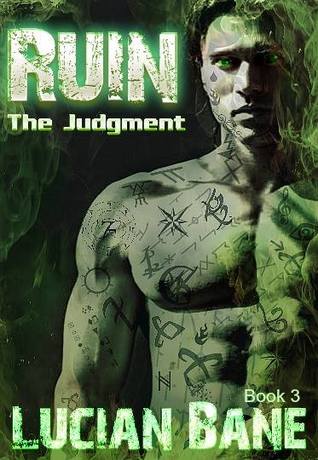
Buckle up for a wild ride into the heart of darkness, redemption, and the raw edges of humanity. The Judgement by Lucian Bane is not your typical romance or thriller; it’s a psychological storm that grabs you by the collar and drags you through a labyrinth of secrets, redemption, and the ever-present battle between shadow and light. Written by an author celebrated for his gritty, emotionally charged storytelling, this novel challenges, provokes, and—ultimately—enlightens. Whether you’re a college student exploring psychological fiction or a lecturer seeking a contemporary work to spark debate, The Judgement offers a compelling lens on trauma, justice, love, and the human capacity for change.
Historical Context
Set in the early 21st century, The Judgement emerges from a literary landscape grappling with the complexities of trauma, mental health, and societal justice. The book reflects a world shaped by the #MeToo movement, criminal justice reform debates, and a growing awareness of psychological wounds. Lucian Bane's narrative resonates with those who have felt marginalized, silenced, or misunderstood—making it particularly relevant for today’s readers. The novel is not based on specific historical figures, but its themes echo real-world struggles for redemption and justice, grounding its intensity in the lived experiences of many.
Brief Synopsis
Plot Overview
At its core, The Judgement follows two deeply wounded souls: a man burdened by a violent past and a woman seeking solace and justice in a world that rarely offers either. Their paths cross under harrowing circumstances, igniting a chain of events that force both to confront their darkest secrets and deepest fears. The plot twists through betrayal, violence, and fragile hope, all while exploring the possibility of forgiveness and transformation.
Setting
The story unfolds in a gritty, unnamed American city—a landscape of urban decay, shadowy alleyways, and cold, indifferent institutions. The atmosphere is thick with tension, mirroring the turmoil within the main characters. The city becomes a character in itself: oppressive, unforgiving, yet offering rare glimpses of light.
Main Characters
Here’s a quick reference table to keep the key players straight:
| Name | Role | Key Traits | Importance to Plot |
|---|---|---|---|
| Sade | Protagonist (female) | Resilient, scarred, determined | Embodies the search for justice and healing |
| Judd | Protagonist (male) | Brooding, remorseful, volatile | Represents redemption and inner conflict |
| Father Upton | Mentor/Confessor | Wise, compassionate, persistent | Guides characters toward self-forgiveness |
| The Judge | Antagonist/Authority Figure | Rigid, cold, menacing | Symbolizes societal judgment and condemnation |
| Lacey | Friend/Support | Loyal, empathetic, pragmatic | Offers a lifeline and emotional support |
Plot Summary
The Meeting (Inciting Incident)
Sade, haunted by a violent assault, finds herself adrift in a city that offers little mercy. Her quest for justice leads her to a shadowy support group, where she meets Judd—a man whose past is as fractured as hers. Their initial encounter is charged with suspicion but also a flicker of recognition: here are two people who have suffered, who might just understand each other.
The Unraveling
As Sade and Judd's paths intertwine, their defenses begin to crumble. Judd, tormented by guilt over his past involvement in criminal acts, is desperate for redemption. Sade, meanwhile, is determined to reclaim agency over her life but remains wary of trusting anyone—especially a man with Judd’s history.
Father Upton, a priest with his own checkered past, becomes a crucial confidant. He challenges both Sade and Judd to confront their pain, warning them that true healing requires brutal honesty and the courage to forgive—not just each other, but themselves.
The Confrontation
The stakes escalate when the legal system—personified by the stern and unyielding Judge—threatens to derail any hope for closure. Sade’s pursuit of justice collides with Judd’s need for forgiveness, placing them on a collision course with the very institutions that failed them.
The Reckoning
Secrets come to light, alliances are tested, and both protagonists are forced to make impossible choices. The climax is a searing examination of what it means to judge, to atone, and to love in the aftermath of violence.
The Aftermath
Without giving away the ending, suffice it to say that Sade and Judd emerge forever changed. The resolution is neither neat nor simple—true to life, the road to healing is ongoing, and the scars remain. But hope, however fragile, endures.
Themes and Motifs
The Judgement is rich with thematic complexity. Here are the central pillars:
- Redemption: Can a person truly atone for unforgivable acts? The novel grapples with the concept of second chances, showing that redemption is as much about accepting oneself as it is about seeking forgiveness from others.
- Justice vs. Vengeance: Sade’s journey is driven by the desire for justice, but the line between justice and vengeance blurs. The book questions whether the system is equipped to deliver true justice or simply perpetuates cycles of pain.
- Trauma and Recovery: Both Sade and Judd are shaped by past trauma. Their healing is messy, nonlinear, and often painful—a realistic portrayal that resonates with anyone who’s struggled to move forward.
- The Nature of Judgement: Through the character of the Judge and the broader legal system, the novel explores how society judges both victim and perpetrator—sometimes harshly, sometimes unjustly.
- Love as Salvation: Amidst darkness, the possibility of love becomes a lifeline. But love here is not a magical cure; it’s a hard-won, fragile thing that demands vulnerability and trust.
Literary Techniques and Style
Lucian Bane’s writing style is a blend of visceral realism and poetic introspection. Let’s break down some of his most effective techniques:
- Dual Point of View: The narrative alternates between Sade and Judd, allowing readers to inhabit both perspectives. This technique deepens empathy and highlights the complexity of trauma and remorse.
- Symbolism: The city’s dilapidated buildings, recurring motifs of broken mirrors, and storm imagery all symbolize the characters’ fractured psyches and the tumultuous process of healing.
- Nonlinear Narrative: Flashbacks are woven seamlessly into the present, revealing crucial backstory and psychological depth without derailing the main action.
- Dialogue: Bane’s dialogue is raw and unfiltered, capturing the jagged edges of trauma and the tentative hope of connection.
- Pacing: The novel’s pacing mirrors its themes—slow and tense during moments of introspection, rapid and breathless during confrontations.
Author's Background
Lucian Bane is a contemporary author known for his emotionally intense explorations of love, trauma, and redemption. With a background in counseling and a passion for psychology, Bane brings a rare authenticity to his characters’ struggles. His earlier works, often tagged as “dark romance” or “psychological fiction,” have cultivated a devoted following among readers who crave stories that dig beneath the surface.
Bane’s influences include literary heavyweights like Fyodor Dostoevsky and contemporary writers such as Gillian Flynn, both known for their complex characters and moral ambiguity. The Judgement is a culmination of Bane’s thematic preoccupations, offering a narrative that is as challenging as it is rewarding.
Key Takeaways
- Redemption is a lifelong journey—it requires honesty, courage, and the willingness to forgive oneself.
- Justice is not always black and white; societal systems often fail those who need them most.
- Trauma leaves lasting scars, but healing is possible through connection and self-acceptance.
- Vulnerability is strength—the willingness to open up can be transformative.
- Love does not erase pain, but it can provide the support needed to move forward.
Reader's Takeaway
If you’re looking for a book that doesn’t shy away from the messiness of being human, The Judgement will resonate deeply. You’ll be challenged to question your own notions of justice and mercy, to empathize with flawed characters, and to consider how even the most broken among us can find redemption. Emotionally, the book delivers a gut punch, but it also offers hope—however tentative—that healing is possible.
For students, this is a novel that will spark thoughtful essays and heated classroom debates. For lecturers, it’s a gold mine of discussion topics: the psychology of trauma, the failings of the justice system, and the nature of forgiveness.
Conclusion
The Judgement by Lucian Bane is an unflinching exploration of trauma, justice, and redemption. With complex characters, a relentlessly engaging plot, and themes that resonate far beyond its pages, this novel is a must-read for anyone interested in the dark, beautiful complexities of the human experience. Whether you’re seeking a book that will make you think, feel, or simply appreciate the resilience of the human spirit, The Judgement is a powerful, unforgettable choice.
Don’t just take my word for it—pick up the book, dive in, and see where your own judgments lead you.
The Judgement FAQ
What is 'The Judgement' by Lucian Bane about?
'The Judgement' is a dark romance novel that explores themes of redemption, punishment, and second chances. It follows the story of characters who are forced to confront their past actions and face the consequences, all while navigating intense emotional and psychological challenges.
Is 'The Judgement' part of a series?
Yes, 'The Judgement' is part of Lucian Bane's 'The Ruin Series.' It continues the storylines established in previous books and introduces new elements and characters.
Who is the main character in 'The Judgement'?
The main characters are often complex and flawed individuals central to the series. Their identities and roles may be better understood by reading the series in order, as the story builds on previous developments.
What genre does 'The Judgement' belong to?
'The Judgement' is primarily a dark romance, but it also incorporates elements of psychological thriller, suspense, and drama.
Are there any trigger warnings for 'The Judgement'?
Yes, the book deals with mature themes, including trauma, violence, and psychological manipulation. Readers sensitive to these topics should proceed with caution.
Do I need to read the previous books in the series before 'The Judgement'?
It is highly recommended to read the earlier books in the Ruin Series first, as 'The Judgement' builds on established characters and storylines for full context and understanding.
What themes are explored in 'The Judgement'?
Major themes include redemption, forgiveness, justice versus vengeance, and the complexities of human morality.
Where can I buy or read 'The Judgement' by Lucian Bane?
'The Judgement' is available on major online retailers such as Amazon, as well as in ebook and paperback formats from various bookstores.
Is 'The Judgement' suitable for all readers?
'The Judgement' is intended for mature audiences due to its explicit content, dark themes, and graphic scenes.
Who is Lucian Bane?
Lucian Bane is a contemporary author known for writing dark, intense romance novels that often explore complex psychological and emotional themes.


