Estimated read time: 12 min read
Table of Contents
List of Characters
| Character Name | Role in Story | Brief Description |
|---|---|---|
| Lucian | Protagonist | A man grappling with his identity and morality. |
| Tara | Love Interest | Lucian’s partner, supportive yet strong-willed. |
| Father Michael | Mentor | Spiritual guide and confidant to Lucian. |
| The Judge | Antagonist/Authority Figure | Symbolic and literal figure of judgment. |
| Marcus | Friend/Confidant | Lucian’s close friend, offers advice and perspective. |
| Mother | Parental Influence | Lucian’s mother, affects his internal conflicts. |
| Abigail | Ally | Tara’s friend, supports their relationship. |
| The Shadow | Symbolic Adversary | Represents Lucian’s darker impulses. |
Role Identification
| Character Name | Narrative Role | Key Function in Plot |
|---|---|---|
| Lucian | Protagonist | Drives the narrative through his emotional journey. |
| Tara | Secondary Protagonist | Humanizes Lucian, provides emotional stakes. |
| Father Michael | Mentor | Guides Lucian towards redemption or clarity. |
| The Judge | Antagonist | Forces Lucian to confront his actions and beliefs. |
| Marcus | Confidant | Acts as Lucian’s sounding board. |
| Mother | Influence | Shapes Lucian’s fears and insecurities. |
| Abigail | Ally | Bolsters Tara and Lucian’s relationship. |
| The Shadow | Adversary | Embodies Lucian’s internal struggles. |
Character Descriptions
Lucian
Lucian is the focal point of the novel. He is introspective, haunted by his past, and constantly wrestling with questions of right and wrong. His journey is both external and internal, battling societal judgment and his own self-judgment.
Tara
Tara is Lucian’s anchor, embodying compassion and resilience. She challenges Lucian to confront his weaknesses but supports him throughout his transformation.
Father Michael
Father Michael is a wise figure whose guidance is crucial to Lucian’s arc. He offers philosophical and religious counsel, advocating for mercy and understanding.
The Judge
The Judge represents both literal and metaphorical judgment. He is distant and severe, embodying the consequences of Lucian’s actions.
Marcus
Marcus is a loyal friend, providing levity and perspective. He helps Lucian process his emotions and decisions.
Mother
Lucian’s mother is a figure from his past. Her influence is felt through memories and internal dialogue, shaping Lucian’s fears about acceptance and love.
Abigail
Abigail is fiercely loyal to Tara and, by extension, to Lucian. She is pragmatic and often acts as a mediator.
The Shadow
The Shadow is an abstract representation of Lucian’s guilt and darker impulses. It appears in moments of vulnerability, pushing Lucian to his limits.
Character Traits
| Character Name | Key Traits | Evidence in Narrative |
|---|---|---|
| Lucian | Introspective, conflicted, resilient | Regular self-reflection, emotional struggles, perseverance. |
| Tara | Compassionate, assertive, patient | Offers support but stands her ground. |
| Father Michael | Wise, forgiving, insightful | Provides counsel, urges mercy. |
| The Judge | Stern, impartial, authoritative | Holds Lucian accountable. |
| Marcus | Loyal, humorous, practical | Stays by Lucian, offers realistic advice. |
| Mother | Loving, critical, protective | Her influence causes both comfort and anxiety. |
| Abigail | Supportive, pragmatic, loyal | Aids Tara and mediates conflict. |
| The Shadow | Dark, manipulative, persistent | Torments Lucian in vulnerable moments. |
Character Background
| Character Name | Background Summary | Influence on Story |
|---|---|---|
| Lucian | Troubled past, searching for redemption. | Past mistakes drive present conflict. |
| Tara | Stable upbringing, believes in Lucian. | Her belief motivates Lucian’s growth. |
| Father Michael | Experienced clergyman, seen much pain. | Uses experience to guide Lucian. |
| The Judge | Unclear, possibly symbolic. | Represents societal and self-judgment. |
| Marcus | Childhood friend, knows Lucian’s history. | Helps Lucian contextualize his failures. |
| Mother | Traditional, strict, loving. | Her standards haunt Lucian’s psyche. |
| Abigail | Independent, survivor of hardship. | Empathizes with Tara and Lucian. |
| The Shadow | Not a person; Lucian’s inner demon. | Personifies Lucian’s self-doubt. |
Character Arcs
Lucian
Lucian’s arc is central. He begins the story deeply conflicted and burdened by guilt. Through interactions with Tara, Father Michael, and his own internal struggles, Lucian faces the possibility of forgiveness. His journey involves accepting responsibility, seeking redemption, and learning self-compassion.
Key Arc Stages
| Stage | Description |
|---|---|
| Conflict | Haunted by past, unable to forgive himself. |
| Challenge | Confronted by The Judge and The Shadow. |
| Growth | Accepts help from Tara and Father Michael. |
| Resolution | Learns to reconcile with his past and move forward. |
Tara
Tara’s arc is about balancing compassion with self-respect. She supports Lucian but learns to set boundaries, ensuring her needs are also met.
Key Arc Stages
| Stage | Description |
|---|---|
| Support | Provides unconditional support to Lucian. |
| Frustration | Struggles with Lucian’s self-destructive behavior. |
| Assertion | Demands Lucian take agency in his healing. |
| Empowerment | Maintains relationship on equal footing. |
Father Michael
Father Michael’s arc is less pronounced but significant. He starts as a distant mentor and becomes more personally invested in Lucian’s growth, revealing his own vulnerabilities as a guide.
Key Arc Stages
| Stage | Description |
|---|---|
| Distance | Provides formal counsel. |
| Engagement | Becomes more emotionally invested. |
| Vulnerability | Shares his own struggles with faith and judgment. |
| Acceptance | Accepts Lucian’s choices, regardless of outcome. |
The Judge
The Judge’s arc is symbolic, shifting from being an ominous authority to a catalyst for Lucian’s self-evaluation.
Key Arc Stages
| Stage | Description |
|---|---|
| Authority | Holds absolute power over Lucian’s fate. |
| Interrogation | Forces Lucian to confront difficult truths. |
| Revelation | Becomes a mirror of Lucian’s internal judgment. |
| Dissolution | Power fades as Lucian claims agency. |
Relationships
Lucian and Tara
Their relationship is the emotional core of the story. Tara’s unwavering support challenges Lucian to confront his fears. Their dynamic is not one-sided; Tara insists on mutual respect and honesty. Together, they represent the possibility of healing through love.
| Dynamic | Description |
|---|---|
| Support | Tara is Lucian’s anchor. |
| Tension | Lucian’s self-doubt creates conflict. |
| Growth | Both learn to communicate more honestly. |
| Resolution | Relationship is strengthened by overcoming trials. |
Lucian and Father Michael
This relationship is built on guidance and trust. Father Michael acts as Lucian’s spiritual anchor, helping him navigate guilt and forgiveness.
| Dynamic | Description |
|---|---|
| Guidance | Father Michael offers wisdom. |
| Doubt | Lucian questions Father Michael’s advice. |
| Trust | Lucian ultimately relies on his counsel. |
| Closure | Mutual understanding is achieved. |
Lucian and The Judge
The Judge is both a literal judge and a symbol of Lucian’s inner critic. Their interactions are intense and confrontational, leading Lucian to deeper self-awareness.
| Dynamic | Description |
|---|---|
| Confrontation | The Judge challenges Lucian’s self-worth. |
| Reflection | Lucian sees his own fears mirrored. |
| Resolution | Lucian’s self-acceptance diminishes The Judge’s power. |
Lucian and Marcus
Marcus provides friendship and stability. He is a grounding force, reminding Lucian of his humanity and worth.
| Dynamic | Description |
|---|---|
| Loyalty | Marcus stands by Lucian. |
| Honesty | He offers tough love when needed. |
| Support | Marcus helps Lucian see reason. |
Lucian and Mother
Lucian’s relationship with his mother is fraught with expectations. Her influence is a source of motivation and anxiety.
| Dynamic | Description |
|---|---|
| Expectation | Mother imposes high standards. |
| Guilt | Lucian feels he has disappointed her. |
| Resolution | Lucian seeks forgiveness from both of them. |
Tara and Abigail
Abigail supports Tara, offering advice and solidarity. She acts as a confidant, helping Tara navigate her relationship with Lucian.
| Dynamic | Description |
|---|---|
| Support | Abigail is Tara’s confidant. |
| Honesty | She voices concerns about Lucian. |
| Mediation | Helps bridge gaps between Tara and Lucian. |
In-depth Character Analysis
Lucian
Lucian is a complex protagonist shaped by loss and regret. His introspection verges on self-absorption, yet he is deeply earnest in his pursuit of redemption. He is often paralyzed by fear of judgment—both from society and himself. Lucian’s journey is marked by significant emotional hurdles, triggered by both real and symbolic adversaries. His relationship with Tara is transformative, serving as the catalyst for his eventual self-acceptance. Lucian’s interactions with The Judge and The Shadow are pivotal, as they force him to confront the darkest parts of his psyche. Ultimately, Lucian’s arc is about learning that forgiveness must come from within before it can be received from others.
Tara
Tara’s strength lies in her compassion and resilience. She is not merely a supporting character; her presence challenges Lucian to grow while demanding respect for her own needs. Tara’s arc is about balancing support with self-care. Her ability to assert boundaries is crucial, preventing her from being subsumed by Lucian’s struggles. Through her relationship with Lucian, Tara demonstrates that love can be both a healing force and a source of personal empowerment.
Father Michael
Father Michael is the voice of wisdom. His guidance is gentle yet firm, grounded in a deep understanding of human frailty. He does not offer easy answers but encourages Lucian to wrestle with difficult questions. Father Michael’s own vulnerability becomes apparent as the story progresses, revealing that even mentors grapple with doubt and loss. His journey alongside Lucian is a testament to the power of empathy and the importance of spiritual mentorship.
The Judge
The Judge serves as both antagonist and mirror. He represents the externalized voice of societal and internal judgment. Through his interactions with Lucian, the novel explores themes of justice, forgiveness, and the subjective nature of truth. The Judge’s authority is formidable, but his power diminishes as Lucian grows in self-understanding. The Judge’s arc underscores the idea that self-forgiveness is the ultimate verdict.
Marcus
Marcus is the embodiment of steadfast friendship. His loyalty is unwavering, and his perspective is clear-eyed. Unlike other characters, Marcus is not burdened by guilt or emotional complexity. His role is to remind Lucian of his intrinsic worth and to offer practical advice. Marcus’s presence ensures that the narrative remains grounded and relatable.
Mother
Lucian’s mother is a lingering presence, her influence felt in his deepest fears and aspirations. She represents both love and pressure, instilling in Lucian a desire to live up to her expectations. Her character is a reminder of the powerful role parents play in shaping self-perception. Lucian’s journey towards reconciling with his childhood experiences is essential to his healing.
Abigail
Abigail is a secondary yet vital character. Her support of Tara provides a counterpoint to Lucian’s struggles. Abigail’s pragmatism and loyalty ensure that Tara does not lose herself in her partner’s turmoil. She acts as a sounding board and mediator, strengthening the story’s exploration of friendship and solidarity.
The Shadow
The Shadow is not a traditional character but a psychological force. It personifies Lucian’s darkest fears and impulses. The Shadow’s presence is most felt during moments of crisis, goading Lucian towards self-doubt. As Lucian learns to confront and integrate this aspect of himself, the Shadow’s influence wanes, symbolizing the triumph of self-acceptance.
Character Dynamics Table
| Pair | Nature of Relationship | Key Themes Explored |
|---|---|---|
| Lucian & Tara | Romantic, supportive | Love, healing, mutual growth |
| Lucian & Father Michael | Mentor-mentee | Redemption, forgiveness, faith |
| Lucian & The Judge | Adversarial, reflective | Justice, self-judgment, truth |
| Lucian & Marcus | Friendship, loyalty | Support, honesty, resilience |
| Lucian & Mother | Familial, influential | Expectation, guilt, reconciliation |
| Tara & Abigail | Friendship, solidarity | Support, boundaries, honesty |
| Lucian & The Shadow | Internal struggle | Guilt, forgiveness, self-acceptance |
Themes Illustrated by Character Arcs
| Theme | Characters Involved | How Explored |
|---|---|---|
| Redemption | Lucian, Father Michael | Lucian’s quest for forgiveness, Michael’s guidance. |
| Judgment vs. Mercy | Lucian, The Judge | Confrontation with external and internal judgment. |
| The Power of Love | Lucian, Tara | Love as a catalyst for healing and change. |
| Self-Acceptance | Lucian, The Shadow | Integration of past and present selves. |
| Friendship | Lucian, Marcus, Abigail | The importance of supportive relationships. |
Transformation and Resolution
By the end of the novel, each character has undergone significant transformation. Lucian emerges as someone capable of forgiving himself. Tara has learned to balance love with self-respect. Father Michael’s faith in redemption is reaffirmed. The Judge’s symbolic power is neutralized, and the Shadow is integrated into Lucian’s consciousness. The story closes with the characters in a state of greater understanding and connection.
Character Growth Table
| Character | Starting Point | End Point | Growth Summary |
|---|---|---|---|
| Lucian | Guilt-ridden, self-loathing | Self-forgiving, hopeful | Learns to accept and forgive himself. |
| Tara | Supportive but self-sacrificing | Empowered, assertive | Sets boundaries, achieves balance. |
| Father Michael | Detached, advisory | Engaged, vulnerable | Becomes more emotionally invested. |
| The Judge | All-powerful, distant | Powerless, reflective | Loses control as Lucian finds peace. |
| Marcus | Loyal, practical | Loyal, affirmed | Role remains steady and supportive. |
| Mother | Critical, expectant | Accepting, forgiving | Moves from judgment to acceptance. |
| Abigail | Supportive, pragmatic | Supportive, affirmed | Relationship with Tara is strengthened. |
| The Shadow | Dominant, manipulative | Integrated, diminished | Loses hold as Lucian grows. |
Conclusion
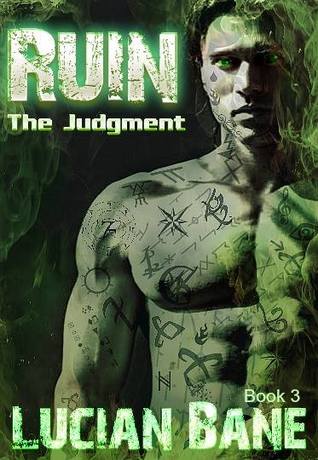
"The Judgement" by Lucian Bane presents a rich tapestry of character-driven conflict and transformation. Through meticulously crafted relationships and internal struggles, each character contributes to the central themes of redemption, forgiveness, and self-acceptance. The novel’s resolution is satisfying, as characters find peace and understanding, both within themselves and with each other. The complex interplay of personalities, especially between Lucian and his symbolic adversaries, ensures that the story remains compelling and deeply human.