
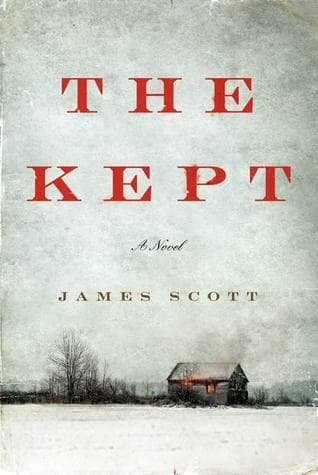
Synopsis
Covers the whole plot, including the ending.
- Difficulty
- Medium
- Pacing
- Moderate
- Mood
- Dark, Suspenseful, Atmospheric, Gritty, Melancholy
- Read it if
- You enjoy dark, atmospheric historical thrillers with a strong sense of place and complex characters driven by vengeance.
- Skip it if
- You prefer lighthearted stories or are sensitive to graphic violence and morally ambiguous protagonists.
The Kept Plot Summary
Covers the whole plot, including the ending.
The Massacre at the Farm
In the harsh winter of 1897, midwife Elspeth Howell returns home to her isolated upstate New York farm. She finds a horrific scene: her husband and four of her children, Thomas, Mary, John, and Sarah, have been murdered by three attackers. The house is a bloodbath. She finds her twelve-year-old son, Caleb, alive and hidden in the kitchen pantry, traumatized but unharmed. As Elspeth deals with the shock and grief, another gunshot hits her in the chest, leaving her severely wounded. Caleb, despite his young age, must now care for his injured mother and the bodies of his family, facing an unimaginable ordeal alone.
Caleb's Burden and Elspeth's Recovery
After Elspeth is shot, Caleb is forced into a grim maturity. He drags his mother inside, cleans her wound, and tries to keep her alive with what little medical knowledge he learned from her midwifery. He buries his father and siblings in the frozen ground, a task too heavy for a boy. Days turn into weeks as he struggles to provide for himself and his unconscious mother, battling the cold, hunger, and the weight of solitude and fear. Elspeth slowly recovers, her physical wounds healing, but her mind focuses on revenge. She is a shadow of her former self, hardened by grief and obsession.
The Quest for Vengeance Begins
Once Elspeth is strong enough, her only goal is to find the men who destroyed her family. She tells Caleb she knows one of the killers: Silas, a man who worked on their farm. She arms herself with a rifle and a hatchet, and despite Caleb's reluctance, she makes him go with her. Their journey begins, a desperate trek through the winter landscape. Caleb is a reluctant participant, often questioning his mother's methods and the morality of their quest, but he is bound to her by circumstance and shared trauma. Elspeth's determination is absolute.
Encounter with the First Killer: Silas
Elspeth and Caleb follow clues to a remote logging camp. There, they find Silas, the first murderer. The confrontation is swift and brutal. Elspeth, full of rage, attacks Silas, taking her revenge. Caleb sees the violence, further traumatized by his mother's actions. This event marks a turning point, solidifying Elspeth's transformation into a vengeful force and deepening Caleb's internal conflict. He is appalled by the brutality but understands the grief driving his mother, leaving him caught between his innocence and their quest's harsh realities.
The Search for the Second Man: Elias
With Silas dead, Elspeth and Caleb continue, their next target being Elias. Their pursuit takes them through desolate wilderness and to a small, isolated town. Elspeth is relentless in her questioning, drawing attention. Caleb, trying to remain unnoticed, observes the town and its people, learning about society's dark side. He starts to develop a keen sense of observation and survival, forced to adapt to their mission's dangers. Elspeth's single-mindedness often puts them in precarious situations, but her cunning usually helps them through.
The Unveiling of Elspeth's Past
As they travel, Caleb notices inconsistencies and strange reactions from people who knew Elspeth in the past. Whispers and veiled comments suggest a history more complex than he imagined. Elspeth, always guarded, offers no explanations, deepening the mystery. Caleb begins to question not only his mother's current actions but her entire life, realizing the woman he thought he knew might be a stranger. This gradual reveal of Elspeth's hidden past adds tension to their journey, making Caleb increasingly wary.
Confrontation with Elias and Further Revelations
Elspeth and Caleb eventually find Elias. The confrontation is tense and leads to another violent encounter. During this, Elias reveals important information, not only about the massacre but also about Elspeth's past and her connection to the killers. These revelations are unsettling for Caleb, who begins to understand that the tragedy at the farm was not random but rooted in a complex history of betrayal and revenge. Elspeth's reaction to these truths is a mix of anger, pain, and a grim determination to finish her quest, no matter the cost.
The Pursuit of the Third Man: Jude
With two killers dealt with, Elspeth and Caleb focus on the third, and most elusive, man: Jude. It becomes clear that Jude is the mastermind, the one with the deepest connection to Elspeth's past and the true instigator of the massacre. Their pursuit becomes more desperate and dangerous as they get closer to him. Caleb, now hardened and observant, plays a more active role in tracking, but the weight of the violence and the truths about his mother continue to haunt him. The journey takes them to increasingly remote locations, reflecting the harshness of their mission.
The Truth Unveiled: Elspeth's Secret
As they close in on Jude, the full truth about Elspeth's past is finally revealed. Caleb learns that Jude is not just a random killer but Elspeth's former lover and the biological father of some of her children, including Caleb. The massacre was an act of vengeance by Jude, fueled by Elspeth's abandonment and the life she built with another man. This revelation shatters Caleb's understanding of his family, his mother, and himself. He grapples with the immense betrayal and the realization that his entire life has been built on lies and hidden pain.
The Final Confrontation
The final confrontation with Jude happens in a remote, desolate setting, mirroring the bleakness of their journey. It is a brutal and emotional encounter. Elspeth, consumed by vengeance and the weight of her past, faces Jude directly. Caleb is caught in the middle, forced to witness the end of his mother's quest and the destruction of his remaining family. The fight is not just physical; it is a battle of old wounds, betrayals, and the devastating results of past choices. The violence is harrowing, and the outcome leaves a lasting mark on Caleb.
The Aftermath and Caleb's New Path
After the final confrontation, Elspeth and Caleb are emotionally and physically exhausted. The quest for revenge, while complete, leaves behind devastation. Caleb, now stripped of his childhood innocence, must grapple with the truths about his origins, his mother, and the brutal world he has been forced to inhabit. He must decide what kind of person he will become, carrying the heavy burden of his experiences. The story ends with Caleb starting a new, uncertain path, forever changed by the violence and revelations he has endured.
Principal Figures
Elspeth Howell
Protagonist
A hardened midwife driven by an obsessive quest for vengeance after her family's murder.
Elspeth is a complex and enigmatic woman. Initially presented as a resilient midwife and mother, she transforms into a relentless, almost inhuman force of vengeance after the massacre of her husband and four children. She is fiercely determined, pragmatic, and possesses a raw, primal strength. Her past is shrouded in mystery, gradually revealing a history of difficult choices, love, and betrayal that directly led to the tragedy. She is capable of both immense care and shocking brutality, often blurring the lines of morality in her pursuit of justice.
Relationships: Caleb (Mother-son, but also captor-prisoner in their shared quest); Jude (Former lover and father of some of her children, now her primary target for vengeance); Silas (Former acquaintance, one of the killers, Elspeth's first target); Elias (One of the killers, reveals aspects of Elspeth's past)
Caleb Howell
Protagonist
Elspeth's twelve-year-old son, forced into premature adulthood by tragedy and his mother's quest.
Caleb is a sensitive and observant boy who is thrust into an unimaginable nightmare. He begins as an innocent child, deeply traumatized by the massacre and his mother's subsequent injury. He is forced to mature rapidly, performing gruesome tasks and enduring immense hardship. He is a reluctant participant in his mother's quest for vengeance, often questioning her methods and the morality of their actions. He struggles with fear, loyalty, and the gradual, painful realization of his mother's dark past and his own true origins. He represents the lost innocence and the devastating impact of violence.
Relationships: Elspeth (Son-mother, but also a complex relationship of dependence, fear, and eventual disillusionment); Jude (Biological father, a devastating revelation for Caleb)
Jude
Antagonist
The enigmatic and vengeful leader of the killers, with a deep, hidden connection to Elspeth.
Jude is the primary antagonist and the mastermind behind the massacre. He is a shadowy figure for much of the novel, his identity and motivations slowly revealed. He is portrayed as a man driven by a profound sense of betrayal and a desire for revenge against Elspeth, stemming from their shared past. He is cunning, brutal, and utterly consumed by his own pain and resentment. His actions set the entire tragic chain of events in motion, and his confrontation with Elspeth forms the emotional and violent climax of the story. He represents the destructive power of past mistakes and unresolved grievances.
Relationships: Elspeth (Former lover, father of some of her children, now her ultimate target for revenge); Silas (Accomplice in the massacre); Elias (Accomplice in the massacre)
Silas
Supporting
One of the three killers, a former farmhand, and Elspeth's first target for vengeance.
Silas is one of the men involved in the massacre of Elspeth's family. He is not given extensive character development beyond his role as a perpetrator. He is identified by Elspeth early on, having previously worked on their farm, which makes him the most accessible target for her initial revenge. His encounter with Elspeth and Caleb is brutal and serves to establish the violent tone of Elspeth's quest and Caleb's forced exposure to bloodshed.
Relationships: Elspeth (Victim of her revenge); Jude (Accomplice); Elias (Accomplice)
Elias
Supporting
Another of the killers, whose capture reveals more about Elspeth's mysterious past.
Elias is the second killer Elspeth and Caleb pursue. Like Silas, he is primarily defined by his role in the massacre. However, during his confrontation with Elspeth, he provides crucial information that begins to unravel the mystery of Elspeth's past and the true motivations behind the attack. He serves as a catalyst for deeper revelations, forcing Caleb and the reader to question the narrative presented thus far. His character highlights the interconnectedness of the past and present violence.
Relationships: Elspeth (Victim of her revenge); Jude (Accomplice); Silas (Accomplice)
Thomas, Mary, John, Sarah Howell
Mentioned
Elspeth and her husband's children, brutally murdered in the opening act.
These four children are Elspeth's and her husband's offspring, tragically murdered in the initial massacre. They exist primarily as the impetus for Elspeth's quest for vengeance and as a symbol of the profound loss and trauma that drives the narrative. Their deaths haunt both Elspeth and Caleb, serving as a constant reminder of the horrific event that shattered their lives and set them on their desperate journey.
Relationships: Elspeth (Children); Caleb (Siblings)
Caleb's Father (Elspeth's husband)
Mentioned
Elspeth's husband, murdered in the initial attack, whose true relationship to Caleb is later revealed.
Elspeth's husband is one of the first victims of the massacre. For much of the story, he is presented as Caleb's biological father. His death, alongside his children, fuels Elspeth's rage. However, later revelations expose that he was not Caleb's biological father, adding another layer of complexity and deception to the family history. His character represents the life Elspeth built, which Jude sought to destroy, and the lies that underpinned it.
Relationships: Elspeth (Husband); Caleb (Step-father (initially believed to be biological father))
Themes & Insights
The Corrosive Nature of Vengeance
The novel explores how seeking revenge consumes people. Elspeth's quest, born from grief, strips away her humanity, turning her into a brutal, single-minded force. Caleb sees this change, and the violence he experiences warps his morality. Each act of revenge, though seemingly justified, leaves deeper scars and diminishes the avenger, as seen in Elspeth's ruthless actions.
“What had been done to them was an atrocity, but what Elspeth was doing now was something else, something that made a knot in Caleb's gut.”
Loss of Innocence
Caleb's journey shows childhood innocence lost. From discovering his murdered family and caring for his wounded mother, he faces humanity's darkest aspects. His experiences, from burying his siblings to witnessing his mother's brutal acts, take away his youth and force him into early maturity. The revelations about his mother's past and his true parentage further shatter his world, leaving him with betrayal and a cynical view, much like Mattie Ross in True Grit.
“He knew then that his mother was not the woman he had always believed her to be, and that the world was not the place he had thought he lived in.”
The Weight of the Past and Hidden Truths
The story is driven by the slow reveal of Elspeth's past and the truths that led to the massacre. The present tragedy is a direct result of past choices, betrayals, and relationships. As Caleb uncovers parts of his mother's history and his own parentage, it becomes clear that secrets have a devastating ripple effect, shaping destinies. The revelation that Jude is his biological father and Elspeth's former lover completely changes the story, exposing the deep roots of the violence.
“Every secret had a weight, and this one, heavier than any he could have imagined, threatened to crush him.”
Survival and Resilience
Amidst the violence and despair, survival is key. Caleb, a young boy, shows great resilience in caring for his mother, burying his family, and enduring the harsh winter. Both Elspeth and Caleb show an almost primal will to survive, physically and emotionally, even when pushed to their limits. Their ability to persevere through extreme conditions, hunger, cold, and constant danger highlights the human capacity for endurance, though often at a great cost to their humanity.
“He learned to move without thought, to breathe without effort, to exist in the cold, hard world as if he had been born to it.”
Moral Ambiguity
The novel blurs lines between right and wrong, challenging ideas of justice. While the initial massacre is evil, Elspeth's acts of vengeance, driven by grief, are equally brutal and often morally questionable. Caleb struggles with this ambiguity, torn between understanding his mother's pain and being horrified by her actions. The story offers no easy answers, forcing readers to consider the complex motivations and consequences of violence, even when provoked.
“What was justice, he wondered, when it tasted so much like blood?”
Plot Devices & Literary Techniques
The Unreliable Narrator (Elspeth's Past)
The withholding and gradual revelation of Elspeth's true history creates suspense and redefines the narrative.
For much of the story, Elspeth's past is shrouded in mystery, and her motivations are presented as purely righteous vengeance for a random act. However, the gradual unveiling of her prior relationship with Jude and the true parentage of Caleb, through hints and revelations from other characters, creates a sense of an unreliable or incomplete narrative from her perspective. This device keeps the reader and Caleb constantly questioning, adding layers of suspense and ultimately recontextualizing the entire plot, transforming it from a simple revenge story into a complex tragedy rooted in past betrayals.
The Isolated Setting
The remote, harsh upstate New York winter landscape amplifies the characters' vulnerability and the story's bleakness.
The setting of rural upstate New York in the bitter winter of 1897 is more than just a backdrop; it's a character in itself. The isolation of the Howell farm and the unforgiving winter landscape amplify the characters' vulnerability, their struggle for survival, and the bleakness of their quest. The frozen wilderness acts as a constant obstacle and a mirror to the emotional desolation of Elspeth and Caleb. It also ensures their encounters with others are rare and impactful, heightening the tension and sense of danger as they pursue their vengeance without the aid or intervention of civilization.
The MacGuffin (The Killers' Identities)
The identities of the three killers serve as the primary driving force for the plot.
While the identities of Silas, Elias, and Jude are eventually revealed and are central to the plot's resolution, their initial unknown or partially known status acts as a MacGuffin. The quest to find them is the explicit goal that propels Elspeth and Caleb forward. Each killer, once found, not only brings them closer to vengeance but also unlocks more pieces of the puzzle of Elspeth's past, transforming the simple 'who' into a much more complex 'why,' deepening the narrative beyond a straightforward revenge tale.
Foreshadowing (Elspeth's Mysterious Past)
Subtle hints and reactions from others about Elspeth's history hint at deeper, darker truths.
Throughout the narrative, there are subtle hints and unsettling reactions from characters who knew Elspeth in her past, suggesting that her life before the farm was more complex and perhaps morally compromised than initially presented. These instances of foreshadowing create a growing sense of unease and curiosity for Caleb and the reader, building anticipation for the eventual, shocking revelations about her connection to Jude and the true nature of the massacre. This device effectively builds suspense and makes the final reveals more impactful.
The Kept Quotes
“There are some things in this world that are not meant to be known.”
“Grief, she was learning, was not a single thing but a thousand small cuts, each one bleeding anew.”
“The house was a tomb, and she, the last ghost to haunt it.”
“A secret was a living thing, and it wanted to be let out.”
“The cold was a constant companion, a reminder of what had been lost.”
“Revenge was a dish best served cold, but she found it was also a dish that froze you from the inside out.”
“The past was a weight, heavy and suffocating, and it clung to her like a shroud.”
“Trust was a fragile thing, easily broken, and once shattered, almost impossible to mend.”
“Sometimes, the only way to survive was to become something else, something harder.”
“The woods held their own secrets, older and deeper than any human could fathom.”
“Hope was a dangerous thing in a world like this, a flicker that could just as easily burn you.”
“She was a daughter, a sister, a survivor. But most of all, she was a witness.”
“The snow fell like a burial shroud, covering everything, clean and unforgiving.”
“The silence was not empty, but full of all the things that could not be said.”
Quiz
10 questions on the plot and the characters. Each answer comes with a short explanation.
Question 1
What year does the main tragedy occur at the Howell farm?
- 1887
- 1897
- 1907
- 1899
Show answer
B. 1897 The story explicitly states the tragedy occurs in the winter of 1897.
Question 2
How many of Elspeth's children are murdered during the initial attack on the farm?
- Three
- Four
- Five
- All of them
Show answer
B. Four Elspeth returns to find her husband and four of her children murdered. Caleb is the only one who survives the initial massacre.
Question 3
Where is Caleb hiding when his mother, Elspeth, returns home to the carnage?
- In the barn
- Under his bed
- In the kitchen pantry
- Outside in the snow
Show answer
C. In the kitchen pantry Caleb is found alive and hiding in the kitchen pantry after the attack.
Question 4
What is Elspeth's profession before the tragedy?
- Farmer
- Teacher
- Midwife
- Seamstress
Show answer
C. Midwife Elspeth is described as a midwife who is returning home when the attack occurs.
Question 5
What is the primary motivation for Elspeth and Caleb's journey after Elspeth recovers?
- To find a new home
- To seek medical attention for Elspeth
- To avenge the murders of their family
- To escape the harsh winter
Show answer
C. To avenge the murders of their family Their quest is specifically described as a search for the men responsible, driven by vengeance.
Question 6
What type of weapon is mentioned as firing 'another shot' after Elspeth finds Caleb, hinting at the continuation of violence?
- A knife
- A rifle
- A pistol
- A shotgun
Show answer
B. A rifle The text states 'another shot rings out over the snow-covered valley,' implying a firearm, and the context of the period and rural setting often points to rifles.
Question 7
The novel is set in what geographical region of New York state?
- Long Island
- New York City
- Upstate New York
- The Finger Lakes region
Show answer
C. Upstate New York The setting is explicitly stated as 'rural New York state' and 'upstate New York'.
Question 8
Which of the following literary themes is NOT explicitly highlighted in the description of 'The Kept'?
- Atonement and retribution
- Guilt and lost innocence
- Romantic love and betrayal
- Resilience and sacrifice
Show answer
C. Romantic love and betrayal The description highlights themes like guilt, lost innocence, atonement, retribution, resilience, and sacrifice, but does not mention romantic love or betrayal as central themes.
Question 9
The character of Caleb is compared to which other literary protagonists for his indelible and heartbreaking nature?
- Holden Caulfield from 'The Catcher in the Rye'
- Scout Finch from 'To Kill a Mockingbird'
- Mattie Ross of 'True Grit' and Jimmy Blevins of 'All the Pretty Horses'
- Huck Finn from 'The Adventures of Huckleberry Finn'
Show answer
C. Mattie Ross of 'True Grit' and Jimmy Blevins of 'All the Pretty Horses' The description directly compares Caleb to 'Mattie Ross of True Grit or Jimmy Blevins of All the Pretty Horses'.
Question 10
What is the implied emotional state of Elspeth that drives her actions, described as 'pregnant obsession'?
- A deep longing for peace and quiet
- An all-consuming, powerful desire for revenge or justice
- A desperate need for medical care for herself
- A profound sadness that paralyzes her will
Show answer
B. An all-consuming, powerful desire for revenge or justice 'Pregnant obsession' in the context of the novel's themes of 'atonement and retribution' strongly implies an all-consuming and growing desire for revenge or justice, not merely sadness or a need for peace.
The Kept FAQ
What is the core premise of 'The Kept'?
The Kept follows Elspeth Howell, a midwife, and her twelve-year-old son, Caleb, as they embark on a perilous journey through the harsh winter landscape of rural New York in 1897. Their quest is to find and exact revenge upon the three men who brutally murdered Elspeth's husband and four of their children at their isolated farm.
Who are the central protagonists and what are their initial motivations?
Elspeth Howell is a hardened midwife driven by an almost primal need for retribution after her family's massacre. Caleb, her surviving son, is initially motivated by loyalty and a desperate need to protect his injured mother, though his understanding of their mission evolves as they encounter the harsh realities of their journey.
What is the setting and historical context of the novel?
The novel is set in the unforgiving, snow-covered rural New York state in the winter of 1897. This turn-of-the-century setting emphasizes the isolation, harsh living conditions, and the lack of formal justice systems, forcing characters to rely on their own means for survival and vengeance.
What traumatic event sets the plot in motion?
The plot is ignited by the brutal massacre of Elspeth's husband and four of her children by three unknown assailants at their remote farm. Elspeth discovers the carnage upon returning home, and Caleb barely survives by hiding in the pantry, witnessing the aftermath.
How does Caleb's role evolve throughout the story?
Caleb begins as a vulnerable boy, forced to care for his gravely injured mother, but he gradually transforms into a more capable and morally conflicted individual. He is thrust into adult responsibilities, witnessing violence and making difficult choices that accelerate his loss of innocence.
What is the significance of Elspeth's past as a midwife?
Elspeth's past as a midwife reveals her familiarity with life and death, pain and resilience, which ironically prepares her for the gruesome task of vengeance. It also subtly hints at her deep understanding of human nature and her capacity for both nurturing and extreme action.
Are there any clues to the identities of the killers early in the book?
The identities of the killers are initially shrouded in mystery, known only as a 'trio of killers.' The narrative slowly unspools details and connections that hint at their motives and backgrounds, gradually revealing their ties to Elspeth's past and other characters they encounter.
What is the significance of the 'kept' in the title?
The title 'The Kept' likely refers to Caleb, who is 'kept' alive by chance and his mother's protection, and also 'kept' in the dark about certain aspects of his mother's past and the true motives behind the attack. It might also allude to secrets 'kept' by various characters.
How does the harsh winter landscape contribute to the narrative?
The relentless winter acts as a formidable antagonist, mirroring the emotional desolation and brutality of the human actions. It amplifies the characters' vulnerability, isolates them further, and serves as a constant reminder of the unforgiving nature of their quest and the world they inhabit.
What psychological impact does the massacre have on Caleb?
Caleb endures profound psychological trauma, manifested in his forced maturity, loss of innocence, and internal struggles with violence. He grapples with the morality of their quest, the blurring lines between right and wrong, and the burden of witnessing horrific acts at a young age.
How does Elspeth's grief manifest differently from a typical grieving mother?
Elspeth's grief is channeled almost entirely into a cold, relentless pursuit of revenge, rather than outward displays of sorrow or despair. Her determination becomes her coping mechanism, and her actions, while driven by loss, are marked by a chilling pragmatism and an almost inhuman resolve.
What role does guilt play in the characters' motivations?
Guilt subtly influences both Elspeth and Caleb. Elspeth might harbor guilt over past choices or her inability to protect her family, fueling her violent quest. Caleb, too, might feel a survivor's guilt or guilt over his evolving capacity for violence, impacting his moral compass.
How does the novel explore the theme of lost innocence, particularly through Caleb?
Caleb's journey is a stark portrayal of lost innocence as he is forced to confront unimaginable violence, make life-or-death decisions, and participate in acts of retribution. His childhood is stolen by trauma, replacing youthful naivety with a hardened understanding of the world's cruelty.
Is Elspeth a sympathetic character despite her violent quest?
Elspeth is a complex character. While her motivations stem from immense tragedy, her methods are often brutal and uncompromising, challenging readers to reconcile her grief with her violent actions. Sympathy for her often comes from understanding the depth of her loss, even if her choices are difficult to condone.
What does the ending suggest about the nature of revenge?
The ending of 'The Kept' offers a nuanced perspective on revenge, suggesting it may not bring the expected catharsis or peace. It often leaves lasting scars, moral ambiguities, and a cycle of violence, forcing characters to confront the true cost of their retribution.
How does the book compare to works by authors like Cormac McCarthy or the Coen Brothers' 'True Grit'?
'The Kept' shares thematic similarities with McCarthy's work in its exploration of brutal landscapes, moral ambiguity, and the dark side of human nature. Like 'True Grit', it features a determined young protagonist thrust into a violent quest for justice, navigating a harsh, unforgiving frontier world.
Are there any supernatural or mythical elements in the story?
While the story has an almost mythic feel due to its stark setting and primal themes of revenge and survival, it remains firmly grounded in realism. There are no explicit supernatural elements; the 'mystery' is entirely human-driven and psychological.
How does the novel portray the role of women in the late 19th century?
Elspeth, as a midwife, embodies a strong, independent, and capable woman in a period where such roles were often limited. Her resilience and active pursuit of justice challenge traditional portrayals, highlighting the strength and agency women could possess even in harsh, patriarchal environments.
About the author
James Scott is an author known for his fiction, including the novel "The Kept." His work often explores themes of isolation and survival in historical settings. Scott's writing has garnered attention for its atmospheric style and complex characters.
Similar books
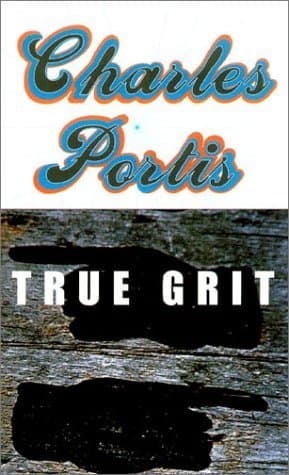
- True Grit
Charles Portis
4.1 (44k) average on GoodreadsHistorical FictionFeatures a determined young protagonist in a quest for justice in a harsh historical setting.
- Blood Meridian
Cormac McCarthy
4.2 (227k) average on GoodreadsFictionShares a brutal, unflinching portrayal of violence and a desolate landscape.
- The Road
Cormac McCarthy
4.0 (716k) average on GoodreadsScience FictionExplores a desperate parent-child relationship in a bleak, survival-focused narrative.
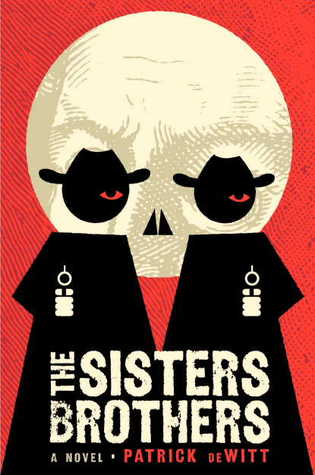
- The Sisters Brothers
Patrick dewitt
3.8 (83k) average on GoodreadsLiterary FictionBoth novels are historical fiction set in a violent past, featuring characters on a quest. However, deWitt's "The Sisters Brothers" injects a significant amount of dark humor and a more picaresque, road-trip structure, offering a lighter, albeit still violent, tone. "The Kept" is far more serious, focusing intensely on the psychological weight of its characters' actions and secrets, without the comedic relief found in deWitt's work. Scott's novel is a more traditional thriller, while deWitt's leans into a quirky, character-driven adventure.
- The Old Man and the Sea
Ernest Hemingway
3.8 (831k) average on GoodreadsLiterary FictionA Cuban fisherman's long struggle with a giant marlin becomes a story of endurance and dignity, now retold for young adults with illustrations, phonetic guides, and writing prompts in Traditional Chinese.
- One Hundred Years of Solitude
Gabriel García Márquez
4.1 (753k) average on GoodreadsLiterary FictionThrough the multi-generational story of the Buendía family, a mythical town deals with the repeating patterns of time, love, and solitude, as the extraordinary mixes with the ordinary.




Enjoyed the summary?
A summary gives you the shape of the book. The book itself has the detail, the examples and the voice.
Find The Kept on AmazonAs an Amazon Associate, BookBrief earns from qualifying purchases. How we're funded