
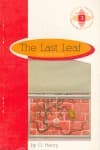
Synopsis
Covers the whole plot, including the ending.
- Difficulty
- Easy
- Pacing
- Moderate
- Mood
- Melancholy, hopeful, poignant, heartwarming
The Last Leaf Plot Summary
Covers the whole plot, including the ending.
A Cold Visitor
The story begins in a small artist colony in Greenwich Village, New York, during a harsh winter. Sue and Johnsy, two young artists, share a studio apartment. Johnsy, a delicate girl from California, becomes gravely ill with pneumonia. The doctor tells Sue that Johnsy's chances of recovery are slim, not because of the disease's severity, but because she has given up her will to live. He estimates her chances at one in ten, saying medicine alone cannot fight a patient's self-resignation. Sue worries deeply, seeing Johnsy's growing apathy and melancholic gaze fixed outside their window.
The Last Leaf's Pact
As Sue tries to cheer Johnsy up and coax her to eat, she notices Johnsy counting something outside the window. Johnsy reveals she is counting the leaves on an old ivy vine climbing the brick wall opposite their window. She believes she will die when the last leaf falls. Despite Sue's attempts to change her mind, Johnsy's conviction is firm. She says that with each gust of wind, the leaves are falling faster, signaling her end. This revelation disturbs Sue, who understands how serious Johnsy's psychological state is.
Sue's Despair and Behrman's Introduction
Distraught by Johnsy's fatalistic outlook, Sue goes to the studio of Mr. Behrman, an old, unsuccessful painter who lives on the ground floor. Behrman is a sixty-year-old man with a long, white beard and a difficult manner. He has always dreamed of painting a masterpiece but has never started it. He often poses for the younger artists, including Sue and Johnsy, for a small fee. Sue tells him about Johnsy's condition and her belief about the last leaf, expressing her fear. Behrman, at first skeptical of such 'foolishness,' eventually agrees to pose for Sue, grumbling about Johnsy's 'idiotic' idea.
The Stormy Night
The night turns exceptionally harsh, with fierce wind and rain against the windows. Sue stays by Johnsy's bedside, consumed with worry. She knows such a storm would strip the last leaves from the frail ivy vine. Johnsy, weak but determined, insists that Sue not close the window shade, wanting to see the final leaf fall. Sue reluctantly complies, her heart heavy with dread, expecting a bare vine in the morning and her friend's spirit to fail. The sound of the storm fills their small apartment, increasing the tension and despair.
The Miraculous Leaf
The next morning, after the storm has passed, Johnsy, with a weak voice, asks Sue to raise the shade. Sue hesitates, fearing the worst, but eventually pulls it up. To their astonishment, against the brick wall, one solitary ivy leaf still clings to its stem. It is a dark green leaf, with yellow edges from decay, but it remains attached despite the wind and rain. Johnsy stares at it, surprised, and comments on its persistence. This unexpected sight sparks a flicker of hope in Sue, though Johnsy still believes it will fall that day.
Johnsy's Change of Heart
Throughout the day, the single leaf remains. Johnsy watches it, and as evening falls and the leaf still holds, a change begins within her. She realizes her desire to die was foolish and wrong. The leaf's tenacity shames her, making her feel ungrateful. She confesses to Sue that it was wrong to want to die, recognizing the leaf's message of perseverance. This new will to live marks a turning point in her illness. She begins to ask for food and expresses a desire to paint again, showing a return to health and hope.
The Doctor's Optimism
The next day, the doctor visits Johnsy again. After examining her, he tells Sue that Johnsy's chances of recovery have greatly improved. He credits this change entirely to Johnsy's renewed will to live, stating that medicine can now be effective. He is encouraged by her desire for food and her positive outlook. He then mentions that he needs to visit another patient, an old man named Behrman, who is also suffering from pneumonia, indicating the severity of the winter's illness. Sue is overjoyed by the news of Johnsy's recovery and begins to help her get better.
Behrman's Masterpiece
Two days later, the doctor informs Sue that Behrman has died in the hospital. He had been found in his studio, suffering from pneumonia, his clothes and shoes wet and cold. Beside him were a ladder, a lantern, and a palette with green and yellow paints still mixed. Sue then goes to Johnsy and reveals the truth: the last leaf Johnsy had seen on the wall was not real. It was Behrman's masterpiece, painted by him on the wall during that terrible, stormy night. He had braved the cold and rain to paint it, sacrificing his own life to save Johnsy's.
The Ultimate Sacrifice
Sue explains to Johnsy that Behrman, the cynical old man who had always dreamed of painting a masterpiece but never achieved it, found his purpose in this selfless act. He had climbed the ladder in the freezing rain and wind to paint that single, enduring leaf, knowing it was the only way to restore Johnsy's hope and will to live. His sacrifice was complete; he gave his life to create the illusion that saved another. The painting, though temporary and exposed to the elements, was indeed his masterpiece, born of compassion and artistic dedication. Johnsy, now fully recovered, understands the depth of his love and sacrifice.
The Last Leaf Characters
Johnsy (Joanna)
Protagonist
A young artist who loses her will to live.
Johnsy, whose full name is Joanna, is a young, delicate artist from California, sharing a studio apartment with her friend Sue in Greenwich Village. She is susceptible to illness and falls gravely ill with pneumonia. Johnsy possesses a fragile spirit and a tendency towards fatalism, as evidenced by her morbid conviction that she will die when the last leaf falls from the ivy vine. Her character embodies vulnerability and the profound psychological impact of illness, highlighting how mental state can dictate physical recovery. She is initially resigned to death but is ultimately shamed into fighting for life by Behrman's sacrifice.
Relationships: Sue (Close friend and roommate); Behrman (Neighbor and ultimate savior)
Sue
Supporting
Johnsy's loyal and caring friend.
Sue is Johnsy's devoted roommate and fellow artist. She is practical, compassionate, and deeply concerned for Johnsy's well-being. Throughout Johnsy's illness, Sue tirelessly cares for her, tries to maintain her spirits, and seeks help from the doctor and Behrman. She represents friendship, hope, and resilience in the face of despair. Sue's emotional journey mirrors the fluctuations of Johnsy's health, from deep worry to eventual relief and profound sadness at Behrman's sacrifice. She is the conduit for the story's emotional core and the one who ultimately reveals the truth.
Relationships: Johnsy (Close friend and roommate); Behrman (Neighbor and fellow artist (acquaintance/friend))
Behrman
Supporting
An old, cynical painter with a hidden heart of gold.
Mr. Behrman is a sixty-year-old, gruff, and perpetually unsuccessful painter who lives on the ground floor. He is described as a 'fierce little old man' with a long, white beard, often cynical and prone to grumbling. Behrman harbors a lifelong dream of painting a masterpiece but has never started it. Despite his outwardly rough exterior and initial dismissal of Johnsy's 'foolishness,' he possesses a profound sense of compassion and selflessness. His ultimate act of painting the last leaf, sacrificing his life in the process, reveals his true, heroic character and artistic integrity.
Relationships: Johnsy (Neighbor, subject of his ultimate sacrifice); Sue (Neighbor, fellow artist, confides in him)
The Doctor
Supporting
A pragmatic medical professional.
The doctor is a minor but crucial character who provides medical assessment and diagnosis. He is realistic and pragmatic, recognizing that Johnsy's physical illness is compounded by her psychological state and lack of will to live. He serves to explain the severity of Johnsy's condition and the importance of her mental disposition to her recovery. His observations underscore the theme of hope and the mind-body connection. He is a detached professional, yet his reports guide the reader's understanding of Johnsy's precarious situation and Behrman's later illness and death.
Relationships: Johnsy (Patient); Behrman (Patient); Sue (Informs her of Johnsy's condition)
The Last Leaf Themes
Hope and Despair
The story explores the balance between hope and despair, especially in illness. Johnsy's initial surrender to death, tied to the falling leaves, shows how despair can make medical treatment useless. The 'last leaf' then reignites her hope, proving that a will to live is necessary for recovery. The story shows that hope, even if based on an illusion, can help survival, while despair can be as deadly as any disease. Behrman's act is an example of how hope can be given to others.
“The doctor took Sue aside and told her that Johnsy had one chance in ten, and that chance was for her to want to live.”
Sacrifice and Selflessness
'The Last Leaf' is about sacrifice and selflessness. Behrman, an old, cynical artist, gives his own life to save Johnsy's. His 'masterpiece' is not a painting for fame but an act of compassion, created in the bitter cold and rain, which leads to his death. His sacrifice highlights that true heroism often lies in quiet, selfless acts done for others, without expecting recognition. This theme changes Behrman's character from a gruff old man to a true hero, whose act of love goes beyond his artistic failures.
“It was Behrman's masterpiece—he painted it there the night that the last leaf fell.”
The Power of Art
Art plays two roles in the story: it is a profession and a life-saving force. For Sue and Johnsy, art is their livelihood and passion. More important, Behrman's painted leaf becomes the ultimate example of art's power. It is not a grand, celebrated work, but a simple, life-like depiction that convinces Johnsy to live. This shows that art's true value can be in its ability to inspire, heal, and offer comfort, rather than purely in its looks or commercial worth. The 'masterpiece' saves a life, demonstrating art's impact beyond just looking good.
“It was Behrman's masterpiece—he painted it there the night that the last leaf fell.”
The Mind-Body Connection
The story emphasizes the link between a person's mental state and their physical health. The doctor states that Johnsy's chances of recovery depend more on her will to live than on medicine. Her belief that she will die with the last leaf directly affects her physical decline. When her hope is rekindled by the 'enduring' leaf, her physical health improves quickly. This theme highlights the psychological aspect of illness and recovery, suggesting that a positive mindset and a strong will to live are important in overcoming physical ailments, even severe ones like pneumonia.
“When a patient begins to count the carriages in her funeral procession, the doctor said, 'I subtract 50 per cent from the curative power of medicines.'”
Plot Devices & Literary Techniques
Symbolism
The ivy leaf as a symbol of life and hope.
The ivy leaf serves as the central symbol in the story, representing Johnsy's fading life and, paradoxically, her renewed hope. Initially, each falling leaf symbolizes her diminishing will to live and the approach of death. The single, stubbornly clinging leaf, whether real or painted, becomes a powerful symbol of resilience, perseverance, and the tenacious grip on life. It embodies the message that even in the bleakest circumstances, a flicker of life or hope can endure, capable of inspiring a will to survive. The leaf's symbolism is further deepened by its artistic creation, blending nature with human compassion.
Irony
The cynical artist's selfless masterpiece.
The story is rich in situational and dramatic irony, particularly concerning Behrman. He is portrayed as a gruff, cynical, and unsuccessful painter who constantly dreams of a masterpiece but never produces one. The irony lies in the fact that his true masterpiece is not a celebrated painting on canvas, but a simple, life-saving deception painted on a wall during a storm, an act that costs him his life. He achieves his artistic dream not through ambition, but through selfless love. This ironic twist underscores the themes of hidden heroism and the unexpected nature of genuine artistic and human achievement.
Foreshadowing
Behrman's artistic ambition and the severity of the winter.
While subtle, there are elements of foreshadowing. Behrman's constant talk of painting his 'masterpiece' and his gruff but ultimately caring nature hint at his potential for a significant, perhaps even heroic, act. The doctor's mention of the severe winter and the prevalence of pneumonia, particularly when he says he has to visit another patient with the same illness, subtly prepares the reader for Behrman's eventual fate. This foreshadowing, though not explicit, adds a layer of tragic inevitability to Behrman's sacrifice, making his death less of a complete surprise and more of a poignant culmination of events.
Deception (Benevolent)
The painted leaf as a life-saving illusion.
The core of the plot relies on a benevolent deception: Behrman paints a leaf on the wall to trick Johnsy into believing a real one has survived. This deception is crucial because it directly manipulates Johnsy's perception and, consequently, her will to live. It highlights the idea that sometimes an illusion, when created out of love and selflessness, can have a more profound and positive impact than harsh reality. The painted leaf is a lie, but it's a lie that saves a life, demonstrating that intent and outcome can transform a deceptive act into one of ultimate goodness and heroism.
Quiz
10 questions on the plot and the characters. Each answer comes with a short explanation.
Question 1
What is the name of the story?
- The Last Leaf
- The Ivy Plant
- Sue and Johnsy
- Winter's End
Show answer
A. The Last Leaf The title of the story is explicitly stated as 'The Last Leaf'.
Question 2
Who are the main characters in the story?
- O. Henry and the ivy plant
- Sue and Johnsy
- Johnsy and the doctor
- Sue and the wind
Show answer
B. Sue and Johnsy The story focuses on the friendship and experiences of Sue and Johnsy.
Question 3
Where do Sue and Johnsy live?
- A small village
- The countryside
- New York City
- A coastal town
Show answer
C. New York City The text states that Sue and Johnsy live together in New York City.
Question 4
What illness does Johnsy suffer from?
- The common cold
- Pneumonia
- Influenza
- The story does not specify the illness.
Show answer
B. Pneumonia While not explicitly stated in the provided excerpt, Johnsy's symptoms and the context of the story strongly imply pneumonia, a common illness during that time period.
Question 5
What does Johnsy decide will happen when the last leaf falls?
- She will start to feel better.
- She will leave New York City.
- She will die.
- She will paint a masterpiece.
Show answer
C. She will die. Johnsy makes a pact with herself that she will die when the last leaf falls from the ivy plant.
Question 6
What is Sue's profession?
- Doctor
- Writer
- Artist
- Musician
Show answer
C. Artist The story mentions that Sue is a poor artist. This implies her profession is art.
Question 7
What natural element poses a threat to the last leaf?
- Snow
- Strong winds and rain
- Extreme cold
- The passage of time
Show answer
B. Strong winds and rain The text explicitly states that 'the winter wind blows and the rain falls,' threatening the last leaf.
Question 8
What is the central conflict in the story, as presented in this excerpt?
- Sue's poverty preventing her from getting help for Johnsy.
- The struggle against Johnsy's will to live and the elements threatening the last leaf.
- The harshness of winter in New York City.
- Johnsy's desire to become a famous artist.
Show answer
B. The struggle against Johnsy's will to live and the elements threatening the last leaf. The excerpt highlights Johnsy's mental state (her will to die linked to the leaf) and the external threat of the weather to that last leaf, creating the central conflict.
Question 9
The phrase 'she makes up her mind to die when the last leaf falls' suggests that Johnsy's condition is influenced by:
- Purely physical symptoms of her illness.
- A lack of medical care available in New York City.
- Her psychological state and a symbolic belief.
- The financial struggles of the artists.
Show answer
C. Her psychological state and a symbolic belief. Johnsy's decision is tied to an external, symbolic event (the falling leaf), indicating that her mental state and beliefs are playing a significant role in her prognosis, not just physical symptoms.
Question 10
Given that Sue is a 'poor artist,' what can be inferred about her potential actions to help Johnsy?
- She can easily afford expensive medical treatments.
- She relies on her artistic skills and emotional support.
- She has no influence over Johnsy's decision.
- She will abandon Johnsy due to her own financial hardship.
Show answer
B. She relies on her artistic skills and emotional support. Being a 'poor artist' implies financial limitations. Therefore, Sue's help would likely come from her emotional support, care, and perhaps creative efforts, rather than financial means.
The Last Leaf FAQ
What is the main plot of The Last Leaf?
The story follows two young artists, Sue and Johnsy, living in Greenwich Village. When Johnsy falls gravely ill and loses the will to live, she believes she will die when the last leaf falls from a nearby ivy vine. Sue desperately tries to keep her friend alive.
Who are the main characters in The Last Leaf?
The primary characters are Sue, a young artist, and her close friend and roommate, Johnsy. An old artist named Behrman also plays a significant role in the story.
What is the symbolism of the last leaf in the story?
The last leaf symbolizes Johnsy's fading hope and her will to live. As long as the leaf remains on the vine, Johnsy clings to the idea that she can survive. When it falls, she believes her life will end.
What is the theme of The Last Leaf?
The central themes are hope, friendship, sacrifice, and the power of the human spirit. The story highlights how an act of selfless love can inspire someone to overcome despair and fight for their life.
What is the setting of The Last Leaf?
The story is set in Greenwich Village, a bohemian artist colony in New York City, during a harsh winter.
Who is the author of The Last Leaf?
The Last Leaf was written by O. Henry, a renowned American short story writer known for his witty and often poignant tales with surprise endings.
What is the significance of Behrman's character?
Behrman is an elderly, unsuccessful artist who initially dismisses Johnsy's notion of dying with the last leaf. However, he ultimately performs a selfless act that embodies the story's themes of sacrifice and hope.
What is the surprise ending of The Last Leaf?
The surprise ending reveals that the last leaf Johnsy was waiting for never actually fell. Behrman, in a storm, painted a new leaf onto the wall to replace the last real one, sacrificing his own health to give Johnsy the will to live.
Is The Last Leaf a true story?
No, 'The Last Leaf' is a work of fiction. While it draws on the atmosphere and struggles of artists in Greenwich Village, the specific events and characters are imaginary.
What message does The Last Leaf convey about art?
The story suggests that art has the power to inspire and heal, not just through its aesthetic qualities but also through the human intention and sacrifice behind it. Behrman's final act is a masterpiece of compassion.
About the author
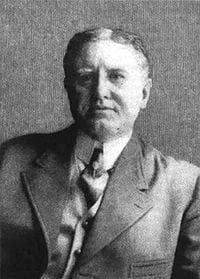
O. Henry was an American author known for his short stories that often feature twist endings and witty narratives. Among his notable works are "The Last Leaf," which explores themes of hope and sacrifice, and "After Twenty Years," a tale of friendship and fate. His writing captures the essence of early 20th-century American life.
Similar books
- A Christmas Carol
Charles Dickens
4.1 (600k) average on GoodreadsFantasyWhile vastly different in scope and length, "The Last Leaf" and "A Christmas Carol" both explore themes of compassion, redemption, and the impact of one's actions on others. Dickens' novella features a dramatic transformation of a cynical character (Scrooge) through external intervention, leading to his benevolent actions. In contrast, "The Last Leaf" presents Behrman as an already compassionate, albeit gruff, individual whose ultimate act of kindness is revealed posthumously, offering a more subtle exploration of inherent goodness and unseen sacrifice. Both stories, however, ultimately champion the spirit of human kindness over cynicism and despair, albeit through different narrative structures and character arcs.
- Nineteen Eighty-Four
George Orwell
4.2 (5.5M) average on GoodreadsFictionWinston Smith dreams of truth and rebellion in a world where Big Brother watches all, but he confronts the terrifying power of a regime that controls not just actions, but thoughts.
- The Frozen River
Ariel Lawhon
4.4 (600k) average on GoodreadsFictionIn 1789 Maine, a heroic midwife's diary helps her expose a murder and get justice in a town that wants to silence her.
- A Man Called Ove
Fredrik Backman
4.4 (569k) average on GoodreadsFictionA stubborn widower, who lives by strict rules, finds his quiet world changed by a lively new family next door, making him face his past and find happiness in human connection.
- The Art of Racing in the Rain
Garth Stein
4.2 (452k) average on GoodreadsFictionThrough the eyes of Enzo, a wise and observant dog, a race car driver's family navigates a journey of love, loss, and resilience, learning that life's most important lessons often come in the curves, not just on the straightaways.
- The Colour of Magic
Terry Pratchett
4.0 (425k) average on GoodreadsFictionOn a discworld hurtling through space on the back of a giant turtle, an inept wizard and his naive, walking-luggage-toting tourist embark on a chaotic, belief-fueled journey to the very edge of their flat planet, encountering dragons that only exist if you believe in them.





Enjoyed the summary?
A summary gives you the shape of the book. The book itself has the detail, the examples and the voice.
Find The Last Leaf on AmazonAs an Amazon Associate, BookBrief earns from qualifying purchases. How we're funded