

Synopsis
Covers the whole plot, including the ending.
- Difficulty
- Medium
- Pacing
- Moderate
- Mood
- Historical, Philosophical, Reflective, Poignant, Immersive
- Read it if
- You love meticulously researched historical fiction set in Ancient Greece, featuring philosophical depth, nuanced character relationships, and the impact of war on society.
- Skip it if
- You prefer fast-paced plot-driven narratives with minimal introspection or explicit historical detail.
The Last of the Wine Plot Summary
Covers the whole plot, including the ending.
Boyhood in Athens
Alexias, a sensitive boy from a distinguished Athenian family, begins his formal education and physical training. He quickly develops admiration for Lysis, an older, more athletic, and charismatic boy. Lysis, son of a wealthy merchant, is already a celebrated athlete. Their relationship, at first an admirer and mentor, becomes a close bond. Alexias struggles with the training, often feeling less capable than Lysis, but Lysis's encouragement helps him. This early period sets their intertwined lives against Athenian society, where male companionship and athletic skill are valued.
The Olympic Games
Alexias, now a young man, travels with Lysis and their household to Olympia for the quadrennial games. He experiences the festival's grandeur. Lysis, competing in the pankration, a martial art, trains intensely and wins, becoming an Olympic champion. Alexias, not a competitor, feels great pride. The games show Greek culture's physical ideals, the rivalry between city-states, and the sacrifices for glory. This experience strengthens the bond between Alexias and Lysis.
Introduction to Socrates
Back in Athens, Alexias and Lysis visit the agora where philosophers gather. They join Socrates's circle. His questioning and search for truth captivate Alexias, though Lysis is more skeptical. Socrates challenges their ideas of virtue, justice, and the good life, often showing the shallowness of common beliefs. Alexias, introspective, finds Socrates's teachings influential. Lysis, more practical, grapples with abstract philosophy. This period marks an intellectual awakening for Alexias, shaping his worldview.
The Peloponnesian War Begins
The tensions between Athens and Sparta lead to the Peloponnesian War. Alexias and Lysis, like all Athenian citizens, are called to military service. Their philosophical discussions and athletic pursuits are replaced by the realities of training and combat. Alexias, at first worried about war, learns to endure a hoplite's life. Lysis, with his leadership and strength, excels as a soldier. The war affects Athens, disrupting daily life and forcing the young men to face death and civic duty. Their bond is tested and strengthened by shared dangers.
Plague in Athens
During the war's early years, a plague strikes Athens, killing many people. Alexias and Lysis see the epidemic's horrors: suffering, moral decline, and social breakdown. Many friends die. Alexias, despite his own risk, cares for the sick, showing courage. Lysis also faces death on a large scale. The plague leaves a mark on survivors, creating cynicism and despair, and affecting Athens's philosophical and political mood. The city's strength is tested, and the future is uncertain.
Military Campaigns and Personal Loss
The war continues with changing fortunes. Alexias and Lysis serve in several campaigns, experiencing battle. They participate in naval and land engagements, seeing Athenian leaders' strategies and mistakes. Alexias suffers personal losses, including family and friends, which deepens his understanding of human weakness and war's futility. Lysis, always protective, comforts Alexias. Their shared combat experiences create a stronger connection, built on mutual trust when facing death.
The Sicilian Expedition
Alexias, now an experienced soldier, is part of the Athenian expedition to Sicily, a bold and disastrous venture. Hopes for glory turn into a long, brutal siege. Alexias endures harsh conditions, strategic errors, and mounting casualties. The expedition ends in a defeat for Athens, with the fleet and army destroyed or captured. Alexias, through luck and resilience, survives the defeat and captivity, seeing the destruction of Athenian power. This experience is a turning point, marking the end of Athenian dominance and leaving Alexias scarred.
Return to a Changed Athens
After the disaster in Sicily, Alexias returns to Athens, a city changed by war and plague. The once-proud polis is weary, poor, and politically divided. Democracy is strained, and cynicism is common. Alexias finds Lysis, who also survived the war, but both men are altered. Their youth and innocence are gone, replaced by the realities of survival and loss. The philosophical discussions of their youth seem distant, replaced by questions of political survival and moral compromise in a city struggling to keep its identity.
The Thirty Tyrants
After Athens' defeat in the Peloponnesian War, a Spartan-imposed regime, the Thirty Tyrants, takes power. This period includes brutality, political purges, and the end of democratic freedoms. Many citizens, including friends of Alexias and Lysis, are executed or exiled without trial. Alexias is horrified by the injustice, while Lysis navigates the political landscape. Socrates, though not political, becomes a target. This regime forces moral choices, showing justice's fragility and power's corrupting influence, deeply affecting Alexias's sense of civic duty.
The Trial of Socrates
After democracy is restored, the political mood remains unstable. Socrates, despite his service to Athens and his search for truth, is accused of impiety and corrupting the youth. Alexias, with other students, attends the trial, seeing the injustice and flawed accusations. Socrates, true to his principles, refuses to compromise, giving a defense that seals his fate. He is condemned to death. This event devastates Alexias, who sees it as a betrayal of Athenian ideals and a loss of the greatest moral voice of his time. Socrates's execution leaves a mark on Alexias, strengthening his commitment to philosophical inquiry and his disappointment with political power.
Aftermath and Legacy
After Socrates's execution and the Peloponnesian War, Alexias struggles to find his place in a world that has lost much of its former glory and moral certainty. He continues to grapple with Socrates's philosophical questions, trying to live a virtuous life in a society dealing with its failures. His bond with Lysis, though matured, remains a constant source of strength. They share a history of experiences, joys, and losses. Alexias, through his reflective nature, tries to preserve Socrates's legacy and understand their tumultuous times, looking to the future with wisdom and acceptance.
The Last of the Wine Characters
Alexias
Protagonist
A sensitive, introspective Athenian noble, devoted to Lysis and later to Socrates's philosophy.
Alexias is the central protagonist, a young Athenian from a good family. Initially a somewhat physically awkward and introverted boy, he possesses a keen intellect, a deep capacity for loyalty, and a reflective nature. He is deeply devoted to Lysis, admiring his strength and charisma. Alexias is drawn to philosophical inquiry and becomes a devoted follower of Socrates, internalizing his teachings and struggling with the moral dilemmas of his time. He experiences the Peloponnesian War and its aftermath with a profound sense of observation and personal impact, often feeling the weight of the world's injustices. His sensitivity makes him an ideal lens through which to view the tumultuous changes in Athens.
Relationships: Lysis (Deep, lifelong love and companionship, initially as an admiring younger boy to an older mentor, evolving into equal partners.); Socrates (Devoted student and disciple, intellectual and moral mentor.)
Lysis
Supporting/Love Interest
A charismatic, physically gifted Athenian athlete and soldier, Alexias's lifelong companion.
Lysis is Alexias's lifelong companion and love interest. He is presented as the epitome of Athenian masculine ideals: handsome, athletic, courageous, and charismatic. A champion pankratiast, he excels in physical pursuits and military service. While initially more pragmatic and less inclined to abstract philosophy than Alexias, he possesses a strong sense of honor, loyalty, and a quiet strength. He is protective of Alexias and provides a grounding presence. Lysis represents the traditional values of Athenian excellence and civic duty, enduring the war with stoicism and resilience. His bond with Alexias is the emotional anchor of the novel.
Relationships: Alexias (Deep, lifelong love and companionship, initially as an older mentor, evolving into equal partners.); Socrates (Acquaintance and occasional interlocutor, respectful but less philosophically engaged than Alexias.)
Socrates
Supporting/Mentor
The eccentric Athenian philosopher who challenges conventional wisdom and profoundly influences Alexias.
Socrates is depicted as the historical figure, an unconventional and brilliant philosopher. He is portrayed with his characteristic physical plainness, sharp intellect, and relentless pursuit of truth through dialectic questioning. He serves as a profound intellectual and moral mentor to Alexias, challenging him and others to examine their beliefs and live a virtuous life. Socrates represents the pinnacle of Athenian intellectual achievement and moral courage, even in the face of political persecution. His trial and execution are central to the novel's themes of justice, truth, and the tragic flaws of democracy, leaving a lasting impact on Alexias.
Relationships: Alexias (Mentor and intellectual guide.); Lysis (Acquaintance, respected for his character but not a close philosophical student.)
Alcibiades
Supporting/Antagonist (indirect)
A brilliant but volatile Athenian general and politician, whose ambition and recklessness harm Athens.
Alcibiades is a historical figure, a charismatic and controversial Athenian statesman and general. He is depicted as incredibly handsome, intelligent, and ambitious, but also prone to arrogance, recklessness, and betrayal. He embodies both the brilliance and the fatal flaws of Athenian leadership during the Peloponnesian War. His strategic genius is often overshadowed by his personal excesses and political instability, ultimately contributing to Athens's downfall. Alexias and Lysis encounter him through their military service and within Athenian society, witnessing his rise and fall. He serves as a foil to Socrates's moral integrity and Lysis's steadfast loyalty.
Relationships: Alexias (Acquaintance, a figure of both admiration and concern.); Lysis (Acquaintance, a fellow soldier and citizen, sometimes a leader.)
Critias
Supporting/Antagonist
A former student of Socrates who becomes a brutal leader of the Thirty Tyrants.
Critias is another historical figure, initially a member of Socrates's circle, but later one of the most ruthless leaders of the Thirty Tyrants. He represents the corrupting influence of power and the abandonment of philosophical principles for political expediency and cruelty. His transformation from an intellectual to a tyrant is a stark illustration of the moral decay that can occur in times of crisis. His actions during the reign of the Thirty serve as a direct contrast to Socrates's unwavering integrity and highlight the dangers of political extremism. Alexias witnesses his brutality firsthand, adding to his disillusionment with Athenian politics.
Relationships: Socrates (Former student, later an adversary through his tyrannical actions.); Alexias (Acquaintance, a figure who embodies the political corruption Alexias despises.)
Phaedo
Supporting
A fellow student of Socrates and friend to Alexias, representing the philosophical community.
Phaedo is a historical figure and a loyal student of Socrates. He is portrayed as a gentle and intelligent young man who shares Alexias's devotion to philosophy. He offers companionship and intellectual camaraderie to Alexias within Socrates's circle. Phaedo represents the broader community of thoughtful Athenians who are drawn to Socrates's teachings, and he provides a sounding board for Alexias's own philosophical ponderings. He is present during key moments, such as Socrates's final days, underscoring the collective grief and intellectual legacy of the philosopher's death.
Relationships: Alexias (Friend and fellow student of Socrates.); Socrates (Devoted student.)
Charmides
Supporting
Another young Athenian noble, cousin to Critias, and part of Socrates's circle.
Charmides is a historical figure, Critias's cousin and a handsome young man who is also part of Socrates's philosophical discussions. He is depicted as intelligent and initially open to Socrates's ideas. However, like many, he is swept up in the political turmoil of his time. His presence in Socrates's circle highlights the diverse backgrounds of the philosopher's students. He represents the potential for both intellectual engagement and political compromise within Athenian society, and his fate often mirrors the tragic trajectory of many young Athenians during the war and the reign of the Thirty.
The Last of the Wine Themes
The Nature of Love and Friendship (Philia and Eros)
The novel explores love and friendship in ancient Greece, especially *philia* (deep friendship, loyalty) and *eros* (passionate love, often with a teaching or spiritual aspect). The relationship between Alexias and Lysis shows this, growing from admiration to a lifelong bond that includes affection and intimacy. Their love is tested by war, plague, and political change, yet it remains a constant source of strength. The novel shows this bond as a basic part of Athenian male society, often tied to athletic and intellectual pursuits.
“There are many kinds of love, as there are many kinds of wine. But there is only one true love, and that is the love of a friend.”
The Pursuit of Truth and Virtue
Socrates's influence and his search for truth and virtue (*arete*) are central to the novel. Through Socrates's teachings, Alexias learns to question common beliefs, examine moral ideas, and aim for an honest life. This theme appears in discussions where Socrates challenges his students to define justice, courage, and the good. Socrates's tragic trial and execution show the conflict between philosophical truth and political convenience, highlighting the dangers for those who question norms. Alexias's continued adherence to Socratic principles after his mentor's death shows the lasting power of this pursuit.
“The unexamined life is not worth living.”
The Decline of Athenian Democracy and Ideals
The novel shows the decline of Athenian democracy and its ideals. Beginning with the golden age, the story follows Athens through the Peloponnesian War, the plague, the Sicilian Expedition, and the rule of the Thirty Tyrants. These events erode the city's power, wealth, and morality. The corruption of leaders like Alcibiades and Critias, the moral decay during the plague, and Socrates's unjust trial all contribute to this theme. Alexias, as an observer, experiences the disillusionment that comes with the loss of civic virtue and a great civilization's collapse, reflecting on what was lost.
“We were like men watching the slow ruin of a beloved house, unable to stop it.”
The Impact of War and Suffering on Individuals and Society
The Peloponnesian War is more than a backdrop; it shapes the characters and the city. The novel shows the realities of hoplite warfare, strategic mistakes, and the human cost. The plague, a direct result of war conditions, increases suffering, leading to death and a breakdown of social order. Alexias and Lysis mature quickly, facing death, loss, and life's fragility. The war's psychological scars are clear in the characters' changed views and the weariness that settles over Athens, showing how conflict changes individuals and societies.
“War, which makes men beasts, had also taught them a terrible kind of wisdom.”
The Role of Fate vs. Free Will
Throughout the story, characters consider whether their lives are determined by fate, divine will, or their own choices. The historical events of the Peloponnesian War and the plague often feel like an overwhelming force, beyond individual control. Yet, characters like Socrates show free will and moral choice, choosing death over abandoning his principles. Alexias and Lysis, while caught in history's currents, also make choices about loyalty, love, and ideals. The theme explores the tension between accepting destiny and actively shaping one's character, especially in a world where the gods' influence is still felt.
“The gods spin the threads of our lives, but we ourselves must weave the pattern.”
Plot Devices & Literary Techniques
Historical Allusion and Detail
Weaving in real historical figures, events, and cultural practices to ground the narrative.
Renault meticulously incorporates historical figures like Socrates, Alcibiades, and Critias, along with major events such as the Peloponnesian War, the plague of Athens, the Sicilian Expedition, and the rule of the Thirty Tyrants. This device provides a rich, authentic backdrop for the fictional narrative, lending credibility and depth to the story. It also allows the reader to understand the profound impact of these real-world events on the lives of ordinary (and extraordinary) Athenians, showcasing the cultural nuances of the palaestra, the symposium, and Athenian civic life. The accuracy of the historical detail immerses the reader in the world of classical Athens.
First-Person Narration (Alexias)
The story is told through the subjective lens of Alexias, providing intimate insight into his experiences.
The novel is narrated in the first person by Alexias. This narrative choice allows for an intimate and deeply personal exploration of the protagonist's emotional and intellectual development. Through Alexias's eyes, the reader experiences his admiration and love for Lysis, his intellectual awakening under Socrates, and his profound reactions to the war, plague, and political turmoil. This subjective viewpoint emphasizes his sensitivity, his introspective nature, and his struggle to make sense of a changing world, making his personal journey the emotional core of the historical epic. It allows for a focus on inner life amidst grand external events.
The Mentor-Student Relationship
The dynamic between an older, wiser figure and a younger, learning one drives character development.
This device is prominent in two key relationships: Lysis's initial mentorship of Alexias in the palaestra and Socrates's intellectual and moral mentorship of Alexias. In the first instance, Lysis's strength and guidance help Alexias overcome his physical insecurities. In the second, Socrates's dialectical method and pursuit of truth profoundly shape Alexias's worldview and moral compass. These relationships are crucial for Alexias's growth, providing him with both physical and intellectual fortitude, and serving as a mechanism for imparting cultural values and philosophical ideas to both Alexias and, by extension, the reader. The loss of the mentor figure (Socrates) marks a significant turning point.
Symbolism of Wine
Wine symbolizes shared experience, memory, and the passage of time and wisdom.
The title itself, 'The Last of the Wine,' hints at this pervasive symbol. Wine in ancient Greece was deeply intertwined with social gatherings (symposia), friendship, and philosophical discussion. It symbolizes the shared experiences, the memories, and the deepening bond between Alexias and Lysis, as well as the intellectual ferment of Socrates's circle. As the novel progresses and Athens declines, the 'last of the wine' can be interpreted as the fading glory, the end of an era, and the bittersweet preservation of precious memories and wisdom. It evokes a sense of nostalgia, the passage of time, and the enduring legacy of what was once cherished and consumed.
The Last of the Wine Quotes
“There are some things in life you cannot buy. You can buy the house, but not the home. You can buy the bed, but not the sleep. You can buy the book, but not the knowledge. You can buy the food, but not the appetite.”
“Love is not a thing, it is a process. It is not an object to be possessed, but a garden to be tended.”
“To be truly free, one must be master of oneself.”
“The gods do not help those who do not help themselves.”
“Courage is not the absence of fear, but the triumph over it.”
“Memory is a treacherous thing. It can preserve what we wish to forget and erase what we wish to remember.”
“There are many kinds of courage. The courage to fight, the courage to endure, the courage to forgive.”
“Beauty is a gift, but character is a choice.”
“The greatest battles are often fought within oneself.”
“Friendship is a ship that can sail through any storm.”
“To live without purpose is to drift without a rudder.”
“The past is a lesson, not a prison.”
“Even in defeat, there can be honor.”
“The truest measure of a man is not how he stands in moments of comfort and convenience, but how he stands at times of challenge and controversy.”
Quiz
10 questions on the plot and the characters. Each answer comes with a short explanation.
Question 1
Which of the following activities do Alexias and Lysis NOT participate in together, according to the provided synopsis?
- Competing in the palaestra
- Journeying to the Olympic games
- Studying under Plato
- Fighting in the wars against Sparta
Show answer
C. Studying under Plato The synopsis states they study under Socrates, not Plato. All other activities are mentioned as shared experiences.
Question 2
Who is the 'supreme philosopher' whose influence is highlighted in the synopsis as spanning epochs?
- Aristotle
- Plato
- Socrates
- Pericles
Show answer
C. Socrates The synopsis explicitly states that Alexias and Lysis study under Socrates and refers to his 'supreme philosopher' status.
Question 3
What kind of relationship develops between Alexias and Lysis over the course of the novel?
- A purely competitive rivalry
- A master-student mentorship
- A deep personal and romantic bond
- A casual friendship limited to sports
Show answer
C. A deep personal and romantic bond The synopsis mentions 'As their relationship develops,' and the book's genre includes 'Romance,' implying a deeper, personal connection beyond mere friendship or rivalry.
Question 4
Which ancient Greek city-state is explicitly mentioned as the primary setting for the characters, Alexias and Lysis?
- Sparta
- Corinth
- Athens
- Thebes
Show answer
C. Athens The synopsis identifies Alexias and Lysis as 'two young Athenians,' directly placing them in Athens.
Question 5
What historical conflict forms a significant backdrop for the events experienced by Alexias and Lysis?
- The Persian Wars
- The Peloponnesian War
- The Trojan War
- The Macedonian Wars
Show answer
B. The Peloponnesian War The synopsis mentions they 'fight in the wars against Sparta,' which directly refers to the Peloponnesian War, the major conflict between Athens and Sparta.
Question 6
According to the synopsis, what specific cultural aspect does Mary Renault expertly convey through the narrative?
- Roman political structures
- Egyptian religious practices
- Greek culture
- Persian military strategies
Show answer
C. Greek culture The synopsis explicitly states that 'Renault expertly conveys Greek culture,' highlighting this as a key element of the book.
Question 7
The synopsis mentions Alexias and Lysis compete in the palaestra. What was the primary function of a palaestra in ancient Greece?
- A public assembly for political debates
- A marketplace for agricultural goods
- A wrestling school or exercise ground
- A temple dedicated to Apollo
Show answer
C. A wrestling school or exercise ground A palaestra was an ancient Greek wrestling school or a part of a gymnasium where athletes trained, particularly in wrestling and boxing. This detail infers cultural knowledge beyond the direct text.
Question 8
How does the synopsis suggest the influence of Socrates is portrayed within the narrative?
- His political reforms are the central focus.
- His military leadership is crucial to Athenian victories.
- His philosophical teachings profoundly impact the characters and culture.
- He serves as a minor, background historical figure with little direct impact.
Show answer
C. His philosophical teachings profoundly impact the characters and culture. The synopsis states 'showing the impact of this supreme philosopher whose influence spans epochs,' indicating his philosophical teachings and their profound effect.
Question 9
Given the genre is 'Historical Fiction, Romance,' what can be inferred about the balance between historical events and personal narrative in 'The Last of the Wine'?
- The story strictly adheres to historical records with no fictional elements.
- The historical context serves as a backdrop for a deeply personal and emotional story.
- The romance aspect is minimal, focusing almost entirely on military history.
- The characters are entirely fictional, with no connection to actual historical periods.
Show answer
B. The historical context serves as a backdrop for a deeply personal and emotional story. Historical Fiction uses real historical settings and events, while Romance indicates a central love story. This implies the historical backdrop supports a significant personal narrative, especially a romantic one.
Question 10
The synopsis mentions Alexias and Lysis journey to the Olympic games. In which specific year were the ancient Olympic games typically held, creating a cycle for their occurrence?
- Every two years
- Every three years
- Every four years
- Annually
Show answer
C. Every four years The ancient Olympic Games were held every four years, a period known as an Olympiad. This is a common historical detail associated with the games.
The Last of the Wine FAQ
What is the central premise of 'The Last of the Wine'?
The novel follows the lives of two Athenian youths, Alexias and Lysis, from their adolescence through manhood, detailing their athletic pursuits, military service in the Peloponnesian War, intellectual development under Socrates, and the evolving romantic and intellectual bond between them, all set against the backdrop of 5th-century BCE Athens.
Who are the primary protagonists and what is their relationship?
Alexias is the narrator, a thoughtful and somewhat introspective young man from a good family, while Lysis is his athletic, more outwardly confident, and fiercely loyal lover and companion. Their relationship forms the emotional core of the narrative, depicting a deep and enduring pederastic bond typical of ancient Greek society, evolving from mentor-mentee to equal partners.
How does Socrates influence Alexias and Lysis?
Socrates serves as their philosophical mentor, challenging their assumptions, encouraging critical thinking, and shaping their understanding of virtue, justice, and the good life. His dialogues are integrated into the narrative, providing intellectual depth and influencing their personal choices and moral development, particularly for Alexias.
What historical events are depicted in the book?
The novel covers significant historical events including the Peloponnesian War, specifically the campaigns and battles in which Alexias and Lysis participate, the political turmoil within Athens, and the eventual trial and death of Socrates. These events provide a vivid and authentic historical context for the characters' personal journeys.
What role do the Olympic Games play in the early lives of Alexias and Lysis?
The Olympic Games represent a significant early milestone for the young men, particularly for Lysis, who competes as an athlete. This journey to Olympia showcases the importance of athletic prowess and honor in Greek society and further solidifies the bond between Alexias and Lysis as Alexias supports his beloved's ambitions.
Are there any subtle foreshadowing elements regarding Socrates' fate?
Yes, Renault subtly weaves in hints of Socrates' eventual fate through his uncompromising adherence to his philosophical principles and his willingness to challenge Athenian norms, which slowly alienates powerful figures. His dialogues often touch upon themes of justice, public opinion, and the individual's duty to truth, foreshadowing the conflict that leads to his trial.
How does the 'wine' in the title connect to the narrative?
The 'wine' in the title is a metaphor for the culmination of Athenian golden age culture and the bittersweet end of an era, particularly after the Peloponnesian War and the death of Socrates. It suggests a period of intense experience and pleasure that, once consumed, leaves a residue of memory and change, reflecting the passing of Athens' glory.
Does Renault include any details about the daily life or customs of Athenian women?
While the narrative primarily focuses on the male-dominated spheres of the palaestra, symposium, and battlefield, Renault does touch upon the limited roles of Athenian women, particularly through Alexias's interactions with his mother and sister. She subtly depicts their domestic responsibilities and their relative seclusion, highlighting the societal norms that confined them.
What is the significance of the recurring imagery of the palaestra and athletic competition?
The palaestra is more than just a training ground; it's a crucible for character, a place where boys become men, where bodies are perfected, and where intellectual and physical bonds are forged. It symbolizes the Greek ideal of kalokagathia—the beautiful and the good—and serves as a foundational setting for Alexias and Lysis's relationship and development.
How does Alexias's internal conflict regarding his love for Lysis evolve?
Alexias initially grapples with societal expectations and the intensity of his feelings, but his love for Lysis matures into a profound and accepted bond that transcends simple physical attraction. His internal monologue reveals his struggle for self-acceptance and his eventual realization that their enduring connection is a source of strength and identity, not shame.
What psychological impact does the Peloponnesian War have on the characters?
The war forces Alexias and Lysis to confront mortality, witness brutality, and experience profound loss, transforming them from idealistic youths to seasoned men. It instills a sense of disillusionment with political ideals but also solidifies their personal bond, as they rely on each other for survival and emotional support amidst the chaos.
How does Alexias's role as narrator shape the reader's perception of the events and characters?
Alexias's introspective and philosophical nature filters the events through a lens of reflection and emotional depth, allowing readers to understand the internal lives of the characters and the broader philosophical implications of their experiences. His perspective provides a nuanced, intimate view of Athenian society and the complexities of human relationships.
What is the psychological significance of Socrates's death for Alexias and Lysis?
Socrates's death is a profound psychological blow, representing not only the loss of a mentor but also the triumph of ignorance and injustice over wisdom and truth. For Alexias, it solidifies his commitment to Socrates's ideals, while for Lysis, it reinforces a pragmatic, albeit sorrowful, understanding of the world's harsh realities, deeply impacting their outlook on life and justice.
Is 'The Last of the Wine' primarily a romance, a historical epic, or a philosophical novel?
It masterfully blends all three. While the romance between Alexias and Lysis is central, the novel is deeply embedded in Athenian history and culture, offering an epic scope of the Peloponnesian War. Moreover, the integration of Socrates's teachings elevates it into a philosophical exploration of virtue, love, and the human condition, making it difficult to categorize singularly.
How does Renault challenge modern perceptions of ancient Greek pederasty?
Renault portrays the pederastic relationships, particularly between Alexias and Lysis, not as illicit but as deeply integrated into Athenian social and educational structures, emphasizing their intellectual and emotional depth alongside the physical. She presents them with nuance and respect, aiming for historical accuracy rather than modern moral judgment, thereby challenging contemporary anachronistic views.
What is the overarching message about the 'golden age' of Athens?
The novel suggests that the golden age of Athens, while brilliant and creatively vibrant, was also fraught with internal conflict, political instability, and ultimately, self-destruction. It portrays the beauty of its ideals and philosophy but also the tragic flaws that led to its decline, offering a complex and bittersweet reflection on greatness and its impermanence.
How does Renault use the character of Alcibiades to comment on Athenian society?
Alcibiades serves as a fascinating foil and a complex symbol of Athenian brilliance and fatal flaws. His charisma, intelligence, and ambition embody the city's potential, but his recklessness, arrogance, and moral ambiguity also reflect the dangerous excesses and internal divisions that ultimately contributed to Athens' downfall, offering a critical lens on its character.
Does the novel offer a definitive answer on the nature of 'virtue' as discussed by Socrates?
While the novel extensively explores Socrates's relentless pursuit of virtue through dialogue and example, it doesn't offer a single, definitive answer. Instead, it demonstrates the ongoing process of questioning, self-examination, and striving for moral excellence. The characters' struggles to live virtuously in a flawed world underscore the complexity and personal nature of this quest, aligning with Socrates's own method.
About the author
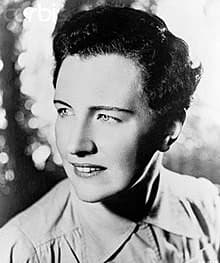
Mary Renault was a British author known for her historical fiction set in ancient Greece. Her notable works include "Fire from Heaven," which explores the life of Alexander the Great, and "The Last of the Wine," a coming-of-age story set during the Peloponnesian War. Renault's writing often delves into themes of love, identity, and the complexities of human relationships.
Similar books
- Creation
Gore Vidal
4.2 (4k) average on GoodreadsHistorical FictionA sweeping historical epic told through the eyes of a Persian diplomat, encountering many historical figures including Socrates.
- To Kill a Mockingbird
Harper Lee
4.3 (4.5M) average on GoodreadsHistorical FictionIn the 1930s Jim Crow South, Harper Lee writes about racial injustice, moral growth, and the quiet courage of a lawyer father, Atticus Finch, as seen through his young daughter's eyes.
- The Great Gatsby
F. Scott Fitzgerald
3.9 (3.8M) average on GoodreadsHistorical FictionIn the opulent Roaring Twenties, a mysterious millionaire's lavish parties hide his desperate, tragic pursuit of a lost love, exposing the emptiness within the American Dream.
- Pride and Prejudice
Jane Austen
4.3 (3M) average on GoodreadsHistorical FictionIn a society focused on status and money, Elizabeth Bennet navigates love and pride, challenging Mr. Darcy and social expectations to find true affection.
- Angels & Demons
Dan Brown
3.9 (2.7M) average on GoodreadsThrillerA Harvard symbologist races through Rome's ancient sites, deciphering cryptic clues to unmask the Illuminati and stop a vengeful plot to destroy the Vatican with a stolen antimatter weapon.
- The Kite Runner
Khaled Hosseini
4.3 (2.4M) average on GoodreadsHistorical FictionIn pre-Taliban Afghanistan, a wealthy boy's betrayal of his servant's son during a kite-running tournament starts a lifelong journey for amends as his country collapses.





Enjoyed the summary?
A summary gives you the shape of the book. The book itself has the detail, the examples and the voice.
Find The Last of the Wine on AmazonAs an Amazon Associate, BookBrief earns from qualifying purchases. How we're funded