

Synopsis
Covers the whole plot, including the ending.
- Difficulty
- Medium
- Pacing
- Moderate
- Mood
- Dark, Romantic, Philosophical, Violent, Melancholy
- Read it if
- You enjoy dark, philosophical urban fantasy with a strong romantic element, explicit content, and a fresh take on werewolf lore.
- Skip it if
- You prefer traditional fantasy, are put off by graphic violence or sex, or dislike morally ambiguous characters.
The Last Werewolf Plot Summary
Covers the whole plot, including the ending.
Jacob Marlowe's Despair and the End of His Kind
Jacob Marlowe, a 200-year-old werewolf, is in despair. He believes himself to be the last of his kind, after the recent deaths of his fellow lycanthropes, particularly his long-time friend and lover, Agnes. Tormented by the memory of his first kill and the cyclical violence of his existence, Jacob decides to end his life. He plans to use a silver bullet on the upcoming full moon, ensuring his death will be permanent. His journal entries show his weariness and philosophical thoughts on his condition. As he prepares for his final transformation, news reaches him of a brutal murder in London, with signs of a werewolf attack, which initially puzzles him, believing himself to be unique.
The Hunter Arrives: WOOF and Inspector Aickman
The murder in London, attributed to a werewolf, brings Dr. Talos, the head of the World Organisation for Werewolf Oversight and Control (WOOF), to the scene. He sends a new, highly trained agent, Sonya Walker, to track down and eliminate the killer, whom they believe is Jacob. Meanwhile, Inspector Aickman, a cynical and experienced detective, is assigned to the gruesome murder case. Aickman, despite his initial skepticism, has to confront the impossible nature of the crime, eventually becoming convinced that a supernatural element is at play. Sonya, a capable hunter, quickly picks up Jacob's scent, setting the stage for their meeting.
First Encounter and Unexpected Connection
Jacob, trying to evade Sonya, finds himself drawn to her. Their first real encounter is tense and has a strange, undeniable attraction. Sonya, despite her mission to kill him, is intrigued by Jacob's intelligence and melancholic charm, while Jacob is fascinated by her strength and beauty. During their game, Jacob learns more about WOOF and their long-standing war against werewolves. He also begins to suspect that the recent murder wasn't his doing, meaning there might be another werewolf out there. This unexpected connection with Sonya starts to reignite a desire for life within Jacob, complicating his suicide plans.
The Revelation of a New Breed
Jacob and Sonya, now working in an uneasy alliance, investigate the recent murders. They discover that the killer is not a traditional werewolf like Jacob but a new, more savage and less predictable breed, a 'New World' werewolf, born from a different, more primal lineage. These new werewolves are led by a charismatic and ruthless figure named Kalugin. Kalugin and his pack are actively hunting down the 'Old World' werewolves, aiming to eradicate them and establish their dominance. This revelation shifts Jacob's focus from suicide to survival and the protection of what little remains of his kind, primarily himself.
Escape and the Developing Relationship
As Jacob and Sonya learn more about the new werewolves, they become targets for both WOOF, who still consider Jacob a threat, and Kalugin's pack. They are forced to go on the run, moving across Europe. During their desperate flight, their relationship evolves from a tense alliance into a passionate and deeply intimate affair. Sonya struggles with her duty as a hunter and her growing love for Jacob, while Jacob experiences a resurgence of emotions he thought long dead. Their shared danger and mutual vulnerability create a strong bond, making Jacob question his previous desire for death more than ever.
Inspector Aickman's Pursuit and WOOF's Internal Conflicts
Inspector Aickman, despite warnings from his superiors, continues his investigation into the supernatural murders. He pieces together clues, coming to terms with the existence of werewolves and the secretive organization, WOOF. His pursuit eventually leads him closer to Jacob and Sonya. At the same time, within WOOF, tensions rise. Dr. Talos's authority is challenged by those who disagree with his rigid methods and his focus on exterminating all werewolves, regardless of their nature. Some agents, including Sonya's colleagues, express doubts about the organization's objectives, particularly after Sonya's disappearance and her perceived defection.
Confrontation with Kalugin's Pack
Jacob and Sonya are eventually cornered by Kalugin and his pack of New World werewolves. A brutal and bloody confrontation happens. The new werewolves are far more aggressive and less susceptible to traditional weaknesses, making them formidable opponents. Jacob, drawing upon centuries of experience, fights fiercely to protect Sonya and himself. Sonya, in turn, uses her advanced hunting skills to combat the pack. They suffer significant injuries but manage to escape, confirming the immense threat posed by Kalugin and solidifying their resolve to stop him, even if it means sacrificing their own lives.
The Plan to Stop Kalugin
Recognizing the threat Kalugin poses to both humanity and the few remaining Old World werewolves, Jacob and Sonya create a desperate plan. They decide to confront Kalugin directly, aiming to exploit his weaknesses and destroy his pack. This plan uses Jacob's knowledge of werewolf lore and Sonya's tactical expertise. They understand that this will likely be a suicide mission, but they are determined to prevent Kalugin from unleashing his breed upon the world. Their love for each other intensifies as they prepare for what they believe will be their final battle.
The Final Battle and Sacrifice
The climactic battle takes place in a secluded, ancient location. Jacob and Sonya, alongside a reluctantly allied Inspector Aickman, confront Kalugin and his remaining pack. The fight is savage and relentless. Jacob, in his transformed state, shows his immense power and primal ferocity, while Sonya, armed with specialized weapons, fights with deadly precision. Many are killed on both sides. In a tragic turn of events, Sonya is mortally wounded during the struggle. Her death fuels Jacob's rage, and he ultimately defeats Kalugin, but at a terrible cost to himself.
Aftermath and a New Beginning
After the battle, Jacob is the sole survivor among the werewolves, truly the last of his kind. He is heartbroken by Sonya's death, which leaves him with an even deeper sense of loss than before. However, her love and their shared fight have changed him. He no longer seeks suicide but accepts his existence, albeit with sorrow. Inspector Aickman, having witnessed the impossible, is left to grapple with a world changed forever. Jacob, now bearing the weight of his survival and Sonya's memory, disappears into the world, a solitary figure forever marked by love, loss, and the eternal curse of the werewolf, but with a renewed, painful will to live.
Principal Figures
Jacob Marlowe
Protagonist
A 200-year-old 'Old World' werewolf, weary of his existence and seeking an end.
Jacob is a highly intelligent, cultured, and melancholic werewolf, cursed with immortality and monthly transformations for two centuries. He is deeply philosophical, often reflecting on the nature of good, evil, and his own monstrousness in his journal. Initially, he is suicidal, burdened by the memory of his first kill and the loss of his loved ones, particularly Agnes. His cynicism is a veneer for profound loneliness and a desperate longing for peace. He has a keen sense of observation and a dark, dry wit. His transformation into a wolf is described as a painful but exhilarating release.
Relationships: Sonya Walker (Lover and ally); Agnes (Former lover and friend, whose death contributes to his despair); Inspector Aickman (Reluctant ally and observer); Kalugin (Antagonist, leader of the 'New World' werewolves)
Sonya Walker
Supporting/Love Interest
A skilled and dedicated werewolf hunter for WOOF, who falls in love with Jacob.
Sonya is a formidable and highly trained agent of WOOF, initially tasked with hunting and killing Jacob. She is intelligent, pragmatic, and fiercely independent, with a strong moral compass that eventually conflicts with her organization's directives. Despite her initial professional detachment, she finds herself drawn to Jacob's complex personality and intelligence. She is physically capable and skilled in combat, but also possesses a deep capacity for empathy and love. Her loyalty shifts from WOOF to Jacob as she learns more about the werewolves and the true nature of the threat.
Relationships: Jacob Marlowe (Lover and ally); Dr. Talos (Her superior at WOOF); Inspector Aickman (Briefly an ally in the final confrontation)
Inspector Aickman
Supporting
A cynical and persistent detective investigating supernatural murders.
Inspector Aickman is a seasoned and world-weary police detective in London. He is initially skeptical of anything supernatural but is forced to confront the impossible as he investigates a series of gruesome murders. He is intelligent, observant, and possesses a dry, dark sense of humor. Despite his initial bewilderment, he is tenacious in his pursuit of the truth, eventually piecing together the existence of werewolves and WOOF. He acts as an outsider's perspective, representing humanity's struggle to comprehend the supernatural.
Relationships: Jacob Marlowe (Antagonist at first, then a reluctant ally); Sonya Walker (Briefly an ally); Dr. Talos (Opposing forces in the investigation)
Kalugin
Antagonist
The leader of a new, more savage breed of werewolf, seeking to eradicate the Old World lycanthropes.
Kalugin is the charismatic and ruthless leader of the 'New World' werewolves, a more primal and aggressive breed. He embodies a raw, untamed savagery, lacking the philosophical introspection of Jacob. He views the 'Old World' werewolves as weak and obsolete, and his goal is to eliminate them and establish his own kind as the dominant species. He is a formidable physical presence, driven by instinct and a lust for power. His existence challenges Jacob's belief that he is the last of his kind and provides a stark contrast to Jacob's more 'human' sensibilities.
Relationships: Jacob Marlowe (Mortal enemy); Sonya Walker (Enemy)
Dr. Talos
Supporting
The cold and calculating head of WOOF, dedicated to werewolf eradication.
Dr. Talos is the leader of the World Organisation for Werewolf Oversight and Control (WOOF). He is presented as cold, analytical, and utterly dedicated to his mission of eradicating all werewolves. He views them as a dangerous blight that must be eliminated for the safety of humanity. He operates with a rigid, almost fanatical adherence to protocols and is largely devoid of personal emotion. His methods are often ruthless, and he sees agents like Sonya as mere tools for his objectives. He represents the institutionalized fear and hatred of the supernatural.
Relationships: Sonya Walker (Her superior, who she eventually defies); Jacob Marlowe (Primary target)
Agnes
Mentioned
Jacob's former lover and friend, whose death contributes to his despair.
Agnes is a fellow 'Old World' werewolf and Jacob's long-time companion and lover. She is only present in Jacob's memories and journal entries, but her influence is profound. Her death, preceding the events of the novel, is a major catalyst for Jacob's suicidal despair. She represents a lost connection, a shared history, and a piece of Jacob's humanity that he believes is gone forever. Her memory serves to highlight Jacob's loneliness and the depth of his capacity for love and loss.
Relationships: Jacob Marlowe (Former lover and friend)
The Narrator (Jacob's Journal)
Supporting
Jacob Marlowe's introspective and philosophical journal entries.
Jacob's journal serves as a significant 'character' in the novel, providing direct access to his inner thoughts, philosophical musings, and the historical context of his long life. It is through these entries that the reader truly understands Jacob's despair, his intelligence, and the burden of his existence. The journal offers a personal, often poetic, counterpoint to the violent external plot, revealing his humanity despite his monstrous nature. It shapes the reader's perception of Jacob and frames his motivations.
Relationships: Jacob Marlowe (Its author and subject)
WOOF Agents
Mentioned
Other agents within the World Organisation for Werewolf Oversight and Control.
These are the various unnamed or briefly mentioned agents who work under Dr. Talos within WOOF. They represent the larger, organized force dedicated to hunting werewolves. They are typically depicted as highly trained, efficient, and ruthless, operating under strict protocols. Their presence reinforces the idea of a long-standing war between humanity and werewolves, and their actions often create obstacles for Jacob and Sonya. Some agents express internal doubts about WOOF's methods, hinting at the moral complexities of their mission.
Relationships: Dr. Talos (Their superior); Sonya Walker (Her colleagues)
Themes & Insights
Identity and Monstrosity
The novel explores what it means to be human and what it means to be a monster. Jacob, despite his werewolf nature, often shows more humanity, introspection, and capacity for love than many human characters. His internal struggle with his 'lunatic appetites' and his thoughts on his existence show the blurred lines between man and beast. The arrival of the 'New World' werewolves complicates this, showing a truly monstrous, instinct-driven identity in contrast to Jacob's more 'civilized' monstrosity. The book questions whether monstrosity is inherent or a product of action.
“Two hundred years of this. Two hundred years of being a monster with a human's heart, or a human with a monster's heart. It hardly matters which.”
Love and Redemption
Love, particularly the unexpected romance between Jacob and Sonya, is a strong redemptive force. Jacob, initially consumed by despair and a desire for death, finds a renewed will to live through his connection with Sonya. Her love allows him to confront his past and fight for a future. Even after Sonya's tragic death, her memory and the love they shared give Jacob a reason to continue existing, changing his initial suicidal impulses into a painful but resolute acceptance of life. Love offers a temporary escape from his curse and a reason to accept his identity.
“I was dead. Or as good as. And then you came. And now I’m alive. God help me, I’m alive.”
The Burden of Immortality and Loneliness
Jacob's 200-year existence is portrayed not as a gift, but as a curse. He has witnessed countless historical events, outlived all his loved ones, and is tormented by the cyclical violence of his transformations. The novel emphasizes the psychological toll of immortality, especially when coupled with the unique isolation of being a werewolf. His initial despair comes directly from this burden of perpetual existence and the loneliness that comes with being the 'last of his kind,' a feeling only partially alleviated by his brief connection with Sonya.
“To live forever is to watch everything you love die. Again and again. It's not a gift; it's a punishment.”
Nature vs. Nurture
The distinction between Jacob and the 'New World' werewolves, particularly Kalugin, highlights the theme of nature versus nurture. Jacob, an 'Old World' werewolf, is depicted as cultured, introspective, and capable of love, suggesting that centuries of human interaction and philosophical thought have shaped his monstrous nature. In contrast, Kalugin's pack is purely instinctual, savage, and driven by primal urges, representing an untamed, un-nurtured monstrosity. The novel suggests that even within a supernatural species, there can be varying degrees of 'humanity' or 'beastliness' influenced by their experiences and lineage.
“They were not like us. We were beasts in human skin; they were just beasts, in any skin.”
The Hunt and the Hunter
The dynamic between the hunter and the hunted is central to the narrative, primarily through the evolving relationship between Jacob (the hunted werewolf) and Sonya (the human hunter). Initially, their roles are clear, but as their connection deepens, these roles blur. Sonya questions her mission, and Jacob, in turn, becomes a hunter of the new breed of werewolves. This theme explores the moral ambiguities of violence, the nature of predation, and how perspectives can shift when one understands the 'other.' It also highlights the constant struggle for survival against overwhelming odds.
“She was the hunter, I the prey. And then, somehow, we became the same beast, hunting a greater evil.”
Plot Devices & Literary Techniques
Jacob's Journal Entries
Provides deep insight into the protagonist's inner world and historical context.
Jacob's journal serves as a crucial narrative device, breaking up the third-person action with first-person, highly introspective passages. These entries allow the reader direct access to Jacob's philosophical thoughts, his despair, his memories spanning two centuries, and his reflections on his condition. It deepens his character, provides backstory without heavy exposition, and offers a unique, intimate perspective on the werewolf curse, contrasting his internal humanity with his external monstrosity. It also helps to establish the book's melancholic and intellectual tone.
The 'Old World' vs. 'New World' Werewolves
A narrative distinction that drives conflict and explores themes of evolution and savagery.
This device creates a clear division within the werewolf species, providing both an external antagonist (Kalugin's pack) and a thematic exploration of different forms of monstrosity. The 'Old World' werewolves like Jacob are portrayed as more ancient, refined, and capable of introspection, while the 'New World' breed is savage, instinctual, and purely predatory. This distinction raises questions about evolution, the impact of time and civilization on primal urges, and the varying degrees of 'humanity' within supernatural beings, intensifying the stakes for Jacob as he fights for the survival of his unique lineage.
The World Organisation for Werewolf Oversight and Control (WOOF)
A shadowy organization representing humanity's institutionalized fear and control over the supernatural.
WOOF functions as a primary antagonistic force, representing humanity's organized, scientific, and often ruthless response to the existence of werewolves. It provides the initial conflict for Jacob and Sonya, and its vast resources and long history of hunting werewolves establish the high stakes of their world. WOOF also serves to explore themes of control, secrecy, and the potential for human institutions to become as monstrous as the 'monsters' they hunt, particularly through the character of Dr. Talos and the moral dilemmas faced by agents like Sonya.
The Full Moon Cycle
A recurring temporal and physical constraint that dictates plot points and character transformations.
The monthly cycle of the full moon is a fundamental plot device, dictating Jacob's physical transformations and serving as a constant reminder of his curse. It creates natural deadlines and heightened tension for various plot points, from Jacob's initial suicide plan to his desperate escapes and confrontations. The moon's influence is not just biological but also psychological, deeply affecting Jacob's emotional state and his philosophical reflections on his dual nature. It grounds the supernatural elements in a predictable, yet terrifying, rhythm.
The Last Werewolf Quotes
“I am the last werewolf. There are no others. I am the last of my kind.”
“The moon doesn't care. The moon is just a rock in the sky.”
“I've lived two hundred years and I'm tired of it. I'm tired of the moon, the hunger, the killing.”
“Love is the only thing that makes immortality bearable.”
“The beast is not a separate entity. It is me. I am the beast.”
“We are all monsters in our own way. Some of us just have sharper teeth.”
“The hunger is a constant. It is the one thing I can always rely on.”
“Death is not the enemy. Boredom is.”
“I have seen civilizations rise and fall. I have seen empires crumble. And I am still here.”
“The transformation is not a curse. It is a revelation.”
“We are defined by our choices, not our nature.”
“The world is full of hunters. Some hunt with guns, others with words.”
“To be alone is to be free. To be free is to be alone.”
“I have killed, and I have loved. Both with equal passion.”
Quiz
10 questions on the plot and the characters. Each answer comes with a short explanation.
Question 1
What is the primary reason Jacob Marlowe initially plans to end his life in 'The Last Werewolf'?
- He is being hunted by a secret government agency
- He has lost the will to live after centuries of torment and being the last of his kind
- He has fallen in love with a human and wants to protect her
- He is suffering from a terminal illness
Show answer
B. He has lost the will to live after centuries of torment and being the last of his kind Jake's suicidal plan stems from his existential despair after 200 years of being enslaved by his werewolf appetites, haunted by his past crimes, and facing extinction as the last werewolf, which makes him feel isolated and weary of his monstrous existence.
Question 2
What event interrupts Jacob's countdown to suicide and rekindles his desire to live?
- He discovers another werewolf is still alive
- A violent murder and an extraordinary meeting plunge him back into pursuing life and love
- He receives a mysterious inheritance from a long-lost relative
- He is offered a cure for his lycanthropy by a scientist
Show answer
B. A violent murder and an extraordinary meeting plunge him back into pursuing life and love The plot pivots when a murder and a significant encounter disrupt Jake's plans, injecting new danger and emotional connections that force him to reconsider his decision to end his life, as described in the book's synopsis.
Question 3
How long has Jacob Marlowe been alive as a werewolf at the start of the novel?
- 100 years
- 200 years
- 500 years
- 50 years
Show answer
B. 200 years The book specifies that Jake has wandered the world for two hundred years, enduring his werewolf condition and the memories of his past, which contributes to his weariness and suicidal thoughts.
Question 4
What is a key theme explored through Jacob's character in 'The Last Werewolf'?
- The triumph of good over evil in supernatural battles
- The existential struggle with immortality, guilt, and the desire for meaning
- The importance of family bonds in overcoming adversity
- The scientific exploration of lycanthropy as a disease
Show answer
B. The existential struggle with immortality, guilt, and the desire for meaning Jake's journey delves into deep themes of existentialism, as he grapples with centuries of guilt, the burden of immortality, and his search for purpose and love amidst his monstrous nature, reflecting the book's philosophical undertones.
Question 5
Which of the following best describes the tone of 'The Last Werewolf' as indicated in the synopsis?
- Lighthearted and comedic
- Sexy, smart, bloody, and heartbreaking
- Mysterious and suspenseful without violence
- Educational and documentary-style
Show answer
B. Sexy, smart, bloody, and heartbreaking The synopsis explicitly uses the terms 'sexy, smart, bloody and heartbreaking' to characterize the novel's tone, highlighting its blend of eroticism, intellect, violence, and emotional depth.
Question 6
What torments Jacob Marlowe about his past, contributing to his despair?
- He failed to save his family from a fire
- The memory of his first and most monstrous crime
- He betrayed a close friend who was also a werewolf
- He lost a great fortune in a business deal
Show answer
B. The memory of his first and most monstrous crime Jake is haunted by the recollection of his initial violent act as a werewolf, which symbolizes his loss of humanity and fuels his guilt over the centuries, as mentioned in the book's description.
Question 7
In the context of the book, what does 'one last full moon' refer to?
- A celestial event that grants werewolves extra power
- The final transformation Jake plans before ending his life
- A deadline set by hunters to eliminate werewolves
- A romantic metaphor for Jake finding love
Show answer
B. The final transformation Jake plans before ending his life The phrase 'one last full moon' ties into Jake's suicidal plan, indicating his intention to undergo one final werewolf transformation before committing suicide, as he is the last of his kind and sees no future.
Question 8
How does the book's portrayal of werewolves differ from traditional folklore, based on Jacob's experience?
- They are portrayed as mindless beasts without any human consciousness
- They are shown as heroic protectors of humanity
- It emphasizes their existential torment, appetites, and complex emotions over mere horror
- They are depicted as a species that can easily blend into society without issue
Show answer
C. It emphasizes their existential torment, appetites, and complex emotions over mere horror The novel focuses on Jake's internal struggles, such as his 'lunatic appetites' and emotional depth, offering a more philosophical and character-driven take on werewolf mythology rather than just horror or action.
Question 9
What role does love play in Jacob's transformation throughout the story?
- It is irrelevant, as Jake remains focused solely on his suicidal plan
- It serves as a key factor that re-engages him with life after the interrupting events
- It cures him of his lycanthropy entirely
- It distracts him from the violent murders he commits
Show answer
B. It serves as a key factor that re-engages him with life after the interrupting events Love is highlighted in the synopsis as part of Jake's 'desperate pursuit of life' after the murder and meeting, suggesting that emotional connections become a driving force in his decision to keep living, contrasting with his initial despair.
Question 10
Which aspect of 'The Last Werewolf' is emphasized by the phrase 'takes literature by the throat' in the synopsis?
- Its slow-paced, reflective narrative style
- Its aggressive, gripping, and intense approach to storytelling
- Its focus on academic literary criticism
- Its use of minimalist prose and simple plots
Show answer
B. Its aggressive, gripping, and intense approach to storytelling The metaphor 'takes literature by the throat' implies that the book is forceful, engaging, and unflinching in its delivery, matching the described tone of being sexy, smart, bloody, and heartbreaking, and suggesting a bold narrative impact.
The Last Werewolf FAQ
What is 'The Last Werewolf' about?
The novel follows Jacob 'Jake' Marlowe, the last surviving werewolf, who has grown weary after 200 years of existence and plans to commit suicide after his final transformation. However, his plans are disrupted when he learns that a secret organization called WOCOP (World Organization for the Control of Occult Phenomena) is hunting him, and he becomes entangled in a violent conspiracy involving other supernatural beings and a potential romance that reignites his will to live.
Why should I read 'The Last Werewolf'?
This book offers a fresh, literary take on the werewolf genre, blending dark fantasy with philosophical introspection, gritty violence, and eroticism. Glen Duncan's sophisticated prose and Jake's witty, world-weary narration provide a compelling exploration of immortality, morality, and the struggle to find meaning in a monstrous existence.
What is the background/setting of 'The Last Werewolf'?
The story is set in a contemporary, gritty version of the real world, primarily in London and other global locations, where werewolves and other supernatural entities exist in secret. Jake's history spans 200 years, with flashbacks to his origins in the 19th century, including his first transformation and the traumatic murder of his family, which haunts him throughout the novel.
What are the most memorable quotes?
Notable quotes include Jake's reflections on his condition, such as 'I'm the last werewolf. I'm it. The last of an accursed breed.' and his bleak musings on existence: 'Two hundred years of this. Two hundred years of the hunger and the guilt and the loneliness.' These lines capture the novel's tone of despair and dark humor.
What writing style does the author use?
Glen Duncan employs a first-person narrative from Jake's perspective, characterized by eloquent, visceral prose that blends literary sophistication with raw, graphic descriptions of violence and sex. The style is introspective, witty, and often darkly humorous, reflecting Jake's jaded worldview and intellectual depth.
What minor details add significant meaning?
Small details like Jake's meticulous record-keeping of his victims and his obsession with classic literature (e.g., references to Shakespeare and Byron) underscore his attempt to maintain humanity amidst his monstrous nature. The recurring motif of the moon's phases subtly mirrors his cyclical despair and fleeting moments of hope.
What are some subtle foreshadowing moments?
Early mentions of WOCOP's surveillance and Jake's casual dismissal of threats foreshadow the intense hunt that drives the plot. His initial encounter with the vampire Grainier hints at the deeper supernatural conspiracy, while his growing attachment to the human Talulla subtly prefigures the romantic subplot that challenges his suicidal plans.
What unexpected character connections exist?
A key connection is between Jake and the vampire Grainier, who reveals that WOCOP is manipulating both species for their own ends, forcing an uneasy alliance. Additionally, Jake's relationship with his human handler, Harley, evolves from transactional to deeply personal, complicating his perception of trust and loyalty in the supernatural world.
What are unspoken character motivations?
Jake's stated desire for suicide masks a deeper fear of oblivion and a latent craving for connection, which is awakened by Talulla. WOCOP's leader, Ellis, is driven not just by a zeal to eradicate monsters but by a personal vendetta and obsession with power, revealed through cryptic dialogues and violent actions.
What psychological complexities do characters exhibit?
Jake embodies a complex mix of nihilism and yearning, grappling with PTSD from his first murder and centuries of guilt, yet displaying sharp intellect and dark humor. Talulla, though human, shows a morbid fascination with Jake's condition that borders on self-destructive, reflecting themes of desire and danger.
What are the major emotional turning points?
Key moments include Jake's decision to abandon suicide after learning WOCOP plans to capture him alive for torture, his passionate and risky romance with Talulla that rekindles his will to live, and the brutal betrayal by Harley, which forces him to confront the fragility of trust in his isolated existence.
How do relationship dynamics evolve?
Jake's relationship with Talulla shifts from physical attraction to a profound emotional bond that challenges his monstrous identity. His dynamic with Grainier moves from mutual distrust to a grudging partnership against WOCOP, while his ties with Harley deteriorate from reliance to violent confrontation, highlighting themes of betrayal and survival.
Which parts remain ambiguous or open-ended?
The novel leaves ambiguous whether Jake can ever truly escape his cursed nature or find lasting peace, with the ending hinting at ongoing threats from WOCOP. The full extent of the supernatural world's hierarchy and the true origins of werewolves are only partially revealed, inviting speculation about broader lore.
What are controversial scenes or decisions?
Controversial elements include graphic depictions of Jake's violent kills and sexual encounters, which some readers find excessively gritty. His decision to pursue a relationship with Talulla, despite the danger it poses to her, raises ethical questions about selfishness versus redemption in his quest for meaning.
'The Last Werewolf' ending explained: how it ends & what it means
The novel concludes with Jake surviving a climactic confrontation with WOCOP, but at a cost: Talulla is turned into a werewolf, and he remains hunted. This ending suggests that escape from his curse is impossible, yet love and connection offer a fragile hope, symbolizing the eternal struggle between monstrous instincts and human desires.
About the author

Glen Duncan is a British author known for his works of fiction, particularly in the horror and fantasy genres. His notable novel, The Last Werewolf, explores themes of identity and survival through the lens of a werewolf protagonist. Duncan's writing often blends dark humor with existential questions, earning him a distinct place in contemporary literature.
Similar books
- Interview With The Vampire
Anne Rice
4.0 (485k) average on GoodreadsFantasyFeatures an ancient, world-weary protagonist grappling with immortality, loneliness, and the nature of their monstrous existence, with a gothic and sensual atmosphere.
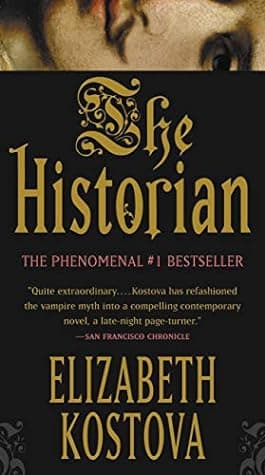
- The Historian
Elizabeth Kostova
3.8 (242k) average on GoodreadsThrillerBlends historical mystery with supernatural elements, focusing on the pursuit of an ancient, powerful creature across different eras.
- Harry Potter and the Sorcerer's Stone
J.K. Rowling
4.5 (7M) average on GoodreadsFantasyRescued from a miserable life under the stairs, an orphaned boy discovers he's a wizard destined for a magical school, where he uncovers a dangerous secret tied to the dark wizard who murdered his parents.
- The Hunger Games
Suzanne Collins
4.3 (6.4M) average on GoodreadsFantasyIn a future where children fight to the death on live television, Katniss Everdeen volunteers for the arena, turning a death sentence into a fight for survival and a spark of rebellion.
- 1984
George Orwell
4.2 (3.1M) average on GoodreadsPoliticsIn a future where surveillance and thought control are absolute, a man's search for truth clashes with the Party, showing that hope can be a form of rebellion.
- Divergent
Veronica Roth
4.2 (2.9M) average on GoodreadsFantasyIn a society divided by virtues, a sixteen-year-old's difference from the norm starts a rebellion that threatens her world.





Enjoyed the summary?
A summary gives you the shape of the book. The book itself has the detail, the examples and the voice.
Find The Last Werewolf on AmazonAs an Amazon Associate, BookBrief earns from qualifying purchases. How we're funded