
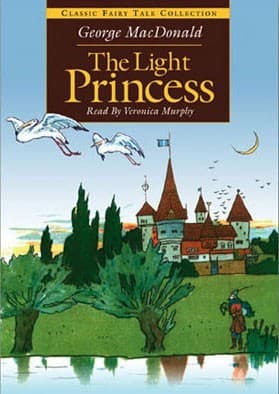
Synopsis
Covers the whole plot, including the ending.
- Difficulty
- Easy
- Pacing
- Moderate
- Mood
- Whimsical, Humorous, Poignant, Romantic, Enchanting
- Read it if
- You enjoy classic fairy tales with allegorical depth, charming characters, and a focus on the transformative power of love and sacrifice. Perfect for those who appreciate whimsical fantasy with a moral core.
- Skip it if
- You prefer modern, fast-paced fantasy or stories without overt moral lessons. Also, if you dislike antiquated language or simple, childlike narratives.
The Light Princess Plot Summary
Covers the whole plot, including the ending.
A Royal Birth and a Malicious Curse
A King and Queen, after many years of wanting a child, have a beautiful baby daughter. They decide to hold a grand christening to celebrate, inviting all the fairies to give gifts to the princess. However, they forget to invite the King's sister, Princess Makemnoit, a spiteful witch. Angry at being overlooked, Princess Makemnoit crashes the christening and puts a terrible curse on the baby: the princess will have no gravity, physically or emotionally. The curse immediately takes effect, making the baby float. The royal parents are upset, trying various ways to keep their daughter on the ground, but she stays perpetually light.
A Childhood Without Weight
As the princess grows, her lack of gravity shows up in every part of her life. She floats through rooms, cannot walk or sit normally, and needs to be weighed down with lead weights to keep her from drifting away. More importantly, her emotional gravity is also absent. She cannot cry, laugh with real emotion, or feel sorrow or joy deeply. Everything is a joke to her; she finds nothing serious and is indifferent to the suffering of others, even her own parents' distress. She is beautiful but superficial, a charming but empty shell, always smiling and making light of every situation, to the despair of her parents and the court.
A Mysterious Lake and a Newfound Joy
One day, while exploring the palace grounds, the princess finds a hidden, enchanted lake. To her surprise, when she enters the water, she gains her full weight and can swim and dive like a normal person. For the first time, she feels genuine pleasure and a sense of belonging. The lake becomes her safe place, where she can truly be herself, enjoying the feeling of gravity and the simple joy of movement. She spends hours there, swimming and playing, her laughter finally sounding truly happy, though she remains light and frivolous once she leaves the water.
The Witch's Revenge and the Drying Lake
Princess Makemnoit, seeing the princess's new joy, gets angry that her curse has been partly avoided. She plans to take away the princess's only source of happiness. Using her dark magic, she finds the source of the magical lake—a hidden spring—and starts to drain it. Slowly, the water level in the lake drops, causing great distress to the princess. She tries to understand why her beloved lake is disappearing, her first experience of genuine sorrow. The King's counselors and engineers are puzzled, unable to stop the mysterious water loss.
The Prophecy and the Prince's Arrival
As the lake continues to dry, a wise old man, a hermit from the mountains, is consulted. He reveals a prophecy: the lake will only be restored if a man loves the princess enough to willingly stop the leak with his own body, knowing it will result in his death. This act of self-sacrificial love is the only way to counter the witch's evil. Around this time, a young prince from a neighboring kingdom, known for his kindness and courage, arrives at the palace. He is immediately charmed by the princess's beauty, despite her light nature, and feels pity for her situation.
A Prince's Love and a Desperate Search
The prince, seeing the princess's distress over the dying lake, is moved by her rare moments of genuine sadness. He falls deeply in love with her, a love that goes beyond her superficiality. Determined to help her, he secretly sets out to find the source of the lake's leak. After much searching, he discovers a hidden cave where the water is pouring into a chasm, being drained away by Makemnoit's enchantment. He understands the seriousness of the situation and remembers the old man's prophecy, knowing what he must do to save the princess's joy and the lake itself.
The Ultimate Sacrifice
Following the prophecy, the prince, without hesitation, enters the icy cold water in the cave and positions himself to plug the hole with his own body. The water is freezing, and the pressure is great, but he holds firm, knowing this act will save the princess. As he blocks the flow, the lake begins to fill again, and the princess, who has been watching the lake in despair, sees the water level rise. The prince, however, succumbs to the cold and exhaustion, his life ending as he fulfills the prophecy. His act of self-sacrifice is complete, saving the lake and, unknowingly, the princess's emotional gravity.
The Princess's Grief and the Return of Gravity
The princess finds the prince's seemingly lifeless body floating in the lake. For the first time, she feels deep, overwhelming grief. Her heart breaks, and she cries, genuine, heavy tears that flow freely. As her tears fall, a miraculous change happens: she regains her physical gravity. The weight of her sorrow anchors her to the earth. She can no longer float; she stands firm, her feet rooted, her spirit finally grounded. Her curse is broken, not by magic, but by the power of true love and her own deep sorrow.
A Glimmer of Hope and a Royal Wedding
The princess, now full of gravity and genuine emotion, cradles the prince's body. The wise old man arrives and, seeing the princess's tears and the prince's sacrifice, reveals that the prince is not truly dead, but merely in a deep sleep, caused by the cold and his effort. Through the princess's continued loving care and the warmth of her newly awakened heart, the prince slowly revives. He awakens to find a changed princess, one who is no longer light and frivolous but deeply loving and grounded. They confess their love for each other and, with the King and Queen's blessing, marry, living happily ever after, forever connected by the prince's sacrifice and the princess's awakened heart.
The Light Princess Characters
The Light Princess
Protagonist
A princess cursed to have no physical or spiritual gravity, saved by love.
Born without physical or spiritual gravity due to a witch's curse, the princess is initially a beautiful but superficial and indifferent young woman. She floats through life, finding everything a joke and incapable of deep emotion, including sorrow or true joy. Her only solace is a magical lake where she gains weight and experiences genuine happiness. Her journey is one of profound transformation, moving from a state of emotional emptiness to one of deep empathy and love, ultimately achieving wholeness through grief and self-discovery.
Relationships: The King (father, loving but distressed by her condition); The Queen (mother, loving but distressed by her condition); Princess Makemnoit (aunt, curses her at birth); The Prince (love interest, future husband, sacrifices himself for her)
The Prince
Supporting/Love Interest
A courageous and loving prince who sacrifices himself for the princess.
A kind and noble prince from a neighboring kingdom, he is drawn to the princess despite her peculiar lightness. He possesses a deep sense of empathy and courage, which drives him to understand and alleviate her suffering. He falls deeply in love with the princess, recognizing the sadness beneath her superficiality. His ultimate act of self-sacrifice—plugging the lake's leak with his own body—is the catalyst for breaking the princess's curse and awakening her emotional depth. He embodies true, selfless love.
Relationships: The Light Princess (love interest, future wife, saves her through sacrifice)
Princess Makemnoit
Antagonist
The King's jealous sister and a wicked witch who curses the princess.
The King's sister, a powerful and malevolent witch who is consumed by jealousy and spite. She curses the newborn princess to have no gravity, both physically and spiritually, because she was not invited to the christening. Her actions drive the central conflict of the story. She later attempts to destroy the princess's only source of joy by draining the magical lake, further demonstrating her cruelty and determination to inflict misery. She represents the destructive power of envy and uninvited malice.
Relationships: The King (brother, her target for revenge); The Light Princess (niece, victim of her curse)
The King
Supporting
The princess's loving but often helpless father.
A kind and well-meaning ruler who deeply loves his daughter. He is constantly distressed by her condition and tries various, often comical, methods to ground her, both literally and figuratively. His attempts to find a cure for her lightness highlight his paternal devotion, but also his limitations in the face of magic. He represents the parental love that, while strong, cannot alone break the spiritual curse upon his child.
Relationships: The Queen (wife, co-parent); The Light Princess (daughter, object of his concern); Princess Makemnoit (sister, source of his family's misfortune)
The Queen
Supporting
The princess's mother, equally distressed by her daughter's lack of gravity.
The Queen shares her husband's sorrow and concern for their daughter. She is a loving mother who wishes for her daughter to be normal and experience the full range of human emotions. Her despair over the princess's inability to cry or feel deeply underscores the profound nature of the curse. Like the King, her love is strong, but she is powerless against the magical affliction.
Relationships: The King (husband, co-parent); The Light Princess (daughter, object of her concern)
The Wise Old Man
Supporting
A hermit who reveals the prophecy to break the curse.
A hermit from the mountains, known for his wisdom and understanding of ancient lore and magic. He is the one who reveals the critical prophecy regarding the lake's restoration: that a man must love the princess enough to die for it. He serves as a mystical guide, providing the crucial piece of information that sets the prince's sacrifice in motion. His presence adds an element of ancient wisdom and destiny to the narrative.
Relationships: The King (consultant, source of wisdom); The Prince (indirectly guides him to his destiny)
The Royal Nurses/Attendants
Mentioned
Caregivers who struggle with the princess's lightness.
These are the various servants and nurses tasked with caring for the princess from infancy. They are constantly challenged by her lack of gravity, having to devise inventive ways to keep her from floating away or to get her to stay still. Their struggles provide much of the early humor in the story, highlighting the practical difficulties of the curse.
Relationships: The Light Princess (caregivers)
The Light Princess Themes
The Nature of Gravity (Physical and Spiritual)
The main theme looks at gravity not just as a physical force, but as a comparison for spiritual and emotional weight. The princess's lack of physical gravity directly matches her lack of emotional depth, her inability to feel sorrow, joy, or love genuinely. The story says that true 'gravity' or substance in life comes from deep emotional experience, especially love and sorrow. Her eventual ability to cry and feel grief restores both her physical and spiritual weight, showing that emotional grounding is necessary for a complete human experience.
“She had no more gravity in her mind than in her body. She was a princess without any weight in her spirit: she never cried, she never laughed heartily; she never cared for anything. Everything was a joke to her.”
The Power of Sacrificial Love
Sacrificial love is the ultimate cure for the curse and the cause of change. The prince's willingness to give his life to restore the lake, knowing it meant his death, is the purest form of selfless love. This act restores the lake and, more importantly, awakens the princess's ability to feel deep emotion, especially grief, which then breaks her curse. The story emphasizes that true love is not about superficial attraction but about a profound willingness to suffer or sacrifice for the beloved, leading to healing and wholeness.
“Only a man loving the princess well enough to die for her, could stop the leak with his own body.”
Emotional Awakening and Wholeness
The princess's journey is one of emotional awakening. At first, she is beautiful but emotionally empty, unable to experience the full range of human feeling. The magical lake gives her a glimpse of genuine joy, but it is the prince's sacrifice and her later overwhelming grief that truly 'grounds' her. Her tears symbolize the breaking of her spiritual curse, allowing her to feel deeply and become a whole person. The story suggests that true completeness comes from accepting both joy and sorrow, and that the ability to feel grief is as important as the ability to feel happiness.
“Her heart was broken, and the tears began to flow. Her tears were the first she had ever shed. They were tears of grief; and as they flowed, she felt her weight return.”
The Dangers of Superficiality and Indifference
The princess's initial state shows the dangers of superficiality and indifference. Her lack of gravity leads to a life where nothing is taken seriously, and she cannot feel true empathy or connection. This state, while seemingly carefree, is ultimately unfulfilling and isolating. Her transformation shows the emptiness of a life lived without emotional depth and the importance of engaging with the world and its emotions, both good and bad, to achieve genuine human connection and meaning.
“She laughed at everything. She laughed when she was scolded, she laughed when she was praised, she laughed when she was told of the grief of her parents...”
Plot Devices & Literary Techniques
The Curse of Weightlessness
A magical affliction mirroring emotional and spiritual emptiness.
The central plot device, the curse of weightlessness, is both literal and metaphorical. Physically, it makes the princess float, creating humorous and challenging situations. Metaphorically, it represents her spiritual and emotional emptiness, her inability to feel deeply, to be 'grounded' in reality or emotion. The curse's dual nature allows MacDonald to explore profound themes of emotional depth and the human condition through a fantastical premise. Its breaking through an act of love and grief underscores the story's core message.
The Magical Lake
A sanctuary where the princess gains gravity and experiences true joy.
The magical lake serves as a temporary haven and a symbol of the princess's potential for emotional depth. In its waters, she gains her weight and experiences genuine joy and freedom, a stark contrast to her floating, indifferent life outside. It is her first taste of true happiness and a foreshadowing of the wholeness she can achieve. The lake's subsequent draining by the witch directly leads to the prince's sacrificial act and the princess's ultimate transformation, making it a pivotal element in the plot.
The Prophecy of Sacrifice
A foretelling that guides the resolution of the curse.
The prophecy, delivered by the wise old man, provides the specific, seemingly impossible condition for breaking the curse and restoring the lake: a man must love the princess enough to die for her. This device introduces a clear goal and elevates the stakes of the narrative. It guides the prince's actions and highlights the extreme nature of the love required to counteract such a powerful curse, emphasizing the theme of self-sacrificial love as the ultimate power.
Tears as a Catalyst
The physical manifestation of grief that restores the princess's gravity.
The princess's inability to cry is a key symptom of her spiritual weightlessness. Her first tears, shed out of profound grief for the seemingly dead prince, are the direct catalyst for regaining her physical and spiritual gravity. This device powerfully symbolizes the connection between emotion and being 'grounded' as a human. It shows that true feeling, even sorrow, is essential for wholeness and that the curse is broken not by magic alone, but by a deeply human, emotional response.
The Light Princess Quotes
“She had no gravity; she could not be kept down.”
“What is the use of a heart if it does not ache?”
“She laughed at everything, and everybody, and herself.”
“The water is the only thing that makes me heavy.”
“Love is the only thing that can give weight to the lightest heart.”
“I cannot cry, for my tears would float away.”
“Gravity is the root of all character.”
“The prince was as heavy as she was light.”
“Without weight, there is no substance.”
“She floated through life as if it were a dream.”
“To love is to be anchored.”
“The lake held her down when nothing else could.”
“Laughter is light, but it casts no shadow.”
“He loved her because she was light, and he was heavy.”
Quiz
10 questions on the plot and the characters. Each answer comes with a short explanation.
Question 1
What curse does the witch Makemnoit place on the princess at her christening?
- She will never be able to speak
- She will lose all her hair
- She will lose her gravity
- She will be invisible to everyone
Show answer
C. She will lose her gravity At the princess's christening, the witch Makemnoit curses her to lose her 'gravity,' meaning both physical weight and seriousness, which causes her to float and be frivolous.
Question 2
Why does the princess float and have no physical weight?
- She was born with a magical condition
- A witch cursed her to lose her gravity
- She ate a special fruit that made her light
- She is under a spell from a fairy godmother
Show answer
B. A witch cursed her to lose her gravity The princess floats because of the curse from Makemnoit, which specifically removes her gravity, making her physically weightless and unable to stay grounded.
Question 3
What is the princess's main personality trait as a result of the curse?
- She is very serious and thoughtful
- She is cruel and mean-spirited
- She is silly and lacks spiritual weight
- She is brave and adventurous
Show answer
C. She is silly and lacks spiritual weight The curse causes the princess to be frivolous and silly, lacking both physical and spiritual gravity, which makes her carefree and often irresponsible.
Question 4
How does Prince Florimel first meet the Light Princess?
- He rescues her from a dragon
- He finds her floating in the palace garden
- He is introduced at a royal ball
- He hears about her from a traveling minstrel
Show answer
B. He finds her floating in the palace garden Prince Florimel discovers the princess floating in the palace garden, where he is intrigued by her weightlessness and playful nature.
Question 5
What method does Prince Florimel use to help the princess experience weight temporarily?
- He gives her a heavy cloak to wear
- He takes her swimming in a lake
- He ties her down with ropes
- He uses a magic potion from a wizard
Show answer
B. He takes her swimming in a lake When in water, the princess gains temporary weight due to buoyancy, allowing her to feel grounded and experience gravity-like sensations, which Prince Florimel discovers.
Question 6
What sacrifice does Prince Florimel make to break the princess's curse?
- He gives up his kingdom to the witch
- He offers to take the curse upon himself
- He fights a duel with the witch
- He spends all his wealth on a cure
Show answer
B. He offers to take the curse upon himself Prince Florimel offers to take the curse of weightlessness upon himself to save the princess, demonstrating the theme of sacrificial love central to the story.
Question 7
How is the curse ultimately broken?
- The witch has a change of heart and removes it
- The princess learns to be serious on her own
- Prince Florimel's sacrificial love restores her gravity
- A magical artifact is found that reverses spells
Show answer
C. Prince Florimel's sacrificial love restores her gravity The curse is broken through Prince Florimel's act of sacrificial love, which restores the princess's gravity both physically and spiritually, leading to a poignant conclusion.
Question 8
What does the loss of 'gravity' symbolize in the story beyond physical weight?
- Loss of royal privileges
- Inability to feel emotions
- Lack of seriousness and spiritual depth
- Forgetfulness of important duties
Show answer
C. Lack of seriousness and spiritual depth The curse symbolizes a lack of spiritual weight, meaning the princess is frivolous and lacks depth, seriousness, and emotional connection, which is restored through love.
Question 9
Why does the princess initially enjoy her condition of weightlessness?
- It allows her to escape royal responsibilities
- She finds it amusing and fun to float around
- It makes her popular with other children
- She uses it to play tricks on the courtiers
Show answer
B. She finds it amusing and fun to float around The princess enjoys floating and being carefree, finding humor and amusement in her condition, which reflects her silly nature before she understands its drawbacks.
Question 10
In what way does George MacDonald use the story to teach about love?
- By showing love as a fleeting emotion
- By depicting love as a magical force that solves all problems
- Through the theme of sacrificial love that brings spiritual weight
- By emphasizing romantic love over familial love
Show answer
C. Through the theme of sacrificial love that brings spiritual weight MacDonald eloquently teaches about sacrificial love through Prince Florimel's selfless act, which not only breaks the curse but also gives the princess spiritual depth and gravity.
The Light Princess FAQ
What is 'The Light Princess' about?
The story follows a princess cursed at birth by her spiteful aunt, the witch Makemnoit, to have no 'gravity'—meaning she floats physically and lacks emotional depth. Her life changes when she meets a prince who falls into a deep lake, and she discovers she can only feel weight and true emotion when immersed in water, leading to a sacrificial act of love to save him.
Why should I read 'The Light Princess'?
It's a charming, whimsical fairy tale that blends humor with profound themes of love, sacrifice, and emotional growth. George MacDonald's allegorical style offers a timeless lesson on the importance of gravity—both physical and spiritual—in a way that appeals to both children and adults.
What is the background/setting of 'The Light Princess'?
Set in a fairy-tale kingdom with a royal court, the story features magical elements like witches and curses. Key locations include the palace, where the princess's floating antics cause chaos, and the deep lake, which becomes central to her emotional and physical transformation.
What are the most memorable quotes?
Notable quotes include Makemnoit's curse: 'Light of spirit, by my charms, light of body, every part,' and the narrator's reflection: 'For she could not weep, because she had no gravity.' These lines highlight the princess's condition and the story's thematic depth.
What writing style does the author use?
George MacDonald employs a playful, allegorical style with Victorian-era prose, blending humor and whimsy with moral lessons. His narrative is rich in symbolism, using the princess's lack of gravity as a metaphor for emotional and spiritual lightness.
What minor details add significant meaning?
The princess's inability to cry or feel sadness until she encounters water subtly underscores her emotional void. Her constant floating and laughter, initially seen as mere silliness, later symbolize her detachment from genuine human experience.
What are some subtle foreshadowing moments?
Early scenes where the princess is drawn to water, such as playing in fountains, hint at its future role in her salvation. The prince's immediate fascination with her lightness foreshadows his willingness to sacrifice himself for her emotional awakening.
What unexpected character connections exist?
Makemnoit, the witch, is the king's sister-in-law, making her the princess's aunt. This familial tie adds depth to her malice, as the curse stems from personal resentment rather than random evil, highlighting themes of family conflict.
What are unspoken character motivations?
The princess subconsciously seeks weight and connection, driving her attraction to water and the prince. The prince is motivated not just by love but by a desire to give her the emotional gravity she lacks, seeing her plight as a call to self-sacrifice.
What psychological complexities do characters exhibit?
The princess embodies the conflict between superficial joy and deep emotion, as her lightness masks a yearning for substance. The prince shows complexity in balancing chivalric love with pragmatic action, ultimately choosing sacrifice over mere admiration.
What are the major emotional turning points?
Key moments include the princess first feeling weight in water, her realization that she cares for the prince when he drowns, and her decision to drain the lake to save him—each marking a step from frivolity to profound emotional engagement.
How do relationship dynamics evolve?
The princess and prince start with a playful, curious interaction but deepen into a bond of sacrificial love. Her relationship with her parents shifts from being a source of amusement to one of concern and support as they witness her transformation.
Which parts remain ambiguous or open-ended?
The exact mechanism of the curse's reversal is left vague—whether it's the act of sacrifice, the water's properties, or love itself that restores her gravity. The story also doesn't specify the long-term effects on the kingdom or the witch's fate.
What are controversial scenes or decisions?
Some readers debate the prince's near-death by drowning as a necessary sacrifice, questioning if it romanticizes self-endangerment. Others find the princess's initial frivolity problematic, though it serves to highlight her growth into emotional maturity.
'The Light Princess' ending explained: how it ends & what it means
The princess drains the lake to save the drowning prince, losing her ability to float and gaining emotional gravity in the process. This ending symbolizes that true love requires sacrifice and weight, transforming her from a lighthearted figure into a deeply feeling individual.
About the author
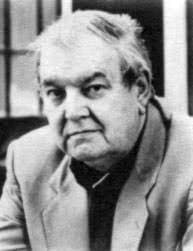
George MacDonald was a Scottish author and a pioneer of modern fantasy literature in the 19th century. He is known for his imaginative works, including "The Princess and the Goblin," "Phantastes," and "Lilith," which explore themes of morality and spirituality. His stories often blend elements of fairy tales and allegory, influencing later writers such as C.S. Lewis and J.R.R. Tolkien.
Similar books
- At the Back of the North Wind
George MacDonald
4.0 (6k) average on GoodreadsFantasyShares MacDonald's distinctive allegorical style and themes of childhood, suffering, and redemption.
- The Princess and the Goblin
George MacDonald
4.0 (30k) average on GoodreadsFantasyAnother classic MacDonald fairy tale with a brave princess, a hidden world, and moral lessons.
- Stardust
Neil Gaiman
4.1 (359k) average on GoodreadsFantasyA modern fairy tale with a romantic quest, magical elements, and a blend of humor and poignancy.
- The Little Mermaid
Hans Christian Andersen
4.0 (22k) average on GoodreadsFantasyAndersen's tale also explores themes of love and sacrifice, but MacDonald's narrative focuses more on internal psychological transformation rather than external suffering. MacDonald's magic directly mirrors inner states, while Andersen often uses external pain to convey depth. 'The Light Princess' has a less overtly tragic tone.
- Alice's Adventures in Wonderland
Lewis Carroll
4.0 (245k) average on GoodreadsFantasyBoth share whimsical, dreamlike qualities. However, 'The Light Princess' maintains a more traditional narrative arc and moral framework, contrasting with Alice's more absurd, logic-defying, and often satirical journey. MacDonald's fantasy is ultimately more grounded in allegorical meaning and character development.
- Harry Potter and the Sorcerer's Stone
J.K. Rowling
4.5 (7M) average on GoodreadsFantasyRescued from a miserable life under the stairs, an orphaned boy discovers he's a wizard destined for a magical school, where he uncovers a dangerous secret tied to the dark wizard who murdered his parents.



Enjoyed the summary?
A summary gives you the shape of the book. The book itself has the detail, the examples and the voice.
Find The Light Princess on AmazonAs an Amazon Associate, BookBrief earns from qualifying purchases. How we're funded