

Synopsis
Covers the whole plot, including the ending.
- Difficulty
- Medium
- Pacing
- Moderate
- Mood
- Dark, Suspenseful, Melodramatic, Cynical
- Read it if
- You enjoy intense family dramas, Southern Gothic themes, and sharp dialogue in a play format.
- Skip it if
- You prefer fast-paced action, clear-cut heroes, or lighthearted stories.
The Little Foxes Plot Summary
Covers the whole plot, including the ending.
A Family Gathering
The play starts in the Hubbard family's rich Alabama home in 1900. Regina Giddens, a sharp, ambitious woman, hosts her brothers, Ben and Oscar Hubbard, and Oscar's wife, Birdie. They discuss a profitable investment: a new cotton mill that will use cheap Black labor and local resources. Ben and Oscar have their shares, but Regina needs her husband, Horace Giddens, to provide her part of the money. Horace is very sick with a heart condition and is away for treatment. The brothers are impatient and hint they will cut Regina out if she does not get the money quickly, showing the family's ruthless nature.
Horace's Return and Regina's Plea
Horace Giddens returns home from Baltimore, which initially relieves Regina, as his presence is necessary for her financial plans. He is weak and frail, needing constant care from his daughter, Alexandra, and his Black servants, Addie and Cal. Regina immediately pressures him about investing in the cotton mill project with her brothers. Horace, however, has strong moral objections to the Hubbard family's exploitative business practices and their treatment of local workers, especially the Black community. He is tired of their greed and refuses to fund a venture he sees as wrong, increasing Regina's frustration and the tension between them.
The Proposal for Alexandra
Annoyed by Horace's refusal, Oscar and Ben plan to get Horace's money through his daughter, Alexandra. Oscar suggests that his weak-willed son, Leo, marry Alexandra. This would combine their fortunes and give the Hubbards control over Horace's wealth when he dies. Oscar believes Alexandra's inheritance, especially Horace's railroad bonds, would cover Regina's share of the mill investment. Birdie, Oscar's wife, is horrified by this manipulative plan, knowing her son and husband's true nature, but she cannot effectively object.
Leo's Theft and Discovery
Oscar, desperate to finish the mill deal, tricks his son, Leo, into stealing Horace's railroad bonds from Horace's safe deposit box at the bank where Leo works. Leo, wanting to please his father and escape his dull life, agrees, thinking he is just 'borrowing' the bonds. Horace, however, having grown suspicious of the Hubbards' intentions and noticing a change in Leo, checks his box. He quickly finds the theft and confronts Regina, knowing immediately who is responsible. This discovery starts a dangerous game, as Horace now has significant power over his scheming in-laws.
Horace's Counter-Plan
Horace, now very sick and in his wheelchair, confronts Regina, Ben, and Oscar with his knowledge of Leo's theft of the bonds. He says he plans to tell everyone that he *gave* the bonds to Leo as a loan, effectively framing them as thieves if they proceed with the mill deal using the stolen money. This would ruin their reputations and possibly send Leo to jail. Horace's unexpected cleverness and determination shock the Hubbards, especially Regina, who realizes her brothers have risked her share of the mill and her future money. The power dynamic changes greatly.
Regina's Desperate Act
In a key and chilling scene, Horace has a severe heart attack while alone with Regina. He struggles to reach his medicine, but Regina, seeing a chance to regain control and secure her inheritance, coldly watches him collapse. She does nothing to help him or get his medication, letting him die. Alexandra, Addie, and Cal find Horace's body shortly after. Regina's calculated inaction shows her ruthless ambition and her willingness to allow murder to reach her financial goals and escape her brothers' control.
The Aftermath and Accusations
After Horace's death, the family pretends to mourn. Regina fakes sadness, while Ben and Oscar mostly worry about how Horace's death will affect their mill deal and the stolen bonds. Alexandra, however, is deeply affected and increasingly suspicious of her mother's behavior and the situation around her father's death. She remembers her father's earlier warnings about her mother and the Hubbards' greed. Addie, the family's Black servant, also has strong suspicions, having seen Regina's coldness and the family's manipulative ways for years, silently recognizing the truth.
Regina's Blackmail
With Horace dead, Regina tells Ben and Oscar that she knows about the stolen bonds. She threatens to expose Leo as a thief and ruin their reputations if they do not give her a 75% share of the new mill, instead of the 33% they first agreed on. She blackmails them, using their guilt and fear of scandal. Ben, seeing Regina's ruthlessness and realizing she has outsmarted them, reluctantly agrees to her terms. Oscar is angry but powerless, as Regina now controls everything, securing her position as the most powerful person in the Hubbard family.
Alexandra's Rebellion
Alexandra, having overheard parts of Regina's blackmail plan and understood the truth about her father's death and the family's corruption, confronts her mother. She condemns Regina's cruelty and the Hubbards' greed, stating her intent to leave the house and make her own way, free from their influence. This is a moment of freedom for Alexandra, who refuses to be another victim of her family's manipulative world. Regina, for the first time, is truly shocked and isolated by her daughter's defiance, realizing the real cost of her ambition.
The Empty Victory
The play ends with Regina, having won her financial schemes, sitting alone in her grand, empty house. She has secured her fortune and outsmarted her brothers, but at the cost of her daughter's love and her husband's life. The Black servants, Addie and Cal, also plan to leave, unable to stay in the oppressive atmosphere. Regina's victory is empty, leaving her isolated and friendless amidst her ill-gotten gains, a clear example of the play's criticism of uncontrolled capitalist greed and its damaging effect on human relationships.
The Little Foxes Characters
Regina Giddens
Protagonist/Antagonist
The cunning and ruthless matriarch of the Hubbard family, driven by insatiable greed.
Regina is a formidable and intelligent woman trapped by the social conventions of her time, which prevent her from directly engaging in business. She funnels her ambition and sharp intellect into manipulating her brothers and husband to secure her financial independence and power. She is elegant and charming on the surface but possesses a cold, calculating core, willing to sacrifice family, love, and even life to achieve her goals. Her primary drive is to escape the control of her brothers and establish herself as an independent, wealthy woman.
Relationships: Horace Giddens (Husband; a moral counterpoint whom she resents and ultimately allows to die.); Alexandra Giddens (Daughter; initially a pawn, later rebels against her mother's values.); Ben Hubbard (Brother; her primary rival and intellectual equal in cunning.); Oscar Hubbard (Brother; she despises his incompetence and cruelty.); Birdie Hubbard (Sister-in-law; she openly disdains Birdie's weakness.)
Horace Giddens
Supporting
Regina's ailing husband, a man of integrity and a moral voice against the Hubbards' greed.
Horace is a banker and Regina's husband, suffering from a severe heart condition. He is a man of quiet integrity and moral conviction, deeply disgusted by the Hubbards' rapacious business practices and their exploitation of others. Despite his physical weakness, he possesses a sharp mind and a strong will, particularly when it comes to protecting his daughter, Alexandra, from his wife's and in-laws' influence. He serves as a tragic figure, a victim of his wife's ambition, but also a catalyst for Alexandra's awakening.
Relationships: Regina Giddens (Wife; he despises her greed and coldness.); Alexandra Giddens (Daughter; he loves and seeks to protect her.); Ben Hubbard (Brother-in-law; he views Ben as the most dangerous and cunning of the Hubbards.); Oscar Hubbard (Brother-in-law; he views Oscar as crude and cruel.)
Alexandra Giddens
Supporting
Regina and Horace's daughter, who eventually rebels against her family's corruption.
Alexandra, or 'Zan,' is a young woman caught between her morally upright father and her ruthlessly ambitious mother. Initially naive and somewhat sheltered, she loves her father deeply and is gradually exposed to the true, ugly nature of her family's greed and manipulation. She is sensitive and empathetic, embodying the potential for a more ethical future. Her journey is one of awakening and liberation, as she ultimately rejects the corrupt values of the Hubbard family and seeks a life of integrity.
Relationships: Regina Giddens (Mother; she eventually confronts and breaks away from her mother.); Horace Giddens (Father; she deeply loves and respects him, inheriting his moral compass.); Leo Hubbard (Cousin/Suitor; she is repulsed by his weakness and the forced marriage proposal.); Addie (Confidante; Addie acts as a surrogate mother figure and moral guide.)
Ben Hubbard
Supporting
The eldest Hubbard brother, a shrewd and calculating businessman.
Ben is the most intelligent and cunning of the Hubbard brothers, a master of manipulation and strategic thinking. He embodies pure, unadulterated capitalism, valuing profit above all else. He respects Regina's similar intellect and ruthlessness, even as they compete fiercely. Ben is the primary architect of the mill deal and the family's schemes, always looking for an advantage. He is less overtly cruel than Oscar but equally dangerous due to his cold, calculating nature and his ability to see several moves ahead in any negotiation.
Relationships: Regina Giddens (Sister; his primary rival, whom he respects for her cunning.); Oscar Hubbard (Brother; he views Oscar as a clumsy tool for his schemes.); Horace Giddens (Brother-in-law; he sees Horace as an obstacle to be overcome.)
Oscar Hubbard
Supporting
The middle Hubbard brother, cruel, crude, and less intelligent than his siblings.
Oscar is the brutish and less intelligent of the Hubbard brothers, characterized by his cruelty and his reliance on Ben's schemes. He is a failed businessman who married Birdie for her family's land and now abuses her. He is desperate to prove himself to Ben and constantly seeks to advance his own position, often through bullying and intimidation. His ambition is overshadowed by his lack of foresight and his crude manners, making him an easy pawn for Regina and Ben.
Relationships: Birdie Hubbard (Wife; he verbally and emotionally abuses her.); Leo Hubbard (Son; he manipulates Leo for his own gain.); Regina Giddens (Sister; he resents her and often clashes with her.); Ben Hubbard (Brother; he defers to Ben, seeking his approval.)
Birdie Hubbard
Supporting
Oscar's gentle wife, a victim of the Hubbards' cruelty and a symbol of lost Southern gentility.
Birdie is Oscar's long-suffering wife, a gentle and kind woman from a once-prominent Southern family whose land and wealth were absorbed by the Hubbards. She is an alcoholic, seeking escape from her abusive marriage and the suffocating atmosphere of the Hubbard home. Birdie represents the fading grace and integrity of the Old South, contrasting sharply with the Hubbards' ruthless modernity. She is fond of Alexandra and serves as a poignant reminder of what the Hubbards have destroyed.
Relationships: Oscar Hubbard (Husband; she is a victim of his abuse.); Leo Hubbard (Son; she loves him but is disappointed by his weakness.); Alexandra Giddens (Niece; she adores Alexandra and confides in her.); Addie (Friend; they share a quiet understanding.)
Leo Hubbard
Supporting
Oscar and Birdie's weak-willed son, easily manipulated by his father and uncles.
Leo is Oscar and Birdie's son, a weak and unprincipled young man who works at Horace's bank. He is easily swayed by promises of wealth and power, lacking the moral compass or intelligence to resist his father's and uncles' manipulations. He is complicit in the theft of Horace's bonds, demonstrating his moral cowardice and his desire for an easy path to riches, mirroring the Hubbards' values on a smaller, less effective scale. He is a pawn in the family's larger schemes.
Relationships: Oscar Hubbard (Father; he seeks his father's approval and is manipulated by him.); Birdie Hubbard (Mother; he is indifferent to her suffering.); Alexandra Giddens (Cousin/Proposed wife; he is interested in her inheritance.); Ben Hubbard (Uncle; he is eager to impress Ben.)
Addie
Supporting
The long-serving Black house servant, a moral observer and confidante.
Addie is the Giddens' Black house servant, who has been with the family for many years and practically raised Alexandra. She is a quiet but powerful moral presence in the household, observing the Hubbards' cruelty and greed with a clear, disapproving eye. She offers comfort and guidance to Alexandra and Horace, providing a grounding force of integrity and love amidst the family's corruption. Addie represents the often-unacknowledged wisdom and resilience of the marginalized.
Relationships: Alexandra Giddens (Confidante and surrogate mother figure.); Horace Giddens (Caretaker and source of quiet support.); Regina Giddens (Employer; she disapproves of Regina's actions.)
The Little Foxes Themes
The Corrupting Power of Greed
The main idea of 'The Little Foxes' is the destructive power of uncontrolled greed and materialism. The entire Hubbard family, especially Regina, Ben, and Oscar, are consumed by a constant desire for wealth and power. This greed shows in their willingness to exploit others (the cotton mill plan), lie, steal (Leo's theft of the bonds), and even commit murder by inaction (Regina letting Horace die). The play clearly shows how the pursuit of money destroys human relationships, morality, and ultimately leaves the 'winners' isolated and empty, as seen in Regina's final, lonely triumph.
“There are people who eat the earth and eat all the things that grow on it. Then there are people who stand around and watch them eat it.”
The Decline of Southern Aristocracy vs. Industrial Capitalism
The play contrasts the fading elegance of the Old South, shown by Birdie Hubbard and, to some extent, Horace's moral stand, with the rise of brutal industrial capitalism shown by the Hubbards. Birdie laments the loss of her family's beautiful plantation and its values, while the Hubbards eagerly embrace exploitative factory labor and ruthless business practices. This idea highlights a societal shift where traditional Southern charm and honor are being replaced by a more ruthless, modern way of getting rich, with terrible effects for those caught in the change, like Birdie, and those who resist it, like Horace.
“I remember my mama's bougainvillea. It grew so fast, so beautiful. Now... now it's all gone. Just a memory.”
Gender and Power in the Early 20th Century South
Lillian Hellman explores the limited ways women could gain power in the early 20th century South, particularly through Regina Giddens. Denied direct involvement in business, Regina uses her intelligence and ambition for manipulation and control within her home. She must work through men (her brothers and husband) to reach her financial goals. Her extreme actions can be seen, in part, as a response to societal limits that force her to fight fiercely for power in a male-dominated world. Alexandra's eventual rebellion, however, suggests a new hope for women to find power through independence and moral honesty, rather than through cutthroat manipulation.
“I should have been a man.”
Moral Integrity vs. Corruption
This idea is clear in the contrast between Horace and Alexandra on one side, and the Hubbard siblings on the other. Horace, despite his physical weakness, keeps a strong moral sense, condemning the Hubbards' exploitation and ultimately refusing to join their schemes. His honesty, though it costs him his life, inspires Alexandra to reject her family's corruption. Alexandra's journey is one of realizing her family's depravity and choosing a path of honesty and independence. The play suggests that while corruption may lead to material wealth, moral honesty, even in defeat, offers true freedom and dignity.
“Well, there are people who can eat the earth and eat all the things that grow on it. Then there are people who stand around and watch them eat it. And then there are people who themselves eat the earth and all the things that grow on it, but who do not know that they are eating it.”
Plot Devices & Literary Techniques
The Missing Bonds
A MacGuffin that drives the central conflict and exposes character.
Horace's railroad bonds serve as a crucial MacGuffin, a plot device that is vital to the characters' motivations and the unfolding of the story, but whose specific nature is less important than its function. The theft of these bonds by Leo, at Oscar's instigation, directly leads to Horace's counter-plan, Regina's desperate act, and her subsequent blackmail of her brothers. The bonds are not just money; they are a symbol of power and control, revealing the Hubbards' greed and their willingness to commit illegal acts, while also providing Horace with the leverage to temporarily challenge them.
Horace's Illness
A ticking clock and a catalyst for Regina's most heinous act.
Horace Giddens' severe heart condition functions as a ticking clock throughout the play, creating urgency for Regina to secure his investment before his potential death. More significantly, it becomes the catalyst for Regina's most chilling act: her deliberate inaction during his fatal heart attack. His illness not only provides a motive for the Hubbards' attempts to control his money but also tests Regina's moral limits, revealing her ultimate ruthlessness. It also makes his eventual death plausible within the narrative, creating a dramatic turning point.
The Cotton Mill Investment
The central object of desire that fuels the family's avarice and conflict.
The proposed cotton mill investment is the primary driver of the plot, serving as the ultimate prize the Hubbard siblings are willing to betray, steal, and even kill for. It represents the promise of immense wealth and power, embodying the new industrial capitalism that is replacing older Southern ways. The negotiations and schemes surrounding this investment expose the true nature of each character – Ben's strategic cunning, Oscar's crude ambition, and Regina's insatiable desire for dominance. It is the tangible manifestation of their collective greed.
The Hubbard Home
A symbolic setting that reflects the family's decaying morality.
The Hubbard family home, described as lavish but ultimately oppressive, functions as a symbolic setting. It is the arena where the family's battles for wealth and power unfold, a gilded cage for Birdie and Alexandra, and a stage for Regina's manipulations. Despite its outward grandeur, the house is filled with tension, betrayal, and cruelty, mirroring the decaying morality of its inhabitants. By the end, when Regina is left alone in her 'victory,' the house becomes a symbol of her hollow triumph and isolation, a monument to her ill-gotten gains and the destruction she has wrought.
The Little Foxes Quotes
“There are people who eat the earth and eat all the things that grow on it. Then there are all the other people who stand around and watch them eat.”
“I'm not afraid of you, Regina. I've never been afraid of you. You're just a mean, ambitious woman.”
“Some people like to do something. They like to build something, or make something. I like to watch.”
“There's something I want to tell you, Horace. I'm going to do it. I'm going to do it for myself, for Alexandra, for all the people you and your kind have walked over.”
“I was always a little scared of you, Regina. You always seemed to know what you wanted and how to get it.”
“The world is full of people who take and people who let themselves be taken.”
“Money is a terrible thing to have to be without.”
“It's not enough to be good. You have to be smart, too.”
“I don't think I'll ever be able to forgive you for what you've done.”
“We are all of us, in some way, trying to escape from ourselves.”
“I've never been happy. Not for one day of my life.”
“You'll never know what it is to be hungry, to be cold, to be afraid.”
“I'm tired of watching. I'm going away.”
“There are some people who can't be helped. You just have to let them go.”
Quiz
10 questions on the plot and the characters. Each answer comes with a short explanation.
Question 1
What is the primary motivation behind the Hubbard family's constant scheming and manipulation?
- To gain social acceptance in their community.
- To secure a larger share of the new cotton mill venture.
- To protect their family reputation from scandal.
- To escape the oppressive Southern heat.
Show answer
B. To secure a larger share of the new cotton mill venture. The core conflict revolves around the Hubbard siblings' desire to invest in a new cotton mill with William Marshall, and their attempts to outmaneuver each other for the largest financial stake.
Question 2
Which character is described as 'wickedly clever' and ultimately wins in the family's power struggles?
- Ben Hubbard
- Oscar Hubbard
- Regina Giddens (née Hubbard)
- Leo Hubbard
Show answer
C. Regina Giddens (née Hubbard) The introductory description explicitly states, 'Regina wickedly clever - each trying to outwit the other. In this melodrama, only Regina wins.'
Question 3
What is the specific ailment that Horace Giddens suffers from, which keeps him away from home for an extended period?
- Tuberculosis
- A heart condition
- Pneumonia
- Chronic fatigue syndrome
Show answer
B. A heart condition Horace Giddens is away in Baltimore for treatment of a severe heart condition, which is a major plot point affecting Regina's access to his money.
Question 4
How does Leo Hubbard come into possession of Horace Giddens's railroad bonds?
- Horace willingly gives them to him for safekeeping.
- He steals them from Horace's safe deposit box at the bank.
- He takes them from Horace's unsecured bank box after being told to by Oscar.
- Regina instructs him to retrieve them for her.
Show answer
C. He takes them from Horace's unsecured bank box after being told to by Oscar. Leo, working at the bank, is manipulated by his father Oscar into taking Horace's bonds from his bank box, believing it to be a temporary 'loan' and not a theft.
Question 5
What is the primary theme explored through the Hubbard family's interactions and individual pursuits?
- The triumph of love over adversity.
- The corrupting power of greed and unchecked capitalism.
- The importance of family loyalty and tradition.
- The struggle for racial equality in the South.
Show answer
B. The corrupting power of greed and unchecked capitalism. The play vividly portrays how the Hubbard family members are consumed by their insatiable desire for wealth and power, often at the expense of morality, family bonds, and human decency, highlighting the corrupting nature of greed.
Question 6
Why does Regina allow Horace to die after he suffers a heart attack on the staircase?
- She is too shocked and paralyzed to act.
- She is angry that he refused to give her the bonds and wants him dead to secure her inheritance.
- She believes he is faking the attack to manipulate her.
- She is momentarily distracted by a phone call.
Show answer
B. She is angry that he refused to give her the bonds and wants him dead to secure her inheritance. Regina deliberately withholds Horace's heart medication and watches him collapse and die on the staircase, driven by her rage that he would not give her the bonds and her desire to inherit his estate.
Question 7
What is the significance of the play's title, 'The Little Foxes'?
- It refers to the small, cunning animals that inhabit the Southern landscape.
- It is a biblical allusion to Song of Solomon 2:15, 'Take us the foxes, the little foxes, that spoil the vines: for our vines have tender grapes,' symbolizing destructive forces.
- It is a metaphor for the innocent children caught in the family's schemes.
- It represents the hidden secrets and deceptions within the family.
Show answer
B. It is a biblical allusion to Song of Solomon 2:15, 'Take us the foxes, the little foxes, that spoil the vines: for our vines have tender grapes,' symbolizing destructive forces. The title is a direct quote from the Bible, referencing destructive 'foxes' that spoil the 'vines,' which Hellman used to symbolize the predatory and destructive nature of the Hubbard family on their own family and community.
Question 8
What is Alexandra Giddens's ultimate decision at the end of the play regarding her future?
- She decides to stay with her mother, Regina, and help manage the family business.
- She chooses to marry Leo Hubbard and join his family's schemes.
- She decides to leave her mother and the corrupt family environment.
- She plans to move North and pursue a career in medicine.
Show answer
C. She decides to leave her mother and the corrupt family environment. After witnessing her mother's cruelty and the pervasive greed of her family, Alexandra resolves to leave them all, choosing a path of independence and moral integrity away from their corruption.
Question 9
How does Regina gain control of Horace's bonds and effectively outmaneuver Ben and Oscar?
- She publicly exposes Oscar and Leo's theft of the bonds, forcing them to return them to her.
- She blackmails Ben and Oscar by threatening to expose their involvement in the bond theft unless they give her a larger share of the mill.
- She allows Horace to die, then uses her knowledge of Oscar and Leo's theft to demand a 75% share of the mill from Ben, threatening to expose them to the authorities.
- She simply inherits them as Horace's widow, as they were in his possession at the time of his death.
Show answer
C. She allows Horace to die, then uses her knowledge of Oscar and Leo's theft to demand a 75% share of the mill from Ben, threatening to expose them to the authorities. Regina, having let Horace die, then confronts Ben and Oscar, revealing she knows about the stolen bonds. She leverages this knowledge to demand a 75% share of the cotton mill venture, threatening to expose Leo and Oscar, which would lead to their imprisonment.
Question 10
What is the primary symbolic meaning of the 'charming home in the South' described in the introduction, in contrast to the family's actions?
- It represents the enduring beauty and tradition of the Southern aristocracy.
- It highlights the hypocrisy of a seemingly genteel facade hiding deep-seated corruption and moral decay.
- It symbolizes the comfort and security that wealth can provide.
- It is merely a neutral setting for the family drama to unfold.
Show answer
B. It highlights the hypocrisy of a seemingly genteel facade hiding deep-seated corruption and moral decay. The contrast between the 'charming home' and the 'despotic Hubbard family' underscores a central theme: the beautiful exterior of Southern life often masked a harsh reality of greed, exploitation, and moral decay, particularly among the wealthy elite.
The Little Foxes FAQ
What is the core conflict driving the plot of 'The Little Foxes'?
The central conflict revolves around the Hubbard siblings—Ben, Oscar, and Regina—scheming to secure a larger share of a lucrative cotton mill investment. Their greed and ruthless ambition pit them against each other, particularly Regina, who feels consistently sidelined and undervalued by her brothers in their financial dealings.
Who is Regina Giddens and what is her primary goal?
Regina Giddens is the cunning and ambitious sister in the Hubbard family. Her primary goal is to escape her perceived financial subjugation by her brothers and gain substantial wealth and independence, which she believes she is entitled to. She manipulates those around her, including her ailing husband Horace and her daughter Alexandra, to achieve this aim.
How does Horace Giddens fit into the family's schemes?
Horace Giddens is Regina's terminally ill husband, who initially holds the key to the family's investment in the cotton mill. His refusal to provide Regina with his bonds, due to his disgust with her and her brothers' predatory nature, directly stalls their plans and forces Regina into more desperate and ultimately deadly actions to secure the money.
What role does Alexandra Giddens play in the story?
Alexandra Giddens is Regina and Horace's daughter, initially portrayed as naive and sheltered. She serves as a moral counterpoint to her corrupt family, gradually awakening to their wickedness, especially after witnessing her mother's cruelty towards Horace. Her journey represents a potential break from the cycle of Hubbard greed.
What is the significance of the 'foxes' in the play's title?
The 'foxes' in the title refer to the predatory and cunning nature of the Hubbard family members, who metaphorically consume each other and those weaker than them for personal gain. The title is drawn from the biblical passage, 'Take us the foxes, the little foxes, that spoil the vines: for our vines have tender grapes,' symbolizing the destructive forces within the family.
What is the implied fate of Birdie Hubbard after the play concludes?
Birdie Hubbard, Oscar's wife, is left in a state of profound despair and likely continued alcoholism. Having lost her son Leo to his father's manipulative schemes and having her last hope for escape dashed by Alexandra's departure, her future is bleak, trapped in a loveless marriage and a household that despises her, with no one left to care for her.
Are there any subtle hints about the true nature of the Hubbard family's wealth beyond the mill investment?
While the cotton mill investment is the immediate focus, the play subtly suggests the Hubbard family's wealth has always been built on exploitation and questionable practices. Their history of acquiring property and controlling local businesses implies a long-standing pattern of predatory capitalism, with the mill being just the latest, largest venture.
How does Regina's past influence her current motivations and ruthless behavior?
Regina's past is marked by her brothers consistently excluding her from their most profitable ventures, treating her as a woman who should be provided for but not an equal partner. This long-standing resentment and a deep-seated desire to prove her own financial acumen and power fuel her extreme ruthlessness in securing wealth for herself, rather than relying on men.
Analyze the psychological dynamic between Oscar Hubbard and his son Leo.
Oscar psychologically dominates Leo, exploiting his son's weakness and lack of moral compass. Oscar grooms Leo to be his accomplice in theft and deceit, reflecting his own cruel and arrogant nature. Leo, desperate for his father's approval and a share of the family fortune, readily succumbs to Oscar's manipulation, demonstrating a deep-seated insecurity and moral cowardice.
What psychological impact does the Hubbard family environment have on Birdie?
The Hubbard family environment has utterly crushed Birdie's spirit, leading to severe depression and alcoholism. Her artistic sensitivities and gentle nature are incompatible with the Hubbards' brutality. She seeks solace in drink and nostalgic memories of her past, a clear psychological escape from the constant verbal abuse and emotional neglect she suffers at the hands of Oscar and Leo.
Is Regina a truly independent woman or merely a product of her patriarchal society, albeit a powerful one?
Regina is a complex figure. While she fiercely asserts her will and manipulates men to achieve her goals, her methods are often a twisted reflection of the patriarchal society's own ruthless capitalism. She seeks power within the existing system, rather than challenging it, suggesting she is both a powerful individual and, in some ways, a product of the very world she seeks to dominate.
Could Horace Giddens have acted differently to prevent his tragic end, or was his fate sealed by Regina's ambition?
Horace's tragic end seems largely sealed by Regina's ambition and his own moral integrity. His refusal to give Regina his bonds, driven by his disgust, directly provoked her final, fatal inaction. While he could have perhaps left earlier or been more forceful in his protective measures for Alexandra, his commitment to his principles ultimately made him vulnerable to Regina's ruthlessness.
Does Alexandra Giddens truly escape the influence of her family, or is her future ambiguous?
Alexandra's escape is presented as a hopeful break from the Hubbard legacy, as she rejects her mother's values and chooses to leave. However, the play leaves her future somewhat ambiguous. While she possesses moral strength, the deep-seated corruption she witnessed and the potential for her own latent Hubbard traits mean her path to a truly different life will likely be challenging and require sustained effort.
Is there any character in 'The Little Foxes' who could be considered purely good or morally unblemished?
It is difficult to identify a character who is purely good. While Alexandra and Horace possess strong moral compasses, Horace is also complicit in the past by allowing Regina to run his affairs, and Alexandra is still young and untested. Birdie is a victim, but her passivity contributes to her suffering. The play largely presents a world where even the 'good' characters are touched by compromise or weakness.
What is the play's ultimate message about the pursuit of wealth and the American Dream?
The play delivers a scathing critique of unchecked capitalism and the perversion of the American Dream. It suggests that when the pursuit of wealth becomes an absolute, it can corrupt individuals, destroy families, and erode all moral boundaries. The Hubbards exemplify a predatory version of the American Dream, where success is achieved through exploitation and ruthlessness, leaving a trail of human suffering.
How does Ben Hubbard maintain his power and influence within the family?
Ben Hubbard maintains his power through shrewd manipulation, a calm demeanor that belies his ruthlessness, and a superior understanding of financial dealings. He strategically plays his siblings against each other, always positioning himself to benefit from their squabbles. His ability to anticipate and outwit Oscar and Regina consistently places him in a position of ultimate control over their joint ventures.
What historical context might be relevant to understanding the Hubbards' ambition?
The play is set in the American South around 1900, a period of significant industrial expansion and the rise of new capitalist ventures. This context highlights the allure of quick wealth and the shift from older agrarian economies to industrial power, providing a backdrop for the Hubbards' relentless drive to acquire a cotton mill and consolidate their financial empire.
Discuss the significance of the bonds in the plot.
The bonds are crucial to the plot as they represent Horace's share of the investment needed for the cotton mill. His refusal to hand them over to Regina directly triggers her desperate scheme to steal them and later, her inaction during his heart attack. They serve as the central MacGuffin, driving the conflict and revealing the true depths of the characters' greed and amorality.
How does the play use the setting of the 'charming home in the South' to enhance its themes?
The 'charming home' serves as a stark contrast to the ugliness and corruption within. Its seemingly idyllic Southern setting, often associated with hospitality and tradition, is subverted to expose the predatory nature lurking beneath a veneer of gentility. This juxtaposition highlights the hypocrisy and moral decay that can exist even in seemingly respectable environments, enhancing the play's critique of wealth and power.
What does the servant characters' perspective add to the narrative?
The servants, Addie and Cal, provide an outside, often morally grounded, perspective on the Hubbards' actions. They witness the family's cruelty firsthand and often voice quiet condemnation or concern, particularly for Horace and Alexandra. Their presence underscores the Hubbards' moral isolation and highlights the stark class divide, showing who truly suffers from the family's avarice.
About the author
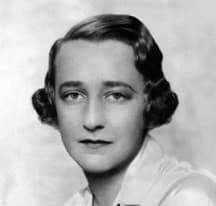
Lillian Hellman was an American playwright and screenwriter active in the 20th century. She is known for her sharp social commentary and complex characters, particularly in her play "The Little Foxes," which explores themes of greed and betrayal. Hellman's work often reflects her views on politics and morality, making her a significant figure in American theater.
Similar books
- Cat on a Hot Tin Roof
Tennessee Williams
4.1 (52k) average on GoodreadsFictionExplores Southern family dysfunction, greed, and hidden desires within a dramatic play structure.
- A Streetcar Named Desire
Tennessee Williams
4.0 (261k) average on GoodreadsFictionFeatures strong female characters, Southern setting, and themes of manipulation and power struggles.
- Death of a Salesman
Arthur Miller
3.5 (186k) average on GoodreadsFictionBoth plays critique aspects of the American Dream and the pressures of capitalism. However, "Death of a Salesman" centers on the individual's tragic failure and disillusionment within the system, exploring themes of identity and self-worth tied to economic success. "The Little Foxes," conversely, dissects the predatory success achieved through the system, focusing on the moral cost of relentless ambition and greed rather than the failure of the individual.
- Nineteen Eighty-Four
George Orwell
4.2 (5.5M) average on GoodreadsFictionWinston Smith dreams of truth and rebellion in a world where Big Brother watches all, but he confronts the terrifying power of a regime that controls not just actions, but thoughts.
- The Frozen River
Ariel Lawhon
4.4 (600k) average on GoodreadsFictionIn 1789 Maine, a heroic midwife's diary helps her expose a murder and get justice in a town that wants to silence her.
- A Man Called Ove
Fredrik Backman
4.4 (569k) average on GoodreadsFictionA stubborn widower, who lives by strict rules, finds his quiet world changed by a lively new family next door, making him face his past and find happiness in human connection.




Enjoyed the summary?
A summary gives you the shape of the book. The book itself has the detail, the examples and the voice.
Find The Little Foxes on AmazonAs an Amazon Associate, BookBrief earns from qualifying purchases. How we're funded