

Synopsis
Covers the whole plot, including the ending.
- Difficulty
- Easy
- Pacing
- Moderate
- Mood
- Whimsical, Reflective, Heartwarming, Melancholy
- Read it if
- You love books about books, charming French settings, and stories of self-discovery and healing after heartbreak.
- Skip it if
- You prefer fast-paced plots, or are looking for a straightforward romance rather than a journey of personal growth.
The Little Paris Bookshop Plot Summary
Covers the whole plot, including the ending.
The Literary Apothecary
Monsieur Jean Perdu, a Parisian bookseller, lives and works on his barge, 'The Literary Apothecary,' docked on the Seine. He has a knack for recommending the perfect book for any emotional trouble, helping his customers find comfort through literature. But Perdu himself is emotionally stuck, haunted by the sudden disappearance of his great love, Manon, twenty years ago. She left him only a sealed letter, which he has refused to open, fearing the finality and pain it might hold. He lives a lonely, sad life, surrounded by books but unable to use their wisdom for his own unaddressed grief.
The Unopened Letter
Perdu's quiet routine changes with his new neighbor, Catherine, a young woman dealing with her own emotional struggles. During a conversation, Catherine finds Manon's unopened letter. She urges Perdu to finally read it, sensing that his inability to move on is connected to this unresolved past. With Catherine's gentle encouragement, Perdu opens the letter. It reveals Manon's confession: she left him because she was terminally ill and did not want him to see her decline, choosing instead to preserve his memory of her vibrant self. The letter also mentions her final journey to Sanary-sur-Mer, in the south of France.
Setting Sail
The letter's contents, though painful, also bring Perdu a strange sense of freedom and understanding. He realizes his twenty years of being stuck were based on a misunderstanding of her leaving. A new determination takes hold: he must follow Manon's path to Sanary-sur-Mer to find closure and mourn her properly. In a sudden decision that surprises his few acquaintances, Perdu unties 'The Literary Apothecary' from its Paris dock, starting an unplanned journey down the Seine, then into the canals and rivers that will lead him to the Mediterranean coast.
The Blocked Author
Soon after beginning his journey, Perdu meets Max Jordan, a celebrated but currently uninspired author. Max, desperate for inspiration and a change of scenery, impulsively decides to join Perdu on his unusual trip. He sees Perdu's bookshop and his unique approach to books as a possible remedy for his own creative block. Despite their initial differences, Max's presence adds an unexpected element to Perdu's solitary quest, offering companionship and a different view on life and stories, though Perdu stays focused on his destination and goal.
The Italian Chef
As 'The Literary Apothecary' continues its winding journey south, it docks at various towns and villages, bringing Perdu into contact with new people. In one stop, they meet Cuneo, an Italian chef heartbroken after his fiancée left him. Cuneo, drawn to Perdu's unique floating bookshop and sensing a shared emotional pain, asks to join their crew. Perdu, recognizing Cuneo's need for healing and perhaps seeing a reflection of his past self, agrees. The trio, an unlikely group of travelers, continues their journey, each seeking their own kind of comfort and resolution.
Literary Prescriptions on the Water
Throughout their journey along France's rivers and canals, Perdu continues his work as a bookseller. At every stop, locals are drawn to his barge, seeking advice and the right book. Perdu, with his intuition, offers personalized recommendations, matching novels to their specific emotional needs – stories of love, loss, courage, and self-discovery. These encounters not only help the villagers but also subtly affect Perdu, reminding him of the shared nature of human suffering and the lasting power of stories to connect and heal, even as he deals with his own deep grief.
Memories and Reflections
As the barge moves through France's changing landscapes, the journey itself brings back Perdu's memories of Manon. The sights, sounds, and even the books he recommends trigger clear flashbacks of their time together, their shared dreams, and their quiet closeness. He begins to process his grief, moving past the initial shock and anger to a deeper understanding of Manon's love and her selfless decision. This time of reflection is important for Perdu, allowing him to slowly accept his loss and begin the painful but necessary work of healing.
Reaching Sanary-sur-Mer
After weeks of travel, 'The Literary Apothecary' finally reaches Sanary-sur-Mer, the beautiful coastal town that was Manon's last refuge. Here, Perdu finds the house where Manon spent her final days, cared for by a kind woman named Lucile. Lucile shares Manon's last journal entries and letters, which reveal Manon's continued love for Perdu, her deep sadness at leaving him, and her peaceful acceptance of her fate. These new insights give Perdu the full picture, allowing him to fully understand Manon's sacrifice and her lasting affection, bringing a sense of deep peace and acceptance to his heart.
New Beginnings
With the full truth of Manon's story revealed, Perdu feels a profound release from his twenty years of emotional imprisonment. He finally mourns her properly, not with bitterness, but with deep understanding and love. The journey, the companionship, and the closure have changed him. He feels a renewed enthusiasm for life, a desire to fully live and experience the world. He begins to interact with Max and Cuneo with more warmth and openness, no longer held captive by his past, but ready to embrace new possibilities and connections, showing the very healing he has long offered to others.
The Future of the Apothecary
Having found his own peace, Perdu decides not to return immediately to his old life in Paris. Instead, he chooses to continue his journey with 'The Literary Apothecary,' now accompanied by Max Jordan, who has found new inspiration and is writing again, and Cuneo, who is slowly healing his own heartbreak. The floating bookshop, once a symbol of Perdu's personal stagnation, now becomes a symbol of continuous movement, healing, and discovery. Together, they plan to travel further, spreading the magic of books and the power of stories to more people, becoming a source of literary comfort wherever they dock.
Principal Figures
Jean Perdu
Protagonist
A melancholic Parisian bookseller who prescribes books as remedies for the soul.
Jean Perdu is the owner of 'The Literary Apothecary,' a floating bookshop on the Seine. He possesses an almost magical intuition for matching people with the exact book they need to heal their emotional wounds. Despite this gift, he is deeply introverted and emotionally stunted, having lived in a state of prolonged grief for twenty years after his great love, Manon, disappeared. He is meticulous, sensitive, and deeply attached to books, which are both his livelihood and his emotional refuge. His journey forces him to confront his past and rediscover his own capacity for life and love.
Relationships: Manon (His lost love, whose disappearance caused his prolonged grief.); Catherine (His neighbor who encourages him to open Manon's letter.); Max Jordan (A fellow traveler and author who becomes his companion.); Cuneo (A heartbroken chef who joins their journey and finds solace.); Lucile (The woman who cared for Manon in her final days and provides Perdu with closure.)
Manon
Catalyst/Memory
Perdu's lost love, whose secret departure fuels his grief and subsequent journey.
Manon is the enigmatic woman whose disappearance twenty years prior sent Jean Perdu into a deep, prolonged state of grief. Initially perceived as having abandoned him, her true story is revealed through her letter and later, her journal entries. She was a vibrant, loving woman who chose to leave Perdu to spare him the pain of watching her succumb to a terminal illness. Her actions, though heartbreaking, were driven by profound love and a desire to preserve his happy memories of her. She represents Perdu's unresolved past and the ultimate object of his quest for closure.
Relationships: Jean Perdu (Her great love, whom she left to spare him pain.); Lucile (Her caregiver in her final days.)
Max Jordan
Supporting
A bestselling but creatively blocked author who joins Perdu's journey.
Max Jordan is a popular, successful author who finds himself in a severe creative slump. He is initially cynical and somewhat aloof, but beneath his polished exterior lies a vulnerability and a genuine desire to reconnect with the magic of storytelling. He joins Perdu's journey on 'The Literary Apothecary' seeking inspiration and a cure for his writer's block, hoping to learn from Perdu's unique understanding of books and human nature. His presence provides a foil to Perdu's quiet introspection and eventually helps him rediscover his passion for writing.
Relationships: Jean Perdu (His traveling companion and literary mentor.); Cuneo (Fellow traveler.)
Cuneo
Supporting
A heartbroken Italian chef who finds solace on Perdu's barge.
Cuneo is an Italian chef, deeply heartbroken after being left by his fiancée. He is initially portrayed as despondent and lost, struggling to cope with his emotional pain. Drawn to the unique atmosphere of 'The Literary Apothecary' and sensing a shared understanding in Perdu, he impulsively joins the journey. Cuneo's journey mirrors Perdu's in many ways, as he too seeks healing and a way to move past his loss. He brings a touch of warmth and culinary delight to the barge, and his own slow recovery serves as a parallel narrative of healing.
Relationships: Jean Perdu (His traveling companion and source of literary comfort.); Max Jordan (Fellow traveler.)
Catherine
Supporting
Perdu's neighbor who acts as a catalyst for his journey.
Catherine is a young woman who moves into Perdu's apartment building. She is observant, empathetic, and not afraid to challenge Perdu's reclusive habits. It is Catherine who discovers Manon's unopened letter and, with gentle persistence, persuades Perdu to finally read it. She acts as a crucial catalyst, pushing Perdu out of his twenty-year stagnation and setting him on the path to healing. Though her role is brief, her impact is profound, initiating the entire narrative of Perdu's journey.
Relationships: Jean Perdu (His neighbor and catalyst for his journey.)
Lucile
Supporting
The woman who cared for Manon in her final days in Sanary-sur-Mer.
Lucile is a kind and compassionate woman living in Sanary-sur-Mer who took Manon into her home during Manon's final illness. She provides Perdu with the missing pieces of Manon's story, sharing her journals and letters, and giving him a clearer, more complete understanding of Manon's last days and her enduring love. Lucile acts as a gentle guide in Perdu's final steps towards closure, offering comfort and confirmation of Manon's selflessness and affection.
Relationships: Manon (Her caregiver in her final illness.); Jean Perdu (Provides him with Manon's final messages and comfort.)
Themes & Insights
The Healing Power of Books and Stories
A main theme of the novel is how deeply literature can heal broken spirits and guide people through life's difficulties. Jean Perdu, the bookseller, shows this by recommending specific books as cures for emotional pain, demonstrating how stories offer comfort, perspective, and understanding. This is clear in every interaction Perdu has with a customer, and ultimately, in his own journey, where Manon's letters and journals provide the final 'prescription' for his long-standing grief. Books are shown not just as entertainment, but as important tools for self-discovery and emotional repair, helping characters like Max and Cuneo find their own paths to healing.
“A book is both medic and medicine at once. It makes a diagnosis as well as offering therapy. Putting the right novels to the appropriate ailments: that’s how I sell books.”
Grief, Loss, and Acceptance
The novel explores the process of grief and the long, difficult road to acceptance. Perdu's twenty years of being stuck show unaddressed grief, born from a misunderstanding of Manon's departure. His journey is a physical representation of his emotional search to process her loss, moving from anger and confusion to understanding and finally, peace. The story shows how facing painful truths, as Perdu does when reading Manon's letter, is essential for healing. The parallel journeys of Cuneo and Max also touch on different aspects of loss and the search for comfort, reinforcing that grief is a universal experience that needs active engagement to overcome.
“He knew that there were some feelings that could not be put into words. They had to be lived and felt, and understood only by the heart.”
The Journey of Self-Discovery
Perdu's trip down France's rivers is not just a physical journey but a deep internal one. By untying his barge, he literally and figuratively frees himself from his past self. Each stop, each meeting, and each memory brought on by the changing scenery helps him grow in self-awareness. He learns to re-engage with the world, to trust others, and to rediscover his own capacity for love and joy. Max and Cuneo also start their own journeys of self-discovery, finding new purpose and healing through their shared experiences on the 'Literary Apothecary,' showing that growth often means leaving one's comfort zone.
“Life was a journey, and he was finally on his way.”
The Power of Connection and Companionship
Initially a solitary figure, Perdu's journey changes with the unexpected company of Max Jordan and Cuneo. Their presence makes him open up, share his burdens, and connect with others. Max's curiosity and Cuneo's vulnerability create a dynamic that challenges Perdu's isolation. These relationships offer support, understanding, and a sense of belonging that Perdu had denied himself for two decades. The novel suggests that while self-healing is important, true recovery and joy often come from shared experiences and meaningful human connections, emphasizing that no one truly heals alone.
“Perhaps the most beautiful of all things was companionship, a shared journey, a quiet presence.”
Plot Devices & Literary Techniques
The Literary Apothecary (the barge)
A floating bookshop that symbolizes healing and Perdu's emotional state.
The barge, 'The Literary Apothecary,' serves as both a literal setting and a powerful symbol. Initially, it represents Perdu's static, grief-bound existence, moored in Paris, dispensing remedies he cannot apply to himself. As it unties and journeys downriver, it becomes a metaphor for Perdu's own emotional liberation and movement towards healing. The act of the barge traveling through different landscapes mirrors Perdu's internal journey through his memories and grief. It also functions as a sanctuary and a beacon of hope for all who visit it, highlighting the universal need for stories and human connection.
The Unopened Letter
A physical manifestation of Perdu's unresolved grief and a key plot catalyst.
Manon's unopened letter is the central plot device that drives Perdu's entire journey. For twenty years, it represents Perdu's fear of confronting the truth and his self-imposed emotional paralysis. Its sealed nature symbolizes the unresolved questions and the weight of his unaddressed grief. The act of finally opening and reading the letter serves as the inciting incident, providing the crucial revelation about Manon's true reasons for leaving. This act of courage allows Perdu to move from stagnation to active pursuit of closure, setting the entire story in motion and ultimately leading to his healing.
The Journey Downriver
A literal and metaphorical quest for healing and self-discovery.
Perdu's decision to untie his barge and journey from Paris to Sanary-sur-Mer is a classic quest narrative. The physical movement along the rivers and canals directly parallels his internal emotional journey. Each stop along the way, each new encounter, and each changing landscape contributes to his processing of grief and his rediscovery of life. The journey allows for episodic encounters that reinforce the novel's themes of healing through literature, while also providing the necessary time and space for Perdu to reflect on his past and envision a new future. It's a journey of both remembrance and renewal.
Literary Prescriptions
Perdu's unique method of matching books to people's emotional needs, serving as a narrative framework.
Perdu's 'literary prescriptions' are a recurring plot device that showcases the theme of the healing power of books. These personalized recommendations not only provide a framework for his interactions with various characters but also subtly reveal his deep understanding of human psychology and the therapeutic nature of storytelling. Each prescription often mirrors or foreshadows aspects of Perdu's own emotional journey or the struggles of his companions, demonstrating how literature can offer guidance and solace in diverse situations. This device reinforces Perdu's unique character and the novel's central message.
The Little Paris Bookshop Quotes
“Books are more than just stories, they are medicine for the soul.”
“She was a woman who always loved in the past tense.”
“Sometimes you have to let go of the life you imagined to find the life that is waiting for you.”
“The right book finds you at the right time.”
“Every book has a soul, Monsieur Perdu believed, and a memory.”
“Loneliness is like a wound that festers and grows, and the only cure is connection.”
“To forget is to die a little.”
“Love is not a feeling, it's an art. And like any art, it takes practice.”
“The greatest journeys are not always to distant lands, but to the deepest parts of ourselves.”
“It's never too late to start over, to reinvent yourself.”
“Grief is love with nowhere to go.”
“A good book is an act of love.”
“Life is a story, and you are its author. Write it well.”
“The river knows the way. We just have to trust it.”
Quiz
10 questions on the plot and the characters. Each answer comes with a short explanation.
Question 1
What is Monsieur Perdu's profession and where is his bookstore located?
- A chef with a restaurant in Montmartre.
- A literary apothecary with a floating bookstore on the Seine.
- A librarian in a historic building near the Eiffel Tower.
- A bookseller in a small shop in the Latin Quarter.
Show answer
B. A literary apothecary with a floating bookstore on the Seine. Monsieur Perdu is known as a literary apothecary, and his unique bookstore is a barge that floats on the Seine river in Paris.
Question 2
What personal heartbreak is Monsieur Perdu unable to heal with books?
- His failure to become a famous author.
- The disappearance of his great love, leaving only an unopened letter.
- The financial struggles of his floating bookstore.
- His strained relationship with his family.
Show answer
B. The disappearance of his great love, leaving only an unopened letter. Despite his ability to heal others with literature, Perdu remains haunted by the disappearance of his great love, who left him with a letter he has never opened.
Question 3
What prompts Monsieur Perdu to finally embark on a journey to the south of France?
- He receives an urgent invitation from a relative in the south.
- He decides to retire and sell his bookstore.
- He is finally tempted to read the letter left by his lost love.
- He wants to find new books for his collection.
Show answer
C. He is finally tempted to read the letter left by his lost love. Perdu's journey begins after he finally opens and reads the letter left by his lost love, which compels him to seek closure in the south of France.
Question 4
What is Monsieur Perdu's unique approach to selling books?
- He only sells rare and first edition books.
- He offers personalized book recommendations based on a reader's emotional state, acting as a 'literary apothecary'.
- He organizes book clubs and literary discussions on his barge.
- He only sells books written by French authors.
Show answer
B. He offers personalized book recommendations based on a reader's emotional state, acting as a 'literary apothecary'. Perdu's method is to act as a 'literary apothecary,' prescribing specific novels to people based on their 'ailments' or life hardships, using his intuition.
Question 5
Who are two of the companions that join Monsieur Perdu on his journey along the rivers of France?
- A famous painter and a historian.
- A bestselling but blocked author and a lovelorn Italian chef.
- His estranged sister and her husband.
- Two of his most loyal customers.
Show answer
B. A bestselling but blocked author and a lovelorn Italian chef. As Perdu embarks on his journey, he is joined by a bestselling author suffering from writer's block and an Italian chef who is heartbroken.
Question 6
What is the primary theme explored through Monsieur Perdu's journey and his interactions with others?
- The importance of economic success and entrepreneurship.
- The power of stories and literature to heal the human soul and shape lives.
- The beauty of French cuisine and wine.
- The challenges of maintaining a floating business.
Show answer
B. The power of stories and literature to heal the human soul and shape lives. The book emphasizes that the literary world can take the human soul on a journey to heal itself, highlighting the power of stories to shape people's lives.
Question 7
What is the symbolic significance of Monsieur Perdu's barge, 'The Literary Apothecary,' leaving its moorings on the Seine?
- It symbolizes his decision to retire from the bookselling business permanently.
- It represents his departure from a stagnant, unresolved past into a journey of self-discovery and healing.
- It signifies a new marketing strategy to reach more customers across France.
- It indicates a temporary vacation from his responsibilities.
Show answer
B. It represents his departure from a stagnant, unresolved past into a journey of self-discovery and healing. The act of 'hauling anchor' and departing signifies Perdu moving past his long-held grief and embarking on a physical and emotional journey to confront his past and find healing.
Question 8
According to Monsieur Perdu's philosophy, how does a book function for an individual?
- As a source of distraction from real-life problems.
- As a tool for academic research and intellectual growth.
- As both medic and medicine, making a diagnosis and offering therapy.
- As a means to escape reality entirely.
Show answer
C. As both medic and medicine, making a diagnosis and offering therapy. Perdu explicitly states, 'A book is both medic and medicine at once. It makes a diagnosis as well as offering therapy.' This is central to his 'literary apothecary' concept.
Question 9
What is the ultimate goal of Monsieur Perdu's journey to the south of France?
- To find a new location for his bookstore.
- To publish his own book about his life experiences.
- To make peace with his loss and discover the end of the story of his great love.
- To reconnect with his estranged family members.
Show answer
C. To make peace with his loss and discover the end of the story of his great love. The synopsis clearly states his mission is 'hoping to make peace with his loss and discover the end of the story' of his lost love.
Question 10
How does the book's description characterize 'The Little Paris Bookshop' itself?
- As a cautionary tale about unrequited love.
- As a historical fiction novel set in post-war Paris.
- As a love letter to books, meant for anyone who believes in the power of stories.
- As a guide to navigating the waterways of France.
Show answer
C. As a love letter to books, meant for anyone who believes in the power of stories. The final sentence of the description explicitly calls the book 'a love letter to books, meant for anyone who believes in the power of stories to shape people's lives.'
The Little Paris Bookshop FAQ
What is Monsieur Perdu's unique profession, and how does he practice it?
Monsieur Perdu operates a floating bookshop on the Seine, which he calls a 'literary apothecary.' He doesn't just sell books; he prescribes them to customers based on their emotional ailments, acting as a 'medic and medicine' to heal their hearts and souls through the power of literature.
What significant personal tragedy haunts Monsieur Perdu at the beginning of the novel?
Perdu is deeply haunted by the disappearance of his great love, Manon, twenty years prior. She left him with an unopened letter, which he has refused to read, leaving him in a state of unresolved grief and preventing him from healing himself.
What event finally prompts Perdu to embark on his journey to the south of France?
After two decades, Perdu is finally tempted to open and read Manon's letter. The contents of this letter, revealing the truth behind her departure, provide the catalyst for him to haul anchor and seek closure and peace in the south of France.
Who are Perdu's main companions on his river journey, and what are their personal struggles?
Perdu is joined by Max Jordan, a bestselling but blocked author struggling with writer's block and the weight of his own success, and Salvatore Cacciato, a lovelorn Italian chef grappling with heartbreak and loneliness. Both companions are seeking their own forms of healing and inspiration.
What is the ultimate goal of Perdu's journey beyond simply reaching the south of France?
Perdu's journey is not just a geographical one, but an internal quest for self-discovery, forgiveness, and making peace with his past. He aims to understand Manon's choices and find a way to move forward from his prolonged grief, ultimately seeking to heal himself.
How does Manon's letter, when finally opened, reveal a deeper complexity to her character and their relationship?
Manon's letter reveals her struggle with a terminal illness and her decision to leave Perdu to spare him the pain of watching her suffer and die. It shows her love for him was profound, but also her independent spirit and a desire to protect him, adding layers to her perceived abandonment.
What is the significance of the 'Book of Secret Pain' that Perdu carries, and who contributes to it?
The 'Book of Secret Pain' is a personal ledger where Perdu records the hidden sorrows and ailments of his customers, allowing him to match them with the perfect literary remedy. It symbolizes his deep empathy and understanding of human suffering, and is filled with anonymous confessions.
How does the author, Max Jordan, parallel Perdu's journey of healing through his own creative struggles?
Max Jordan's writer's block mirrors Perdu's emotional stagnation. As Perdu confronts his past, Max finds inspiration to write again, his new novel reflecting the journey and the complex emotions they encounter. Both find their respective 'blocks' dissolving through shared experience and introspection.
What role does the setting of the French waterways play in the characters' transformations?
The continuous movement along the rivers symbolizes the flow of life and the journey of healing. Each stop and new landscape offers fresh perspectives and encounters, allowing the characters to shed their old selves and embrace change, mirroring the therapeutic process of their travels.
How does Perdu's inability to heal himself initially reflect a common psychological defense mechanism?
Perdu's refusal to open Manon's letter for twenty years is a classic example of avoidance, a defense mechanism to protect himself from further pain or the confirmation of his fears. By not knowing the truth, he could maintain a fantasy or avoid the finality of her absence.
Discuss the psychological impact of grief and unresolved loss on Monsieur Perdu's life.
For two decades, Perdu's life has been suspended in a state of arrested grief. His inability to move on from Manon's disappearance has made him emotionally distant, unable to form new deep connections, and paradoxically, a healer of others while remaining wounded himself.
How does the act of sharing stories and vulnerabilities among the characters contribute to their psychological well-being?
As Perdu, Max, and Salvatore share their personal stories and vulnerabilities, they create a safe space for empathy and understanding. This mutual disclosure breaks down isolation, fosters connection, and allows each character to process their pain with the support of others, aiding their psychological healing.
In what ways does Perdu's 'literary apothecary' method demonstrate the therapeutic power of narrative?
Perdu's method highlights how stories offer readers a mirror to their own experiences, a sense of not being alone, and alternative perspectives or solutions to their problems. By prescribing specific narratives, he provides a form of bibliotherapy, guiding individuals to process emotions and find solace or inspiration.
Is Manon's decision to leave Perdu without explanation justifiable, or was it a selfish act?
This is debatable. Some may argue it was a selfless act to spare Perdu the pain of her illness, while others might view it as selfish for denying him the truth and a chance to say goodbye, leaving him in prolonged agony and unresolved grief. Her intent was love, but its execution caused immense pain.
How does the novel explore the concept of different kinds of love beyond romantic love?
The book delves into various forms of love: the deep, enduring romantic love between Perdu and Manon; the platonic love and camaraderie that develops among Perdu, Max, and Salvatore; and the profound love for literature and the human spirit that drives Perdu's work. It suggests love is multifaceted and essential for life.
What is the book's message about the role of memory and forgetting in healing?
The novel suggests that true healing isn't about forgetting, but about recontextualizing memories and integrating them into one's present. Perdu doesn't forget Manon, but by understanding her choices, he can remember her without the paralyzing pain, allowing him to create new memories and embrace life.
Does Perdu truly 'heal' himself by the end of the novel, or simply find a way to live with his past?
Perdu finds a profound sense of peace and acceptance, which can be considered a form of healing. He doesn't erase his past or Manon's memory, but he processes his grief, forgives, and opens himself to future possibilities, indicating a successful integration of his past into a healthier present and future.
How does the novel use the metaphor of a book as 'medic and medicine' throughout its narrative?
The entire story embodies this metaphor: Perdu diagnoses emotional ailments and prescribes books as remedies, mirroring the book's own function for the reader. The narrative itself acts as 'medicine' for the characters, guiding them through their own healing journeys, and for the reader, offering solace and insight into human emotions.
About the author

Nina George is a German author known for her fiction that often explores themes of love and the transformative power of literature. Her notable works include "The Little Paris Bookshop," which tells the story of a bookseller who uses literature to heal others, and "The Little French Bistro," a tale of self-discovery set in France.
Similar books
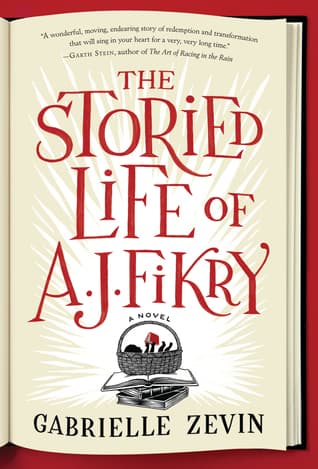
- The Storied Life of A.J. Fikry
Gabrielle Zevin
4.0 (202k) average on GoodreadsLiterary FictionFeatures a curmudgeonly bookseller finding love and purpose.
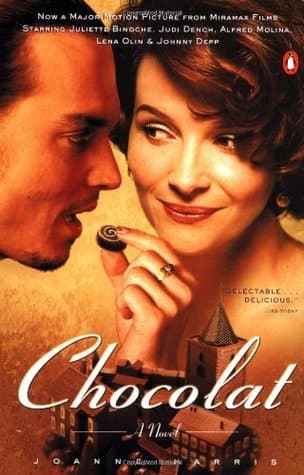
- Chocolat
Joanne Harris
4.0 (113k) average on GoodreadsFantasyExplores the power of a unique business to heal a community in a charming French setting.
- Major Pettigrew's Last Stand
Helen Simonson
3.9 (132k) average on GoodreadsLiterary FictionA character-driven story about an older protagonist finding love and confronting past regrets.
- A Man Called Ove
Fredrik Backman
4.4 (569k) average on GoodreadsFictionBoth novels feature grumpy protagonists dealing with grief and finding new connections. However, Backman's A Man Called Ove offers a much deeper, more complex character study with a sharper wit and less reliance on romanticized notions of healing. Ove's transformation feels more earned and his relationships with supporting characters are more richly developed, avoiding the archetypal pitfalls found in George's novel. Backman masterfully balances humor and tragedy, providing a more profound emotional resonance.
- The Midnight Library
Matt Haig
Both books explore themes of regret, alternate lives, and the journey to self-acceptance. While George's novel uses physical travel and literary prescriptions, Haig's The Midnight Library employs a fantastical premise of exploring infinite parallel lives. Haig's narrative is arguably more inventive and intellectually stimulating, delving into philosophical questions about choices and potential with greater depth. While both aim to be uplifting, Haig's exploration of mental health and existentialism feels more nuanced and less reliant on conventional romantic narrative tropes than The Little Paris Bookshop.
- Eat, Pray, Love
Elizabeth Gilbert
3.6 (1.5M) average on GoodreadsLifestyleA heartbroken writer leaves her conventional life for a year-long global search for pleasure in Italy, spiritual devotion in India, and unexpected love and balance in Bali.




Enjoyed the summary?
A summary gives you the shape of the book. The book itself has the detail, the examples and the voice.
Find The Little Paris Bookshop on AmazonAs an Amazon Associate, BookBrief earns from qualifying purchases. How we're funded