
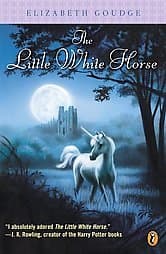
Synopsis
Covers the whole plot, including the ending.
- Difficulty
- Easy
- Pacing
- Moderate
- Mood
- Enchanting, Whimsical, Cozy, Hopeful, Adventurous
- Read it if
- You love classic, whimsical fairy tales with a strong, determined young heroine, magical realism, and a heartwarming resolution.
- Skip it if
- You prefer gritty realism, fast-paced action without much introspection, or stories with morally ambiguous characters and dark themes.
The Little White Horse Plot Summary
Covers the whole plot, including the ending.
Maria Arrives at Moonacre Manor
Thirteen-year-old orphan Maria Merryweather, with her governess Miss Heliotrope and dog Wiggins, arrives at Moonacre Manor in Moonacre Valley after her parents die. She finds the place beautiful and strange. Her guardian, Sir Benjamin Merryweather, is kind and lives with his cook Marmaduke Scarlet and pet lion, Wrolf. Maria soon feels at home, despite a sad mood. She learns about the Merryweather family and their connection to the valley, especially the legend of the Moon Princess and the white horse, which seems to cause the valley's sadness.
Uncovering the Ancient Feud
Maria explores Moonacre Manor and the village, making friends with Robin, a local boy who works for Sir Benjamin. She learns that a bitter feud has existed for centuries between her family, the Merryweathers, and the de Noir family. This feud started over a stolen pearl necklace that belonged to the first Moon Princess. The feud has cursed the valley, causing unhappiness. Maria is told that a 'Moon Princess' will eventually end the curse and bring peace. She also meets the Old Parson, who knows much about the valley's history and gives hints.
Meeting the de Noirs and the Threat of the Black Men
During her explorations, Maria finds the de Noir family's home, Castle de Noir, and meets the Old Man de Noir and his grandson, Robin de Noir. The meeting is tense, showing the deep hatred between the families. Maria learns that the de Noirs are wild and often break laws. She also hears about the 'Black Men,' dangerous bandits who bother the valley and are often linked to the de Noirs, adding danger to the situation. Maria feels she must understand and solve the valley's problems.
The Prophecy and Maria's Destiny
As Maria learns more about the valley's history, with Miss Heliotrope's knowledge of old tales and Sir Benjamin's observations, she starts to understand the prophecy. It says a 'Moon Princess' will come to Moonacre, find the stolen pearls, and, with a white horse, unite the two fighting families, ending the curse. Maria begins to believe she is this prophesied Moon Princess. This realization gives her purpose and a big responsibility, knowing Moonacre's fate depends on her.
The Search for the Stolen Pearls
Maria, sure of her role, works to find the Moonacre pearls, stolen long ago and central to the curse. She reads old books, studies family portraits, and explores hidden parts of Moonacre Manor. Robin, the local boy, helps her search the grounds and surrounding areas. They follow clues and riddles, often guided by the Old Parson and Sir Benjamin. The search is hard, leading them to secret passages and forgotten places on the estate.
Encounters with the White Horse
During her search, Maria has several magical meetings with the white horse. This creature appears and disappears, often at important times, giving silent guidance or comfort. The horse is not just a symbol but an active, magical part of her journey, representing hope and the valley's old magic. Its appearances confirm Maria's belief in the prophecy and her own purpose, showing that the valley's magic is helping her.
The De Noirs' Schemes and the Black Men's Threat
As Maria gets closer to finding the pearls, the de Noirs oppose her more. Robin de Noir, driven by his family's pride and wanting the pearls for himself, watches Maria closely. The 'Black Men,' led by the de Noirs, threaten Maria and her friends. They raid the valley, causing trouble and trying to stop Maria's search. Maria must face these dangers, using her courage and the loyalty of her friends, including Sir Benjamin and Wiggins, to protect herself and continue.
The Discovery of the Pearls
Following a final clue, Maria finds the Moonacre pearls hidden in a secret room in Moonacre Manor. The pearls are beautiful, glowing with a magical light that confirms their nature. This is a big win for Maria, but also a realization of the responsibility she now has. She understands that finding the pearls is just the first step; the real challenge is uniting the families and breaking the curse, which needs peace and reconciliation.
The Moonacre Feast and Reconciliation
Maria, with Sir Benjamin and Marmaduke Scarlet, plans a feast, inviting both the Merryweathers and the de Noirs. This feast is meant for reconciliation. Despite initial tension, Maria, showing courage and wisdom, presents the Moonacre pearls. She talks about the old curse and the need for peace, asking both families to put aside their differences. Her sincerity and the pearls' magic start to soften the de Noirs' hearts, especially Robin de Noir's.
The Marriage and the Lifting of the Curse
At the feast, Maria and Robin de Noir, seeing their shared purpose and connection, agree to marry. This marriage, joining the two old families, is the final act of reconciliation. As they promise their vows, the curse on Moonacre Valley lifts. The sadness disappears, replaced by joy and harmony. The valley is filled with new light, and the white horse gallops freely, a symbol of restored peace. Maria, the Moon Princess, has fulfilled her purpose, bringing lasting happiness to Moonacre.
Principal Figures
Maria Merryweather
Protagonist
A curious and determined orphan destined to break an ancient curse.
Maria is a thirteen-year-old orphan who arrives at Moonacre Manor after her parents' death. Initially feeling lost, she quickly adapts to her new surroundings and becomes fascinated by the valley's mysteries. She is intelligent, observant, and possesses a strong sense of justice and compassion. Maria is driven by a desire to understand the underlying sadness of Moonacre and fix it, ultimately realizing she is the prophesied 'Moon Princess' destined to unite the Merryweather and de Noir families. Her courage and unwavering belief in good are central to her success.
Relationships: Sir Benjamin Merryweather (guardian and paternal figure); Miss Heliotrope (governess and confidante); Robin de Noir (initial rival, later husband); Robin (the local boy) (loyal friend and helper); Wiggins (beloved dog and constant companion)
Sir Benjamin Merryweather
Supporting
Maria's eccentric, kind-hearted uncle and guardian.
Sir Benjamin is Maria's guardian and the current lord of Moonacre Manor. He is an eccentric but deeply kind man, known for his love of animals, particularly his pet lion, Wrolf. He carries the burden of the family curse and the valley's sadness but has a quiet hope for its resolution. He provides Maria with a loving home and subtle guidance, allowing her to discover her destiny rather than explicitly telling her. His gentle nature and underlying wisdom are crucial in supporting Maria's quest.
Relationships: Maria Merryweather (niece and ward); Marmaduke Scarlet (loyal cook and housekeeper); Wrolf (beloved pet lion)
Miss Heliotrope
Supporting
Maria's wise and somewhat mysterious governess.
Miss Heliotrope is Maria's governess, a woman of gentle demeanor and surprisingly deep knowledge of folklore and ancient legends. She is fiercely loyal to Maria and provides both practical care and intellectual support, often offering insights into the valley's history and prophecies that help Maria piece together her mission. Her quiet wisdom and belief in magic serve as a grounding force for Maria, and she acts as a bridge between the mundane and the magical aspects of Moonacre.
Relationships: Maria Merryweather (charge and close companion)
Robin de Noir
Supporting/Love Interest
The brooding and proud grandson of the de Noir patriarch, destined to marry Maria.
Robin de Noir is the grandson of the Old Man de Noir and a prominent figure among the de Noir family. He is initially presented as somewhat wild and antagonistic, embodying the pride and animosity of his family's side of the feud. Despite his rough exterior, he possesses a hidden nobility and a yearning for peace. His interactions with Maria are complex, marked by both rivalry and a growing, undeniable attraction. He is instrumental in the final reconciliation, as his marriage to Maria is the key to breaking the curse.
Relationships: Maria Merryweather (initial rival, later husband); Old Man de Noir (grandfather)
The Old Man de Noir
Antagonist
The fierce and proud patriarch of the de Noir family, perpetuating the ancient feud.
The Old Man de Noir is the formidable and unyielding patriarch of the de Noir family. He embodies the stubborn pride and resentment that have fueled the centuries-old feud with the Merryweathers. He is a powerful and intimidating figure, deeply entrenched in the traditions and animosities of his lineage. His resistance to reconciliation is a major obstacle for Maria, representing the entrenched forces of the curse. Despite his harshness, he possesses a fierce love for his family, particularly Robin.
Relationships: Robin de Noir (grandson)
Wiggins
Supporting
Maria's loyal and intelligent black dog.
Wiggins is Maria's faithful black dog, her constant companion and a source of comfort and loyalty throughout her adventures. He possesses an almost human-like intelligence and intuition, often sensing danger or important events before Maria does. He accompanies her on her explorations and provides unwavering support, embodying the innocent and pure spirit that Maria brings to Moonacre. His presence highlights Maria's loving nature and provides moments of levity.
Relationships: Maria Merryweather (owner and best friend)
Marmaduke Scarlet
Supporting
Sir Benjamin's kind and hospitable cook.
Marmaduke Scarlet is the cook at Moonacre Manor, a warm and jolly character who provides delicious food and a comforting presence. He is fiercely loyal to Sir Benjamin and quickly grows fond of Maria. His hospitality and good humor help to make Moonacre Manor a welcoming home for Maria, and his practical skills are vital during the preparation of the reconciliation feast. He represents the everyday goodness and warmth that exists within the valley, contrasting with the darker aspects of the feud.
Relationships: Sir Benjamin Merryweather (employer and friend); Maria Merryweather (adored new resident)
The Old Parson
Supporting
A mysterious and wise clergyman who offers cryptic guidance.
The Old Parson is a wise and enigmatic figure in Moonacre Valley. He seems to possess deep knowledge of the valley's history, legends, and prophecies, often speaking in riddles or offering cryptic advice that subtly guides Maria on her quest. He represents the spiritual and mystical heart of Moonacre, understanding the ancient forces at play. His presence adds to the magical atmosphere of the story and ensures Maria has access to the necessary wisdom without directly solving her problems for her.
Relationships: Maria Merryweather (spiritual guide)
Wrolf
Supporting
Sir Benjamin's gentle and loyal pet lion.
Wrolf is Sir Benjamin's unusual pet lion, kept at Moonacre Manor. Despite being a wild animal, he is gentle, tame, and fiercely loyal to Sir Benjamin and, by extension, Maria. He symbolizes the magical and slightly wild nature of Moonacre Valley itself, and the possibility of taming the untamed. Wrolf's presence adds to the whimsical charm and fantastical elements of the story, demonstrating that in Moonacre, the extraordinary is part of daily life. He provides protection and a sense of wonder.
Relationships: Sir Benjamin Merryweather (owner and companion); Maria Merryweather (befriended new resident)
The Little White Horse
Symbolic/Supporting
A mythical creature symbolizing hope, purity, and the magic of Moonacre.
The little white horse is a legendary and magical creature intrinsically linked to the Moon Princess prophecy and the fate of Moonacre Valley. It appears intermittently to Maria, often at crucial moments, offering silent guidance or a sense of reassurance. It symbolizes purity, hope, and the ancient, untamed magic of the valley. Its final appearance, galloping freely after the curse is lifted, signifies the restoration of peace and harmony. It is a powerful mystical force guiding Maria's destiny.
Relationships: Maria Merryweather (spiritual guide and omen)
Themes & Insights
Destiny and Prophecy
The main theme is Maria's purpose as the 'Moon Princess' to end an old curse. From her arrival, clues and legends point to a chosen person, and Maria accepts this role. The prophecy is not just a fixed fate but a calling that needs her active involvement, courage, and moral choices. Her journey is about fulfilling this purpose, not just passively receiving it, shown by her search for the pearls and her decision to unite the families.
“'There's a prophecy about a Moon Princess who will come and find the pearls and bring peace to Moonacre.”
Reconciliation and Forgiveness
The novel shows how destructive old feuds are and how strong forgiveness can be. The centuries-old hatred between the Merryweathers and the de Noirs has made Moonacre sad. Maria's goal is to find pearls and to bridge this gap with love and understanding. The reconciliation feast and Maria and Robin de Noir's marriage show the end of this cycle of hate, proving that real peace comes from letting go of past wrongs.
“'Only by love and a marriage between the two families can the curse be broken.”
The Power of Love and Compassion
Maria's character shows how love and compassion can change things. Her kindness extends to everyone, from her uncle to the de Noirs, and even animals. Her genuine wish for others' happiness, her empathy, and her ability to love help her overcome the deep hatred and suspicion in the valley. Her love for Robin de Noir ends the family feud, dissolving the curse and bringing back harmony.
“'Love can break any spell, even one that's lasted for centuries.”
The Magic of Place and Nature
Moonacre Valley itself is a character, with deep, old magic that affects its people and events. The beautiful scenery, the mysterious white horse, and the enchanted atmosphere all create wonder. This magic is linked to the valley's well-being, fading under the curse and growing strong when peace returns. Nature reflects the valley's emotional state, showing how humans and nature are connected.
“'Moonacre was a valley of magic, where everything was enchanted, even the sadness.”
Good vs. Evil (and the Shades Between)
The story shows a clear conflict between the 'good' Merryweathers and the 'dark' de Noirs, but it also explores the complexities within these labels. While the de Noirs are associated with wildness and the 'Black Men,' Maria's interactions with Robin de Noir show that people are not just defined by their family's past. The story suggests that 'evil' often comes from pride, resentment, and misunderstanding, and that true good involves understanding and compassion, not just opposition.
“'It's not about good and bad families, Maria, but about good and bad hearts.”
Plot Devices & Literary Techniques
The Moonacre Pearls
The central MacGuffin and symbol of the curse and its resolution.
The Moonacre pearls serve as the primary MacGuffin in the story. Their theft centuries ago initiated the curse and the feud between the Merryweathers and the de Noirs. Maria's quest to find them drives much of the plot. Beyond being a mere object, they are symbolic of the valley's lost harmony and the purity of the original Moon Princess. Their recovery is essential for the prophecy to be fulfilled, making them a tangible representation of the underlying magical conflict and its eventual resolution through reconciliation.
The Prophecy of the Moon Princess
A narrative device establishing Maria's destiny and guiding the plot.
The prophecy is a key narrative device that establishes Maria's ultimate purpose in Moonacre. It provides a framework for the story, outlining the conditions for breaking the curse and hinting at Maria's role. It creates anticipation and gives Maria a clear objective. The prophecy is slowly revealed through various characters and legends, allowing Maria to discover her destiny organically rather than being told directly, which empowers her character arc and drives her investigations.
The Ancient Family Feud
The core conflict driving the plot and shaping the characters' lives.
The centuries-old feud between the Merryweather and de Noir families is the central conflict of the novel. It provides the historical context for the curse, creates tension, and defines the relationships between many characters. This feud is not just a backdrop but an active force, influencing daily life in Moonacre and presenting the main obstacle Maria must overcome. Its resolution, through Maria's actions and the marriage to Robin de Noir, is the climax of the story.
The Little White Horse
A magical symbol and mystical guide for Maria.
The little white horse functions as a powerful symbol of Moonacre's inherent magic, purity, and hope. It is also a mystical guide, appearing at crucial moments to subtly nudge Maria towards her destiny or to offer reassurance. Its elusive nature and magical appearances reinforce the fantastical elements of the story. The horse's freedom at the end symbolizes the lifting of the curse and the restoration of harmony, making it a living embodiment of the valley's well-being.
Moonacre Valley as a Character
The setting itself acts as a living entity, reflecting the story's emotional state.
Moonacre Valley is more than just a setting; it functions as a character in its own right. Its beauty, its underlying sadness, its ancient magic, and its unique inhabitants all contribute to its distinct personality. The valley's emotional state directly mirrors the presence or absence of the curse, becoming vibrant and joyful once peace is restored. This personification of the setting deepens the story's atmosphere and emphasizes the profound impact of the human conflict on the natural world.
The Little White Horse Quotes
“The best kind of pride is that which compels a man to do his best, even when no one is looking.”
“It is a very odd thing—As odd as can be—That whatever Miss T eats Turns into Miss T.”
“The moon is a white horse, galloping across the sky.”
“There is no room in this world for second best. Either a thing is right, or it is wrong.”
“Love is the only thing that can make the impossible possible.”
“A house is not a home until it has a cat.”
“The past is always with us, but it need not rule us.”
“Courage is not the absence of fear, but the triumph over it.”
“Every ending is a new beginning in disguise.”
“The truest magic is found in kindness.”
“A garden is a friend you can visit any time.”
“We are all stories in the end. Make yours a good one.”
“The heart knows what the mind cannot understand.”
“To be truly rich is to have enough to share.”
Quiz
10 questions on the plot and the characters. Each answer comes with a short explanation.
Question 1
In what year does Maria Merryweather arrive at Moonacre Manor?
- 1832
- 1842
- 1852
- 1862
Show answer
B. 1842 The book explicitly states that Maria arrives at Moonacre Manor in 1842, setting the historical context for this fantasy story.
Question 2
What is Maria's relationship to Sir Benjamin, her guardian at Moonacre Manor?
- He is her grandfather
- He is her uncle
- He is her cousin
- He is a family friend
Show answer
B. He is her uncle Sir Benjamin is specifically described as Maria's uncle, who becomes her guardian when she comes to live at Moonacre Manor.
Question 3
What is the name of the enchanted valley where Moonacre Manor is located?
- Silverwood Valley
- Moonacre Valley
- Paradise Valley
- Merryweather Valley
Show answer
B. Moonacre Valley The story takes place in Moonacre Valley, which is described as an enchanted valley shadowed by a past tragedy.
Question 4
What mysterious creature is associated with the Moon Princess legend in Moonacre Valley?
- A silver unicorn
- A golden phoenix
- A little white horse
- A black panther
Show answer
C. A little white horse The 'mysterious little white horse' is specifically mentioned in connection with the Moon Princess legend that haunts Moonacre Valley.
Question 5
What is Maria determined to do about the sadness shadowing Moonacre Manor?
- Ignore it and enjoy her new life
- Learn about it and change it
- Write a book about it
- Ask to be sent away from Moonacre
Show answer
B. Learn about it and change it Maria is described as being 'determined to learn about it, change it, and give her own life story a happy ending,' showing her proactive nature.
Question 6
What does Maria discover is her destiny regarding the ancient feud in Moonacre Valley?
- To continue the feud for her family's honor
- To end it and right the wrongs of her ancestors
- To document it for historical records
- To escape from it by leaving Moonacre
Show answer
B. To end it and right the wrongs of her ancestors The book states that Maria 'discovers it is her destiny to end it and right the wrongs of her ancestors,' which becomes her central mission.
Question 7
How does Maria initially feel when she first arrives at Moonacre Manor?
- Terrified and homesick
- As if she's entered Paradise
- Bored and unimpressed
- Angry about being sent away
Show answer
B. As if she's entered Paradise The description says Maria 'feels as if she's entered Paradise' upon arriving, highlighting the magical appeal of Moonacre despite its underlying sadness.
Question 8
What question does the book pose about Maria's ability to affect change in Moonacre Valley?
- Will she marry well and secure the family fortune?
- What can one solitary girl do?
- Can she find the hidden treasure?
- Will she become the next Moon Princess?
Show answer
B. What can one solitary girl do? The book explicitly asks 'But what can one solitary girl do?' This rhetorical question underscores Maria's challenge as a young protagonist facing ancient conflicts.
Question 9
Which of these adaptations was NOT based on 'The Little White Horse'?
- The 1994 mini-series 'Moonacre'
- The 2008 movie 'The Secret of Moonacre'
- The 2012 animated film 'Moonacre Valley'
- Both the 1994 mini-series and 2008 movie
Show answer
C. The 2012 animated film 'Moonacre Valley' Only the 1994 mini-series 'Moonacre' and the 2008 movie 'The Secret of Moonacre' are mentioned as adaptations. There is no 2012 animated film called 'Moonacre Valley' based on this book.
Question 10
What aspect of Maria's character is highlighted as she faces the challenges in Moonacre Valley?
- Her tendency to give up easily
- Her ability to usually get her own way
- Her fear of magical creatures
- Her dislike of her uncle Sir Benjamin
Show answer
B. Her ability to usually get her own way The book notes that 'Maria usually gets her own way,' suggesting her determined and persuasive nature, which becomes crucial in her quest to resolve the valley's conflicts.
The Little White Horse FAQ
What is 'The Little White Horse' about?
The story follows thirteen-year-old orphan Maria Merryweather, who in 1842 moves to Moonacre Manor, her family's ancestral home in an enchanted English valley. She discovers the valley is shadowed by an ancient feud and tragedy involving the Moon Princess and a mysterious white horse, and she must use her determination to restore peace and fulfill her destiny by righting her ancestors' wrongs.
Why should I read 'The Little White Horse'?
This book offers a charming blend of fantasy, mystery, and historical fiction with vivid descriptions of Moonacre Valley's magical setting. It features a strong, relatable protagonist in Maria, themes of family legacy and redemption, and a timeless fairy-tale quality that appeals to both children and adults.
What is the background/setting of 'The Little White Horse'?
Set in 1842 in the West Country of England, the story takes place in the enchanted Moonacre Valley, centered around Moonacre Manor. The valley is filled with magical elements like talking animals and ancient curses, blending historical Victorian England with fantasy folklore.
What are the most memorable quotes?
Key quotes include Maria's realization, 'I am going to get my own way in this, I always do,' highlighting her determination, and descriptions of Moonacre as 'Paradise' with underlying sadness. The Moon Princess's story often references themes of love and loss, such as, 'The little white horse was the symbol of peace that was lost.'
What writing style does Elizabeth Goudge use?
Goudge employs a descriptive, lyrical style rich in imagery, evoking the magical and pastoral beauty of Moonacre Valley. Her prose blends fairy-tale elements with detailed character development, creating an atmospheric narrative that feels both classic and immersive.
What minor details add significant meaning?
Small details like the recurring appearances of the little white horse symbolize peace and hope, while the Moon Princess's portrait in Moonacre Manor hints at the ancestral tragedy. The enchanted animals, such as the talking dog Wrolf, subtly reinforce the valley's magical nature and Maria's connection to it.
What are some subtle foreshadowing moments?
Early scenes where Maria feels an immediate sense of belonging at Moonacre Manor foreshadow her destined role in resolving the feud. Mentions of the 'sadness beneath the beauty' and Uncle Sir Benjamin's guardedness hint at the hidden tragedy involving the Moon Princess and the black men of the pine woods.
What unexpected character connections exist?
Maria discovers she is a descendant of the Moon Princess, linking her directly to the valley's ancient feud. The black men of the pine woods, initially seen as antagonists, are revealed to be connected to the Merryweather family through past conflicts, and Maria's friendship with them becomes key to restoring peace.
What are unspoken character motivations?
Sir Benjamin's kindness masks a deep guilt over the family's role in the feud, driving his protective yet secretive behavior. Maria's initial desire for a happy home evolves into a deeper need to heal her family's legacy, while the black men's hostility stems from long-standing injustice and loss.
What psychological complexities do characters exhibit?
Maria balances childish stubbornness with mature empathy, as she learns to understand others' pain beyond her own desires. Sir Benjamin shows complexity through his humorous exterior hiding sorrow, and the black men display a mix of resentment and longing for reconciliation, reflecting themes of forgiveness.
What are the major emotional turning points?
Key moments include Maria's realization of her destiny tied to the Moon Princess, her confrontations with the black men that shift from fear to understanding, and the climax where she brokers peace, overcoming ancestral hatred. Her bond with the little white horse symbolizes her emotional growth from loneliness to purpose.
How do relationship dynamics evolve?
Maria's relationship with Sir Benjamin deepens from guardian-ward to allies in healing the valley. Her interactions with the black men transform from initial distrust to mutual respect, and her connection with the enchanted animals, like Wrolf, mirrors her integration into Moonacre's magical community.
Which parts remain ambiguous or open-ended?
The exact origins of the little white horse's magic and the full details of the Moon Princess's tragedy are left somewhat mystical, inviting interpretation. The story's ending, while resolving the feud, leaves the future of Moonacre's enchantment open, suggesting ongoing harmony rather than a fixed conclusion.
What are controversial scenes or decisions?
Maria's decision to engage directly with the black men, despite warnings, sparks debate on her recklessness versus bravery. Some readers question the simplicity of resolving centuries-old feuds through a child's mediation, while others see it as a testament to innocence and determination overcoming entrenched conflict.
'The Little White Horse' ending explained: how it ends & what it means
The story concludes with Maria successfully ending the feud by reconciling the Merryweather family with the black men, restoring peace to Moonacre Valley. This symbolizes the triumph of forgiveness and love over ancestral hatred, with Maria fulfilling her destiny and finding a true home, emphasizing themes of redemption and hope.
About the author
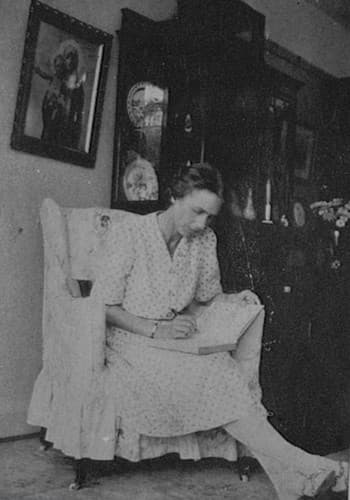
Elizabeth Goudge was a British author known for her works of fiction, particularly in the mid-20th century. She is best known for "The Little White Horse," a children's novel that has garnered lasting popularity and is noted for its enchanting storytelling and imaginative themes. Goudge's writing often reflects her deep appreciation for nature and spirituality.
Similar books
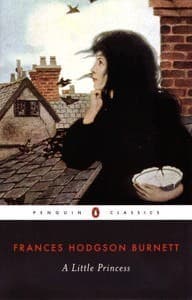
- A Little Princess
Frances Hodgson Burnett
4.2 (4k) average on GoodreadsFantasyFeatures a resilient young orphan girl overcoming adversity with imagination and kindness.
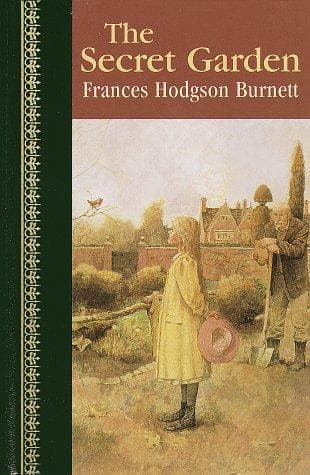
- The Secret Garden
Frances Hodgson Burnett
4.1 (891k) average on GoodreadsFantasyExplores a hidden magical place and a young girl's quest to heal a broken family and home.
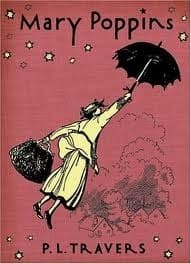
- Mary Poppins
P.L. Travers
4.0 (115k) average on GoodreadsFantasyThe Little White Horse shares a whimsical charm with Mary Poppins but diverges in its approach to fantasy. While Poppins introduces magic into an otherwise realistic London setting, Goudge's Moonacre is inherently magical, with its fantasy elements deeply rooted in the history and landscape, creating a more organic and pervasive sense of wonder rather than intermittent magical occurrences.
- Harry Potter and the Sorcerer's Stone
J.K. Rowling
4.5 (7M) average on GoodreadsFantasyRescued from a miserable life under the stairs, an orphaned boy discovers he's a wizard destined for a magical school, where he uncovers a dangerous secret tied to the dark wizard who murdered his parents.
- The Hunger Games
Suzanne Collins
4.3 (6.4M) average on GoodreadsFantasyIn a future where children fight to the death on live television, Katniss Everdeen volunteers for the arena, turning a death sentence into a fight for survival and a spark of rebellion.
- 1984
George Orwell
4.2 (3.1M) average on GoodreadsPoliticsIn a future where surveillance and thought control are absolute, a man's search for truth clashes with the Party, showing that hope can be a form of rebellion.



Enjoyed the summary?
A summary gives you the shape of the book. The book itself has the detail, the examples and the voice.
Find The Little White Horse on AmazonAs an Amazon Associate, BookBrief earns from qualifying purchases. How we're funded