
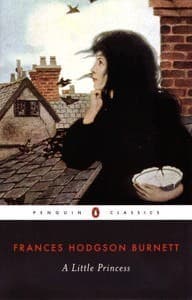
Synopsis
Covers the whole plot, including the ending.
- Difficulty
- Easy
- Pacing
- Moderate
- Mood
- Heartwarming, Resilient, Hopeful, Melancholy
- Read it if
- You enjoy classic children's literature with themes of resilience, kindness, and triumph over adversity. Perfect for those who appreciate a heartwarming story about maintaining inner strength despite external hardships.
- Skip it if
- You dislike stories with significant periods of child suffering or a clear 'good vs. evil' dynamic. Also, if you prefer fast-paced, action-driven narratives over character-focused, emotionally rich ones.
A Little Princess Plot Summary
Covers the whole plot, including the ending.
Sara Arrives at Miss Minchin's Seminary
Sara Crewe, a seven-year-old girl, arrives at Miss Minchin's school in London with her rich father, Captain Crewe. Captain Crewe, an officer in the Indian army, made a fortune from diamond mines and spends a lot on his daughter's comfort and education. Sara gets the best room, a personal maid, and nice clothes. Miss Minchin treats her like a princess, wanting to profit from her family's money. Despite her privilege, Sara is not spoiled; she is kind, smart, and has a strong imagination. She often tells detailed stories that entertain her classmates, especially Ermengarde and Lottie.
Sara's Tenth Birthday and Tragic News
On Sara's tenth birthday, Miss Minchin hosts a large party with many gifts for the girls. During the party, Mr. Barrow, Captain Crewe's lawyer, brings bad news. Captain Crewe has lost all his money in the diamond mines and died from jungle fever, leaving Sara an orphan and poor. Miss Minchin, angry about losing her expected income, immediately takes away Sara's luxuries. She cancels the party, sends the guests home, and declares Sara's special life over, showing her true cruel nature.
Banished to the Attic and Forced Labor
After her father's death, Sara is moved from her comfortable room to a cold, bare attic, next to the servants' rooms. Miss Minchin does not want to send Sara to an orphanage because of potential scandal and a vague sense of duty, so she keeps her as an unpaid servant. Sara's nice clothes are replaced with rags, and she works hard, running errands, cleaning, and teaching French to younger girls. She often goes hungry and is abused by Miss Minchin and the cook, Miss Amelia. Despite this, she keeps her dignity and imagination, finding comfort in her stories and becoming friends with the scullery maid, Becky.
Kindness in Adversity
Even with her difficult life, Sara continues to show kindness and strength. She shares her small amount of food with a hungry street child, Anne, and remains gentle with her friends, Ermengarde and Lottie, who sneak up to the attic to visit her. The younger girls she teaches French also like her. Becky, the scullery maid, becomes Sara's only real friend at the school, offering what little comfort she can. Sara's ability to imagine herself as a princess, even in rags, helps her endure Miss Minchin and the cook's harsh treatment.
The Indian Gentleman and Ram Dass
A rich Indian man, Mr. Carrisford, and his Indian servant, Ram Dass, move into the house next door to Miss Minchin's school. Mr. Carrisford is very sick and has come to London to find the daughter of his deceased business partner, Captain Crewe. He believes she is lost and poor after their shared diamond mine business failed. They do not know Sara lives right next door. Ram Dass, a kind and observant man, notices Sara's situation and sees her attic window from their house. He is interested in the sad, imaginative girl he sees.
Mysterious Gifts and the 'Magic'
One cold, lonely night, after Sara returns to her freezing, empty attic room, she finds it magically changed. A warm fire burns, a delicious meal waits for her, and the room has comfortable furniture, blankets, and books. Ram Dass did this. Mr. Carrisford asked him to, after Ram Dass saw Sara's suffering. He secretly entered Sara's room through the adjoining attic window and furnished it. Sara, Becky, and even the street child, Anne, are overjoyed and amazed by these unexpected acts of kindness, thinking it is a good spirit or fairy.
The Monkey and the Discovery
One day, Mr. Carrisford's pet monkey escapes and goes into Sara's attic room. Sara, used to caring for animals, gently coaxes the monkey back to its owner. She then returns it to Mr. Carrisford's house, where she meets Mr. Carrisford. During their talk, Mr. Carrisford asks about her name and past. He quickly realizes Sara is Captain Crewe's daughter, the girl he has been looking for, especially after she mentions her father's name and the diamond mines.
Sara's Fortunes Restored
Mr. Carrisford is happy to have found Sara. He tells her that the diamond mines were not a failure; they became very profitable just before Captain Crewe died. Captain Crewe had invested well, and a large fortune, including all interest, now belongs to Sara. Mr. Carrisford, feeling responsible for Captain Crewe's initial losses, has been searching for Sara to return her inheritance. Sara immediately goes into Mr. Carrisford's care, where she is treated with love and respect, given nice clothes, and all the comforts she once had, and more.
Miss Minchin's Humiliation
Miss Minchin, hearing Sara's fortune is back, tries to get her back, faking affection and demanding she return to the school. But Sara, now protected by Mr. Carrisford, firmly refuses. Mr. Carrisford, knowing Miss Minchin's past cruelty, publicly reveals her mistreatment of Sara. Miss Minchin is shamed and faces the results of her actions, losing her best pupil and her reputation. Sara, with her new wealth, makes sure Becky is freed from servitude and gets a comfortable job, and she continues to help the street child, Anne.
A New Life and Enduring Kindness
Sara settles into her new life with Mr. Carrisford, who becomes her guardian and a loving father. She continues her education, surrounded by books and comfort, and never forgets the hardships she faced. Her experiences only make her more compassionate. She makes sure Becky, her loyal friend from the attic, is well cared for and employed, and she continues to provide for the street child, Anne, making sure she has enough to eat. Sara, the "little princess," shows generosity and kindness, proving that true royalty comes from within.
Principal Figures
Sara Crewe
Protagonist
A kind, imaginative, and resilient girl who endures immense hardship.
Sara Crewe is the central protagonist, initially introduced as a wealthy and intelligent girl with a vivid imagination. She is exceptionally kind, treating everyone, regardless of their station, with respect and empathy. Even when reduced to poverty and forced into servitude, Sara maintains her inner dignity, resilience, and imaginative spirit, often pretending to be a princess to cope with her harsh reality. Her ability to find beauty and hope in dire circumstances, and her unwavering compassion for others, define her character.
Relationships: Captain Crewe (Devoted daughter-father relationship); Miss Minchin (Victim of her cruelty and greed); Becky (Friend and fellow servant); Ermengarde (Close school friend); Lottie (Younger school friend, comforted by Sara); Mr. Carrisford (Guardian and father figure)
Miss Minchin
Antagonist
The cruel and greedy headmistress of the seminary.
Miss Minchin is the proprietor of the Select Seminary for Young Ladies and the primary antagonist. Initially, she fawns over Sara due to Captain Crewe's wealth, but her true nature is revealed as cold, calculating, and exceptionally cruel once Sara is penniless. She delights in Sara's suffering, forcing her into servitude and depriving her of food and warmth. Her actions are driven by avarice and a desire for social standing, making her a stark contrast to Sara's inherent goodness. She fears scandal but lacks genuine human empathy.
Relationships: Sara Crewe (Abusive mistress to Sara); Miss Amelia (Sister and subordinate, often dominated by Miss Minchin); Becky (Mistress to servant)
Captain Crewe
Supporting
Sara's indulgent and loving father.
Captain Crewe is Sara's devoted and immensely wealthy father. He adores Sara and spares no expense to ensure her happiness and comfort, treating her like a 'little princess.' His generous nature and deep love for his daughter are evident in his interactions with her and Miss Minchin. His sudden death and the supposed loss of his fortune are the catalyst for Sara's suffering. He is a symbol of Sara's initial privileged life and the source of her later inheritance, even in his absence.
Relationships: Sara Crewe (Loving father); Mr. Carrisford (Business partner and friend)
Becky
Supporting
The kind scullery maid who befriends Sara.
Becky is the scullery maid at Miss Minchin's seminary, a downtrodden and often starving girl who lives in the attic adjacent to Sara's garret. She is initially afraid of Sara due to their differing social statuses, but quickly becomes Sara's loyal friend and confidante. Becky's simple kindness, her admiration for Sara's stories, and her shared suffering create a strong bond between them. She represents the harsh realities of Victorian poverty but also the enduring power of friendship and empathy.
Relationships: Sara Crewe (Loyal friend and fellow servant); Miss Minchin (Mistress to servant)
Mr. Carrisford
Supporting
Captain Crewe's business partner and Sara's eventual guardian.
Mr. Carrisford is Captain Crewe's business partner who, after a period of illness and financial distress, discovers that their diamond mines have become incredibly profitable. He is a kind and honorable man who feels immense guilt over Captain Crewe's death and the supposed loss of Sara's fortune. He moves to the house next door to Miss Minchin's, specifically to search for Sara and restore her inheritance. He eventually becomes Sara's loving guardian and benefactor, providing her with a new home and family.
Relationships: Captain Crewe (Business partner and friend); Sara Crewe (Guardian and benefactor); Ram Dass (Loyal servant)
Ram Dass
Supporting
Mr. Carrisford's observant and kind Indian servant.
Ram Dass is Mr. Carrisford's Indian servant, a quiet, observant, and deeply compassionate man. He is instrumental in improving Sara's living conditions, as he is the one who notices Sara's suffering in the attic from his own window. He secretly brings food, warmth, and comfort to Sara's garret, acting as the 'magic' that sustains her hope. His actions are driven by his inherent kindness and his desire to alleviate suffering, reflecting a cultural emphasis on hospitality and compassion.
Relationships: Mr. Carrisford (Loyal servant); Sara Crewe (Secret benefactor)
Ermengarde St. John
Supporting
Sara's timid and devoted school friend.
Ermengarde is one of Sara's closest friends at the seminary. She is a timid, rather dull student who struggles with her lessons and often faces Miss Minchin's disapproval. Despite her shyness, Ermengarde deeply loves and admires Sara for her intelligence, kindness, and imaginative stories. She is one of the few girls who remains loyal to Sara after her change in fortune, often sneaking up to the attic to visit her and listen to her tales, offering what little comfort she can.
Relationships: Sara Crewe (Close school friend)
Lottie Legh
Supporting
A younger, often-crying student comforted by Sara.
Lottie is a very young student at the seminary, prone to temper tantrums and crying fits. She initially clings to Sara, who, with her inherent maternal kindness, quickly becomes a comforting figure for the little girl. Sara's patience, imaginative stories, and gentle nature soothe Lottie, who sees Sara as a surrogate mother or older sister. Lottie's dependence on Sara highlights Sara's nurturing qualities, even when she herself is suffering.
Relationships: Sara Crewe (Younger friend and comforted by Sara)
Miss Amelia Minchin
Supporting
Miss Minchin's kinder, but timid, sister.
Miss Amelia is Miss Minchin's younger sister and a teacher at the seminary. She is significantly less cruel than her sister, possessing a softer heart and occasionally showing pity towards Sara. However, she is utterly dominated and intimidated by Miss Minchin, lacking the courage to stand up against her sister's harsh treatment of Sara or any of the other girls. Her timidity prevents her from actively helping Sara, though she often feels regret and discomfort at the injustices she witnesses.
Relationships: Miss Minchin (Sister and subordinate); Sara Crewe (Teacher who feels pity but is unable to act)
Themes & Insights
The Power of Imagination and Inner Strength
Sara Crewe's main trait is her strong imagination, which she uses to cope with her difficult life. When she loses her wealth and becomes a servant, she survives by pretending she is still a princess, or by telling detailed stories for herself and others. This imaginative 'game' helps her keep her dignity, kindness, and inner spirit, showing that true strength comes from within, not from outside things. Her ability to turn her grim attic into a castle through her strong will is key to her survival.
“'If I am a princess in rags and tatters, I am a princess all the same. It is the mind that makes the body rich. And if I am to be a princess, there is no need for me to be a snob.'”
Class, Wealth, and Social Status
The novel clearly explores class and wealth, especially how they affect how people are treated and seen in Victorian society. At first, Sara is admired for her father's money, but her status drops sharply when she becomes poor. This shows how shallow Miss Minchin and society are. The difference between Sara's initial luxury and her later poverty highlights the era's great inequalities. However, Sara's natural goodness, regardless of her money, challenges the idea that worth is tied to wealth, ultimately showing that character is more important than class.
“'What a difference it makes, whether one is a princess or only a servant!'”
Kindness, Compassion, and Empathy
Kindness and compassion are important qualities in the novel. Sara shows these traits throughout her ordeal, sharing her small amount of food with a hungry street child and remaining gentle with Becky and her friends. In contrast, Miss Minchin's lack of empathy and her cruel, selfish actions show how destructive unkindness can be. The 'magic' that transforms Sara's attic comes directly from Mr. Carrisford and Ram Dass's compassion. This shows that acts of kindness, even small ones, can have big effects and bring hope in the worst situations.
“'When you are a princess, you are not supposed to be able to do anything for yourself. But when you are a servant, you are supposed to be able to do everything.'”
Justice and Redemption
The story of 'A Little Princess' is about justice. Sara's suffering from Miss Minchin is a great wrong, which is eventually fixed. Her father's fortune is returned, and she is rescued from being a servant, showing that good triumphs over evil. Miss Minchin, in turn, faces a form of justice, as her cruelty is exposed, and she loses her most valuable student and her reputation. Mr. Carrisford's redemption is finding Sara and making up for the circumstances around her father's death, bringing the story to a satisfying moral end where good behavior is rewarded and bad behavior is punished.
“'It is a story about a girl who had a very hard time, but it ended well for her because she was a good girl.'”
The Enduring Spirit of Childhood
Despite the difficult things Sara faces, the novel celebrates the resilient and imaginative spirit of childhood. Sara's ability to create vivid inner worlds, tell engaging stories, and keep her innocent belief in 'magic' and kindness helps her survive and do well. Even in her hardest times, she keeps a childlike wonder and a capacity for joy that adults like Miss Minchin have lost. The story suggests that protecting and encouraging this inner child, with its ability for imagination and empathy, is important, and that even in suffering, a good child's core can remain pure.
“'All girls are princesses... even if they live in tiny old attics. Even if they wear rags, even if they aren't pretty, or smart, or young. They're still princesses.'”
Plot Devices & Literary Techniques
The 'Princess' Metaphor
Sara's imaginative identity as a princess.
This central metaphor is Sara's primary coping mechanism. When her fortunes reverse, she privately maintains her identity as a 'princess,' believing that true royalty lies in inner dignity, kindness, and resilience, not external wealth or status. This device allows her to endure abuse and deprivation without losing her spirit, teaching her, and the reader, that character and self-worth are intrinsic and cannot be stripped away by circumstance. It symbolizes her moral superiority over her tormentors.
The Attic Room
A physical manifestation of Sara's fallen status and a place of transformation.
The attic room serves as a powerful symbol. Initially a cold, barren, and miserable space representing Sara's degradation and suffering, it later becomes a place of 'magic' and comfort when secretly furnished by Ram Dass. This transformation mirrors Sara's own journey from despair to renewed hope. It is also a space of refuge where she can escape her duties, exercise her imagination, and connect with Becky and her friends, highlighting its dual role as both prison and sanctuary.
The 'Magic' or 'Fairy Godmother'
Unseen acts of kindness that provide hope and comfort.
The 'magic' refers to the mysterious acts of kindness, primarily performed by Ram Dass under Mr. Carrisford's direction, that transform Sara's attic room. This device introduces an element of fairy tale wonder into Sara's harsh reality. It represents the unexpected benevolence that exists in the world, countering the cruelty she experiences. It sustains Sara's hope and reinforces her belief in unseen forces of good, ultimately leading to her discovery and restoration.
The Diamond Mines
The source of wealth and the catalyst for plot changes.
The diamond mines are a crucial plot device, initially representing Captain Crewe's immense wealth that enables Sara's privileged life. Their supposed failure triggers Sara's fall from grace. Later, their unexpected success becomes the mechanism for Sara's fortune to be restored, driving the resolution of the plot. They serve as a symbolic representation of the unpredictable nature of fortune and the external forces that dictate the characters' lives.
The Indian Gentleman and Servant
A cultural bridge and agents of change.
The arrival of Mr. Carrisford and Ram Dass, the 'Indian gentleman' and his servant, next door is a pivotal plot device. Their presence directly facilitates Sara's discovery and the restoration of her fortune. Ram Dass's cultural background, particularly his quiet observational skills and acts of kindness (the 'magic'), provides a contrast to the European characters and introduces an element of exoticism and benevolent intervention, highlighting the universal nature of compassion.
A Little Princess Quotes
“If I am a princess in rags and tatters, I can be a princess inside. It would be easy to be a princess if I were dressed in cloth of gold, but it is a great deal more of a triumph to be one all the time when no one knows it.”
“Everything is a story. You are a story. I am a story.”
“I am a princess. All girls are. Even if they live in tiny old attics. Even if they dress in rags, even if they aren't pretty, or smart, or young. They're still princesses.”
“Perhaps to be able to learn things quickly isn't everything. To be kind is worth a great deal to other people.”
“There is nothing so nice as supposing.”
“I don't know whether it is a bad thing or a good thing to have a kind heart. I think it is a good thing.”
“If nature has made you for a giver, your hands are born open, and so is your heart; and though there may be times when your hands are empty, your heart is always full, and you can give things out of that.”
“It is true. Sometimes I do pretend I am a princess. I pretend I am a princess, so that I can try and behave like one.”
“The magic was in her own mind. She was always telling herself stories.”
“You have to be a princess to know how to behave like one.”
“I am not complaining. I am only telling you.”
“It is not easy to be a princess when you are always hungry and cold, but it can be done.”
“She had always been a kind little creature, and had never been spoiled by admiration and luxury.”
“Whatever comes cannot alter one thing. If I am a princess in rags and tatters, I can be a princess inside.”
Quiz
10 questions on the plot and the characters. Each answer comes with a short explanation.
Question 1
What is the name of the boarding school where Sara Crewe is sent to live?
- Miss Minchin's Select Seminary for Young Ladies
- Miss Clavell's Academy for Girls
- Mrs. Medlock's Finishing School
- The Lavender School for Young Women
Show answer
A. Miss Minchin's Select Seminary for Young Ladies Sara attends Miss Minchin's Select Seminary for Young Ladies in London, where she initially lives in luxury before her fortunes change dramatically after her father's death.
Question 2
What is the name of Sara's father who dies early in the story?
- Captain Crewe
- Mr. Carrisford
- Captain Lennox
- Mr. Barrow
Show answer
A. Captain Crewe Sara's father is Captain Crewe, who spoils her with luxuries before his sudden death leaves her penniless and at the mercy of Miss Minchin.
Question 3
After her father's death, where is Sara forced to live and work at the seminary?
- In the attic as a servant
- In the kitchen as a cook
- In the basement as a laundress
- In the garden shed as a groundskeeper
Show answer
A. In the attic as a servant Miss Minchin banishes Sara to a cold, bare attic room and forces her to work as a servant, performing menial tasks while being demeaned and abused.
Question 4
What literary device is prominently used throughout 'A Little Princess' to enhance its fairy-tale quality?
- Fairy-tale allusions
- Scientific metaphors
- Political satire
- Historical documentation
Show answer
A. Fairy-tale allusions As noted in the introduction by U.C. Knoepflmacher, the book uses fairy-tale allusions to place it among major Victorian literature, enhancing its magical and resonant quality.
Question 5
Which of these works is included in the annotated edition of 'A Little Princess' to show its evolution?
- The original 1888 novella 'Sara Crewe'
- Burnett's unpublished diary entries
- A sequel titled 'Sara's Return'
- Letters from Burnett to her publisher
Show answer
A. The original 1888 novella 'Sara Crewe' This edition includes excerpts from Burnett's original 1888 novella 'Sara Crewe,' along with the stage play and an early story 'Behind the White Brick,' showing how the novel developed over time.
Question 6
How does Sara's imagination help her cope with her difficult circumstances after her father's death?
- By pretending she is a princess in disguise
- By writing fictional stories to escape reality
- By imagining she has magical powers
- By creating an imaginary friend to talk to
Show answer
A. By pretending she is a princess in disguise Sara uses her vivid imagination to maintain her dignity and resilience, often pretending she is a princess enduring hardships, which reflects the book's central theme of inner nobility.
Question 7
What role does the introduction by U.C. Knoepflmacher play in this annotated edition?
- It analyzes the book's literary significance and fairy-tale elements
- It provides a biography of Frances Hodgson Burnett
- It criticizes the book's outdated Victorian values
- It compares the book to modern children's literature
Show answer
A. It analyzes the book's literary significance and fairy-tale elements Knoepflmacher's introduction considers fairy-tale allusions and literary touchstones, placing 'A Little Princess' among major Victorian works and highlighting its richness and resonance.
Question 8
Which early story by Burnett is included in this edition to show the evolution of 'A Little Princess'?
- "Behind the White Brick"
- "The Secret Garden"
- "Little Lord Fauntleroy"
- "The Lost Prince"
Show answer
A. "Behind the White Brick" Along with the 1888 novella 'Sara Crewe' and the stage play, this edition includes 'Behind the White Brick,' an early story that contributed to the development of 'A Little Princess.'
Question 9
In what way does 'A Little Princess' reflect characteristics of Victorian literature as discussed in the introduction?
- Through its exploration of social class and moral resilience
- By focusing on industrial revolution themes
- Through its use of complex scientific terminology
- By depicting political revolutions of the era
Show answer
A. Through its exploration of social class and moral resilience The introduction notes that the book is rich and resonant, with themes like social class (Sara's fall from wealth) and moral resilience (her inner strength), aligning it with major Victorian literary works.
Question 10
What is the significance of including multiple versions of Sara's story in this annotated edition?
- To show how Burnett refined the story over time into a beloved novel
- To provide alternative endings for readers to choose from
- To highlight inconsistencies in Burnett's writing style
- To compare it with other authors' works from the same period
Show answer
A. To show how Burnett refined the story over time into a beloved novel By appending excerpts from the original novella, stage play, and early story, this edition allows readers to trace the evolution of 'A Little Princess' from its earlier forms into the classic novel.
A Little Princess FAQ
What is 'A Little Princess' about?
The story follows Sara Crewe, a wealthy, imaginative girl at Miss Minchin's seminary in London, who becomes an orphaned pauper after her father's death. Demoted to a servant in the attic, she endures cruelty but maintains her dignity through storytelling and kindness, until a mysterious neighbor's intervention reveals her father's lost fortune was restored, transforming her life again.
Why should I read 'A Little Princess'?
It's a timeless tale of resilience, empathy, and the power of imagination, celebrated for its rich Victorian setting and fairy-tale motifs. The story explores themes of social class, kindness, and inner strength, making it both emotionally resonant and thought-provoking for readers of all ages.
What is the background/setting of 'A Little Princess'?
Set in late 19th-century London, primarily at Miss Minchin's Select Seminary for Young Ladies, a boarding school for girls. The contrast between Sara's luxurious initial life and her later attic servitude highlights Victorian class divisions, with the foggy, bustling city adding to the atmospheric tension.
What are the most memorable quotes?
Key quotes include Sara's mantra 'I am a princess. All girls are. Even if they live in tiny old attics. Even if they dress in rags, even if they aren't pretty, or smart, or young. They're still princesses' and her reflection on imagination: 'Whatever comes... cannot alter one thing. If I am a princess in rags and tatters, I can be a princess inside.'
What writing style does the author use?
Frances Hodgson Burnett employs a descriptive, sentimental Victorian style with fairy-tale elements, blending realism with magical realism. The prose is rich in imagery and emotional depth, often using Sara's imaginative stories to contrast with her harsh reality, enhancing the novel's allegorical quality.
What minor details add significant meaning?
The doll Emily, Sara's imaginary companion, symbolizes her need for comfort and creativity in isolation. The 'magic' food and warmth secretly provided by the Indian servant Ram Dass represent unseen kindness, while Sara's tattered but carefully mended clothes highlight her maintained dignity despite poverty.
What are some subtle foreshadowing moments?
Early mentions of Sara's father's 'investments' in diamond mines hint at future wealth restoration. Sara's kindness to beggar girl Becky foreshadows their shared attic life and eventual rescue. The mysterious 'Indian gentleman' next door is subtly introduced before his crucial role in Sara's redemption.
What unexpected character connections exist?
The 'Indian gentleman' neighbor, Mr. Carrisford, is revealed to be Captain Crewe's friend who lost Sara's fortune, making him both the cause of her suffering and her savior. Ram Dass, his servant, secretly aids Sara, linking the two households through covert acts of compassion.
What are unspoken character motivations?
Miss Minchin's cruelty stems from jealousy and greed, as she resents Sara's former wealth and intelligence. Sara's father, Captain Crewe, indulges her to compensate for her mother's absence, while Sara herself uses imagination to cope with trauma, masking deep loneliness with outward grace.
What psychological complexities do characters exhibit?
Sara shows resilience through dissociation into fantasy, balancing vulnerability with stoicism. Miss Minchin displays cognitive dissonance, praising Sara's value when wealthy but dehumanizing her when poor. Becky, the scullery maid, embodies learned helplessness until Sara's friendship empowers her.
What are the major emotional turning points?
Sara's devastation at her father's death marks her fall from privilege. Her first night in the cold attic solidifies her isolation. The discovery of the transformed attic with food and warmth rekindles hope. The final revelation of her restored fortune brings cathartic relief and justice.
How do relationship dynamics evolve?
Sara and Becky's bond deepens from mistress-servant to equals in suffering, then to lifelong friends. Sara's relationship with Miss Minchin shifts from respected pupil to abused servant, ending in Sara's empowered departure. Mr. Carrisford evolves from a guilt-ridden stranger to a paternal figure.
Which parts remain ambiguous or open-ended?
The exact mechanics of Sara's father's fortune loss and restoration are vague, relying on Victorian-era financial speculation. The extent of Sara's 'magical' influence on others is left interpretable—whether it's her imagination or real kindness that transforms lives. The future of Miss Minchin's seminary after Sara's departure is unresolved.
What are controversial scenes or decisions?
Some critics debate Sara's passive endurance of abuse as unrealistic or overly idealized. Miss Minchin's extreme cruelty without consequence has been seen as a simplistic villain portrayal. The deus ex machina ending, where wealth solves all problems, raises questions about the book's message on materialism versus inner worth.
'A Little Princess' ending explained: how it ends & what it means
Sara is rescued by Mr. Carrisford, who reveals her restored fortune from the diamond mines, and she adopts Becky as a companion. The ending emphasizes that true 'princess' qualities—kindness, imagination, and resilience—are rewarded, but also critiques Victorian society by showing wealth as necessary for security and justice.
About the author
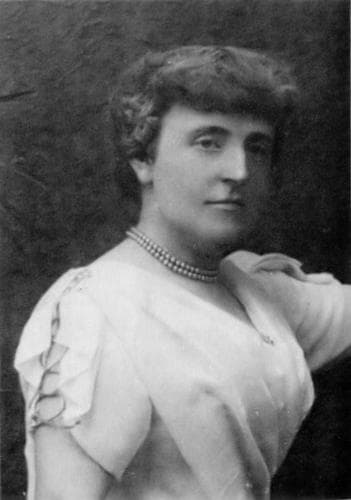
Frances Hodgson Burnett was an English author known for her children's literature in the late 19th and early 20th centuries. She is best known for her novels "The Secret Garden," "Little Lord Fauntleroy," and "A Little Princess," which explore themes of growth, friendship, and resilience. Another notable work is "The Making of a Marchioness," which showcases her storytelling in adult fiction.
Similar books
- Heidi
Johanna Spyri
4.0 (173k) average on GoodreadsChildren'sA classic children's story about a young girl's unwavering spirit and positive influence on others despite hardship.
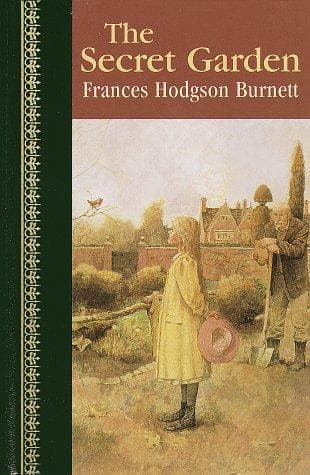
- The Secret Garden
Frances Hodgson Burnett
4.1 (891k) average on GoodreadsFantasyAnother classic by the same author, focusing on children's emotional growth and the power of imagination and kindness.
- Harry Potter and the Sorcerer's Stone
J.K. Rowling
4.5 (7M) average on GoodreadsFantasyRescued from a miserable life under the stairs, an orphaned boy discovers he's a wizard destined for a magical school, where he uncovers a dangerous secret tied to the dark wizard who murdered his parents.
- The Hunger Games
Suzanne Collins
4.3 (6.4M) average on GoodreadsFantasyIn a future where children fight to the death on live television, Katniss Everdeen volunteers for the arena, turning a death sentence into a fight for survival and a spark of rebellion.
- 1984
George Orwell
4.2 (3.1M) average on GoodreadsPoliticsIn a future where surveillance and thought control are absolute, a man's search for truth clashes with the Party, showing that hope can be a form of rebellion.
- Divergent
Veronica Roth
4.2 (2.9M) average on GoodreadsFantasyIn a society divided by virtues, a sixteen-year-old's difference from the norm starts a rebellion that threatens her world.





Enjoyed the summary?
A summary gives you the shape of the book. The book itself has the detail, the examples and the voice.
Find A Little Princess on AmazonAs an Amazon Associate, BookBrief earns from qualifying purchases. How we're funded