

Synopsis
Covers the whole plot, including the ending.
- Difficulty
- Medium
- Pacing
- Moderate
- Mood
- Melancholy, Thought-provoking, Humorous, Redemptive
- Read it if
- You enjoy sweeping family sagas with complex characters, explore themes of faith, grief, and unconventional family dynamics, and appreciate tragicomic storytelling.
- Skip it if
- You prefer fast-paced plots, are looking for a light read, or are uncomfortable with storylines involving infidelity and polygamy.
The Lonely Polygamist Plot Summary
Covers the whole plot, including the ending.
The Burden of Golden Richards
Golden Richards, a devout member of a fundamentalist Mormon community in southern Utah, is overwhelmed by his responsibilities. He has four wives—Patty, Nonie, Caroline, and Susie—and twenty-eight children. His construction business, Richards & Sons, is failing, causing constant financial stress. He also carries immense grief from the recent accidental death of his young daughter, Dorey, and the stillbirth of a son. Golden feels isolated and unable to connect with his wives and children. He often retreats into himself or seeks solitude in his truck, where he experiences vivid hallucinations of Dorey.
The Arrival of a New Baby and Lingering Grief
Susie, Golden's youngest wife, gives birth to a healthy baby girl. This should bring joy, but it only deepens Golden's internal conflict. He is haunted by the contrast between this new life and the lost lives of Dorey and his stillborn son. One night, overwhelmed by a powerful hallucination of Dorey and his grief, Golden impulsively drives to the cemetery where Dorey is buried. He tries to dig up her grave, driven by a desperate urge to be closer to her or confirm her absence. The cemetery caretaker stops him and calls the police. This incident shows his deep distress and his inability to cope with loss.
The Arizona Project and an Unexpected Connection
Desperate for work, Golden accepts a large construction project in Arizona to build a fence for an ostrich farm. He leaves his family in Utah, seeing the job as both a financial necessity and an escape from home pressures. While working in Arizona, he meets Roxanne, a fellow construction worker. Roxanne is an independent woman, a single mother, and a former addict. Golden, feeling emotionally deprived and isolated, is drawn to Roxanne's directness and her ability to see past his stoic facade. Their working relationship evolves into a deeper connection, offering Golden understanding and intimacy he feels is missing from his life.
An Affair Begins
Golden and Roxanne's connection deepens, leading to an affair. Golden, who has always lived by strict religious and communal rules, finds himself in a morally compromising situation that challenges his beliefs. He is torn between his devotion to his wives and family and the intense, forbidden comfort he finds with Roxanne. The affair provides a temporary relief from his grief and the demands of his polygamist life, but it also fills him with guilt and fear of exposure. He knows the devastating consequences it would have on his family and community standing. Roxanne also struggles with the implications of their relationship, knowing Golden is married with many children.
The Growing Suspicions and Family Tensions
As Golden spends more time in Arizona, his wives—Patty, Nonie, Caroline, and Susie—become suspicious. His excuses for prolonged absences become weak, and his emotional distance when he is home is clear. The wives, already dealing with their complex hierarchy and individual struggles, sense a deeper problem. Tensions rise in the household as they speculate about Golden's behavior. The children also feel their father's absence and emotional withdrawal. The family, already strained by financial difficulties and Dorey's death, begins to fray, reflecting Golden's internal disarray and his secret.
Roxanne's Past and Growing Complications
As Golden's affair with Roxanne continues, he learns more about her difficult past, including her struggles with addiction and her estranged relationship with her family. Her challenges draw Golden deeper into her life, making it harder for him to leave. He feels a sense of responsibility and protection towards her, which further blurs his commitment. Roxanne's son, a troubled teenager, also enters the picture, adding another layer of complexity to Golden's secret relationship. The affair is no longer just a private escape; it is becoming intertwined with Roxanne's complicated reality, threatening to unravel Golden's life.
The Confrontation and Revelation
The truth about Golden's affair with Roxanne eventually comes out. One of his sons, who works with him, discovers evidence of the affair, leading to a painful confrontation with his wives and the community elders. The revelation shatters the fragile peace of the Richards household and brings shame upon Golden. His wives are heartbroken and furious, feeling betrayed by the man meant to be their spiritual and temporal leader. The community, built on strict principles of fidelity and family, condemns Golden's actions, threatening his standing and his family's future within their world. His life, as he knew it, begins to crumble.
Exile and Reflection
After the revelation and the community's judgment, Golden is exiled from his home and family. He lives separately, dealing with the consequences of his actions. During this isolation, Golden reflects on his life, his grief, his choices, and the pain he caused. He recognizes his mistakes and how his unaddressed grief led him to self-destruction. This exile is a period of intense introspection, forcing him to confront his vulnerabilities and the true meaning of his commitments to his family and faith.
The Path to Reconciliation
Golden, humbled and remorseful, begins the difficult journey of seeking forgiveness from his wives and children. He understands that trust, once broken, is not easily mended. He makes sincere efforts to communicate with his family, acknowledging his failures and expressing his regret. The process is slow and painful, marked by anger, hurt, and skepticism from his wives. However, his genuine remorse and his willingness to face the consequences of his actions slowly begin to open a path towards potential reconciliation. He starts to understand that true redemption requires sustained effort and a renewed commitment to his family.
A Renewed Sense of Purpose
Towards the novel's end, Golden, though changed by his experiences, finds a new purpose. He understands that his love for his family, despite his flaws, is real and enduring. He commits to rebuilding his life and relationships, not just out of duty, but out of a more mature understanding of love and commitment. He learns to integrate his grief for Dorey, rather than being consumed by it, and to appreciate the complex, messy, but precious reality of his family. The ending suggests a path towards healing and a redefined sense of belonging, with Golden accepting the burdens and joys of his life with new wisdom.
Principal Figures
Golden Richards
Protagonist
A polygamist husband and father consumed by grief and financial stress, who seeks escape in an affair.
Golden is a deeply religious man, dedicated to his community and family, yet profoundly flawed. He is the patriarch of a sprawling polygamist family, responsible for four wives and twenty-eight children. Plagued by a failing construction business and the unaddressed grief over his daughter Dorey's death and a stillborn son, Golden is emotionally isolated and overwhelmed. He struggles with communicating his feelings, often retreating into himself. His midlife crisis manifests as a desperate search for connection and understanding, leading him to make choices that threaten to dismantle his entire life.
Relationships: Patty Richards (First wife, practical and often frustrated by Golden's distance.); Nonie Richards (Second wife, gentle and artistic, often overlooked.); Caroline Richards (Third wife, ambitious and sometimes manipulative, seeks independence.); Susie Richards (Fourth wife, youngest and most naive, struggles with her place.); Roxanne (Mistress, a source of forbidden intimacy and understanding.); Dorey Richards (Deceased daughter, her death is the catalyst for Golden's profound grief.)
Patty Richards
Supporting
Golden's first wife, the pragmatic and often resentful backbone of the family.
Patty is Golden's first wife and, in many ways, the de facto matriarch of the Richards family. She is practical, resilient, and often carries the heaviest emotional and logistical burdens of managing the household. She feels the weight of Golden's emotional distance and financial struggles most acutely. While she loves Golden, she often resents his inability to fully engage with his family's needs and her own. Her faith is strong, but her patience is often tested, and she struggles with the inherent challenges and inequities of polygamy.
Relationships: Golden Richards (Husband, source of both stability and immense frustration.); Nonie Richards (Sister wife, often a source of quiet support.); Caroline Richards (Sister wife, often in conflict with due to differing personalities and ambitions.); Susie Richards (Sister wife, whom she feels a maternal responsibility towards.)
Nonie Richards
Supporting
Golden's second wife, a quiet and artistic woman who finds solace in her passions.
Nonie is Golden's second wife, known for her gentle nature and artistic inclinations. She is often overlooked in the bustling Richards household, preferring solitude and creative pursuits like painting. She struggles with feelings of inadequacy and a lack of individual attention from Golden. Her quiet demeanor belies a deep sensitivity and emotional intelligence. While she adheres to the tenets of her faith, she grapples with the emotional complexities of sharing a husband and yearns for a deeper, more personal connection.
Relationships: Golden Richards (Husband, for whom she holds deep affection despite feeling emotionally distant from him.); Patty Richards (Sister wife, with whom she shares a quiet understanding.)
Caroline Richards
Supporting
Golden's third wife, ambitious and independent, who seeks her own path within the community.
Caroline is Golden's third wife, characterized by her ambition, intelligence, and a strong desire for independence. Unlike the other wives, she actively pursues her own ventures, such as selling herbal remedies, and is less inclined to passively accept her circumstances. She is often outspoken and assertive, which can lead to friction with the other wives and even Golden. She questions the traditional roles within their polygamist society and strives for a sense of self-worth and agency beyond her identity as a wife and mother.
Relationships: Golden Richards (Husband, whom she respects but often challenges.); Patty Richards (Sister wife, often clashes with due to their differing personalities.)
Susie Richards
Supporting
Golden's fourth and youngest wife, naive and struggling to find her place.
Susie is Golden's fourth and youngest wife, and still relatively new to the complexities of polygamist life. She is somewhat naive and struggles with feelings of insecurity and a lack of belonging. Her youth and inexperience make her vulnerable, and she often looks to the older wives for guidance, though she also yearns for Golden's individual attention. Her struggles highlight the emotional challenges faced by women entering polygamous marriages, especially when they are still finding their own identity.
Relationships: Golden Richards (Husband, for whom she has strong feelings but also feels neglected by.); Patty Richards (Sister wife, whom she often looks to for guidance.)
Roxanne
Supporting
A strong-willed, independent woman who becomes Golden's mistress.
Roxanne is a construction worker Golden meets in Arizona. She is a single mother, a former addict, and fiercely independent. She is direct, unvarnished, and possesses a raw honesty that Golden finds both unsettling and deeply attractive. She sees through Golden's stoicism and offers him a connection based on shared vulnerability and a lack of pretense, something he feels is missing from his life. Her own troubled past and resilience make her a complex character, and her relationship with Golden is a catalyst for his self-reckoning.
Relationships: Golden Richards (Lover, a source of forbidden passion and emotional intimacy.); Her Son (Son, with whom she has a strained but loving relationship.)
Dorey Richards
Mentioned
Golden's deceased daughter, whose death is the catalyst for his profound grief and midlife crisis.
Dorey is Golden's young daughter who dies in an accidental drowning. Although she is deceased before the main events of the novel, her death is the central catalyst for Golden's deep, unaddressed grief, which permeates his entire existence. Her memory haunts him, appearing in vivid hallucinations, and her absence drives many of his desperate actions, including his affair. She represents the profound loss and emotional paralysis that Golden experiences, symbolizing the unhealed wounds within him and his family.
Relationships: Golden Richards (Father, her death causes him immense, debilitating grief.)
Themes & Insights
Grief and Loss
Grief and loss are central to the novel. Golden Richards's profound, unaddressed sorrow over his daughter Dorey's accidental death and the stillbirth of a son emotionally paralyzes him. His inability to mourn leads to his emotional withdrawal from his family, his desperate attempt to dig up Dorey's grave, and his affair. The novel explores how unacknowledged grief can fester, leading to destructive behaviors and isolation. Healing requires confronting and integrating loss into one's life. The family as a whole also deals with this collective loss, often in silence, which adds to the tension.
“He understood that his grief, like a river, had simply found a new channel, carving its way through him whether he wanted it to or not.”
The Nature of Love and Commitment in Polygamy
The novel examines the complexities of love, commitment, and family within a polygamous structure. It shows the unique challenges faced by Golden's four wives—Patty, Nonie, Caroline, and Susie—each seeking his attention, affection, and resources, while also managing their relationships with each other. It questions whether one man can truly meet the emotional needs of multiple wives and a large family, highlighting the inherent inequities and the potential for loneliness and resentment. Golden's affair, while a betrayal, also shows his personal struggle to find a singular, intimate connection he feels is missing in his plural marriage.
“He loved them all, in his way, but sometimes it felt like loving a country, vast and demanding, rather than a single person.”
Redemption and Forgiveness
A core theme is the journey towards redemption and forgiveness after betrayal. Golden's affair shatters his family and his standing in the community, forcing him into exile and self-reflection. The novel explores the difficult process of earning back trust, not through grand gestures, but through consistent, humble efforts and genuine remorse. It delves into the capacity of individuals and a family to forgive, not just the transgressor, but also themselves, and to find a path forward after immense pain. The ending suggests that while scars remain, healing and a renewed commitment are possible.
“Forgiveness wasn't a single act, he realized, but a long, slow climb up a mountain of broken trust.”
Identity and Belonging
The characters, especially Golden and his wives, grapple with their identities within a strict religious community and a large family. Golden struggles with his identity as a patriarch, a businessman, and a man consumed by grief. His affair represents a search for an identity outside these roles. His wives, especially Caroline and Susie, also seek to define themselves beyond their roles as 'sister wives,' striving for personal agency and recognition. The theme explores the tension between communal belonging and individual desire, and the search for one's true self amidst societal expectations and personal crises.
“He was Golden Richards, husband of four, father of twenty-eight, and yet sometimes, he felt like no one at all.”
Plot Devices & Literary Techniques
Hallucinations/Visions
Golden's vivid, recurring visions of his deceased daughter Dorey.
Golden experiences frequent, vivid hallucinations of his deceased daughter, Dorey. These visions are not mere memories but tangible, almost interactive experiences that underscore the depth of his unaddressed grief and his psychological distress. They serve as a powerful externalization of his internal turmoil, driving some of his most desperate actions, such as his attempt to dig up her grave. This device allows the reader direct access to Golden's internal world and the intensity of his sorrow, illustrating how his grief has become a living, breathing entity within him.
The Arizona Project
A construction job in Arizona that provides Golden with an escape and leads to his affair.
The construction project in Arizona acts as a physical and metaphorical escape for Golden. Geographically distant from his family and community in Utah, it provides him with the anonymity and freedom to act outside the strictures of his polygamist life. This physical separation creates the opportunity for his affair with Roxanne, highlighting the idea that distance can lead to moral transgression when internal conflicts are unresolved. The project itself, building a fence, can also be seen as symbolic of the barriers Golden is trying to erect or break down in his life.
The Polygamist Family Structure
The inherent complexities and challenges of a plural marriage and large family.
The polygamist family structure is not just a setting but a crucial plot device that drives much of the narrative's conflict and character development. It creates inherent tensions among the wives, financial strain, and unique emotional dynamics that contribute to Golden's sense of overwhelm and isolation. The rules and expectations of this structure also amplify the consequences of Golden's affair, making his betrayal far more devastating than it might be in a monogamous context, and setting up the dramatic stakes for his potential redemption.
Financial Struggles
Golden's failing construction business and the constant pressure of providing for his large family.
Golden's ongoing financial struggles with his construction business, Richards & Sons, serve as a constant source of stress and a major driver of plot. The immense cost of providing for four wives and twenty-eight children puts immense pressure on Golden, contributing to his sense of burden and his emotional withdrawal. The need for money is what initially sends him to Arizona, directly leading to his affair. This device grounds the narrative in a realistic struggle, highlighting the practical difficulties of his lifestyle and adding another layer to Golden's midlife crisis.
The Lonely Polygamist Quotes
“There are some things you can't undo, no matter how hard you try.”
“Sometimes you just have to keep moving, even if you don't know where you're going.”
“Love is a complicated thing, especially when you have a lot of it to go around.”
“A man's faith is tested not by what he believes, but by what he does when he doubts.”
“The desert doesn't care if you're lost. It just waits.”
“Family is a knot that can never truly be untied, only stretched and strained.”
“There's a kind of freedom in being completely broken, a realization that you have nothing left to lose.”
“Hope is a dangerous thing, but it's all some of us have.”
“Secrets are like heavy stones; the longer you carry them, the more they weigh you down.”
“Sometimes the greatest acts of love are the ones that cause the most pain.”
“You can't outrun your past, not really. It always catches up.”
“The quietest lives often hold the loudest stories.”
“Forgiveness isn't about forgetting; it's about letting go of the anger.”
“There's a difference between being alone and being lonely, and sometimes the latter is a choice.”
“Every family has its own kind of wilderness, full of dangers and unexpected beauty.”
Quiz
10 questions on the plot and the characters. Each answer comes with a short explanation.
Question 1
What is the primary reason Golden Richards is experiencing a midlife crisis at the beginning of the novel?
- His desire to take a fifth wife, which his current wives oppose.
- His construction business is failing, and he is grieving the loss of two children.
- He is being pressured by his church to take on more responsibilities.
- His children are all leaving home, making him feel lonely.
Show answer
B. His construction business is failing, and he is grieving the loss of two children. Golden's midlife crisis is explicitly linked to his failing construction business and the profound grief he feels over the accidental death of a daughter and the stillbirth of a son.
Question 2
How many wives does Golden Richards have?
- Three
- Four
- Five
- Two
Show answer
B. Four The book description clearly states Golden Richards is 'husband to four wives'.
Question 3
What significant event contributes to Golden's doubt about 'the capacity of his own heart'?
- A major argument with one of his wives about their lifestyle.
- The loss of his faith after a traumatic experience.
- The accidental death of a daughter and the stillbirth of a son.
- His children's rebellion against their polygamous upbringing.
Show answer
C. The accidental death of a daughter and the stillbirth of a son. The description highlights that 'due to the accidental death of a daughter and the stillbirth of a son, he has come to doubt the capacity of his own heart.'
Question 4
What kind of affair does Golden become entangled in, and what is its potential consequence?
- A financial affair that could lead to his business's bankruptcy.
- A romantic affair that threatens to destroy his family's future.
- A political affair that could alienate him from his community.
- A spiritual affair that challenges his fundamental beliefs.
Show answer
B. A romantic affair that threatens to destroy his family's future. The summary states he 'becomes entangled in an affair that threatens to destroy his family’s future,' implying a romantic or emotional entanglement outside his marital structure.
Question 5
Which authors are mentioned as comparable to Brady Udall in terms of character creation?
- Jonathan Franzen and Jeffrey Eugenides
- John Irving and Richard Yates
- Philip Roth and Saul Bellow
- Alice Munro and Raymond Carver
Show answer
B. John Irving and Richard Yates The description explicitly states, 'Like John Irving and Richard Yates, Udall creates characters that engage us to the fullest.'
Question 6
What overarching theme does Udall explore through Golden Richards's struggles with his large family and personal grief?
- The pursuit of corporate success in modern America.
- The nature of need, love, and belonging within an American family.
- The conflict between religious dogma and scientific discovery.
- The challenges of raising children in a secular society.
Show answer
B. The nature of need, love, and belonging within an American family. The text notes Udall's characters 'grapple with the nature of need, love, and belonging' and describes the book as an 'unforgettable story of an American family—with its inevitable dysfunctionality, heartbreak, and comedy—pushed to its outer limits.'
Question 7
What is the emotional tone of the story, as described in the summary?
- Purely tragic and despairing.
- Exclusively comedic and lighthearted.
- Tragicomic, ultimately redemptive, and keenly observed.
- Gritty and realistic, without any humor or hope.
Show answer
C. Tragicomic, ultimately redemptive, and keenly observed. The summary calls it a 'tragicomic story' and states it is 'ultimately redemptive, and keenly observed.'
Question 8
How many children does Golden Richards have?
- Approximately fifteen
- Exactly twenty-eight
- Around thirty-five
- Over fifty
Show answer
B. Exactly twenty-eight The description explicitly states Golden is 'father to twenty-eight children.'
Question 9
What is the state of Golden's family, described as a 'mini-dukedom'?
- It is thriving and harmonious, a model for other families.
- It is overpopulated and beset with insurrection and rivalry.
- It is struggling financially but united in spirit.
- It is shrinking due to children leaving home for college.
Show answer
B. It is overpopulated and beset with insurrection and rivalry. The summary states his family 'has grown into an overpopulated mini-dukedom beset with insurrection and rivalry,' indicating internal conflict and challenges.
Question 10
What genre does 'The Lonely Polygamist' primarily fall under, according to the provided text?
- Mystery Thriller
- Historical Romance
- Literary Fiction, Spirituality
- Science Fiction Fantasy
Show answer
C. Literary Fiction, Spirituality The very first line of the provided text explicitly labels the book as 'Literary Fiction, Spirituality.'
The Lonely Polygamist FAQ
What is the central conflict Golden Richards faces at the beginning of the novel?
Golden Richards, a polygamist with four wives and twenty-eight children, is experiencing a profound midlife crisis. He is grappling with the failure of his construction business, intense grief over the recent accidental death of a daughter and the stillbirth of a son, and a growing doubt in his own emotional capacity to handle it all.
Who are Golden's four wives, and what are their primary roles or characteristics?
Golden's wives are Patricia, the first and most traditional; Connie, who is more rebellious and modern; Caroline, often quiet and artistic; and Nonie, the youngest and most recently married, who struggles with her place in the family. Each wife brings a distinct personality and set of challenges to Golden's already complex life, contributing to the family's dynamic.
What tragic events contribute most significantly to Golden's grief and spiritual crisis?
Golden is deeply affected by the accidental death of his daughter, Laura, who falls from a tree, and the subsequent stillbirth of a son with his wife Nonie. These losses compound his existing stresses and lead him to question his faith and his ability to love and protect his vast family.
Where does Golden go when his business fails, and what does he do there?
After his construction business collapses, Golden moves to Reno, Nevada, to work for a friend, Lyle, in a more conventional, secular environment. He takes on a job building houses, which removes him from the immediate pressures of his polygamous family and allows for new, unexpected relationships to form.
Who is Mindy, and what role does she play in Golden's journey?
Mindy is a young, single mother whom Golden meets and begins an affair with during his time in Reno. Their relationship provides Golden with a sense of escape and individual attention he feels he lacks in his polygamous marriage, but it also creates immense guilt and threatens his family's stability.
How does Golden's affair with Mindy parallel or contrast with his polygamous lifestyle?
Golden's affair with Mindy is a secret, illicit relationship driven by personal longing, contrasting sharply with his polygamous marriages which, though complex, are sanctioned by his faith and community. While polygamy involves multiple committed relationships, the affair with Mindy is a betrayal, highlighting his desire for a different kind of singular, focused intimacy.
What significance does the character of Lyle, Golden's friend in Reno, hold?
Lyle represents a different path Golden could have taken, a secular life without the complexities of polygamy. He offers Golden a fresh perspective and a job, but also inadvertently facilitates the circumstances for the affair with Mindy, acting as a catalyst for Golden's self-exploration outside his traditional world.
Are there any subtle indications of Golden's emotional state before the major tragedies occur?
Even before Laura's death and the stillbirth, the narrative hints at Golden's underlying exhaustion and the strain of managing such a large family and business. He often feels overwhelmed and disconnected, suggesting that the tragedies merely amplify an already existing sense of isolation and spiritual fatigue.
How does Golden's grief over Laura's death manifest differently from his grief over the stillborn son?
Golden's grief for Laura is more public and shared within the family, leading to a sense of collective sorrow and questioning. His grief for the stillborn son with Nonie feels more private and isolating, potentially contributing to his feeling of personal failure and his subsequent emotional withdrawal.
Discuss the psychological impact of polygamy on Golden, particularly in terms of his sense of self and individual identity.
Polygamy forces Golden to constantly divide his attention and affection, leading to a fragmented sense of self where his individual needs often take a backseat to the collective. This contributes to his 'loneliness,' as he struggles to find a space for his personal desires and identity amidst the demands of so many wives and children.
How does the novel explore the concept of love within the context of polygamy from Golden's perspective?
Golden's love is shown to be multifaceted and often strained. He loves his wives and children deeply but struggles with the practicalities of demonstrating individual affection and meeting everyone's emotional needs. The novel suggests that while his love is vast, it is also diluted and often leaves him feeling emotionally depleted and inadequate.
What role does guilt play in Golden's decision-making and his eventual return to his family?
Guilt is a powerful motivator for Golden, stemming from his affair, his perceived failures as a husband and father, and his questioning of his faith. This pervasive guilt ultimately drives him to confront his actions and seek redemption, pushing him back towards his family and the responsibilities he had tried to escape.
Is Golden's eventual return to his family a true redemption, or simply a capitulation to societal and religious expectations?
This is debatable. While Golden does return and attempts to mend his relationships, the novel leaves room for interpretation. It could be seen as a form of redemption, as he actively chooses to face his responsibilities. However, it might also be viewed as a surrender to the powerful social and religious structures that define his life, rather than a full personal transformation.
How does the author use humor to balance the tragic elements of the story?
Udall employs dark humor and ironic observations, particularly in Golden's internal monologues and interactions with his chaotic family. This comedic relief serves to lighten the heavy themes of grief and marital strife, making the characters more relatable and the narrative more engaging, preventing it from becoming overly bleak.
What is the novel's ultimate message about the nature of family, particularly the 'American family'?
The novel suggests that family, regardless of its structure (polygamous or monogamous), is inherently complex, dysfunctional, and requires immense effort and sacrifice. It highlights the universal themes of love, loss, and the struggle for belonging, asserting that the 'American family' is diverse but united by these core human experiences.
Does the book endorse or critique polygamy, or does it take a more neutral stance?
The book largely takes a neutral, observational stance on polygamy, exploring its human realities rather than making a moral judgment. It portrays the immense challenges and unique dynamics of such a family structure, showing both its potential for community and its inherent difficulties, without explicitly advocating for or condemning it.
How does Golden's spiritual journey evolve throughout the novel, particularly concerning his faith in God and his church?
Golden's spiritual journey is marked by profound doubt and questioning, especially after his children's deaths. He struggles to reconcile his suffering with his faith, leading to moments of spiritual crisis and rebellion. By the end, he doesn't necessarily regain an unwavering faith, but rather a more nuanced understanding of his place within his religious community and a renewed commitment to his family, which is itself a form of spiritual grounding.
About the author

Brady Udall is an American author known for his critically acclaimed novels. His debut, "The Miracle Life of Edgar Mint," was a finalist for the PEN/Faulkner Award for Fiction. "The Lonely Polygamist" was a "New York Times" Notable Book. Udall's work is celebrated for its unique voice and compelling storytelling.
Similar books
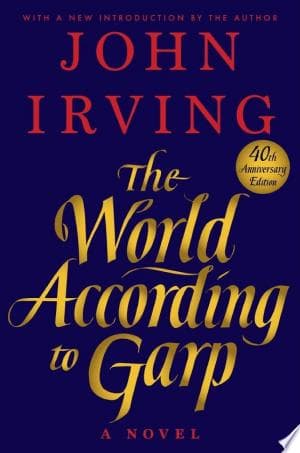
- The World According to Garp
John Irving
4.1 (205k) average on GoodreadsLiterary FictionBoth feature large, eccentric families and blend tragedy with dark humor.
- A Thousand Acres
Jane Smiley
3.8 (61k) average on GoodreadsLiterary FictionExplores the complexities and dysfunctions within a large American family, with a focus on paternal figures.
- Educated
Tara Westover
4.5 (796k) average on GoodreadsBiographyExplores themes of Mormon fundamentalism, family loyalty, and individual struggles within a strict religious upbringing.
- Under the Banner of Heaven
Jon Krakauer
4.0 (157k) average on GoodreadsBiographyKrakauer's non-fiction work also examines fundamentalist Mormonism, focusing on its violent extremist fringes. Udall's novel, by contrast, is a work of fiction that seeks to understand the lived experience of ordinary polygamists, albeit ones facing extraordinary challenges. While Krakauer provides a journalistic exposé, Udall offers an empathetic, character-driven narrative that explores the psychological and emotional complexities from within the community, rather than from an investigative, external perspective. Udall's approach, according to critics like James Wood, allows for a 'richer, more nuanced understanding of human motivation' than purely factual accounts (Wood, 2004, p. 8).
- The Old Man and the Sea
Ernest Hemingway
3.8 (831k) average on GoodreadsLiterary FictionA Cuban fisherman's long struggle with a giant marlin becomes a story of endurance and dignity, now retold for young adults with illustrations, phonetic guides, and writing prompts in Traditional Chinese.
- One Hundred Years of Solitude
Gabriel García Márquez
4.1 (753k) average on GoodreadsLiterary FictionThrough the multi-generational story of the Buendía family, a mythical town deals with the repeating patterns of time, love, and solitude, as the extraordinary mixes with the ordinary.




Enjoyed the summary?
A summary gives you the shape of the book. The book itself has the detail, the examples and the voice.
Find The Lonely Polygamist on AmazonAs an Amazon Associate, BookBrief earns from qualifying purchases. How we're funded