

Synopsis
Covers the whole plot, including the ending.
- Difficulty
- Medium
- Pacing
- Moderate
- Mood
- Atmospheric, Reflective, Poignant, Melancholy, Hopeful
- Read it if
- You appreciate rich, character-driven literary fiction with a strong sense of place and historical detail, exploring themes of family, love, and community across generations.
- Skip it if
- You prefer fast-paced plots or lighthearted narratives without significant emotional depth or historical context.
The Master Butchers Singing Club Plot Summary
Covers the whole plot, including the ending.
Fidelis's Return and Departure for America
After World War I, Fidelis Waldvogel returns to his German village a changed man. He carries the trauma of war, symbolized by his persistent cough and memories of fallen comrades. Staying true to a promise made to his dying best friend, Johannes, Fidelis marries Johannes's pregnant widow, Eva, who is initially cold. With few prospects in post-war Germany, Fidelis, a master butcher, decides to seek a new life in America. He, Eva, and their newborn son, Franz, travel across the Atlantic, carrying only essential belongings, including Fidelis's butcher's tools and a suitcase full of sausages, as they head for North Dakota.
Establishing Life in Argus
In Argus, North Dakota, Fidelis and Eva face the challenges of a new country. Fidelis quickly sets up his butcher shop, applying his meticulous skills. Eva, despite her initial reluctance, gradually adapts to their new home, raising their growing family which soon includes more sons: Erich, Markus, and Aloysius. They connect with the diverse residents of Argus, including the wise Native American woman, Mairzy, and the eccentric World War I veteran, Roy. Fidelis also starts the Master Butchers Singing Club, a male choir that becomes a central social outlet and source of camaraderie in the small town.
Delphine Watzka's Arrival
Delphine Watzka, an independent young woman, arrives in Argus, having left her life as a high-wire artist in a traveling circus. She is a striking figure, with her bright clothes and unconventional background, immediately drawing attention from the German community. Delphine takes up residence in the Waldvogels' attic, initially as a boarder, and quickly becomes an integral, if sometimes disruptive, presence in their lives. Her free spirit and mysterious past intrigue the town, especially the Waldvogel children. She forms an immediate connection with Eva, who finds a kindred spirit in Delphine's artistic sensibility and understanding of unspoken emotions, despite their different personalities.
The Developing Relationship Between Delphine and Eva
Delphine and Eva's relationship deepens into an unusual friendship. Eva, initially reserved and burdened by her past, finds solace and excitement in Delphine's presence. Delphine, in turn, is drawn to Eva's quiet strength and artistic flair, especially her talent for sewing and design. They share confidences, including Eva's lingering grief for Johannes and the circumstances surrounding her first pregnancy. Delphine becomes a confidante and emotional support for Eva, and her presence brings a spark of joy and adventure into the Waldvogel household, despite unspoken tensions that begin to brew beneath the surface, particularly concerning Fidelis.
Fidelis's Attraction to Delphine
As Delphine spends more time in the Waldvogel home, Fidelis is increasingly captivated by her vivacity, her unconventional beauty, and her independent spirit. Despite his deep love and loyalty to Eva, Delphine's presence stirs a dormant passion within him. This attraction is largely unspoken, shown in subtle glances, charged silences, and a heightened awareness of her movements. Eva, with her keen intuition, senses the growing tension and the unspoken connection between her husband and her friend. This creates an undercurrent of emotional complexity within the household, threatening the carefully constructed peace of the Waldvogel family, though no explicit infidelity occurs at this stage.
Roy's Obsession and Delphine's Past
Roy, the shell-shocked World War I veteran and a member of the singing club, develops an intense obsession with Delphine. His fascination borders on stalking, fueled by his mental instability and loneliness. Meanwhile, Delphine's past as a high-wire artist with the circus, and her complex relationship with her former partner, Cyprian, is gradually revealed. Cyprian, a charismatic but troubled man, reappears in Argus, further complicating Delphine's life and revealing her loyalty and the sacrifices she made. Her history with Cyprian and her circus life explain much of her wanderlust and her unique perspective on life and freedom, contrasting sharply with the settled life of Argus.
The Tragedy of Franz
A devastating tragedy strikes the Waldvogel family when their eldest son, Franz, dies in an accident. While playing near the train tracks, Franz is hit by a train. The loss of Franz, who was Johannes's biological son but raised by Fidelis, plunges the family into grief. Eva is particularly shattered, her quiet strength giving way to overwhelming sorrow. Fidelis, too, is deeply affected, struggling with guilt and the immense weight of his family's pain. This event tests the bonds of the family and community, and forces them to confront the fragility of life and the enduring nature of loss in their new homeland.
Eva's Decline and Death
After Franz's tragic death, Eva's spirit wanes. Her delicate health, exacerbated by multiple pregnancies and the emotional toll of her past and present sorrows, begins to fail. Despite Fidelis's devotion and Delphine's care, Eva dies. Her death is a profound loss for the Waldvogel family and the community of Argus. It leaves Fidelis a widower with four young sons, and Delphine heartbroken by the loss of her dear friend. Eva's passing marks a significant turning point in the novel, forcing Fidelis to re-evaluate his life and his future, and leaving a void that Delphine, in her own unique way, attempts to fill.
Fidelis and Delphine's Marriage
In the wake of Eva's death, and after a period of mourning, Fidelis and Delphine decide to marry. Their union, though born out of sorrow and necessity, also stems from the deep, unspoken connection that had developed between them. Delphine steps into the role of mother to Fidelis's four sons, a challenging but fulfilling task. Their marriage is unconventional, blending Fidelis's traditional German values with Delphine's independent spirit and circus-bred pragmatism. This new family dynamic means a major shift in the household, as Delphine brings her unique warmth and resilience to the boys, and Fidelis finds a new partner in life, further cementing her place in the Waldvogel legacy.
Roy's Desperate Act
Roy, whose obsession with Delphine had only intensified after Eva's death and Delphine's marriage to Fidelis, reaches a breaking point. In a desperate act, he attempts to abduct Delphine, leading to a violent confrontation. Fidelis intervenes to protect his wife, and in the ensuing struggle, Roy is gravely wounded. This traumatic event shatters the fragile peace of Argus and leaves lasting scars on Fidelis and Delphine. It shows the darker undercurrents of human passion and madness that can exist even in a quiet community, and forces the Waldvogels to confront the dangers that can arise from unchecked obsession and mental illness.
Life Continues and the Boys Grow
Despite the tragedies and challenges they face, life in Argus continues for the Waldvogel family. Fidelis and Delphine, bound by love and shared experiences, work to raise the boys. The four sons – Erich, Markus, and Aloysius, and later a new son with Delphine – grow and develop their own personalities. They experience the joys and heartbreaks of childhood and adolescence in small-town North Dakota, influenced by their German heritage, their American upbringing, and the unique presence of Delphine. The narrative tracks their individual journeys, their relationships with each other and their parents, and their eventual paths into adulthood, illustrating the enduring strength and adaptability of the family unit.
The Master Butchers Singing Club Endures
Throughout all the personal and communal upheavals, the Master Butchers Singing Club remains a steady presence in Argus. It continues to be a source of camaraderie, joy, and cultural connection for Fidelis and the other German men in town. The club's practice sessions and performances provide a rhythm to their lives, offering an outlet for shared heritage and a sense of belonging. The club symbolizes the enduring power of community, tradition, and the arts to provide solace and continuity amidst life's changes and sorrows. Its songs echo the triumphs and tribulations of the Waldvogels and the town, serving as a melodic backdrop to their collective story.
Reflections and Legacy
The novel concludes with a sense of time passing and the enduring legacy of Fidelis and Delphine's lives. It reflects on the power of memory, the complexities of love, and the impact of choices made across generations. The narrative revisits the themes of adaptation, resilience, and the intertwining of different cultures and pasts. The Waldvogel family, now expanded and matured, shows the ability to forge a new identity and find happiness even after immense loss. The final scenes offer a poignant look at how the past shapes the present and future, leaving readers with a sense of the cyclical nature of life and the quiet strength found in enduring love.
The Master Butchers Singing Club Characters
Fidelis Waldvogel
Protagonist
A master butcher and World War I veteran who seeks a new life in America.
Fidelis is a man of tradition, skill, and deep, quiet resilience. Haunted by his experiences in World War I, he carries a profound sense of duty and loyalty, evident in his marriage to Eva. He is meticulous in his craft as a butcher and finds solace and expression in music, leading the Master Butchers Singing Club. Fidelis is a man of few words but strong convictions, driven by a desire to provide for his family and build a stable life, even as he grapples with unexpected attractions and profound loss.
Relationships: Eva (First wife, initially a marriage of duty, evolving into deep affection and partnership.); Delphine Watzka (Second wife, a passionate and unconventional love that challenges his traditional values.); Franz, Erich, Markus, Aloysius (Sons, whom he loves deeply and strives to protect and provide for.)
Eva Waldvogel
Supporting
Fidelis's first wife, a quiet and artistic German widow burdened by loss.
Eva is a woman of quiet strength and hidden depths, initially reserved and melancholic due to the loss of her first love, Johannes, and the trauma of her pregnancy and the war. She possesses an artistic sensibility, particularly in her sewing and design. Despite her reserved nature, she forms a profound and unexpected bond with Delphine. Eva embodies the struggle of adapting to a new country while carrying the weight of her past, her inner life often expressed through her creations and subtle gestures.
Relationships: Fidelis (Husband, a bond of duty and growing affection, though tinged with unspoken feelings.); Delphine Watzka (Close friend and confidante, a deep and unique spiritual connection.); Franz (Her biological son with Johannes, whose death profoundly affects her.)
Delphine Watzka
Protagonist
A flamboyant former high-wire artist who brings vibrancy and unpredictability to Argus.
Delphine is an independent, spirited, and fiercely loyal woman. Her past as a circus performer has given her a unique perspective on life, marked by resilience, a love for beauty, and a pragmatic approach to hardship. She is vibrant, unconventional, and possesses an innate understanding of people. Delphine's arrival in Argus shakes up the quiet town, and her capacity for profound love and friendship, particularly with Eva, drives much of the narrative. She is a woman who embraces life with both hands, despite her own hidden sorrows.
Relationships: Eva (Deep, almost spiritual friendship, a soulmate connection.); Fidelis (Second wife, a passionate and enduring love that anchors her.); Cyprian (Former lover and circus partner, a complicated and intense past relationship.); Franz, Erich, Markus, Aloysius (Step-sons, whom she raises with love and a unique perspective.)
Roy
Antagonist
A shell-shocked World War I veteran with a disturbing obsession with Delphine.
Roy is a troubled and lonely World War I veteran whose experiences have left him mentally scarred and socially isolated. He is a member of the singing club, seeking a sense of belonging, but his internal demons manifest as an unhealthy obsession with Delphine. His character embodies the lasting psychological toll of war and the dangers of unchecked mental illness, serving as a dark counterpoint to the community's attempts at normalcy. His actions ultimately lead to violent conflict, highlighting the fragility of peace.
Relationships: Delphine Watzka (Object of his intense, unhealthy obsession.); Fidelis (Fellow veteran and singing club member, later his adversary.)
Cyprian
Supporting
Delphine's former circus partner and lover, a charismatic but troubled figure.
Cyprian is a charismatic and enigmatic figure from Delphine's past, a fellow high-wire artist who was her partner both professionally and romantically. He represents Delphine's former life of freedom and adventure, but also a darker, more volatile side. His reappearance in Argus stirs up old feelings and complicates Delphine's new life, revealing the depth of their shared history and the sacrifices Delphine made for him. He is a catalyst for Delphine to fully embrace her future, even as she acknowledges her past.
Relationships: Delphine Watzka (Former lover and circus partner, a bond of shared history and artistic collaboration.)
Mairzy
Supporting
A wise and observant Native American woman who offers insights and support.
Mairzy is a quiet, observant Native American woman who lives on the outskirts of Argus. She is a figure of wisdom and ancient knowledge, offering practical help and spiritual guidance to the Waldvogels and others in the community. She often provides a different perspective on events, rooted in her connection to the land and her heritage. Mairzy represents the indigenous presence in the landscape and acts as a grounding force, sometimes offering subtle warnings or comforting presences, particularly to Delphine.
Relationships: Delphine Watzka (A quiet but significant friendship, offering Delphine support and understanding.); Waldvogel family (A neighbor and source of occasional help and guidance.)
Franz Waldvogel
Supporting
Fidelis and Eva's eldest son, Johannes's biological child.
Franz is the first son born to Eva, biologically Johannes's child, but raised by Fidelis. He is a lively and curious boy, embodying the hope and innocence of the new generation. His presence initially connects Eva to her past and Fidelis to his promise. His tragic death is a pivotal event, plunging the family into deep grief and serving as a catalyst for significant shifts in the family dynamic.
Relationships: Eva (Biological son, deeply loved.); Fidelis (Adopted son, loved and cared for as his own.)
Erich, Markus, Aloysius Waldvogel
Supporting
Fidelis and Eva's younger sons, later raised by Delphine.
These three brothers represent the new generation of Waldvogels, born in America and embodying a blend of their German heritage and American upbringing. Each boy develops a distinct personality and outlook, influenced by their father's discipline, their mother's gentle spirit, and Delphine's unconventional warmth. Their growth from childhood to young adulthood provides a through-line for the passage of time in the novel, showing the enduring impact of their family's unique history and experiences.
Relationships: Fidelis (Father, a figure of authority and love.); Eva (Mother, a gentle and loving presence lost too soon.); Delphine Watzka (Step-mother, a loving and unconventional maternal figure.)
The Master Butchers Singing Club Themes
The Immigrant Experience and Assimilation
The novel portrays the challenges and triumphs of the immigrant experience. Fidelis and Eva leave behind their war-torn German village, bringing their culture, language, and traditions to the plains of North Dakota. They face the arduous task of building a new life from scratch, navigating cultural differences, and striving to find a sense of belonging in a diverse community. The Master Butchers Singing Club is an example of their efforts to preserve their heritage while integrating into American society. The boys, born in America, embody the blending of these two worlds, showing the gradual process of assimilation and the formation of a new identity.
“He understood that his new country was not a place, but a process.”
Love, Loss, and Grief
At its heart, the story explores love in its various forms—duty, passion, friendship—and the impact of loss and grief. Fidelis's marriage to Eva is initially one of duty, evolving into deep affection, while his love for Delphine is a more passionate, unconventional bond. The novel delves into Eva's enduring grief for Johannes and the devastating loss of Franz, which shapes the family's trajectory. These experiences highlight the resilience of the human spirit in the face of sorrow and the complex ways individuals cope with and carry their losses throughout their lives.
“Grief was a country no one could leave.”
The Power of Community and Connection
Despite individual struggles, the novel emphasizes the role of community in providing support, identity, and solace. The Master Butchers Singing Club is a central hub for the German immigrants, offering camaraderie, cultural expression, and a sense of belonging. The diverse residents of Argus—from Mairzy to Roy—form a web of relationships that sustain and challenge the characters. These connections, whether through shared heritage, friendship, or mutual assistance, demonstrate how a community can help individuals endure hardship and build a collective future in a new land.
“In this small town, everyone knew everyone else's business, which was sometimes a burden, but more often a comfort.”
The Weight of the Past
The past casts a long shadow over the characters, particularly Fidelis and Eva, who carry the trauma of World War I and their previous lives in Germany. Fidelis is haunted by the horrors he witnessed, while Eva struggles with the ghost of Johannes and the circumstances of Franz's birth. Delphine, too, has a complex past as a circus performer, which shapes her independent spirit and her understanding of life's precariousness. The novel illustrates how historical events and personal histories influence present decisions, relationships, and the characters' sense of self, often resurfacing in unexpected ways.
“The war was always with him, a ghost in his bones.”
Artistry and Craft
The novel celebrates the beauty and meaning found in skilled craftsmanship and artistic expression. Fidelis's meticulous work as a master butcher is portrayed with reverence, highlighting his dedication and precision. Eva's talent for sewing and design, especially her exquisite dresses and costumes, becomes an outlet for her creativity and a source of quiet joy. Delphine's past as a high-wire artist speaks to the artistry of movement and the pursuit of beauty. The Master Butchers Singing Club shows the power of music to bring people together, express emotion, and preserve cultural identity, showing how art enriches and sustains human life.
“The knife was an extension of his hand, a tool of creation as much as destruction.”
Plot Devices & Literary Techniques
The Master Butcher's Knives
A symbol of skill, heritage, and Fidelis's identity.
Fidelis's set of master butcher's knives are not merely tools; they are potent symbols of his identity, his profession, and his German heritage. Carried from the Old World to the New, they represent his skill, his ability to provide, and his connection to tradition. The knives are meticulously cared for, reflecting Fidelis's precision and dedication. They underscore his role as a creator and sustainer, even in a new and challenging environment, and are a constant reminder of his roots and his craft.
The Master Butchers Singing Club
A community hub and symbol of cultural preservation and camaraderie.
The singing club serves as a central gathering place for the German immigrants in Argus, providing a vital sense of community and connection. Beyond its literal function as a choir, it symbolizes the characters' efforts to preserve their cultural heritage and find solace and expression in a new land. The club fosters camaraderie, allows for the sharing of joys and sorrows, and acts as a constant, rhythmic backdrop to the unfolding narrative, representing the enduring power of shared tradition and collective identity amidst change.
Delphine's High-Wire Act
A metaphor for Delphine's life and the precariousness of existence.
Delphine's past as a high-wire artist functions as a powerful metaphor throughout the novel. It represents her courage, her independence, her ability to navigate difficult situations with grace and balance, and her comfort with living on the edge. It also symbolizes the precariousness of life itself, the constant need for balance, and the risks inherent in love and connection. Her ability to walk the wire reflects her emotional resilience and her unique, often daring, approach to life's challenges, contrasting with the more grounded lives of others.
The North Dakota Landscape
A character in itself, reflecting the harshness and beauty of a new life.
The vast, often harsh landscape of North Dakota is more than just a setting; it acts as a character in the novel. Its extreme weather, expansive plains, and isolation mirror the challenges and opportunities faced by the immigrants. The landscape forces adaptation and resilience, demanding practical skills for survival while also offering moments of stark beauty and quiet contemplation. It symbolizes the new, untamed frontier that Fidelis and Eva must conquer, and its rhythms often reflect the emotional states and struggles of the characters.
The Suitcase of Sausages
A symbol of hope, practicality, and the enduring taste of home.
When Fidelis and Eva emigrate, they bring a suitcase filled with sausages. This seemingly small detail is rich with symbolism. It represents Fidelis's practical nature and his foresight, but also the enduring taste of home and the hope of carrying a piece of their old life into the new. The sausages are a tangible link to their German heritage, a comfort in the unfamiliar, and a testament to the simple necessities that sustain life and hope even in the most daunting of journeys.
The Master Butchers Singing Club Quotes
“Each of us is a book written by God, and each of us has a purpose.”
“Love is not a dream. It is a terrible hunger.”
“The past is not dead, it is not even past.”
“There are no ordinary lives. Only lives we don't know enough about.”
“Sometimes the only way to endure is to sing.”
“The world was a place of constant, marvelous invention, and also of constant, marvelous destruction.”
“Grief is a house where the walls are made of mirrors.”
“There is a kind of freedom in having nothing left to lose.”
“Memory is a tricky thing. It can be a comfort, or a torment.”
“The land remembers. It remembers what happened here.”
“A good butcher knows the secret life of things.”
“Sometimes you just have to keep moving, even when you don't know where you're going.”
“The weight of a secret is heavier than the weight of truth.”
Quiz
10 questions on the plot and the characters. Each answer comes with a short explanation.
Question 1
Which specific item does Fidelis Waldvogel bring with him to America that symbolizes his profession and new beginnings?
- A family heirloom pocket watch
- A suitcase full of sausages and a master butcher's knife set
- A collection of rare German coins
- The deed to his ancestral home
Show answer
B. A suitcase full of sausages and a master butcher's knife set Fidelis arrives in America with a suitcase of sausages and his precious knife set, essential tools for establishing his butchery business.
Question 2
What is the name of the North Dakota town where Fidelis Waldvogel establishes his business and home?
- Bismarck
- Fargo
- Argus
- Minot
Show answer
C. Argus The novel explicitly states that Fidelis builds his life and business in Argus, North Dakota.
Question 3
Who is Eva in relation to Fidelis Waldvogel?
- His sister who travels with him
- The pregnant widow of his best friend, whom he marries
- A customer who becomes his business partner
- His childhood sweetheart from Germany
Show answer
B. The pregnant widow of his best friend, whom he marries After World War I, Fidelis returns to his village and marries Eva, the pregnant widow of his best friend who was killed in action.
Question 4
What is the primary purpose of the 'singing club' that Fidelis forms in Argus?
- To teach local children German folk songs
- To provide a social outlet and maintain a connection to German culture for the men
- To raise money for the town's church renovations
- To compete in regional singing competitions
Show answer
B. To provide a social outlet and maintain a connection to German culture for the men The singing club serves as a community for men with good voices, allowing them to share camaraderie and cultural heritage through song in their new American home.
Question 5
How does Delphine Watzka initially encounter Fidelis and Eva?
- She moves into the house next door to them
- She is a new customer at Fidelis's butcher shop
- She meets Eva first and is enchanted by her, then meets Fidelis.
- She is introduced to them at a town social event.
Show answer
C. She meets Eva first and is enchanted by her, then meets Fidelis. The synopsis states that Delphine meets Eva and is enchanted, and then meets Fidelis, leading to significant encounters.
Question 6
What significant personal event occurs for Fidelis before he leaves his German village for America?
- He inherits a large sum of money from a distant relative.
- He survives World War I and marries Eva, the pregnant widow of his best friend.
- He completes an apprenticeship with a renowned master chef.
- He is forced to leave due to political unrest in his village.
Show answer
B. He survives World War I and marries Eva, the pregnant widow of his best friend. The narrative begins with Fidelis having survived WWI and subsequently marrying Eva before embarking on his journey to America.
Question 7
The phrase 'where butchers sing like angels' suggests which thematic element is prominent in the novel?
- The brutal reality of the meatpacking industry
- The unexpected beauty and artistry found in ordinary lives and professions
- A literal choir composed entirely of butchers
- The religious devotion of the main characters
Show answer
B. The unexpected beauty and artistry found in ordinary lives and professions The phrase implies that even in a seemingly mundane or gritty profession like butchery, there can be profound beauty, artistry, and unexpected grace, highlighting a theme of finding depth in everyday life.
Question 8
How does the encounter between Delphine Watzka and Fidelis Waldvogel impact the story's trajectory?
- It leads to a business partnership that expands Fidelis's butcher shop.
- It marks the beginning of 'the great adventure of Fidelis's life' and determines the course of Delphine's life.
- It causes a major conflict within the singing club, leading to its dissolution.
- It results in Delphine leaving Argus to pursue a career in music.
Show answer
B. It marks the beginning of 'the great adventure of Fidelis's life' and determines the course of Delphine's life. The synopsis explicitly states, 'These momentous encounters will determine the course of Delphine's life, and the trajectory of this brilliant novel,' indicating a profound and life-altering impact.
Question 9
The novel's setting transitions from a 'quiet German village' to Argus, North Dakota. What thematic contrast does this geographical shift most likely emphasize?
- The superiority of European culture over American culture.
- The challenges and opportunities associated with immigration and adapting to a new world.
- The universal nature of small-town life, regardless of location.
- The decline of traditional crafts in the modern era.
Show answer
B. The challenges and opportunities associated with immigration and adapting to a new world. The move from the 'Old World' to the 'New' for Fidelis, a German immigrant, strongly emphasizes the theme of immigration, cultural adaptation, and the process of building a new life in a foreign land.
Question 10
What broader historical period is implicitly referenced as a shaping force in Fidelis Waldvogel's early life, prompting his eventual move to America?
- The Great Depression
- World War II
- World War I
- The Cold War
Show answer
C. World War I The synopsis explicitly states that Fidelis 'Having survived World War I, Fidelis Waldvogel returns to his quiet German village,' indicating this war as a pivotal event preceding his immigration.
The Master Butchers Singing Club FAQ
What prompts Fidelis Waldvogel to leave Germany and immigrate to America?
Fidelis decides to leave Germany after World War I, marrying Eva, the pregnant widow of his fallen best friend. Seeking a fresh start and new opportunities for his unconventional family, he carries his butchering skills and the hope of a better life to Argus, North Dakota, to establish his trade.
Who is Delphine Watzka and what is her initial role in the story?
Delphine Watzka is a spirited and independent young woman who arrives in Argus, North Dakota, as part of a traveling performance troupe with her father, Cyprian. She initially captivates the town with her beauty and charisma, particularly drawing the attention of both Fidelis and Eva Waldvogel, setting the stage for significant emotional entanglements.
How does the Master Butchers Singing Club contribute to Fidelis's life and the community?
The Master Butchers Singing Club provides Fidelis with a sense of camaraderie and a connection to his German heritage in America. It's a place where men can share their voices and their struggles, offering him a much-needed outlet for expression and a means to integrate into the Argus community beyond his business.
What is the nature of the relationship between Delphine and Eva Waldvogel?
Delphine and Eva develop a complex and initially affectionate bond, marked by Eva's fascination with Delphine's vivacity and Delphine's admiration for Eva's quiet strength. Their relationship evolves from friendship into a deeper, unspoken intimacy, complicated by their shared connection to Fidelis.
What significant event marks a turning point in Delphine's life and her relationship with the Waldvogels?
A pivotal moment occurs when Delphine is brutally attacked, leading to her being taken in by the Waldvogel family. This event solidifies her place within their household and deepens her emotional ties, particularly with Eva, while also intensifying the unspoken tensions and desires within the family dynamic.
What is the significance of the precious knife set Fidelis brings from Germany?
Fidelis's knife set represents his craft, his identity as a master butcher, and a tangible link to his past and German heritage. It symbolizes his skill and dedication, serving as the foundation of his new life in America and embodying the precision and artistry of his trade.
Are there any subtle hints about Eva's past or her true feelings about her marriage to Fidelis?
Eva's quiet demeanor and occasional moments of melancholy subtly suggest a lingering attachment to her first husband, or perhaps a sense of duty rather than passionate love for Fidelis. Her deep connection with Delphine also hints at emotional needs not fully met within her marriage, revealing a more complex inner life.
What is the underlying tension between Fidelis and Cyprian Watzka, Delphine's father?
The tension between Fidelis and Cyprian Watzka stems from Cyprian's transient lifestyle and his eventual abandonment of Delphine, contrasting sharply with Fidelis's grounded, responsible nature. Fidelis disapproves of Cyprian's choices, which ultimately leave Delphine vulnerable and reliant on the Waldvogels, creating a silent judgment between the two men.
What role do the four Waldvogel sons play in the unfolding family drama?
The four Waldvogel sons—Franz, Otto, Erich, and Markus—serve as witnesses to the complex adult relationships and embody the blending of German heritage with American upbringing. Their individual personalities emerge, reflecting the different facets of their parents' lives and the evolving family dynamics, particularly their reactions to Delphine's presence.
How does Fidelis's experience in World War I impact his personality and decisions?
Fidelis's World War I experience leaves him with a profound sense of duty, resilience, and a quiet stoicism. His survival shapes his determination to build a stable life, but it also instills a certain emotional reserve, influencing his interactions with Eva and Delphine and his capacity for expressing deeper feelings.
Analyze Eva's psychological journey throughout the novel, particularly concerning her relationship with Delphine.
Eva's psychological journey is one of quiet yearning and suppressed desire. Her initial maternal affection for Delphine evolves into a complex emotional bond, possibly a romantic one, reflecting her longing for connection and understanding beyond the confines of her marriage. Her inner world is often unspoken but deeply felt, manifesting in her protective instincts towards Delphine.
How does Delphine's independence and free spirit clash with the expectations of women in Argus, North Dakota, during that era?
Delphine's independence and free spirit are a stark contrast to the more conventional expectations for women in 1920s Argus, North Dakota. Her past as a performer and her uninhibited nature challenge societal norms, leading to both admiration and judgment from the community, and setting her apart from the more traditional homemakers.
Discuss the psychological impact of secrets and unspoken desires within the Waldvogel household.
The Waldvogel household is permeated by unspoken desires and hidden secrets, particularly the complex feelings between Fidelis, Eva, and Delphine. This creates a palpable psychological tension, leading to misunderstandings, emotional distance, and a sense of underlying unease, shaping the characters' individual coping mechanisms and their interactions.
Is Fidelis a sympathetic character, despite his flaws and complicated relationships?
Fidelis is largely a sympathetic character, driven by a desire to provide and protect his family, despite his emotional shortcomings and the complexities of his relationships. His dedication to his craft, his resilience in establishing a new life, and his quiet struggles make him relatable, even as his actions cause pain.
How does the novel explore themes of identity and belonging for immigrants in America?
The novel explores themes of identity and belonging through Fidelis's struggle to maintain his German heritage while assimilating into American life. The Master Butchers Singing Club symbolizes his desire to preserve his cultural identity, while his efforts to build a business and home reflect his drive to belong and establish roots in a new land.
What is the ultimate fate or resolution for Eva and Delphine's relationship?
The ultimate fate of Eva and Delphine's relationship remains complex and somewhat ambiguous, characterized by an enduring, unspoken bond that transcends conventional definitions. While their initial intimacy shifts due to life's circumstances, a deep connection and mutual understanding persist, leaving a lasting impact on both women.
Does the novel suggest that true happiness is attainable for its characters, given their difficult circumstances?
The novel suggests that true happiness is not easily attainable but can be found in fleeting moments of connection, purpose, and resilience amidst difficult circumstances. While characters face profound challenges and heartbreak, their capacity for love, work, and community offers glimpses of contentment, even if not a perfect, lasting happiness.
How does the setting of Argus, North Dakota, influence the characters' lives and the story's overall tone?
The isolated, often harsh setting of Argus, North Dakota, profoundly influences the characters' lives, fostering a sense of resilience, community, and sometimes confinement. The vast plains and challenging environment contribute to a tone of quiet endurance, while also highlighting the characters' determination to forge a life in a new, demanding landscape.
About the author

Karen Louise Erdrich is an American author of novels, poetry, and children's books featuring Native American characters and settings. She is an enrolled member of the Turtle Mountain Band of Chippewa Indians, a federally recognized tribe of Ojibwe people.
Similar books
- Housekeeping
Marilynne Robinson
3.8 (44k) average on GoodreadsLiterary FictionExplores themes of family, loss, and the beauty of ordinary lives in a lyrical, character-focused style.
- Gilead (Oprah's Book Club)
Marilynne Robinson
3.9 (126k) average on GoodreadsFictionOffers a contemplative, deeply moving look at life, faith, and community in a small American town.
- A Tree Grows in Brooklyn
Betty Smith
4.3 (388k) average on GoodreadsHistorical FictionDepicts the struggles and triumphs of an immigrant family with warmth and honesty, focusing on character development and everyday life.
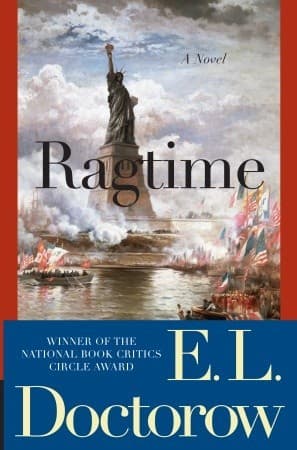
- Ragtime
E.L. Doctorow
3.9 (38k) average on GoodreadsLiterary FictionDoctorow's Ragtime offers a broader, more panoramic scope of early 20th-century American history and immigration, incorporating historical figures and grand societal movements. Erdrich's novel, conversely, focuses on the intimate lives of a small community, using personal stories to illuminate larger historical forces rather than a wide societal canvas.
- Middlesex
Jeffrey Eugenides
4.0 (581k) average on GoodreadsLiterary FictionWhile Eugenides's Middlesex presents a multi-generational immigrant saga with a strong sense of place, Erdrich's "The Master Butchers Singing Club" is more concentrated on the immediate psychological aftermath of a specific historical trauma (WWI) and its reverberations through individual lives, rather than the expansive sweep of an entire family's genetic and historical journey across generations.
- The Old Man and the Sea
Ernest Hemingway
3.8 (831k) average on GoodreadsLiterary FictionA Cuban fisherman's long struggle with a giant marlin becomes a story of endurance and dignity, now retold for young adults with illustrations, phonetic guides, and writing prompts in Traditional Chinese.





Enjoyed the summary?
A summary gives you the shape of the book. The book itself has the detail, the examples and the voice.
Find The Master Butchers Singing Club on AmazonAs an Amazon Associate, BookBrief earns from qualifying purchases. How we're funded