

Synopsis
Covers the whole plot, including the ending.
- Difficulty
- Medium
- Pacing
- Moderate
- Mood
- Atmospheric, Epic, Melancholy, Mystical, Introspective
- Read it if
- You want a sweeping, character-driven epic that delves deep into the psychological and emotional lives of the women behind the Arthurian legends, offering a feminist and pagan perspective.
- Skip it if
- You prefer traditional heroic narratives focused solely on male knights, or are looking for a fast-paced, action-heavy fantasy.
The Mists of Avalon Plot Summary
Covers the whole plot, including the ending.
The Training of Morgaine
Young Morgaine, daughter of Igraine and Gorlois, is taken to the Isle of Avalon by her aunt, Viviane, the Lady of the Lake. This happens after her father Gorlois dies and her mother Igraine marries Uther Pendragon, Morgaine's stepfather. Viviane sees strong magic in Morgaine and plans to train her as a priestess of the Great Goddess, to keep the Old Ways alive. Morgaine, at first resistant and missing her mother, slowly adapts to the strict spiritual and magical training under Viviane and the High Priestess, Taliesin. She learns about ancient gods, elements, and Avalon's sacred rituals, preparing her to protect the Goddess's traditions against the growing Christian faith.
The Dragon Ritual and Arthur's Conception
As a young priestess in training, Viviane chooses Morgaine for the sacred Beltane ritual, the Great Rite, meant to bring fertility and prosperity to Britain. Under powerful spells and disguised as the May Queen, she unites with the May King, a figure chosen to embody the land's spirit. Unknown to her, the May King is her half-brother, Arthur, Uther's son and heir, also brought to Avalon for a similar ritual by Viviane. This ritual, meant to connect him to the land and the Goddess, leads to Morgaine conceiving a child, Mordred. This incestuous union, though sacred in Avalon, causes deep shame and confusion for Morgaine once their identities are revealed, hinting at future conflicts.
Gwenhwyfar's Arrival and Christian Influence
Gwenhwyfar, a beautiful and devout Christian princess, arrives in Camelot to marry Arthur and become his queen. Her strong faith immediately creates tension with the pagan traditions and Avalon's influence. She finds Camelot's customs, especially the celebrations and pagan symbols, unsettling. Gwenhwyfar's inability to have children causes her constant worry and guilt, making her believe it is a punishment from God. She struggles with her perceived failures as a queen and her inability to give Arthur an heir, which deepens her religious devotion and pushes her to promote Christianity in the kingdom, often opposing Morgaine and Viviane.
Morgaine's Exile and Mordred's Upbringing
After learning her son Mordred's parents are Arthur and herself, Morgaine feels alienated and ashamed. She leaves Camelot and entrusts baby Mordred to her aunt, Morgause, the Queen of Orkney. Morgause, a clever and ambitious woman, raises Mordred with deep resentment towards Arthur, fueling his desire to take the throne. She manipulates Mordred, convincing him he is Britain's rightful heir, conceived in the sacred Dragon ritual. This upbringing by Morgause shapes Mordred into a strong, though ruthless, contender for power, setting up his eventual conflict with Arthur and Camelot's destruction.
Lancelot's Divided Loyalties
Sir Lancelot, Arthur's closest friend and greatest knight, develops an intense, unspoken love for Queen Gwenhwyfar. Despite his loyalty to Arthur and his vow of chastity, he is deeply drawn to Gwenhwyfar's beauty and piety. Gwenhwyfar, in turn, feels strongly for Lancelot, seeing in him a purity and devotion she values. Their mutual attraction creates a deep inner conflict for both, leading to a strained relationship where they fight their desires against their duties and religious beliefs. This forbidden love becomes a quiet tension in Camelot, eventually contributing to the kingdom's downfall as it weakens the trust and loyalty Arthur's reign is built upon.
The Quest for the Holy Grail
Driven by a vision and Gwenhwyfar's strong Christian influence, Arthur's knights begin the Quest for the Holy Grail. This quest is filled with Christian symbolism and a search for spiritual purity, moving away from older pagan traditions. Many knights, including Lancelot and Percival, commit to this difficult spiritual journey, leaving Camelot vulnerable. The quest, while noble in its Christian aim, further divides the kingdom, shifting focus from earthly rule to spiritual pursuits. It shows the growing split between Camelot's Christian ideals and Avalon's fading pagan beliefs, as the knights seek a relic of Christ instead of the Goddess's sacred objects.
Morgaine's Return and Attempts to Preserve Avalon
Morgaine, having gained more power and wisdom as a priestess, returns to Camelot, hoping to sway Arthur to remember his roots in the Goddess and to balance Christian faith with the Old Ways. She tries to remind him of the sacred promise he made to the land and the Goddess in his youth. However, she finds herself increasingly isolated and marginalized by Gwenhwyfar's Christian influence and Arthur's growing devotion to the new religion. Morgaine's attempts to preserve Avalon's traditions are met with suspicion and fear, as the Christian court sees her magic and beliefs as demonic. She struggles to keep a place for the Goddess in a kingdom quickly embracing Christ.
The Fall of Camelot and Mordred's Betrayal
Mordred, raised with a strong claim to Arthur's throne, eventually starts a full rebellion against his father. Driven by Morgause's manipulations and his own sense of entitlement, Mordred uses the growing unrest and moral decay in Camelot, especially the scandal of Lancelot and Gwenhwyfar's affair. The kingdom is weakened by internal conflict, the Grail Quest's draining of its best knights, and the religious split. Mordred's rebellion ends in the Battle of Camlann, where he faces Arthur directly. This battle destroys Arthur's dream of a unified Britain and marks the end of an era.
The Death of Arthur and the Passing of Avalon
In the Battle of Camlann, Arthur is mortally wounded by Mordred, who also dies. Morgaine, seeing the destruction and the failure of her attempts to unite the old and new worlds, takes her dying half-brother to Avalon's shores. With the help of the remaining priestesses, she carries him through the mists to the sacred isle, where he can find peace and healing, or a final resting place, in the Goddess's heart. This act shows Morgaine's lasting, complex love for Arthur and her dedication to the Old Ways. As Arthur passes into Avalon, the mists around the island become impenetrable, signaling the final retreat of the Goddess and ancient magic from the visible world, leaving Britain to Christianity.
Morgaine's Legacy and the End of an Era
After Arthur's death and Avalon's retreat into the mists, Morgaine remains as one of the last true priestesses of the Goddess. She reflects on her life's events, her love for Arthur, her sorrow over Mordred, and her constant fight to preserve the ancient religion. While she acknowledges Christianity's triumph, she finds a quiet strength in knowing the Goddess lives on in some hearts, even if hidden. Morgaine accepts her role as the last Lady of Avalon, a keeper of memory and faith, even as the world around her changes. Her journey ends with a bittersweet understanding of loss, resilience, and the lasting power of myth and belief, as the age of magic gives way to the age of humanity.
The Mists of Avalon Characters
Morgaine
Protagonist
A powerful priestess of Avalon and Arthur's half-sister.
Morgaine is the central protagonist, a complex and often conflicted woman. Born to Igraine and Gorlois, she is taken to Avalon by Viviane and trained as a priestess of the Great Goddess. She is intelligent, deeply spiritual, and possesses formidable magical abilities. Her life is a constant struggle to reconcile her love for Arthur and her duty to Avalon with the encroaching Christian faith and the political machinations of Camelot. She is driven by a fierce desire to preserve the Old Ways and a profound, if sometimes painful, connection to her family and the land.
Relationships: Arthur (Half-brother, lover (through ritual), king, adversary, complex love); Viviane (Aunt, mentor, spiritual mother); Gwenhwyfar (Rival, spiritual opponent); Mordred (Son, source of both love and sorrow); Igraine (Mother, distant and often misunderstood)
Arthur Pendragon
Protagonist/Supporting
The legendary King of Britain, torn between ancient and new faiths.
Arthur is the son of Uther Pendragon and Igraine, and Morgaine's half-brother. He is depicted as a charismatic, honorable, and well-intentioned king who genuinely desires peace and unity for Britain. He is initially open to the pagan traditions of Avalon, having been blessed by Viviane and participating in the Great Rite. However, he is increasingly swayed by Gwenhwyfar's Christian piety and the political expediency of adopting the new faith. His central conflict lies in his inability to fully reconcile the two religions, leading to the gradual erosion of his power and the eventual downfall of his kingdom.
Relationships: Morgaine (Half-brother, lover (through ritual), king, complex love); Gwenhwyfar (Wife, source of both love and religious conflict); Lancelot (Closest friend, most trusted knight, ultimately betrayed by); Viviane (Mentor, spiritual guide); Mordred (Son, ultimate adversary)
Gwenhwyfar
Antagonist/Supporting
Arthur's devout Christian queen, who champions the new faith.
Gwenhwyfar is Arthur's beautiful, pious, and often fanatical queen. Her deep Christian faith is a dominant force in her life, leading her to view paganism with suspicion and fear. She is a figure of both strength and vulnerability, tormented by her barrenness and convinced it is a punishment from God. Her devotion to Lancelot, despite her marriage to Arthur, causes immense internal conflict and guilt. Gwenhwyfar's influence on Arthur is significant, as she pushes him towards a fully Christian kingdom, inadvertently contributing to the schism that weakens Camelot.
Relationships: Arthur (Husband, object of her devotion and guilt); Lancelot (Forbidden love, source of immense guilt and desire); Morgaine (Rival, spiritual opponent); God (Central to her life, source of comfort and torment)
Viviane
Supporting
The powerful and enigmatic Lady of the Lake, High Priestess of Avalon.
Viviane is the High Priestess of Avalon and the Lady of the Lake, a formidable and wise figure. She is Morgaine's aunt and mentor, and a central guardian of the Old Ways. Viviane is a strategic and often ruthless leader, making difficult decisions for the survival of the Goddess's religion, including orchestrating the Great Rite that results in Mordred's conception. She is deeply committed to maintaining the balance between the human and spiritual worlds, and to ensuring the continuity of the ancient magic, even as she foresees its inevitable decline. Her actions are always driven by a profound love for Avalon and its traditions.
Relationships: Morgaine (Niece, spiritual successor, protege); Arthur (Spiritual guide, protector in his youth); Merlin (Fellow priest/priestess, confidante, sometimes rival); Igraine (Sister, distant and estranged)
Lancelot
Supporting
Arthur's greatest knight, tormented by his love for Gwenhwyfar.
Sir Lancelot is portrayed as the epitome of chivalry, Arthur's most trusted knight, and a man of great honor and skill. However, he is deeply flawed by his passionate, forbidden love for Queen Gwenhwyfar. This internal conflict between his loyalty to Arthur, his religious vows, and his overwhelming desire for Gwenhwyfar makes him a tragic figure. He struggles with guilt and self-loathing, often fleeing Camelot in an attempt to escape his feelings, but is always drawn back. His affair with Gwenhwyfar ultimately becomes a major catalyst for the unraveling of Arthur's kingdom.
Relationships: Arthur (King, best friend, object of his loyalty and eventual betrayal); Gwenhwyfar (Forbidden love, source of his greatest joy and sorrow); Morgaine (Brief lover, friend, confidante); Elaine (Wife, mother of his children)
Mordred
Antagonist
Morgaine and Arthur's son, raised to usurp the throne.
Mordred is the son of Morgaine and Arthur, conceived in the sacred Beltane ritual. He is raised by Morgause, who instills in him a bitter resentment towards Arthur and a conviction that he is the rightful heir to the throne. Mordred is intelligent, cunning, and ambitious, embodying the destructive forces of ambition and unresolved grievances. He sees himself as a champion of the Old Ways, but his methods are manipulative and cruel. He ultimately becomes Arthur's greatest enemy, leading the rebellion that brings about the downfall of Camelot and the death of his father.
Relationships: Morgaine (Mother, complex and often distant relationship); Arthur (Father, ultimate enemy); Morgause (Aunt, manipulative mentor); Nimue (Lover, accomplice)
Morgause
Supporting
Morgaine's ambitious and manipulative aunt, Queen of Orkney.
Morgause is Igraine's sister and Morgaine's aunt, a cunning and ambitious woman who desires power and influence. She lacks the true spiritual connection to Avalon that Viviane and Morgaine possess, instead using magic for personal gain and political maneuvering. She raises Mordred, poisoning his mind against Arthur and fostering his ambition to seize the throne. Morgause is a master manipulator, often working behind the scenes to stir up dissent and advance her own agenda, embodying the corrupting influence of power when untethered from spiritual principle.
Relationships: Morgaine (Niece, often at odds with); Igraine (Sister, estranged); Mordred (Nephew, protege, instrument of her ambition); King Lot (Husband)
Igraine
Supporting
Morgaine's mother and Arthur's mother, a woman caught between two worlds.
Igraine is a pivotal figure, mother to both Morgaine (with Gorlois) and Arthur (with Uther). She is a woman of noble birth, initially connected to the Old Ways through her sister Viviane, but she chooses a more conventional life. She struggles with her responsibilities as a mother and queen, often feeling powerless in the face of destiny and the machinations of others. Igraine represents the generation caught between the fading pagan world and the rising Christian one, often making choices that lead to unintended consequences for her children.
Relationships: Morgaine (Daughter, complex and often strained); Arthur (Son, beloved); Gorlois (First husband); Uther Pendragon (Second husband, King); Viviane (Sister, often at odds with)
Merlin
Supporting
The chief priest of Britain, a powerful mage and keeper of ancient knowledge.
Merlin is not a single individual but a title, held by the chief priest of Britain, a powerful mage and keeper of ancient knowledge. The Merlin in the story, Taliesin, is a wise and ancient figure, deeply connected to the land and its pagan traditions. He serves as an advisor to Uther and Arthur, attempting to guide them to honor the Goddess and maintain the balance of faiths. He often works in concert with Viviane, sharing the burden of preserving the Old Ways. His role is to interpret omens, perform rituals, and use his magic for the good of Britain, even as he recognizes the inevitable decline of his world.
Relationships: Viviane (Fellow priest/priestess, confidante, collaborator); Arthur (Advisor, spiritual guide); Morgaine (Fellow priestess, sometimes student)
The Mists of Avalon Themes
The Conflict Between Paganism and Christianity
This is the main theme, exploring the conflict between the ancient, nature-based religion of the Goddess (Avalon) and the patriarchal, monotheistic faith of Christianity (Camelot). The book shows the decline of the Old Ways as Christianity becomes dominant, and how this conflict affects people like Arthur and Morgaine, ultimately destroying the unified kingdom. Scenes like Gwenhwyfar's prayers and her insistence on Christian symbols in Camelot contrast with Morgaine's rituals on Avalon and her attempts to remind Arthur of his pagan promises, showing the deep differences that tear society apart.
“For the Christian God was a jealous God, and he would not share his altar with the Goddess, nor his worship with the ancient rites.”
The Power and Subjugation of Women
The novel reclaims the Arthurian legend by focusing on the powerful women behind the men, looking at their agency, wisdom, and suffering in a patriarchal society. Women like Viviane, Morgaine, and Igraine have great power, both magical and political, yet they are often limited by societal expectations, male ambition, and the growing Christian doctrine that lessens female spiritual authority. The book explores how their power is both celebrated in Avalon and feared/suppressed in Christian Camelot, showing the loss of female spiritual leadership as the Old Ways fade. Morgaine's entire life shows this struggle, from her training as a priestess to her marginalization in Arthur's Christian court.
“We are the mothers, and we are the daughters, and we are the priestesses, and we are the Queens. And they cannot live without us, though they would try to forget it.”
Destiny vs. Free Will
The story constantly deals with the idea of fate and whether characters can truly escape their predetermined roles. Many characters, especially those from Avalon, believe in a grand plan set by the Goddess. Viviane's manipulation of events, such as the Great Rite, is driven by a belief in fulfilling prophecy and ensuring the Old Ways' survival. However, characters like Morgaine and Arthur often fight against what seems fated, making choices that sometimes align with, and sometimes defy, their destiny. The tragic outcomes, like the Battle of Camlann, raise questions about whether these events were inevitable or the result of individual choices and failures to reconcile opposing forces.
“It is not for us to choose our destinies, but only how we shall meet them.”
Love, Loyalty, and Betrayal
These personal connections form the emotional center of the story, driving much of the plot. The complex relationships—Arthur's love for Gwenhwyfar, Lancelot's forbidden love for Gwenhwyfar, Morgaine's many-sided love for Arthur, and Mordred's twisted love/hatred for his father—explore the destructive power of conflicting loyalties and desires. The betrayal of Arthur by Lancelot and Gwenhwyfar, and by Mordred, breaks the Round Table and leads to the kingdom's collapse. Even within Avalon, betrayals of trust and purpose are clear, showing how personal failings contribute to wider societal downfall.
“There are some loves that can never be spoken, and some loyalties that are a bitter poison.”
The Loss of Magic and the Ancient World
A sense of sadness fills the novel as it tracks the gradual fading of magic and the spiritual connection to the land. Avalon, once strong and influential, slowly withdraws into the mists, becoming unreachable as the Christian world takes hold. This theme is seen in Morgaine's lifelong fight to keep the Old Ways alive and her eventual acceptance of their retreat. The loss is not just about magic but about a way of life, a respect for nature, and a spiritual understanding replaced by a more rigid, dogmatic faith. The mists themselves become a strong symbol of this fading enchantment.
“The mists were gathering, not just around Avalon, but around the hearts of men.”
Plot Devices & Literary Techniques
The Mists of Avalon
A magical barrier and symbolic representation of the ancient world's retreat.
The mists serve as both a literal and symbolic plot device. Literally, they are a magical barrier that conceals Avalon from the outside world, allowing its pagan traditions to persist. Symbolically, the mists represent the gradual fading of the Old Ways and the ancient magic from Britain. As Christianity gains dominance, the mists become increasingly impenetrable, signifying Avalon's complete withdrawal from human sight and influence. This device underscores the theme of loss and the end of an era, making the magical realm inaccessible as the world becomes more 'rational' and Christian.
The Holy Grail
A Christian artifact that symbolizes the new faith's dominance and the knights' spiritual quest.
The Holy Grail acts as a powerful symbol and motivator for the Christian knights. Its quest signifies the shift in spiritual focus from the Goddess to Christ. While Avalon has its own sacred objects, the Grail becomes the ultimate object of spiritual pursuit for Arthur's court, reflecting Gwenhwyfar's strong influence. The quest itself drains Camelot of its best knights and resources, inadvertently weakening the kingdom for Mordred's rebellion. It highlights the growing schism between the old pagan and new Christian values, as the knights seek a relic of Christ rather than the sacred objects of the Goddess.
The Great Rite / Beltane Ritual
A sacred pagan fertility ritual that leads to Mordred's conception and binds Arthur to the Goddess.
This ancient pagan ritual is a crucial plot device. Viviane orchestrates it to ensure the fertility of the land and to bind Arthur, the future king, to the Goddess. Unknowingly, Morgaine and Arthur participate, resulting in the conception of Mordred. This act, while sacred in Avalon, becomes a source of scandal and shame in the Christian world. It directly creates the character of Mordred, the catalyst for Camelot's downfall, and establishes a complex, often tragic, bond between Morgaine and Arthur that influences their future interactions and loyalties. It represents the raw, primal power of the Old Ways and its clash with Christian morality.
Excalibur
Arthur's magical sword, a symbol of his kingship and his connection to Avalon.
Excalibur is more than just a weapon; it is a symbol of Arthur's divine right to rule and his initial connection to the magical world of Avalon. Given to him by Viviane, the Lady of the Lake, it represents the power and blessing of the Goddess. As Arthur embraces Christianity more fully, his connection to Excalibur and its pagan origins becomes strained. The sword's eventual return to the lake symbolizes the final severing of Arthur's ties to Avalon and the complete triumph of the Christian era, marking the end of the age of magic and the passing of the Old Ways from Britain.
The Mists of Avalon Quotes
“The world is not always as it seems, and sometimes, the truth is hidden in the mists.”
“For always I have been the one who must be strong, the one who must make the decisions, the one who must carry the burden.”
“There are no good men and bad men. There are only men and women, and what they do.”
“The land is the Goddess, and we are her people.”
“Always the land must have its king, and the king must have his queen, and the queen must hold the land.”
“It is not the sword that makes the king, but the heart that serves the land.”
“Love is a choice, not a fate.”
“Sometimes it seems to me that the only people who really know what is going on are the ones who are not supposed to know.”
“The Gods are not mocked, but they are often misunderstood.”
“We are all prisoners of our own making, and the chains are forged of our own desires.”
“There is a knowing that is beyond words, a wisdom that comes from the earth itself.”
“The greatest magic is to live your own life, not the life that others expect of you.”
“It is not always easy to see the truth, especially when it is hidden behind the face of love.”
“To be born a woman is to be born into a world of compromise, where your very body is a battleground.”
Quiz
10 questions on the plot and the characters. Each answer comes with a short explanation.
Question 1
Which character serves as the High Priestess of Avalon and is Morgaine's aunt, responsible for her training?
- Igraine
- Viviane
- Morgause
- Nimue
Show answer
B. Viviane Viviane is the Lady of the Lake and High Priestess of Avalon, who takes Morgaine to the island for her training from a young age.
Question 2
What is the primary reason Gwenhwyfar opposes the old ways and the worship of the Goddess?
- She was raised by the Faerie Folk who disliked the Goddess.
- She is a devout Christian and sees the old ways as pagan and sinful.
- She believes the old ways are ineffective for healing and prosperity.
- She is jealous of Morgaine's power derived from the Goddess.
Show answer
B. She is a devout Christian and sees the old ways as pagan and sinful. Gwenhwyfar is depicted as a fervent Christian, whose faith drives her to reject and actively work against the remnants of the Goddess worship and the old ways of Britain.
Question 3
What significant event leads to the conception of Gwydion (Mordred)?
- A formal marriage between Arthur and Morgaine sanctioned by Avalon.
- The Great Rite at Beltane, where Arthur unknowingly mates with Morgaine.
- A secret affair between Arthur and Morgaine during a royal hunt.
- A magical prophecy that required Arthur to have a child with a priestess.
Show answer
B. The Great Rite at Beltane, where Arthur unknowingly mates with Morgaine. Mordred is conceived during the Beltane ritual, where Arthur, disguised as the Stag King, unknowingly mates with Morgaine, disguised as the Goddess, as part of a fertility rite for the land.
Question 4
Which character ultimately betrays Avalon's secrets to the Christian world, contributing to its decline?
- Morgaine
- Igraine
- Nimue
- Elaine
Show answer
C. Nimue Nimue, after falling in love with Kevin the Bard, betrays Avalon by revealing its location and secrets to the Christian world, leading to its eventual loss in the mists.
Question 5
What is the central theme represented by the increasing 'mists' around Avalon?
- The literal change in Britain's climate.
- The forgetfulness of the people regarding their past.
- The fading of the old religion and magic in the face of Christianity.
- The tactical defense mechanism employed by the priestesses.
Show answer
C. The fading of the old religion and magic in the face of Christianity. The Mists of Avalon symbolize the gradual separation and ultimate disappearance of the ancient Goddess religion and magic from the new Christian world, as the old ways are forgotten or actively suppressed.
Question 6
How does Morgaine initially react to discovering her son, Gwydion, is Mordred and that Arthur is his father?
- She immediately embraces him as the rightful heir to the throne.
- She is horrified and tries to send him away, initially rejecting him.
- She seeks to use him as a political tool against Viviane.
- She sees it as a sign that she is destined to rule alongside Arthur.
Show answer
B. She is horrified and tries to send him away, initially rejecting him. Morgaine is initially horrified and guilt-ridden upon realizing that the child she conceived during the Beltane ritual was with her half-brother, Arthur. She tries to distance herself from the child.
Question 7
What is the ultimate fate of the Holy Grail in the context of Avalon's fading influence?
- It is successfully brought to Camelot and displayed as a Christian relic.
- It remains hidden and protected by the priestesses of Avalon.
- It is revealed to be a symbol of the Goddess and becomes lost to the Christian knights.
- It is used by Merlin to restore the power of the old gods.
Show answer
C. It is revealed to be a symbol of the Goddess and becomes lost to the Christian knights. The Grail in 'The Mists of Avalon' is presented as a sacred object of the Goddess, not a Christian relic. It remains with the women of Avalon, eventually becoming lost to the knights who seek a Christian version, symbolizing the failure of the Christian quest to grasp the true spiritual power of Britain.
Question 8
Which character is responsible for orchestrating the marriage between Igraine and Uther Pendragon?
- Morgause
- Merlin (Taliesin)
- Viviane
- Arthur
Show answer
C. Viviane Viviane, the Lady of the Lake, manipulates events to ensure that Igraine marries Uther, believing this union is necessary to produce the king who will unite Britain and protect Avalon.
Question 9
What is the ultimate fate of Morgaine at the very end of the novel?
- She becomes the new High Priestess of Avalon, restoring its glory.
- She dies in battle alongside Arthur at Camlann.
- She retreats to Avalon, becoming its last guardian, watching the old ways fade.
- She converts to Christianity and dedicates her life to God.
Show answer
C. She retreats to Avalon, becoming its last guardian, watching the old ways fade. Morgaine, after the fall of Camelot and the death of Arthur, retreats to Avalon, becoming its last priestess and guardian, lamenting the loss of the old ways and the fading of the Goddess from the world.
Question 10
How does the book portray the relationship between Lancelot and Gwenhwyfar?
- As a purely platonic friendship based on shared faith.
- As a passionate but forbidden love that ultimately contributes to Camelot's downfall.
- As a strategic alliance to undermine Arthur's rule.
- As a brief infatuation that quickly fades.
Show answer
B. As a passionate but forbidden love that ultimately contributes to Camelot's downfall. The book depicts Lancelot and Gwenhwyfar's relationship as a deep, forbidden love affair that causes immense personal anguish and, when discovered, is a major factor in the unraveling of Arthur's court and kingdom.
The Mists of Avalon FAQ
What is the central premise of 'The Mists of Avalon'?
The novel reinterprets the Arthurian legends from the perspective of the powerful women involved, primarily Morgaine, Viviane, Igraine, and Gwenhwyfar. It explores the conflict between the old Pagan religion of the Goddess and the rising patriarchal Christianity, and how this clash influences the fate of Camelot and its key figures.
Who is Morgaine and what is her role in the story?
Morgaine is the protagonist and narrator for much of the novel, a priestess of the Great Mother on Avalon, and Arthur's half-sister. She is a powerful sorceress and a tragic figure, torn between her love for Avalon and her family ties to Camelot, ultimately becoming a key antagonist to Arthur's Christianized court.
How does Gwenhwyfar's character differ from traditional portrayals?
Gwenhwyfar is depicted as a deeply pious Christian woman, intensely devoted to the Virgin Mary, but also insecure and prone to jealousy. Her religious zealotry often leads her to make decisions that are detrimental to Arthur's kingdom and to persecute those associated with the Old Ways, particularly Morgaine.
What is the significance of the Isle of Avalon in the narrative?
Avalon represents the ancient Pagan religion of Britain, a matriarchal society dedicated to the Goddess. It is a place of magic, wisdom, and spiritual power, which gradually recedes from the mortal world as Christianity gains dominance, symbolizing the decline of the old ways.
How does the author portray King Arthur in this version?
Arthur is presented as a well-meaning but often conflicted king, caught between his loyalty to Avalon and its teachings, and his political need to embrace Christianity for the stability of his kingdom. He struggles with his personal desires and the demands of his role, often failing to fully understand or support the women around him.
What is the true nature of the incestuous relationship between Arthur and Morgaine?
Their union at the Beltane ritual is presented as a sacred, albeit unwitting, act orchestrated by Viviane to produce a powerful heir for Britain, Gwydion (Mordred). Morgaine is unaware of Arthur's identity until after the ritual, making it an act of fate and religious duty rather than malicious intent on her part.
What is the underlying connection between the Lady of the Lake and the various characters?
The title 'Lady of the Lake' is not a single person but a spiritual office, passed down through generations, held by powerful priestesses like Viviane and Nimue. They are the guardians of Avalon's traditions and magic, guiding the destinies of key figures like Arthur and Lancelot, and orchestrating events to protect the Old Ways.
How does the 'Grail Quest' differ in this interpretation?
The Holy Grail is not solely a Christian relic but is revealed to have Pagan origins, representing the Cauldron of Annwn or the sacred vessel of the Goddess. The quest for it symbolizes the search for spiritual truth and the recovery of Britain's ancient magic, rather than just a Christian miracle.
What is the significance of the 'Sword in the Stone' and Excalibur from Avalon's perspective?
The Sword in the Stone is a test of Arthur's kingly lineage, but Excalibur is presented as a magical blade forged on Avalon, imbued with the power of the Goddess. It is given to Arthur by Viviane, symbolizing his initial connection to the Old Ways and Avalon's blessing on his reign.
Analyze Morgaine's internal conflict regarding her identity as a priestess and a woman.
Morgaine constantly grapples with her duties as a priestess of Avalon, which demand detachment and sacrifice, and her personal desires for love, family, and a normal life. This conflict is exacerbated by her love for Lancelet and her complicated relationship with Arthur, leading to deep emotional pain and a sense of being perpetually misunderstood.
How does Gwenhwyfar's religious fanaticism shape her psychological state and actions?
Gwenhwyfar's intense Christian piety stems from deep-seated insecurities and a fear of damnation, particularly regarding her childlessness and her forbidden love for Lancelet. Her fanaticism provides a rigid moral framework, but also leads to intolerance, paranoia, and ultimately, destructive decisions that alienate her from others and hasten Camelot's downfall.
Explore the psychological impact of Viviane's role as the Lady of the Lake on her personal life.
Viviane, as the powerful and detached Lady of the Lake, sacrifices personal happiness and romantic love for her duty to Avalon. She makes difficult, often manipulative, decisions for the greater good of the Goddess, bearing the heavy psychological burden of orchestrating the lives of others, including her own family members, leading to a solitary and often ruthless demeanor.
What psychological journey does Lancelet undertake throughout the novel?
Lancelet is portrayed as a noble but deeply conflicted man, torn between his unwavering loyalty to Arthur, his passionate love for Gwenhwyfar, and his hidden affection for Morgaine. His psychological journey is one of immense guilt, self-loathing, and a constant struggle to reconcile his desires with his knightly vows and Christian beliefs, ultimately leading to a spiritual breakdown.
Is Morgaine a villain or a tragic heroine by the end of the book?
Morgaine is best interpreted as a tragic heroine. While her actions often appear antagonistic to Arthur's Christian court, they are largely driven by her unwavering loyalty to Avalon and the Old Ways, and her deep pain over the perceived betrayal of her heritage. She acts out of a sense of duty and a desire to preserve what she believes is sacred, even if it leads to destructive outcomes.
Does the novel ultimately favor Paganism over Christianity, or offer a more nuanced view?
The novel presents a nuanced perspective, highlighting both the beauty and wisdom of the Pagan traditions, as well as the emerging strength and moral framework of Christianity. While it critiques the intolerance and patriarchal aspects of early Christianity, it also shows the flaws and eventual decline of the Old Ways, suggesting a tragic inevitability rather than a clear victor.
What is the ultimate message regarding the clash of religions in the book?
The book suggests that the clash of religions inevitably leads to loss and fragmentation, particularly the suppression of the feminine divine and the natural world. It mourns the loss of magic and spiritual connection that occurred as Christianity became dominant, while also acknowledging the human desire for a singular, unifying faith.
How does the ending of the novel reflect the themes of loss and transition?
The ending is deeply melancholic, depicting the fall of Camelot, the death of Arthur, and the final receding of Avalon into the mists. It symbolizes the irreversible transition from an age of magic and the Goddess to an age of reason and monotheism, leaving Morgaine as one of the last guardians of a fading world, filled with a sense of profound loss but also enduring hope for the future.
What is the significance of the female perspective in reshaping the Arthurian mythos?
By centering the narrative on women like Morgaine, Gwenhwyfar, and Viviane, the novel completely recontextualizes the familiar Arthurian tales. It reveals hidden motivations, political maneuverings, and spiritual conflicts that were previously overlooked, offering a richer, more complex understanding of the era and challenging traditional heroic narratives by exploring the power and agency of women.
About the author
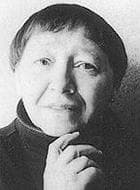
Marion Eleanor Zimmer Bradley was an American author of fantasy, historical fantasy, science fiction, and science fantasy novels, and is best known for the Arthurian fiction novel The Mists of Avalon and the Darkover series. Noted for the feminist perspective in her writing, her reputation has been posthumously marred by her daughter Moira Greyland's accusations of child sexual abuse, and for allegedly assisting her second husband, convicted child abuser Walter Breen, in sexually abusing multiple unrelated children.
Similar books
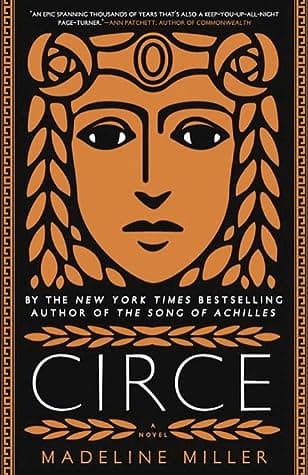
- Circe
Madeline Miller
4.3 (343k) average on GoodreadsFantasyRetelling of a classic myth from a powerful female character's perspective, focusing on her inner life and struggles.
- Harry Potter and the Sorcerer's Stone
J.K. Rowling
4.5 (7M) average on GoodreadsFantasyRescued from a miserable life under the stairs, an orphaned boy discovers he's a wizard destined for a magical school, where he uncovers a dangerous secret tied to the dark wizard who murdered his parents.
- The Hunger Games
Suzanne Collins
4.3 (6.4M) average on GoodreadsFantasyIn a future where children fight to the death on live television, Katniss Everdeen volunteers for the arena, turning a death sentence into a fight for survival and a spark of rebellion.
- 1984
George Orwell
4.2 (3.1M) average on GoodreadsPoliticsIn a future where surveillance and thought control are absolute, a man's search for truth clashes with the Party, showing that hope can be a form of rebellion.
- Divergent
Veronica Roth
4.2 (2.9M) average on GoodreadsFantasyIn a society divided by virtues, a sixteen-year-old's difference from the norm starts a rebellion that threatens her world.
- The Hobbit, or There and Back Again
J.R.R. Tolkien
4.3 (2.9M) average on GoodreadsFantasyA comfort-loving hobbit named Bilbo Baggins is whisked away by a mischievous wizard and a band of dwarves on an unexpected journey to reclaim stolen treasure from a fearsome dragon, discovering courage and a magical ring along the way.





Enjoyed the summary?
A summary gives you the shape of the book. The book itself has the detail, the examples and the voice.
Find The Mists of Avalon on AmazonAs an Amazon Associate, BookBrief earns from qualifying purchases. How we're funded