
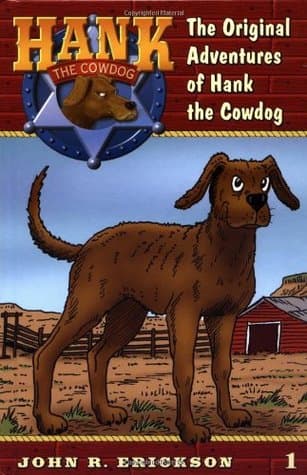
Synopsis
Covers the whole plot, including the ending.
- Difficulty
- Easy
- Pacing
- Moderate
- Mood
- Humorous, Witty, Adventurous, Lighthearted
- Read it if
- You enjoy humorous animal adventures, lighthearted mysteries, and a protagonist with an inflated sense of self-importance.
- Skip it if
- You prefer serious, complex mysteries or books without talking animals.
The Original Adventures of Hank the Cowdog Plot Summary
Covers the whole plot, including the ending.
The Mysterious Chicken Murders
The story begins with Hank the Cowdog, Head of Ranch Security, waking up to a peaceful morning on the ranch. This peace ends when he finds a terrible scene in the chicken house: several chickens have been killed, their feathers everywhere. Hank immediately suspects foul play and takes charge of the investigation, despite the initial confusion and the strong smell of skunk. He suspects a coyote, a badger, or a fox, and starts looking for clues, sniffing around to understand what happened. His deputy, Drover, a small and often scared dog, cares more about napping than investigating.
Accusation and Escape
After the chicken deaths, Sally May, the ranch wife, finds Hank covered in chicken feathers and wrongly thinks he is the killer. Despite Hank's internal claims of innocence and his attempts to explain (which she cannot understand), she gets angry and chases him with a broom. Feeling wronged, Hank decides to leave the ranch. He believes that by leaving, he can find more proof to clear his name and show his loyalty. He sets off into the unknown, leaving the ranch's comforts and his duties as Head of Security.
Life as an Outlaw
Now an 'outlaw,' Hank goes into the wide prairie around the ranch. He quickly learns that life outside the ranch's safety is much harder than he thought. He struggles to find food and shelter, and he feels lonely. During his travels, he meets a grumpy badger named Buster, who is protective of his territory. Hank tries to be friends with Buster, but Buster is not interested and warns Hank to stay away. This meeting shows Hank's vulnerability and lack of experience in the wild, making him face the harshness of his new, independent life.
The Coyote Conspiracy
While looking for a place to rest, Hank finds a group of coyotes. He cleverly hides and listens to their talk. To his surprise, he hears them bragging about raiding the ranch's chicken house. It becomes clear that the coyotes, led by a clever individual, were the ones who killed the chickens, not Hank. This news fills Hank with anger and relief — anger at the coyotes for framing him, and relief that he now has the key evidence to clear his name. He realizes he must find a way to expose their guilt.
A Plan for Vengeance
With the truth, Hank plans to bring the coyotes to justice and prove his innocence to the ranch residents. He decides the best way is to lure the coyotes back to the ranch, where their guilt will be obvious. He imagines a situation where the ranch hands will catch the coyotes in the act, clearing his name. This plan needs courage and cleverness, as Hank knows he will be in danger by willingly interacting with the group of predators. He starts his plan, hoping his efforts will succeed.
The Return to the Ranch
With his plan in mind, Hank carefully heads back toward the ranch. He approaches his former home with apprehension and determination, knowing Sally May still considers him an outlaw. He avoids direct contact with the humans, instead focusing on watching the ranch and getting ready for the coyotes' arrival. He sees Drover, who seems unaware of Hank's problems, and longs for the comfort of his doghouse. The return carries risk, but Hank is resolved to clear his name and get his job back as Head of Ranch Security.
The Coyote Trap
Hank carries out his plan, using his knowledge of the ranch and the coyotes' habits. He creates a disturbance that gets the coyote pack's attention, leading them directly toward the ranch. The coyotes, confident they can raid the chicken house again, fall into Hank's trap. Hank, acting as bait and guide, skillfully directs their movement, making sure they head toward a place where the ranch hands can see them. The tension builds as the coyotes approach, unaware of the coming danger and Hank's clever scheme.
The Confrontation and Capture
As the coyotes enter the ranch property, the ranch hands, alerted by the noise Hank made, are ready. A chase begins, and the coyotes are caught trying to raid the chicken house again. The ranch hands, seeing the coyotes, finally realize that Hank was not responsible for the first chicken killings. The truth is out, and Hank's name is cleared. He watches as the coyotes are dealt with, feeling a deep sense of relief. His bold plan has worked, and justice has been served on the ranch.
Reinstatement and Recognition
With the coyotes caught, Hank is welcomed back to the ranch as a hero. Sally May, realizing her mistake, apologizes (in her human way), and the ranch hands praise his bravery. His job as Head of Ranch Security is officially reinstated, much to his satisfaction. He returns to his doghouse, tired but proud, knowing he has not only cleared his name but also protected the ranch from more predator attacks. Drover, as always, greets him, unaware of the big adventure Hank just had. Hank settles back into his routine, his reputation restored and improved.
Reflections of a Hero
As things calm down, Hank thinks about his recent adventure. He remembers the events, focusing on his bravery, cleverness, and strong dedication to his role as Head of Ranch Security. Despite the difficulties and unfair accusations, Hank's self-belief and commitment to justice never weakened. He reminds himself and the reader how important his job is and the vital part he plays in protecting the ranch. He ends his story by confirming his identity and purpose, ready for any new challenges, always watchful and always Hank the Cowdog.
The Original Adventures of Hank the Cowdog Characters
Hank
Protagonist
The self-proclaimed Head of Ranch Security, a brave but often misguided cowdog.
Hank is a large, confident, and highly opinionated cowdog who takes his job as Head of Ranch Security very seriously, despite his frequent blunders and misunderstandings. He sees himself as a brilliant detective and a fearless protector, though his internal monologue often exaggerates his capabilities. He is fiercely loyal to the ranch and its inhabitants, even when they misunderstand him. His driving force is his sense of duty and his desire for recognition and respect, particularly from the humans on the ranch. He has a strong moral compass, believing in justice and truth, even if he sometimes gets them mixed up.
Relationships: Drover (His loyal but timid deputy and often exasperated friend.); Sally May (Ranch wife who misunderstands and punishes him, but later appreciates him.); Loper (Ranch owner, generally fond of Hank but often unaware of his 'security' efforts.); Coyotes (His sworn enemies and the true perpetrators of the chicken murders.)
Drover
Supporting
Hank's small, timid, and often sleepy deputy.
Drover is a small, scruffy, and somewhat lazy terrier who serves as Hank's deputy. He is a stark contrast to Hank, preferring naps and avoiding trouble whenever possible. He is easily frightened and often offers sensible, albeit unheroic, advice to Hank. Despite his timidity, he is loyal to Hank and often provides a comedic foil to Hank's grandiose pronouncements. He rarely understands the full scope of Hank's 'investigations' but follows along out of habit and a quiet affection for his leader.
Relationships: Hank (His leader and best friend, whom he often tolerates with bemused resignation.)
Sally May
Supporting
The ranch wife who often misunderstands Hank's intentions.
Sally May is the ranch wife, a formidable figure in Hank's eyes, especially when she's wielding a broom. She is practical and easily angered when she perceives a threat to her chickens or her household. She represents the human authority on the ranch and often misinterprets Hank's actions due to the communication barrier between humans and animals. Despite her initial anger towards Hank, she is ultimately fair and appreciative when his true heroism is revealed.
Relationships: Hank (Her dog, whom she initially blames but later appreciates for his protective instincts.)
Loper
Supporting
The ranch owner, a generally calm and reasonable figure.
Loper is the ranch owner and Sally May's husband. He is a more laid-back character than Sally May, often observing Hank's antics with a degree of amusement or tolerance. He represents the ultimate authority on the ranch from Hank's perspective, though he rarely intervenes directly in Hank's 'security' operations. He is a fair man who understands the importance of his working dogs, even if he doesn't grasp the full extent of Hank's internal narrative.
Relationships: Hank (His working dog, whose presence he generally accepts and appreciates.)
Coyotes (Various)
Antagonist
The cunning predators who raid the ranch and frame Hank.
The coyotes are a pack of wild predators who live in the surrounding prairie. They are cunning, opportunistic, and pose a constant threat to the ranch's livestock, particularly the chickens. They are the true perpetrators of the chicken murders, taking advantage of the ranch's vulnerability. They are depicted as boastful and arrogant, which ultimately leads to their downfall when Hank overhears their confessions. They represent the wild, untamed dangers that Hank, as Head of Ranch Security, is tasked with keeping at bay.
Relationships: Hank (Their unwitting scapegoat and eventual nemesis.)
Buster the Badger
Mentioned
A grumpy, territorial badger Hank encounters in the wild.
Buster is a minor character, a territorial badger that Hank encounters during his time as an 'outlaw.' He is depicted as grumpy and solitary, fiercely protecting his den and territory. His brief interaction with Hank highlights the harsh realities of life in the wild and Hank's lack of experience outside the ranch's protection. Buster serves as a reminder that not all wild animals are immediate threats, but they are certainly not friendly or welcoming.
Relationships: Hank (A brief, uncooperative acquaintance during Hank's exile.)
The Original Adventures of Hank the Cowdog Themes
Justice and Misunderstanding
A main theme is seeking justice when misunderstood. Hank is wrongly accused of the chicken murders by Sally May because of indirect evidence (feathers on his face) and humans not understanding dog language. This makes him leave the ranch and actively investigate to clear his name. His resolve to expose the real culprits—the coyotes—drives the plot, showing that truth can win even when initial judgments are wrong, as when the ranch hands finally see the coyotes in action.
“It's a tough life, being the Head of Ranch Security, especially when nobody appreciates your genius.”
Loyalty and Duty
Hank's strong loyalty to the ranch and his sense of duty as Head of Ranch Security are most important. Even when unfairly sent away, his main goal is to protect the ranch and prove his worth. He does not abandon his post; instead, he uses his 'outlaw' status to gather information and plan to save the ranch from more attacks. This theme is clear in his internal struggles and his eventual return to protect the very people who banished him, showing a deep commitment to his responsibilities.
“A good Head of Ranch Security never gives up, even when the chips are down and his name is mud.”
Perception vs. Reality
The story often plays with the difference between how Hank sees himself and his actions versus how others (especially humans) see him. Hank sees himself as a smart, fearless detective, while Sally May first sees him as the chicken killer. His internal thoughts are full of self-praise, which often creates humor with the actual events or his less-than-heroic actions. This theme is key in the initial accusation and later clearing of his name, as the humans' view of Hank changes greatly once the coyote attack is revealed.
“They just don't understand the complex mind of a Head of Ranch Security.”
The Call of the Wild vs. Domesticity
When Hank is forced to leave the ranch, he faces the harsh realities of life in the wild, which is a strong contrast to the safety and comfort of his home life. His meetings with the territorial badger and his struggle to find food show the dangers and difficulties of being an 'outlaw.' This brief time in the wild makes him appreciate the ranch and his role there more, ultimately strengthening his desire to return and protect his home, rather than live a solitary, dangerous life.
“The wild was no place for a dog of my stature, a dog with responsibilities.”
Plot Devices & Literary Techniques
Anthropomorphism
Giving human characteristics and motivations to animal characters.
The entire series relies on anthropomorphism, allowing Hank to narrate his thoughts, feelings, and elaborate theories in human-like language. This device is crucial for the humor and character development, enabling the reader to understand Hank's self-perception, his misguided deductions, and his internal struggles. It allows for comedic misunderstandings between Hank and the human characters, as they cannot understand his complex internal monologues, only his barks and actions. This makes Hank a relatable and engaging protagonist, despite being a dog.
First-Person Narrative (Animal Perspective)
The story is told entirely from Hank the Cowdog's point of view.
The narrative is presented exclusively through Hank's internal monologue and observations, providing a unique and often humorous perspective on ranch life and mystery-solving. This device allows the reader to experience events through Hank's exaggerated self-importance and often flawed logic, creating much of the book's comedic tone. It also highlights the communication barrier between animals and humans, as the reader is privy to Hank's 'genius' plans and interpretations that the human characters completely miss.
Red Herring
A misleading clue used to distract the protagonist and audience.
The initial discovery of Hank covered in chicken feathers, coupled with the assumption that he is a dog, serves as a significant red herring. This leads Sally May (and initially the reader) to believe Hank is the culprit, thereby driving the plot forward as Hank is forced to flee and clear his name. This device creates suspense and allows for Hank's heroic journey to unfold, delaying the revelation of the true perpetrators (the coyotes) until Hank's own investigation uncovers them.
Dramatic Irony
When the audience knows more than the characters.
Dramatic irony is frequently used, particularly in the interactions between Hank and the human characters. The reader is privy to Hank's elaborate thoughts, his self-proclaimed brilliance, and his 'security' operations, while the humans remain largely unaware or misinterpret his actions. For example, when Hank is 'interrogating' a fence post, the reader understands his internal dialogue, while a human watching would simply see a dog barking at inanimate objects. This creates humor and emphasizes the communication gap, highlighting Hank's unique perspective.
The Original Adventures of Hank the Cowdog Quotes
“It's a dog's life, and mine's pretty good, all things considered.”
“I am the Head of Ranch Security. It's a tough job, but somebody's got to do it.”
“The wind was blowing out of the north, which is a good direction for mysterious smells.”
“You can't have a good mystery without a good villain.”
“My brain works pretty fast, especially when I'm scared.”
“Sometimes a dog just needs to sing. It's good for the soul.”
“As Head of Ranch Security, I must always be prepared for the unexpected.”
“The world is full of strange and wonderful things, and most of them smell pretty interesting.”
“I'm not just a pretty face, you know. I've got brains too.”
“A good detective always follows his nose.”
“Danger! Intrigue! Suspense! It was all part of the job.”
“You can never be too careful when you're dealing with unknown forces of evil.”
“My reputation precedes me, which is a good thing, because sometimes I'm a little slow on the uptake.”
Quiz
10 questions on the plot and the characters. Each answer comes with a short explanation.
Question 1
What is Hank's official title on the ranch?
- Chief of Ranch Operations
- Head of Ranch Security
- Top Dog of the Prairie
- Master of the Doghouse
Show answer
B. Head of Ranch Security Hank frequently reminds everyone, including himself, that he is the 'Head of Ranch Security.'
Question 2
Who is Hank's main canine sidekick and best friend?
- Riff
- Pete
- Drover
- Slim
Show answer
C. Drover Drover is Hank's loyal, albeit often confused, little buddy who accompanies him on his adventures.
Question 3
What kind of animals are being 'murdered' on the ranch, leading to Hank's investigation?
- Cows
- Chickens
- Sheep
- Pigs
Show answer
B. Chickens The central mystery of the book involves the 'murder' of chickens, which Hank is determined to solve.
Question 4
Why does Hank initially become a suspect in the chicken 'murders'?
- He was caught red-handed eating a chicken.
- He was found sleeping in the chicken house.
- He was seen near the scene of the crime and had chicken feathers on him.
- He confessed under duress to Sally May.
Show answer
C. He was seen near the scene of the crime and had chicken feathers on him. Hank is wrongly accused because he was found near the chicken house with feathers, making him the prime suspect in Sally May's eyes.
Question 5
What is the name of the ranch hand who works with High Loper?
- Pete
- Slim
- Rip
- Buster
Show answer
B. Slim Slim is the other human character on the ranch, often interacting with Hank and Drover.
Question 6
What is Hank's primary internal conflict throughout the story?
- His desire to escape the ranch and live in the wild.
- His struggle to prove his innocence and maintain his reputation as Head of Ranch Security.
- His jealousy of Drover's popularity with the ranch owners.
- His fear of the coyotes that roam the prairie.
Show answer
B. His struggle to prove his innocence and maintain his reputation as Head of Ranch Security. The entire plot revolves around Hank's efforts to clear his name and re-establish his credibility as the ranch's top security expert after being accused of the chicken murders.
Question 7
What specific sound does Hank often make when he's feeling particularly important or making a point?
- A soft whine
- A series of high-pitched barks
- A deep, resonant 'A-ROOO!'
- A quiet growl
Show answer
C. A deep, resonant 'A-ROOO!' Hank's signature 'A-ROOO!' is a frequent sound effect used to emphasize his pronouncements and self-importance.
Question 8
Who does Hank initially suspect is the real culprit behind the chicken 'murders' before the truth is revealed?
- A pack of wild dogs
- The ranch cat, Pete
- A mischievous raccoon
- A coyote named Rip
Show answer
B. The ranch cat, Pete Hank's rivalry and distrust of the ranch cat, Pete, lead him to suspect Pete is the chicken killer, despite Pete's protests.
Question 9
What is the true identity of the chicken 'murderer' at the end of the book?
- A wandering bobcat
- An owl
- A fox
- A badger
Show answer
B. An owl In a humorous twist, the 'murderer' is revealed to be an owl, which explains the mysterious disappearances and lack of traditional predator signs.
Question 10
Which of the following describes a key characteristic of Hank's personality?
- He is often shy and reserved.
- He is humble and always defers to others.
- He is highly intelligent and rarely makes mistakes.
- He is boastful and prone to exaggeration, despite his good intentions.
Show answer
D. He is boastful and prone to exaggeration, despite his good intentions. Hank's inflated sense of self-importance and his tendency to exaggerate his own abilities and accomplishments are central to his comedic character.
The Original Adventures of Hank the Cowdog FAQ
What is the central mystery that kicks off the plot in 'The Original Adventures of Hank the Cowdog'?
The central mystery involves a series of baffling chicken murders on the ranch. Hank, as Head of Ranch Security, is tasked with solving these crimes, but soon finds himself a prime suspect due to suspicious circumstances and his own clumsy attempts at investigation.
Who is Hank's primary sidekick throughout his investigation, and what is their dynamic like?
Hank's primary sidekick is Drover, a small, often timid, and somewhat dim-witted dog. Their dynamic is one of Hank constantly trying to assert his authority and superior intellect over Drover, who frequently misunderstands situations or offers unhelpful, yet sometimes accidentally insightful, comments.
Why does Hank become a suspect in the chicken murders, despite being the Head of Ranch Security?
Hank becomes a suspect after he's found near the scene of one of the chicken murders, with incriminating evidence like chicken feathers on his snout. His attempts to explain himself only make him look guiltier to the humans, leading to his banishment from the ranch house.
What is Hank's self-proclaimed title, and how does he generally live up to it (or not)?
Hank's self-proclaimed title is 'Head of Ranch Security.' While he takes his job very seriously and genuinely believes himself to be the smartest and most capable dog, his actions often lead to comical mishaps, misunderstandings, and a general failure to live up to the grandiosity of his title.
Who are the primary human characters on the ranch, and what is their relationship with Hank?
The primary human characters are Loper, the rancher, and Sally May, his wife. They view Hank as their dog, but also as a somewhat troublesome and often misunderstood creature. Loper is generally more tolerant, while Sally May is quicker to scold Hank for his perceived misdeeds.
Are there any subtle clues early in the book that hint at the true culprits of the chicken murders?
Yes, there are subtle clues, such as the specific type of tracks found near the chicken coop and the predatory behavior observed by Hank during his nocturnal patrols, which point away from a dog and towards a wilder, more cunning animal, specifically coyotes.
What role do the coyotes, Rip and Snort, play in the narrative, beyond being the antagonists?
Rip and Snort, the coyotes, serve as the true antagonists and the actual perpetrators of the chicken murders. They also act as a foil to Hank, representing a genuine external threat that Hank, despite his bluster, must eventually confront and outsmart to clear his name.
Is there any foreshadowing of Hank's eventual confrontation with the real killers?
Yes, there is foreshadowing through Hank's internal monologues about his duty to protect the ranch from all threats, including 'varmints' and 'outlaws.' His encounters with various wild animals during his banishment also prepare him for a more serious confrontation.
How does Hank's banishment from the ranch house impact his perspective and understanding of the ranch's perimeter?
Hank's banishment forces him to patrol areas he usually neglects, leading him to discover new details about the ranch's outer boundaries and the types of wildlife inhabiting them. This broadened perspective is crucial for him to eventually track down the true culprits.
How does Hank's inflated sense of self-importance contribute to both his problems and his eventual success?
Hank's inflated ego often blinds him to obvious facts and leads him into comical blunders, making him a suspect. However, this same unwavering self-belief also gives him the confidence and persistence to continue his investigation even when others doubt him, ultimately leading him to solve the mystery.
Analyze Drover's psychological role: is he merely comedic relief, or does he serve a deeper purpose for Hank's character arc?
Drover is more than just comedic relief; he serves as a crucial psychological mirror for Hank. His frequent questions and simple observations, though often misguided, sometimes force Hank to articulate his own logic (however flawed) and, at other times, accidentally provide a kernel of truth that Hank's ego has overlooked.
How does Hank's internal monologue reveal his anxieties and insecurities, despite his confident exterior?
Hank's internal monologue frequently reveals his anxieties about losing his job, his fear of disappointing Loper, and his deep-seated need for recognition and respect. Despite his outward bravado, he constantly seeks validation and worries about threats to his status as Head of Ranch Security.
What psychological impact does being accused and banished have on Hank's motivation and drive?
Being accused and banished profoundly impacts Hank by intensifying his motivation to clear his name. It transforms his investigation from a routine duty into a personal quest for redemption, fueling his determination to prove his innocence and re-establish his authority.
In what ways can Hank's relationship with the humans on the ranch be seen as an allegory for human-pet communication and misunderstanding?
Hank's relationship with the humans highlights the frequent miscommunications between pets and owners. Hank interprets human actions through his canine logic, while the humans often misinterpret Hank's barks and behaviors. This allegorizes the challenge of understanding different perspectives and intentions.
Is Hank a truly effective Head of Ranch Security, or is his success more a matter of luck and perseverance?
While Hank possesses admirable perseverance and a strong sense of duty, his effectiveness as Head of Ranch Security is often debatable. His successes frequently stem from a combination of accidental discoveries, stubborn persistence, and a bit of luck, rather than flawless detective work or strategic genius.
How does the book's humor contribute to its deeper themes of identity and belonging?
The book's humor, often derived from Hank's exaggerated self-importance and comical blunders, serves to make his struggle with identity and belonging relatable. It lightens the underlying anxieties Hank feels about his role and place on the ranch, making his quest for acceptance and vindication more engaging.
Could Hank's constant internal narration be interpreted as a commentary on the unreliable narrator trope?
Absolutely. Hank's constant internal narration is a prime example of an unreliable narrator. His self-aggrandizing tone, misinterpretations of events, and biased perspective mean that the reader must constantly read between the lines to discern the actual events, providing a humorous take on the trope.
What message does the resolution of the chicken murder mystery convey about judging by appearances?
The resolution conveys a clear message about judging by appearances. Hank, who looked guilty due to circumstantial evidence, was innocent, while the less obvious culprits, the coyotes, were the true perpetrators. It highlights the danger of making quick judgments without thorough investigation.
How does the book establish the unique voice and personality that would define the entire 'Hank the Cowdog' series?
The book establishes the series' unique voice through Hank's distinctive first-person narration, characterized by his humorous self-importance, malapropisms, and detailed (if often inaccurate) accounts of events. This singular perspective, combined with his loyal but dim sidekick Drover, immediately defines the series' comedic and adventurous tone.
About the author
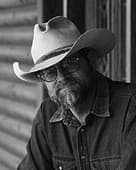
John R. Erickson is an American author best known for his children's book series, The Original Adventures of Hank the Cowdog. This series features a humorous and adventurous canine protagonist and has gained popularity among young readers. Erickson's work primarily focuses on fiction, combining storytelling with themes of friendship and loyalty.
Similar books
- Mrs. Frisby and the Rats of NIMH
Robert C. O'Brien
4.1 (164k) average on GoodreadsFantasyFeatures intelligent animals in a compelling narrative, though 'Hank' is much more comedic.
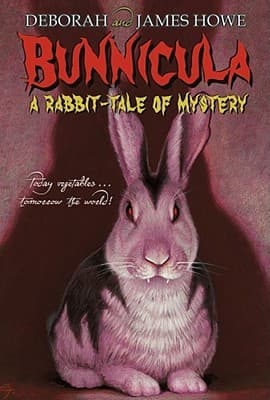
- Bunnicula
Deborah Howe
3.9 (62k) average on GoodreadsFantasyA humorous mystery told from a pet's perspective, with a similar blend of wit and charm.
- Harry Potter and the Sorcerer's Stone
J.K. Rowling
4.5 (7M) average on GoodreadsFantasyRescued from a miserable life under the stairs, an orphaned boy discovers he's a wizard destined for a magical school, where he uncovers a dangerous secret tied to the dark wizard who murdered his parents.
- The Hobbit, or There and Back Again
J.R.R. Tolkien
4.3 (2.9M) average on GoodreadsFantasyA comfort-loving hobbit named Bilbo Baggins is whisked away by a mischievous wizard and a band of dwarves on an unexpected journey to reclaim stolen treasure from a fearsome dragon, discovering courage and a magical ring along the way.
- Harry Potter and the Goblet of Fire
J.K. Rowling
4.6 (2.6M) average on GoodreadsFantasyA bewildered Harry Potter, underage and thrust into a deadly Triwizard Tournament, must brave dragons, mermaids, and a resurgent dark magic to survive a year that will forever alter the wizarding world.
- Harry Potter and the Order of the Phoenix
J.K. Rowling
4.5 (2.5M) average on GoodreadsFantasyIn a year of oppressive secrets and the threat of Voldemort, Harry Potter and Dumbledore's Army secretly train for war, shown through Jim Kay and Neil Packer's dark illustrations.





Enjoyed the summary?
A summary gives you the shape of the book. The book itself has the detail, the examples and the voice.
Find The Original Adventures of Hank the Cowdog on AmazonAs an Amazon Associate, BookBrief earns from qualifying purchases. How we're funded