
Synopsis
Covers the whole plot, including the ending.
- Difficulty
- Easy
- Pacing
- Slow
- Mood
- Heartwarming, Reassuring, Gentle, Educational
- Read it if
- You're a child (or reading to one) who is afraid of the dark, or if you enjoy gentle, reassuring stories about overcoming fears.
- Skip it if
- You prefer complex plots, high-stakes adventures, or stories without a clear moral message.
The Owl Who Was Afraid of the Dark Plot Summary
Covers the whole plot, including the ending.
Plop's Peculiar Predicament
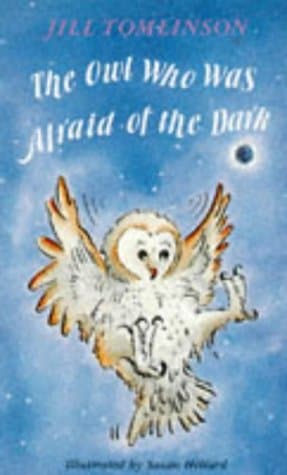
Plop, a young barn owl, is born into a world where his family, including Mummy and Daddy Owl, are nocturnal and love the dark. But Plop is different; he is very afraid of the dark. Every evening, as the sun sets and the world outside their nest in a tree hole grows dim, Plop hides in the back of the nest. He refuses to come out and learn to hunt. His Mummy Owl tries to encourage him. She explains that the dark is 'beautiful' and 'fun,' but Plop only replies, 'I don't like it.' He watches his parents fly off into the night with a mix of longing and worry. He wishes he could be like them but is too scared to go out.
Mummy Owl's Plan
Mummy Owl worries about Plop's fear and makes a plan. She tells Plop that he needs to leave their tree and ask people what they think of the dark. Plop is unsure at first, but Mummy Owl says it is the only way he will learn. She explains that people have different ideas and might show him things she cannot. With a gentle push, she tells him to be brave and start his search. Plop, still scared but also curious and wanting to please his mother, takes his first flight down towards the ground, ready to meet new people.
Meeting the Boy
Plop first meets a young boy waiting for the evening. Plop asks him, 'Are you afraid of the dark?' The boy laughs and says he loves the dark because that is when fireworks happen. He describes the bright colors and loud sounds that light up the night sky, making the dark a time of celebration and excitement. Plop listens closely, forgetting his fear for a moment as he imagines the show. The boy's excitement for fireworks starts Plop wondering if the dark is not so bad after all when something so beautiful can happen in it.
Encountering the Old Lady
Next, Plop meets an old lady sitting on a park bench. He asks her, 'Are you afraid of the dark?' The old lady smiles and tells him she loves the dark because it is peaceful and quiet. It is the best time for sleeping and resting after a long day. She explains how the dark brings calm and lets everyone recharge. Plop, who often struggles to sleep because of his fear, finds this idea comforting. He starts to see the dark not just as no light, but as a time of calm and needed rest. This is very different from his earlier worries.
The Campers' Tale
Plop then flies towards a group of people by a campfire. He asks one of the campers, 'Are you afraid of the dark?' The camper explains that they love the dark because it is the best time for telling scary stories, playing hide-and-seek, and singing songs by the fire. They describe the warm glow of the fire against the blackness, creating a cozy and fun atmosphere. Plop watches their happy interactions and the friendship the dark brings to their activities. This meeting shows Plop that the dark can be a setting for fun, shared experiences, and imaginative play, not just something to fear.
Meeting the Girl
Later, Plop sees a little girl looking up at the sky. He asks her, 'Are you afraid of the dark?' She giggles and explains that the dark is wonderful because that is when the stars appear. She tells him about making wishes on the first star she sees and how the moon shines brightly. Her simple wonder and appreciation for the night sky's beauty interest Plop. He looks up himself, seeing the twinkling stars for the first time without fear. He starts to understand the magic and size that the dark shows, opening his eyes to a new kind of beauty.
The Man with the Telescope
Plop's journey continues, and he meets a man with a large telescope. When asked about the dark, the man explains that the dark is needed for stargazing and exploring the universe. He describes distant galaxies, planets, and star groups, showing Plop the wonders that can only be seen after the sun sets. Plop is amazed by the scientific and impressive parts of the night. This meeting expands Plop's understanding of the dark's use and greatness. His fear seems less important compared to the vastness the dark reveals.
The Mummy's Wisdom
Plop flies back to his nest, feeling much less afraid. He meets a Mummy Cat with her kittens. He asks her, 'Are you afraid of the dark?' The Mummy Cat explains that the dark is important for many animals, including her. It is the best time for hunting and finding food for her family. She describes how their eyes are made for the night, making them good hunters. Plop realizes that the dark is not just for human activities but is a vital part of nature and the survival of many creatures, like owls. This practical idea helps him connect the dark to his own owl nature.
The Policeman's Duty
Finally, Plop meets a friendly policeman on his route. He asks the policeman, 'Are you afraid of the dark?' The policeman explains that the dark is when he does his important job of keeping people safe and watching over the town while everyone sleeps. He describes how he uses his flashlight to see in the darkness, making sure there is peace and order. This meeting shows Plop that the dark can be a time for responsibility and protection, where dedicated people work to keep everyone safe. It adds another layer of purpose and meaning to the night, removing any remaining ideas of it being only dangerous.
Plop Embraces the Night
After meeting all these different people and hearing their varied, positive ideas about the dark, Plop flies back to his nest. His heart is full of new understanding and courage. He excitedly tells his Mummy Owl about all the wonderful things he learned: fireworks, sleep, games, stars, the universe, hunting, and safety. He no longer says, 'I don't like it.' Instead, he says, 'It's beautiful!' and 'It's fun!' He is finally ready to use his natural owl instincts. That night, Plop bravely flies out of the nest, eager to explore the dark for himself. His fear is completely gone, replaced by curiosity and joy.
The Owl Who Was Afraid of the Dark Characters
Plop
Protagonist
A young barn owl who is afraid of the dark.
Plop is a baby barn owl, distinguishable by his large appetite and initially, his profound fear of the dark. Despite being an owl, a nocturnal creature, he huddles in the nest every night, refusing to fly out. He is curious and generally well-behaved, always asking, 'Are you afraid of the dark?' to everyone he meets. His journey is one of overcoming an innate fear through exposure and understanding, representing childhood anxieties and the process of growing up. He is driven by a desire to be like his parents but is held back by his unique phobia.
Relationships: Mummy Owl (His encouraging and wise mother); Daddy Owl (His supportive father); The Boy (A child who loves fireworks); The Old Lady (A woman who finds peace in the dark); The Campers (People who enjoy the dark for fun and stories); The Girl (A child who loves stars); The Man with the Telescope (An astronomer who explores the night sky); Mummy Cat (A mother animal who hunts at night); The Policeman (A man who works at night to ensure safety)
Mummy Owl
Supporting
Plop's wise and patient mother.
Mummy Owl is a loving and understanding parent who is concerned about Plop's unusual fear of the dark. Instead of forcing him, she wisely devises a plan for him to learn about the dark from others. She encourages his independence and bravery, guiding him with gentle advice. She represents parental wisdom and the understanding that children often need to discover things for themselves, even if it means stepping outside their comfort zone. Her faith in Plop's ability to overcome his fear is a constant source of support for him.
Relationships: Plop (Her son, whom she guides and teaches); Daddy Owl (Her husband)
Daddy Owl
Supporting
Plop's supportive but less vocal father.
Daddy Owl is Plop's father, a typical nocturnal barn owl who enjoys the dark. While he doesn't take as active a role in Plop's 'education' as Mummy Owl, he is present and supportive, often flying off into the night with Mummy Owl, serving as an example of what Plop could be. He represents the natural order that Plop initially resists, highlighting the contrast between Plop's fear and his parents' comfort in the night. His presence reinforces the idea that the dark is a normal and enjoyable part of an owl's life.
The Boy
Supporting
A child who associates the dark with exciting fireworks.
The Boy is the first human Plop encounters. He is full of youthful enthusiasm and explains to Plop that he loves the dark because it's when fireworks are displayed. His perspective introduces Plop to the idea that the dark can be a time of celebration and visual spectacle, challenging Plop's initial negative associations. He represents the joy and excitement that can be found in the night.
Relationships: Plop (An owl he briefly encounters and educates)
The Old Lady
Supporting
An elderly woman who finds peace and rest in the dark.
The Old Lady offers Plop a contrasting view of the dark, describing it as a time for peace, quiet, and sleep. Her calm demeanor and appreciation for the restful qualities of the night provide a comforting perspective to Plop, who often struggles to sleep due to his fear. She represents tranquility and the restorative power of darkness.
Relationships: Plop (An owl she briefly encounters and educates)
The Campers
Supporting
A group of people who enjoy the dark for social activities and stories.
The Campers demonstrate how the dark can be a setting for fun, social interaction, and imagination. Gathered around a campfire, they tell stories and play games, showing Plop that the night can foster camaraderie and adventure. They represent the communal and playful aspects of the dark.
Relationships: Plop (An owl they briefly encounter and educate)
The Girl
Supporting
A child enchanted by the stars and moon at night.
The Girl shares her wonder for the stars and the moon, explaining that the dark is beautiful because it reveals these celestial bodies. Her innocent perspective helps Plop appreciate the aesthetic beauty of the night sky, moving beyond his fear to see its magic. She represents childlike wonder and the beauty of nature.
Relationships: Plop (An owl she briefly encounters and educates)
The Man with the Telescope
Supporting
An astronomer who explores the vastness of the universe at night.
The Man with the Telescope introduces Plop to the scientific and awe-inspiring aspects of the dark. He explains how the night allows for the observation of stars, planets, and galaxies, showing Plop the vastness and mystery of the universe. He represents scientific curiosity and the intellectual wonder that the dark can inspire.
Relationships: Plop (An owl he briefly encounters and educates)
Mummy Cat
Supporting
A mother cat who hunts and cares for her kittens at night.
Mummy Cat provides a practical, animalistic perspective on the dark, explaining that it is essential for hunting and survival for many creatures. Her explanation helps Plop understand that the dark is not just a human experience but a vital part of the natural ecosystem, crucial for his own species. She represents the functional and essential role of darkness in the animal kingdom.
Relationships: Plop (An owl she briefly encounters and educates)
The Policeman
Supporting
A community figure who works at night to ensure safety.
The Policeman offers the final perspective, highlighting the dark as a time for duty, responsibility, and protection. He explains how he works through the night to keep the town safe. This shows Plop that the dark is not inherently dangerous but can be a time when safety is actively maintained. He represents security and the responsible aspects of the night.
Relationships: Plop (An owl he briefly encounters and educates)
The Owl Who Was Afraid of the Dark Themes
Overcoming Fear
The main idea is Plop's journey to conquer his fear of the dark. Through a series of meetings, Plop learns to change how he sees the night, moving from fear to acceptance and finally, to joy. Each person he meets offers a different positive aspect of the dark, slowly reducing his fear. This idea shows how understanding and experience help overcome worries. It shows that what is feared can often be beautiful or useful when seen differently.
“I don't like it,' said Plop. 'It's too dark.”
Perspective and Understanding
The book shows how different people have different ideas about the same thing – the dark. Plop's Mummy Owl wisely sends him to ask people what they think of the dark. She knows that understanding comes from diverse views. From the boy's excitement for fireworks to the old lady's appreciation for peace, each character gives a unique way for Plop to see the night. This idea highlights the importance of empathy and expanding one's understanding by listening to others' experiences.
“Mummy Owl said, 'Go down and ask them what they think about the dark.'”
The Beauty and Utility of Nature
Beyond just overcoming fear, Plop's journey shows the dark's beauty and practical use. He discovers the wonder of stars, the peace of a quiet night, the excitement of fireworks, and the need for darkness for animals like the Mummy Cat to hunt. The man with the telescope further expands this by showing the scientific marvels visible only at night. This idea encourages appreciation for nature and its cycles. It shows that every part of nature, even the seemingly 'dark' ones, has a purpose and its own charm.
“The dark is wonderful,' said the little girl, 'because that's when the stars come out.”
Growth and Independence
Plop's quest is like a child's journey towards growing up and becoming independent. At first, he depends on his parents and is paralyzed by fear. He is encouraged to venture out on his own. Each meeting is a step towards self-discovery and building confidence. By the end of the book, Plop is no longer a fearful owlet but a brave young owl ready to use his natural instincts and explore the world independently. This idea celebrates growing up and learning to navigate the world on one's own.
“He flew right out of the hole in the tree, and into the dark.”
Plot Devices & Literary Techniques
Episodic Structure
A series of distinct encounters forming a journey.
The book employs an episodic structure where Plop's journey consists of a series of separate, self-contained encounters with different characters. Each episode presents a new perspective on the dark, contributing cumulatively to Plop's understanding and character development. This structure allows for a clear progression of his learning and makes the narrative accessible for young readers, as each chapter offers a distinct 'lesson' about the dark.
Repetition of Question
Plop's recurring question 'Are you afraid of the dark?'
Plop consistently asks every character he meets, 'Are you afraid of the dark?' This repeated question serves as a central motif and a narrative anchor. It highlights Plop's initial preoccupation with his fear and acts as a catalyst for each character to share their unique perspective. The repetition also reinforces the theme of seeking understanding and provides a rhythmic quality to the narrative, making it memorable for young readers.
Anthropomorphism
Giving human qualities to animal characters.
The primary plot device is anthropomorphism, as Plop and his owl parents exhibit human-like emotions, speech, and thought processes (e.g., Plop's fear, Mummy Owl's wise advice). This allows young readers to connect with the characters and their struggles on a relatable level, making complex themes like overcoming fear more accessible and engaging. Plop's journey to understand the dark is made possible by his ability to communicate directly with humans and process their diverse viewpoints.
Symbolism of Dark/Light
The dark symbolizes the unknown, while light symbolizes understanding.
The 'dark' in the story symbolizes the unknown, fear, and the challenges one faces, while 'light' (or the absence of fear) represents understanding, comfort, and acceptance. Plop's journey is a metaphorical movement from the darkness of his fear into the 'light' of knowledge and appreciation for the night. The fireworks, stars, and campfire light all serve as literal and symbolic illuminations within the dark, showing its hidden beauty and utility.
The Owl Who Was Afraid of the Dark Quotes
“Dark is exciting. It's when you can see the stars.”
“Dark is kind. It wraps you up and keeps you safe.”
“Dark is necessary. Without it, we wouldn't have the stars.”
“I'm a barn owl and I'm supposed to be afraid of the dark.”
“Dark is fun. It's when you can play hide-and-seek.”
“You'll never know what the dark is like until you try it.”
“Dark is beautiful. It's when the moon comes out.”
“I think I'm beginning to like the dark.”
“Dark is mysterious. It holds secrets and surprises.”
“Everyone is afraid of something, but you don't have to stay afraid.”
“Dark is for dreaming. It's when you can imagine anything.”
“Look at the night sky. It's full of light, even in the dark.”
“I'm not afraid anymore. Dark is wonderful!”
Quiz
10 questions on the plot and the characters. Each answer comes with a short explanation.
Question 1
What is the main character Plop's specific fear in the story?
- Heights
- The dark
- Loud noises
- Other animals
Show answer
B. The dark Plop is a baby barn owl who, despite being nocturnal, is afraid of the dark, which is central to the plot as he learns to overcome this fear.
Question 2
What does Plop's mother suggest he do to overcome his fear of the dark?
- Hide in the nest until morning
- Ask other animals for advice
- Go out and talk to people about the dark
- Practice flying during the day
Show answer
C. Go out and talk to people about the dark Plop's mother encourages him to go down from his tree and talk to different people he meets to learn about the dark, which sets his adventures in motion.
Question 3
Who is the first person Plop meets during his nighttime adventure?
- A boy watching fireworks
- An old lady with a cat
- A scout lighting a campfire
- A man looking at stars
Show answer
B. An old lady with a cat Plop first encounters an old lady sitting outside with her cat, who tells him that the dark is 'kind' because it brings rest and quiet.
Question 4
What does the boy Plop meets say makes the dark exciting?
- Bedtime stories
- Fireworks
- Nighttime games
- Stargazing
Show answer
B. Fireworks The boy explains that the dark is 'exciting' because it's when fireworks are set off, showing Plop a fun aspect of nighttime.
Question 5
How does the scout describe the dark to Plop?
- As mysterious and full of secrets
- As necessary for animals to hunt
- As 'necessary' for seeing campfires and stars
- As a time for quiet reflection
Show answer
C. As 'necessary' for seeing campfires and stars The scout tells Plop that the dark is 'necessary' because without it, you couldn't see campfires twinkling or stars shining, highlighting its beauty.
Question 6
What does the old astronomer show Plop to demonstrate that the dark is 'wonderful'?
- The moon and its phases
- Constellations and planets through a telescope
- Nocturnal animals in action
- The sunrise after a long night
Show answer
B. Constellations and planets through a telescope The old astronomer lets Plop look through a telescope to see stars and planets, helping him appreciate the dark as 'wonderful' for stargazing.
Question 7
By the end of the story, how does Plop feel about the dark?
- He is still slightly afraid but tolerates it
- He loves it and thinks it's wonderful
- He prefers the daytime but accepts the dark
- He is indifferent and no longer thinks about it
Show answer
B. He loves it and thinks it's wonderful After meeting various people who share positive perspectives, Plop overcomes his fear and comes to love the dark, embracing it as a barn owl should.
Question 8
What is a key theme illustrated by Plop's interactions with different characters?
- The importance of family support
- Overcoming fears through learning and new perspectives
- The dangers of nighttime adventures
- The superiority of daylight over darkness
Show answer
B. Overcoming fears through learning and new perspectives Plop's journey shows how facing fears and gaining insights from others can transform one's outlook, as he learns to see the dark positively.
Question 9
Which character does NOT directly help Plop understand a positive aspect of the dark?
- The old lady with the cat
- The boy watching fireworks
- Plop's father
- The scout with a campfire
Show answer
C. Plop's father Plop's father is not depicted as one of the people Plop meets during his adventures; the helpers are the old lady, boy, scout, and astronomer.
Question 10
What literary device is prominently used as Plop asks each person 'What is the dark?'?
- Foreshadowing
- Repetition with variation
- Irony
- Hyperbole
Show answer
B. Repetition with variation The story uses repetition as Plop repeatedly asks about the dark, with each character giving a different answer (e.g., kind, exciting, necessary, wonderful), building his understanding.
The Owl Who Was Afraid of the Dark FAQ
What is 'The Owl Who Was Afraid of the Dark' about?
The story follows Plop, a baby barn owl who loves eating and exploring but is terrified of the dark. Through encounters with various human characters, he learns about the positive aspects of nighttime, ultimately overcoming his fear and embracing his identity as a nocturnal owl.
Why should I read 'The Owl Who Was Afraid of the Dark'?
This charming children's book offers a gentle, relatable approach to overcoming fears through curiosity and kindness. Plop's journey provides comfort for children afraid of the dark while celebrating nighttime's magic through vivid descriptions of fireworks, campfires, and stargazing.
What is the background/setting of 'The Owl Who Was Afraid of the Dark'?
The story takes place in a rural English setting where Plop lives in a barn with his parents. His adventures occur at dusk and night as he meets different people in the surrounding area, including a boy watching fireworks and an old lady by a campfire.
What are the most memorable quotes from the book?
Key quotes include Plop's repeated declaration 'I'm a barn owl and I'm afraid of the dark' and his mother's wisdom 'Dark is kind' when describing nighttime. The Boy's explanation 'Dark is exciting' about fireworks also stands out as a turning point.
What writing style does Jill Tomlinson use?
Tomlinson employs simple, repetitive language perfect for young readers, with short chapters and dialogue-driven scenes. She uses sensory descriptions of nighttime experiences and a gentle, reassuring tone that makes the dark feel safe and magical rather than frightening.
What minor details add significant meaning to the story?
Plop's large appetite for voles represents his growing confidence - he eats more as he becomes braver. The specific nighttime elements like 'sparkly dark' for stars and 'friendly dark' for the campfire create a vocabulary that reframes darkness positively.
What are some subtle foreshadowing moments?
Early mentions of Plop's parents being comfortable in the dark hint at his eventual acceptance. The gradual progression from meeting the Boy (exciting dark) to the Old Lady (necessary dark) to the Scout (fun dark) foreshadows his complete transformation.
What unexpected character connections exist?
While Plop meets seemingly random humans, they collectively represent different generations and perspectives on darkness. The Boy, Old Lady, and Scout each teach complementary lessons that together form Plop's complete understanding of nighttime's value.
What are Plop's unspoken motivations beyond his stated fear?
Beneath his fear lies a desire to please his parents and fulfill his owl nature. His repeated ventures from the barn show an underlying curiosity that eventually outweighs his anxiety, driven by his need to belong to the nocturnal world he's meant to inhabit.
What psychological complexities do the characters exhibit?
Plop demonstrates cognitive dissonance between his identity as an owl and his fear of darkness. His parents show patient parenting by allowing gradual exposure rather than forcing adaptation. The human characters reveal how personal experiences shape one's perception of night.
What are the major emotional turning points?
Key moments include Plop's first voluntary flight at dusk, his realization that 'dark is exciting' during fireworks, and his final acceptance when telling the Scout 'I'm a barn owl and I like the dark.' Each encounter builds his confidence incrementally.
How do Plop's relationships with humans evolve?
Initially fearful of humans, Plop develops trust through kind interactions. His relationship with the Boy begins with cautious observation but becomes educational, while the Old Lady provides maternal comfort. These connections replace fear with positive associations.
Which parts of the story remain ambiguous or open-ended?
The book doesn't specify whether Plop will encounter other fears or how exactly he'll navigate future nighttime adventures. The human characters' full stories remain untold, leaving room for imagination about their lives beyond their interactions with Plop.
What are controversial scenes or decisions in the book?
Some might question the parenting approach of sending a fearful child (owl) into potentially scary situations alone. Others might debate whether the message oversimplifies fear management by suggesting a few positive experiences can completely overcome deep-seated phobias.
The ending explained: how does it end and what does it mean?
The story concludes with Plop proudly declaring he likes the dark and flying off happily. This represents successful fear conquest through graduated exposure and cognitive reframing, suggesting that understanding and positive experiences can transform anxiety into appreciation.
What deeper message does the book convey about fear?
Beyond the surface theme, the story suggests fear often stems from unfamiliarity rather than inherent danger. By showing darkness through different perspectives (exciting, necessary, fun), it teaches that reframing perceptions and seeking understanding can overcome anxiety.
Similar books
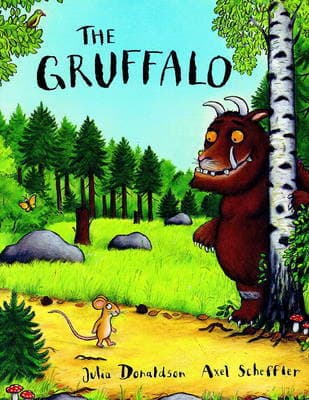
- The Gruffalo
Julia Donaldson
4.5 (31k) average on GoodreadsFantasyA beloved children's story with an animal protagonist who encounters various characters.
- Harry Potter and the Sorcerer's Stone
J.K. Rowling
4.5 (7M) average on GoodreadsFantasyRescued from a miserable life under the stairs, an orphaned boy discovers he's a wizard destined for a magical school, where he uncovers a dangerous secret tied to the dark wizard who murdered his parents.
- The Hunger Games
Suzanne Collins
4.3 (6.4M) average on GoodreadsFantasyIn a future where children fight to the death on live television, Katniss Everdeen volunteers for the arena, turning a death sentence into a fight for survival and a spark of rebellion.
- 1984
George Orwell
4.2 (3.1M) average on GoodreadsPoliticsIn a future where surveillance and thought control are absolute, a man's search for truth clashes with the Party, showing that hope can be a form of rebellion.
- Divergent
Veronica Roth
4.2 (2.9M) average on GoodreadsFantasyIn a society divided by virtues, a sixteen-year-old's difference from the norm starts a rebellion that threatens her world.
- The Hobbit, or There and Back Again
J.R.R. Tolkien
4.3 (2.9M) average on GoodreadsFantasyA comfort-loving hobbit named Bilbo Baggins is whisked away by a mischievous wizard and a band of dwarves on an unexpected journey to reclaim stolen treasure from a fearsome dragon, discovering courage and a magical ring along the way.





Enjoyed the summary?
A summary gives you the shape of the book. The book itself has the detail, the examples and the voice.
Find The Owl Who Was Afraid of the Dark on AmazonAs an Amazon Associate, BookBrief earns from qualifying purchases. How we're funded