

Core Idea
- Difficulty
- Medium
Key Takeaways from The Personal Librarian
The Burden of Passing
Belle's life was a constant performance, a testament to the immense psychological toll of racial passing.
The novel shows the constant anxiety and exhaustion Belle da Costa Greene felt to keep her white identity a secret. This was not just a social choice; it was a way to survive, giving her access to opportunities and safety denied to Black women in early 20th-century America. The constant need to guard her secret, from inventing a Portuguese background to carefully managing her social life, shows the heavy psychological burden. Her success, though remarkable, carries the sadness of a life lived in a carefully built cage, unable to fully embrace who she was or her heritage. This reveals how widespread and damaging systemic racism was.
“Every day was a tightrope walk. Every word, every gesture, a calculated risk to maintain the illusion.”
In the book: Belle's internal monologues and interactions with her mother, who constantly reminds her of the stakes, reveal the deep-seated fear of exposure and its potential consequences for her family.
Try this: Reflect on how societal pressures force individuals to conceal aspects of their identity, and consider the emotional cost of such concealment. Advocate for environments where authenticity is celebrated, not penalized.
Power in Plain Sight
Belle da Costa Greene leveraged her unique position and intellect to become a formidable force in the art world.
Belle was J.P. Morgan's personal librarian, but her job was more than clerical. She was a skilled negotiator, a careful curator, and a trendsetter who made the Pierpont Morgan Library a world-class institution. Her intelligence, wit, and excellent taste were clear, earning her respect and influence in a male-dominated field. The book describes how she navigated complex social circles and high-stakes auctions, often outsmarting experienced dealers and collectors. This demonstrates her exceptional talent and strategic mind, showing that even with her secret, she held significant power and left a lasting mark on cultural history.
“I may be a woman, and I may be of a certain complexion, but I am also the gatekeeper to one of the world's greatest collections.”
In the book: The detailed accounts of her acquiring rare manuscripts, such as the Gutenberg Bible or illuminated medieval texts, and her interactions with art dealers and J.P. Morgan himself, highlight her expertise and authority.
Try this: Identify areas where your unique skills and perspectives can create influence, even in restrictive environments. Develop expertise to command respect and effect change.
The Cost of Legacy
Belle's professional legacy was built upon the erasure of her personal heritage and family history.
This is one of the book's strongest points: the contradiction of Belle's achievements. She built a huge cultural legacy, but she did it by cutting ties with her Black heritage and her father Richard Greener's activism. Her carefully constructed white identity let her succeed in a segregated society, but at the great personal cost of denying her true self and family. The novel makes readers consider the moral questions of such a sacrifice: was enriching a nation culturally worth the personal and family erasure? This complex portrayal challenges simple ideas of success.
“My success is a testament to what I had to give up, not just what I gained.”
In the book: The contrast between Belle's public persona and her private anguish, particularly her thoughts about her father's fight for racial equality and her inability to openly support it, underscores this cost.
Try this: Consider the ethical dimensions of personal and professional choices that require compromising one's identity or values. Reflect on how historical injustices force individuals into such impossible dilemmas.
The Fragility of Secrets
Even the most meticulously guarded secrets are perpetually vulnerable to exposure, creating constant tension.
The story is filled with the constant threat of Belle's secret being exposed. This tension builds through subtle encounters, suspicious looks, and unexpected visitors from her past. The novel shows that while Belle achieved extraordinary success and acceptance, her position was always uncertain. The constant fear of exposure shaped many of her choices, limited her relationships, and prevented real closeness. This highlights the deep insecurity of living a double life, especially when exposure could lead to severe consequences, from social rejection to personal ruin for her and her family.
“The greatest danger wasn't discovery, but the constant, gnawing fear that discovery was always just a breath away.”
In the book: Incidents like the unexpected visit from a former acquaintance of her father or the social scrutiny of her 'exotic' appearance create moments of intense suspense, highlighting the ever-present danger.
Try this: Recognize the psychological toll of living with significant secrets and the importance of fostering environments of trust and acceptance. Consider the societal structures that compel individuals to conceal parts of themselves.
The Complexity of Allyship
J.P. Morgan's relationship with Belle reveals a complex, perhaps unintentional, form of 'allyship' through patronage.
J.P. Morgan was a product of his racist time, but his consistent support for Belle, despite hints or rumors about her background, is a fascinating part of the story. The book suggests Morgan, driven by his desire for the best collection, valued Belle's exceptional talent above all else. This is not a depiction of modern racial allyship, but a business relationship where Belle's genius served Morgan's ambition. However, in doing so, he gave her a platform and protection that was almost impossible for a Black woman to achieve otherwise. This complex dynamic encourages discussion about how power structures can unintentionally enable individual success, even without explicit anti-racist intentions.
“Morgan saw talent, not color, or perhaps he chose not to see color when talent served his purpose.”
In the book: Morgan's consistent trust in Belle's judgment, her significant autonomy in acquisitions, and his dismissal of social gossip about her background demonstrate his patronage.
Try this: Analyze historical figures and their impact through a nuanced lens, recognizing that 'allyship' can manifest in various, sometimes self-serving, forms. Consider how talent and ambition can sometimes transcend societal prejudices, even if only for a select few.
The Role of Women in Suppressing Other Women
The novel subtly illustrates how societal pressures and competition could lead women to enforce racial boundaries.
While racism was widespread, the book occasionally points out times when white women, especially those in high society, were particularly observant and critical of Belle. Their scrutiny often came from a mix of social competition, adherence to racial norms, and perhaps jealousy of Belle's unique position and influence. This dynamic is an important, often overlooked, aspect of historical racism, showing that enforcing racial hierarchy was not only a male activity. It adds another layer to Belle's struggle, as she had to deal with both overt racism and the more subtle, often catty, policing of social boundaries by her female peers.
“Some women were more determined than men to keep the social order, especially when it benefited their own position.”
In the book: Belle's interactions with other society women, particularly their gossip and attempts to uncover details about her background, exemplify this internal policing.
Try this: Examine how social hierarchies and competitive environments can lead individuals, including women, to perpetuate harmful norms against others. Foster solidarity and challenge internal biases within communities.
The Personal as Political
Belle's personal choices, born of necessity, inadvertently became powerful political statements against racial barriers.
Belle's choice to pass as white was deeply personal and practical, driven mainly by self-preservation and the desire for opportunity for herself and her family. However, her extraordinary success in a highly visible and influential role, despite her hidden identity, was a powerful, though silent, challenge to the racial segregation and limits placed on Black Americans. Her life itself showed that talent and intellect were not tied to race. This part of the book suggests that individual acts of survival can, in hindsight, gain broader political meaning, challenging the very systems that sought to control them.
“My very existence in this world, in this position, is a rebellion, whether I intended it or not.”
In the book: Her rise to prominence and her interactions with European royalty and American elites demonstrate her breaking through barriers that would have been insurmountable had her true identity been known.
Try this: Recognize how individual struggles and achievements, even when not overtly political, can contribute to broader social change and challenge oppressive systems. Understand the power of representation, even when that representation is complex.
The Enduring Pain of Disconnection
Despite her success, Belle's passing created an unbridgeable chasm between her and her authentic self.
Even with her remarkable professional achievements and social standing, Belle's life was marked by a deep sense of loneliness and isolation. The inability to share her true identity, to openly celebrate her family's heritage, or to fully engage with the Black community meant that a part of her remained unexpressed and isolated. The novel sadly illustrates the psychological cost of this internal division, suggesting that external success cannot fully make up for the loss of authentic selfhood and community. This argument focuses on the individual's internal struggle rather than exploring potential for covert community building.
“The higher I climbed, the more isolated I became from the ground I once knew, and the people who truly knew me.”
In the book: Belle's longing for her family, particularly her mother and sister, and her private moments of reflection on her past, reveal this deep sense of loss and isolation.
Try this: Prioritize authenticity and genuine connection in your life. Understand that true fulfillment often comes from aligning your external life with your internal self, and from strong community ties.
The Ethics of Historical Revisionism
The novel prompts a re-evaluation of historical figures whose racial identities were obscured or unknown.
The story of Belle da Costa Greene is a strong example of how historical accounts can be incomplete or misleading due to societal pressures and individual acts of self-preservation. By revealing Belle's true heritage, the authors make readers question other historical figures and their seemingly 'white' achievements. This challenges the dominant historical narrative and encourages a more critical examination of the past, recognizing the hidden contributions and struggles of people from marginalized communities. It is a call to actively seek out and acknowledge the diverse human experience that has often been erased or whitewashed.
“How many other great figures, whose stories we think we know, were also living a lie to survive?”
In the book: The very premise of the book – uncovering Belle's true racial identity – serves as the primary evidence for this takeaway, re-contextualizing her entire career.
Try this: Approach historical accounts with a critical eye, questioning whose stories are told and whose are omitted. Support efforts to uncover and share diverse historical narratives, contributing to a more accurate and inclusive understanding of the past.
The Enduring Power of Family
Despite the secrecy, Belle's family ties remained a constant source of both strength and vulnerability.
Even as Belle navigated elite white society, her family was her anchor and her closest connection. Her mother, especially, was a constant presence, a confidante, and a reminder of what was at stake in keeping her secret. The novel beautifully illustrates the complex dynamics of a family united by a shared secret, where love, fear, and mutual protection were intertwined. Her siblings and mother represented the authentic self she could only fully be with them, highlighting the lasting importance of family bonds in providing emotional support, even in extreme circumstances. This is the book's strongest insight into the human cost of racial passing.
“My secret was not just my own; it was a burden shared, a protection extended, a love that bound us all.”
In the book: The intimate conversations between Belle and her mother, her sister, and her brothers, particularly when they discuss the risks and necessities of their choices, powerfully demonstrate these familial ties.
Try this: Recognize the critical role of family and close relationships in providing support and a sense of belonging, especially when facing external pressures or navigating complex identities. Foster open communication and mutual trust within your family.
Quiz
10 questions on the main ideas. Each answer comes with a short explanation.
Question 1
Who was Belle da Costa Greene hired by to curate a collection?
- J. P. Morgan
- Richard Greener
- NPR
- The Washington Post
Show answer
A. J. P. Morgan Belle da Costa Greene was hired by J. P. Morgan to build his rare manuscript collection.
Question 2
What was Belle da Costa Greene's birth name?
- Belle Marion Greener
- Belle da Costa Morgan
- Belle Greener
- Marion Greener
Show answer
A. Belle Marion Greener Belle da Costa Greene's birth name was Belle Marion Greener.
Question 3
What was Belle da Costa Greene's father's name and his significant achievement?
- J. P. Morgan, collector of art
- Richard Greener, first Black graduate of Harvard
- Victoria Christopher Murray, author
- Marie Benedict, author
Show answer
B. Richard Greener, first Black graduate of Harvard Belle's father was Richard Greener, who was notable for being the first Black graduate of Harvard University.
Question 4
What secret did Belle da Costa Greene have to protect?
- She was secretly in love with J. P. Morgan.
- She was an imposter and not the real Belle da Costa Greene.
- Her true identity as a Black American woman.
- She was stealing rare manuscripts from the library.
Show answer
C. Her true identity as a Black American woman. Belle da Costa Greene was actually Belle Marion Greener, a Black American woman, and she had to hide this identity to navigate the racist society of the time.
Question 5
What was the primary reason Belle da Costa Greene felt compelled to hide her true identity?
- To avoid paying taxes on her income.
- To gain access to exclusive social circles.
- To protect her family and her legacy in a racist world.
- To prevent J. P. Morgan from discovering her true age.
Show answer
C. To protect her family and her legacy in a racist world. The text explicitly states she had to protect her family and legacy by preserving her white identity in the racist world she lived in.
Question 6
Which of the following was NOT a characteristic attributed to Belle da Costa Greene in the provided text?
- Intellect
- Style
- Wit
- Shyness
Show answer
D. Shyness The text describes her as known for her intellect, style, and wit. Shyness is not mentioned.
Question 7
What was Belle da Costa Greene's role in relation to the Pierpont Morgan Library?
- Founder
- Head Librarian and Curator
- Security Guard
- Archivist of public records
Show answer
B. Head Librarian and Curator Belle was hired by J.P. Morgan to curate a collection of rare manuscripts, books, and artwork for his newly built Pierpont Morgan Library, making her its librarian and curator.
Question 8
The novel 'The Personal Librarian' is primarily about:
- The life and career of J. P. Morgan.
- The challenges faced by Black individuals in early 20th-century New York.
- An extraordinary woman who concealed her race to build a legacy in the art and book world.
- The history of rare manuscript collecting.
Show answer
C. An extraordinary woman who concealed her race to build a legacy in the art and book world. The core of the story, as described, is about Belle da Costa Greene's life, her hidden identity as a Black woman, and her significant achievements in curating a collection, all within the context of societal challenges.
Question 9
What does the phrase 'pass as white' imply in the context of Belle da Costa Greene's story?
- She adopted a white person's name.
- She pretended to be of white ethnicity to gain societal advantages.
- She was physically lighter in complexion than other Black people.
- She converted to Christianity, which was predominantly practiced by white people.
Show answer
B. She pretended to be of white ethnicity to gain societal advantages. Passing as white refers to a person of color adopting the appearance and mannerisms of a white person to be accepted and treated as white in a society with racial segregation and discrimination.
Question 10
The novel highlights the tension between Belle's professional success and her personal secret. Which of the following best describes this central conflict?
- Her love for rare books conflicted with her desire for a family.
- Her ambition to be a renowned curator was threatened by the need to conceal her racial identity.
- Her loyalty to J. P. Morgan was tested by her family's demands.
- Her passion for art clashed with her father's advocacy for equality.
Show answer
B. Her ambition to be a renowned curator was threatened by the need to conceal her racial identity. Belle achieved great success and power in the art and book world, but this success was precarious because it depended on her maintaining a false identity as a white woman, a secret that could have destroyed her career and legacy.
The Personal Librarian FAQ
What is 'The Personal Librarian' about?
'The Personal Librarian' tells the story of Belle da Costa Greene, a Black American woman who successfully passed as white to become J.P. Morgan's personal librarian. She curates a world-class collection for the Pierpont Morgan Library while hiding her true identity.
Who was Belle da Costa Greene in real life?
Belle da Costa Greene was the pen name and public identity of Belle Marion Greener. She was the daughter of Richard Greener, the first Black graduate of Harvard, and she passed as white to navigate the racist society of early 20th-century America.
Why did Belle da Costa Greene have to hide her identity?
Belle hid her true identity as a Black woman because she needed to protect herself and her family in a deeply racist society. Passing as white allowed her to secure and maintain her influential position as J.P. Morgan's personal librarian and build a lasting legacy.
What is the historical context of 'The Personal Librarian'?
The novel is set in the early 20th century, a period of significant racial segregation and discrimination in the United States. Belle's story highlights the challenges and dangers faced by Black Americans, particularly those who could pass as white.
Is 'The Personal Librarian' based on a true story?
Yes, 'The Personal Librarian' is based on the true story of Belle da Costa Greene, who was the real personal librarian for J.P. Morgan and a prominent figure in the art and book world.
What kind of books are discussed in 'The Personal Librarian'?
The book focuses on Belle's expertise in acquiring rare manuscripts, books, and artwork for J.P. Morgan. Readers will encounter discussions about valuable historical texts and the art of collecting.
What makes Belle da Costa Greene a significant historical figure?
Belle da Costa Greene was a pioneering figure in the library and art world, known for her sharp intellect, impeccable taste, and shrewd negotiating skills. Her ability to build a significant collection while concealing her true identity makes her a remarkable historical figure.
How does 'The Personal Librarian' explore themes of identity and legacy?
The novel deeply explores the themes of identity, particularly racial identity, and the lengths one must go to protect it. It also examines the concept of legacy and how societal constraints can impact the ability to leave one's mark.
What is the significance of J.P. Morgan in the story?
J.P. Morgan is the wealthy financier who hires Belle to build his renowned library. His patronage provides Belle with the opportunity to showcase her talents and build her career, albeit under a hidden identity.
What is the relationship between Belle and her father, Richard Greener?
Belle is the daughter of Richard Greener, a groundbreaking figure as the first Black graduate of Harvard. Her father's legacy and her connection to her Black heritage are central to her secret and the internal conflict she experiences.
About the author

Marie Benedict is an author known for her historical fiction and non-fiction works that often explore the lives of notable women. One of her prominent books is "The Personal Librarian," which was selected as a GMA Book Club Pick. Her writing often delves into the intersections of history and personal narratives.
Similar books
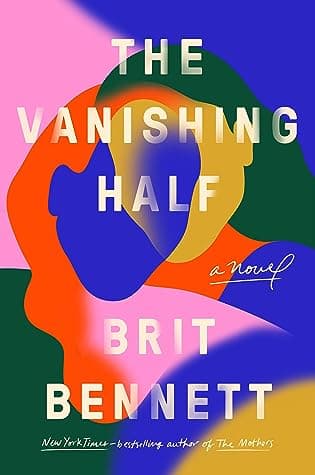
- The Vanishing Half
Brit Bennett
4.3 (132k) average on GoodreadsLiterary FictionWhile "The Personal Librarian" is a historical fiction, it shares thematic resonance with Brit Bennett's contemporary novel, "The Vanishing Half." Both books explore the profound impact of racial passing on identity, family, and self-perception across generations. However, "The Vanishing Half" delves more deeply into the psychological and emotional ripple effects of this choice on multiple characters and their descendants, offering a more multifaceted and contemporary examination of race and identity in America, whereas Benedict's focus is more singularly on Greene's immediate experience within a specific historical context.
- The Diary of a Young Girl
Anne Frank
4.2 (2.7M) average on GoodreadsBiographyDuring the Nazi occupation, a teenage girl's diary, written from a secret annex, shares observations on humanity, hope, and the wait for freedom.
- Twisted 1. Twisted love
Ana Huang
3.7 (1.7M) average on GoodreadsA quiet billionaire with a difficult past finds his guarded heart opening to the woman he must protect, but their growing passion uncovers dangerous secrets and a shared, traumatic history.
- Eat, Pray, Love
Elizabeth Gilbert
3.6 (1.5M) average on GoodreadsLifestyleA heartbroken writer leaves her conventional life for a year-long global search for pleasure in Italy, spiritual devotion in India, and unexpected love and balance in Bali.
- Night
Elie Wiesel
4.3 (970k) average on GoodreadsBiographyIn the darkness of Auschwitz and Buchenwald, a teenage Elie Wiesel faces the extermination of his family, the loss of his faith, and the lasting scars of humanity's deepest cruelty.
- Steve Jobs
Walter Isaacson
4.1 (957k) average on GoodreadsBusinessSteve Jobs was a visionary who fused creativity and technology to revolutionize six industries and shape our digital world.





Enjoyed the summary?
A summary gives you the shape of the book. The book itself has the detail, the examples and the voice.
Find The Personal Librarian on AmazonAs an Amazon Associate, BookBrief earns from qualifying purchases. How we're funded