

Synopsis
Covers the whole plot, including the ending.
- Difficulty
- Easy
- Pacing
- Moderate
- Mood
- Hopeful, reflective, touching, realistic
The Pinballs Plot Summary
Covers the whole plot, including the ending.
Arrival at the Mason's
Carlie, a cynical twelve-year-old, arrives at the Masons' home, her latest foster placement. She meets Harvey, a quiet boy with two broken arms from an accident involving his abusive father. Soon after, Thomas J., a six-year-old who has been in many foster homes since infancy and remembers nothing of his biological parents, joins them. Mrs. Mason, a kind woman, tries to make them feel welcome, but Carlie remains guarded, sure this home will be temporary, like all the others. The children's first interactions are tense. Carlie asserts her independence, Harvey withdraws, and Thomas J. watches with hopeful innocence.
The Pinball Metaphor
Carlie tells Mrs. Mason her belief that foster children are like pinballs, bounced around with no control. She says that just as you get settled, someone puts another coin in the machine, and you're off again. This idea shows her helplessness and resignation about her transient life. Mrs. Mason listens patiently, understanding Carlie's pain but gently suggesting she might influence her own path. Harvey and Thomas J. also live this 'pinball' existence, though they react to it differently.
Harvey's Accident and His Father
Harvey's quietness and broken arms concern everyone. Through observation and Mrs. Mason's gentle questions, it is revealed that Harvey's father injured him in a drunken rage. This news affects the other children, especially Carlie, who, despite her tough exterior, feels sympathy for Harvey. Harvey struggles with fear and a desire for his father's affection, even after the abuse. This incident shows the difficult realities many foster children face. It begins to soften Carlie's cynicism, starting a sense of empathy in her.
Thomas J.'s Quest for Parents
Thomas J., having never known his biological parents, quietly hopes to find them. He often looks for clues in old photographs, thinking any adult in a picture could be his mother or father. He asks innocent, sad questions about his parents and if they will ever come for him. This longing is particularly touching, as he has no memories, only an empty space. Carlie, at first dismissive of his 'silly' questions, finds herself moved by Thomas J.'s vulnerability and deep desire for belonging. His innocence contrasts with Carlie's jaded view, making her think about her own experiences.
The Garden Project
Mrs. Mason suggests the children start a garden, hoping it will give them a shared project and responsibility. Carlie, initially resistant, eventually gets involved, showing a surprising talent for gardening. Harvey, despite his broken arms, finds ways to help, and Thomas J. approaches the task with enthusiastic curiosity. Planting seeds and watching them grow becomes a strong image for their own development and the chance for a stable future. This shared activity builds friendship among the three children, breaking down their initial barriers. It is a small but important step toward forming a makeshift family.
Carlie's Past Revealed
As the children spend more time together, Carlie slowly starts to open up, sharing parts of her painful past. She hints at a neglectful mother who often left her alone and a series of unstable living situations. Her sarcasm and defiance are shown to be defenses developed to cope with a lack of consistent care and emotional support. While she does not fully confide in the Masons, she shares enough with Harvey and Thomas J. for them to understand her cynicism. This limited vulnerability strengthens the bond between the three, as they recognize shared experiences of abandonment and instability.
The Calf and New Life
The Masons' farm offers a new experience for the city children. They see a calf born, an event that represents new life and nature's cycle. This experience affects Thomas J., who sees it as a miracle, and Carlie, who is quietly moved by the fragility and beauty of new life. It contrasts with their difficult beginnings, suggesting the possibility of fresh starts and growth. The shared wonder of this event further strengthens their bond and offers a glimpse of hope beyond their past hardships, connecting them to nature's inherent promise.
Harvey's Hope for Reconciliation
Despite the abuse he suffered, Harvey wants to see his father again. This desire is complex, coming from a child's need for parental love and a hope that his father might change. He even suggests writing to him, which initially surprises Carlie. His continued affection for his abusive parent shows how difficult it is for children to detach from their biological families, even when those relationships are harmful. This moment highlights the theme of unconditional love and the lasting hope for family, even through deep pain, making Carlie re-evaluate her own feelings about her estranged mother.
The Photo Album Discovery
Thomas J.'s search for his parents leads him to an old photo album of the Masons. While it does not have pictures of his biological family, it gives him a tangible history, a collection of faces and moments he can call 'his own' without his true past. He cherishes these photos, creating imaginary stories for the people in them, fulfilling his need for a personal history. Carlie and Harvey see his joy, understanding how important this is for a child who has never had a family album. It is a touching moment showing his deep need for roots and connection.
Carlie's Change of Heart
Through her experiences with Harvey and Thomas J. and the Masons' care, Carlie's tough exterior begins to soften. She starts to actively care for the boys, offering comfort and protection. Her 'pinball' idea, while still part of her thinking, loses some of its absolute power. She realizes that while they cannot control everything, they can choose how they react and who they become. This change marks a turning point in her character, as she moves from passive resignation to a growing sense of control and connection, understanding that she can build her own support system.
The Boys' Birthday Celebration
Carlie decides to plan a surprise joint birthday party for Harvey and Thomas J. She gets the Masons' help, carefully planning the details. This act of selfless giving contrasts sharply with her earlier cynical and self-absorbed manner. The party is a joyous occasion, full of laughter and a real sense of celebration, marking a significant point in their bond. It symbolizes the creation of a new, chosen family and the joy that comes from caring for others, further strengthening the children's connection to each other and to the Masons.
A Future Together?
As their time at the Masons' home continues, the idea of staying together, not just as foster siblings but as a chosen family, becomes a real hope. The children, especially Carlie, start to say they want stability and for their makeshift family to stay together. While the future is uncertain, their experiences together have given them a sense of belonging and a belief that they can, to some extent, influence their own destinies. The book ends with the understanding that while life will always bring challenges, they are no longer just 'pinballs,' but individuals with control and the power to form meaningful connections.
Principal Figures
Carlie
Protagonist
The cynical and guarded foster child who learns to care.
Carlie is a twelve-year-old foster child characterized by her sharp wit, cynicism, and tough exterior. She views herself and other foster children as 'pinballs,' tossed around by forces beyond their control. Beneath her sarcastic and defiant facade lies deep-seated hurt from a history of neglect and instability. She is initially resistant to forming attachments, believing that all foster homes are temporary. However, her experiences with Harvey and Thomas J., and the Masons' unwavering kindness, gradually chip away at her defenses, revealing a compassionate and protective nature.
Relationships: Harvey (initially wary, then protective and empathetic sister figure); Thomas J. (initially dismissive, then deeply affectionate and protective sister figure); Mr. and Mrs. Mason (initially distrustful, then respectful and loving foster child)
Harvey
Supporting
The quiet, sensitive boy recovering from abuse.
Harvey is a quiet, sensitive boy who arrives at the Masons' with two broken arms, a result of his father's abuse. He is initially withdrawn and fearful, struggling with the trauma of his past. Despite the abuse, he harbors a complex longing for his father's love and acceptance. He is observant and kind, finding solace in simple activities like gardening. His vulnerability and resilience play a crucial role in breaking through Carlie's defenses, and he gradually finds his voice and confidence within the safety of the Mason household.
Relationships: Carlie (initially intimidated, then trusting and affectionate brother figure); Thomas J. (gentle and supportive older brother figure); Mr. and Mrs. Mason (trusting and cared-for foster child)
Thomas J.
Supporting
The innocent and hopeful boy searching for his identity.
Thomas J. is a six-year-old boy who has been in foster care since infancy and has no memory of his biological parents. He is characterized by his innocence, optimism, and an almost childlike wisdom. He possesses a deep, unspoken longing for a family and a personal history, often creating imaginary stories or seeking clues in old photographs. His pure heart and unwavering hope are instrumental in softening Carlie's cynicism and bringing a sense of warmth and joy to the foster home. He embodies the profound human need for belonging and roots.
Relationships: Carlie (innocent and adoring younger brother figure); Harvey (trusting and affectionate younger brother figure); Mr. and Mrs. Mason (loving and cherished foster child)
Mrs. Mason
Supporting
The kind and empathetic foster mother.
Mrs. Mason is the compassionate and patient foster mother who provides a safe and nurturing home for Carlie, Harvey, and Thomas J. She is understanding of the children's individual traumas and defense mechanisms, approaching them with empathy rather than judgment. She offers stability, structure, and unconditional love, creating an environment where the children can begin to heal and form genuine connections. Her quiet strength and unwavering kindness are the catalysts for the children's transformation, demonstrating the profound impact of a stable and loving caregiver.
Relationships: Carlie (patient and understanding foster mother); Harvey (nurturing and healing foster mother); Thomas J. (loving and accepting foster mother)
Mr. Mason
Supporting
The quiet and supportive foster father.
Mr. Mason is Mrs. Mason's husband and a supportive, steady presence in the foster home. Though less vocal than his wife, he provides a calm and reassuring male figure for the children. He works on the farm, offering a sense of routine and practical knowledge. His interactions with the children are often gentle and encouraging, particularly during activities like gardening. He represents a stable and reliable adult presence, contributing to the overall sense of security and family that the Masons offer.
Relationships: Carlie (calm and supportive foster father); Harvey (understanding and encouraging foster father); Thomas J. (gentle and patient foster father)
Harvey's Father
Antagonist (off-screen)
The abusive biological father of Harvey.
Harvey's father is not a present character in the narrative but serves as a significant antagonist through his past actions. He is responsible for Harvey's broken arms, a consequence of his abusive behavior, likely fueled by alcoholism. His presence is felt through Harvey's trauma and his complex longing for parental love despite the harm inflicted. He represents the painful realities and broken promises that many foster children carry, highlighting the reasons they are in the foster system.
Relationships: Harvey (abusive biological father)
Carlie's Mother
Antagonist (off-screen)
The neglectful biological mother of Carlie.
Carlie's mother is an absent character but her neglectful parenting is the root cause of Carlie's cynicism and emotional guardedness. She is portrayed as someone who often left Carlie alone and failed to provide a stable or loving environment. Her actions forced Carlie into a series of foster homes and instilled in her a deep distrust of adults and a belief that she is unlovable. She represents the abandonment and lack of consistent care that shape Carlie's initial worldview.
Relationships: Carlie (neglectful biological mother)
Themes & Insights
The Search for Family and Belonging
A main theme is the human need for a stable family and belonging, especially for children who have experienced loss. Carlie, Harvey, and Thomas J. each want connection and a place where they are wanted. Thomas J. looks for his biological parents, while Harvey hopes for reconciliation with his abusive father. Carlie, despite her cynicism, eventually finds a family with the Masons and her foster siblings, realizing that family can be chosen. The Masons' home becomes a place where these children can begin to heal and form new bonds, showing that love and stability can create a family regardless of biology.
“You know what we are?’ Carlie said. ‘We’re like pinballs. Somebody puts in a coin and you go bomp, bomp, bomp, against all the bumpers, and then, pop, you’re in a hole. And somebody else puts in a coin and out you come and go bomp, bomp, bomp again.”
Overcoming Trauma and Finding Resilience
The novel explores how children cope with and overcome trauma. Harvey's physical and emotional scars from abuse, Carlie's cynicism from neglect, and Thomas J.'s emptiness from not knowing his parents are all forms of childhood trauma. Through the Masons' care and their relationships with each other, the children slowly begin to heal. They learn to trust, to care, and to find strength in their shared experiences. Their resilience is shown in their ability to form new bonds and find hope for the future, demonstrating that even after hardship, children can heal and grow.
“You know,’ Mrs. Mason said, ‘some people think a garden is like a family. You put a lot of work into it, and you get a lot out of it.”
The Power of Empathy and Connection
Empathy and real connections are essential to the children's change. Carlie's initial guardedness slowly disappears as she sees Harvey's vulnerability and Thomas J.'s innocent longing. Her ability to empathize with their pain and her desire to protect them shows the power of human connection. The children, at first isolated, become a makeshift family, offering each other comfort, understanding, and a sense of belonging they lacked in their biological families. This theme highlights how shared experiences and mutual support can lead to healing and strong personal growth.
“Carlie looked at Thomas J. and she felt a strange pulling in her chest. She had never felt that before. It was a good feeling, like she had a secret that only she and Thomas J. knew.”
Agency vs. Determinism
The novel addresses whether individuals, especially children in difficult situations, control their lives or are simply products of their environment. Carlie's 'pinball' metaphor captures a deterministic view. However, as the story progresses, the children, guided by Mrs. Mason, begin to realize that while they cannot control every external event, they can choose their reactions, build relationships, and shape their futures. Their decision to actively care for one another and their desire to stay together shows a shift from passive acceptance to active participation in their own destinies, asserting their control over the 'pinball' game of life.
“Well,’ Mrs. Mason said, ‘a pinball can't help where it goes. But you can.”
Plot Devices & Literary Techniques
The Pinball Metaphor
A central metaphor for feeling powerless.
Carlie's vivid metaphor of foster children as 'pinballs' is a powerful plot device. It immediately establishes her cynical worldview and the pervasive feeling of helplessness experienced by children in the foster system. This metaphor serves as a constant thematic touchstone, allowing the reader to track Carlie's emotional journey as she gradually moves away from this fatalistic perspective. The eventual subversion of this metaphor, as the children find agency and connection, highlights their growth and the book's central message about overcoming adversity. It's a relatable image that encapsulates the lack of control many children feel.
The Garden
Symbol of growth, nurturing, and shared responsibility.
The act of planting and tending a garden serves as a rich symbolic plot device. It provides a tangible, shared project that forces the three disparate children to cooperate and work together, fostering their nascent bond. Symbolically, the garden represents growth, care, and the potential for new life, mirroring the emotional and personal growth of Carlie, Harvey, and Thomas J. As they nurture the plants, they also begin to nurture each other and themselves, establishing roots and finding stability in their lives. It's a quiet, yet powerful, catalyst for their development and connection.
Thomas J.'s Photo Album
A proxy for a missing personal history.
Thomas J.'s adoption of the Masons' old photo album as his own 'history' is a poignant plot device. It underscores his deep longing for a personal past and a sense of belonging, which he lacks due to never knowing his biological parents. The album, though not truly his family's, provides him with a tangible collection of faces and memories he can call his own, fulfilling an emotional void. This device highlights the importance of personal history and roots for identity formation, and it evokes empathy for Thomas J.'s innocent yearning, further softening Carlie's heart.
Harvey's Broken Arms
A visible symbol of past trauma.
Harvey's two broken arms are a powerful and immediate visual symbol of the physical and emotional abuse he has endured. They serve as a constant reminder of his past trauma and contribute to his initial withdrawn and fearful demeanor. This physical manifestation of his pain evokes immediate sympathy from the reader and, crucially, from Carlie, beginning to chip away at her defenses. The slow healing of his arms mirrors his emotional recovery, as he gradually learns to trust and finds a sense of safety and belonging within the Mason household. It's a stark, undeniable representation of the challenges these children face.
Quiz
10 questions on the plot and the characters. Each answer comes with a short explanation.
Question 1
Who is the author of the book 'The Pinballs'?
- Betsy Byars
- Judy Blume
- Roald Dahl
- Beverly Cleary
Show answer
A. Betsy Byars The book 'The Pinballs' is written by Betsy Byars.
Question 2
What is the main theme of 'The Pinballs'?
- The importance of pets
- Children finding control over their lives
- The challenges of growing up in a big city
- The joy of discovering new hobbies
Show answer
B. Children finding control over their lives The story focuses on Carlie, Harvey, and Thomas J. learning to take control of their own lives despite their circumstances.
Question 3
What metaphor is used to describe the children's lives at the beginning of the book?
- Puppets on strings
- Ships lost at sea
- Pinballs in a machine
- Seeds blown by the wind
Show answer
C. Pinballs in a machine Carlie feels like a pinball, being bounced from one situation to another without control.
Question 4
Who are the three main child characters in 'The Pinballs'?
- Carlie, Billy, and Sarah
- Harvey, Thomas J., and Carlie
- Peter, Wendy, and John
- Anne, Diana, and Marilla
Show answer
B. Harvey, Thomas J., and Carlie The three children living in the foster home are Carlie, Harvey, and Thomas J.
Question 5
What does Carlie initially feel about her situation?
- Excited about new adventures
- Hopeful for a permanent home
- Resigned to having no say in her life
- Determined to escape her foster home
Show answer
C. Resigned to having no say in her life Carlie feels like she has no control over her life and is just being moved around.
Question 6
What is the significance of the title 'The Pinballs'?
- It refers to the children's love for playing arcade games.
- It symbolizes the children's lack of control and constant movement in their lives.
- It is the name of the foster home where the children live.
- It represents the unpredictable nature of adulthood.
Show answer
B. It symbolizes the children's lack of control and constant movement in their lives. The title reflects the feeling of being bounced around without control, like a pinball in a game.
Question 7
Despite their initial reservations, what develops between Carlie, Harvey, and Thomas J.?
- A rivalry
- Indifference
- Friendship
- A business partnership
Show answer
C. Friendship Against their expectations, the three children form a bond of friendship.
Question 8
What does the phrase 'somebody puts another coin in the machine' imply in the context of the book?
- The children are always given money for activities.
- New challenges or changes are constantly being introduced into their lives.
- The adults in their lives are always playing games.
- The children have to earn their keep.
Show answer
B. New challenges or changes are constantly being introduced into their lives. This phrase signifies that just when they start to feel settled, another disruption or change occurs, forcing them to move or adapt.
Question 9
What is the overall arc of the story for the main characters?
- From isolation to finding belonging
- From helplessness to empowerment
- From fear to recklessness
- From ignorance to cynicism
Show answer
B. From helplessness to empowerment The children move from feeling powerless and at the mercy of circumstances to realizing they can influence and take control of their own futures.
Question 10
The book suggests that even children in difficult circumstances can achieve a sense of agency. What is 'agency' in this context?
- The ability to make independent choices and take action.
- The freedom to avoid all responsibilities.
- The power to always get what they want.
- The right to be left alone.
Show answer
A. The ability to make independent choices and take action. Agency refers to the capacity of individuals to act independently and make their own free choices, which is what the children begin to discover.
The Pinballs FAQ
What is the book 'The Pinballs' about?
'The Pinballs' by Betsy Byars is about three children living in a foster home: Carlie, Harvey, and Thomas J. They feel like pinballs, being bounced around by life with little control over their circumstances. The story explores their unexpected friendship and their journey to finding agency in their own lives.
Who are the main characters in 'The Pinballs'?
The main characters are Carlie, a girl who feels powerless; Harvey, who has a limp and is often overlooked; and Thomas J., a sensitive and somewhat naive boy. They are all placed in the same foster home.
What does the title 'The Pinballs' symbolize?
The title 'The Pinballs' symbolizes the characters' feeling of being tossed around by fate and circumstances, unable to control their own destinies. Like a pinball in an arcade game, they are constantly being hit and moved without their own volition.
What are the main themes in 'The Pinballs'?
Key themes in 'The Pinballs' include the loss of control over one's life, the power of friendship, finding resilience in difficult circumstances, and the journey towards self-discovery and independence, especially for young people.
Is 'The Pinballs' a sad book?
While the book deals with serious themes like foster care and feelings of powerlessness, it is ultimately a story of hope and resilience. The characters' growing friendship and their realization that they can influence their own lives offer a positive and uplifting message.
What age group is 'The Pinballs' for?
'The Pinballs' is generally considered a children's or young adult novel, suitable for middle grade readers and up, typically ages 9-12 or slightly older. It deals with mature themes in an accessible way.
What does Carlie learn by the end of the book?
By the end of 'The Pinballs,' Carlie learns the importance of friendship and that she doesn't have to passively accept whatever happens to her. She discovers her own strength and the ability to form connections and take some control over her future.
How does the friendship between Carlie, Harvey, and Thomas J. develop?
Initially hesitant and independent, the three children gradually bond over their shared experiences in the foster home. Their friendship grows through mutual support, understanding, and shared adventures, helping them to feel less alone and more capable.
Similar books
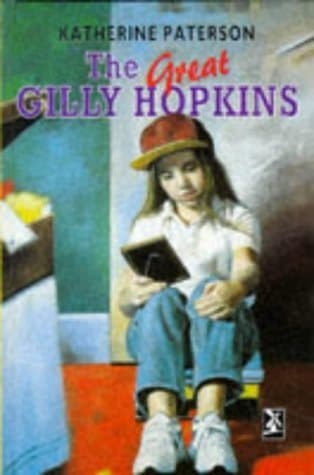
- The Great Gilly Hopkins
Katherine Paterson
3.8 (21k) average on GoodreadsChildren'sBoth "The Pinballs" and "The Great Gilly Hopkins" explore the experiences of strong-willed foster children, but they differ significantly in tone and character arcs. Gilly Hopkins is far more outwardly rebellious and manipulative, actively trying to sabotage her foster placements to return to her biological mother. Carlie, while cynical, is more internally resistant and less overtly destructive. Paterson's novel delves deeper into the complexities of attachment and the pain of ultimate separation, whereas Byars focuses more on the process of forming new bonds and finding a sense of belonging within a new family unit. Both are excellent, but Paterson's work often feels more raw and heartbreaking in its exploration of a child's desperate longing for an idealized past.
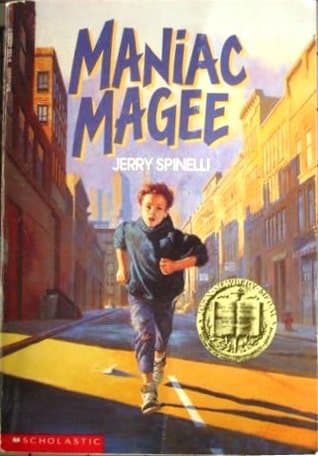
- Maniac Magee
Jerry Spinelli
3.9 (117k) average on GoodreadsChildren's"The Pinballs" shares with "Maniac Magee" a theme of children searching for a place to belong, but their approaches and settings diverge. Maniac Magee is an almost mythical figure, an orphan who drifts through a racially divided town, never quite fitting in but leaving an indelible mark. His journey is one of forging connections across social divides and seeking a true home. "The Pinballs," by contrast, is a more intimate and grounded story, focusing on the internal struggles and interpersonal dynamics within a single foster home. While Maniac's story is grander and more allegorical, Byars' work offers a quieter, more personal look at how individual children, through shared experience, can build their own haven.
- Harry Potter and the Sorcerer's Stone
J.K. Rowling
4.5 (7M) average on GoodreadsFantasyRescued from a miserable life under the stairs, an orphaned boy discovers he's a wizard destined for a magical school, where he uncovers a dangerous secret tied to the dark wizard who murdered his parents.
- The Hobbit, or There and Back Again
J.R.R. Tolkien
4.3 (2.9M) average on GoodreadsFantasyA comfort-loving hobbit named Bilbo Baggins is whisked away by a mischievous wizard and a band of dwarves on an unexpected journey to reclaim stolen treasure from a fearsome dragon, discovering courage and a magical ring along the way.
- Harry Potter and the Goblet of Fire
J.K. Rowling
4.6 (2.6M) average on GoodreadsFantasyA bewildered Harry Potter, underage and thrust into a deadly Triwizard Tournament, must brave dragons, mermaids, and a resurgent dark magic to survive a year that will forever alter the wizarding world.
- Harry Potter and the Order of the Phoenix
J.K. Rowling
4.5 (2.5M) average on GoodreadsFantasyIn a year of oppressive secrets and the threat of Voldemort, Harry Potter and Dumbledore's Army secretly train for war, shown through Jim Kay and Neil Packer's dark illustrations.




Enjoyed the summary?
A summary gives you the shape of the book. The book itself has the detail, the examples and the voice.
Find The Pinballs on AmazonAs an Amazon Associate, BookBrief earns from qualifying purchases. How we're funded