

Synopsis
Covers the whole plot, including the ending.
- Difficulty
- Medium
- Pacing
- Fast
- Mood
- Suspenseful, Cunning, Intense, Cynical
- Read it if
- You enjoy legal thrillers with cunning plots, intricate manipulations, and high stakes, where the underdog seeks justice against powerful corporations.
- Skip it if
- You prefer character-driven dramas over plot-heavy suspense or find the concept of jury manipulation too cynical.
The Runaway Jury Plot Summary
Covers the whole plot, including the ending.
The Big Tobacco Lawsuit Begins
The story begins in Biloxi, Mississippi, where a lawsuit, *Jacob Wood v. Pynex Tobacco*, is about to start. Celeste Wood is suing on behalf of her deceased husband, Jacob Wood, claiming his lung cancer was caused by Pynex cigarettes. The stakes are enormous. Wendell Rohr, a seasoned plaintiffs' lawyer, represents Celeste. Rankin Fitch, a cynical jury consultant, and Durwood Cable, a brilliant defense attorney, lead the defense for Pynex. Jury selection is a tense battle, with both sides carefully vetting potential jurors, each seeking an advantage in what promises to be a long legal fight.
Introducing Nicholas Easter and Marlee
As jury selection continues, Nicholas Easter (real name Jeff Kerr) and Marlee (Amanda Monroe) begin to exert influence. Nicholas, an ordinary young man, manages to become Juror Number 2, despite unusual behaviors that should have disqualified him. Marlee, working in secret, contacts Rankin Fitch's team. She claims to have inside information about the jury and demands a large sum for her ability to predict and influence jurors' decisions. Her early predictions are accurate, immediately catching Fitch's attention and making him suspect a deeper conspiracy.
The Jury's Strange Behavior
Once the jury is sequestered, their behavior becomes erratic. Jurors who seemed to favor the defense begin to waver, and those who seemed pro-plaintiff become more vocal. Nicholas Easter, from within the jury, subtly guides discussions and influences the group, often seeming reasonable while pushing his own agenda. This shift in the jury's mood confuses both Wendell Rohr and Rankin Fitch. Fitch, relying on his research and profiles, is frustrated as the jury's actions contradict his expectations, leading him to suspect jury tampering from the inside.
Marlee's Demands Escalate
Marlee continues negotiating with Rankin Fitch, her demands for money growing. She shows detailed knowledge of the jurors' thoughts and interactions, giving Fitch accurate predictions about their deliberations and personal lives. She makes it clear that she and Nicholas Easter, her accomplice, are orchestrating the process. Marlee's goal is a specific verdict, not just money. Fitch, desperate to protect Pynex from financial ruin, feels pressured to consider paying a large bribe to influence the trial's outcome, even as he tries to uncover the extent of their scheme and their identities.
Fitch's Investigation into Marlee and Nicholas
Alarmed by Marlee's control and the jury's unpredictable nature, Rankin Fitch uses his resources to investigate her and Nicholas Easter. His private investigators look into their backgrounds, trying to find their true identities, motives, and connections to the plaintiff. They discover Nicholas Easter is Jeff Kerr, and Marlee is Amanda Monroe. They also uncover a tragic backstory involving a family member who died from tobacco-related illness, suggesting a personal vendetta. Fitch realizes he is dealing with a planned, personal operation to punish the tobacco industry.
The Jury's Deliberations Intensify
As the trial ends, the jury begins deliberations. Nicholas Easter, using his alias Jeff Kerr, plays an important role. He guides discussions, planting doubt and influencing opinions without dominating. He uses his charm, intelligence, and understanding of human psychology to sway the undecided and strengthen those leaning toward the plaintiff. He dismantles the defense's arguments and highlights the plaintiff's case, all while appearing to be an impartial juror. The defense team, watching the jury's behavior, sees the verdict slipping away.
The Verdict and Marlee's Final Offer
The jury reaches a verdict, finding for the plaintiff, Celeste Wood, and awarding a large sum in damages — over 100 million dollars in compensatory damages and an additional 200 million in punitive damages. The courtroom reacts, with the plaintiff's side celebrating and the defense in shock. Immediately after the verdict, Marlee contacts Rankin Fitch with her final demand: a huge sum of money, hundreds of millions, for her and Nicholas/Jeff, in exchange for not revealing their jury manipulation. She threatens to expose everything, leading to a mistrial and further financial ruin for Pynex, if her demands are not met.
The Unveiling of the Motive
In a confrontation, Marlee and Nicholas/Jeff reveal their true identities and the personal motivation behind their scheme. They are Amanda Monroe and Jeff Kerr, driven by a desire for justice for Amanda's sister, who died from lung cancer caused by Pynex cigarettes. They planned this operation for years, infiltrating the legal system to hold a tobacco company accountable. Their goal was not just money, but to make a statement and inflict a financial blow on the industry they blamed for their family's tragedy. They explain their detailed planning, from jury selection to deliberations.
Fitch's Dilemma and the Payoff
Rankin Fitch is in a difficult position. If he exposes Marlee and Nicholas, he risks a mistrial, another costly trial, and public humiliation for Pynex. The public relations damage alone would be severe. If he pays them, Pynex takes a financial hit, but the scandal is contained. After intense debate and pressure from Pynex executives, Fitch reluctantly agrees to pay the demanded sum. The money is transferred to offshore accounts, securing Marlee and Nicholas's silence. The corporation effectively avoids a deeper scandal, at an enormous cost, showing the power of the duo's plan.
The Aftermath and the Future
With payment secured, Marlee and Nicholas disappear. They use the money to start a new life, having achieved both financial gain and justice for Amanda's sister. The tobacco industry is affected by the verdict and financial blow. While the jury manipulation remains secret, the incident sends a message to powerful corporations: even careful legal defenses can be circumvented. The story ends with the implication that Marlee and Nicholas successfully executed their plan, leaving a lasting impact on the legal system and the tobacco industry.
The Runaway Jury Characters
Nicholas Easter / Jeff Kerr
Protagonist
The cunning, intelligent juror who orchestrates the manipulation from within.
Nicholas Easter is the alias of Jeff Kerr, a brilliant and highly intelligent young man with a photographic memory and a deep understanding of human psychology. He is driven by a profound sense of justice and a personal vendetta against the tobacco industry, stemming from a family tragedy. Calm, charming, and meticulous, he is able to blend seamlessly into the jury and subtly influence its dynamics without arousing suspicion from his fellow jurors. He is Marlee's partner in the grand scheme, executing the inside job with precision and unwavering focus.
Relationships: Marlee (Romantic partner and co-conspirator); Rankin Fitch (Adversary, target of manipulation); Wendell Rohr (Unwitting ally)
Marlee / Amanda Monroe
Protagonist
The mastermind and negotiator, orchestrating the plot from the outside.
Marlee is the alias of Amanda Monroe, the true mastermind behind the jury manipulation. She is sharp, ruthless, and incredibly intelligent, possessing a deep understanding of corporate psychology and legal strategies. Her motivation is deeply personal, fueled by the death of her sister from tobacco-related illness. She acts as the primary contact with Rankin Fitch, negotiating the terms of their scheme and demonstrating an uncanny ability to predict and control the jury's actions. Amanda is the strategic brains, while Jeff is the tactical executor, making them a formidable team.
Relationships: Nicholas Easter / Jeff Kerr (Romantic partner and co-conspirator); Rankin Fitch (Adversary and target of manipulation); Celeste Wood (Unwitting beneficiary of her actions)
Rankin Fitch
Antagonist
The ruthless and cynical jury consultant for the tobacco defense.
Rankin Fitch is a highly experienced and notoriously effective jury consultant, hired by Pynex Tobacco to ensure a favorable verdict. He is cynical, amoral, and utterly dedicated to winning, employing extensive psychological profiling and surveillance to 'manage' juries. Fitch views jurors as pawns to be manipulated rather than individuals. He is quick to recognize that the jury in the Wood trial is compromised, and his desperation to uncover the truth and protect his client drives much of the plot. He represents the formidable, wealthy, and unethical side of corporate defense.
Relationships: Nicholas Easter / Jeff Kerr (Adversary); Marlee / Amanda Monroe (Adversary and negotiator); Durwood Cable (Legal team colleague)
Wendell Rohr
Supporting
The earnest and dedicated plaintiffs' attorney.
Wendell Rohr is the lead attorney for the plaintiff, Celeste Wood. He is a seasoned trial lawyer known for his integrity and commitment to justice, particularly for the underdog against powerful corporations. Rohr is genuinely passionate about holding the tobacco industry accountable for its actions. While he is a skilled litigator, he is somewhat naive to the extent of the manipulation happening behind the scenes. He represents the ethical, albeit often outmatched, side of the legal battle, ultimately benefiting from the manipulation without being aware of its true nature.
Relationships: Celeste Wood (Client); Rankin Fitch (Opposing counsel's consultant); Nicholas Easter / Jeff Kerr (Unwitting ally within the jury)
Celeste Wood
Supporting
The plaintiff, suing Pynex Tobacco for her husband's death.
Celeste Wood is the grieving widow of Jacob Wood, whose death from lung cancer is attributed to his lifelong smoking habit. She is the plaintiff in the landmark lawsuit against Pynex Tobacco. Celeste is portrayed as a sympathetic figure, seeking justice and accountability for her husband's death, rather than solely financial gain. Her personal tragedy serves as the emotional core of the plaintiffs' case and indirectly fuels Marlee and Nicholas's vendetta, making her an important catalyst for the events of the novel.
Relationships: Wendell Rohr (Her attorney); Jacob Wood (Her deceased husband)
Durwood Cable
Supporting
The lead defense attorney for Pynex Tobacco.
Durwood Cable is the principal trial attorney representing Pynex Tobacco. He is a highly skilled and experienced corporate lawyer, adept at presenting a compelling defense and discrediting the opposition. Cable works closely with Rankin Fitch, relying on Fitch's jury insights to guide his courtroom strategy. While he is a formidable legal opponent for Wendell Rohr, he is largely unaware of the extent of the jury manipulation, operating within traditional legal boundaries. His role is to present the corporate defense, even as the outcome is being secretly orchestrated.
Relationships: Rankin Fitch (Colleague and strategist); Wendell Rohr (Opposing counsel)
Loreen Duke
Supporting
A juror who becomes a target for manipulation.
Loreen Duke is one of the jurors, initially presented as a somewhat naive and easily influenced individual. She is a key target for Nicholas Easter's subtle manipulation within the jury room. Nicholas identifies her as someone who can be swayed to his side and uses psychological tactics to gain her trust and subtly guide her opinions. Her development within the jury reflects the effectiveness of Nicholas's methods, as she moves from uncertainty to a firm stance in favor of the plaintiff, demonstrating the power of covert influence.
Relationships: Nicholas Easter / Jeff Kerr (Fellow juror, target of manipulation)
Herman Grimes
Supporting
A juror who is also targeted and manipulated by Nicholas.
Herman Grimes is another juror, depicted as somewhat gruff and initially leaning towards the defense. Nicholas Easter identifies Grimes as a potential leader or influential voice within the jury and carefully works to undermine his initial leanings. Through subtle arguments and the careful framing of evidence during deliberations, Nicholas is able to shift Grimes's perspective. Grimes's eventual shift towards the plaintiff's side is a testament to Nicholas's skill in managing and ultimately controlling the jury's collective mindset, highlighting the vulnerability of the jury system.
Relationships: Nicholas Easter / Jeff Kerr (Fellow juror, target of manipulation)
The Runaway Jury Themes
Justice vs. Legality
The novel explores the tension between achieving legal victory through conventional means and through manipulation, even if the outcome is seen as 'just.' Marlee and Nicholas believe the tobacco industry has avoided justice, and they are willing to subvert the legal process to force accountability. Their actions raise questions about whether the ends justify the means, especially when the legal system can be influenced by powerful corporations, as shown by Rankin Fitch's methods. The manipulated verdict, while legally questionable, delivers a form of justice the plaintiffs might not have achieved otherwise.
“We're not trying to win a lawsuit, Mr. Fitch. We're trying to win justice.”
The Corruptibility of the Legal System
Grisham shows how money and power can corrupt and manipulate the legal system. Rankin Fitch's business relies on selecting and influencing juries to favor his wealthy corporate clients, using surveillance and psychological profiles. Marlee and Nicholas use these vulnerabilities, turning Fitch's tactics against him. The fact that Pynex pays a large bribe to avoid further scandal highlights the idea that justice can be bought, sold, and circumvented, rather than purely decided on merit. The jury's sequestration and manipulation show the system's fragility.
“A jury is a terrible thing to waste, Mr. Fitch. So much money, so much time, so much effort.”
Revenge and Personal Vendetta
The story is driven by Marlee and Nicholas's personal quest for revenge against the tobacco industry for Amanda Monroe's sister's death. Their elaborate, years-long scheme is fueled by grief and a desire to punish those responsible. This personal motivation elevates their actions beyond mere greed, giving their manipulation a moral, though ethically ambiguous, dimension. The narrative suggests that when the established system fails to provide justice for personal tragedies, individuals may take extraordinary measures to achieve their own retribution. Their careful planning shows the depth of their commitment.
“It was never about the money, not really. It was about making them pay.”
The Power of Manipulation and Persuasion
The novel shows the art of manipulation and persuasion, both ethical and unethical. Rankin Fitch's career is built on influencing juries through selection and research. Nicholas Easter, from within the jury, shows skill in reading people, understanding group dynamics, and guiding conversations without appearing dominant. Marlee's ability to negotiate and control Fitch, despite being unknown, shows her persuasive power. The story highlights how easily human perception and decision-making can be swayed by strategic influence.
“The trick is not to make them think what you want, but to make them think they want what you want.”
Plot Devices & Literary Techniques
The Trojan Horse Juror
A key manipulator (Nicholas Easter) is embedded within the jury itself.
This device is central to the plot, as Nicholas Easter (Jeff Kerr) deliberately gets himself selected onto the jury. His presence inside the sequestered group allows for direct, subtle manipulation of the other jurors, circumventing traditional courtroom procedures and the watchful eyes of the legal teams. He acts as an internal agent, guiding discussions, influencing opinions, and ensuring the desired verdict from within. This 'Trojan Horse' strategy is what makes the scheme so difficult to detect and counter, as the manipulation comes from a seemingly legitimate source.
The Unseen Mastermind / External Operator
An outside figure (Marlee) controls the inside player and negotiates with the opposition.
Marlee (Amanda Monroe) functions as the unseen mastermind, operating from outside the direct purview of the court. She communicates with Rankin Fitch, revealing her knowledge of the jury's inner workings and making demands, while orchestrating Nicholas's actions from afar. This creates a two-pronged attack: one visible (Nicholas on the jury) and one shadowy (Marlee's negotiations). Her external position allows her to maintain leverage and control, while also providing a crucial narrative hook as Fitch tries to uncover her identity and motives.
The Blackmail / Ransom Plot
The manipulators demand a large sum of money to prevent exposure of their scheme.
After securing the desired verdict, Marlee and Nicholas pivot to a blackmail scheme, demanding a massive payment from Pynex Tobacco to keep their jury manipulation a secret. This device raises the stakes significantly, forcing the corporation and Rankin Fitch into a moral and financial dilemma. It highlights the corruptibility of the system, as a corporation chooses to pay a bribe to avoid a greater scandal and financial ruin, rather than expose the manipulation and face another trial. It serves as the ultimate payoff for the protagonists' elaborate plan.
The Personal Vendetta
The plot is driven by a deeply personal motive for revenge.
Unlike a simple criminal conspiracy, the entire jury manipulation scheme is rooted in Marlee and Nicholas's personal tragedy – the death of Marlee's sister due to tobacco-related illness. This personal vendetta provides a strong emotional core and a moral justification (from their perspective) for their illegal actions. It transforms them from mere criminals into complex anti-heroes seeking justice outside conventional means, making their actions more understandable, if not entirely defensible. This device adds depth and motivation to the otherwise audacious plot.
The Runaway Jury Quotes
“There are some things in this world that money can't buy. But for everything else, there's a lawyer.”
“A jury is a terrible thing to waste.”
“The truth is a powerful weapon, but it's not always enough.”
“You can't buy justice, but you can rent it.”
“Every man has his price, or so they say. But some prices are higher than others.”
“The law is a game, and like any game, it has its rules. But the best players know how to bend them.”
“Fear is a great motivator, especially when it's your own neck on the line.”
“The beauty of a jury is its unpredictability. The horror of a jury is its unpredictability.”
“Sometimes the best defense is a good offense, especially when the other side is playing dirty.”
“It's not about what you know, it's about what you can prove.”
“There are no innocent bystanders in a war like this.”
“Money talks, and in a courtroom, it screams.”
“Revenge is a dish best served cold, and sometimes, it's served by a jury.”
“The system is flawed, but it's the only one we have. And sometimes, it needs a little push.”
Quiz
10 questions on the plot and the characters. Each answer comes with a short explanation.
Question 1
What is the primary industry being sued in the landmark trial in Biloxi, Mississippi?
- Automotive
- Pharmaceutical
- Tobacco
- Insurance
Show answer
C. Tobacco The book explicitly states the trial is a 'landmark tobacco trial with hundreds of millions of dollars at stake.'
Question 2
What is the initial indication that something is amiss with the jury?
- They refuse to deliberate.
- Their behavior becomes strange, and a juror feels watched.
- They demand more compensation.
- One juror attempts to bribe the judge.
Show answer
B. Their behavior becomes strange, and a juror feels watched. The synopsis mentions, 'The jury is behaving strangely, and at least one juror is convinced he's being watched.'
Question 3
Who provides a crucial tip suggesting the ability to predict the jurors' odd behavior?
- An anonymous young woman
- The lead defense attorney
- A disgruntled former juror
- A private investigator hired by the court
Show answer
A. An anonymous young woman The text states, 'Then a tip from an anonymous young woman suggests she is able to predict the jurors' increasingly odd behavior.'
Question 4
What is the immediate consequence of the jury's strange behavior and the emerging suspicions?
- The trial is immediately dismissed.
- The judge declares a mistrial.
- The jury has to be sequestered.
- New jurors are selected to replace the current ones.
Show answer
C. The jury has to be sequestered. After the jury's strange behavior, the text states, 'Soon they have to be sequestered.'
Question 5
The synopsis mentions, 'Every jury has a leader, and the verdict belongs to him.' What does this statement imply about the nature of jury deliberation in the context of the book?
- That the judge ultimately controls the jury's decision.
- That individual jurors have little influence on the final outcome.
- That a single dominant personality can sway the entire jury's verdict.
- That the jury foreman is always the most knowledgeable juror.
Show answer
C. That a single dominant personality can sway the entire jury's verdict. This opening line highlights the theme of influence and control within a jury, suggesting that one person can significantly direct the outcome.
Question 6
What is the general financial stake involved in the tobacco trial?
- Thousands of dollars
- Millions of dollars
- Hundreds of millions of dollars
- Billions of dollars
Show answer
C. Hundreds of millions of dollars The book explicitly states, 'hundreds of millions of dollars at stake'.
Question 7
The central mystery of the plot revolves around whether the jury is being:
- Influenced by outside media.
- Manipulated or controlled.
- Unfairly biased by the judge.
- Struggling with complex legal terms.
Show answer
B. Manipulated or controlled. The core question posed in the synopsis is: 'Is the jury somehow being manipulated, or even controlled?'
Question 8
The initial setting for the landmark tobacco trial is specified as:
- New Orleans, Louisiana
- Atlanta, Georgia
- Biloxi, Mississippi
- Jackson, Mississippi
Show answer
C. Biloxi, Mississippi The book explicitly states: 'In Biloxi, Mississippi, a landmark tobacco trial...begins routinely.'
Question 9
What is the overarching question the narrative aims to answer regarding the jury's situation?
- Who will win the trial?
- Who is manipulating or controlling the jury, and why?
- How will the sequestered jurors cope with isolation?
- What is the true extent of the tobacco industry's guilt?
Show answer
B. Who is manipulating or controlling the jury, and why? The synopsis concludes with the direct questions: 'If so, by whom? And, more importantly, why?' referring to the jury's manipulation.
Question 10
The phrase 'then swerves mysteriously off course' implies what about the trial's progression?
- The legal procedures were flawed from the start.
- The trial was expected to be straightforward but encountered unforeseen and strange deviations.
- The judge intentionally derailed the proceedings.
- One of the lawyers committed a serious ethical breach.
Show answer
B. The trial was expected to be straightforward but encountered unforeseen and strange deviations. The phrase 'begins routinely, then swerves mysteriously off course' suggests an unexpected and puzzling departure from a normal trial progression.
The Runaway Jury FAQ
What is the central premise of 'The Runaway Jury'?
The novel centers on a landmark tobacco lawsuit in Biloxi, Mississippi, where the plaintiff's lawyers are suing a major tobacco company. The core mystery unfolds when the jury's behavior becomes increasingly erratic and predictable, leading to suspicion that the jury is being manipulated by an outside force to control the verdict.
Who are the key players on the jury, and what makes them significant?
The most significant jurors are Nicholas Easter (really Jeff Kerr), a seemingly unassuming video store clerk, and Marlee (really Rikki Coleman), a mysterious young woman who appears to be able to predict the jury's actions. Together, they are the masterminds orchestrating the jury's behavior from within and without, working towards a specific goal.
Who is Rankin Fitch, and what is his role in the story?
Rankin Fitch is a ruthless and highly effective jury consultant hired by the tobacco industry's defense team. He employs an extensive network of operatives to dig into jurors' backgrounds, surveil them, and attempt to influence the trial's outcome through legal and often ethically dubious means, trying to ensure a defense victory.
What is the ultimate goal of Nicholas Easter and Marlee?
Nicholas and Marlee's ultimate goal is to force the tobacco company to pay a massive settlement, not for personal gain but as retribution for a past injustice. They are seeking to avenge Marlee's father, who died from lung cancer, and to expose the tobacco industry's long history of deception regarding the dangers of smoking.
How do Nicholas and Marlee manage to manipulate the jury without directly communicating with them in the jury room?
Nicholas manipulates the jury through subtle psychological tactics, carefully timed interventions, and leveraging the natural dynamics of groupthink and individual personalities. Marlee provides him with crucial outside information and manages the 'deal' with Fitch, while Nicholas subtly steers the jury towards the desired outcome using his charisma and understanding of human nature.
What is the significance of the character Loreen Duke, and how does she factor into the manipulation?
Loreen Duke is a juror who initially seems to be a key target for Fitch's team due to her personal vulnerabilities. However, she becomes a pawn in Nicholas's plan, as he subtly influences her to become a strong voice for the plaintiff, effectively turning Fitch's attempts to sway her against him.
How does Rankin Fitch eventually realize the jury is compromised, and what does he do about it?
Fitch begins to suspect manipulation when Marlee contacts him, demonstrating an uncanny ability to predict the jury's votes and offering to sell him the verdict. This unprecedented proposition, combined with the jury's increasingly odd and unified behavior, makes him realize he's being outmaneuvered. He then engages in a desperate bidding war for the verdict.
What is the true identity of Nicholas Easter, and why is it important?
Nicholas Easter's true identity is Jeff Kerr, and he is Marlee's (Rikki Coleman's) boyfriend. His real identity is crucial because it reveals the deeply personal motivation behind their elaborate scheme: avenging Marlee's father's death due to lung cancer, thus transforming the manipulation into a quest for justice rather than mere financial gain.
How does Nicholas Easter exploit the psychological biases and group dynamics of the jury?
Nicholas exploits the jurors' inherent biases, personal histories, and desire for consensus. He subtly introduces information, creates specific social dynamics within the jury room, and uses his charm to sway opinions, effectively guiding the group towards his desired verdict without overt manipulation, playing on their individual vulnerabilities and strengths.
What role does empathy play in Nicholas's strategy to win over the jury?
Empathy is crucial to Nicholas's strategy, as he uses it to connect with individual jurors and to frame the tobacco company's actions in a way that elicits strong emotional responses. He subtly encourages jurors to empathize with the plaintiff's suffering, making the legal arguments less abstract and more personally resonant, driving them towards a guilty verdict.
How does Rankin Fitch's own psychological profile contribute to his downfall?
Fitch's arrogance, overconfidence in his ability to control outcomes, and his deep-seated cynicism about human nature ultimately contribute to his downfall. He views people as manipulable pawns and believes everything has a price, which blinds him to Nicholas and Marlee's true, morally driven motivations, allowing them to outsmart him.
Discuss the psychological impact of sequestration on the jurors and how Nicholas uses it.
Sequestration intensifies the jurors' isolation, stress, and reliance on each other, creating a pressure-cooker environment. Nicholas leverages this by becoming a central, calming, and influential figure within the isolated group, subtly shaping their opinions and fostering a sense of camaraderie that he then directs towards his agenda.
Is the ending of 'The Runaway Jury' a triumph of justice or a dangerous precedent for the legal system?
The ending presents a complex ethical dilemma. While it delivers a form of justice for the victims of the tobacco industry, it also highlights a dangerous precedent where the legal system can be subverted through manipulation. It raises questions about whether the ends justify the means, even when the 'right' outcome is achieved through illicit methods.
What does the novel suggest about the power and corruption within large corporations and the legal system?
The novel strongly suggests that large corporations, particularly the tobacco industry, wield immense power and are willing to engage in extensive, often unethical, practices to protect their interests. It also portrays the legal system as vulnerable to manipulation by those with enough resources and ingenuity, highlighting its flaws and the challenges of achieving true justice.
To what extent is Nicholas Easter a hero, and to what extent is he a villain?
Nicholas is a morally ambiguous character. He acts as a hero by seeking justice for victims and exposing corporate malfeasance, but he employs villainous tactics like deception, manipulation, and subversion of the legal process. His actions blur the lines, making him a protagonist whose methods are questionable, even if his ultimate aim is noble.
How does the novel challenge the traditional view of the jury as an impartial arbiter of justice?
The novel fundamentally challenges the ideal of an impartial jury by demonstrating how easily it can be swayed and controlled from both external and internal forces. It reveals the jury as a group of individuals with personal biases and vulnerabilities, rather than a purely objective body, making it susceptible to manipulation and undermining its perceived neutrality.
Could the events of 'The Runaway Jury' realistically happen, and what implications does this have for real-world legal systems?
While the level of precise control achieved by Nicholas and Marlee is highly dramatized, the core elements of jury manipulation, surveillance, and the influence of powerful corporate interests are rooted in real-world concerns. The novel serves as a cautionary tale, implying that vulnerabilities exist in legal systems that could be exploited, raising concerns about the integrity of justice.
What is the significance of the final settlement amount and its distribution?
The final settlement amount of hundreds of millions of dollars is significant because it represents a massive financial blow to the tobacco company, serving as both a punishment and a deterrent. The fact that Nicholas and Marlee take only a small fraction for themselves, donating the rest to charities, underscores their motivation for justice rather than personal enrichment.
About the author

John Grisham is an American author known for his legal thrillers. His notable works include A Time to Kill, The Client, The Pelican Brief, The Runaway Jury, The Rainmaker, and The Chamber. Grisham's novels often explore themes of justice and morality within the legal system.
Similar books
- The Pelican Brief
John Grisham
4.0 (374k) average on GoodreadsThrillerAnother Grisham legal thriller with high stakes and a conspiracy.
- A Time to Kill
John Grisham
4.1 (703k) average on GoodreadsThrillerFeatures a high-stakes courtroom drama with moral complexities.
- The Firm
John Grisham
4.1 (43k) average on GoodreadsThrillerInvolves a protagonist caught in a dangerous, high-stakes game against powerful entities.
- Presumed Innocent
Scott Turow
4.1 (107k) average on GoodreadsThrillerTurow's novel offers a more intricate legal defense strategy and a deeper psychological exploration of its protagonist, Rusty Sabich, focusing on the internal struggles and moral ambiguities of a prosecutor accused of murder. It delves into the procedural aspects of a trial with greater realism and less reliance on fantastical jury manipulation, making it a more grounded legal drama.
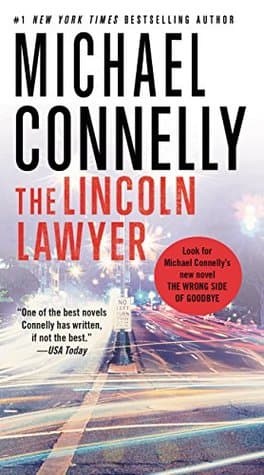
- The Lincoln Lawyer
Michael Connelly
4.2 (193k) average on GoodreadsThrillerConnelly's work provides a grittier, more street-level view of the legal system through the eyes of defense attorney Mickey Haller. It emphasizes the practical, often messy, aspects of legal practice, including plea bargains, client management, and the ethical tightropes lawyers walk. While both involve legal intrigue, Connelly's book prioritizes procedural realism and character-driven ethical dilemmas over high-concept, large-scale conspiracy.
- Angels & Demons
Dan Brown
3.9 (2.7M) average on GoodreadsThrillerA Harvard symbologist races through Rome's ancient sites, deciphering cryptic clues to unmask the Illuminati and stop a vengeful plot to destroy the Vatican with a stolen antimatter weapon.



Enjoyed the summary?
A summary gives you the shape of the book. The book itself has the detail, the examples and the voice.
Find The Runaway Jury on AmazonAs an Amazon Associate, BookBrief earns from qualifying purchases. How we're funded