

Synopsis
Covers the whole plot, including the ending.
- Difficulty
- Easy
- Pacing
- Moderate
- Mood
- Whimsical, Adventurous, Heartwarming, Curious
- Read it if
- You enjoy classic children's fantasy adventures with themes of discovery and friendship.
- Skip it if
- You prefer complex narratives or mature themes.
The Secret World of Og Plot Summary
Covers the whole plot, including the ending.
The Mysterious Trapdoor
The five Berton children, Penny, Pamela, Peter, Patsy, and their baby brother Paul ("The Pollywog"), play in their backyard clubhouse. Penny, the oldest, tries to keep things in order, but Peter, the adventurous one, finds a loose board in the floor. Curious, they open it to see a dark hole. Though Penny is hesitant, the unknown is too tempting. Peter, followed by his siblings, decides to go down, thinking it will be a simple, short adventure, not knowing about the strange world below.
Descent into the Unknown
The children fall down a long, twisting tunnel, landing in a large, dimly lit cavern. The air is cool and damp, and strange glowing fungi light the area. They quickly realize this is not a normal basement. The Pollywog, surprisingly calm, babbles at something in the shadows. Soon, they meet the first residents of this world: small, green-skinned creatures with large, innocent eyes, who use simple gestures and few words. These creatures, who the children will later call Ogs, seem both curious and confused by the human children's sudden arrival.
Meeting the Ogs
The children quickly learn to communicate simply with the Ogs. They find that the Ogs live a very basic, childlike life, with no complex language, tools, or even basic cleanliness. Their world is always dim, lit by glowing mushrooms, and they mostly eat these fungi. The Ogs are fascinated by the children's clothes, their ability to speak full sentences, and especially their toys. The Berton children, particularly Penny, become protective and teach the Ogs about their own world and introduce new ideas, like 'sky' or 'sun'.
The Og's Ignorance
As the Berton children spend more time with the Ogs, they become more aware of the Ogs' deep lack of knowledge. The Ogs have no names, calling each other only 'Og,' and their understanding of the world is very limited. They do not grasp abstract ideas like 'up' or 'down' in the same way, and their memory seems short. The children try to explain the sun, stars, and the vastness of the surface world, but the Ogs struggle to understand. This shows the clear difference between the two groups and the problems the children face in bridging this knowledge gap, often leading to funny misunderstandings.
The Quest for the Lost Toy
A problem arises when The Pollywog's favorite toy, a small, red rubber ball, rolls away into a dark crack. The Pollywog becomes upset, and the Ogs, seeing his distress, try to help. This event pushes the children to go further into Og-land's winding tunnels than they had before. Peter, always the explorer, leads the way, determined to get the ball back. This search acts as a trigger, forcing them to face new dangers and learn more about the size and nature of the underground world, which is much larger and more complex than they first thought.
Encountering New Wonders
During their search for the lost toy, the children and their Og friends explore different parts of the underground world. They travel through underground rivers, cross glowing caverns, and see strange, glowing plants and animals unique to this hidden place. They are amazed by the beauty and mystery of the environment, which is both alien and captivating. These new discoveries help them understand Og-land's ecology and geography, showing that the Ogs' simple life is supported by a surprisingly diverse and self-contained ecosystem, far from the surface world they know.
Teaching the Ogs
Throughout their adventures, the Berton children try to teach the Ogs. Pamela, with her artistic talent, tries to teach them about colors and drawing. Penny, practical, tries to introduce ideas of organization and problem-solving. Peter, the most active, shows them how to build simple things or play games. The Ogs, though slow to grasp complex ideas, are eager and curious, copying the children's actions and sounds. This sharing of knowledge builds a growing bond between the two groups, with the children finding joy in being teachers.
The Language Barrier
The big language difference between the children and the Ogs often causes both humor and frustration. The Ogs' vocabulary is very small, mostly just the word 'Og' and simple grunts or gestures. The children struggle to explain complex ideas, often using charades and repeating demonstrations. For example, explaining 'name' or 'family' is very hard. These communication struggles show the large cultural and intellectual differences between the two species, but also the children's patience and cleverness in trying to connect.
The Ogs' Imitation
Slowly, the Ogs start to copy the Berton children. They begin to use more descriptive words, try to play games, and even try to organize their living spaces. They especially like the names the children give them, like 'Green Og' or 'Tall Og,' showing a beginning understanding of individual identity. This imitation is a big step in their growth, showing that the children's efforts are having a lasting effect. The Ogs' growing ability to learn and adapt gives the children a sense of accomplishment and hope, suggesting a better future for the underground inhabitants.
The Way Home
After some time in Og-land, the children, especially Penny, start to miss their own world. They miss the sun, their parents, and the comforts of home. The adventure, though exciting, has run its course, and the responsibility of the younger siblings weighs on Penny. They realize they cannot stay in Og-land forever and must find a way back through the trapdoor. This realization changes their focus from exploring and teaching to the practical challenge of finding their way and climbing out, making them retrace their steps to find an exit.
Farewell to Og-land
With help from the Ogs, who have now learned enough to assist, the children find their way back to the entrance tunnel. Saying goodbye to their green friends is a mix of sadness and happiness. The Ogs, though still simple, have certainly changed because of the children, gaining a glimpse of the outside world and a base for more development. The children, too, have grown, gaining wisdom, patience, and a deeper appreciation for their own world. They climb back through the trapdoor, leaving the Ogs to their changing world, promising to remember their unique adventure.
Back to Reality
The Berton children come out of the clubhouse, blinking in the sunlight, back in their familiar backyard. Their parents, who had barely noticed their absence (or thought they were just playing), know nothing of their amazing journey. The children, however, are deeply changed. They carry memories of Og-land, the lessons they learned, and the bond they formed with the little green creatures. The adventure has given them a greater sense of responsibility, empathy, and a broader view of the world, both above and below ground.
Principal Figures
Penny
Protagonist
The eldest and most responsible of the Berton children.
Penny is the eldest of the Berton children, acting as a surrogate mother figure for her younger siblings. She is practical, cautious, and often worried about their safety and well-being. She tries to maintain order and reason, but her sense of adventure is also present, albeit tempered by responsibility. She is often the voice of concern and the one who tries to keep everyone grounded, even in the fantastical world of Og. Her leadership and nurturing instincts are central to their survival and interaction with the Ogs.
Relationships: Pamela (Sisterly bond, often sharing responsibilities.); Peter (Sisterly concern, often trying to rein in his adventurous impulses.); Patsy (Protective older sister.); The Pollywog (Primary caregiver and protector.); Ogs (Mentor and caregiver, teaching them basic concepts.)
Peter
Protagonist
The adventurous and curious brother.
Peter is the adventurous and most curious of the Berton children, often the first to explore and take risks. He is the one who discovers the trapdoor and eagerly leads the descent into Og-land. Peter is energetic, imaginative, and less constrained by rules than Penny. His enthusiasm drives much of the exploration and interaction with the Ogs, often pushing the boundaries of their comfort zone. He embodies the spirit of discovery and is quick to adapt to new environments.
Relationships: Penny (Brotherly dynamic, often clashing over his impulsiveness versus her caution.); Pamela (Playful sibling rivalry and camaraderie.); Patsy (Protective older brother, often including her in adventures.); Ogs (Playmate and informal teacher, showing them physical activities.)
Pamela
Protagonist
The artistic and imaginative sister.
Pamela is the artistic and imaginative Berton child. She often sees the world with a creative eye and is drawn to beauty and expression. In Og-land, she is the one who tries to teach the Ogs about colors, shapes, and drawing, using her artistic talents to bridge the communication gap. Her gentle nature and creativity make her an effective, patient teacher for the Ogs, bringing a unique perspective to their interactions. She finds joy in the aesthetic aspects of the subterranean world.
Relationships: Penny (Sisterly bond, often sharing observations.); Peter (Collaborator in exploration and play.); Patsy (Supportive older sister.); Ogs (Artistic mentor, introducing them to visual concepts.)
Patsy
Protagonist
The quiet observer and sensitive sister.
Patsy is the quietest and most sensitive of the Berton children. She is often an observer, taking in her surroundings with a thoughtful demeanor. While not as vocal as her siblings, her presence is important; she often notices details others miss and can provide a calming influence. In Og-land, she forms a gentle connection with the Ogs, often showing empathy and understanding their simple needs. Her quiet nature allows her to bond with the Ogs in a unique, less imposing way.
Relationships: Penny (Recipient of Penny's protective care.); Pamela (Close sisterly bond, often sharing quiet moments.); Peter (Follows his lead, but with her own observations.); The Pollywog (Affectionate older sister.); Ogs (Quiet friend and gentle guide.)
The Pollywog (Paul)
Protagonist
The baby brother, a source of wonder and catalyst for adventure.
Paul, affectionately known as 'The Pollywog,' is the youngest of the Berton children. As a baby, he is largely non-verbal but expresses himself through babbles and gestures. Despite his age, he is remarkably calm and adaptable in Og-land, often fascinated by the Ogs and their world. His innocence and simple needs (like his lost red ball) often serve as catalysts for the children's deeper explorations and interactions with the Ogs. He represents pure, unadulterated wonder and a connection to the fundamental aspects of existence.
Relationships: Penny (Primary charge and object of her protective instincts.); All Siblings (Cherished youngest brother, whose needs often guide their actions.); Ogs (Object of fascination and source of mutual curiosity.)
The Ogs
Supporting
The small, green, childlike inhabitants of the subterranean world.
The Ogs are the indigenous inhabitants of the underground world. They are small, green-skinned creatures with large eyes, living a primitive existence. They lack complex language, names, tools, or advanced concepts. Their world is one of perpetual twilight, illuminated by glowing fungi, which also form their primary diet. They are inherently curious, gentle, and childlike, eager to learn and imitate. Their innocence and blank slate minds make them perfect students for the Berton children, representing a society ripe for development and enlightenment. They are a collective character, embodying a simple, uncorrupted way of life.
Relationships: Berton Children (Students and admirers, viewing the children as mentors and friends.)
Themes & Insights
The Power of Imagination and Discovery
The book's entire idea relies on the children's imaginative jump into the unknown. Finding the trapdoor and going down into Og-land is driven by curiosity and a willingness to believe in worlds beyond their immediate reality. This theme appears as the children embrace the fantastical parts of the underground world, from glowing mushrooms to the green Ogs. Their initial fear turns into wonder, showing how imagination can open new experiences and understanding. The clubhouse, a typical childhood place, becomes a door to an extraordinary adventure, highlighting the power of a child's mind.
“It was a dark, mysterious hole, and the lure of the unknown was too strong to resist.”
The Importance of Education and Communication
A main theme is the Berton children teaching the Ogs, who are like blank slates. The children, despite being young, take on the job of teaching the Ogs basic things like language, names, and even the idea of a 'sky' or 'sun.' This shows the basic human desire to share knowledge and the power of education. The communication problem between the two groups also highlights the importance of finding ways to bridge differences, whether through gestures, simple words, or art, as Pamela shows. The Ogs' slow learning shows the deep effect of even basic teaching.
“The Ogs had no names for themselves, referring to each other only as 'Og,' and their understanding of the world was extremely limited.”
Responsibility and Nurturing
Penny, as the oldest, shows the theme of responsibility, always watching out for her younger siblings and worrying about their safety. This extends to her interactions with the Ogs, where she acts as a caregiver, trying to guide them and ensure their well-being. The children together feel responsible for the Ogs' growth, acting as their teachers and protectors. This theme explores the idea that with more knowledge or ability comes a duty to care for and help those who are less fortunate or informed, reflecting a universal human instinct to nurture and guide.
“Penny, the eldest and most responsible, tried to keep order, but the lure of the unknown was too strong.”
Cultural Exchange and Understanding
The interaction between the Berton children and the Ogs shows a deep cultural exchange. The children bring their surface-world knowledge, customs, and language to the Ogs, who, in turn, offer a look into a simpler, untouched way of life. This exchange forces both groups to face differences and find common ground. The children learn patience and empathy, while the Ogs begin to grasp new ideas, slowly developing their own culture. The story subtly suggests that understanding and respect for different ways of life can lead to mutual growth and enrichment, even between very different species.
“The Ogs, though slow to grasp complex ideas, were eager and curious learners, mimicking the children's actions and sounds.”
Plot Devices & Literary Techniques
The Trapdoor
A literal and symbolic portal to another world.
The trapdoor in the clubhouse floor serves as the central plot device, acting as a direct physical portal between the familiar surface world and the fantastical subterranean realm of Og-land. Symbolically, it represents the gateway to imagination, discovery, and the unknown. Its hidden nature emphasizes the idea that extraordinary adventures can lie just beneath the surface of everyday life. The trapdoor initiates the entire journey and allows for the eventual return, framing the adventure within a clear beginning and end, while also highlighting the children's courage to step into the dark.
The Clubhouse
A safe, familiar space transformed into a launchpad for adventure.
The clubhouse, a common childhood trope, acts as a 'liminal space' – a threshold between the ordinary and the extraordinary. Initially a symbol of childhood play and security, it is transformed into the launchpad for a grand adventure. Its familiarity grounds the fantastic journey in a relatable context, making the transition to Og-land more impactful. The clubhouse reinforces the idea that wonder can be found even in the most mundane settings, and that children's games can lead to profound experiences. It is a place of both departure and return, anchoring their journey.
The Pollywog's Lost Toy
A seemingly trivial object that drives significant plot progression.
The Pollywog's lost red rubber ball serves as a classic 'MacGuffin' – an object that, while seemingly trivial in itself, acts as a primary motivator for the characters' actions and drives the plot forward. Its disappearance prompts the children to venture deeper into Og-land, leading to new discoveries and challenges. This device effectively propels the narrative beyond the initial exploration, forcing the children to confront more of the unknown world and further develop their relationships with the Ogs in pursuit of a simple, yet emotionally resonant, goal.
The Language Barrier
A challenge that creates both conflict and opportunities for growth.
The profound language barrier between the Berton children and the Ogs is a crucial plot device. It generates both humorous misunderstandings and genuine challenges, forcing the children to be creative in their communication and teaching methods. This device highlights the theme of communication and education, as the children strive to impart knowledge despite the Ogs' limited vocabulary. The gradual overcoming of this barrier signifies the Ogs' development and the deepening bond between the two groups, making their eventual connection more meaningful.
The Secret World of Og Quotes
“It was a wonderful day for adventures, the kind of day that seemed to hum with secrets and possibilities.”
“The world of Og was not a place you found on any map, but a place that found you.”
“Sometimes, the biggest heroes are the ones who are just trying to get their little brother back.”
“Fear, they discovered, was a strange creature. It grew in the dark and shrank in the light of a good idea.”
“There's a difference between being lost and being on an adventure. One is a problem, the other is an opportunity.”
“The Ogs were not evil, merely misunderstood, like most things that live underground.”
“Imagination is a powerful thing, stronger than any wall or lock.”
“Even the smallest among us can have the biggest ideas.”
“A good story, like a good map, can show you where you've been and where you might go.”
“Sometimes, you have to go a long way to find out what was right in front of you all along.”
“The greatest treasures are not always gold, but the experiences you share and the friends you make.”
“Home isn't just a place; it's a feeling you carry with you, even in the most secret of worlds.”
“Never underestimate the curiosity of a child, especially when there's a mystery to solve.”
Quiz
10 questions on the plot and the characters. Each answer comes with a short explanation.
Question 1
Which of the Berton children is known as 'The Pollywog'?
- Penny
- Pamela
- Paul
- Peter
Show answer
C. Paul The youngest Berton child, Paul, is referred to as 'The Pollywog' in the story.
Question 2
What is the primary method the Berton children use to access the 'Secret World of Og'?
- A magical portal in their backyard.
- A hidden staircase in their house.
- A trapdoor in the floor of their clubhouse.
- A secret tunnel behind their garage.
Show answer
C. A trapdoor in the floor of their clubhouse. The children discover and explore the world of Og through a trapdoor located in the floor of their clubhouse.
Question 3
What color are the inhabitants of the 'Secret World of Og'?
- Blue
- Red
- Green
- Yellow
Show answer
C. Green The inhabitants of Og are described as 'little green' creatures called Ogs.
Question 4
Who illustrated 'The Secret World of Og'?
- Pierre Berton himself
- Paul Schibli
- Patsy Berton
- An unknown artist
Show answer
C. Patsy Berton The book was illustrated by Pierre Berton's daughter, Patsy Berton.
Question 5
What do the Berton children primarily share with the Ogs during their adventures?
- New toys and games
- Their worldly knowledge
- Different types of food
- Stories from their own world
Show answer
B. Their worldly knowledge The children 'share their worldly knowledge' with the Ogs, teaching them about the surface world.
Question 6
What dual benefit do the Berton children gain from their adventures in Og?
- They find treasure and become famous.
- They learn to fly and speak the Ogs' language.
- They gain wisdom and make new friends.
- They overcome their fears and become stronger.
Show answer
C. They gain wisdom and make new friends. The children 'gain a little wisdom themselves' while befriending the Ogs, indicating a reciprocal learning experience.
Question 7
How many episodes are in the animated children's series based on 'The Secret World of Og'?
- 13 episodes
- 26 episodes
- 39 episodes
- 52 episodes
Show answer
B. 26 episodes The animated series is stated to be a '26 episode animated children’s series'.
Question 8
According to the provided text, what was Pierre Berton's personal opinion of 'The Secret World of Og' among his many books?
- He considered it his most commercially successful.
- He often cited it as his favourite.
- He thought it was his most challenging to write.
- He believed it was his most critically acclaimed.
Show answer
B. He often cited it as his favourite. The text states that 'Berton often cited The Secret World of Og as his favourite of his forty-seven books.'
Question 9
Who directed the animated children's series 'The Secret World of Og'?
- Pierre Berton
- Patsy Berton
- Paul Schibli
- The director of 'The Raccoons'
Show answer
C. Paul Schibli The series is directed by Paul Schibli, who also directed 'The Raccoons'.
Question 10
What is a significant aspect of the 'Secret World of Og' that differentiates it from the children's surface world?
- It is a floating island in the sky.
- It is a vast, mysterious world of caverns and rivers.
- It is a bustling city powered by magic.
- It is a desert inhabited by ancient spirits.
Show answer
B. It is a vast, mysterious world of caverns and rivers. The description specifies it as a 'vast, mysterious world of caverns and rivers hidden beneath a trapdoor'.
The Secret World of Og FAQ
What is the central premise of 'The Secret World of Og'?
The story follows the five Berton children—Penny, Pamela, Peter, Patsy, and baby Paul (The Pollywog)—who discover a hidden trapdoor in their clubhouse. This trapdoor leads them to a vast, mysterious underground world inhabited by small green beings called Ogs, initiating their adventures.
Who are the main characters and what are their roles in the initial discovery?
The main characters are the five Berton children: Penny, Pamela, Peter, Patsy, and Paul (The Pollywog). They collectively stumble upon the trapdoor in their clubhouse floor, with their combined curiosity driving the initial exploration into the subterranean world.
What kind of beings do the children encounter in the underground world?
In the subterranean world, the children encounter small, green-skinned inhabitants known as Ogs. These creatures are initially depicted as somewhat primitive and curious, eager to learn from the human children.
How do the children interact with the Ogs, and what is the outcome of their interactions?
The children befriend the Ogs and share their worldly knowledge with them, teaching them about the surface world and its customs. In return, the children gain wisdom and new perspectives from their unique experiences with the Ogs.
What is the significance of the clubhouse in the story?
The clubhouse serves as the crucial gateway to the Secret World of Og, as it is where the children discover the mysterious trapdoor. It symbolizes a place of childhood imagination and discovery, leading them to their greatest adventure.
Are the Berton children in the book based on real people?
Yes, the five Berton children in the book—Penny, Pamela, Peter, Patsy, and Paul—are indeed based on Pierre Berton's own children. This connection adds a personal touch to the narrative, reflecting his family life.
How does the author, Pierre Berton, feel about 'The Secret World of Og'?
Pierre Berton frequently cited 'The Secret World of Og' as his favorite among his forty-seven books. This deep affection suggests a personal connection to the story and its themes, perhaps due to its inspiration from his own children.
What is the role of Patsy, Berton's daughter, beyond being a character in the book?
Patsy Berton not only appears as a character in the story but also served as the illustrator for the book. Her artistic contribution provides the visual representation of the Secret World of Og, directly shaping the reader's imagination.
Does the book contain any subtle commentary on societal structures or knowledge sharing?
The story subtly explores themes of knowledge sharing and cultural exchange as the children introduce the Ogs to their world. It highlights how different societies can benefit from mutual learning, even across vastly different civilizations.
How does the children's initial fear or apprehension evolve into curiosity and camaraderie with the Ogs?
The children's initial apprehension likely gives way to curiosity as they explore the new world and encounter the Ogs. Their open-mindedness and willingness to interact transform potential fear into a relationship of camaraderie and mutual learning.
What psychological lessons do the children learn from their adventures with the Ogs?
Through their interactions, the children learn valuable lessons in empathy, cultural understanding, and the importance of sharing knowledge. They gain wisdom by experiencing a world different from their own, fostering personal growth.
How does the concept of a 'secret world' appeal to the psychology of a child reader?
The idea of a 'secret world' appeals to a child's inherent sense of wonder, imagination, and desire for adventure and discovery. It taps into the fantasy of hidden places and unique experiences, making the story highly engaging.
Discuss the psychological impact of being a 'teacher' to the Ogs on the Berton children.
Being 'teachers' to the Ogs likely boosts the children's self-esteem and sense of responsibility. It empowers them by giving them a purpose and validates their knowledge of the surface world, fostering a sense of accomplishment.
What might the 'greenness' of the Ogs symbolize?
The 'greenness' of the Ogs could symbolize several things, such as their connection to nature, their primitive state, or even their alienness compared to the human children. It sets them apart as distinct and unique inhabitants of the underground world.
Is the 'wisdom' the children gain from the Ogs explicitly defined, or is it more abstract?
The 'wisdom' the children gain is likely more abstract, encompassing lessons in tolerance, understanding different perspectives, and the value of simple living, rather than specific facts. It represents a maturation of their worldview.
Could the underground world be interpreted as a metaphor for something deeper?
The underground world could be interpreted as a metaphor for the subconscious mind, unexplored potential, or even the hidden aspects of childhood imagination. It represents a journey into the unknown and the discovery of inner resources.
How does the book's Canadian origin influence its themes or setting, if at all?
While not explicitly stated, the book's Canadian origin might subtly influence themes of exploration, wilderness, and perhaps a certain resourceful independence, common in Canadian literature. The 'secret world' could evoke the vast, unexplored Canadian landscapes.
What message does the story convey about the importance of curiosity and exploration?
The story strongly conveys that curiosity and exploration are vital for personal growth and understanding. It encourages readers to be open to new experiences and to venture beyond their familiar surroundings to discover new worlds and knowledge.
About the author
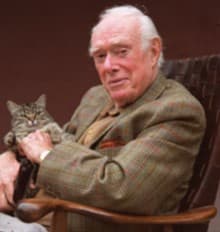
Pierre Berton was a Canadian author known for his contributions to children's literature and fiction. Among his works, "The Secret World of Og" explores themes of imagination and adventure through the eyes of young protagonists. Berton is recognized for his storytelling that often blends fantasy with relatable childhood experiences.
Similar books
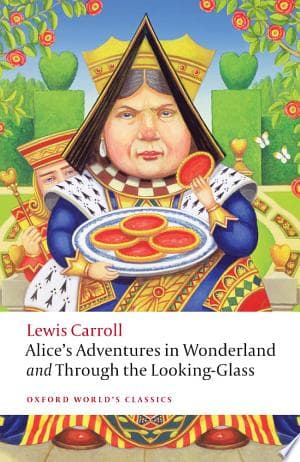
- Alice's Adventures in Wonderland
Lewis Carroll
4.0 (245k) average on GoodreadsFantasyFeatures children falling into a fantastical, illogical underground world.
- The Phantom Tollbooth
Norton Juster
4.2 (242k) average on GoodreadsFantasyA whimsical journey where a child protagonist learns about language and logic.
- James and the Giant Peach
Roald Dahl
4.0 (379k) average on GoodreadsFantasyDahl's novel also involves a fantastical journey and encounters with unique characters. However, James and the Giant Peach leans more into surreal whimsy, dark humor, and individual transformation. Berton's The Secret World of Og is more didactic, using the fantastic setting to explore the concrete processes of communication, learning, and the social construction of meaning, rather than purely magical or character-driven escapism.
- Harry Potter and the Sorcerer's Stone
J.K. Rowling
4.5 (7M) average on GoodreadsFantasyRescued from a miserable life under the stairs, an orphaned boy discovers he's a wizard destined for a magical school, where he uncovers a dangerous secret tied to the dark wizard who murdered his parents.
- The Hunger Games
Suzanne Collins
4.3 (6.4M) average on GoodreadsFantasyIn a future where children fight to the death on live television, Katniss Everdeen volunteers for the arena, turning a death sentence into a fight for survival and a spark of rebellion.
- 1984
George Orwell
4.2 (3.1M) average on GoodreadsPoliticsIn a future where surveillance and thought control are absolute, a man's search for truth clashes with the Party, showing that hope can be a form of rebellion.




Enjoyed the summary?
A summary gives you the shape of the book. The book itself has the detail, the examples and the voice.
Find The Secret World of Og on AmazonAs an Amazon Associate, BookBrief earns from qualifying purchases. How we're funded