

Synopsis
Covers the whole plot, including the ending.
- Difficulty
- Easy
- Pacing
- Moderate
- Mood
- Heartwarming, Hopeful, Gentle, Reflective
- Read it if
- You enjoy gentle, poignant historical fiction about kindness and the power of storytelling, especially suitable for younger readers.
- Skip it if
- You prefer fast-paced action or stories with complex adult themes.
The Silver Donkey Plot Summary
Covers the whole plot, including the ending.
Two Sisters Discover a Blinded Soldier
In a small, war-torn French village, sisters Marcelle and Coco go into the forbidden woods. Their mother warned them against it because of the war. Deep in the trees, they find a young soldier. He is temporarily blinded by shrapnel, confused, and far from the front lines. He is English, not French, and has left his post. He wants to go home to his very ill younger brother, Davey. The soldier, Antoine, holds a small, old silver donkey charm. The girls are careful at first but soon feel responsible and curious about him. They decide to keep him a secret from their family and the villagers.
Antoine's First Tale: The Donkey of Bethlehem
After first meeting him, Marcelle and Coco return to Antoine. They bring him food and water they secretly took from home. They are interested in the tiny silver donkey charm he holds. Antoine, noticing their interest, tells them the first story about the donkey. He tells the legend of a humble donkey that carried a pregnant Mary and Joseph on their hard journey to Bethlehem. This donkey, though small and tired, did its job with strong loyalty and quiet strength. It saw the birth of Jesus. The tale shows the donkey as a symbol of loyalty and important, unpraised service. This deepens the girls' connection to both Antoine and the charm.
Antoine's Second Tale: The Donkey and the Tiger
The sisters continue their secret visits, bringing more food and listening to Antoine. During one visit, he shares his second tale, set in India. This story features a clever and brave donkey that outsmarts a fierce tiger. The donkey, despite seeming weak, uses its intelligence and knowledge of its surroundings to protect itself and its friends from danger. This story shows the donkey's many symbolic meanings—not just a beast of burden, but a creature capable of surprising courage and cleverness. The tales distract Antoine and give the girls wonder during the harsh realities of war.
Jean-Pierre Joins the Secret
As days pass, Marcelle and Coco find it hard to keep their secret. Their younger brother, Jean-Pierre, a sensitive and observant boy, notices their strange behavior and the missing food. He eventually follows them into the woods and finds Antoine. Instead of telling on them, Jean-Pierre quickly joins the secret. His presence adds a new dynamic to the group. He quickly commits to helping the soldier. The children now work together, combining their efforts and ideas to care for Antoine. This strengthens their shared purpose and their growing bond with the lost soldier.
Antoine's Third Tale: The Donkey of the Trenches
With Jean-Pierre now part of their secret, Antoine feels more comfortable telling deeper stories. He tells them his third tale, one that directly relates to the war they are living through. This story is about a donkey used on the front lines. It endures the horrors of the trenches, carries supplies, and rescues wounded soldiers. It is a sad tale. It shows the often-overlooked sacrifices of animals in wartime and the quiet heroism of creatures who remain loyal amid chaos and destruction. The children listen, their understanding of the war and the donkey's meaning grows. They connect the stories to their own immediate reality.
A Plan for Antoine's Journey Home
As Antoine's sight slowly returns, the children realize that just caring for him in the woods is not enough; he needs to get home. They start to make a daring plan to help him. Marcelle, the oldest, takes the lead. She suggests they guide him towards the coast, where he might find passage across the English Channel. They discuss routes, how to avoid soldiers, and how to get supplies for a longer journey. Their innocence and determination drive them, even as the dangers of their plan are clear. The children's commitment to Antoine's well-being becomes complete. They change from caretakers to active helpers in his escape.
Antoine's Fourth Tale: The Donkey and Davey
Before they can carry out their plan, Antoine shares his final, most personal story. He explains that the silver donkey charm was a gift from his younger brother, Davey, who is very ill with consumption. Davey, a frail but imaginative boy, found comfort and strength in stories of donkeys, especially brave and loyal ones. The charm was meant to be a good luck charm for Antoine, a reminder of Davey and the promise to return home. This emotional tale shows the true depth of Antoine's longing and his personal connection to the donkey symbol. This strengthens the children's resolve to help him reunite with his brother.
The Journey Begins
With Antoine's sight recovered enough, and their plan ready, the children prepare for his departure. One morning, early in the day, they lead Antoine out of the woods. They guide him carefully, navigating familiar paths and avoiding dangers. The journey is full of the tension of being discovered, but the children are determined. They walk with him for a long distance, giving him a small bundle of food and pointing him toward the coast and the port. It is a bittersweet goodbye. They understand the risks he still faces but have done all they can to help him.
A Final Farewell and Hope
After guiding Antoine as far as they could safely without drawing attention to themselves, the children say goodbye. Antoine, very thankful for their kindness, promises to remember them and the comfort they gave. He repeats his determination to reach Davey. The children watch him disappear. They feel both sadness and pride. They return home, carrying the secret of their adventure and the hope that Antoine will make it back to his brother. The experience has deeply affected them, leaving them with courage, responsibility, and the lasting power of kindness during the harshness of war.
The Silver Donkey Characters
Marcelle
Protagonist
The eldest sister, pragmatic and responsible, who takes charge of the secret.
Marcelle is the eldest of the three siblings, around ten or eleven years old, and possesses a strong sense of responsibility and practicality. Initially cautious and wary of the blinded soldier, she quickly steps into a leadership role among her siblings, organizing their efforts to care for Antoine. She is observant, resourceful, and often the voice of reason, ensuring their secret remains safe and their plans are well-executed. Her maturity is evident in her quiet determination and her ability to make difficult decisions for the group, driven by a deep sense of compassion.
Relationships: Coco (Younger sister, close companion); Jean-Pierre (Younger brother, she guides and protects him); Antoine (Caretaker and confidante)
Coco
Protagonist
The middle sister, imaginative and empathetic, who forms a strong bond with Antoine.
Coco is the middle sister, slightly younger than Marcelle, and possesses a more imaginative and overtly empathetic nature. She is often the one who first connects emotionally with Antoine, drawn in by his vulnerability and the enchanting stories he tells. Coco is less concerned with the practicalities and more with the emotional well-being of the soldier. Her innocence and capacity for wonder are key to Antoine's comfort, and she often prompts him to share more of his tales. She is a loyal and enthusiastic participant in their secret mission.
Relationships: Marcelle (Older sister, close companion); Jean-Pierre (Younger brother); Antoine (Listener and empathetic friend)
Jean-Pierre
Supporting
The youngest brother, sensitive and observant, who joins the sisters in their secret.
Jean-Pierre is the youngest of the three siblings, a sensitive and quiet boy who is highly observant. He is the last to discover Antoine but quickly becomes a devoted and integral part of the group. His presence adds an element of innocence and vulnerability to their endeavor, and he often expresses his feelings and concerns more openly than his sisters. His quiet nature doesn't diminish his commitment; he diligently helps with tasks and listens intently to Antoine's stories, showing a deep capacity for kindness and loyalty.
Relationships: Marcelle (Older sister, looks up to her); Coco (Older sister); Antoine (Youngest friend and helper)
Antoine
Protagonist
A young English soldier, temporarily blinded and deserted, seeking to return to his dying brother.
Antoine is a young English soldier, temporarily blinded by shrapnel during World War I, who has deserted his post to try and reach his gravely ill younger brother, Davey. He is initially disoriented and vulnerable, relying entirely on the kindness of the children. Antoine carries a deep emotional burden, driven by his love for Davey and his guilt over leaving the war. He is a gentle soul, finding solace in telling stories, particularly those connected to the silver donkey charm his brother gave him. His tales serve as both a coping mechanism and a way to connect with the children, revealing his inner strength and humanity.
Relationships: Marcelle (Cared for by her); Coco (Shares stories with her); Jean-Pierre (Cared for by him); Davey (His gravely ill younger brother, his primary motivation)
Davey
Mentioned
Antoine's gravely ill younger brother, the inspiration for the silver donkey charm.
Davey is Antoine's younger brother, suffering from consumption and believed to be near death. Though never physically present in the story, his presence is profoundly felt as Antoine's driving motivation. Davey is described as a frail but imaginative boy who loved stories of donkeys, particularly those that symbolized courage and loyalty. He gave Antoine the silver donkey charm as a talisman, cementing its significance in Antoine's heart and to the narrative. Davey represents the innocence and familial love that Antoine desperately seeks to return to, a beacon of hope amidst the war's despair.
Relationships: Antoine (Older brother, his primary caregiver and protector)
Maman (Mother)
Supporting
The children's mother, a pragmatic woman trying to keep her family safe during wartime.
Maman is the hardworking and pragmatic mother of Marcelle, Coco, and Jean-Pierre. She is a background presence, representing the everyday realities and anxieties of wartime life in a French village. She forbids her children from going into the woods, a sensible precaution given the conflict, and her occasional sternness comes from a place of wanting to protect her family. She is unaware of her children's secret and unknowingly provides some of the food they take for Antoine. Her character highlights the contrast between the children's secret world of compassion and the harsh adult world of survival.
Relationships: Marcelle (Daughter); Coco (Daughter); Jean-Pierre (Son)
Papa (Father)
Mentioned
The children's father, away fighting in the war.
Papa is the children's father, who is away fighting in the war. He is mentioned infrequently, his absence a constant reminder of the conflict's impact on families. His role underscores the family's vulnerability and the children's longing for peace and normalcy. His absence is a subtle but pervasive element of the wartime setting, contributing to the children's independence and their understanding of loss and separation.
Relationships: Marcelle (Daughter); Coco (Daughter); Jean-Pierre (Son)
The Silver Donkey Themes
Compassion and Kindness in Wartime
This theme is central to the novel. It shows how acts of kindness can happen even during the brutality of war. The children, Marcelle, Coco, and Jean-Pierre, show this by selflessly caring for Antoine. He is a stranger and an enemy soldier in the conflict, but to them, he is a vulnerable human being. Their willingness to share their small resources, risk being found out, and plan his escape shows the human ability for empathy. This empathy goes beyond national differences and the dehumanizing effects of war. Antoine's thanks and the comfort he finds with them further show how compassion can heal.
“They were small, but they were brave, and their kindness was a lamp in the dark.”
The Power of Storytelling
Storytelling is a vital element. It connects people, gives comfort, and allows escape. Antoine uses the tales of the silver donkey—from Bethlehem to India, to the trenches, and finally to his brother Davey—to explain the charm's meaning. He uses them to process his own trauma and to build a deep bond with the children. These stories take the children beyond their harsh reality. They offer lessons in loyalty, courage, and hope. For Antoine, the stories keep Davey's memory alive and help him express his longing for home. This shows that stories can provide comfort and purpose.
“He told the story of the donkey, and in the telling, the forest seemed to grow quiet and listen too.”
Loyalty and Steadfastness
The theme of loyalty has many sides. It is shown by the literal donkeys in Antoine's stories and by the characters themselves. The donkeys are always shown as loyal, enduring creatures. They faithfully carry their burdens and serve their masters, even in bad situations. This mirrors the strong loyalty the children show to Antoine. They keep his secret and commit to his well-being. Antoine's own loyalty to his very ill brother, Davey, is why he deserts and tries to go home. This shows the strong family bonds that drive human actions.
“The donkey, though small, had a heart full of loyalty, and it would not fail.”
Childhood Resilience and Agency
The children in the story show great strength and ability to act during wartime difficulties. Despite being young, Marcelle, Coco, and Jean-Pierre take on the huge responsibility of caring for a wounded, blinded soldier. They keep his presence a secret from their parents and the villagers. They show cleverness in gathering food and planning Antoine's escape. This proves that children are not just passive victims. They are active people capable of deep courage and initiative. Their secret mission gives them power and purpose beyond their daily war-affected lives.
“They were just children, but the secret made them into something more.”
Hope Amidst Despair
The story consistently mixes moments of hope into the bleak background of World War I. Antoine's desperate journey home, driven by the hope of seeing his brother, is helped by the children's kindness and the silver donkey's symbolic power. The stories he tells, even the sad one of the war donkey, ultimately carry messages of endurance and the chance of a better future. The children's strong belief that Antoine will eventually return safely, despite the huge odds, shows the human spirit's ability to find and hold onto hope even in the darkest times.
“Even in the darkest times, there is always a small, brave hope that lights the way.”
Plot Devices & Literary Techniques
The Silver Donkey Charm
A tangible symbol of hope, loyalty, and connection.
The small, tarnished silver donkey charm is the central symbolic object in the novel. It serves multiple functions: it's a physical link between Antoine and his brother Davey, a talisman of hope, and a storytelling device. Each of Antoine's four tales explains a different facet of the donkey's symbolism – from biblical reverence to courage in India, heroism in war, and personal familial love. The charm grounds the abstract themes of the book in a concrete object, making the stories more vivid and the emotional stakes more tangible for both the characters and the reader. It represents the enduring spirit of kindness and loyalty.
Frame Story / Nested Narratives
Antoine's tales are embedded within the main plot of the children caring for him.
The novel utilizes a frame story structure. The overarching narrative is the children's discovery and care for Antoine in the woods of wartime France. Within this frame, Antoine tells four distinct, self-contained stories about donkeys, which are nested narratives. This device allows for exploration of broader themes and historical/mythological contexts beyond the immediate plot. The nested tales provide relief from the tension of the main story, offer character development for Antoine, and deepen the symbolic meaning of the silver donkey, enriching the overall thematic tapestry of the book.
The Secrecy Motif
The children's shared secret builds tension and fosters their bond.
The motif of secrecy is crucial to the plot and character development. The children's decision to keep Antoine's presence hidden from their parents and the villagers creates immediate tension and danger. This shared secret binds Marcelle, Coco, and Jean-Pierre together, forcing them to collaborate, be resourceful, and develop a strong sense of mutual trust and responsibility. The constant threat of discovery heightens the stakes of their actions, making their acts of kindness all the more courageous and meaningful. It isolates them in their noble endeavor, fostering their independence and resilience.
The Woods as a Sanctuary
A hidden, liminal space offering refuge from the war.
The woods serve as a significant setting and a symbolic plot device. For the children, they are initially a forbidden, mysterious place, but they quickly transform into a sanctuary for Antoine. This isolated, natural environment provides a temporary haven from the chaos and dangers of the war-torn village and the front lines. It's a liminal space where the rules of the adult world are suspended, allowing for acts of pure compassion and connection to unfold. The woods represent a pocket of peace and innocence, contrasting sharply with the harsh realities just beyond its borders.
The Silver Donkey Quotes
“A donkey is a humble creature, but it can carry the weight of the world.”
“War is a terrible thing, but sometimes it shows us what we're made of.”
“Kindness is a light that can shine even in the darkest times.”
“We all have burdens to bear, but we don't have to bear them alone.”
“A story can be a bridge between worlds, between people.”
“Sometimes the smallest acts of courage are the bravest.”
“Home isn't always a place; it's where you find peace.”
“Innocence has a power that can soften even the hardest hearts.”
“The silver donkey is a reminder that beauty can be found in simplicity.”
“Fear can be a prison, but compassion is the key.”
“Memories are like stars; they guide us when we're lost.”
“We are all connected, like threads in a tapestry.”
“Even in silence, there is a language of the heart.”
“Hope is a fragile thing, but it can grow strong in unlikely places.”
Quiz
10 questions on the plot and the characters. Each answer comes with a short explanation.
Question 1
What do the two sisters, Coco and Marcelle, first discover in the woods near their home in World War I France?
- A wounded animal
- A lost child
- A temporarily blinded soldier
- A hidden treasure
Show answer
C. A temporarily blinded soldier The story begins with Coco and Marcelle finding a soldier who has been blinded by the war and has left the battlefield to try to return home to his sick younger brother.
Question 2
What object does the soldier carry that fascinates the girls and becomes a central symbol in the story?
- A silver cross
- A tiny silver donkey
- A war medal
- A family photograph
Show answer
B. A tiny silver donkey The soldier holds a small silver donkey figurine, which captivates the girls and inspires the tales he tells them about donkeys throughout history.
Question 3
Why has the soldier left the battlefield and is hiding in the woods?
- He is a deserter and fears punishment
- He wants to see his gravely ill younger brother
- He is searching for food and shelter
- He is lost and cannot find his way back
Show answer
B. He wants to see his gravely ill younger brother The soldier is motivated by a deep desire to return home to his younger brother, who is seriously ill, showing his loyalty and family devotion.
Question 4
How do Coco and Marcelle help the soldier while he is hiding?
- They teach him how to see again
- They steal food and comforting items for him
- They report him to the authorities
- They help him rejoin the army
Show answer
B. They steal food and comforting items for him The girls take risks by secretly bringing food and other necessities to the soldier, demonstrating their kindness and courage in wartime.
Question 5
What role does the girls' brother play in the story?
- He is the one who first finds the soldier
- He helps devise a plan for the soldier's safe passage home
- He tells the donkey tales to the soldier
- He is the gravely ill brother the soldier seeks
Show answer
B. He helps devise a plan for the soldier's safe passage home The brother joins Coco and Marcelle in creating a strategy to help the soldier escape and return home, highlighting teamwork and ingenuity.
Question 6
In one of the soldier's tales about the donkey, which historical or mythical event is referenced?
- The Trojan War
- The legend of Bethlehem
- The sinking of the Titanic
- The discovery of America
Show answer
B. The legend of Bethlehem The soldier tells four stories, including one about the donkey in the Bethlehem legend, connecting the silver donkey to broader themes of humility and service.
Question 7
Which theme is most prominently explored through the soldier's donkey tales and the children's actions?
- Revenge and justice
- Wealth and poverty
- Kindness, loyalty, and courage
- Technology and progress
Show answer
C. Kindness, loyalty, and courage The book emphasizes virtues like kindness (the girls helping the soldier), loyalty (the soldier to his brother), and courage (all characters in risky situations).
Question 8
What is the significance of the silver donkey in the context of the soldier's personal story?
- It was a gift from his younger brother
- It is a military award for bravery
- He found it on the battlefield
- It symbolizes his desire to become a farmer
Show answer
A. It was a gift from his younger brother The silver donkey holds sentimental value as it connects the soldier to his ill brother, making his journey home even more poignant and personal.
Question 9
How does the setting of World War I France influence the plot and characters' decisions?
- It forces the characters to focus on survival and secrecy due to the dangers of war
- It provides a backdrop of peace and prosperity
- It leads to technological advancements that help the soldier
- It causes the children to ignore the soldier out of fear
Show answer
A. It forces the characters to focus on survival and secrecy due to the dangers of war The wartime setting creates tension and risk, motivating the children to act stealthily and the soldier to hide, while highlighting themes of humanity amid conflict.
Question 10
Which of the following is NOT one of the four tales the soldier tells about the donkey?
- A story of rescue in war
- A myth of India
- A tale of family close to the soldier's heart
- A legend about a silver donkey in ancient Greece
Show answer
D. A legend about a silver donkey in ancient Greece The soldier's tales include the legend of Bethlehem, a myth of India, a war rescue story, and a family tale, but not one specifically set in ancient Greece.
The Silver Donkey FAQ
What is 'The Silver Donkey' about?
The story follows two young sisters in World War I France who discover a blinded soldier who has deserted to visit his gravely ill younger brother. They care for him in secret, fascinated by his tiny silver donkey charm, and he repays their kindness by telling four magical stories about donkeys throughout history.
Why should I read 'The Silver Donkey'?
This book offers a gentle, poignant exploration of kindness and courage during wartime through a child's perspective. Hartnett's lyrical storytelling and the soldier's four donkey tales create a layered narrative that appeals to both children and adults interested in historical fiction with moral depth.
What is the background/setting of 'The Silver Donkey'?
Set in the woods of rural France during World War I, the story unfolds away from direct battlefields but is deeply affected by the war's presence. The historical context shapes the soldier's desertion, the children's secretive care, and the constant tension of discovery.
What are the most memorable quotes?
Key quotes include the soldier describing the silver donkey as 'a charm against despair' and the sisters reflecting that 'sometimes the smallest things hold the biggest magic.' Hartnett's prose often emphasizes quiet resilience, such as when the soldier notes that 'courage doesn't always roar.'
What writing style does the author use?
Sonya Hartnett employs a lyrical, fable-like style with sparse but evocative descriptions. The narrative alternates between the realistic wartime setting and the magical realism of the soldier's stories, creating a dreamlike quality that underscores themes of hope and imagination.
What minor details add significant meaning?
The silver donkey charm itself—a small, seemingly insignificant object—becomes a symbol of hope and connection across the stories. Details like the sisters stealing 'comforting items' (not just food) highlight their empathy, while the soldier's temporary blindness metaphorically represents his need to see beyond war.
What are some subtle foreshadowing moments?
Early mentions of the soldier's 'longing to see his brother' foreshadow his eventual journey home. The donkey tales, which often feature rescue or guidance, subtly hint at the children's role in aiding the soldier's escape. The woods' isolation initially suggests safety but later implies vulnerability.
What unexpected character connections exist?
The soldier's connection to his ill brother drives the plot, but the children's bond with him deepens through shared stories, blurring lines between stranger and family. The donkey tales link historical and mythical figures to the soldier's personal experience, creating an unexpected thread of continuity across time.
What are unspoken character motivations?
The soldier is motivated by guilt and love for his brother, not just duty. The sisters are driven by a mix of childhood curiosity and a subconscious desire to counteract the war's brutality. Their brother's involvement suggests a need to prove maturity and protectiveness.
What psychological complexities do characters exhibit?
The soldier grapples with desertion (viewed as cowardice) versus familial loyalty, revealing the conflict between personal and societal duty. The children navigate moral ambiguity—stealing is wrong, but necessary for compassion—showing how war complicates innocence.
What are the major emotional turning points?
Key moments include the sisters' decision to help the soldier despite risks, the soldier sharing his first donkey tale (building trust), the children devising the escape plan (shifting from care to action), and the bittersweet farewell where the silver donkey is passed on.
How do relationship dynamics evolve?
The relationship progresses from fear and secrecy to deep trust and collaboration. The soldier transitions from a vulnerable stranger to a storyteller and mentor, while the children grow from bystanders to active rescuers, with their sibling bond strengthening through shared purpose.
Which parts remain ambiguous or open-ended?
The soldier's ultimate fate after leaving is unclear—does he reach his brother safely? The long-term impact on the children is also open-ended; the story implies they are changed but doesn't detail how. The donkey tales' truth versus myth is left for readers to interpret.
What are controversial scenes or decisions?
The soldier's desertion could be seen as cowardly versus heroic. The children stealing supplies, while morally justified in context, raises questions about ends justifying means. Some may debate if the fable-like tone glosses over war's harsh realities.
'The Silver Donkey' ending explained: how it ends & what it means
The story ends with the soldier departing for home, leaving the silver donkey with the children as a token of gratitude. This symbolizes the passing of hope and resilience to the next generation, suggesting that small acts of kindness can endure beyond individual struggles, even in wartime.
Similar books
- War Horse
Michael Morpurgo
4.1 (42k) average on GoodreadsChildren'sFeatures animals and the impact of WWI on individuals, with a focus on compassion.
- The Boy in the Striped Pajamas
John Boyne
4.2 (518k) average on GoodreadsChildren'sExplores the innocence of children amidst the backdrop of war and unexpected friendships.
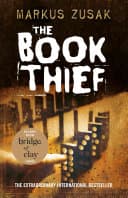
- The Book Thief
Markus Zusak
4.4 (1.8M) average on GoodreadsHistorical FictionWhile both books tackle profound themes related to war, Zusak's The Book Thief employs a distinct, philosophical narrator (Death) and addresses the Holocaust with a broader scope and darker tone. Hartnett's The Silver Donkey is gentler and more intimate, focusing on a small, personal act of kindness and maintaining a more traditional children's literature sensibility in its execution.
- Harry Potter and the Sorcerer's Stone
J.K. Rowling
4.5 (7M) average on GoodreadsFantasyRescued from a miserable life under the stairs, an orphaned boy discovers he's a wizard destined for a magical school, where he uncovers a dangerous secret tied to the dark wizard who murdered his parents.
- The Hobbit, or There and Back Again
J.R.R. Tolkien
4.3 (2.9M) average on GoodreadsFantasyA comfort-loving hobbit named Bilbo Baggins is whisked away by a mischievous wizard and a band of dwarves on an unexpected journey to reclaim stolen treasure from a fearsome dragon, discovering courage and a magical ring along the way.
- Harry Potter and the Goblet of Fire
J.K. Rowling
4.6 (2.6M) average on GoodreadsFantasyA bewildered Harry Potter, underage and thrust into a deadly Triwizard Tournament, must brave dragons, mermaids, and a resurgent dark magic to survive a year that will forever alter the wizarding world.





Enjoyed the summary?
A summary gives you the shape of the book. The book itself has the detail, the examples and the voice.
Find The Silver Donkey on AmazonAs an Amazon Associate, BookBrief earns from qualifying purchases. How we're funded