
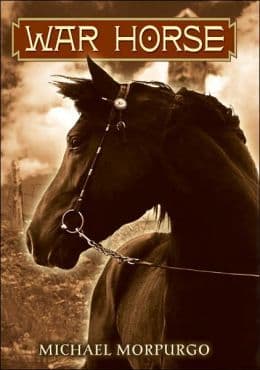
Synopsis
Covers the whole plot, including the ending.
- Difficulty
- Easy
- Pacing
- Moderate
- Mood
- Poignant, Hopeful, Historical, Emotional
- Read it if
- You enjoy heartfelt animal stories set against a historical backdrop, appreciate themes of loyalty and resilience, and don't mind a poignant, sometimes sad, narrative.
- Skip it if
- You prefer lighthearted stories without significant emotional challenges or are sensitive to depictions of war and animal suffering.
War Horse Plot Summary
Covers the whole plot, including the ending.
Joey's Early Life and Bond with Albert
The story begins in rural Devon, England, in 1912. Joey, a young foal, is bought by Farmer Narracott at auction. The horse is expensive and seems unsuitable for farm work, but Albert Narracott, the farmer's son, immediately connects with Joey. Albert trains Joey, teaching him to plough and pull carts, even though the horse is initially wild. Their bond grows through Albert's patience and Joey's trust. Joey becomes an important part of the farm, working with Albert and enduring the harsh farm life, including the farmer's occasional drunken outbursts and money struggles.
The Outbreak of War and Joey's Enlistment
In 1914, World War I starts. Financial problems force Farmer Narracott to sell Joey to the British army for a good price, despite Albert's pleas. Captain Nicholls, a kind officer, assures Albert that Joey will be cared for. Albert, heartbroken, tries to enlist but is too young. He makes Captain Nicholls promise to look after Joey and write to him. Joey is taken to France, leaving Albert behind. Albert vows to find Joey once he is old enough to join the war. This separation starts Joey's journey through the war.
Life as a Cavalry Horse
Joey starts his military service as a cavalry horse under Captain Nicholls, who keeps his promise to Albert by treating Joey with kindness. Joey becomes friends with Topthorn, another cavalry horse. They train for battle and soon experience the Western Front. During a charge against a German encampment, Captain Nicholls dies. Joey's care passes to Trooper Warren, a young soldier who finds comfort in Joey. Joey and Topthorn see how effective machine guns are, making cavalry charges useless and changing their role in the war.
Captured by the Germans
During a battle, German forces capture Joey and Topthorn. They work pulling ambulance carts, transporting wounded soldiers from the front lines. Their new master is Friedrich, a kind German soldier who, like Albert, loves horses. He cares for them well, seeing their strength. Joey and Topthorn endure tough conditions, always exposed to shelling and the suffering of war. Friedrich talks to the horses, sharing his hopes of surviving the war and returning to his family, showing shared humanity despite opposing sides.
With Emilie and Her Grandfather
After months, Friedrich and his unit retreat, leaving Joey and Topthorn with an elderly French farmer and his granddaughter, Emilie. Emilie, a frail but spirited girl, immediately loves the horses. She and her grandfather hide the horses from German patrols, caring for them with love. Joey and Topthorn have a period of peace, helping with farm work. Emilie's bond with the horses is strong; she sees them as hope and joy during the war. This period offers a brief break from the front lines.
Topthorn's Death and Emilie's Grief
The peace at Emilie's farm ends quickly. German soldiers find Joey and Topthorn and take them for heavy artillery work, pulling large guns through mud. The work is hard and constant. Topthorn, Joey's friend, dies from exhaustion, leaving Joey alone and sad. Emilie, upset by the loss of her horses and the war, also gets sick and dies after Topthorn, her heart broken. Joey is again without a friend, facing the war alone.
Joey's Despair and Rescue
After Topthorn's death, Joey continues to serve, enduring hardship. One day, confused and scared during a battle, Joey runs blindly through the chaos until he gets caught in barbed wire in no man's land. Trapped and injured, he spends a night between the trenches. In the morning, British and German soldiers see him. A German soldier, using a white flag, and a British soldier go out into the dangerous area to free him. They toss a coin to decide who keeps him, and the British soldier wins.
Reunion with Albert
The British soldiers take Joey to a veterinary field hospital. Joey is severely injured, thin, and has 'fever in the feet.' He is almost unrecognizable. Albert Narracott, now a soldier, works at this hospital. He enlisted and volunteered for the Veterinary Corps, still determined to find his horse. Albert, partially blinded by gas, recognizes Joey's white cross on his nose and his unique whinny. Despite Joey's changed appearance, Albert's belief and voice save Joey, confirming their reunion.
Healing and the End of the War
Albert cares for Joey, nursing him back to health. He shares his rations, cleans his wounds, and talks to him constantly, just as he did when Joey was a foal. Under Albert's care, Joey slowly recovers, regaining his strength. Their bond is stronger than ever, showing lasting loyalty during war. As Joey recovers, the war ends with the Armistice. The soldiers begin the journey home, relieved but sad for those lost.
The Auction and Homecoming
With the war over, the army plans to auction the remaining horses, including Joey. Albert does not want to lose Joey again. With help from his fellow soldiers, who pool their money, and Emilie's grandfather, who travels from France to return Joey's original halter and buy him for Albert, Joey is saved. Emilie's grandfather refuses payment, saying he only wants Joey reunited with Albert, fulfilling Emilie's wish. Albert and Joey finally return home to Devon, together, their journey complete.
War Horse Characters
Joey
Protagonist
A brave and loyal war horse, whose experiences drive the narrative.
Joey is the central character and narrator of the story. Born a wild, strong foal, he is characterized by his distinctive white cross on his nose. He forms an unbreakable bond with Albert, his first master, which serves as his guiding hope throughout the war. Joey is sensitive, intelligent, and deeply loyal, capable of forming strong connections with both humans and other horses, such as Topthorn. His courage and endurance allow him to survive the horrors of the Western Front, witnessing the war from multiple perspectives, and inspiring kindness in the soldiers he encounters.
Relationships: Albert Narracott (First master, best friend, and deepest bond); Topthorn (Closest friend and companion horse); Captain Nicholls (Kind and respected officer master); Trooper Warren (Nervous soldier master who finds comfort in Joey); Friedrich (Kind German soldier master); Emilie (Loving French girl who cares for Joey and Topthorn)
Albert Narracott
Protagonist
Joey's devoted young master, determined to find him amidst the war.
Albert is a kind, patient, and determined young man from rural Devon. He forms an immediate and profound bond with Joey, dedicating himself to training and caring for the horse. His love for Joey is unwavering, driving him to enlist in the army once he is old enough, specifically seeking out the Veterinary Corps in France to find his horse. Despite suffering from gas blindness, his recognition of Joey is based on their deep connection. Albert represents loyalty, perseverance, and the enduring power of love amidst the brutality of war.
Relationships: Joey (Beloved horse, best friend, and focus of his quest); Farmer Narracott (Strict and often difficult father); Mother Narracott (Supportive mother)
Topthorn
Supporting
Joey's loyal and powerful companion horse through much of the war.
Topthorn is a magnificent, powerful black horse who becomes Joey's closest friend and companion during their time in the British cavalry and later with the German army. He is strong, brave, and reliable, offering Joey comfort and solidarity in the face of battle and hardship. Their friendship is a source of strength for both horses. Topthorn's death from exhaustion underscores the immense physical toll the war takes on the animals, leaving Joey in deep grief and highlighting the harsh realities they face.
Relationships: Joey (Closest friend and companion horse); Captain Nicholls (Officer master); Friedrich (German soldier master)
Captain Nicholls
Supporting
Joey's first kind officer master in the British army.
Captain Nicholls is the compassionate British cavalry officer who buys Joey from Farmer Narracott. He is a kind and understanding man who immediately recognizes Albert's bond with Joey and promises to look after the horse. He treats Joey with respect and care, even sketching him in his spare time. His early death in battle is a significant moment, marking Joey's first experience with the true brutality of war and the loss of a good master.
Relationships: Joey (Respected officer master); Albert Narracott (Promised to care for Joey); Topthorn (Officer master)
Friedrich
Supporting
A kind German soldier who cares for Joey and Topthorn.
Friedrich is a German soldier who takes charge of Joey and Topthorn after their capture. He is a gentle and humane man, a 'horseman' at heart, who detests the war and finds solace in caring for the horses. He treats them with the same affection and respect as Albert, confiding in them about his hopes and fears. Friedrich's character highlights the shared humanity and suffering on both sides of the conflict, demonstrating that kindness and compassion can exist even amidst the enemy.
Relationships: Joey (Caring German soldier master); Topthorn (Caring German soldier master)
Emilie
Supporting
A young French girl who deeply loves and cares for Joey and Topthorn.
Emilie is a frail but spirited young French girl who, along with her grandfather, shelters Joey and Topthorn after they are left behind by the German army. She forms an intense and loving bond with the horses, finding joy and comfort in their presence amidst the war's devastation. Emilie's love for the horses is pure and unconditional, representing innocence and hope. Her subsequent illness and death, brought on by grief and the harsh realities of war, are deeply tragic, emphasizing the war's impact on civilians.
Relationships: Joey (Beloved horse, source of joy); Topthorn (Beloved horse, source of joy); Emilie's Grandfather (Caring guardian)
Emilie's Grandfather
Supporting
An elderly French farmer who shelters Joey and Topthorn.
Emilie's grandfather is a wise and compassionate old French farmer who helps his granddaughter hide and care for Joey and Topthorn. He understands Emilie's deep connection to the horses and supports her in caring for them, even at great personal risk. After Emilie's death, he keeps his promise to her to ensure Joey finds a good home. His final act of traveling to the auction to buy Joey back for Albert, refusing payment, is a profound gesture of humanity, honor, and love, fulfilling Emilie's last wish and connecting the different threads of Joey's journey.
Relationships: Emilie (Loving granddaughter, whom he protects); Joey (Sheltered and cared for); Albert Narracott (Helps reunite with Joey)
Trooper Warren
Supporting
A nervous British soldier who briefly cares for Joey.
Trooper Warren is a young, anxious British soldier who takes over care of Joey after Captain Nicholls' death. He is initially fearful and inexperienced but finds comfort and courage in Joey's presence. He shares his fears and loneliness with Joey, treating the horse with kindness. His character represents the ordinary soldiers who find solace and companionship in their animals amidst the terrifying reality of the trenches. His attachment to Joey highlights the emotional support horses provided to soldiers.
Relationships: Joey (Cared for him after Captain Nicholls' death); Topthorn (Cared for him)
Farmer Narracott
Supporting
Albert's struggling and often harsh father.
Farmer Narracott is Albert's father, a struggling farmer in Devon. He is often gruff, quick-tempered, and prone to drinking. His decision to buy Joey, despite the horse's unsuitability for farm work, is driven by pride and a desire to prove himself. His later decision to sell Joey to the army is purely out of financial desperation, causing immense pain to Albert. He represents the harsh realities of rural life and the difficult choices people faced during wartime, though his actions ultimately set Joey's journey in motion.
Relationships: Albert Narracott (Son, with whom he has a strained relationship); Mother Narracott (Wife); Joey (Initially owned, then sold)
War Horse Themes
The Horrors and Futility of War
The novel shows the realities of World War I from an animal's perspective. Joey sees cavalry charges made useless by machine guns, artillery fire, trench squalor, and the suffering of soldiers and horses. The constant death and loss show the pointlessness of the conflict. The story does not glorify war. Instead, it focuses on the destruction it causes to lives, land, and innocence, seen through Joey's eyes and the experiences of characters like Friedrich and Emilie.
“And it was that very day that I saw the first horrors of the war. They came at us in the mist, a whole line of them, French cavalry. They came on at the gallop, sabres drawn, and disappeared into the smoke and the noise. And then they were gone. And then came the wounded. And then came the dead.”
Loyalty and Enduring Bonds
A main theme is the strong bond between Joey and Albert. This bond is a source of hope throughout the story. Despite years of separation and the dangers of war, their loyalty never wavers. This theme also appears in other relationships: Joey's friendship with Topthorn, Captain Nicholls' promise to Albert, Friedrich's care for the horses, and Emilie's affection. These connections show how devotion sustains individuals through hardship and loss, leading to Joey's reunion with Albert.
“I knew his smell, I knew his touch, I knew his voice. He was my Albert. And I had found him again. And that was all that mattered.”
Humanity and Compassion Amidst Conflict
Despite the violence, the novel shows humanity and compassion across enemy lines. Characters like Captain Nicholls, Friedrich (a German soldier), Emilie and her grandfather (French civilians), and even the British and German soldiers who free Joey from no man's land, show kindness and respect for life. These acts of humanity contrast with the war's brutality. They suggest that goodness exists even in dark times, bridging divides and offering hope.
“For a moment, as we stood there, two enemies of war, we were no longer enemies. We were just two men who loved a horse.”
The Sacrifice of Animals in War
War Horse shows the often-forgotten sacrifice of animals, especially horses, during wartime. Joey's story gives a voice to these victims. Horses endure the same horrors as soldiers—shelling, gas attacks, exhaustion, injury, and death—often without understanding the conflict. Their strength is used for cavalry charges, pulling artillery, and ambulance work, leading to many deaths from combat, disease, and overwork, as Topthorn's death shows. The book honors their forgotten contribution and suffering.
“My friend Topthorn was no longer with me. He had died, as so many thousands of horses had died, of exhaustion and of a broken heart.”
Loss and Grief
Loss and grief are present throughout the story. Joey loses Albert, Captain Nicholls, Topthorn, and Emilie, each leaving an emotional impact. Soldiers mourn comrades, and civilians like Emilie and her grandfather suffer the loss of loved ones and homes. The constant presence of death and separation shows the emotional toll of war on everyone, emphasizing the sorrow and longing that define the wartime experience for both humans and animals.
“I whinnied for Topthorn, again and again, but there was no reply, only the echo of my own despair.”
Plot Devices & Literary Techniques
First-Person Animal Narration
The entire story is told from the perspective of the horse, Joey.
By telling the story through Joey's eyes, Morpurgo offers a unique and powerful perspective on the war. This device allows readers to experience the events without human biases or political agendas, focusing instead on the sensory details, emotional impacts, and the sheer physical and psychological toll of war on an innocent creature. It humanizes the animal experience and makes the horrors of war more visceral and universal, transcending language and nationality. It also highlights the animals' uncomprehending endurance and their vital role in the conflict.
The White Cross Mark
A distinctive physical feature that serves as a symbol of identity and recognition.
Joey's distinctive white cross on his nose is a recurring motif and a crucial plot device. It is the identifying mark that Albert uses to recognize Joey after years of separation and injury. This physical trait becomes a symbol of Joey's unique identity and the enduring nature of his bond with Albert. It represents the hope of reunion and the power of memory, allowing for the miraculous recognition scene that brings the main characters back together, even when Joey is otherwise unrecognizable due to the ravages of war.
The Coin Toss
A moment of chance that decides Joey's fate in no man's land.
The coin toss between the British and German soldiers to decide who gets to keep Joey after he is freed from no man's land is a powerful symbolic moment. It underscores the arbitrary nature of fate in wartime and highlights the shared humanity of the soldiers, who momentarily set aside their conflict to act with compassion for an animal. This device creates suspense and emphasizes that Joey's survival and subsequent reunion with Albert were, in part, due to a stroke of luck and the kindness of strangers from both sides.
The Bridle/Halter
A physical object symbolizing the bond between Joey and Albert.
The original bridle that Albert used to train Joey, and later the halter given to Emilie, serves as a tangible link between Joey's past and present. It's a symbol of Albert's initial love and care. When Emilie's grandfather returns it to Albert at the auction, it becomes a powerful emblem of memory, loyalty, and the fulfilling of promises. It represents the enduring connection that transcends physical separation and the devastation of war, contributing to the emotional climax of the story and securing Joey's return to Albert.
War Horse Quotes
“I was a farm horse, not a war horse, but war had come to find me.”
“It is not just the men who have to be brave in war, but the horses too.”
“We were all in it together, man and horse, doing our bit.”
“The war took everything from me, but it gave me something too—a friend.”
“In the noise and the mud and the fear, there was still beauty to be found.”
“A horse doesn't care who owns him, only how he is treated.”
“War makes strangers of us all, but it can also bring us together.”
“I learned that courage is not the absence of fear, but the will to go on in spite of it.”
“The bond between a boy and his horse is stronger than any war.”
“In the end, we are all just creatures trying to survive.”
“Sometimes the smallest acts of kindness are the bravest.”
“The land remembers the war long after the men have gone.”
“We carried the weight of the world on our backs, but we carried it together.”
“Home is not a place, but a feeling of belonging.”
Quiz
10 questions on the plot and the characters. Each answer comes with a short explanation.
Question 1
Who is Joey's first owner and trainer in the book?
- Captain Nicholls
- Albert Narracott
- Friedrich
- Emilie's grandfather
Show answer
B. Albert Narracott Albert Narracott is the farmer's son who raises and trains Joey from a foal, forming a deep bond with him before Joey is sold to the army.
Question 2
Why is Joey sold to the army by Albert's father?
- Because Joey is too difficult to train
- To pay off a mortgage on the farm
- Because Albert is going to war and can't care for him
- To buy a new plow horse for the farm
Show answer
B. To pay off a mortgage on the farm Albert's father sells Joey to Captain Nicholls for 40 guineas to pay off the mortgage on their farm, despite Albert's protests and deep attachment to the horse.
Question 3
What distinctive physical feature does Joey have?
- A white star on his forehead
- Four white socks
- A cross on his nose
- A black mane and tail
Show answer
C. A cross on his nose Joey is described as a beautiful bay-red horse with a distinctive cross-shaped marking on his nose, which makes him easily recognizable.
Question 4
What happens to Captain Nicholls, Joey's first rider in the war?
- He is captured and becomes a prisoner of war
- He survives the war and reunites with Joey
- He is killed in a cavalry charge
- He is injured and sent home to England
Show answer
C. He is killed in a cavalry charge Captain Nicholls is killed during one of the first cavalry charges Joey participates in, demonstrating the brutal reality of war and how Joey loses his first wartime companion.
Question 5
How does Joey end up behind German lines?
- He is stolen by German soldiers during a raid
- He is captured after becoming entangled in barbed wire
- He deserts and runs to the German side
- He is traded by British soldiers for supplies
Show answer
B. He is captured after becoming entangled in barbed wire During a battle, Joey becomes trapped in barbed wire in no man's land. Both British and German soldiers work together to free him, and he is then taken by the Germans, showing moments of humanity amid war.
Question 6
Which character shelters Joey and Topthorn behind German lines and treats them kindly?
- Friedrich, a German soldier
- Emilie and her grandfather
- A German cavalry officer
- A French farmer
Show answer
B. Emilie and her grandfather Emilie, a young French girl, and her grandfather care for Joey and Topthorn on their farm after the horses are used to pull ambulances, providing a respite from the war's horrors.
Question 7
What is the name of the black horse who becomes Joey's close companion during the war?
- Captain
- Topthorn
- Thunder
- Major
Show answer
B. Topthorn Topthorn is a majestic black horse who works alongside Joey, first in the British cavalry and later for the Germans. Their friendship provides comfort and support throughout their ordeals.
Question 8
How does Albert eventually reunite with Joey?
- He buys Joey at an auction after the war
- He recognizes Joey while serving as a soldier and claims him
- He tracks Joey down through military records
- Joey finds his way back to the farm on his own
Show answer
B. He recognizes Joey while serving as a soldier and claims him Albert enlists in the army to find Joey. While serving, he comes across Joey in a veterinary tent, recognizes him by his whistle, and proves ownership, leading to their emotional reunion.
Question 9
What major theme is highlighted by the scene where British and German soldiers cooperate to free Joey from barbed wire?
- The inevitability of death in war
- The bond between humans and animals
- Shared humanity amidst conflict
- The futility of cavalry in modern warfare
Show answer
C. Shared humanity amidst conflict This scene underscores the theme of shared humanity, as enemies temporarily set aside their conflict to save an animal, showing that compassion can transcend national boundaries in war.
Question 10
What happens to Joey after he is reunited with Albert at the end of the war?
- He is retired to Albert's farm in England
- He is sold to a riding school
- He continues to serve in the army
- He is put down due to his injuries
Show answer
A. He is retired to Albert's farm in England After surviving the war, Joey is brought back to England by Albert. He lives out his days peacefully on the Narracott farm, symbolizing hope and redemption after the trauma of war.
War Horse FAQ
What is 'War Horse' about?
'War Horse' follows Joey, a bay-red horse sold to the British cavalry in 1914, as he experiences World War I from multiple perspectives—serving British, German, and French forces. The story chronicles his harrowing journey through battles, friendships with soldiers, and his enduring bond with Albert, the farmer's son who raised him and vows to reunite with him.
Why should I read 'War Horse'?
It offers a unique, animal-centered perspective on World War I, blending historical detail with emotional depth to explore themes of loyalty, compassion, and the universal impact of war. The narrative humanizes soldiers on both sides through Joey's eyes, making it accessible and poignant for readers of all ages.
What is the background/setting of 'War Horse'?
Set primarily during World War I (1914-1918), the story spans from the English countryside to the Western Front in France, including battlefields, trenches, and no man's land. It reflects the brutal realities of cavalry warfare, the transition to mechanized combat, and the varied experiences of soldiers and civilians.
What are the most memorable quotes?
Key quotes include Albert's vow, 'I'll find you, Joey. I promise,' and Joey's reflection, 'War is a terrible thing, but it can bring out the best in people too.' Another is a soldier's observation, 'He's not just a horse; he's a symbol of hope in this hell.'
What writing style does the author use?
Michael Morpurgo employs a first-person narrative from Joey's perspective, using simple, evocative language that conveys the horse's innocence and observations. This style emphasizes emotional resonance over graphic detail, making the horrors of war accessible to younger readers while maintaining depth.
What minor details add significant meaning?
Joey's distinctive cross-shaped marking on his nose symbolizes hope and connection, often noticed by characters who care for him. The recurring image of barbed wire represents both the physical dangers of war and the barriers between people, yet it's overcome through acts of kindness, like when soldiers from opposing sides work together to free Joey.
What are some subtle foreshadowing moments?
Early scenes of Joey's bond with Albert, such as their plowing practice, foreshadow Joey's resilience and Albert's determination to find him. The auction where Joey is sold hints at his future as a 'war horse,' and mentions of the changing nature of warfare subtly predict the decline of cavalry units.
What unexpected character connections exist?
Joey links characters across enemy lines, such as the British soldier Albert, the German soldier Friedrich who cares for him, and the French girl Emilie who briefly shelters him. These connections highlight shared humanity, as seen when a British and German soldier cooperate to save Joey in no man's land.
What are unspoken character motivations?
Albert enlists in the army not just out of duty but from a deep, personal vow to reunite with Joey, driven by guilt over his sale. Joey's actions are motivated by an instinctual loyalty and a search for safety, reflecting his bond with humans rather than understanding of war.
What psychological complexities do characters exhibit?
Soldiers like Captain Nicholls show bravado masking fear, while Friedrich grapples with disillusionment about war, choosing compassion over violence. Joey displays animal resilience, but his experiences cause trauma-like reactions, such as fear of gunfire, mirroring soldiers' PTSD.
What are the major emotional turning points?
Key moments include Joey's sale to the army, which severs his bond with Albert; his wounding in battle and subsequent care by Friedrich, showing cross-front empathy; and the poignant reunion with Albert at the end, which underscores themes of hope and redemption after years of separation.
How do relationship dynamics evolve?
Joey's relationships shift from a deep, familial bond with Albert to transient but meaningful connections with soldiers like Nicholls and Friedrich, emphasizing how war forces adaptability. Ultimately, his reunion with Albert restores their original bond, strengthened by shared trauma and perseverance.
Which parts remain ambiguous or open-ended?
The fates of secondary characters like Friedrich and Emilie are left uncertain, inviting readers to ponder their postwar lives. The broader impact of war on Joey's psyche is hinted at but not fully resolved, leaving room for interpretation about his recovery and future with Albert.
What are controversial scenes or decisions?
Albert's father's decision to sell Joey for money is debated, as it prioritizes financial survival over emotional bonds. The portrayal of war as sometimes bringing out 'the best in people' through acts of kindness can be seen as controversial, given the overall devastation depicted.
'War Horse' ending explained: how it ends & what it means
The story concludes with Joey and Albert reuniting at an auction after the war, with Albert buying Joey back despite financial hardship. This ending symbolizes redemption, the enduring power of love and loyalty, and a hopeful return to peace, contrasting with the earlier trauma of separation and conflict.
About the author

Michael Morpurgo is a British author known for his children's fiction, often exploring themes of war and nature. His notable works include "War Horse," "Private Peaceful," "The Butterfly Lion," "An Elephant in the Garden," "The Amazing Story of Adolphus Tips," and "Born to Run." Morpurgo's storytelling often combines historical events with imaginative narratives.
Similar books
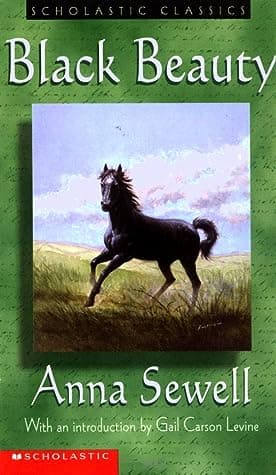
- Black Beauty
Anna Sewell
4.0 (239k) average on GoodreadsChildren'sBoth are classic tales narrated by a horse, detailing their experiences with various owners and the hardships of their lives.
- The Boy in the Striped Pajamas
John Boyne
4.2 (518k) average on GoodreadsChildren'sA children's historical fiction novel set during a war, exploring themes of innocence, friendship, and the impact of conflict from a unique perspective.
- All Quiet on the Western Front
Erich Maria Remarque
4.0 (355k) average on GoodreadsHistorical FictionRemarque's novel offers a visceral, first-person human account of WWI, focusing on psychological trauma and the dehumanizing aspects of trench warfare with unflinching realism. War Horse provides a more allegorical, less graphic, and emotionally resonant exploration of war's impact through an animal's innocent perspective, suitable for a younger audience.
- Harry Potter and the Sorcerer's Stone
J.K. Rowling
4.5 (7M) average on GoodreadsFantasyRescued from a miserable life under the stairs, an orphaned boy discovers he's a wizard destined for a magical school, where he uncovers a dangerous secret tied to the dark wizard who murdered his parents.
- The Hobbit, or There and Back Again
J.R.R. Tolkien
4.3 (2.9M) average on GoodreadsFantasyA comfort-loving hobbit named Bilbo Baggins is whisked away by a mischievous wizard and a band of dwarves on an unexpected journey to reclaim stolen treasure from a fearsome dragon, discovering courage and a magical ring along the way.
- Harry Potter and the Goblet of Fire
J.K. Rowling
4.6 (2.6M) average on GoodreadsFantasyA bewildered Harry Potter, underage and thrust into a deadly Triwizard Tournament, must brave dragons, mermaids, and a resurgent dark magic to survive a year that will forever alter the wizarding world.





Enjoyed the summary?
A summary gives you the shape of the book. The book itself has the detail, the examples and the voice.
Find War Horse on AmazonAs an Amazon Associate, BookBrief earns from qualifying purchases. How we're funded