
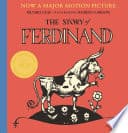
Synopsis
Covers the whole plot, including the ending.
- Difficulty
- Easy
- Pacing
- Slow
- Mood
- Heartwarming, Peaceful, Gentle, Affirming
- Read it if
- You enjoy heartwarming stories about staying true to yourself, even when others expect you to be different. Perfect for young children learning about individuality and peace.
- Skip it if
- You prefer complex plots, fast-paced action, or stories with a clear antagonist and conflict resolution through confrontation.
The Story of Ferdinand Plot Summary
Covers the whole plot, including the ending.
Ferdinand's Peaceful Childhood
In Spain, a young bull named Ferdinand lives on a pasture with other calves. While the other young bulls run, jump, and butt heads in playful fights, Ferdinand is different. He likes to sit quietly under his favorite cork tree, just smelling the flowers in the field. His mother, a loving cow, first worries that Ferdinand is lonely or sad because he does not play like the others. But after seeing him content and understanding his gentle nature, she lets him be himself. He continues his peaceful life.
Ferdinand Grows Up
As Ferdinand grows, he becomes a very large and strong bull. Despite his size, his gentle nature does not change. He still finds the most happiness sitting under his cork tree, quietly smelling the flowers. The other bulls, who have also grown, continue their rough play, always hoping to be chosen for the bullfights in Madrid. They practice charging and snorting, wanting a chance to show their strength in the arena. This is very different from Ferdinand's quiet preferences.
The Bullfight Selectors Arrive
One day, five men wearing funny hats arrive at the pasture. These men are scouts from Madrid, sent to pick the biggest, strongest bull for the bullfights. All the other bulls are excited, puffing themselves up, snorting, and pawing the ground. They try to look as dangerous and powerful as possible to impress the selectors. Each bull dreams of the bullring, thinking it is their main purpose.
Ferdinand's Unfortunate Bee Sting
Ferdinand, as usual, is not interested in impressing anyone. He goes to his cork tree to enjoy the flowers. However, a small bumblebee stings Ferdinand. The sudden pain causes Ferdinand to jump up, snort, and stomp his feet. The five men, seeing this display of what they think is fierceness, are immediately impressed. They mistakenly believe Ferdinand is the fiercest bull they have ever seen and quickly choose him for the bullfights in Madrid. Ferdinand is surprised.
Journey to Madrid
Ferdinand is then taken from his pasture. He is put on a cart and driven to Madrid. The trip is new for him, and he looks at the passing scenery. When he arrives in the city, he sees many new sights and sounds. The city is busy, very different from the quiet, flower-filled fields he knows. He is led through the streets toward the bullring.
The Grand Bullfight
The day of the bullfight comes, and the stadium is full of people. Ferdinand is led into the arena, where a loud crowd greets him. Inside, he sees the Banderilleros with their sharp sticks, the Picadores on horses with lances, and the Matador, who holds his red cape. All these figures are ready for the bullfight, expecting Ferdinand to be a strong and aggressive opponent, ready to charge and fight like other bulls.
Ferdinand's Refusal to Fight
As Ferdinand stands in the center of the bullring, he looks at the scene. He sees the beautiful flowers the ladies in the audience have put in their hair, and a comforting thought comes to him. Instead of charging or fighting, Ferdinand simply sits down in the middle of the arena. He finds a quiet spot and begins to smell the flowers in the ladies' hair, ignoring the Matador, the Banderilleros, the Picadores, and the crowd.
Confusion and Frustration in the Arena
The bullfighters are confused and frustrated by Ferdinand's actions. The Matador, who is supposed to be brave, looks silly standing there with his cape, waiting for a charge that never comes. The Banderilleros and Picadores are also at a loss. Ferdinand shows no interest in their attempts to provoke him. No matter what they do, Ferdinand stays calmly seated, enjoying the scents around him. The crowd, at first excited, becomes confused and then disappointed by the lack of action, as Ferdinand will not perform.
Ferdinand is Sent Home
After much discussion and failed attempts to make him fight, the bullfighters realize that Ferdinand will not fight. He is not a fierce bull; he is a gentle bull who loves flowers. With no other choice, they decide to send Ferdinand back home. He is again put on a cart, but this time, he is going home, away from the loud crowds and the expectations of the bullring. The trip back is peaceful, a welcome return to his home.
Ferdinand's Happy Ending
Ferdinand arrives back at his pasture. He immediately goes to his cork tree. There, under its shade, he sits down, content. He spends the rest of his days as he always wished: smelling the flowers, not bothered by what others expect. He is a happy bull, living life on his own terms, showing that it is fine to be different and to follow your true nature, even if it goes against what society considers normal.
The Story of Ferdinand Characters
Ferdinand
Protagonist
A gentle bull who prefers smelling flowers to fighting.
Ferdinand is a young bull living in Spain, who, from a very young age, distinguishes himself from his peers by his peaceful and non-aggressive nature. While other calves butt heads and practice fighting, Ferdinand finds solace and joy in sitting under a cork tree, smelling flowers. He grows into a large, impressive bull, but his gentle disposition remains unchanged. His defining characteristic is his unwavering commitment to his true self, even when faced with societal expectations to be fierce and aggressive, as seen when he refuses to fight in the bullring.
Relationships: Ferdinand's Mother (loving and understanding parent); Other Bulls (peers with contrasting aggressive tendencies); Matador (antagonist/opponent in the bullring)
Ferdinand's Mother
Supporting
A wise and understanding cow who accepts Ferdinand for who he is.
Ferdinand's mother is initially concerned that her son is lonely or unhappy because he doesn't play like the other calves. However, after observing him contentedly smelling flowers, she wisely decides to let him follow his own path. Her acceptance and understanding are crucial in allowing Ferdinand to develop his gentle nature without feeling pressured to conform. She represents unconditional love and the importance of allowing children to be themselves, a subtle but powerful influence in Ferdinand's early life.
Relationships: Ferdinand (loving son)
Other Bulls
Supporting
Ferdinand's peers who embody traditional bull behavior.
The other bulls represent the societal norm and expectations for bulls: to be strong, fierce, and eager to fight in the bullring. From a young age, they engage in head-butting and playful aggression, practicing for the day they might be chosen for Madrid. They serve as a foil to Ferdinand, highlighting his unique and gentle character. Their ambition to fight contrasts sharply with Ferdinand's desire for peace and flowers, emphasizing the story's theme of individuality. They are driven by the conventional purpose of a bull.
Relationships: Ferdinand (peers with contrasting personalities)
The Five Men in Funny Hats
Supporting
Bullfight selectors from Madrid who mistakenly choose Ferdinand.
These five men are the scouts sent from Madrid to find the fiercest bull for the bullfights. They embody the external pressures and expectations of the bullfighting world. They are looking for aggression and strength, and they misinterpret Ferdinand's pained reaction to a bee sting as a display of ferocity. Their mistake in judgment leads to Ferdinand's journey to Madrid, setting up the central conflict of the story. They represent the superficiality of judging by appearances.
Relationships: Ferdinand (selectors/selected bull)
The Matador
Antagonist/Supporting
The main bullfighter who expects Ferdinand to fight.
The Matador is the central figure in the bullfight, renowned for his bravery and skill. He enters the arena expecting to face a fierce, charging bull. His role is to provoke and eventually defeat the bull. However, Ferdinand's refusal to fight completely disarms him, making him look foolish and highlighting the absurdity of the situation. He represents the rigid expectations of tradition and the frustration that arises when those expectations are not met by an individual who chooses a different path.
Relationships: Ferdinand (intended opponent)
The Banderilleros
Supporting
Bullfighters who plant barbed sticks into the bull.
The Banderilleros are bullfighters whose role is to place barbed sticks (banderillas) into the bull's shoulders to further provoke it. Like the Matador, they are part of the traditional bullfighting spectacle and are prepared for an aggressive encounter. Their efforts to incite Ferdinand are futile, as he remains unmoving and uninterested in fighting. They contribute to the comedic frustration of the bullfighters when Ferdinand refuses to engage, emphasizing his unwavering commitment to peace.
Relationships: Ferdinand (intended opponent)
The Picadores
Supporting
Bullfighters on horseback who use lances to weaken the bull.
The Picadores are bullfighters who ride horses and use lances to further weaken the bull's neck muscles and provoke it. They are another component of the bullfighting team, designed to prepare the bull for the Matador. Their presence in the ring, along with their lances, is meant to be intimidating, but Ferdinand's passive resistance renders their tools and efforts useless. They, too, are left confused and unable to perform their traditional role due to Ferdinand's gentle nature.
Relationships: Ferdinand (intended opponent)
The Bumblebee
Mentioned
The insect whose sting accidentally leads to Ferdinand's selection.
The bumblebee is a minor but pivotal element in the plot. Its accidental sting on Ferdinand, while he is quietly smelling flowers, causes him to jump up and snort in pain. This sudden, uncharacteristic display of agitation is misinterpreted by the bullfight selectors as a sign of fierce aggression, leading to Ferdinand's selection for the Madrid bullfights. The bee's role is purely coincidental, a moment of dramatic irony that propels the story forward.
Relationships: Ferdinand (unwitting catalyst for his journey)
The Story of Ferdinand Themes
Individuality and Self-Acceptance
The main theme is about being true to yourself, even if you are different. Ferdinand always chooses to smell flowers over fighting, going against what bulls are expected to do. His mother's acceptance of his unique nature early on supports this theme. In the bullring, his refusal to fight, despite pressure from the crowd and bullfighters, shows his individuality and self-acceptance, which leads to his peaceful return home.
“All the other little bulls he lived with would run and jump and butt their heads together, but Ferdinand didn't. He liked to sit just quietly and smell the flowers.”
Peace Over Aggression
The story promotes peace and non-violence. Ferdinand's choice to smell flowers instead of fighting goes directly against the violence of bullfighting. His gentle spirit wins over the expectation of fierceness. His peaceful protest in the arena, by simply sitting down, stops the entire violent event. This sends a clear message that choosing peace is a strong act, even when facing aggression and social pressure.
“He didn't want to fight and kick and butt. He just wanted to sit quietly and smell the flowers.”
Misjudgment and Appearances
The plot relies on a big mistake made because of how things look. The bullfight selectors choose Ferdinand because they wrongly think his reaction to a bee sting means he is fierce. They judge him by his large size and what they see as a quick outburst, rather than his true, gentle character. This mistake shows how quick observations can lead to wrong ideas and how appearances can trick people. This creates a central problem based on not understanding Ferdinand.
“They thought he was the fiercest bull of all and they took him to the bull fights in Madrid.”
The Absurdity of Expectations
The story quietly questions the point of strict social expectations. The bullfighting event, with its rituals and aggressive goal, becomes meaningless when Ferdinand does not follow along. The Matador and his team, in their fancy clothes, look silly when a bull just wants to smell flowers. This shows how sticking to tradition, when separate from individual reality, can become ridiculous. An individual's refusal to conform can show how silly those expectations are.
“The Matador was furious. It made him madder than anything he had ever seen. He just couldn't get Ferdinand to fight.”
Plot Devices & Literary Techniques
Character Foil
The other aggressive bulls serve to highlight Ferdinand's gentle nature.
The 'Other Bulls' in the pasture act as a direct foil to Ferdinand. From their calfhood, they embody the traditional, aggressive, and competitive nature expected of bulls, constantly running, jumping, and butting heads. This behavior serves to emphasize Ferdinand's unique and unwavering preference for peace and smelling flowers. By showcasing the stark contrast between Ferdinand and his peers, the narrative effectively underscores his individuality and the central theme of being true to oneself, making his choices stand out even more prominently.
Dramatic Irony
The audience knows Ferdinand's true nature, but the selectors don't.
Dramatic irony is employed when the bullfight selectors choose Ferdinand. The reader is fully aware of Ferdinand's gentle disposition and his love for flowers, having seen him grow up. However, the selectors, observing his pained reaction to a bee sting, mistakenly believe he is the fiercest bull. This creates a sense of anticipation and humor, as the audience knows a peaceful resolution is inevitable, while the characters involved are completely misinformed, setting up the comedic climax in the bullring.
Symbolism of the Cork Tree
A symbol of peace, refuge, and Ferdinand's true self.
Ferdinand's 'favorite cork tree' serves as a powerful symbol throughout the story. It represents a place of peace, solace, and authenticity for Ferdinand. It is where he finds contentment, away from the aggressive antics of the other bulls. His consistent return to the tree, both as a calf and an adult, and his ultimate return there at the story's end, reinforces it as a sanctuary and an emblem of his true, gentle nature. It symbolizes the inner peace he cherishes and his chosen way of life.
Personification
Bulls and their mother exhibit human-like thoughts and emotions.
Personification is used to give the animal characters human-like qualities and emotions, making them relatable. Ferdinand's desire to smell flowers, his mother's worry and subsequent understanding, and the other bulls' ambition and desire for glory are all human traits attributed to the animals. This device allows the story to convey complex themes of individuality, acceptance, and peace in a simple, accessible way, enabling young readers to connect with the characters and their experiences on an emotional level.
The Story of Ferdinand Quotes
“He liked to sit just quietly and smell the flowers.”
“All the other little bulls he lived with would run and jump and butt their heads together, but not Ferdinand.”
“He had a favorite spot out in the pasture under a cork tree.”
“His mother saw that he was not lonesome, and because she was an understanding mother, even though she was a cow, she let him just sit there and be happy.”
“And for all I know he is sitting there still, under his favorite cork tree, smelling the flowers just quietly.”
“He was a big, strong, young bull now, and all the other bulls who had grown up with him in the same pasture would fight each other all day.”
“They would butt each other and stick each other with their horns, but not Ferdinand.”
“He sat down quietly and would not fight.”
“The Banderilleros were mad and the Picadores were madder and the Matador was so mad he cried because he couldn't show off with his cape and sword.”
“So they had to take Ferdinand home.”
“And his mother, who was an understanding mother, even though she was a cow, was glad to see him.”
“He was very happy.”
“He just sat there, smelling the flowers.”
“The men who picked the bulls for the bullfights came to the pasture to look for the biggest, fastest, roughest bull to fight in the bullfights in Madrid.”
Quiz
10 questions on the plot and the characters. Each answer comes with a short explanation.
Question 1
What is Ferdinand's favorite activity, unlike the other bulls?
- Running and jumping in the fields
- Butting heads with other bulls
- Sitting under a cork tree and smelling flowers
- Practicing for bullfights
Show answer
C. Sitting under a cork tree and smelling flowers Ferdinand prefers peace and nature over aggression. While other bulls fight and play roughly, he enjoys quietly sitting under his favorite cork tree and smelling the flowers, which defines his gentle character.
Question 2
Why is Ferdinand chosen to go to the bullfights in Madrid?
- He wins a competition against other bulls
- He is stung by a bee and appears fierce
- His mother recommends him for his strength
- He volunteers to go to the bullfights
Show answer
B. He is stung by a bee and appears fierce When men come to pick the fiercest bull for the bullfights, Ferdinand gets stung by a bee while sitting under the cork tree. He jumps and snorts in pain, making him look wild and aggressive, so the men mistakenly select him.
Question 3
What does Ferdinand do when he enters the bullring in Madrid?
- He charges at the matador angrily
- He sits down and smells the flowers in the ladies' hats
- He tries to escape from the ring
- He fights bravely and wins the bullfight
Show answer
B. He sits down and smells the flowers in the ladies' hats In the bullring, Ferdinand remains true to himself. Instead of fighting, he notices the flowers in the ladies' hats, sits down, and smells them, showing his peaceful nature and rejecting violence.
Question 4
How does Ferdinand's mother react to his preference for smelling flowers?
- She scolds him and forces him to fight
- She worries but lets him be happy
- She ignores his behavior completely
- She encourages him to join the other bulls
Show answer
B. She worries but lets him be happy Ferdinand's mother is initially concerned because he is different from the other bulls, but when she sees he is happy, she accepts his peaceful nature and allows him to enjoy smelling flowers.
Question 5
What is the primary theme of 'The Story of Ferdinand'?
- The importance of winning competitions
- The courage to be yourself and embrace peace
- The dangers of living in the countryside
- The excitement of bullfighting culture
Show answer
B. The courage to be yourself and embrace peace The book promotes themes of peace, tolerance, and individuality. Ferdinand's story shows that it takes courage to stay true to oneself, even when pressured to conform to aggressive or violent expectations.
Question 6
What happens to Ferdinand after the bullfight in Madrid?
- He becomes a famous fighting bull
- He is returned to his cork tree to live peacefully
- He is sold to another bullring
- He is punished for not fighting
Show answer
B. He is returned to his cork tree to live peacefully Since Ferdinand refuses to fight in the bullring, he is deemed unsuitable for bullfighting. The men take him back home, where he can happily return to sitting under his cork tree and smelling flowers.
Question 7
In what country is the story of Ferdinand set?
- France
- Italy
- Spain
- Portugal
Show answer
C. Spain The story begins with 'Once upon a time in Spain,' establishing the setting. This is important as Spain is known for its bullfighting tradition, which contrasts with Ferdinand's peaceful nature.
Question 8
What year was 'The Story of Ferdinand' first published in the US?
- 1936
- 1945
- 1920
- 1950
Show answer
A. 1936 The book was first published in the US in 1936 and has never been out of print since, highlighting its enduring popularity and timeless message.
Question 9
How does Ferdinand's behavior challenge traditional expectations of bulls?
- He prefers solitude and nature over social fighting
- He is smaller and weaker than other bulls
- He learns to fight better than others
- He moves to a different country to avoid bullfights
Show answer
A. He prefers solitude and nature over social fighting Bulls are typically expected to be aggressive and competitive, but Ferdinand subverts this by enjoying quiet activities like smelling flowers. This challenges stereotypes and promotes individuality.
Question 10
What literary device is prominently used when Ferdinand is described as different from 'all the other little bulls'?
- Metaphor
- Simile
- Contrast
- Hyperbole
Show answer
C. Contrast The story uses contrast to highlight Ferdinand's unique personality by comparing his peaceful behavior (sitting and smelling flowers) with the aggressive actions of the other bulls (running, jumping, and butting heads).
The Story of Ferdinand FAQ
What is 'The Story of Ferdinand' about?
The story follows Ferdinand, a gentle bull in Spain who prefers sitting under a cork tree and smelling flowers rather than fighting like other bulls. When he's mistakenly chosen for bullfights in Madrid, his peaceful nature leads to a surprising outcome where he refuses to fight, instead sitting down to smell the flowers in the arena.
Why should I read 'The Story of Ferdinand'?
It's a timeless children's classic that promotes themes of peace, tolerance, and the courage to be yourself, with a simple yet powerful narrative that resonates across generations. The book's message of non-violence and individuality has made it beloved worldwide since its 1936 publication.
What is the background/setting of 'The Story of Ferdinand'?
The story is set in the Spanish countryside, specifically on a ranch where bulls are raised, with key scenes in Madrid during the bullfighting events. This setting contrasts Ferdinand's peaceful rural life with the aggressive expectations of bullfighting culture.
What are the most memorable quotes?
Key quotes include 'He liked to sit just quietly and smell the flowers' and 'He wouldn't fight and be fierce no matter what they did.' These lines encapsulate Ferdinand's gentle nature and his refusal to conform to violent expectations.
What writing style does the author use?
Munro Leaf employs a simple, repetitive narrative style with clear, direct language suitable for children, often using phrases like 'He liked to...' to emphasize Ferdinand's preferences. The prose is complemented by Robert Lawson's iconic illustrations that enhance the story's charm.
What minor details add significant meaning?
The cork tree where Ferdinand sits symbolizes peace and refuge, while the flowers he smells represent beauty and tranquility in contrast to violence. These details reinforce his non-conformist nature and the story's anti-war themes.
What are some subtle foreshadowing moments?
Early scenes show Ferdinand's mother worrying about his happiness but accepting his peaceful ways, hinting that his uniqueness will lead to challenges. The selection of bulls for Madrid subtly foreshadows the conflict between Ferdinand's nature and societal expectations.
What unexpected character connections exist?
Ferdinand's connection to the bee that stings him—which leads to his selection for the bullfights—creates an ironic twist where a small insect inadvertently drives the plot. This highlights how chance events can challenge one's identity.
What are unspoken character motivations?
Ferdinand's deep-seated desire for peace and personal fulfillment motivates his actions, while the other bulls and matadors are driven by societal pressures to perform aggression. His mother's acceptance suggests an underlying hope for his happiness despite norms.
What psychological complexities do characters exhibit?
Ferdinand demonstrates resilience and self-awareness by steadfastly refusing to fight, showing that gentleness can be a form of strength. The matadors and crowd exhibit confusion and eventual acceptance, reflecting societal shifts toward understanding non-conformity.
What are the major emotional turning points?
Key moments include Ferdinand being stung by the bee (leading to his selection), his calm refusal to fight in the arena, and the crowd's eventual appreciation of his peaceful nature. These turning points emphasize emotional growth and societal reflection.
How do relationship dynamics evolve?
Ferdinand's relationship with his mother evolves from her initial concern to acceptance of his uniqueness. His interaction with the bullfighting crowd shifts from their expectation of violence to admiration for his peacefulness, highlighting changing perceptions.
Which parts remain ambiguous or open-ended?
The story leaves ambiguous whether Ferdinand's return to the cork tree represents a permanent escape or a temporary respite, and how his experience might influence other bulls. This openness invites readers to ponder lasting change versus individual contentment.
What are controversial scenes or decisions?
Some readers debate whether Ferdinand's passive resistance is effective or overly simplistic in confronting violence, and the depiction of bullfighting culture has sparked discussions about animal rights and tradition versus ethics.
'The Story of Ferdinand' ending explained: how it ends & what it means
The story ends with Ferdinand being returned to his cork tree, where he continues to smell flowers in peace. This conclusion reinforces the message that staying true to oneself leads to happiness, and it critiques societal pressures to conform to aggression.
About the author
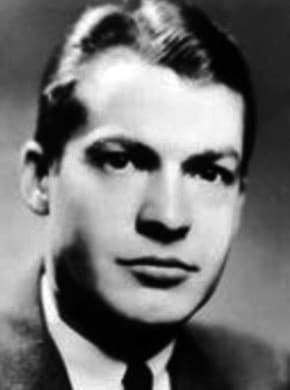
Wilbur Monroe Leaf was an American writer of children's literature who wrote and illustrated nearly 40 books during his 40-year career. He is best known for The Story of Ferdinand (1936), a children's classic which he wrote on a yellow legal-length pad in less than an hour. Labeled as subversive, it stirred an international controversy.
Similar books
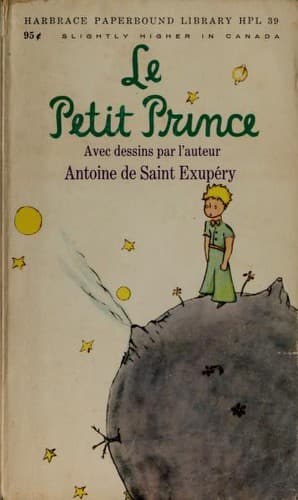
- The Little Prince
Antoine De Saint Exupéry
Explores themes of individuality, perspective, and the importance of seeing with the heart.
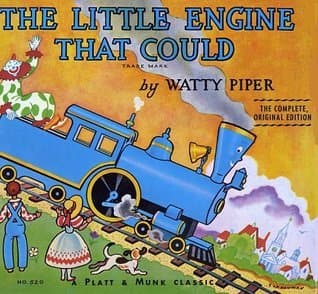
- The Little Engine That Could
Watty Piper
4.2 (102k) average on GoodreadsFantasyWhile Ferdinand champions individual peace, The Little Engine That Could (published 1930) emphasizes perseverance, collective effort, and the power of positive thinking to overcome external obstacles. Both are foundational children's stories, but Ferdinand focuses on internal choice and being true to oneself, whereas The Little Engine is about pushing through challenges with determination. Ferdinand's message is about finding inner contentment; the Little Engine's is about achieving a goal through grit. As [Zipes (1997)](https://www.jstor.org/stable/1344426) might discuss in his work on children's literature as cultural production, both reflect different facets of desirable character traits within Western society.
- Harry Potter and the Sorcerer's Stone
J.K. Rowling
4.5 (7M) average on GoodreadsFantasyRescued from a miserable life under the stairs, an orphaned boy discovers he's a wizard destined for a magical school, where he uncovers a dangerous secret tied to the dark wizard who murdered his parents.
- The Hobbit, or There and Back Again
J.R.R. Tolkien
4.3 (2.9M) average on GoodreadsFantasyA comfort-loving hobbit named Bilbo Baggins is whisked away by a mischievous wizard and a band of dwarves on an unexpected journey to reclaim stolen treasure from a fearsome dragon, discovering courage and a magical ring along the way.
- Harry Potter and the Goblet of Fire
J.K. Rowling
4.6 (2.6M) average on GoodreadsFantasyA bewildered Harry Potter, underage and thrust into a deadly Triwizard Tournament, must brave dragons, mermaids, and a resurgent dark magic to survive a year that will forever alter the wizarding world.
- Harry Potter and the Order of the Phoenix
J.K. Rowling
4.5 (2.5M) average on GoodreadsFantasyIn a year of oppressive secrets and the threat of Voldemort, Harry Potter and Dumbledore's Army secretly train for war, shown through Jim Kay and Neil Packer's dark illustrations.




Enjoyed the summary?
A summary gives you the shape of the book. The book itself has the detail, the examples and the voice.
Find The Story of Ferdinand on AmazonAs an Amazon Associate, BookBrief earns from qualifying purchases. How we're funded