
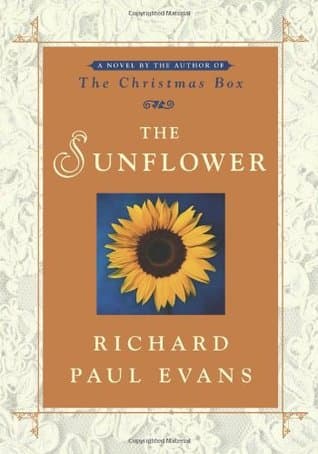
Synopsis
Covers the whole plot, including the ending.
- Difficulty
- Easy
- Pacing
- Moderate
- Mood
- Hopeful, Emotional, Redemptive, Romantic, Inspirational
- Read it if
- You enjoy redemptive love stories set in exotic, challenging locations, with characters overcoming significant personal tragedy.
- Skip it if
- You prefer fast-paced thrillers or stories without significant emotional challenges and personal growth arcs.
The Sunflower Plot Summary
Covers the whole plot, including the ending.
A Life Unravels
Dr. Paul Cook, a brilliant emergency room physician, lives a seemingly perfect life in Seattle. He is engaged to Dr. Rachel Hammet, and his career thrives. On a snowy Christmas Eve, Paul's car spins out of control due to black ice, colliding with another vehicle. He sustains a severe leg injury, and Rachel, a passenger, suffers a traumatic brain injury that leaves her in a persistent vegetative state. This single event destroys Paul's future, plunging him into guilt and despair, ending his medical career and his relationship with Rachel as he knew it.
Christine's Quiet Despair
Christine Pearsall, a shy librarian in Boston, experiences her own crisis. A week before her wedding to Peter, he abruptly calls off the engagement, confessing he does not love her. This revelation shatters Christine's world and self-worth. Having always lived a quiet, predictable life, this rejection leaves her lost, unloved, and without direction. She struggles to recover, her confidence deeply wounded, and her future suddenly uncertain and empty.
A New Path in Peru
Months after their tragedies, Paul and Christine are drawn to a humanitarian mission in Peru. Paul, haunted by his past and unable to practice medicine, seeks atonement and purpose. Christine, desperate for a change and escape from heartbreak, volunteers as a librarian for a struggling orphanage in the Amazon jungle. They arrive in the remote village of Agua Viva, far from their previous lives, hoping to find healing and a new beginning amid the poverty and challenges of the developing world.
Initial Encounters and Resistance
Upon arriving in Agua Viva, Paul and Christine are part of the same volunteer group but initially keep to themselves. Paul is gruff, withdrawn, and carries a heavy burden of guilt, making him unapproachable. Christine, still recovering from her broken engagement, is equally reserved and struggles with her shyness in the new, demanding environment. Their first interactions are strained, marked by Paul's cynicism and Christine's quiet discomfort. Both are deeply wounded, and their shared pain acts as a barrier, as they navigate the harsh realities of their new surroundings and the needs of the local community.
Paul's Reluctant Return to Medicine
Despite his decision to never practice medicine again, Paul finds his skills desperately needed in Agua Viva. The village lacks proper medical care, and the local people face many health challenges. When a child falls gravely ill or an accident occurs, Paul's expertise is the only hope. He reluctantly steps in, driven by his innate desire to help, even as the act reopens old wounds and forces him to confront the trauma of Rachel's accident. These moments of reluctant heroism begin to chip away at his hardened exterior, revealing the compassionate doctor he once was.
Christine Finds Her Voice
Working at the orphanage, Christine slowly sheds her timidity. She develops a deep connection with the children, especially a young girl named Elena, who is severely malnourished and withdrawn. Christine's gentle nature and dedication help her build trust with the children, and she finds a deep sense of purpose in her work. She teaches them English, reads to them, and creates a small library, bringing joy and education to their lives. This experience allows Christine to discover an inner strength she never knew she possessed, boosting her confidence and helping her heal from her past heartbreak.
A Growing Connection
As Paul helps the villagers and Christine thrives at the orphanage, they interact more frequently. They witness each other's quiet acts of compassion and resilience. Paul sees Christine's dedication to the children, and Christine observes Paul's reluctant but effective medical interventions. Mutual respect slowly develops into a cautious friendship. They start sharing meals, talking about their pasts, and finding solace in their shared understanding of loss and the challenges of their new environment. Their individual healing journeys begin to intertwine, creating a fragile but meaningful connection.
The Threat of the Jungle
A severe health crisis strikes the village—an outbreak of a dangerous fever or a critical injury needing immediate, specialized attention. Paul and Christine must work together under extreme pressure, venturing deeper into the jungle or making difficult medical decisions with limited resources. Paul's medical expertise is vital, but Christine's calm demeanor, resourcefulness, and ability to connect with the local people prove equally important. This shared ordeal strengthens their bond, forcing them to rely on each other and confront their fears, pushing them beyond their comfort zones and deepening their emotional connection.
Confronting the Past
During a vulnerable moment, Paul finally confides in Christine about Rachel's accident. He shares his overwhelming guilt, his belief that he is responsible for her condition, and the emotional paralysis that has gripped him. Christine listens with empathy, offering comfort and understanding without judgment. This confession is a turning point for Paul, allowing him to articulate his deepest pain and begin to release some of the burden he has carried. It also deepens Christine's understanding of him and strengthens their trust.
The Sunflower's Symbolism
Christine shares with Paul her fascination with sunflowers, explaining their symbolism of always turning towards the light, seeking warmth and growth even in difficult circumstances. This metaphor resonates deeply with Paul, who has been living in darkness. The sunflower becomes a powerful symbol of hope, resilience, and the possibility of finding light after despair. It signifies their individual journeys towards healing and the potential for a new beginning, encouraging them to look forward rather than dwell on the past. This shared understanding of the sunflower's meaning further strengthens their emotional connection and shared outlook.
A Shared Future
Having confronted their past traumas and found healing and purpose in Agua Viva, Paul and Christine realize they have fallen deeply in love. Their shared experiences, vulnerabilities, and mutual support have forged a bond stronger than either anticipated. They acknowledge their feelings for each other and decide to embrace the possibility of a shared future. They discuss their commitment to continuing their work in Peru, recognizing the profound impact they can have on the community and the personal fulfillment it brings. Their decision marks their resilience and the transformative power of love and service.
Return and Resolution
Paul knows he cannot fully move forward with Christine until he resolves his situation with Rachel. He returns to Seattle to visit Rachel, who remains in a vegetative state. He speaks to her, expressing his love, his guilt, and his need to find peace and move on. He makes arrangements for her continued care and, in an act of self-forgiveness, releases himself from the crushing burden of responsibility. This final act of closure allows him to fully embrace his new life and love with Christine, knowing he has honored his past while choosing a hopeful future.
The Sunflower Characters
Paul Cook
Protagonist
A brilliant but guilt-ridden doctor seeking redemption.
Paul Cook is a once-charismatic and highly successful emergency room physician whose life is shattered by a car accident that leaves his fiancée, Rachel, in a vegetative state. He is intelligent, capable, and initially deeply cynical and withdrawn, weighed down by immense guilt and a sense of responsibility for Rachel's condition. He struggles with his identity outside of his medical profession and his past relationship, believing he doesn't deserve happiness. His journey to Peru is an attempt to escape his past and find atonement.
Relationships: Christine Pearsall (Initially strained, evolving into deep friendship and romantic love.); Rachel Hammet (Former fiancée, now in a vegetative state, the source of his profound guilt and grief.)
Christine Pearsall
Protagonist
A shy librarian who finds her voice and strength in the Amazon.
Christine Pearsall is an introverted and unadventurous librarian from Boston whose life is upended when her fiancé abruptly breaks off their engagement. She is initially insecure, quiet, and struggles with self-worth, having always lived a safe, predictable life. Her decision to volunteer in Peru is a desperate attempt to escape her heartbreak and find a new direction. In the demanding environment of the Amazon, she discovers an inner strength, compassion, and resilience she never knew she possessed.
Relationships: Paul Cook (Initially distant, growing into a deep, supportive, and romantic relationship.); Elena (A young orphaned girl she deeply connects with and mentors.); Peter (Her former fiancé who broke off their engagement.)
Rachel Hammet
Mentioned/Catalyst
Paul's former fiancée, whose tragic accident propels the plot.
Rachel Hammet is Paul's beautiful, intelligent, and successful fiancée whose life is tragically cut short in a car accident, leaving her in a persistent vegetative state. She represents Paul's lost perfect life and is the primary source of his profound guilt and emotional paralysis. Though she is not an active character, her presence looms large over Paul's journey, driving his need for atonement and his struggle to move on. She symbolizes the past Paul must reconcile with before he can embrace a future.
Relationships: Paul Cook (Fiancée, her condition creates a profound emotional barrier for Paul.)
Elena
Supporting
A quiet, malnourished orphan who connects with Christine.
Elena is a young, withdrawn, and malnourished girl at the orphanage in Agua Viva. She is initially very shy and hesitant to connect, a reflection of the hardships she has endured. Christine takes a special interest in her, and through Christine's patient and loving care, Elena slowly begins to open up, learn, and thrive. She represents the vulnerable children of the orphanage and serves as a catalyst for Christine's personal growth and newfound purpose, showing Christine the impact she can have.
Relationships: Christine Pearsall (Mentee and close bond, Christine becomes a maternal figure.)
Father Miguel
Supporting
The dedicated priest overseeing the mission in Agua Viva.
Father Miguel is the kind and wise priest who runs the mission and orphanage in Agua Viva. He is a compassionate and practical leader, deeply committed to serving his community despite the overwhelming challenges of poverty and lack of resources. He provides guidance and support to the volunteers, understanding their personal struggles while also relying on their skills. He represents faith, resilience, and the enduring spirit of humanitarianism in the face of adversity, offering a moral compass for Paul and Christine.
Relationships: Paul Cook (Spiritual guide and mentor, relies on Paul's medical skills.); Christine Pearsall (Spiritual guide and mentor, supports Christine's work at the orphanage.)
Peter
Mentioned
Christine's former fiancé who breaks her heart.
Peter is Christine's former fiancé who abruptly calls off their wedding a week before the ceremony, confessing he never truly loved her. He is not a physically present character in the main narrative but serves as the catalyst for Christine's journey to Peru and her subsequent emotional healing. His rejection deeply wounds Christine's self-esteem and forces her to re-evaluate her life and choices, pushing her out of her comfort zone.
Relationships: Christine Pearsall (Former fiancé, his rejection causes her deep pain and propels her journey.)
The Sunflower Themes
Healing from Trauma and Grief
Paul and Christine arrive in Peru deeply wounded by personal tragedies—Paul by the accident that incapacitated Rachel, and Christine by her broken engagement. The narrative explores their individual and shared journeys of processing grief, guilt, and heartbreak. The demanding environment of Agua Viva, along with their humanitarian work, forces them to confront their pain and find new purpose. Paul's reluctant return to medicine (e.g., treating sick villagers) and Christine's dedication to the orphans (e.g., her bond with Elena) are central to their healing, showing that helping others can be a powerful balm for personal suffering.
“Sometimes the greatest healing comes not from forgetting the past, but from finding a new reason to live in the present.”
Redemption and Forgiveness
Paul's journey focuses on seeking redemption for his perceived role in Rachel's accident. He carries immense guilt, believing he is responsible for her vegetative state. His reluctance to practice medicine again stems from this self-blame. Through his acts of service in Agua Viva, and especially through Christine's support, Paul slowly learns to forgive himself. This theme culminates in his return to Seattle to make peace with Rachel, signifying his self-forgiveness and his ability to move forward without the burden of guilt.
“True forgiveness is not forgetting what you did, but letting go of the right to punish yourself for it.”
Finding Purpose Through Service
Both protagonists are adrift before their mission to Peru. Paul has lost his career and identity, while Christine has lost her future and self-worth. In the impoverished village of Agua Viva, they find purpose in helping others. Paul's medical skills become invaluable to the community, and Christine's gentle nature transforms the lives of the orphaned children. Their selfless acts of service not only benefit the villagers but also give them a renewed sense of meaning and direction, proving that contributing to something larger than oneself can be deeply fulfilling. The work itself becomes a form of therapy.
“When you lose your way, sometimes the best path forward is to light the way for someone else.”
The Power of Connection and Love
The novel explores how human connection and love can facilitate healing and growth. Initially isolated by their individual pains, Paul and Christine slowly build a bond based on shared experiences, mutual respect, and empathy. Their relationship develops organically as they witness each other's vulnerabilities and strengths in the challenging environment. This connection helps them confront their pasts and envision a future. The love they find in each other, born out of shared suffering and renewed hope, shows the resilience of the human heart and its capacity to heal and rebuild.
“Love isn't finding a perfect person. It's seeing an imperfect person perfectly.”
Transformation and Resilience
The journey to Peru transforms both Paul and Christine. Christine, initially shy, blossoms into a confident and purposeful woman who finds her voice and strength. Paul, hardened by guilt, slowly reclaims his compassion and ability to connect. The jungle's challenges and the community's needs force them to adapt, overcome fears, and discover inner resilience. The sunflower itself symbolizes this theme, representing the ability to turn towards the light and find growth even after periods of darkness and adversity.
“Like a sunflower, we must always turn towards the light, even when the shadows are long.”
Plot Devices & Literary Techniques
The Humanitarian Mission to Peru
A catalyst for personal growth and a backdrop for romance.
The mission to Agua Viva, Peru, serves as a crucial plot device by removing Paul and Christine from their familiar, comfortable, and painful environments. It thrusts them into a challenging, unfamiliar setting where they are forced to confront hardship and rely on each other. The poverty and medical needs of the villagers provide a context for Paul to reluctantly re-engage with his medical skills and for Christine to find purpose and confidence, thus facilitating their individual healing and the development of their relationship. It acts as a crucible for their transformation.
The Sunflower Motif
A recurring symbol of hope, resilience, and turning towards the light.
The sunflower is a central symbolic motif throughout the novel. Christine's fascination with sunflowers and her explanation of their ability to always turn towards the sun, even in adversity, provides a powerful metaphor for Paul's and her own journey. It represents hope, resilience, growth after darkness, and the pursuit of light and happiness despite past traumas. The image of the sunflower reinforces the themes of healing, transformation, and finding a new direction, serving as a constant reminder of the possibility of a brighter future.
Paul's Guilt over Rachel
The primary internal conflict for Paul, driving his actions and emotional arc.
Paul's profound guilt over Rachel's accident is the central internal conflict that defines his character and drives much of the plot. It paralyzes him, prevents him from practicing medicine, and initially makes him emotionally unavailable. This guilt creates a significant barrier to his healing and his ability to form new connections. The resolution of this guilt – through his confession to Christine, his acts of service, and his final visit to Rachel – is essential for his personal growth and for him to fully embrace love and a new future.
Christine's Broken Engagement
The catalyst for Christine's journey of self-discovery.
Christine's fiancé abruptly ending their engagement just before the wedding serves as the inciting incident for her personal journey. This heartbreak shatters her quiet, predictable life and her sense of self-worth, forcing her out of her comfort zone. It motivates her to volunteer in Peru, where she ultimately discovers her inner strength, purpose, and capacity for love. Without this initial trauma, Christine would likely not have embarked on the transformative path that leads her to Paul and a new life.
The Sunflower Quotes
“The greatest gift we can give each other is the gift of ourselves.”
“Sometimes the greatest journeys are not across oceans, but across the human heart.”
“It's not the length of time we have, but what we do with that time that matters.”
“Love isn't finding a perfect person. It's seeing an imperfect person perfectly.”
“Hope is a fragile thing, easily broken, but also incredibly resilient.”
“The past is like a rudder. It guides us, but it doesn't define where we're going.”
“Sometimes the most important things in life are the ones we don't plan for.”
“A broken heart is just a heart that's been opened.”
“True courage is not the absence of fear, but the triumph over it.”
“The greatest stories are not written, but lived.”
“Sometimes you have to lose yourself to find yourself.”
“The world is full of magic, you just have to know where to look.”
“Forgiveness is a gift you give yourself.”
“Every sunrise is an invitation to start again.”
Quiz
10 questions on the plot and the characters. Each answer comes with a short explanation.
Question 1
What is the primary reason Christine ends up on the humanitarian mission in Peru?
- She was always passionate about humanitarian work.
- Her fiancé broke off their engagement a week before the wedding.
- She was assigned there by her job as a nurse.
- She was seeking an adventurous vacation.
Show answer
B. Her fiancé broke off their engagement a week before the wedding. Christine's personal tragedy, specifically her broken engagement, is what leads her to join the humanitarian mission in Peru, seeking a new direction in life.
Question 2
What was Paul's profession before his life-altering tragedy?
- A general practitioner
- A surgeon
- An emergency room doctor
- A medical researcher
Show answer
C. An emergency room doctor Paul is described as a former emergency room doctor whose life was dramatically changed by a tragic event.
Question 3
What specific event is mentioned as the catalyst for Paul's personal tragedy?
- A car accident during a summer storm.
- A medical malpractice suit.
- A fateful, snowy Christmas Eve.
- A sudden illness that left him incapacitated.
Show answer
C. A fateful, snowy Christmas Eve. The synopsis explicitly states that Paul's glamorous lifestyle and reputation were 'cruelly snatched from him one fateful, snowy Christmas Eve.'
Question 4
What is the physical setting for the majority of Christine and Paul's shared experience?
- A bustling Peruvian city.
- A remote Amazon jungle.
- A coastal Peruvian village.
- A mission outpost in the Andes mountains.
Show answer
B. A remote Amazon jungle. The story takes place 'deep in the Amazon jungle,' where they confront their fears and learn to trust again.
Question 5
What is Christine's primary character trait described in the synopsis?
- Adventurous and outgoing.
- Ambitious and career-focused.
- Shy and unadventurous.
- Cynical and distrustful.
Show answer
C. Shy and unadventurous. Christine is explicitly described as 'a shy, unadventurous woman' at the beginning of the narrative.
Question 6
What major emotional challenges must Christine and Paul confront together in Peru?
- Overcoming their fear of heights and water.
- Confronting their deepest fears and learning to trust and love again.
- Dealing with the local political unrest and violence.
- Mastering new medical techniques for jungle ailments.
Show answer
B. Confronting their deepest fears and learning to trust and love again. The synopsis states, 'they must confront their deepest fears and, together, learn to trust and love again.'
Question 7
The tagline 'Seek not your destiny, for it is seeking you' primarily suggests which theme?
- The importance of actively pursuing one's goals.
- The idea that fate or serendipity plays a significant role in life.
- The danger of being too passive in life.
- The necessity of self-discovery through travel.
Show answer
B. The idea that fate or serendipity plays a significant role in life. The tagline implies that important life events and connections will find you, rather than needing to be actively sought out, aligning with the theme of destiny or fate.
Question 8
Which detail about Paul's past is directly contrasted with his current situation on the mission?
- His previous disinterest in medicine.
- His humble beginnings and lack of social standing.
- His glamorous lifestyle, stellar reputation, and beautiful fiancée.
- His solitary nature and dislike of social events.
Show answer
C. His glamorous lifestyle, stellar reputation, and beautiful fiancée. The synopsis states his 'glamorous lifestyle, stellar reputation, and beautiful fiancee are cruelly snatched from him,' directly contrasting with his current state on a humanitarian mission in the jungle.
Question 9
The backdrop of 'poverty and heartbreak' in the Amazon jungle serves what thematic purpose for Christine and Paul?
- It highlights the stark contrast with their previous wealthy lives, making their personal struggles seem insignificant.
- It provides external challenges that distract them from their internal emotional struggles.
- It creates an environment where they can witness and experience profound suffering, potentially fostering empathy and a new perspective on their own pain.
- It is merely a descriptive detail with no deeper thematic significance.
Show answer
C. It creates an environment where they can witness and experience profound suffering, potentially fostering empathy and a new perspective on their own pain. The 'backdrop of poverty and heartbreak' in the jungle would likely immerse Christine and Paul in the suffering of others, allowing them to gain new perspective on their own personal tragedies and fostering empathy, which is crucial for their healing and renewed capacity for love.
Question 10
Given Christine's initial description as 'shy and unadventurous,' what can be inferred about her character arc by the end of the story?
- She remains unchanged, preferring her quiet, solitary life.
- She becomes more adventurous and confident, likely due to confronting fears and finding love.
- She develops a cynical outlook on life and relationships.
- She decides to dedicate her life solely to humanitarian work, eschewing personal relationships.
Show answer
B. She becomes more adventurous and confident, likely due to confronting fears and finding love. The synopsis indicates they 'must confront their deepest fears and, together, learn to trust and love again.' For a 'shy and unadventurous' person like Christine, this journey implies significant personal growth, leading to increased confidence and a more adventurous spirit.
The Sunflower FAQ
What brings Christine and Paul together in Peru?
Christine and Paul both volunteer for a humanitarian mission in the Amazon jungle of Peru, each seeking a way to cope with recent personal tragedies. Christine's fiancé unexpectedly broke off their engagement just a week before their wedding, leaving her heartbroken and adrift. Paul, a former ER doctor, is reeling from the loss of his own fiancé and career following a devastating car accident.
What specific personal tragedy did Paul experience before coming to Peru?
Paul experienced a catastrophic car accident on Christmas Eve that resulted in the death of his beautiful fiancée, Amanda. The accident also led to the loss of his medical license and destroyed his once-stellar reputation as a brilliant emergency room doctor, completely upending his glamorous and successful life.
What is Christine's background and why is she described as unadventurous?
Christine is portrayed as a shy and unadventurous woman whose life was largely defined by her relationship and impending marriage. Her fiancé's sudden departure left her without a clear path or purpose, prompting her to step far outside her comfort zone by joining the mission in Peru. She initially struggles with the unfamiliar and challenging environment.
How does the Amazon jungle setting contribute to the characters' development?
The harsh and remote Amazon jungle environment, with its poverty, disease, and emotional challenges, acts as a crucible for both Christine and Paul. It strips away their former lives and forces them to confront their vulnerabilities and fears without the distractions of their previous worlds. This backdrop facilitates their personal growth and reliance on each other.
What is the significance of the quote, 'Seek not your destiny, for it is seeking you,' in the context of the book?
This quote encapsulates the central theme that destiny often unfolds unexpectedly, rather than being something one actively pursues. Both Christine and Paul found themselves in Peru not by design, but as a consequence of their tragedies, allowing their fated meeting and subsequent healing to occur naturally. Their journey together was a destiny that found them.
Are there any subtle recurring motifs or symbols, besides the sunflower itself?
Beyond the sunflower, the motif of 'light' often appears, representing hope, healing, and clarity emerging from darkness. The jungle itself, while challenging, also symbolizes a new beginning and a wild, untamed beauty that reflects the characters' inner transformations. The small, often overlooked acts of kindness by the villagers also serve as a subtle symbol of resilience and human connection.
How does Paul's past as an ER doctor subtly influence his actions or perceptions in Peru?
Paul's extensive medical background as an ER doctor, despite his current trauma, subtly informs his quick thinking and problem-solving skills, even when he initially resists using them. He still possesses an innate desire to help, evident in his observations of the villagers' health issues, which eventually compels him to re-engage with his medical instincts, albeit informally. His past also makes him acutely aware of the fragility of life.
Is there any foreshadowing of Christine's emotional growth or bravery early in the narrative?
Early in the narrative, Christine's decision to embark on a humanitarian mission to the Amazon, despite her shy and unadventurous nature, subtly foreshadows her capacity for growth and bravery. Her willingness to step so far outside her comfort zone, even if driven by pain, indicates an underlying strength that will later emerge when facing the challenges of the jungle and her own emotional recovery.
How does Christine's initial shyness and lack of adventure serve as a psychological barrier to her healing?
Christine's initial shyness and unadventurous nature represent a psychological barrier because they kept her in a comfort zone, making her vulnerable when that zone was shattered by her fiancé. Her reluctance to engage with new experiences or assert herself prolonged her grief, as she struggled to find her own identity and path forward without external validation or guidance. The jungle forces her to overcome this passivity.
Analyze Paul's psychological coping mechanisms for his grief and guilt.
Paul initially copes with his profound grief and guilt by withdrawing, attempting to numb himself, and avoiding his former life entirely. He carries immense self-blame for the accident and his fiancée's death, leading to a loss of identity and purpose. His reluctance to practice medicine again stems from this guilt, as he believes he failed and is unworthy of his former profession.
How does the shared experience of trauma impact Christine and Paul's evolving relationship?
The shared experience of profound trauma creates an immediate, deep bond between Christine and Paul, fostering a unique understanding and empathy that others cannot provide. They recognize each other's pain and vulnerabilities, allowing them to lower their guards and trust each other more quickly. This shared foundation of suffering becomes a powerful catalyst for their healing and burgeoning love.
In what ways do Christine and Paul challenge each other's preconceived notions or fears?
Christine challenges Paul's cynicism and self-imposed isolation, gently encouraging him to reconnect with his compassionate nature and medical skills. Paul, in turn, challenges Christine's timidity and self-doubt, pushing her to find her inner strength and assertiveness. They both force each other to confront the fears that prevented them from moving past their respective tragedies, particularly the fear of loving again.
Was Paul's decision to go to Peru an escape or a genuine search for purpose?
Paul's decision to go to Peru was likely a complex mix of both escape and a subconscious search for purpose. Initially, it served as an escape from the painful reminders of his past life and the crushing guilt he carried. However, the inherent nature of a humanitarian mission suggests a deeper, albeit perhaps unacknowledged, yearning for meaning and redemption, which the environment eventually brings to the surface.
How does the 'destiny' theme reconcile with the characters' agency and choices throughout the story?
The 'destiny' theme in "The Sunflower" suggests that while certain meetings or paths may be fated, the characters' agency lies in how they choose to respond to these circumstances. Christine and Paul's choice to be vulnerable, to trust, and to love again, despite their fears, is what actualizes their destiny. Their individual decisions to move forward are crucial within the framework of their fated encounter.
Could Christine have found similar healing without Paul's presence?
While Christine might have found some degree of healing through the humanitarian work and the change of environment, it is highly unlikely she would have achieved the same profound recovery without Paul. His shared trauma, his understanding, and his gentle encouragement provided a unique mirror and support system that allowed her to confront her deepest fears and insecurities, accelerating her journey to self-discovery and renewed trust.
What is the ultimate message about love and loss that the author conveys through Christine and Paul's journey?
The author conveys that true love can emerge even from the depths of profound loss and that healing is a process of choosing to embrace vulnerability and connection again. It suggests that while grief can be isolating, shared experiences and mutual support can lead to unexpected new beginnings. The message is one of hope, resilience, and the transformative power of human connection after tragedy.
How does the motif of the 'sunflower' itself contribute to the book's overarching themes?
The sunflower, with its characteristic of always turning towards the sun, symbolizes hope, resilience, and finding light even after darkness. It represents Christine and Paul's journey towards healing and finding love again, always orienting themselves towards growth and warmth despite their past traumas. It also signifies beauty and growth in unexpected places, much like their love story in the jungle.
Were there specific cultural interactions or challenges in Peru that particularly affected Christine or Paul?
The stark poverty and lack of medical resources in the Peruvian jungle deeply affected both Christine and Paul, forcing them to confront realities far removed from their previous lives. For Paul, it reignited his medical instincts despite his trauma. For Christine, it challenged her sheltered worldview and fostered a sense of purpose beyond her personal grief, pushing her to adapt and contribute in meaningful ways.
About the author

Richard Paul Evans is an American author known for his works of fiction, including "The Christmas Box," which gained significant popularity and has been adapted into a film. His other notable books include "The Prisoner of Cell 25," "Rise of the Elgen," "The Walk," "The Sunflower," and "Storm of Lightning." Evans often explores themes of hope and redemption in his storytelling.
Similar books
- The Last Song
Nicholas Sparks
4.2 (505k) average on GoodreadsYoung AdultFeatures romance and emotional healing after tragedy, set in a scenic location.
- A Walk to Remember
Nicholas Sparks
4.2 (673k) average on GoodreadsYoung AdultExplores profound love, personal growth, and overcoming adversity.
- THE ALCHEMIST
Paulo Coelho
3.6 (3k) average on GoodreadsFictionFocuses on a journey of self-discovery and finding destiny in an exotic setting.
- The Nightingale
Kristin Hannah
4.6 (698k) average on GoodreadsHistorical FictionWhile both 'The Sunflower' and 'The Nightingale' are historical fiction with romantic elements, Hannah's novel delves much deeper into the historical context of WWII, meticulously researching and integrating the realities of war, resistance, and survival into its characters' lives. 'The Sunflower' uses its historical setting (Peru) more as an exotic backdrop, with less emphasis on the specific societal or political intricacies of the time, making its historical fiction aspect less rigorous compared to Hannah's work which is praised for its historical accuracy and emotional gravitas, as noted by critics like Michiko Kakutani of The New York Times.
- Outlander
Diana Gabaldon
4.2 (824k) average on GoodreadsFantasyBoth books feature strong romantic arcs and exotic settings (Peru in 'The Sunflower', 18th-century Scotland in 'Outlander'). However, Gabaldon's 'Outlander' series is celebrated for its intricate plotting, complex character relationships that evolve over many books, and a much more detailed and immersive historical world-building. 'The Sunflower' offers a simpler, self-contained romance with less focus on the broader historical implications or the development of a vast, interconnected world, relying more on immediate emotional appeal rather than long-term narrative investment and historical immersion that Gabaldon achieves, which has been analyzed by scholars like Anne K. Kaler in studies of historical romance.
- To Kill a Mockingbird
Harper Lee
4.3 (4.5M) average on GoodreadsHistorical FictionIn the 1930s Jim Crow South, Harper Lee writes about racial injustice, moral growth, and the quiet courage of a lawyer father, Atticus Finch, as seen through his young daughter's eyes.





Enjoyed the summary?
A summary gives you the shape of the book. The book itself has the detail, the examples and the voice.
Find The Sunflower on AmazonAs an Amazon Associate, BookBrief earns from qualifying purchases. How we're funded