
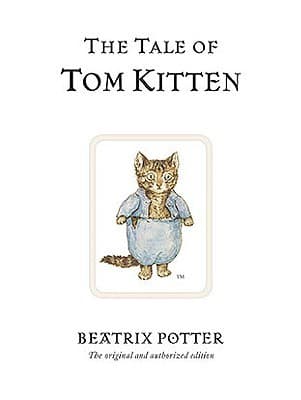
Synopsis
Covers the whole plot, including the ending.
- Difficulty
- Easy
- Pacing
- Moderate
- Mood
- Whimsical, Humorous, Charming, Playful
- Read it if
- You enjoy classic children's stories with charming illustrations, mischievous animal characters, and a gentle, humorous tone.
- Skip it if
- You prefer complex plots, deep character development, or stories without clear moral lessons for young children.
The Tale of Tom Kitten Plot Summary
Covers the whole plot, including the ending.
A Mother's Pride and a Children's Disobedience
Mrs. Tabitha Twitchit, a fussy old cat, is getting ready for a tea party. She has dressed her three kittens, Tom, Mittens, and Moppet, in their best clothes. Tom wears a blue coat with brass buttons, red pants, and a feathered hat. Mittens and Moppet are in clean aprons and bonnets. Mrs. Tabitha is very proud of how they look, thinking they seem smart and proper. However, she is also aware of their natural naughtiness and worries they might get dirty before her guests arrive. She sends them into the garden with strict orders to stay clean.
The Allure of the Garden Wall
As soon as the kittens are outside, their natural energy takes over. Their fine clothes feel stiff and uncomfortable, making it hard to play. Tom Kitten, especially, finds his pants and hat too tight. They decide the garden wall, a high stone structure, is the perfect place for a game. They start to climb and tumble on the wall, completely forgetting their mother's warnings about staying clean. Their playing quickly makes their clothes messy and dirty.
Lost Buttons and Tumbling Clothes
While playing on the wall, Tom Kitten's red pants, which were already tight, begin to split and then fall off completely. He is left in his shirt. Mittens and Moppet, seeing Tom's problem, also start to lose their clothes. Their bonnets fall off, and their aprons come undone and get caught on the rough stone of the wall. The fine clothes are now scattered across the wall and the ground, dirty and torn, showing the kittens' wild play.
The Puddle-Ducks' Discovery
Just as the kittens have taken off all their bothersome clothes, three large, white puddle-ducks named Jemima, Rebeccah, and another duck waddle past. They find the pile of discarded kitten clothes. Thinking they are new additions to their own wardrobes, the ducks eagerly try them on. Jemima Puddle-duck puts on Tom Kitten's hat and coat, while Rebeccah and the other duck wear Mittens' and Moppet's bonnets and aprons. They look quite silly in the ill-fitting clothes.
A Mother's Disappointment
Mrs. Tabitha Twitchit, hearing her guests approaching, calls for her kittens to come inside. To her horror, she finds them completely naked, having lost all their clothes to the puddle-ducks. They are dirty and messy. Mrs. Tabitha is horrified and deeply embarrassed by how they look. Her plans for a proper tea party are ruined by her children's naughtiness and the loss of their fine clothes. She scolds them severely for not obeying.
The Ducks' Grand Entrance
Just as Mrs. Tabitha is losing hope, her guests arrive: Mrs. Ribby and Mrs. Pussy-cat. To everyone's surprise, the three puddle-ducks waddle past the front door, still wearing the kittens' stolen clothes. Jemima Puddle-duck, in Tom Kitten's hat and coat, looks especially funny. The ducks, unaware of the trouble they've caused, seem to think they are dressed properly for the tea party and try to enter the house, causing more mess and embarrassment for Mrs. Tabitha.
A Swift Chase and Retrieval
Mortified by the sight of her kittens' clothes being worn by the puddle-ducks, Mrs. Tabitha Twitchit acts quickly. She rushes out, shooing and chasing the ducks, determined to get the clothes back. The ducks, surprised by the sudden chase, squawk and flap, eventually losing the ill-fitting clothes as they run away. Mrs. Tabitha manages to collect the clothes, but they are now even dirtier and more torn from the ducks' wear and the chase.
The Consequences of Mischief
With the clothes found but ruined, Mrs. Tabitha Twitchit's patience runs out. She sends Tom, Mittens, and Moppet straight to bed, saying they are too naughty to be seen and will have no supper. She then returns to her guests, Mrs. Ribby and Mrs. Pussy-cat, and has to awkwardly explain the situation. The tea party continues, but Mrs. Tabitha is clearly flustered and embarrassed by the whole event, a direct result of her kittens' disobedience.
A New Wardrobe and a Lesson Learned (or Not)
The next day, Mrs. Tabitha Twitchit makes new clothes for her kittens: plain, practical aprons for Mittens and Moppet, and a simple brown suit for Tom. She no longer trusts them with fancy clothes. She hopes that with plainer clothes, they might be less likely to cause trouble, or at least cause less damage. However, the narrator suggests that despite the new, simpler wardrobe, the kittens' natural naughtiness is unlikely to be fully cured. Mrs. Tabitha continues to watch her lively offspring.
The Puddle-Ducks' Continued Antics
The story ends by showing that the three puddle-ducks, always resourceful, are later seen near the pond. They have gathered the remnants of the kittens' original fine clothes – the torn coat, the ripped pants, the tattered bonnets and aprons – and are using the fabric to make little cushions for their nests. This final detail adds a funny touch, showing that while the kittens were punished for their mischief, the ducks found a practical use for the discarded finery, continuing their own simple, carefree lives.
The Tale of Tom Kitten Characters
Mrs. Tabitha Twitchit
Supporting
The fussy, well-meaning mother cat who tries to maintain order.
Mrs. Tabitha Twitchit is a fastidious and somewhat anxious mother cat who takes great pride in her appearance and that of her children. She is keen on propriety and order, especially when hosting guests. Despite her best efforts to dress her kittens smartly and instill good behavior, she is constantly frustrated by their inherent naughtiness. She loves her children but struggles to control their mischievous impulses.
Relationships: Tom Kitten (mother-son, often exasperated); Mittens (mother-daughter, often exasperated); Moppet (mother-daughter, often exasperated); Mrs. Ribby (friend, tea party guest); Mrs. Pussy-cat (friend, tea party guest)
Tom Kitten
Protagonist
The most mischievous of the three kittens, prone to losing his clothes.
Tom Kitten is a lively, boisterous, and somewhat clumsy young cat. He embodies the spirit of childhood mischief and the discomfort of restrictive clothing. He has a strong desire to play and explore, which often overrides his mother's instructions to be clean and proper. His breeches are a particular source of contention, being too tight and easily lost.
Relationships: Mrs. Tabitha Twitchit (son-mother, often disobedient); Mittens (sibling, co-conspirator in mischief); Moppet (sibling, co-conspirator in mischief)
Mittens
Supporting
One of Tom Kitten's sisters, equally prone to mischief.
Mittens is one of Tom Kitten's two sisters, a playful and disobedient young kitten. She is dressed in a clean pinafore and bonnet, but quickly sheds them in favor of climbing and playing. She follows Tom's lead in their garden antics, demonstrating the collective naughtiness of the kitten trio.
Relationships: Mrs. Tabitha Twitchit (daughter-mother, disobedient); Tom Kitten (sibling, co-conspirator in mischief); Moppet (sibling, co-conspirator in mischief)
Moppet
Supporting
The other sister, joining in the playful chaos.
Moppet is the second of Tom Kitten's sisters, sharing her siblings' energetic and disobedient nature. Like Mittens, she is initially dressed in a smart pinafore and bonnet but quickly discards them for the freedom of play. She participates fully in the climbing and tumbling on the garden wall, contributing to the overall chaos and the loss of their clothes.
Relationships: Mrs. Tabitha Twitchit (daughter-mother, disobedient); Tom Kitten (sibling, co-conspirator in mischief); Mittens (sibling, co-conspirator in mischief)
Jemima Puddle-duck
Supporting
A curious puddle-duck who appropriates Tom Kitten's clothes.
Jemima Puddle-duck is one of three puddle-ducks who waddle into the story. She is portrayed as somewhat naive and opportunistic, readily adopting the kittens' discarded clothes as her own. She is a comical figure, especially when seen wearing Tom Kitten's hat and coat, and adds to Mrs. Tabitha's embarrassment.
Relationships: Tom Kitten (unwitting recipient of his clothes); Mrs. Tabitha Twitchit (source of her embarrassment)
Rebeccah Puddle-duck
Supporting
One of the three puddle-ducks who finds and wears the kittens' clothes.
Rebeccah is another of the puddle-ducks, who, along with Jemima and the third duck, stumbles upon the kittens' discarded finery. She takes one of the bonnets and a pinafore, adding to the absurd spectacle. Her role is primarily to contribute to the visual comedy and the plot's central conflict.
Relationships: Mittens (unwitting recipient of her clothes); Moppet (unwitting recipient of her clothes)
Mrs. Ribby
Mentioned
A friend and guest at Mrs. Tabitha's tea party.
Mrs. Ribby is one of Mrs. Tabitha Twitchit's invited guests for tea. She represents the social expectations and propriety that Mrs. Tabitha is so keen to uphold. Her arrival, coinciding with the chaos of the naked kittens and dressed-up ducks, heightens Mrs. Tabitha's embarrassment.
Relationships: Mrs. Tabitha Twitchit (friend, tea party guest)
Mrs. Pussy-cat
Mentioned
Another friend and guest at Mrs. Tabitha's tea party.
Mrs. Pussy-cat is the second of Mrs. Tabitha Twitchit's invited guests. Like Mrs. Ribby, she symbolizes the societal judgment and proper etiquette that Mrs. Tabitha is so concerned with. Her presence at the tea party underscores Mrs. Tabitha's mortification when her kittens appear naked and their clothes are paraded by ducks.
Relationships: Mrs. Tabitha Twitchit (friend, tea party guest)
The Tale of Tom Kitten Themes
The Conflict Between Nature and Nurture (or Propriety)
This theme is central to the story, showing Mrs. Tabitha's attempts to teach proper behavior (nurture) to her naturally wild and mischievous kittens (nature). Even when dressed in elegant clothes and given strict rules, the kittens' natural urge to play and climb quickly overrides their mother's wishes. Their inability to act 'properly' highlights the lasting power of inborn personality over forced training. This is clear when Tom's pants split from his energetic play, symbolizing his resistance to limits.
“But the kittens were not behaving very well... They kept tumbling off the wall; and Tom Kitten was always getting caught in the buttons of his clothes.”
The Absurdity of Appearances
The story humorously explores how outward appearances can be misleading and easily ruined. Mrs. Tabitha thinks it's very important for her kittens to look 'smart' for her tea party, believing their fine clothes suggest good manners. However, these clothes quickly get in the way of the kittens' natural play and are eventually lost and worn by the puddle-ducks, creating a funny scene. The ducks in ill-fitting human clothes show how silly it is to try and force an unnatural look, especially when it clashes with one's true self. The ruined clothes also show that superficial beauty doesn't last.
“Then they all came tumbling down the wall, and the three Puddle-ducks picked up the clothes and put them on.”
Childhood Mischief and Disobedience
At its core, the tale is a classic picture of childhood mischief and the struggles of parents to manage their children's endless energy and curiosity. Tom, Mittens, and Moppet are typical naughty children, unable to resist the urge to play and explore, even when it means disobeying their mother's direct orders. Their disobedience leads to expected results – being sent to bed without supper – but the story hints that such punishments are only temporary. The kittens' actions come from an innocent, yet destructive, desire for fun, a universal part of childhood.
“They had to be put to bed; and they did not have any more of the party.”
Parental Frustration and Resignation
Mrs. Tabitha Twitchit shows the frustration and eventual acceptance often felt by parents of lively children. She starts with high hopes and wants her kittens to be well-behaved, but is repeatedly disappointed. Her frustration grows as she sees the clothes destroyed and the embarrassment caused by the puddle-ducks. By the end, she gives up on fancy clothes, choosing practical, plain ones. This shows a type of parental acceptance that some battles are not worth fighting, and that children will be children.
“Mrs. Tabitha Twitchit came out and found the kittens without any clothes. She was very much vexed.”
Plot Devices & Literary Techniques
Anthropomorphism
Animals with human characteristics, thoughts, and behaviors.
The entire story relies on anthropomorphism, as the characters are animals (cats and ducks) who live in houses, wear clothes, host tea parties, and exhibit human-like emotions and social structures. Mrs. Tabitha Twitchit acts as a human mother, concerned with propriety and her children's appearance, while the kittens behave like boisterous human children. This device allows the story to explore universal themes of childhood, parenting, and social expectations in a charming and accessible way for young readers, making the animal characters relatable.
Foreshadowing (Implicit)
Hints or suggestions of future events without explicit statements.
Beatrix Potter uses implicit foreshadowing early in the story. When Mrs. Tabitha Twitchit dresses her kittens, the narrator comments on their 'naughtiness' and Mrs. Tabitha's worry that they 'might get dirty.' This subtle hint immediately suggests that despite their fine clothes and their mother's wishes, the kittens are highly likely to get into trouble and soil their attire. This sets up the central conflict and the inevitable unraveling of Mrs. Tabitha's plans, making the subsequent events feel both predictable and humorous.
Comic Relief through Juxtaposition
Humor created by placing two contrasting elements side-by-side.
A significant source of humor in 'The Tale of Tom Kitten' comes from the juxtaposition of the kittens' fine, restrictive clothes with their wild, playful nature, and most notably, the sight of the dignified puddle-ducks wearing the ill-fitting, human-like garments. The image of Jemima Puddle-duck in Tom Kitten's hat and coat, or the other ducks in bonnets and pinafores, is inherently absurd and visually comical. This contrast between the intended purpose of the clothes (propriety) and their absurd new wearers (clumsy ducks) provides much of the story's lightheartedness and memorable imagery, amplifying Mrs. Tabitha's distress.
Symbolism of Clothing
Clothing represents social conformity and parental expectations.
The kittens' fine clothes – Tom's breeches and coat, Mittens' and Moppet's pinafores and bonnets – symbolize the social expectations and parental desires for them to be well-behaved, proper, and presentable. The clothes are restrictive and uncomfortable, mirroring the kittens' discomfort with enforced good behavior. Their rapid shedding and subsequent ruin of these garments symbolize their rejection of these constraints and their embrace of their wilder, natural instincts. The eventual replacement with plain, practical clothes signifies Mrs. Tabitha's resignation and a shift away from superficial appearances to a more realistic acceptance of her children's nature.
The Tale of Tom Kitten Quotes
“They each put on their three best clothes for callers, and they kept on making their clothes too tight.”
“I am sure I have heard that before somewhere.”
“The three kittens went up to the front door to call upon their Mother.”
“Tom Kitten was fat, and he had grown too big for his clothes.”
“They rolled themselves up in the hearth-rug, and sat laughing.”
“I am sorry to say she was not a good manager.”
“The Puddle-ducks came up the garden path, looking sweet and innocent.”
“They had just finished their dinner, and were tidying up the hearth.”
“Never mind, my dears; it doesn't signify. I will make you some fresh clothes as soon as ever I have finished my ironing.”
“Tom Kitten, however, had to be put to bed.”
“And the callers came.”
“They all three tumbled down the rockery, and Mother Tabitha Twitchit came out and cuffed them.”
“The Puddle-ducks were going to a party.”
Quiz
10 questions on the plot and the characters. Each answer comes with a short explanation.
Question 1
What are Tom Kitten and his sisters wearing when their mother sends them outside?
- Their old play clothes
- New clothes
- Their nightclothes
- Borrowed clothes from the visitors
Show answer
B. New clothes The story states that Tom and his sisters look so smart in their new clothes, indicating they are dressed up.
Question 2
Where is the setting for 'The Tale of Tom Kitten'?
- A bustling city park
- A dark, enchanted forest
- The cottage garden at Hill Top
- A grand manor house
Show answer
C. The cottage garden at Hill Top The book is set in the cottage garden Beatrix Potter created herself at Hill Top, her farm near Sawrey.
Question 3
What is the primary reason Mrs. Tabitha Twitchit sends her kittens outside?
- To fetch ingredients for tea
- To play with the neighbor's children
- To get them out of the way while she waits for visitors
- To practice their manners outdoors
Show answer
C. To get them out of the way while she waits for visitors Mrs. Tabitha Twitchit sends them outside while she waits for her visitors, implying she wants them out of the house.
Question 4
What kind of trouble do the kittens get into after being sent outside?
- They pick all the flowers in the garden.
- They invite unwelcome guests into the house.
- They make a mess of their new clothes.
- They run away from home.
Show answer
C. They make a mess of their new clothes. The description states their mother 'couldn't possibly guess what kind of mess they are going to get themselves into!' referring to their new clothes.
Question 5
Which Beatrix Potter book immediately precedes 'The Tale of Tom Kitten' in the series?
- The Tale of Mr. Jeremy Fisher
- The Tale of Jemima Puddle-Duck
- The Tale of Mrs. Tiggy-Winkle
- The Tale of Peter Rabbit
Show answer
A. The Tale of Mr. Jeremy Fisher According to the provided list, 'The Tale of Mr. Jeremy Fisher' is number 7, and 'The Tale of Tom Kitten' is number 8.
Question 6
What is the implied theme regarding children's behavior in 'The Tale of Tom Kitten'?
- The importance of strict discipline.
- The natural mischievousness of children despite good intentions.
- The necessity of always staying indoors.
- The joy of dressing up and staying clean.
Show answer
B. The natural mischievousness of children despite good intentions. Despite being dressed smartly, the kittens inevitably get into a mess, implying that children's natural inclination is to play and get dirty.
Question 7
In the context of Beatrix Potter's life, what is the significance of the setting of 'The Tale of Tom Kitten'?
- It is a fictional location created solely for the story.
- It is based on a public park she frequently visited.
- It is her actual home and garden at Hill Top.
- It is a historical landmark from her childhood.
Show answer
C. It is her actual home and garden at Hill Top. The setting is explicitly stated as 'the cottage garden Beatrix created herself at Hill Top, the farm she owned near the village of Sawrey,' directly linking it to her personal life.
Question 8
Based on the provided list, which book is the 23rd and final title in Beatrix Potter's series of little books?
- The Story of Miss Moppet
- Appley Dapply's Nursery Rhymes
- Cecily Parsley's Nursery Rhymes
- The Tale of Peter Rabbit
Show answer
C. Cecily Parsley's Nursery Rhymes The list provided clearly numbers 'Cecily Parsley's Nursery Rhymes' as 23, making it the last in the series.
Question 9
What does the phrase 'she couldn't possibly guess what kind of mess they are going to get themselves into!' foreshadow about the kittens' time outdoors?
- They will learn a valuable life lesson about tidiness.
- They will encounter a dangerous animal in the garden.
- Their new clothes will be ruined through their antics.
- They will make new friends with the garden creatures.
Show answer
C. Their new clothes will be ruined through their antics. The phrase directly follows the mention of their 'new clothes' and strongly implies that the 'mess' will involve the destruction or dirtying of these clothes, contrasting with their initial smart appearance.
Question 10
Considering the typical structure of Beatrix Potter's tales, what is a likely consequence for Tom Kitten and his sisters after making a mess of their clothes?
- Their mother will praise their creativity.
- They will be immediately sent to bed without supper.
- Their mother will be displeased and they might face a mild reprimand or consequence.
- The visitors will help clean up the mess.
Show answer
C. Their mother will be displeased and they might face a mild reprimand or consequence. Beatrix Potter's stories often feature animal characters getting into mischief and facing mild, age-appropriate consequences or the disapproval of their parents, rather than severe punishment or praise for misbehavior.
The Tale of Tom Kitten FAQ
What is the central premise of 'The Tale of Tom Kitten'?
The story revolves around Tom Kitten and his two sisters, Moppet and Mittens, who are dressed in their finest new clothes by their mother, Mrs. Tabitha Twitchit, in anticipation of visitors. Their mother sends them out to the garden, expecting them to stay clean, but they quickly get into mischief and ruin their outfits.
Who are the primary characters in the story, besides Tom Kitten?
Besides Tom Kitten, the main characters include his sisters, Moppet and Mittens, who are also kittens, and their mother, Mrs. Tabitha Twitchit. The three Puddle-Ducks, named Rebeccah, Jemima, and Duc-duck, also play a significant role in the plot by interacting with the kittens' clothes.
What specific incident leads to the kittens losing their clothes?
While playing in the garden, Tom Kitten, Moppet, and Mittens engage in various activities like climbing the wall and rolling down the rockery. Their new clothes, particularly Tom's buttons and the sisters' ribbons, begin to come undone and fall off, leading to them being completely undressed.
How does Mrs. Tabitha Twitchit react to her children's predicament?
Mrs. Tabitha Twitchit is understandably vexed and cross when she discovers her children have lost their clothes and are completely undressed. She sends them to bed without supper, highlighting her frustration with their inability to stay clean and presentable for her visitors.
What happens to the kittens' lost clothes?
The three Puddle-Ducks, Rebeccah, Jemima, and Duc-duck, find the discarded clothes in the garden. They try on the various pieces, with Jemima Puddle-Duck attempting to wear Tom's hat and Moppet's bonnet, before ultimately losing them again in the pond.
Are there any subtle foreshadowing elements regarding the Puddle-Ducks' future adventures?
Yes, the appearance of Jemima Puddle-Duck in this story, trying on the kittens' clothes, subtly foreshadows her more prominent role in 'The Tale of Jemima Puddle-Duck.' Here, she is depicted as somewhat curious and a bit clumsy, traits that carry over into her own standalone tale.
How does the setting of Hill Top garden contribute to the narrative?
The specific elements of Beatrix Potter's own garden at Hill Top, such as the stone wall, the rockery, and the pond, are directly incorporated into the plot. These features provide the physical spaces for the kittens' mischief and the Puddle-Ducks' discovery of the clothes, grounding the fantasy in a real-world location.
What is the significance of the kittens being sent to bed without supper?
This disciplinary action by Mrs. Tabitha Twitchit serves as a classic parenting consequence for misbehavior. It emphasizes the importance of obedience and the value placed on cleanliness and good manners within the domestic sphere, a common theme in Potter's cautionary tales.
Analyze the kittens' behavior from a developmental perspective. What motivates their actions?
The kittens' actions are driven by typical childlike impulsivity and curiosity. They are more interested in play and exploration (climbing, rolling) than in maintaining their appearance, demonstrating a natural disregard for adult expectations when presented with the opportunity for fun in the garden.
How does Mrs. Tabitha Twitchit embody the archetype of an anxious mother?
Mrs. Tabitha Twitchit's meticulous dressing of her children and her subsequent anxiety about their cleanliness for visitors highlight her concern for appearances and social standing. Her quick frustration and punishment when her expectations are unmet reveal a mother who is easily flustered by her children's unpredictable nature.
Could the loss of the clothes be interpreted as a metaphor for shedding societal expectations?
One interpretation is that the kittens, by losing their 'new clothes,' are shedding the imposed adult expectations of formality and neatness. Their nakedness represents a return to a more natural, uninhibited state, contrasting with the structured world their mother tries to impose.
Is there a deeper message about the futility of trying to control nature in this story?
The story could be seen as a gentle commentary on the difficulty of imposing order on the natural world, represented by the lively kittens and the free-spirited ducks. Mrs. Tabitha's efforts to keep her children pristine are ultimately undone by their inherent playful nature and the unpredictable environment of the garden.
How does the ending, with the Puddle-Ducks wearing the clothes, add to the story's charm or message?
The scene with the Puddle-Ducks trying on the clothes adds a touch of whimsical humor and reinforces the idea of nature's indifference to human (or in this case, feline) social conventions. It shows that what is lost and a source of distress for one creature can become a playful novelty for another, highlighting the cyclical nature of objects and experiences.
What is the significance of the visitors never actually appearing in the story?
The unseen visitors are a narrative device that heightens Mrs. Tabitha Twitchit's anxiety and provides the primary motivation for her actions. Their absence emphasizes that the entire ordeal was driven by anticipation and the pressure of social appearances, rather than an actual event, making the kittens' mischief even more impactful on their mother.
Does the story advocate for strict parenting or understanding childhood mischief?
While Mrs. Tabitha Twitchit employs strict discipline, the narrative subtly leans towards understanding childhood mischief. The kittens' actions are portrayed as innocent play rather than malicious defiance. The story, typical of Potter, presents the consequences of misbehavior but also implicitly acknowledges the natural inclinations of young ones, inviting readers to empathize with both the parent's frustration and the children's innocent escapades.
About the author
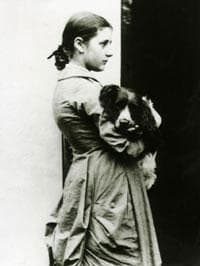
Helen Beatrix Potter was an English writer, illustrator, natural scientist, and conservationist. She is best known for her children's books featuring animals, such as The Tale of Peter Rabbit, which was her first published work in 1902. Her books, including 23 Tales, have sold more than 250 million copies. An entrepreneur, Potter was a pioneer of character merchandising. In 1903, Peter Rabbit was the first fictional character to be made into a patented stuffed toy, making him the oldest licensed character.
Similar books
- The Tale of Peter Rabbit
Beatrix Potter
4.2 (207k) average on GoodreadsFantasyFeatures disobedient animal protagonist, consequences for mischief, and the same charming art style.
- Corduroy
Don Freeman
4.3 (194k) average on GoodreadsFantasyA gentle children's story focusing on clothing and a character's journey, though with a different theme.
- Winnie-the-Pooh
A.A. Milne
4.3 (270k) average on GoodreadsFantasyMilne's work features gentler, less disobedient anthropomorphic animals and focuses on idyllic adventures rather than direct challenges to parental authority. Potter's 'Tom Kitten' grounds its fantasy in more tangible frustrations of parenting and direct consequences of mischief, making the conflict feel more immediate.
- The Cat in the Hat
Dr. Seuss
4.2 (428k) average on GoodreadsFantasySeuss's book presents highly exaggerated, purely fantastical chaos and a definitive, magical resolution. In contrast, 'Tom Kitten's' mischief, while leading to fantastical outcomes, stems from recognizable childish defiance, and its resolution is subtler, reflecting ongoing childhood struggles rather than a neat, conclusive ending.
- Harry Potter and the Sorcerer's Stone
J.K. Rowling
4.5 (7M) average on GoodreadsFantasyRescued from a miserable life under the stairs, an orphaned boy discovers he's a wizard destined for a magical school, where he uncovers a dangerous secret tied to the dark wizard who murdered his parents.
- The Hunger Games
Suzanne Collins
4.3 (6.4M) average on GoodreadsFantasyIn a future where children fight to the death on live television, Katniss Everdeen volunteers for the arena, turning a death sentence into a fight for survival and a spark of rebellion.



Enjoyed the summary?
A summary gives you the shape of the book. The book itself has the detail, the examples and the voice.
Find The Tale of Tom Kitten on AmazonAs an Amazon Associate, BookBrief earns from qualifying purchases. How we're funded