

Synopsis
Covers the whole plot, including the ending.
- Difficulty
- Easy
- Pacing
- Moderate
- Mood
- Whimsical, Uplifting, Heartwarming, Adventurous
- Read it if
- You enjoy whimsical, heartwarming stories about self-acceptance and the joy of being different, with a touch of magical realism.
- Skip it if
- You prefer gritty realism or stories with complex, morally ambiguous characters and plots.
The Terrible Thing That Happened to Barnaby Brocket Plot Summary
Covers the whole plot, including the ending.
The Peculiar Birth of Barnaby Brocket
Barnaby Brocket is born to Alistair and Eleanor Brocket, a couple focused on being ordinary and respectable in their suburban London home. From birth, Barnaby is different: he floats. This difference causes his parents great worry, as it threatens their image of normalcy. They try many ways to keep him on the ground, from weighing down his shoes to tying him to furniture, but Barnaby's natural floating continues. His older siblings, Melanie and Henry, are also taught to see Barnaby's floating as a shameful secret, making him feel more alone within his family. Despite their efforts, Barnaby cannot help but float, leading to constant anxiety for his parents and a growing sense of isolation for the boy.
An Unwanted Child is Cast Adrift
The Brockets' tolerance for Barnaby's floating ends during a family outing to the park. While Barnaby floats above them, enjoying a moment of freedom, Eleanor Brocket, embarrassed by the stares of other park-goers, makes a sudden choice. She unties the string that holds Barnaby to her wrist, letting him drift away into the sky. Barnaby is scared and heartbroken, realizing his own mother has left him on purpose. He floats higher and higher, leaving his family behind, feeling completely betrayed and alone as he goes into the clouds, with no control over where he goes. This act starts his involuntary journey around the world.
The Extraordinary Crew of the Hot Air Balloon
After floating for some time, cold and afraid, Barnaby is seen and rescued by a colorful hot air balloon. Inside, he meets a diverse group of people, each with their own unique traits that led them to this unusual way of travel. There is Captain W.E. Johns, the pilot; Signora Pazzi, an opera singer who can shatter glass with her voice; Bartholomew, a man who can change his skin color; and a woman who speaks only in riddles. They welcome Barnaby without judgment, interested in his ability to float. This meeting is Barnaby's first experience of acceptance and belonging outside his family's strict 'normal' world. They are going to Brazil.
Adventures in Brazil and the Circus
The hot air balloon lands in Brazil, where Barnaby and his new friends meet a welcoming community. Barnaby is drawn to a traveling circus, where he meets a kind ringmaster and performers who celebrate their unique talents instead of hiding them. He briefly joins the circus, using his floating ability as part of an act, and feels a sense of purpose and joy he never felt with his family. He forms close bonds with some performers, realizing that 'different' does not mean 'bad.' This time in Brazil helps Barnaby begin to heal from being abandoned and learn to embrace his own uniqueness, seeing it as a gift.
The Journey Continues to New York
Barnaby's journey continues as he floats across the Atlantic, landing in New York City. There, he meets a film director, Mr. O'Malley, who is interested in Barnaby's ability to float. Mr. O'Malley sees Barnaby's uniqueness as something marketable for a film. Barnaby experiences the city's energy and the world of filmmaking, where appearances often matter more than reality. While Mr. O'Malley is kind, Barnaby feels a different kind of pressure – the pressure to perform and be used for his unique gift, rather than simply accepted for who he is. He misses the genuine acceptance of his hot air balloon friends.
Australia and the Importance of Storytelling
Barnaby next finds himself in Australia, where he meets an Aboriginal elder who shares old stories and wisdom. The elder teaches Barnaby about the importance of connecting to the land, to one's ancestors, and to the stories that define a culture. Barnaby learns about different ways of seeing the world and the value of heritage, which contrasts with his own family's dismissal of anything that varied from their narrow idea of 'normal.' This meeting helps Barnaby understand that identity is complex and deeply rooted, and that his own story, however unusual, is part of a larger human experience. He begins to value his own journey as a unique story.
Reaching Tibet and the Monks' Wisdom
Barnaby's travels lead him to the serene mountains of Tibet, where he is welcomed into a monastery by Buddhist monks. Here, he finds peace and time for thought. The monks, who look beyond the obvious, accept Barnaby's floating without question, seeing it as simply another part of him. They teach him about inner peace, acceptance, and how all living things are connected. Barnaby spends time meditating and thinking about his journey, gaining clarity about his past and future. He realizes that true happiness comes from within and from accepting oneself, rather than from seeking approval from others.
The Call of Home and the Shadow of Doubt
While in Tibet, Barnaby receives a message from his parents, delivered through unusual events. They say they want him to return home, claiming they miss him and have changed. Barnaby is unsure. He wants the family he lost, but he remembers the pain and rejection they caused him. His new friends and experiences have taught him the value of self-acceptance and the good things about being different, making him cautious about returning to a life where he was forced to fit in. He wonders if his parents have truly changed or if they just want to restore their 'normal' image by having him back.
The Return to London and the Confrontation
Barnaby decides to return to London, with some of his new friends, including Captain W.E. Johns and Signora Pazzi. He arrives back at his old home, where his parents, Alistair and Eleanor, and his siblings, wait for him. The reunion is tense. His parents try to act as if nothing happened, but Barnaby has changed. He is no longer the scared, obedient boy they sent away. He confronts them about their actions and their obsession with normalcy, explaining the pain and loneliness they caused him. His parents, still stuck in their narrow view, struggle to understand his new confidence and self-acceptance.
Barnaby's Choice: Freedom or Conformity
During the confrontation, Barnaby realizes that his parents have not truly changed their basic beliefs about normalcy and difference. They still see his floating as a problem to solve, not a part of who he is. He looks at his parents, rigid and unhappy, and then at his eccentric, loving friends, who accept him completely. Barnaby makes a choice: he will not give up who he is for his parents' approval. He chooses to leave with his friends, embracing a life of freedom, adventure, and acceptance. He floats away from his old home, not with sadness, but with a sense of liberation, finally understanding that his 'terrible thing' is actually his greatest gift.
Principal Figures
Barnaby Brocket
Protagonist
A boy who floats, abandoned by his family for being different, who embarks on a journey of self-discovery.
Barnaby Brocket is born with the unique ability to float, a trait that sets him apart from his 'normal' and 'respectable' family. Initially, he is desperate to conform and please his parents, feeling immense guilt and shame over his condition. His abandonment by his mother deeply traumatizes him, but his subsequent journey around the world exposes him to diverse cultures and individuals who celebrate their differences. He is kind, sensitive, and observant, slowly developing a strong sense of self-worth and independence. By the end of the book, he transforms from a fearful, compliant child into a confident young man who embraces his uniqueness.
Relationships: Alistair Brocket (demanding, rejecting father); Eleanor Brocket (ashamed, abandoning mother); Melanie Brocket (conforming older sister); Henry Brocket (conforming older brother); Captain W.E. Johns (mentor and rescuer); Signora Pazzi (friend and fellow 'abnormal' traveler)
Eleanor Brocket
Antagonist/Supporting
Barnaby's mother, obsessed with normalcy and highly judgmental of anything different.
Eleanor Brocket is Barnaby's mother, a woman consumed by the desire to appear perfectly normal and respectable. Her entire identity is built around adhering to societal expectations, and she views Barnaby's floating as a profound personal embarrassment and a threat to her carefully curated image. She is cold, rigid, and ultimately cruel, abandoning Barnaby in a moment of panic and shame. Despite her attempts to portray herself as a loving mother, her actions are driven by fear of judgment and an inability to accept anything outside her narrow definition of acceptable. She remains largely unchanged by Barnaby's journey, clinging to her rigid worldview.
Relationships: Barnaby Brocket (rejected son); Alistair Brocket (like-minded, conformist husband)
Alistair Brocket
Antagonist/Supporting
Barnaby's father, equally obsessed with normalcy and disapproving of his son's unique trait.
Alistair Brocket is Barnaby's father, sharing his wife's pathological obsession with normalcy and respectability. He supports Eleanor's efforts to 'cure' Barnaby of his floating and is complicit in his abandonment. Alistair is portrayed as equally rigid and unimaginative, prioritizing social status and conformity above the emotional well-being of his son. He represents the societal pressures that often force individuals to suppress their true selves. Like Eleanor, he fails to truly understand or accept Barnaby's unique gift, remaining trapped in his own narrow definition of what constitutes a 'good' life.
Relationships: Barnaby Brocket (rejected son); Eleanor Brocket (like-minded, conformist wife)
Captain W.E. Johns
Supporting
The wise and adventurous pilot of the hot air balloon, who becomes a mentor to Barnaby.
Captain W.E. Johns is the experienced and kind pilot of the hot air balloon that rescues Barnaby. He is a worldly man who has seen much and accepts people for who they are, having gathered a crew of 'unusual' individuals. He serves as a mentor figure for Barnaby, offering guidance, comfort, and a sense of belonging. He represents freedom, adventure, and unconditional acceptance, contrasting sharply with Barnaby's parents. His calm demeanor and practical wisdom help Barnaby navigate his new life and understand the beauty of difference. He embodies the spirit of embracing life's unexpected journeys.
Relationships: Barnaby Brocket (mentor and friend); Signora Pazzi (friend and fellow traveler)
Signora Pazzi
Supporting
An opera singer with a powerful voice, a compassionate and eccentric friend to Barnaby.
Signora Pazzi is one of the passengers on the hot air balloon, an opera singer whose voice is so powerful it can shatter glass. She is flamboyant, dramatic, and deeply compassionate. Like Barnaby, she has been deemed 'abnormal' by society, but she embraces her unique talent. She quickly forms a bond with Barnaby, offering him maternal affection and understanding. Her spirited personality and unwavering acceptance make her a vital member of Barnaby's new chosen family, teaching him that his differences can be celebrated rather than hidden. She represents the joy and liberation found in self-expression.
Relationships: Barnaby Brocket (friend and surrogate mother figure); Captain W.E. Johns (friend and fellow traveler)
Bartholomew
Supporting
A man who can change his skin color, an example of embracing unique physical traits.
Bartholomew is another passenger on the hot air balloon, a man who possesses the extraordinary ability to change the color of his skin at will. He is a quiet and thoughtful individual who has learned to live with and accept his unique physical trait, despite society's potential for prejudice. His presence on the balloon further illustrates to Barnaby that people come in all forms and with all sorts of 'abnormalities,' and that these differences are not inherently bad. Bartholomew's calm acceptance of himself contributes to the atmosphere of non-judgmental camaraderie on the balloon, showing Barnaby another facet of embracing one's true self.
Relationships: Barnaby Brocket (fellow traveler and friend)
Melanie Brocket
Supporting
Barnaby's older sister, who conforms to her parents' expectations of normalcy.
Melanie Brocket is Barnaby's older sister. Conditioned by her parents, Alistair and Eleanor, she embodies their obsession with normalcy. She views Barnaby's floating as an embarrassment and actively participates in trying to keep it a secret. Melanie represents the pressure to conform and the fear of social ostracization. She is a product of her upbringing, prioritizing her parents' approval and societal acceptance over genuine sibling affection. Her character highlights the damaging effects of a household that values superficial appearances over individual identity and familial love.
Relationships: Barnaby Brocket (awkward, embarrassed sister); Alistair Brocket (conforming daughter); Eleanor Brocket (conforming daughter)
Henry Brocket
Supporting
Barnaby's older brother, who also conforms to the family's rigid standards.
Henry Brocket is Barnaby's older brother, similar to Melanie in his adherence to his parents' strict codes of normalcy. He is portrayed as equally uncomfortable with Barnaby's floating and actively avoids acknowledging it or him. Henry, like Melanie, is a symbol of the 'normal' world that Barnaby is forced to leave behind, a world where individuality is suppressed for the sake of appearances. His character reinforces the suffocating environment Barnaby grew up in, where love was conditional on conformity. He offers no support or understanding to Barnaby, further emphasizing Barnaby's isolation within his birth family.
Relationships: Barnaby Brocket (awkward, embarrassed brother); Alistair Brocket (conforming son); Eleanor Brocket (conforming son)
Mr. O'Malley
Supporting
An eccentric film director in New York who sees Barnaby's floating as a cinematic opportunity.
Mr. O'Malley is a flamboyant and somewhat opportunistic film director Barnaby meets in New York. He is fascinated by Barnaby's ability to float, not out of genuine acceptance, but because he sees it as a unique selling point for a film. While not malicious, Mr. O'Malley represents a different kind of exploitation – the commodification of difference for entertainment. He is kind in his own way, offering Barnaby a temporary place and purpose, but his interest is ultimately superficial. He shows Barnaby that even in worlds that seem to embrace the unusual, there can still be a pressure to perform and be defined by one's 'abnormality' rather than simply existing.
Relationships: Barnaby Brocket (temporary employer/acquaintance)
Themes & Insights
Identity and Self-Acceptance
The main theme is Barnaby's journey to accept his ability to float and define his own identity, separate from his parents' strict ideas. At first, Barnaby is ashamed and tries to fit in, but his travels introduce him to many people who celebrate their differences. Through these meetings, especially with the hot air balloon crew and the Tibetan monks, Barnaby learns that his 'abnormality' is not a flaw but a part of him. His final decision to choose freedom and his new chosen family over his birth family's conditional love shows his full acceptance of himself.
“There are some things in life that you simply can’t change. And if you can’t change them, then you have to accept them. And if you can’t accept them, then you have to find a way to make them work for you.”
The Dangers of Conformity vs. The Beauty of Difference
The book shows a clear contrast between the stifling nature of conformity, seen in the Brocket family, and the joy found in embracing difference, shown by the passengers of the hot air balloon and the communities Barnaby meets. The Brockets' obsession with being 'normal' leads to unhappiness, fear, and abandoning their child. In contrast, characters like Signora Pazzi and Bartholomew, who openly show their unique traits, live happy lives. Barnaby's journey shows that true happiness and belonging come not from blending in, but from celebrating what makes one unique.
“Normal is just a setting on a washing machine.”
Family and Belonging
The novel explores different definitions of family. Barnaby's birth family, the Brockets, reject him because he does not fit their narrow idea of 'normal,' showing that biological ties do not guarantee love or acceptance. In contrast, the diverse group on the hot air balloon and the various communities Barnaby meets form a 'chosen family' that offers him unconditional love, support, and a true sense of belonging. This theme shows that true family is built on acceptance, understanding, and shared values, not on blood relation or societal expectations. Barnaby ultimately chooses this chosen family over his biological one.
“Family isn’t always about who you’re related to by blood. It’s about who accepts you for who you are.”
Prejudice and Acceptance
Prejudice against anything seen as 'abnormal' drives the story, starting with the Brockets' rejection of Barnaby. The book shows how fear of difference leads to cruelty and isolation. Conversely, Barnaby's journey is an example of acceptance, as he meets people and cultures that embrace uniqueness without judgment. From the inclusive circus performers in Brazil to the peaceful monks in Tibet, each meeting strengthens the idea that true understanding comes from open-mindedness and kindness, challenging the narrow views of Barnaby's first world.
“It was difficult to be different in a world that rewarded sameness.”
The Journey as a Metaphor for Life
Barnaby's physical journey around the world is a metaphor for his emotional and psychological journey of self-discovery and growth. Each place and character he meets represents a lesson or a stage in his development, from the initial shock of abandonment to finding acceptance and finally making an informed choice about his identity. The uncontrolled nature of his floating at first symbolizes his lack of control, but by the end, his ability to float becomes a symbol of his freedom and his embrace of his unique path, showing that unexpected turns in life can lead to deep self-understanding.
“Sometimes, when you have nothing, you have everything.”
Plot Devices & Literary Techniques
Magical Realism/Fantasy Element (Floating)
Barnaby's inexplicable ability to float, a central driver of the plot and symbol of difference.
Barnaby's natural ability to float is the core magical realism element in the story. It is presented as an inherent, inexplicable trait, not a superpower to be controlled, but a fundamental aspect of his being. This 'terrible thing' is the catalyst for his parents' rejection and his subsequent global journey. It functions as a powerful symbol of individuality, difference, and anything that deviates from societal 'normalcy.' The reactions to his floating—fear and rejection from his family, curiosity and acceptance from others—drive the entire narrative and underscore the book's central themes.
The Hot Air Balloon
A literal and symbolic vehicle for freedom, acceptance, and a chosen family.
The hot air balloon is both a literal mode of transport for Barnaby's world tour and a profound symbol. It represents escape from the Brockets' suffocating normalcy and a sanctuary for those deemed 'abnormal.' The balloon carries a diverse crew of individuals who have found freedom and acceptance together, forming a chosen family. Its ability to float freely, unconstrained by roads or fixed destinations, mirrors the freedom and self-acceptance Barnaby ultimately finds. It is a symbol of hope, adventure, and the idea that one can find belonging outside conventional societal structures.
Global Journey/Picaresque Structure
Barnaby's episodic travels to various cultures, exposing him to diverse perspectives.
The novel employs a picaresque or episodic narrative structure, where Barnaby floats from one distinct location and set of characters to another (Brazil, New York, Australia, Tibet). Each stop on his involuntary world tour serves to broaden his perspective, introduce him to different ways of life, and challenge the narrow worldview he inherited. These diverse encounters are crucial for his character development, allowing him to experience acceptance, kindness, and different forms of 'normalcy,' which ultimately empowers him to define his own identity upon his return home.
Symbolism of 'Normalcy'
The Brockets' obsession with 'normal' as a symbol of societal pressure and repression.
The concept of 'normalcy' is a pervasive symbol throughout the book, particularly as embodied by the Brocket family. For Alistair and Eleanor, 'normal' represents respectability, social acceptance, and conformity, which they value above all else, even their own child's happiness. Their suburban home, their rigid routines, and their disdain for anything 'different' are all symbolic of the suffocating pressures of societal expectations. This 'normalcy' becomes a cage, trapping them in unhappiness and leading them to reject anything that threatens their carefully constructed facade, ultimately highlighting its destructive power.
The Terrible Thing That Happened to Barnaby Brocket Quotes
“There's no such thing as normal. It's just a word people use to make themselves feel better.”
“Gravity is just a suggestion, not a rule.”
“Sometimes the most ordinary things are the most extraordinary.”
“You can't change who you are, but you can change how you see yourself.”
“Home isn't a place; it's the people who accept you as you are.”
“The world is full of people trying to fit in, when they should be trying to stand out.”
“Fear is just another kind of gravity, holding you down.”
“Every family has its own kind of gravity, pulling you in different directions.”
“Adventure is what happens when you stop trying to be normal.”
“Labels are for jars, not for people.”
“The sky isn't the limit; it's just the beginning.”
“Love should lift you up, not weigh you down.”
“Sometimes you have to lose your way to find yourself.”
“Difference isn't a problem to be solved; it's a gift to be celebrated.”
Quiz
10 questions on the plot and the characters. Each answer comes with a short explanation.
Question 1
What unusual ability does Barnaby Brocket possess from birth?
- He can talk to animals
- He can read minds
- He defies gravity and floats
- He can become invisible
Show answer
C. He defies gravity and floats Barnaby's defining characteristic is that he floats, defying the laws of gravity from the moment he is born, which horrifies his normal, respectable parents.
Question 2
How do Barnaby's parents, the Brockets, feel about his floating ability?
- They are proud and celebrate it
- They are horrified and ashamed
- They are indifferent and ignore it
- They are curious and study it scientifically
Show answer
B. They are horrified and ashamed The Brockets are normal and respectable, turning up their noses at anything strange, so Barnaby's floating horrifies them and leads them to reject him.
Question 3
What event marks the beginning of Barnaby's magical journey around the world?
- He runs away from home
- He is adopted by a circus
- He floats into the path of a hot air balloon
- He discovers a magical portal
Show answer
C. He floats into the path of a hot air balloon After his parents decide he has to go, Barnaby floats away, frightened and alone, and encounters a special hot air balloon that starts his global adventure.
Question 4
Why do the Brockets decide that Barnaby 'has to go'?
- Because he is too expensive to care for
- Because they never asked for a weird, abnormal child
- Because he is dangerous to others
- Because they are moving to a new country
Show answer
B. Because they never asked for a weird, abnormal child The Brockets pride themselves on being normal and respectable, so Barnaby's floating makes him unacceptable to them, leading to their decision to get rid of him.
Question 5
What does Barnaby try to do to please his parents before they reject him?
- He tries to hide his floating ability
- He tries to keep both feet on the ground
- He tries to find a cure for his condition
- He tries to make friends with normal children
Show answer
B. He tries to keep both feet on the ground Desperate to fit in with his family's expectations, Barnaby makes efforts to stay grounded, but he cannot control his natural ability to float.
Question 6
Which theme is most central to Barnaby's story as described in the summary?
- The importance of family loyalty
- Acceptance of differences and individuality
- The dangers of technology
- The value of hard work
Show answer
B. Acceptance of differences and individuality The book contrasts the Brockets' rejection of anything strange with Barnaby's journey of finding acceptance among extraordinary friends, highlighting themes of embracing uniqueness.
Question 7
What kind of new friends does Barnaby meet during his journey?
- Ordinary people who help him fit in
- Magical creatures from folklore
- A cast of extraordinary individuals
- Scientists studying gravity
Show answer
C. A cast of extraordinary individuals Barnaby's adventure involves meeting a variety of unique and extraordinary characters who accept him, unlike his family.
Question 8
How does the summary describe the Brockets' attitude toward people who are different?
- They are fascinated and seek them out
- They are indifferent and ignore them
- They turn up their noses at anyone strange or different
- They try to help them become normal
Show answer
C. They turn up their noses at anyone strange or different The Brockets are explicitly described as normal, respectable, and proud of it, with a disdainful attitude toward anything unusual, which sets up the conflict with Barnaby.
Question 9
In what emotional state is Barnaby when he begins his journey after leaving home?
- Excited and adventurous
- Angry and rebellious
- Betrayed, frightened, and alone
- Relieved and free
Show answer
C. Betrayed, frightened, and alone The summary specifies that Barnaby feels betrayed by his parents' rejection, frightened by his situation, and alone as he floats away, emphasizing the emotional impact of his departure.
Question 10
What does the term 'terrible thing' in the book's title likely refer to, based on the summary?
- A natural disaster that occurs during Barnaby's journey
- The hot air balloon accident that starts his adventure
- Barnaby's floating ability itself
- His parents' rejection and abandonment of him
Show answer
D. His parents' rejection and abandonment of him While Barnaby's floating is unusual, the 'terrible thing' is more likely the emotional trauma of being rejected by his family for being different, which drives the plot.
The Terrible Thing That Happened to Barnaby Brocket FAQ
What is 'The Terrible Thing That Happened to Barnaby Brocket' about?
The book follows Barnaby Brocket, a boy born with the ability to float, which horrifies his rigidly normal parents. After they abandon him, Barnaby embarks on a global journey via hot air balloon, meeting diverse characters who help him embrace his uniqueness while searching for belonging.
Why should I read 'The Terrible Thing That Happened to Barnaby Brocket'?
It's a heartwarming fantasy about self-acceptance and celebrating differences, told through Barnaby's whimsical adventures. The story combines humor, emotional depth, and a critique of conformity, making it engaging for both children and adults who enjoy themes of identity and resilience.
What is the background/setting of 'The Terrible Thing That Happened to Barnaby Brocket'?
The story begins in Sydney, Australia, where the Brocket family lives a meticulously normal life. Barnaby's journey then spans globally, including locations like Brazil, New York, and Canada, each introducing new characters and cultures that contrast with his upbringing.
What are the most memorable quotes from the book?
Key quotes include: 'There's no such thing as normal' from Captain W. E. Johns, emphasizing acceptance, and Barnaby's realization, 'I am who I am,' highlighting self-identity. The Brockets' motto, 'We are normal and we are proud,' ironically underscores the book's critique of conformity.
What writing style does John Boyne use in this book?
Boyne employs a whimsical, accessible narrative with a third-person perspective, blending fantasy elements with emotional realism. The tone is often humorous and poignant, using simple language suitable for young readers while exploring complex themes like prejudice and belonging.
What minor details add significant meaning to the story?
Small details like the Brockets' obsession with beige decor and routine symbolize their fear of difference. Barnaby's red balloon, a gift from Captain W. E. Johns, represents freedom and hope, subtly contrasting with the family's oppressive normalcy throughout his journey.
What are some subtle foreshadowing moments in the book?
Early scenes where Barnaby's parents weigh him down with heavy objects foreshadow their eventual abandonment. The hot air balloon's appearance in the sky before Barnaby meets Captain W. E. Johns hints at his impending escape and the adventures to come.
What unexpected character connections exist in Barnaby's journey?
Barnaby meets characters like Ethel and Henry, a couple who embrace their oddities, mirroring his desire for acceptance. Later, he encounters a girl named Matilda, who shares his feeling of being an outcast, creating a bond that reinforces the theme of found family.
What are the unspoken character motivations of the Brocket parents?
Alistair and Eleanor Brocket are driven by deep-seated shame and fear of social judgment, prioritizing their reputation over Barnaby's well-being. Their actions stem from a desire to maintain an illusion of normalcy, revealing their insecurity rather than malice.
What psychological complexities do characters like Barnaby exhibit?
Barnaby grapples with internalized rejection, initially trying to conform to please his parents. His journey involves overcoming self-doubt and learning to value his uniqueness, showcasing resilience and the psychological impact of abandonment on a child's identity.
What are the major emotional turning points in the story?
Key moments include Barnaby's abandonment by his parents, which triggers his journey; his meeting with Captain W. E. Johns, who offers acceptance; and his decision to embrace his floating ability, symbolizing emotional growth and self-acceptance.
How do relationship dynamics evolve between Barnaby and his new friends?
Barnaby's relationships shift from fear and isolation to trust and camaraderie. With characters like Captain W. E. Johns and other outsiders, he forms bonds based on mutual understanding, contrasting sharply with the conditional love of his family and highlighting the value of chosen connections.
Which parts of the book remain ambiguous or open-ended?
The story leaves Barnaby's long-term future with his new friends somewhat open, focusing on his emotional resolution rather than a fixed outcome. The Brocket parents' potential change is ambiguous, emphasizing the book's theme that acceptance must come from within, not from others.
What are controversial scenes or decisions in the book?
The Brocket parents' decision to abandon Barnaby is highly controversial, sparking debate about parental responsibility and societal norms. Some readers may find it harsh, but it serves to critique extreme conformity and highlight the emotional consequences of rejecting differences.
How does 'The Terrible Thing That Happened to Barnaby Brocket' end, and what does it mean?
The ending sees Barnaby finding acceptance among friends who celebrate his uniqueness, while his parents remain unchanged. It symbolizes that true belonging comes from embracing one's identity, not conforming to others' expectations, offering a hopeful message about self-worth and community.
About the author

John Boyne is an Irish novelist. He is the author of fourteen novels for adults, six novels for younger readers, two novellas and one collection of short stories. His novels are published in over 50 languages. His 2006 novel The Boy in the Striped Pyjamas was adapted into a 2008 film of the same name.
Similar books
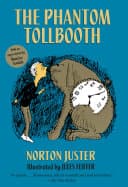
- The Phantom Tollbooth
Norton Juster
4.2 (242k) average on GoodreadsFantasyA children's fantasy adventure with a journey-based plot and quirky characters that teach life lessons.
- Wonder
R.J. Palacio
4.4 (733k) average on GoodreadsChildren'sExplores themes of being different and finding acceptance, though in a contemporary setting.
- Harry Potter and the Sorcerer's Stone
J.K. Rowling
4.5 (7M) average on GoodreadsFantasyRescued from a miserable life under the stairs, an orphaned boy discovers he's a wizard destined for a magical school, where he uncovers a dangerous secret tied to the dark wizard who murdered his parents.
- The Hunger Games
Suzanne Collins
4.3 (6.4M) average on GoodreadsFantasyIn a future where children fight to the death on live television, Katniss Everdeen volunteers for the arena, turning a death sentence into a fight for survival and a spark of rebellion.
- 1984
George Orwell
4.2 (3.1M) average on GoodreadsPoliticsIn a future where surveillance and thought control are absolute, a man's search for truth clashes with the Party, showing that hope can be a form of rebellion.
- Divergent
Veronica Roth
4.2 (2.9M) average on GoodreadsFantasyIn a society divided by virtues, a sixteen-year-old's difference from the norm starts a rebellion that threatens her world.





Enjoyed the summary?
A summary gives you the shape of the book. The book itself has the detail, the examples and the voice.
Find The Terrible Thing That Happened to Barnaby Brocket on AmazonAs an Amazon Associate, BookBrief earns from qualifying purchases. How we're funded