
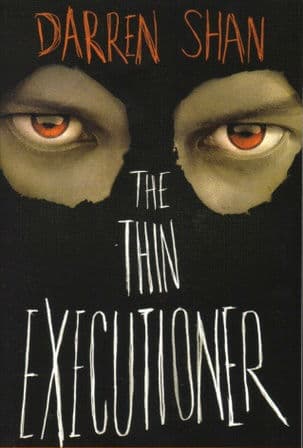
Synopsis
Covers the whole plot, including the ending.
- Difficulty
- Medium
- Pacing
- Fast
- Mood
- Dark, Brutal, Thought-provoking, Adventurous
- Read it if
- You enjoy dark, morally complex fantasy adventures with a coming-of-age theme, reminiscent of 'Huckleberry Finn' but with a much darker, more violent edge.
- Skip it if
- You prefer lighthearted fantasy, are sensitive to graphic violence, or dislike stories where the protagonist is morally ambiguous and makes difficult, often cruel, choices.
The Thin Executioner Plot Summary
Covers the whole plot, including the ending.
The Executioner's Son and the Looming Contest
Jebel Rum lives in the Kingdom of the Rum, a brutal land where executioners are held in high esteem, second only to the King. His father, Rashed Rum, is the Royal Executioner, known for his strength and resolve. But Rashed is nearing retirement, and a contest will be held to determine his successor. Jebel, despite being the eldest son, is thin, weak, and lacks the physical prowess and ruthlessness expected of an executioner. He is constantly overshadowed by his younger, stronger brother, Kver. This creates deep insecurity and shame within Jebel, as he feels he disappoints his family and embarrasses their esteemed lineage. The prospect of the contest fills him with dread, knowing he stands no chance against his more formidable peers and especially his brother.
A Desperate Quest for Power
After a humiliating incident during a training session where he is easily beaten by Kver, and seeing his father's clear disappointment, Jebel's desperation grows. He overhears whispers of a legendary fire god named Kirana, who is said to grant immense power to those who make the ultimate sacrifice. Believing this is his only path to gaining the strength needed to win the executioner contest and reclaim his honor, Jebel decides to go on a dangerous journey to Kirana's distant temple. This decision comes from a deep need to prove himself worthy and overcome his physical weaknesses, even if it means going into unknown and dangerous territories.
The Slave and the Sacrifice
To appease the fire god Kirana and receive the desired power, Jebel knows he must offer a human sacrifice. He is given a young, timid slave boy named Tel Hesani for this purpose. Tel is a member of the Hesani people, an oppressed group in the Kingdom of the Rum, often used for manual labor or as targets for the executioners' practice. Jebel, despite his initial resolve, feels an unexpected flicker of unease and guilt about his intended victim, but he suppresses these feelings, reminding himself of the greater goal. Tel, terrified but resigned, must accompany Jebel on his arduous journey, unaware of his ultimate fate as a sacrifice.
First Encounters and Moral Dilemmas
As Jebel and Tel begin their journey, they quickly encounter the harsh realities of the world outside the capital. They face dangerous landscapes, wild animals, and hostile individuals. During these early encounters, Jebel, despite his upbringing in a society that despises kindness, finds himself making small choices that differ from his ingrained ruthlessness. He struggles with the constant internal conflict between his cultural conditioning, which dictates cruelty and self-preservation, and a growing sense of empathy, especially towards Tel. These initial challenges begin to subtly change Jebel's worldview, though he often tries to explain his actions within the framework of his quest.
The Cannibalistic Tribe and the Test of Humanity
Deep in the wilderness, Jebel and Tel are captured by a fearsome, cannibalistic tribe who intend to eat them. In this dire situation, Jebel faces a brutal choice: offer Tel as a sacrifice to the tribe to save his own skin, or try to protect the boy, risking both their lives. This encounter becomes a test of Jebel's changing character. The ingrained ruthlessness of his upbringing urges him to sacrifice Tel, but the growing bond and his nascent sense of compassion pull him in a different direction. Ultimately, Jebel makes a choice that hints at his changing nature, finding a way to escape that, while still brutal, does not involve directly offering Tel to the cannibals.
The City of the Kind
Continuing their journey, Jebel and Tel find a hidden city inhabited by people who live by principles entirely opposite to those of the Kingdom of the Rum. In this city, compassion, kindness, and non-violence are not just tolerated but are the guiding tenets of their society. This discovery shocks Jebel, who has been taught his entire life that such traits are weaknesses to be scorned. He struggles to understand a world where people actively help each other without expecting personal gain, and where empathy is celebrated. This exposure to an alternative way of life forces Jebel to critically examine the values he has always held dear, causing significant internal turmoil and doubt about his quest.
The Suicide Cult and the Value of Life
Later, Jebel and Tel encounter a strange and disturbing suicide cult, whose members believe that the ultimate act of devotion is to end their own lives. This encounter, coming after his exposure to the kind city, deeply unsettles Jebel. He sees the cult's nihilistic philosophy and their disregard for life, which contrasts sharply with the value placed on individual lives in the kind city. This experience forces Jebel to reflect on the preciousness of life, both his own and Tel's, and the wrongness of wanton destruction. It further solidifies his shift away from the brutal principles of his homeland and makes him question the very nature of his quest to gain power through sacrifice.
The Revelation of Kirana's True Nature
After enduring countless hardships, Jebel and Tel finally reach the desolate, volcanic region where Kirana's temple is said to reside. Here, Jebel anticipates a grand, fiery confrontation and the ultimate sacrifice. However, the reality is far from his expectations. He learns that Kirana is not a benevolent or malevolent god in the traditional sense, but rather a force, or perhaps a being, whose true nature is revealed to be something entirely different from the power-granting entity he imagined. The truth about Kirana shatters Jebel's preconceived notions, making him question the entire premise of his journey and the purpose of the sacrifice he intended to make.
The Ultimate Sacrifice (or lack thereof)
Faced with the true nature of Kirana and the changes he has undergone during his journey, Jebel reaches a critical crossroads. The boy who set out to gain power through sacrifice is no longer the same. The bond he has formed with Tel, the lessons learned from the kind city, and the horrors witnessed along the way have transformed his priorities. Instead of sacrificing Tel, Jebel makes a choice that redefines his understanding of strength and honor. He chooses compassion and the preservation of life over the brutal pursuit of power, completely abandoning his original goal of becoming a ruthless executioner. This decision marks the culmination of his character arc.
Return and Confrontation
Jebel, no longer seeking to win the executioner contest, returns to the Kingdom of the Rum with Tel. He is a changed person, both internally and, to some extent, externally. He is no longer driven by the desire for brute strength or the need to conform to his society's cruel expectations. He is prepared to face his family, the King, and the entire kingdom with his new perspective, even if it means disgrace, rejection, or worse. His return is not about proving his physical prowess but about standing firm in his newfound moral convictions and protecting Tel, symbolizing his complete rejection of the values he once cherished.
The Executioner Contest and a New Path
The executioner contest proceeds as planned, with Jebel participating, but not with the same ambition as his brother Kver or the other contestants. His actions during the contest are guided by his transformed values rather than a desire for victory. He demonstrates a different kind of strength—moral courage and ingenuity—rather than pure physical might. The climax of the contest sees Jebel making a final, decisive statement about who he has become. He does not become the 'thin executioner' in the traditional sense, but rather redefines what it means to be powerful and honorable, ultimately carving out a unique and unexpected path for himself and Tel, challenging the very foundations of the Kingdom of the Rum.
Principal Figures
Jebel Rum
Protagonist
A scrawny, insecure boy from a family of executioners who seeks power but finds compassion.
Jebel is the eldest son of Rashed Rum, the Royal Executioner. He is physically small, weak, and often overshadowed by his stronger younger brother, Kver. This leads to deep insecurity and a desperate desire to prove himself worthy of his family's esteemed, albeit brutal, lineage. He is initially driven by a need for honor and acceptance within his violent society, which manifests as a quest for inhuman power. Despite his upbringing, Jebel possesses an underlying capacity for empathy that slowly emerges throughout his journey.
Relationships: Tel Hesani (Master (initially) and eventual close friend/surrogate brother, whom Jebel initially intends to sacrifice but ultimately protects.); Rashed Rum (His father, whom Jebel initially seeks to impress and later disappoints by rejecting his values.); Kver Rum (His younger brother, a rival in the executioner contest and a foil for Jebel's evolving character.)
Tel Hesani
Supporting
A timid, young slave boy destined for sacrifice who becomes Jebel's companion and moral compass.
Tel is a young, quiet slave boy from the oppressed Hesani people. He is initially presented as a helpless victim, resigned to his fate as Jebel's intended sacrifice to the fire god Kirana. Tel is fearful and vulnerable, yet his innocence and quiet resilience slowly chip away at Jebel's hardened exterior. He serves as a constant reminder of the human cost of Jebel's quest and inadvertently becomes the catalyst for Jebel's moral transformation. Tel's simple need for survival and his unjudgmental presence highlight Jebel's internal struggles.
Relationships: Jebel Rum (His master and eventual protector, who saves him from sacrifice and becomes his closest ally.)
Rashed Rum
Supporting
Jebel's father, the stern and revered Royal Executioner of the Kingdom of the Rum.
Rashed Rum is a formidable and respected figure in the Kingdom of the Rum. As the Royal Executioner, he embodies the brutal values of his society: strength, ruthlessness, and unwavering adherence to tradition. He loves his sons but expresses it through the lens of their ability to uphold the family's honor and succeed him. He is initially disappointed by Jebel's weakness and favors Kver, who seems more suited to the role. Rashed represents the entrenched, violent culture that Jebel must either embrace or reject.
Relationships: Jebel Rum (His son, whom he initially disappoints and later struggles to understand after Jebel's transformation.); Kver Rum (His son, whom he favors for his strength and suitability as an executioner.)
Kver Rum
Supporting
Jebel's younger, stronger brother and his main rival for the executioner title.
Kver is Jebel's younger brother, physically robust and naturally inclined towards the brutal traditions of their family. He is confident, skilled in combat, and embodies the ideal executioner in the eyes of their father and society. Kver serves as a constant reminder of Jebel's perceived inadequacies and fuels his initial desperation to gain power. He represents the path Jebel would have taken had he not embarked on his transformative journey, highlighting the stark contrast between their chosen destinies.
Relationships: Jebel Rum (His brother and rival in the executioner contest.); Rashed Rum (His father, who favors him for his strength and potential.)
Kirana
Mentioned
The legendary fire god whom Jebel seeks to gain power from.
Kirana is a legendary fire god, whispered to grant immense power to those who offer a human sacrifice. Jebel embarks on his perilous quest specifically to find Kirana and receive this power, believing it to be his only way to win the executioner contest. The true nature of Kirana is revealed to be far different from Jebel's expectations, serving as a symbolic turning point where Jebel realizes that true strength doesn't come from external, supernatural power but from internal moral conviction. Kirana functions more as a plot device and a catalyst for Jebel's journey than a character in the traditional sense.
The King of the Rum
Mentioned
The tyrannical ruler of the Kingdom of the Rum.
The King is the unseen, yet ever-present, tyrannical ruler of the Kingdom of the Rum. His decrees and the brutal laws of the land reflect his merciless nature. He is the ultimate authority figure in Jebel's society, and his will dictates the customs and values that Jebel initially conforms to. Though not directly interacting with Jebel, the King represents the oppressive political and social structure that Jebel ultimately challenges through his actions and transformed beliefs. His power is absolute, and the executioners serve as his instruments.
Themes & Insights
The Nature of True Strength and Honor
The novel challenges the conventional definition of strength and honor. Initially, Jebel believes strength is physical prowess and ruthlessness, as dictated by his society. His quest to Kirana is an attempt to gain this type of strength. However, through his journey, particularly his interactions with Tel and the kind city, Jebel learns that true strength is compassion, empathy, and moral courage. His honor is ultimately found not in becoming a brutal executioner, but in protecting the innocent and rejecting violence, as shown when he refuses to sacrifice Tel and later defies the expectations of the executioner contest.
“There are many kinds of strength, boy. And the strongest among us are not always the ones who wield the biggest axe.”
Compassion vs. Cruelty
This theme is central to Jebel's journey. Raised in a kingdom where cruelty is celebrated and compassion is a weakness, Jebel is conditioned to be merciless. His initial willingness to sacrifice Tel exemplifies this. However, his experiences on the road, such as the horrors of the cannibalistic tribe and the kindness shown in the hidden city, force him to confront the moral implications of his upbringing. His gradual development of empathy for Tel and his ultimate decision to protect him signify his rejection of the cruel values of his society, proving that compassion is not a weakness but a powerful virtue.
“To be kind in a world that praises cruelty – that is the greatest rebellion of all.”
Redemption and Self-Discovery
Jebel's quest, though initially for power, becomes a journey of self-discovery and redemption. He starts as a boy ashamed of his perceived weakness and willing to commit a heinous act for personal gain. Along the way, he sheds his ingrained prejudices and violent tendencies, redeeming himself by choosing a path of empathy and protection. His redemption is not for a specific past wrong, but for the moral blindness instilled by his society. He discovers his true self, one that values life and kindness, rather than the ruthless image he initially sought to embody.
“Sometimes, you must travel to the ends of the earth to find what truly lies within your own heart.”
The Corrupting Influence of Power
While Jebel initially seeks power, the novel explores its corrupting influence. The Kingdom of the Rum itself is an example of this, where power is maintained through fear and violence. Jebel's initial desire for power to win the contest would have led him down a path of further brutality. However, his journey and the revelation about Kirana teach him that true power does not come from dominance or the ability to inflict pain, but from moral integrity and the capacity to protect the vulnerable. The story suggests that unchecked power, especially when pursued for selfish reasons, ultimately leads to moral decay.
“The greatest power is not found in what you can take, but in what you choose not to take.”
Plot Devices & Literary Techniques
The Quest
Jebel's journey to the fire god Kirana, serving as the primary narrative framework.
The quest is the overarching plot device that drives the entire narrative. Jebel's desperate mission to reach Kirana and gain supernatural power sets him on a perilous journey through various landscapes and encounters. This physical journey acts as a metaphor for his internal transformation. Each obstacle and character he meets along the way contributes to his moral development, making the quest not just about reaching a destination, but about the protagonist's profound change of character and perspective. The quest allows for the introduction of diverse settings and moral challenges.
The Unreliable Narrator (Subtle)
Jebel's initial worldview, shaped by his brutal society, is gradually revealed to be flawed.
While not a traditional unreliable narrator in the sense of intentionally misleading the reader, Jebel's initial perspective is deeply biased by the values of the Kingdom of the Rum. He genuinely believes that kindness is weakness and ruthlessness is strength. As the story progresses, his experiences challenge these ingrained beliefs, making his early interpretations of events and people 'unreliable' in the sense that they are morally misguided. The reader experiences Jebel's internal struggle as he slowly realizes the flaws in his own worldview, creating dramatic irony and highlighting his transformation.
The Foil Character
Kver Rum serves as a direct contrast to Jebel's evolving character.
Kver, Jebel's younger brother, acts as a foil. He embodies the ideal executioner according to their society's brutal standards: strong, ruthless, and ambitious. Kver consistently demonstrates the traits Jebel initially strives for but eventually rejects. By presenting a character who remains steadfast in the values Jebel abandons, Kver highlights the significance of Jebel's transformation. He represents the path not taken, allowing the reader to fully appreciate Jebel's moral courage in choosing a different, more compassionate destiny.
The MacGuffin
The 'power' granted by Kirana, which drives Jebel's initial quest but is ultimately not the true goal.
The power that Jebel believes Kirana can grant him serves as a MacGuffin. It is the object that initiates and propels the plot forward, motivating Jebel to embark on his perilous journey. However, the actual 'power' itself is less important than the journey it instigates and the character development that results. By the time Jebel reaches Kirana, his understanding of power has fundamentally changed, rendering the original MacGuffin's importance moot and shifting the focus to his internal transformation rather than the external reward.
The Thin Executioner Quotes
“The gods give us life and take it away. They give us strength and take it away. They give us everything and take everything. We are but their playthings.”
“There are no easy answers in life, only hard choices.”
“Fear is a powerful weapon, but hope is even stronger.”
“Sometimes, to find yourself, you have to lose everything.”
“The truth is a tricky thing. It can set you free, or it can destroy you.”
“A man without a past is a man without a future.”
“Revenge is a dish best served cold, but forgiveness is a feast for the soul.”
“The greatest battles are not fought with swords, but within the heart.”
“To truly live, you must be willing to die.”
“There is always light, even in the darkest of places.”
“Power corrupts, and absolute power corrupts absolutely.”
“Sometimes the greatest strength lies in knowing when to yield.”
“The world is not always as it seems. Look beyond the surface.”
“Every life has a purpose, no matter how small it may seem.”
Quiz
10 questions on the plot and the characters. Each answer comes with a short explanation.
Question 1
What is Jebel Rum's father's profession, which grants their family high status?
- The King's Royal Advisor
- The Royal Executioner
- A High Priest
- A Master Gladiator
Show answer
B. The Royal Executioner Jebel's father, Rashed Rum, is the executioner, which is why their family is considered royalty.
Question 2
Why does Jebel feel he has no chance of winning the contest to succeed his father?
- He is too kind-hearted to kill.
- He is thin and puny, lacking physical prowess.
- He is too young to participate.
- He has a disability that prevents him from fighting.
Show answer
B. He is thin and puny, lacking physical prowess. Jebel is described as thin and puny, making him believe he cannot compete to become the next executioner.
Question 3
What is Jebel's primary goal in seeking the fire god?
- To find a cure for a family illness.
- To gain inhuman powers to become a lethal executioner.
- To escape his kingdom and start a new life.
- To rescue a kidnapped family member.
Show answer
B. To gain inhuman powers to become a lethal executioner. Jebel embarks on his quest to beg the fire god for inhuman powers so he can win the executioner contest.
Question 4
Who is Tel Hesani, and what is his role in Jebel's quest?
- He is Jebel's best friend, accompanying him willingly.
- He is a slave Jebel must take with him to be sacrificed to the fire god.
- He is a seasoned warrior hired to protect Jebel.
- He is a wise elder who guides Jebel on his journey.
Show answer
B. He is a slave Jebel must take with him to be sacrificed to the fire god. Tel Hesani is a slave Jebel is commanded to bring along as a sacrifice to the legendary fire god.
Question 5
The journey to the fire god's home is described as 'dark and brutal'. What specific dangers are mentioned?
- Flooding rivers, blizzards, and volcanic eruptions.
- Lynch mobs, suicide cults, terrible monsters, and monstrous men.
- Desert bandits, magical curses, and political assassins.
- Wild animals, treacherous mountains, and ancient traps.
Show answer
B. Lynch mobs, suicide cults, terrible monsters, and monstrous men. The text explicitly states the journey will be filled with 'lynch mobs, suicide cults, terrible monsters, and worse, monstrous men'.
Question 6
What is the overarching theme regarding compassion and kindness in Jebel's kingdom?
- They are highly valued virtues.
- They are considered the greatest crimes of all.
- They are seen as weaknesses but not criminal.
- They are irrelevant to the kingdom's laws.
Show answer
B. They are considered the greatest crimes of all. The kingdom is described as one where 'compassion and kindness are the greatest crimes of all', highlighting its merciless nature.
Question 7
What is the legendary being Jebel seeks to gain power from?
- A powerful wizard
- A legendary fire god
- An ancient dragon
- A magical oracle
Show answer
B. A legendary fire god Jebel's quest is to the 'faraway home of a legendary fire god' to beg for inhuman powers.
Question 8
The book description states that 'The Thin Executioner' is inspired by which classic novel?
- Moby Dick
- The Adventures of Tom Sawyer
- The Adventures of Huckleberry Finn
- Treasure Island
Show answer
C. The Adventures of Huckleberry Finn The description explicitly mentions the book is 'Inspired by the Adventures of Huckleberry Finn'.
Question 9
What is the ultimate irony or contradiction Jebel faces in his quest to become the executioner, given the nature of his kingdom?
- He seeks power in a kingdom that values humility.
- He must commit acts of 'crime' (compassion) to survive, yet seeks to become an enforcer of the kingdom's 'justice'.
- He desires to be an executioner but fears death.
- He is royalty but lives like a commoner.
Show answer
B. He must commit acts of 'crime' (compassion) to survive, yet seeks to become an enforcer of the kingdom's 'justice'. The kingdom considers compassion and kindness the greatest crimes. Jebel's journey, which will likely force him into situations where he must choose between survival and the kingdom's cruel ideals, creates a moral dilemma as he simultaneously seeks to become the ultimate symbol of that cruelty.
Question 10
What specific emotion drives Jebel to undertake such a dangerous quest?
- Greed for wealth and riches.
- A desire for revenge against his rivals.
- Humiliation and shame over his inability to win the contest.
- A deep sense of duty to his family.
Show answer
C. Humiliation and shame over his inability to win the contest. The text states, 'Humiliated and ashamed, Jebel sets out on a quest...' highlighting his emotional motivation.
The Thin Executioner FAQ
What is the central conflict driving Jebel Rum's quest at the beginning of the story?
Jebel Rum's central conflict stems from his physical weakness and the impending retirement of his father, Rashed Rum, the revered executioner. As a thin and puny individual, Jebel has no hope of winning the succession contest to become the next executioner, which deeply humiliates him and threatens his family's esteemed status.
Who is Tel Hesani, and what is his initial role in Jebel's journey?
Tel Hesani is a slave whom Jebel is forced to take with him on his quest. His initial role is to be a human sacrifice to the legendary fire god, as Jebel believes this is the only way to obtain the inhuman powers he desperately seeks to win the executioner contest.
What kind of world do Jebel and Tel Hesani traverse, and what are some of the dangers they face?
Jebel and Tel Hesani traverse a nightmarish, brutal world where compassion is a crime. Their journey is fraught with peril, encountering lynch mobs, dangerous suicide cults, terrifying monsters, and, perhaps most disturbingly, monstrous men who embody the kingdom's cruel ethos.
How does Jebel's motivation evolve throughout his quest, beyond simply becoming the executioner?
While Jebel initially seeks power to reclaim his honor and become the executioner, his motivation gradually shifts. Through his interactions with Tel and the horrors they witness, Jebel begins to question the very values of his society and develops a nascent sense of empathy and a desire for justice beyond personal gain.
What is the significance of the fire god Jebel seeks, and how does this quest ultimately challenge his understanding of power?
The fire god represents the ultimate source of destructive power Jebel believes he needs to secure his future. However, the quest itself, and the lessons learned along the way, ultimately challenge his simplistic understanding that power solely equates to physical strength and the ability to inflict pain, forcing him to reconsider the true nature of influence and authority.
Are there any subtle allusions to 'The Adventures of Huckleberry Finn' beyond the general inspiration?
Beyond the clear inspiration of a journey down a perilous path with an unlikely companion, the dynamic between Jebel and Tel, a privileged youth and a marginalized slave, mirrors Huck and Jim's relationship. Their journey also forces both characters to confront the moral decay of their society and question deeply ingrained prejudices.
How does the author use the concept of 'honor' in the kingdom to highlight its twisted morality?
The author subverts the traditional concept of honor by associating it directly with brutality and mercilessness. Jebel's family is honored because his father is an executioner, implying that true 'honor' in this society is achieved through the infliction of suffering and strict adherence to a cruel hierarchy, rather than through virtues like kindness or justice.
What is the unspoken bond that develops between Jebel and Tel, despite their initial master-slave dynamic?
Despite their initial master-slave dynamic and the horrifying purpose Tel serves, a powerful, unspoken bond of mutual reliance and understanding forms between them. They become each other's only constant in a hostile world, forcing Jebel to confront Tel's humanity and Tel to see Jebel's internal struggle, fostering a unique form of companionship.
How does Jebel's physical weakness at the start contribute to his psychological development?
Jebel's initial physical weakness is a crucial catalyst for his psychological development. It fuels his shame and desperation, driving him on the quest, but it also forces him to rely on cunning, observation, and eventually, empathy, rather than brute force. This vulnerability makes his eventual moral transformation more profound and earned.
Discuss the psychological impact of growing up in a society where 'compassion and kindness are the greatest crimes.'
Growing up in such a society would severely warp a child's moral compass, instilling fear of empathy and a belief that ruthlessness is a virtue. Jebel initially internalizes these values, demonstrating a lack of compassion towards Tel, but the journey forces him to confront the psychological toll of this ideology, leading to internal conflict and a re-evaluation of his upbringing.
How does Jebel's internal struggle with the idea of sacrificing Tel Hesani reflect his evolving morality?
Jebel's internal struggle over sacrificing Tel Hesani is a direct barometer of his evolving morality. Initially, he views Tel purely as a means to an end, a necessary sacrifice for his ambition. As their journey progresses and Jebel witnesses Tel's resilience and humanity, the act of sacrifice becomes increasingly difficult and morally reprehensible to him, indicating a significant shift in his ethical framework.
What psychological pressures does Tel Hesani face as Jebel's intended sacrifice, and how does he cope?
Tel Hesani faces immense psychological pressure as he constantly lives with the knowledge of his impending sacrifice. He copes by maintaining a stoic demeanor, observing Jebel keenly, and subtly challenging Jebel's worldview through his quiet resilience and occasional insights. His survival instincts are intertwined with a surprising capacity for hope and a nuanced understanding of human nature.
Is the ending of 'The Thin Executioner' ultimately hopeful or bleak, given the world it depicts?
The ending of 'The Thin Executioner' can be interpreted as cautiously hopeful, despite the pervasive bleakness of its world. While the fundamental cruelty of the kingdom may remain, Jebel's personal transformation and his embrace of compassion offer a glimmer of hope that change, even if incremental, is possible through individual moral awakening and defiance against oppressive norms.
What is the author's message about the nature of true power, as conveyed through Jebel's journey?
The author's message suggests that true power lies not in brute force or the ability to inflict pain, but in compassion, empathy, and the courage to challenge unjust systems. Jebel's journey demonstrates that while physical strength can be easily corrupted, the power of moral conviction and kindness can bring about more profound and lasting change, even in the darkest of worlds.
How does the book challenge traditional notions of heroism in young adult fantasy?
The book challenges traditional notions of heroism by presenting a protagonist who starts as deeply flawed, driven by selfish ambition and a product of a barbaric society. Jebel is not inherently good or strong; his heroism is earned through a difficult process of moral awakening, making him a more complex and relatable figure than many archetypal heroes in young adult fantasy.
Could Jebel's initial desire for power be seen as a metaphor for societal pressures to conform to brutal ideals?
Absolutely. Jebel's initial desire to become the executioner and gain 'inhuman powers' can be seen as a powerful metaphor for the immense societal pressures to conform to the brutal, merciless ideals of his kingdom. He believes this is the only path to honor and acceptance, reflecting how individuals can internalize and perpetuate oppressive systems for survival or status.
What role do the various 'monstrous men' play in shaping Jebel's understanding of humanity?
The 'monstrous men' Jebel encounters serve as stark examples of the depravity and cruelty fostered by his society, acting as foils to his evolving conscience. Witnessing their actions forces Jebel to confront the depths of human evil and, paradoxically, strengthens his resolve to reject those values, ultimately refining his own understanding of what it means to be human.
How does the depiction of the 'fire god' subvert expectations for a typical fantasy deity?
The depiction of the 'fire god' likely subverts expectations by not being a benevolent or even traditionally powerful entity in the way Jebel initially imagines. Instead of granting straightforward powers, the encounter with the god, or the journey to reach it, might serve as a metaphorical crucible, forcing Jebel to find inner strength and wisdom rather than receiving external magical gifts, challenging the typical fantasy trope of divine intervention.
About the author

Darren Shan is a New York Times bestselling author known for his dark and imaginative young adult fiction. His most famous series, The Saga of Darren Shan (also known as Cirque Du Freak), has been translated into over 30 languages and adapted into a film. Shan's other notable works include the Demonata series and the City of Darkness trilogy, showcasing his talent for crafting thrilling and often gruesome tales.
Similar books
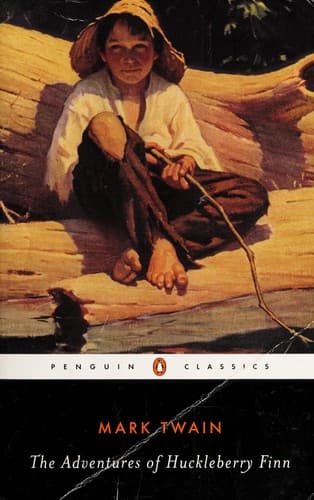
- The Adventures of Huckleberry Finn
Mark Twain
3.8 (1.2M) average on GoodreadsHistorical FictionExplores a moral journey through a harsh landscape with a companion, challenging societal norms.
- Lord of the Flies
William Golding
3.7 (2.3M) average on GoodreadsYoung AdultExamines the darker aspects of human nature and the breakdown of morality in extreme circumstances.
- The Road
Cormac McCarthy
4.0 (716k) average on GoodreadsScience FictionFeatures a grim, post-apocalyptic journey with a focus on survival and the moral compromises made in a brutal world.
- Harry Potter and the Sorcerer's Stone
J.K. Rowling
4.5 (7M) average on GoodreadsFantasyRescued from a miserable life under the stairs, an orphaned boy discovers he's a wizard destined for a magical school, where he uncovers a dangerous secret tied to the dark wizard who murdered his parents.
- The Hunger Games
Suzanne Collins
4.3 (6.4M) average on GoodreadsFantasyIn a future where children fight to the death on live television, Katniss Everdeen volunteers for the arena, turning a death sentence into a fight for survival and a spark of rebellion.
- 1984
George Orwell
4.2 (3.1M) average on GoodreadsPoliticsIn a future where surveillance and thought control are absolute, a man's search for truth clashes with the Party, showing that hope can be a form of rebellion.





Enjoyed the summary?
A summary gives you the shape of the book. The book itself has the detail, the examples and the voice.
Find The Thin Executioner on AmazonAs an Amazon Associate, BookBrief earns from qualifying purchases. How we're funded