
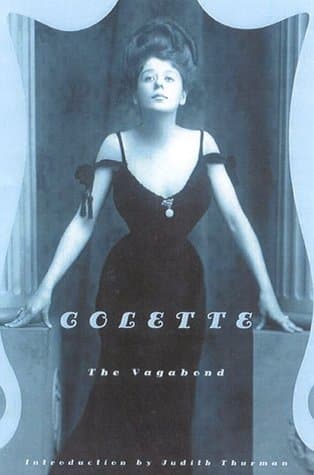
Synopsis
Covers the whole plot, including the ending.
- Difficulty
- Medium
- Pacing
- Slow
- Mood
- Introspective, Reflective, Melancholy, Liberating
- Read it if
- You enjoy introspective character studies, stories about women finding independence, or meditations on love, freedom, and societal expectations.
- Skip it if
- You prefer fast-paced plots, clear-cut happy endings, or stories without significant internal monologues.
The Vagabond Plot Summary
Covers the whole plot, including the ending.
Renée's Independent Existence
Renée Nérรé, age thirty-three, has been divorced from her husband, Adolphe Taillandy, for three years. She lives alone in a small Paris apartment, supporting herself as a music-hall artist. She performs a pantomime act under the stage name Renée Nérรé. She finds freedom and dignity in her independence, enjoying her fellow performers and her bohemian life. Her past marriage, marked by her husband's infidelity and her own artistic stagnation, made her cautious about romance. She guards her solitude and her professional life, which gives her purpose.
The Intrusion of Maxime Dufferein-Chautel
Maxime Dufferein-Chautel, a wealthy, idle, and charming bachelor, starts coming to the music hall where Renée performs. At first, Renée views him with suspicion, used to men's superficial advances. However, Maxime's persistence and a gentle sincerity in his admiration begin to break down her guard. He sends her flowers, waits for her after shows, and slowly enters her life. Renée, despite her worries and a deep fear of losing her independence, feels drawn to his attention and the comfort he offers. This is a contrast to her solitary life and demanding work.
A Developing Relationship and Internal Conflict
As Maxime becomes a bigger part of her life, Renée faces an internal conflict. She has moments of affection and tenderness with him, enjoying his company and the relief he provides from her constant vigilance. Still, she remains cautious, remembering the suffocation of her previous marriage and how her identity was lost. She sees Maxime's privileged, aimless life and wonders if she could ever fit into such a world without giving up her independence and artistic identity. Her diary entries and thoughts show this intense struggle between her desire for companionship and her need for self-preservation.
Confession and Proposal
Maxime, no longer content with just dating Renée, tells her he loves her and proposes marriage. He offers her a life of comfort, security, and devoted companionship, promising to cherish and support her. This proposal puts Renée into deeper turmoil. She sees the sincerity of his feelings and the appeal of such an offer, especially after years of financial struggle and emotional solitude. However, the thought of giving up her freedom, her stage life, and her identity to become 'Madame Dufferein-Chautel' fills her with dread. She knows accepting would mean returning to a life of dependence, something she fought hard to escape.
The Provincial Tour Begins
To get away from the immediate pressure of Maxime's proposal and to think clearly, Renée decides to go on a planned provincial tour with her theater troupe. This tour takes her away from Paris and Maxime. The new scenery, the demanding performance schedule in different towns, and the company of her fellow artists, especially her friend and stage partner, Brague, give her a needed distraction and a sense of belonging in her professional world. She sees the tour as a test of her resolve and a chance to evaluate her feelings and priorities without Maxime's direct influence.
Letters from Afar
During the provincial tour, Renée and Maxime write many letters. These letters become an important way for them to express their feelings and thoughts more openly than they might in person. Maxime's letters are full of love, longing, and promises of a shared future. Renée's replies are more guarded, thoughtful, and often sad. While she admits her growing affection for him and the pain of their separation, she also uses these letters to explain her fears about marriage, her need for independence, and the value of her artistic life. The letters show the difference between their worlds and desires.
Life on the Road
Life on the road is both tiring and exciting for Renée. She experiences the realities of provincial theaters, constant travel, and brief connections in each new town. Yet, she also finds satisfaction in her performances and the camaraderie with her troupe, especially Brague, who understands their profession's unique demands. She feels a deep sense of belonging among these 'vagabonds,' finding authenticity and purpose in their shared struggles and successes. This immersion in her artistic life reinforces her identity as a performer and strengthens her belief that this is where she belongs, despite the difficulties.
The Weight of Decision
As the tour ends, the weight of her decision about Maxime grows heavier for Renée. She alternates between longing for his affection and deep worry about the sacrifices marriage would mean. She thinks about her past, her failed marriage, and the lessons of independence. The idea of giving up her stage name, her freedom to travel, and her artistic expression for a domestic life, however comfortable, feels like a betrayal of herself. She understands that Maxime, despite his kindness, cannot truly understand her world or her deep need for autonomy.
A Final Letter and Resolution
After much thought, Renée makes her final decision. She writes a long, heartfelt, but firm letter to Maxime. In it, she explains that while she cares for him and is touched by his love, she cannot marry him. She states her inability to give up her freedom, her art, and her identity as an independent woman. She recognizes that their worlds are incompatible and that accepting his proposal would lead to her unhappiness and the loss of her true self. It is a painful but firm rejection, based on self-awareness and a commitment to her own path.
Embracing the Vagabond Life
With her decision made and the letter sent, Renée feels a deep sense of relief, though tinged with sadness. She returns to Paris briefly, finishes things, and then fully commits to her life as a 'vagabond.' She finds renewed energy and purpose in her performances, her friendships with her fellow artists, and the open road. Choosing to remain independent, though sometimes lonely, strengthens her sense of self and her commitment to her art. She looks forward to her future, knowing she has chosen a path that, while challenging, lets her remain true to herself, a free spirit on her own terms.
Principal Figures
Renée Néré
Protagonist
A divorced music-hall artist fiercely protective of her independence and artistic life.
Renée Néré is a thirty-three-year-old woman who, after a painful divorce from her unfaithful husband Adolphe Taillandy, has reinvented herself as a music-hall performer. She uses her stage name, Renée Néré, as a symbol of her new identity, separate from her past. Intelligent, introspective, and highly sensitive, Renée is deeply wary of romantic entanglements, having experienced the suffocation of marriage. She finds dignity and purpose in her demanding artistic career and the camaraderie of her fellow performers. Her inner monologues and letters reveal a woman constantly analyzing her emotions and the world around her, fiercely valuing her freedom and self-sufficiency.
Relationships: Maxime Dufferein-Chautel (Suitor, source of internal conflict); Adolphe Taillandy (Ex-husband, symbol of past confinement); Brague (Stage partner and confidant); Marguerite (Friend and fellow performer)
Maxime Dufferein-Chautel
Supporting
A wealthy, charming, and idle bachelor who falls in love with Renée.
Maxime is a handsome, well-off, and somewhat aimless young man from a privileged background. He is genuinely captivated by Renée's intelligence, independence, and artistic talent, developing a sincere and deep affection for her. Unlike Renée's former husband, Maxime is portrayed as kind, attentive, and devoted. However, his life of leisure and lack of understanding of Renée's artistic world and her profound need for autonomy ultimately make him incompatible with her. He represents the comfort and security Renée could have, but at the cost of her identity.
Relationships: Renée Néré (Object of his love and desire for marriage)
Brague
Supporting
Renée's stage partner, a fellow artist who understands her world.
Brague is Renée's stage partner in her pantomime act. He is a seasoned performer, a kind and understanding presence in Renée's life. He shares the unique struggles and joys of their 'vagabond' existence, providing Renée with a sense of camaraderie and belonging that Maxime cannot. Brague understands the demands of their art and the sacrifices it requires, serving as a quiet foil to Maxime's privileged world. He is a source of comfort and professional support for Renée, embodying the stability she finds in her chosen career.
Relationships: Renée Néré (Stage partner, trusted friend)
Marguerite
Supporting
A fellow performer and friend in Renée's theatrical troupe.
Marguerite is a dancer in Renée's music-hall troupe and a close friend. She represents the shared experience of the 'vagabond' life, offering Renée companionship and a sense of normalcy within their unconventional world. Marguerite's presence highlights the bonds formed among performers, reinforcing Renée's sense of belonging to this artistic community. She is a practical, down-to-earth character who provides a contrast to Renée's more introspective nature, yet they share a mutual understanding born of their shared profession.
Relationships: Renée Néré (Friend, fellow performer)
Adolphe Taillandy
Mentioned
Renée's unfaithful ex-husband, a catalyst for her pursuit of independence.
Adolphe Taillandy is Renée's former husband, whose infidelity and the stifling nature of their marriage led to their divorce. Although he does not appear directly in the narrative, his memory and the lessons learned from their failed relationship profoundly influence Renée's decisions. He represents the past she is determined not to repeat, a life where her identity and artistic aspirations were suppressed. His character serves as a constant reminder of the dangers of relinquishing personal freedom for the sake of societal expectations or romantic love.
Relationships: Renée Néré (Ex-husband)
Jadin
Supporting
The manager of the theatrical troupe.
Jadin is the manager of the provincial touring troupe, a practical and somewhat gruff figure responsible for the logistics and finances of their performances. He represents the demanding, often unglamorous, business side of the music-hall world. While not a close confidant, he is an essential part of Renée's professional life, symbolizing the structure and reality of her chosen career. His presence underscores the fact that Renée's artistic life is not merely a romantic ideal but a strenuous profession.
Relationships: Renée Néré (Employer, troupe manager)
Themes & Insights
Independence vs. Love/Marriage
The main theme is Renรée's struggle to balance her need for independence and self-sufficiency with the appeal of romantic love and societal marriage expectations. Her past divorce from Adolphe Taillandy made her fear losing her identity in a relationship. Maxime's affection and proposal force her to face this choice. She constantly weighs the comfort and companionship of marriage against the freedom, purpose, and self-respect she finds in her solitary, artistic life, ultimately choosing to protect her autonomy.
“What a strange thing is a man, that he should imagine that to love me is to possess me, and that to possess me is to enclose me within four walls!”
Identity and Self-Discovery
Renรée's journey is about finding herself and building her identity outside traditional female roles. Her stage name, Renรée Nรéré, represents her new beginning after divorce, letting her create an identity as an artist. Her internal thoughts and letters are a continuous process of introspection, as she defines who she is and what she needs. The provincial tour strengthens her sense of self as an artist, leading her to choose a life that matches her true self, rather than conforming to outside pressures.
“I will not give myself up again. I will not be anyone's wife, anyone's property, anyone's shadow.”
The Artist's Life and Vocation
The novel explores the demanding, often unglamorous, but fulfilling life of a performing artist. Renรée finds her calling and a sense of belonging in the music-hall world, despite its difficulties. The camaraderie with fellow performers like Brague and Marguerite, the discipline of her craft, and her connection with the audience give her a deep sense of purpose that she fears marriage would destroy. Her art is not just a job; it is part of her identity and a source of strength that helps her resist the temptations of a more conventional life.
“The stage is my refuge, my battleground, my mirror. It is where I am most myself.”
Social Class and Gender Expectations
The contrast between Renรée's bohemian, working-class life as a music-hall artist and Maxime's privileged, idle life shows themes of social class and gender expectations. Maxime offers Renรée a life of comfort and leisure, which for many women of the era would be a desired escape from work. However, Renรée sees this as a trap, knowing that such a life often means expectations of domesticity and the suppression of personal ambition. The novel critiques societal pressures on women to marry for security, rather than pursue their own paths and careers, especially for those who have experienced restrictive traditional marriage.
“He wants to marry me, he wants to take me away from my life, from my work... He wants to save me, perhaps, from myself.”
The Nature of Love
The novel looks into the complex and often conflicting nature of love. Renรée feels genuine affection and longing for Maxime, acknowledging the comfort and joy he brings. Yet, she also understands that love, for her, cannot come at the cost of her selfhood. She questions if a love that demands sacrificing one's core identity is truly love. The book suggests that for some, authentic love must allow for, rather than lessen, individual freedom and purpose, challenging common ideas of romantic devotion.
“To love is not to surrender, it is to choose freely, even if the choice is to remain alone.”
Plot Devices & Literary Techniques
Epistolary Elements (Letters)
Renée's letters and Maxime's replies serve as a crucial means of communication and introspection.
The exchange of letters between Renée and Maxime during her provincial tour is a significant plot device. It allows the characters to express their deepest thoughts and feelings, often more candidly than they might in person. For Renée, these letters become a space for intense self-reflection, where she articulates her fears, desires, and ultimately her decision. Maxime's letters, in turn, demonstrate his unwavering affection and his inability to fully grasp Renée's need for independence, highlighting the fundamental incompatibility between their worlds. The letters chart the emotional trajectory of their relationship while physically separating them.
Internal Monologue/Diary Entries
Renée's extensive internal thoughts and written reflections provide deep insight into her psychological state.
A substantial portion of the novel is presented through Renée's first-person internal monologues and what reads like her diary entries. This device provides an intimate and unfiltered look into her complex emotional landscape, her fears, her memories of her past marriage, and her constant self-analysis. It is through these reflective passages that the reader gains a full understanding of her struggle between independence and love, her artistic identity, and her ultimate decision. This allows for a deep character study, making her internal conflict the primary driver of the narrative.
The Provincial Tour
A physical and emotional journey that provides distance and clarity for Renée's decision.
The provincial tour serves as a pivotal plot device, creating both physical and emotional distance between Renée and Maxime. This geographical separation allows Renée to escape the immediate pressure of his presence and proposal, giving her space to think clearly. More importantly, it immerses her fully in her professional world, reinforcing her identity as an artist and her connection to her fellow 'vagabonds.' The demanding routine and the camaraderie of the tour solidify her conviction that her independent, artistic life is where she truly belongs, ultimately leading to her definitive choice.
The Stage Name 'Renée Néré'
A symbol of Renée's new, independent identity after her divorce.
The adoption of the stage name 'Renée Néré' is a powerful symbolic device. It signifies Renée's deliberate break from her past as 'Madame Taillandy' and her creation of a new, autonomous identity. The name represents her professional life, her artistic persona, and her hard-won independence. Throughout the novel, the thought of relinquishing this name to become 'Madame Dufferein-Chautel' is a major source of anxiety for her, as it symbolizes the potential loss of her selfhood. It underscores her commitment to her art and her refusal to be defined solely by her marital status.
The Vagabond Quotes
“I am not made for happiness. I am not made for peace. I am made for something else entirely.”
“The greatest cowardice is to let the other person believe that you love them when you do not.”
“To love is to give up one's solitude, one's freedom, one's self.”
“I carry my house on my back, like a snail. It is small, it is dark, but it is mine.”
“One does not remake one's life. One continues it, differently, perhaps, but always with the same self.”
“The stage is a mirror that reflects the world, but it is also a window into one's own soul.”
“He loved me for what I was, but he wanted me to be what he wanted me to be.”
“There are silences that say more than all the words in the world.”
“My freedom is a burden, but it is a burden I cannot lay down.”
“The past is a phantom limb that aches with the memory of what was there.”
“One can only truly know oneself in solitude, when the noise of others is silenced.”
“Happiness is a brief pause between two sorrows.”
“I belong to no one, and that is my strength and my weakness.”
“The greatest danger for a woman is to confuse the desire for love with the desire for security.”
“The stage is my only true home, for there I am always myself, even when I am playing another.”
Quiz
10 questions on the plot and the characters. Each answer comes with a short explanation.
Question 1
What is Renée Néré's profession after her divorce?
- A novelist
- A music-hall artist
- A governess
- A painter
Show answer
B. A music-hall artist After her divorce, Renée Néré supports herself by working as a music-hall artist, performing on stage.
Question 2
What is Maxime's primary characteristic that initially contrasts with Renée's lifestyle?
- He is a struggling artist.
- He is a wealthy, idle bachelor.
- He is a fellow music-hall performer.
- He is a demanding employer.
Show answer
B. He is a wealthy, idle bachelor. Maxime is described as a 'rich and idle bachelor,' which stands in stark contrast to Renée's independent and working life.
Question 3
How old is Renée Néré at the beginning of the story?
- Twenty-five
- Thirty-three
- Forty-two
- Twenty-nine
Show answer
B. Thirty-three The book states that Renée Néré is 'Thirty-three years-old and recently divorced,' marking a significant age for her new independent chapter.
Question 4
What event provides Renée with the necessary distance to reflect on her relationship with Maxime?
- A vacation abroad with friends.
- A period of illness that confines her to bed.
- A provincial tour for her music-hall performances.
- A voluntary retreat to a secluded countryside home.
Show answer
C. A provincial tour for her music-hall performances. A 'provincial tour' for her work as a music-hall artist creates the physical and emotional distance Renée needs to deliberate on her feelings for Maxime and her future.
Question 5
What is the central internal conflict Renée faces regarding Maxime's proposal?
- Her desire for wealth versus her artistic integrity.
- Her need for love versus her need for independence and work.
- Her loyalty to her past husband versus her feelings for Maxime.
- Her fear of public opinion versus her private desires.
Show answer
B. Her need for love versus her need for independence and work. The core struggle for Renée is between 'her need to be loved, and her need to have a life and work of her own,' a classic theme of independence versus companionship.
Question 6
Through what medium does Renée primarily resolve her internal struggle during her tour?
- Conversations with her fellow performers.
- Daily phone calls with Maxime.
- A series of letters and meditations.
- Consulting with a trusted advisor.
Show answer
C. A series of letters and meditations. The description highlights that Renée resolves her struggle 'in a moving series of letters and meditations,' indicating an internal, reflective process.
Question 7
Which word best describes Renée's initial existence after her divorce, before Maxime's intrusion?
- Dependent
- Luxurious
- Independent
- Reclusive
Show answer
C. Independent The text states Maxime 'intrudes on her independent existence,' emphasizing Renée's self-sufficient life post-divorce.
Question 8
What does Maxime offer Renée that represents a potential return to a less independent life?
- A joint business venture in the music hall.
- Financial backing for her artistic career.
- His love and the comforts of marriage.
- A position as his personal assistant.
Show answer
C. His love and the comforts of marriage. Maxime 'offers his love and the comforts of marriage,' which implies a return to a more traditional, potentially less independent, female role.
Question 9
What aspect of Renée's character is most challenged by Maxime's presence?
- Her artistic creativity.
- Her commitment to her family.
- Her hard-won autonomy and self-sufficiency.
- Her social standing in Parisian society.
Show answer
C. Her hard-won autonomy and self-sufficiency. Maxime 'intrudes on her independent existence,' directly challenging the autonomy and self-sufficiency Renée has built for herself after her divorce.
Question 10
Considering the themes, which of the following best describes Renée's ultimate decision, implied by the resolution of her struggle?
- To fully embrace a life of domesticity with Maxime.
- To prioritize her personal freedom and career over marriage.
- To seek a compromise by marrying Maxime but continuing her career.
- To abandon both love and career for a solitary existence.
Show answer
B. To prioritize her personal freedom and career over marriage. The description states she resolves 'the struggle between her need to be loved, and her need to have a life and work of her own' alone, implying a decision to maintain her independent life and work, rather than fully commit to marriage with Maxime.
The Vagabond FAQ
What is "The Vagabond" about?
"The Vagabond" tells the story of Renée Néré, a 33-year-old music-hall artist who, after a painful divorce, has found independence and self-sufficiency. Her new life is disrupted by the wealthy and charming Maxime, who falls in love with her and proposes marriage, forcing Renée to confront the conflict between her desire for love and her hard-won autonomy.
Why should I read "The Vagabond"?
You should read "The Vagabond" for its profound exploration of a woman's struggle for independence and self-identity at the turn of the 20th century. Colette's masterful prose offers deep psychological insight into Renée's internal conflict, making it a timeless story about love, freedom, and the choices women make.
What is the background/setting of "The Vagabond"?
The novel is set in Belle Époque Paris and various provincial French towns where Renée performs in music halls. The vibrant, sometimes gritty, world of the stage provides a stark contrast to the opulent, idle life offered by Maxime, highlighting Renée's journey through different social strata.
What are the most memorable quotes?
One memorable quote is Renée's reflection: "I am my own master, I am alone. I am free." This encapsulates her fiercely independent spirit. Another is her poignant observation about love: "To love, is to allow another to see the soul, and to be seen, is to be vulnerable."
What writing style does the author use?
Colette employs a lyrical, introspective, and highly descriptive writing style, often blurring the lines between narrative and Renée's internal monologues and letters. Her prose is sensory, capturing the nuances of emotion, nature, and the human body with precision and elegance, often using vivid metaphors.
What minor details add significant meaning?
Renée's detailed descriptions of her stage makeup and costumes, and the physical exertion of her performances, are not merely superficial. They symbolize her transformation, her disciplined control over her public persona, and the tangible effort she puts into her chosen independent life, contrasting sharply with Maxime's effortless existence.
What are some subtle foreshadowing moments?
Early in their relationship, Renée's recurring feeling of being 'trapped' or 'suffocated' by Maxime's presence, even when he's being affectionate, subtly foreshadows her ultimate decision. Her observations of other married women, particularly their loss of individuality, also serve as quiet warnings.
What unexpected character connections exist?
While not a direct connection, Renée's former husband, Adolphe, looms large in her memory and internal dialogue, shaping her aversion to marriage and commitment. His past betrayal indirectly connects him to her present struggle with Maxime, as Renée constantly measures Maxime against the pain Adolphe inflicted.
What are unspoken character motivations?
Maxime's unspoken motivation seems to be a desire to possess and 'tame' Renée's vibrant, independent spirit, rather than truly understanding or respecting it. He is drawn to her uniqueness but simultaneously seeks to integrate her into his conventional, comfortable world, perhaps out of a need to validate his own idle existence.
What psychological complexities do characters exhibit?
Renée exhibits profound psychological complexity, oscillating between a yearning for the security and affection Maxime offers and a deep-seated fear of losing her identity, artistic freedom, and hard-won solitude. Her past trauma from her divorce makes her wary of vulnerability and the demands of love.
What are the major emotional turning points?
A major emotional turning point is Renée's decision to embark on a provincial tour, creating physical and emotional distance from Maxime. This separation allows her to process her feelings through letters and solitary reflection, leading to a clearer understanding of her true desires and priorities.
How do relationship dynamics evolve?
The dynamic between Renée and Maxime evolves from an initial fascination and playful courtship into a power struggle. Maxime's attempts to draw Renée into his world are met with her increasing resistance, ultimately highlighting an incompatibility between his possessive love and her need for autonomy, transforming their romance into a conflict of wills.
Which parts remain ambiguous or open-ended?
While Renée makes a definitive choice, the long-term emotional cost of her decision remains somewhat open-ended. The novel doesn't explicitly detail her future happiness or loneliness, leaving readers to ponder the true sustainability of her chosen path and whether her independence will ultimately fulfill her entirely.
What are controversial scenes or decisions?
Renée's final rejection of Maxime and conventional marriage, despite genuinely caring for him, could be seen as controversial. In an era where marriage was often a woman's primary path to security, her choice to prioritize her art and solitude over love and comfort challenges societal norms and might be debated by readers who value companionship above all.
"The Vagabond" ending explained: how it ends & what it means
The novel ends with Renée firmly choosing her independence and career over marriage to Maxime. She sends him a letter definitively breaking off their engagement, explaining that she cannot sacrifice her freedom and identity for love, having found a truer sense of self in her solitary life as an artist. This ending signifies her triumph of self-preservation and autonomy, asserting that a woman's self-worth and purpose can exist outside of romantic relationships.
About the author
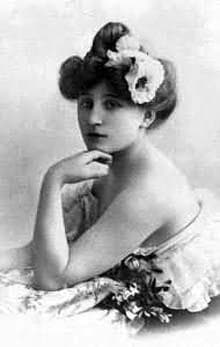
Sidonie-Gabrielle Colette, known monomously as Colette, was a French author and woman of letters. She was also a mime, actress, and journalist. Colette is best known in the English-speaking world for her 1944 novella Gigi, which was the basis for the 1958 film and the 1973 stage production of the same name. Her short story collection The Tendrils of the Vine is also famous in France.
Similar books
- A Room of One's Own
Virginia Woolf
4.2 (118k) average on GoodreadsCreativityExplores themes of female independence, financial autonomy, and the necessity of personal space for creative work.
- The Age of Innocence
Edith Wharton
4.0 (139k) average on GoodreadsHistorical FictionWharton's novel explores societal constraints on women within rigid high society, often showing characters succumbing to or being trapped by these expectations. The Vagabond, in contrast, features a protagonist who actively seeks and maintains her independence outside conventional roles, offering a more assertive vision of female agency.
- Mrs Dalloway
Virginia Woolf
3.8 (361k) average on GoodreadsFictionWoolf's novel, while a masterwork of stream-of-consciousness, primarily focuses on the internal lives of women within domestic and social spheres. The Vagabond distinguishes itself by portraying a woman's life as a music-hall performer, providing a unique perspective on female identity and professional self-determination outside traditional marital and domestic contexts.
- The Hunger Games
Suzanne Collins
4.3 (6.4M) average on GoodreadsFantasyIn a future where children fight to the death on live television, Katniss Everdeen volunteers for the arena, turning a death sentence into a fight for survival and a spark of rebellion.
- The Great Gatsby
F. Scott Fitzgerald
3.9 (3.8M) average on GoodreadsHistorical FictionIn the opulent Roaring Twenties, a mysterious millionaire's lavish parties hide his desperate, tragic pursuit of a lost love, exposing the emptiness within the American Dream.
- The Fault in Our Stars
John Green
4.2 (3.6M) average on GoodreadsYoung AdultA girl with a terminal illness finds her story rewritten when a charming boy with a similar past enters her life at a cancer support group, leading to a star-crossed romance.





Enjoyed the summary?
A summary gives you the shape of the book. The book itself has the detail, the examples and the voice.
Find The Vagabond on AmazonAs an Amazon Associate, BookBrief earns from qualifying purchases. How we're funded