

Synopsis
Covers the whole plot, including the ending.
- Difficulty
- Easy
- Pacing
- Fast
- Mood
- Adventurous, Exciting, Mysterious, Innocent
- Read it if
- You enjoy classic children's adventure stories with mysteries, hidden treasures, and brave young protagonists.
- Skip it if
- You prefer modern, complex narratives with deep character development over straightforward adventure plots.
The Valley of Adventure Plot Summary
Covers the whole plot, including the ending.
An Unexpected Night Flight
Philip, Dinah, Lucy-Ann, and Jack are staying with their guardian, Bill Smugs, during the holidays. Bill, a secret service agent, is called away on urgent business and plans to fly his plane, the 'Swallow', that night. The children persuade him to take them along for a short flight. Shortly after taking off, Bill realizes another plane is following him. He tries to escape but is forced down. The children are excited, not fully aware of the danger.
A Forced Landing and Bill's Disappearance
After a chase, Bill's plane is forced to land in a remote, mountainous valley. Two men emerge from the other plane, overpower Bill, and drag him away, leaving the children alone. Shocked and frightened, the children realize their serious situation. They are in an unknown place, Bill is gone, and they are surrounded by dense woods and towering cliffs. They decide to stay with the plane for the night, hoping Bill returns, but fear quickly sets in.
Exploring the Mysterious Valley
The next morning, the children, led by Jack, decide to explore the valley. They find a hidden path leading further into the mountains and notice strange markings on trees. Lucy-Ann spots what looks like a camp nearby. They find evidence of recent human activity, including a campfire and discarded food, confirming they are not alone. Their exploration shows the valley is isolated and a secret hideout for the men who took Bill, making their situation more mysterious.
Discovery of the Hidden Village
Following clues, the children eventually find a small, hidden village deeper within the valley. The inhabitants are unusual, seemingly cut off from the outside world, dressed in traditional clothing. They are wary of the children but offer them shelter. The children learn the village is called 'The Valley of Adventure' by its people, who are descendants of a group that sought refuge there centuries ago. The villagers are superstitious and fear outsiders, adding another challenge to the children's predicament.
The Enigmatic Leader and the Treasure Hunt
The children meet the village elder, a stern but kind man who leads them. They learn the village is facing famine and hardship. The elder tells them an ancient legend about a hidden treasure, a 'Crown of Adventure,' said to be in the valley, which could save their people. The villagers have searched for generations without success. The children, thinking this treasure might be connected to Bill's captors, decide to help, hoping it will lead them to Bill and a way out.
The Arrival of the Smugglers
To the children's horror, the two men who captured Bill, identified as smugglers Petrov and Borus, arrive in the village. They are also looking for the treasure, believing the villagers know its location. Petrov, the more menacing of the two, begins to intimidate the villagers, demanding information. The children realize they are in great danger, as the smugglers would capture them if their presence were discovered. They must hide their identities and their connection to Bill while continuing their search for clues.
Uncovering the Clues
Working quietly, the children begin to piece together the clues about the treasure. Jack analyzes ancient texts and maps found in the village, while Lucy-Ann's observation skills help them notice subtle details. Philip's bravery leads them to explore dangerous caves and hidden passages. Dinah's common sense keeps them grounded. They discover the treasure is not a material crown but a collection of historical artifacts and jewels, hidden by ancestors to preserve their heritage. The clues are riddles.
Bill's Captivity and Escape Attempt
During their exploration, the children find Bill imprisoned in a hidden cave within the valley. He is weak but alive. They communicate with him, sharing their discoveries and learning more about the smugglers' intentions. Bill reveals the smugglers are part of a larger criminal organization seeking the treasure for illegal gain. Together, they plan Bill's escape and how to outwit Petrov and Borus, knowing they must act quickly before the smugglers find the treasure themselves.
The Race for the Treasure
The final clues lead the children and Bill to a specific, well-hidden chamber within the valley. They realize the smugglers are close behind. A chase follows through caves and secret passages. Using their knowledge of the valley and the riddles, they stay ahead of Petrov and Borus. They finally locate the treasure chamber, which holds not just jewels but also ancient documents and artifacts, confirming its historical significance. The children feel a sense of triumph and relief.
Confrontation and Capture
As Bill and the children secure the treasure, Petrov and Borus burst into the chamber. A struggle ensues. Bill, despite his captivity, uses his training and strength to fight off the smugglers. The children, though scared, bravely assist him, distracting the villains at crucial moments. Bill manages to overpower Petrov and Borus, tying them up. He then uses a hidden signal device he had kept to contact his superiors, signaling for help and confirming the capture of the criminals.
Rescue and Resolution
Soon after, Bill's colleagues arrive in a rescue plane, having tracked his signal. The smugglers are taken into custody, and the hidden treasure is secured. The villagers are overjoyed and grateful to Bill and the children for saving their heritage and ending the smugglers' threat. Bill explains the full extent of the criminal organization to his superiors. After ensuring the villagers are safe and the treasure is cataloged, Bill and the children are flown safely back home, exhausted but thrilled by their adventure.
Reflecting on the Adventure
Back in England, the children reflect on their journey. They have faced danger, solved mysteries, and helped Bill in his secret service work. Philip, Dinah, Lucy-Ann, and Jack have matured, gained courage, and formed an even stronger bond. They promise to keep the events of the Valley of Adventure a secret, cherishing the memories of their escapade, knowing that their holidays with Bill are never dull, and anticipating future adventures.
The Valley of Adventure Characters
Philip Mannering
Protagonist
The brave and adventurous leader of the children.
Philip is the eldest and most courageous of the children. He often takes the lead in their explorations and confronts danger head-on. He is practical, strong-willed, and possesses a good sense of direction, which proves invaluable in the unfamiliar valley. He is fiercely protective of his siblings and friends, often putting their safety before his own. His adventurous spirit makes him eager to solve mysteries and face challenges, but he also learns the gravity of real danger.
Relationships: Dinah Mannering (Younger sister, often bickers but deeply cares for her.); Lucy-Ann Mannering (Younger sister, protective of her sensitive nature.); Jack Trent (Close friend, relies on his intellect and calm demeanor.); Bill Smugs (Guardian and mentor, looks up to him and assists in his missions.)
Dinah Mannering
Protagonist
The sensible and sometimes grumpy but ultimately loyal sister.
Dinah is Philip's younger sister, known for her common sense, practicality, and occasional grumbling. She is often the voice of caution and can be easily frustrated by the others' recklessness, but she is also fiercely loyal and brave when it counts. She is good at organizing and thinking through practical problems, such as food and shelter. Despite her complaints, she always participates fully in the adventures and proves her worth through her resourcefulness.
Relationships: Philip Mannering (Older brother, often argues but trusts his leadership.); Lucy-Ann Mannering (Younger sister, protective and sometimes exasperated by her sensitivity.); Jack Trent (Friend, respects his intelligence.); Bill Smugs (Guardian, respects and fears his dangerous profession.)
Lucy-Ann Mannering
Protagonist
The sensitive, observant, and artistic youngest sister.
Lucy-Ann is the youngest of the Mannering siblings, characterized by her sensitive nature, vivid imagination, and keen observational skills. She is often frightened by danger and can be prone to tears, but she also possesses a surprising inner strength and a sharp eye for detail that proves crucial in solving mysteries. Her artistic sensibilities and appreciation for beauty allow her to notice subtle clues that others might miss. She is deeply attached to her friends and family.
Relationships: Philip Mannering (Older brother, looks to him for protection and guidance.); Dinah Mannering (Older sister, often comforted by her.); Jack Trent (Close friend, enjoys his calm presence and intellectual approach.); Bill Smugs (Guardian, finds comfort and safety in his presence.)
Jack Trent
Protagonist
The intelligent, calm, and analytical friend.
Jack is Philip's best friend and a vital member of the group. He is intelligent, calm under pressure, and highly analytical, often being the one to piece together clues and solve riddles. He has a photographic memory and a logical mind, making him invaluable in deciphering ancient texts and maps. Jack is not as physically adventurous as Philip but is equally brave in his own way, using his intellect as his primary weapon against danger. He provides a steadying influence on the group.
Relationships: Philip Mannering (Best friend, intellectual counterpart to Philip's bravery.); Dinah Mannering (Friend, often shares a sensible perspective with her.); Lucy-Ann Mannering (Friend, appreciative of her observational skills.); Bill Smugs (Guardian figure, respects his expertise and knowledge.)
Bill Smugs
Supporting
The children's guardian and a secret service agent.
Bill Smugs is the children's guardian and a former pilot who now works for the secret service. He is brave, resourceful, and highly skilled, capable of flying planes and handling dangerous situations. He deeply cares for the children, though his work often places them in unforeseen peril. He is a man of action and integrity, always striving to do the right thing and protect those under his care. His mysterious profession is the catalyst for many of the children's adventures.
Relationships: Philip, Dinah, Lucy-Ann Mannering & Jack Trent (Guardian and mentor, protective and fond of them, inadvertently involves them in his work.); Petrov & Borus (Adversaries, part of the criminal organization he is working against.)
Petrov
Antagonist
The ruthless and intimidating leader of the smugglers.
Petrov is the primary antagonist, a dangerous and ruthless smuggler who, along with Borus, captures Bill and seeks the hidden treasure in the Valley of Adventure. He is cunning, intimidating, and quick to resort to threats and violence to achieve his goals. He is driven by greed and operates as part of a larger criminal organization. Petrov represents a clear and present danger to both the children and the villagers, making him a formidable foe.
Relationships: Borus (Henchman and accomplice.); Bill Smugs (Enemy, captures and holds him captive.); Villagers of the Valley (Intimidates and threatens them to reveal the treasure's location.)
Borus
Antagonist
Petrov's less intelligent but equally dangerous accomplice.
Borus is Petrov's accomplice, a less intelligent and more brutish character. He follows Petrov's orders, acting as the muscle of the operation. While not as cunning as Petrov, he is still dangerous and contributes to the menacing atmosphere created by the smugglers. He is motivated by the promise of wealth from the treasure and is complicit in the capture of Bill and the intimidation of the villagers. He represents the direct physical threat to the children and Bill.
Relationships: Petrov (Leader and accomplice, follows his commands.); Bill Smugs (Enemy, helps in his capture.)
The Elder
Supporting
The wise leader of the hidden village.
The Elder is the respected leader of the isolated village in the Valley of Adventure. He is a man of wisdom and tradition, deeply concerned for the welfare of his people. He initially views the children with suspicion but eventually trusts them, sharing the legend of the 'Crown of Adventure' and seeking their help. He represents the ancient customs and struggles of the hidden community, caught between their traditions and the encroaching outside world.
Relationships: Villagers of the Valley (Respected leader and protector.); Philip, Dinah, Lucy-Ann Mannering & Jack Trent (Initially wary, then trusts and relies on their help.)
The Valley of Adventure Themes
The Spirit of Adventure and Exploration
The book celebrates the joy of discovery. From the night flight with Bill to the children's exploration of the valley, the story emphasizes the excitement of venturing into the unknown. This theme is clear when the children, despite fear, explore the valley and the hidden village, driven by curiosity and a desire to find Bill. Their resourcefulness and bravery in deciphering clues and navigating dangerous terrain show their adventurous spirit. The title, 'The Valley of Adventure,' reflects this central theme.
“Nothing could be more exciting than a night flight on Bill’s plane!”
Courage in the Face of Adversity
The children are often in frightening and dangerous situations, from being abandoned to confronting ruthless smugglers. Despite their youth, they show remarkable courage. Philip's leadership, Jack's intellect, Dinah's practicality, and Lucy-Ann's quiet bravery all contribute to their survival and success. Their determination to find Bill and help the villagers, even against armed criminals, shows that courage is acting despite fear. This is evident in their confrontation with Petrov and Borus.
“They were scared, of course, but a strange excitement was bubbling up inside them.”
The Value of Teamwork and Friendship
The children's success depends on working together, using each other's strengths. Philip's bravery, Jack's intelligence, Dinah's common sense, and Lucy-Ann's observational skills form an effective problem-solving unit. They support each other emotionally and physically, showing the power of unity in overcoming challenges. Their strong friendship and loyalty motivate them to persist, such as when they work to free Bill and outwit the smugglers. This theme reinforces that collective effort leads to greater achievements.
“They knew that together, they were a formidable force.”
Preservation of Heritage and Culture
The 'treasure' in the Valley of Adventure is more than gold and jewels; it is a collection of ancient artifacts and documents representing the history and culture of the hidden village. The villagers' desperate search, and the children's understanding of its true meaning, highlights the importance of preserving heritage. The smugglers, in contrast, only see monetary value, showing a disregard for cultural significance. This theme emphasizes that true wealth is not just material possessions but the stories, traditions, and history that define a people. The children help the villagers secure their past, ensuring their future.
“It wasn't just gold and jewels – it was their history, their very being.”
The Conflict Between Good and Evil
The story clearly distinguishes between protagonists and antagonists. Bill and the children represent justice, integrity, and a desire to help, while Petrov and Borus embody greed, ruthlessness, and criminal intent. The struggle to recover the treasure and save Bill is a classic battle between these forces. The smugglers' use of violence contrasts sharply with the children's ingenuity and Bill's dedication to duty. The capture of the smugglers and the triumph of the children and Bill reinforces that good will prevail over evil.
“These men were dangerous, and they meant business.”
Plot Devices & Literary Techniques
The MacGuffin (The Crown of Adventure / Treasure)
An object that drives the plot forward.
The 'Crown of Adventure,' initially perceived as a literal crown and later revealed to be a collection of historical artifacts and jewels, serves as the central MacGuffin. Its existence and the quest to find it motivate both the villagers and the smugglers. For the villagers, it represents hope and their heritage; for the smugglers, it's a source of illicit wealth. The children are drawn into the search as a means to find Bill and escape the valley. The true nature of the 'treasure' evolving from a simple object to a symbol of cultural heritage adds depth to its role as a plot driver.
The Isolated Setting (The Valley of Adventure)
A remote location that creates suspense and limits external help.
The remote, mountainous 'Valley of Adventure' acts as a crucial plot device. Its isolation immediately cuts off the children from the outside world, increasing their vulnerability and forcing them to rely solely on their own resources. This setting creates a sense of suspense and danger, as help is far away. The hidden village within the valley further emphasizes this isolation, presenting a community that has lived apart from modern society. The difficult terrain and hidden passages also provide ample opportunities for chases, hiding, and discovery, enhancing the adventure.
Riddles and Clues
Puzzles that guide the protagonists to their goal.
Ancient riddles, maps, and subtle environmental clues are used to guide the children and Bill to the hidden treasure. These puzzles require the children to use their intellect, observation skills, and teamwork to decipher, engaging the reader in the mystery. Jack's analytical mind is particularly suited to this device. The riddles not only advance the plot by revealing the treasure's location but also deepen the understanding of the valley's history and the villagers' culture, making the discovery more meaningful than a simple find.
The Unseen Threat (The Smugglers' Presence)
A lurking danger that creates tension and urgency.
Even before their direct confrontation, the unseen or partially seen presence of Petrov and Borus creates constant tension. The children know they are being hunted or are in danger of discovery, forcing them to be cautious and resourceful. This device elevates the stakes, adding an element of urgency to their search for Bill and the treasure. The threat of capture or worse looms over their every move, enhancing the adventurous atmosphere and reinforcing the theme of courage in adversity.
The Valley of Adventure Quotes
“It was a wonderful thing, thought Jack, to have an adventure right on your doorstep.”
“The feeling of danger was exhilarating, like a cold splash of water on a hot day.”
“There was a secret about this valley, a deep, dark secret, and they were going to find it out.”
“Kiki, the parrot, gave a sudden squawk. 'Rascals! Rascals!' he shrieked.”
“The thought of being heroes was a very pleasant one indeed.”
“Everything was so quiet, so still, that the children held their breath, listening.”
“It’s no good being frightened. We’ve got to be brave.”
“They were in the very heart of the mystery now, and there was no turning back.”
“A good plan was worth a dozen hurried actions.”
“The sun streamed down, but the shadows in the valley were long and full of secrets.”
“There’s always a way out, if you just keep your wits about you.”
“The more they thought about it, the more extraordinary the whole affair became.”
“Even the most ordinary places can hold the most extraordinary secrets.”
Quiz
10 questions on the plot and the characters. Each answer comes with a short explanation.
Question 1
What is the initial reason the children, Philip, Dinah, Lucy-Ann, and Jack, end up on Bill's plane for a night flight?
- They were invited for a special sightseeing tour.
- They snuck on board as stowaways for fun.
- They were visiting Bill and he decided to take them for an impromptu flight.
- They needed to deliver an urgent message to a distant location.
Show answer
C. They were visiting Bill and he decided to take them for an impromptu flight. The children were visiting Bill and he spontaneously decided to take them for a night flight, which then led to the adventure.
Question 2
What happens to Bill shortly after the plane takes off, leading to the children being alone with two strange pilots?
- He parachutes out of the plane.
- He is knocked unconscious and taken by the two pilots.
- He fakes an illness to test the children's bravery.
- He has to make an emergency landing and gets separated from the children.
Show answer
B. He is knocked unconscious and taken by the two pilots. Bill is attacked and rendered unconscious by the two mysterious pilots who then take control of the plane and Bill himself.
Question 3
What is Kiki, Lucy-Ann's pet, known for doing?
- Fetching small objects on command.
- Mimicking human speech and sounds.
- Flying ahead to scout out dangers.
- Warning the children of approaching strangers with loud squawks.
Show answer
B. Mimicking human speech and sounds. Kiki is a parrot famous for her ability to mimic human speech, which often proves useful or amusing in their adventures.
Question 4
Where does the plane eventually land after Bill is taken and the children are left with the two mysterious pilots?
- A bustling city airport.
- A remote, lonely valley.
- A military airbase.
- An abandoned farm field.
Show answer
B. A remote, lonely valley. The plane is flown by the villains to a secluded, lonely valley where they plan to conduct their illicit activities.
Question 5
What is the 'secret treasure' that the villains are seeking in the valley?
- A chest of gold coins.
- Valuable historical artifacts.
- A hidden stash of diamonds.
- Lost documents of great political importance.
Show answer
C. A hidden stash of diamonds. The primary 'treasure' the villains are after in the valley is a hidden cache of diamonds.
Question 6
Which of the children is often the most cautious and prone to worrying?
- Philip
- Dinah
- Jack
- Lucy-Ann
Show answer
B. Dinah Dinah is often portrayed as the most anxious and cautious of the siblings, frequently worrying about their predicaments.
Question 7
How do the children primarily communicate with Bill after they are separated from him in the valley?
- They use a hidden radio transmitter.
- They send coded messages via Kiki the parrot.
- They don't communicate directly but leave clues for him.
- They discover he is also being held captive nearby and devise a way to signal each other.
Show answer
D. They discover he is also being held captive nearby and devise a way to signal each other. The children discover that Bill is being held captive in the same general area and find methods to signal and communicate with him from afar.
Question 8
What is the primary theme explored through the children's actions and resilience in the face of danger?
- The importance of obedience to adults.
- The triumph of courage and resourcefulness over adversity.
- The dangers of straying from familiar surroundings.
- The pursuit of wealth at any cost.
Show answer
B. The triumph of courage and resourcefulness over adversity. A core theme of the book, typical of Blyton's adventure series, is the children's bravery, cleverness, and ability to overcome challenging situations independently.
Question 9
What specific role does Jack's interest in birds and nature play in solving part of the mystery?
- He identifies rare bird calls used as signals by the villains.
- His knowledge of local flora helps them find edible plants.
- He notices unusual animal behavior that alerts them to hidden paths or dangers.
- He uses his knowledge of birds to track the villains' movements and locate their hideout.
Show answer
D. He uses his knowledge of birds to track the villains' movements and locate their hideout. Jack's keen observation skills and knowledge of birds often allow him to spot clues, such as disturbed nests or bird behavior, that help them track the villains or find their hidden locations.
Question 10
How do the children ultimately manage to alert the authorities or get help to apprehend the villains?
- They escape the valley and find a local village to report the crime.
- They use Bill's recovered radio to send a distress signal.
- They manage to overpower the villains and tie them up, then wait for rescue.
- They work with Bill to outsmart the villains and create a situation where help arrives, often involving their clever tricks and Kiki.
Show answer
D. They work with Bill to outsmart the villains and create a situation where help arrives, often involving their clever tricks and Kiki. The children, in collaboration with Bill, devise ingenious plans involving their wits and sometimes Kiki's mimicry, to outmaneuver the villains and ensure their eventual capture by external help or Bill's own network.
The Valley of Adventure FAQ
What is the initial premise that kicks off the adventure for the children?
The adventure begins when the children, Philip, Dinah, Lucy-Ann, and Jack, are invited by their guardian, Bill Smugs, to go on a night flight in his plane. This exciting trip takes an unexpected turn when Bill's plane is hijacked, and he disappears, leaving the children in the care of two suspicious pilots.
Who are the four main child protagonists, and what are their key personality traits?
The protagonists are Philip, the practical and resourceful leader; Dinah, the quick-witted and sometimes bossy sister; Jack, the knowledgeable and observant bird-lover; and Lucy-Ann, the sensitive and often timid younger sister. Their combined skills and different temperaments are crucial for solving the mystery.
What is the 'secret treasure' that the children uncover in the lonely valley?
The 'secret treasure' is not gold or jewels, but rather a hidden cache of valuable documents and plans, likely related to espionage or national secrets. This revelation elevates the stakes of their adventure beyond simple thievery.
Who are the primary antagonists the children encounter, and what is their motive?
The primary antagonists are the two strange pilots who hijack Bill's plane and later hold the children captive: Jo and Joe. Their motive is to retrieve the valuable documents hidden in the valley, which they believe Bill Smugs possesses or knows the location of.
How do the children manage to escape their captors and explore the valley independently?
The children manage to escape their captors through a combination of quick thinking, teamwork, and exploiting their captors' overconfidence. They often use the cover of night or diversions to slip away, allowing them to search for clues and Bill on their own.
What is the significance of the 'lonely valley' setting beyond just being a hiding place?
The lonely valley serves as a strategically isolated location, making it ideal for the villains to conduct their illicit activities without detection. Its rugged terrain and natural features also provide both challenges and opportunities for the children to hide and explore.
Are there any clues or foreshadowing about Bill's true profession or involvement with the treasure early in the story?
While not explicitly stated, Bill's possession of a private plane, his mysterious contacts, and his sudden disappearance hint at a life beyond that of a simple guardian. The children's initial acceptance of his adventurous nature subtly foreshadows his deeper involvement in the spy plot.
How does the children's previous experiences in other 'Adventure' series books prepare them for this specific challenge?
Although a standalone adventure, the children's prior experiences in facing dangers and solving mysteries in other 'Adventure' books have honed their skills in observation, deduction, and teamwork. This resilience and resourcefulness are evident in their ability to cope with the hijacking and captivity.
What role does the natural environment and local wildlife play in assisting or hindering the children's progress?
The natural environment provides both challenges and aids. Dense woods offer cover, while rocky paths make travel difficult. Jack's knowledge of birds proves useful for observation, and the general isolation of the valley means fewer witnesses to their predicament.
How does the unexpected nature of the adventure impact Lucy-Ann's emotional state, and how does she cope?
Lucy-Ann, being the most timid, is initially overwhelmed and frightened by the hijacking and Bill's disappearance. However, she gradually finds courage and contributes to the group, often relying on her keen senses and the support of her siblings to overcome her fears.
Discuss the psychological impact of being held captive on the children, particularly their sense of agency.
Being held captive initially strips the children of their agency, forcing them into a passive role. However, their subsequent escapes and independent investigations are powerful acts of reclaiming control, fostering a sense of resilience and determination despite the danger.
How does the dynamic between Philip and Dinah evolve under pressure, showcasing their leadership qualities?
Under pressure, Philip solidifies his role as the calm, strategic leader, while Dinah's assertiveness becomes both a strength and occasional source of friction. Their dynamic highlights the importance of complementary leadership styles in crisis situations, with Philip often moderating Dinah's impulsiveness.
What psychological traits make the villains, Jo and Joe, ultimately unsuccessful despite their initial advantage?
Jo and Joe's overconfidence, underestimation of the children, and reliance on brute force rather than cunning contribute to their downfall. Their psychological blind spots prevent them from anticipating the children's resourcefulness and determination to escape and uncover the truth.
Is Bill Smugs' decision to involve the children in a night flight, given the risks, justifiable from a parental perspective?
From a modern parental perspective, involving children in a potentially risky night flight, especially one that leads to a hijacking, is highly questionable. However, within the context of adventure literature, it serves as the catalyst for their heroic journey, reflecting a more hands-off, trust-in-children approach.
How does the book balance the elements of a thrilling mystery with the safety and well-being of its young protagonists?
The book maintains a thrilling atmosphere by placing the children in dangerous situations, but it consistently ensures their ultimate safety through their cleverness, the timely intervention of others, and the relatively non-lethal nature of the threats. Blyton focuses on suspense and puzzle-solving rather than extreme peril.
Could the 'secret treasure' be interpreted as something other than literal documents, perhaps a metaphor for hidden knowledge or truth?
While literally documents, the 'secret treasure' can be interpreted metaphorically as hidden truth or crucial information that, once uncovered, exposes the villains' plot and resolves the mystery. The children's quest for it is a quest for understanding and justice.
What message does the book convey about the capabilities and courage of children when faced with adult problems?
The book strongly conveys that children, despite their age, possess significant capabilities, courage, and resourcefulness. It suggests that they can effectively navigate and even resolve complex adult problems when working together, highlighting their often-underestimated agency.
How does the ending of the book reinforce the themes of adventure and the children's unique bond?
The ending typically sees the children successfully resolving the mystery, reuniting with Bill, and returning home, often with a sense of accomplishment. It reinforces their shared experience as a bond, solidifying their status as a capable adventuring team ready for future challenges.
About the author
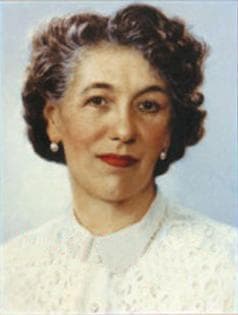
Enid Blyton was a British author known for her children's fiction, particularly adventure stories. Her notable works include "Five on a Treasure Island," "First Term at Malory Towers," "The Folk of the Faraway Tree," "Five Go Adventuring Again," "Five Run Away Together," and "Five on Kirrin Island Again," which have captivated young readers for generations.
Similar books
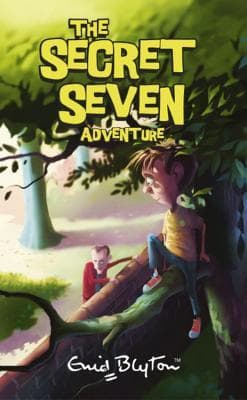
- The Secret Seven Adventure
Enid Blyton
3.8 (5k) average on GoodreadsChildren'sA similar children's mystery where a group of friends solve a crime and uncover a hidden stash.
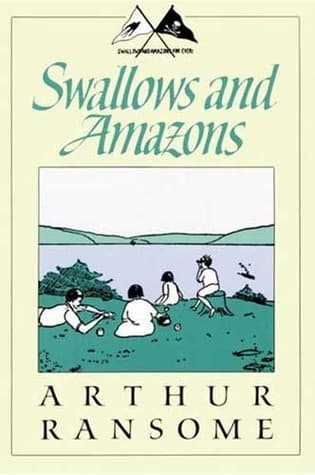
- Swallows and Amazons
Arthur Ransome
4.0 (28k) average on GoodreadsChildren'sThe Valley of Adventure offers high-stakes, often fantastical adventure, whereas Ransome's Swallows and Amazons focuses on more realistic, self-directed adventures in a natural setting. Ransome's characters tend to exhibit more nuanced interpersonal dynamics and face challenges that are grounded in the everyday, fostering a different kind of character development than Blyton's more archetypal heroes.
- Harry Potter and the Sorcerer's Stone
J.K. Rowling
4.5 (7M) average on GoodreadsFantasyRescued from a miserable life under the stairs, an orphaned boy discovers he's a wizard destined for a magical school, where he uncovers a dangerous secret tied to the dark wizard who murdered his parents.
- The Hobbit, or There and Back Again
J.R.R. Tolkien
4.3 (2.9M) average on GoodreadsFantasyA comfort-loving hobbit named Bilbo Baggins is whisked away by a mischievous wizard and a band of dwarves on an unexpected journey to reclaim stolen treasure from a fearsome dragon, discovering courage and a magical ring along the way.
- Harry Potter and the Goblet of Fire
J.K. Rowling
4.6 (2.6M) average on GoodreadsFantasyA bewildered Harry Potter, underage and thrust into a deadly Triwizard Tournament, must brave dragons, mermaids, and a resurgent dark magic to survive a year that will forever alter the wizarding world.
- Harry Potter and the Order of the Phoenix
J.K. Rowling
4.5 (2.5M) average on GoodreadsFantasyIn a year of oppressive secrets and the threat of Voldemort, Harry Potter and Dumbledore's Army secretly train for war, shown through Jim Kay and Neil Packer's dark illustrations.




Enjoyed the summary?
A summary gives you the shape of the book. The book itself has the detail, the examples and the voice.
Find The Valley of Adventure on AmazonAs an Amazon Associate, BookBrief earns from qualifying purchases. How we're funded