
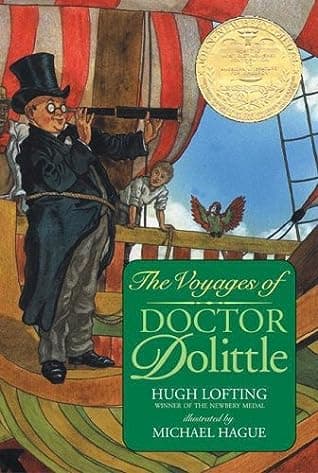
Synopsis
Covers the whole plot, including the ending.
- Difficulty
- Medium
- Pacing
- Moderate
- Mood
- Adventurous, Whimsical, Educational, Gentle
- Read it if
- You enjoy classic children's adventure stories with talking animals, exploration, and a kind-hearted protagonist.
- Skip it if
- You prefer modern sensibilities regarding race and colonialism, or find older writing styles challenging.
The Voyages of Doctor Dolittle Plot Summary
Covers the whole plot, including the ending.
Tommy Stubbins Meets Doctor Dolittle
Tommy Stubbins, the nine-and-a-half-year-old son of the village cobbler in Puddleby-on-the-Marsh, loves animals and nature. One day, he finds a squirrel with a broken leg. Remembering his mother's advice to take injured animals to Doctor Dolittle, a reclusive but renowned physician who can speak with animals, Tommy bravely approaches the doctor's house. He is at first intimidated by the peculiar household, filled with various creatures, but is soon welcomed by the doctor and his talking parrot, Polynesia. Doctor Dolittle mends the squirrel's leg, and Tommy, deeply impressed, learns about the doctor's unique abilities and his connection to the animal kingdom, setting the stage for their future adventures.
The Hermit's Disappearance and the Journey Begins
Tommy quickly becomes Doctor Dolittle’s apprentice and learns animal languages. Their peaceful life in Puddleby is disrupted when Luke the Hermit, a friend of the doctor's, mysteriously disappears. Luke's servant, Joe, tells Dolittle that Luke has been wrongly imprisoned on a false charge of murder. Determined to clear his friend's name, Doctor Dolittle, accompanied by Tommy, Polynesia, Chee-Chee the monkey, Dab-Dab the duck, Jip the dog, and Too-Too the owl, sets sail on his ship, the 'Curious Beagle.' Their initial goal is to find Luke, but the journey soon takes an unexpected turn as the doctor reveals a deeper purpose: to find the legendary naturalist, Long Arrow, the son of Golden Arrow, who is believed to live on Floating Island.
Shipwreck and Rescue by the Monkeys
During their voyage across the Atlantic, the 'Curious Beagle' encounters a ferocious storm. The ship is battered by the waves, and despite Doctor Dolittle's and Tommy's efforts, it is eventually wrecked. The crew, including the animals, survive by clinging to wreckage and are washed ashore on a desolate island. Exhausted and without supplies, their situation seems dire. However, the quick thinking and resourcefulness of Chee-Chee and the other monkeys prove invaluable. They climb trees, forage for food, and build makeshift shelters, ensuring the survival of the doctor and Tommy, showing the bond and reliance between the humans and their animal companions.
Arrival at Spider Monkey Island and the Quest for Long Arrow
After the shipwreck, Doctor Dolittle and his companions find themselves on Spider Monkey Island, a lush land with many monkeys. The doctor, using his ability to speak their language, quickly befriends the monkey community. They explain their long journey and their goal: to find Long Arrow, the son of the great naturalist Golden Arrow, who is said to have unmatched knowledge of the natural world and is believed to live on the mysterious Floating Island. The monkeys, eager to help their new friend, share their wisdom and local knowledge, helping Dolittle and Tommy prepare for the next stage of their quest.
The Giant Sea Snail and the Floating Island
To reach Floating Island, Doctor Dolittle plans. He enlists the help of a magnificent, enormous Giant Sea Snail. After much persuasion and explanation of their purpose, the snail agrees to transport the doctor, Tommy, and their animal friends. The journey inside the snail's shell is an experience, offering unique views of the underwater world. Finally, after a long voyage, the Giant Sea Snail brings them to the shores of Floating Island, a land that mysteriously drifts across the ocean, completing a feat of interspecies cooperation and navigation.
Discovery of Long Arrow and the Shellfish Kingdom
Upon arriving at Floating Island, Doctor Dolittle and his companions find Long Arrow, the son of Golden Arrow. Long Arrow, a brilliant naturalist and a member of the Pushmi-Pullyu tribe, is at first hesitant but is eventually convinced of the doctor's good intentions. He reveals that Floating Island is home to a unique civilization of shellfish, who communicate through a complex system of clicks and whistles. Dolittle, with his linguistic skills, quickly learns their language, further expanding his understanding of the world's diverse inhabitants and reinforcing his belief in the connection of all living things.
The Floating Island's Peril and Doctor Dolittle's Intervention
The inhabitants of Floating Island, including Long Arrow and the shellfish, reveal a grave concern: the island is slowly sinking and drifting towards a dangerous volcanic region, threatening their existence. Doctor Dolittle, applying his scientific knowledge and understanding of geology, devises a plan to save the island. He organizes the island's animal and shellfish inhabitants to work together, using their collective strength to manipulate the island's natural mechanisms. Through engineering and interspecies cooperation, Dolittle manages to stabilize the island, preventing its destruction and earning him the gratitude of all its residents.
The Coronation of Doctor Dolittle
After his efforts to save Floating Island, Doctor Dolittle is hailed as a savior by the Pushmi-Pullyu tribe. In a grand ceremony, they declare him their king, recognizing his wisdom, compassion, and abilities. Dolittle, though at first surprised and reluctant, accepts the honor, viewing it as a chance to promote peace and understanding between all creatures. Tommy Stubbins witnesses this event, reflecting on the doctor's selfless nature and the impact he has on the lives of those he meets, whether human or animal.
Return to Puddleby and the End of the Voyage
After a period of reigning as king and ensuring the stability of Floating Island, Doctor Dolittle decides it is time to return to Puddleby-on-the-Marsh. With Long Arrow's help, they arrange their departure. The journey back is filled with its own challenges and minor adventures, but eventually, Doctor Dolittle, Tommy, and their faithful animal companions arrive safely back in England. Tommy, now older and wiser, reflects on the experiences he has shared with the doctor, his newfound understanding of the world, and the lessons learned about compassion, courage, and kindness. Their voyage concludes, but the lessons and memories will last a lifetime.
Luke the Hermit's Fate and the Doctor's Legacy
Upon their return to Puddleby, Doctor Dolittle and Tommy learn that Luke the Hermit's case has been resolved. Through the doctor's earlier efforts and the evidence gathered, Luke was eventually exonerated and released from prison, proving the doctor's initial belief in his friend's innocence. The successful resolution of Luke's plight, combined with the tales of their voyage to Floating Island and the rescue of its inhabitants, further solidifies Doctor Dolittle's reputation as an extraordinary and benevolent figure. His adventures continue to inspire wonder and reinforce the idea that true wisdom is in understanding and respecting all forms of life.
Principal Figures
Doctor John Dolittle
Protagonist
An eccentric physician who can speak with animals.
Doctor Dolittle is a kind-hearted, brilliant, and deeply compassionate man who abandons a traditional medical practice to become an animal doctor. His defining characteristic is his ability to communicate with all creatures, which he learned from his parrot, Polynesia. He is driven by an insatiable curiosity about the natural world and a profound desire to alleviate suffering and promote understanding between all species. Though often seen as eccentric by human society, his wisdom and selflessness make him a beloved figure among animals and his close human companions.
Relationships: Tommy Stubbins (mentor and apprentice, close friends); Polynesia (first animal teacher, loyal companion, confidante); Chee-Chee (loyal monkey companion); Dab-Dab (loyal duck companion); Jip (loyal dog companion); Too-Too (loyal owl companion); Long Arrow (respected colleague and friend)
Tommy Stubbins
Narrator and Protagonist
Doctor Dolittle's young apprentice and chronicler of his adventures.
Tommy Stubbins is a curious, observant, and brave nine-and-a-half-year-old boy who dreams of adventure and has a natural affinity for animals. He comes from a humble background as the son of the village cobbler. His encounter with Doctor Dolittle transforms his life, as he becomes the doctor's apprentice, learning animal languages and accompanying him on extraordinary voyages. Tommy serves as the first-person narrator of the story, providing a fresh and relatable perspective on the doctor's eccentric world and the wonders they encounter.
Relationships: Doctor Dolittle (apprentice and mentor, close friends); Polynesia (teacher and companion); Chee-Chee (fellow companion and friend)
Polynesia
Supporting
Doctor Dolittle's wise and witty talking parrot.
Polynesia is Doctor Dolittle's oldest and most trusted animal companion, and arguably his first teacher in animal languages. She is an intelligent, sharp-tongued, and practical parrot, often offering sarcastic remarks or sage advice. Her extensive knowledge of human and animal customs makes her an invaluable member of the doctor's entourage. She acts as a mentor to Tommy Stubbins, teaching him the basics of animal communication and guiding him through the doctor's world. Polynesia's loyalty and wit are constant sources of support and entertainment.
Relationships: Doctor Dolittle (teacher, loyal companion, confidante); Tommy Stubbins (teacher and companion)
Chee-Chee
Supporting
Doctor Dolittle's loyal and resourceful monkey companion.
Chee-Chee is a clever and agile monkey who is one of Doctor Dolittle's most reliable animal companions. He is often the first to sense danger or find solutions in tricky situations, particularly in jungle environments. His resourcefulness, as seen during the shipwreck, makes him indispensable to the crew. Chee-Chee's playful nature is balanced by his deep loyalty and affection for the doctor and his friends. He represents the lively and intelligent spirit of the animal kingdom, always ready for adventure.
Relationships: Doctor Dolittle (loyal companion); Tommy Stubbins (fellow companion and friend)
Dab-Dab
Supporting
Doctor Dolittle's practical and motherly duck companion.
Dab-Dab is a sensible and often motherly duck who serves as the housekeeper for Doctor Dolittle's eccentric household. She is practical, organized, and always concerned with the well-being of the group. While not as vocal or witty as Polynesia, her quiet competence and unwavering loyalty make her an essential member of the team. She provides a grounding presence amidst the wild adventures, ensuring that basic needs are met and offering a sense of stability.
Relationships: Doctor Dolittle (loyal companion, housekeeper); Tommy Stubbins (fellow companion)
Jip
Supporting
Doctor Dolittle's loyal and keen-sensed dog companion.
Jip is Doctor Dolittle's faithful dog, known for his exceptional sense of smell and unwavering loyalty. He often plays a crucial role in tracking and finding lost individuals or objects, thanks to his keen canine instincts. Jip is courageous and dependable, always ready to protect his friends. His simple, honest nature and deep affection for the doctor make him a beloved member of the traveling party, embodying the best qualities of a canine companion.
Relationships: Doctor Dolittle (loyal companion); Tommy Stubbins (fellow companion)
Too-Too
Supporting
Doctor Dolittle's wise and scholarly owl companion.
Too-Too is a scholarly owl who assists Doctor Dolittle with his vast library and scientific research. He is known for his intelligence and quiet demeanor, often found poring over books or observing the world with a thoughtful gaze. While not as active in physical adventures, Too-Too's wisdom and knowledge are invaluable to the doctor, providing a quiet intellectual support to the more boisterous animal companions. He embodies the academic and contemplative side of the doctor's household.
Relationships: Doctor Dolittle (scholarly companion, assistant); Tommy Stubbins (fellow companion)
Long Arrow
Supporting
The legendary naturalist and son of Golden Arrow.
Long Arrow is a revered naturalist and a member of the Pushmi-Pullyu tribe, living on Floating Island. He is the son of the legendary Golden Arrow and possesses an unparalleled understanding of the natural world, particularly its flora and fauna. Initially reclusive, he is eventually won over by Doctor Dolittle's genuine respect for nature and his ability to communicate with animals. Long Arrow represents indigenous wisdom and a deep, intuitive connection to the environment, becoming a valuable ally and friend to the doctor.
Relationships: Doctor Dolittle (respected colleague and friend)
Luke the Hermit
Mentioned
A friend of Doctor Dolittle, whose disappearance sparks the initial journey.
Luke the Hermit is a reclusive friend of Doctor Dolittle who lives in the woods near Puddleby. He is known for his quiet life and his connection to nature. His unjust imprisonment on a false charge of murder is the catalyst for Doctor Dolittle's initial voyage. Though not physically present for much of the narrative, his plight motivates the doctor's journey and underscores the theme of justice and friendship.
Relationships: Doctor Dolittle (friend)
Themes & Insights
Interspecies Communication and Empathy
The main theme is the ability to understand and empathize with animals. Doctor Dolittle's unique gift allows him to bridge the gap between humans and the animal kingdom, showing the richness of animal intelligence and emotions. This theme is clear from the moment Tommy Stubbins observes Dolittle mending the squirrel's leg, to the doctor's conversations with the monkeys on Spider Monkey Island, and his communication with the Giant Sea Snail and the shellfish on Floating Island. It promotes the idea that true understanding goes beyond language and creates a deeper respect for all life.
“Animals are not just dumb beasts, Tommy. They have their own languages, their own thoughts, their own feelings. And if you listen carefully, you can learn a great deal from them.”
Adventure and Exploration
The entire story is built on a grand adventure, from the initial quest to find Luke the Hermit to the voyage to Floating Island. Tommy's role as the narrator emphasizes the wonder and excitement of exploration, exposing him and the reader to diverse cultures, places, and creatures. The shipwreck, the journey inside the Giant Sea Snail, and the discovery of the moving island all contribute to this theme, showing the thrill of venturing into the unknown and the resilience needed to overcome challenges in unfamiliar places.
“It was a wonderful life we led, a life of adventure and discovery, where every day brought new wonders and new challenges.”
Environmentalism and Conservation
Doctor Dolittle's deep respect for nature and his efforts to protect the environment are a recurring theme. He sees himself as a steward of the natural world, understanding the delicate balance of ecosystems. This is most clear when he works to save Floating Island from sinking, mobilizing both human and animal inhabitants to prevent an ecological disaster. The book advocates for responsible interaction with nature and highlights the connection of all living things within their habitats, urging compassion towards the many species that share our planet.
“The Earth is not just for humans, Tommy. It belongs to all creatures, and we have a duty to care for it.”
The Power of Cooperation and Community
Throughout their journey, Doctor Dolittle and his companions, both human and animal, rely on cooperation to overcome obstacles. The monkeys' aid after the shipwreck, the Giant Sea Snail's help in reaching Floating Island, and the combined efforts of the island's inhabitants to save it from destruction all show the strength found in working together. This theme extends to the idea of a global community, where different species and cultures can unite for a common good, emphasizing that shared goals and mutual respect lead to success.
“Alone, we are but a few; together, we can move mountains – or even islands!”
Plot Devices & Literary Techniques
First-Person Narration (Tommy Stubbins)
The story is told through the eyes of a young, impressionable apprentice.
Tommy Stubbins' first-person narration provides a sense of wonder and immediacy to the extraordinary events. As a child, he is new to Doctor Dolittle's world, allowing the reader to discover its marvels alongside him. His perspective makes the fantastical elements more accessible and relatable, and his growth throughout the journey mirrors the reader's increasing understanding and appreciation of the doctor's unique philosophy. It also allows for subjective insights into Dolittle's character and the impact he has on those around him.
The Ability to Speak Animal Languages
The central magical ability that enables interspecies interaction.
Doctor Dolittle's unique gift of speaking with animals is the fundamental plot device that drives all the adventures. It allows for complex interactions, information gathering, and problem-solving that would otherwise be impossible. This ability facilitates the doctor's role as a bridge between the human and animal worlds, enabling him to understand ecological issues, resolve conflicts, and enlist the help of various creatures, from monkeys to sea snails, in his grand quests. It underpins the themes of empathy and environmentalism.
The Floating Island
A movable landmass that serves as a unique setting and a source of conflict.
The Floating Island is a fantastical plot device that acts as both a destination and a challenge. Its mobility allows for a sense of unpredictable adventure and isolates its inhabitants, making their unique culture and predicament more pronounced. The island's geological instability provides the primary conflict in the latter half of the book, requiring Doctor Dolittle's scientific ingenuity to save it. It symbolizes the delicate balance of nature and the potential for both wonder and peril in the natural world.
The 'Curious Beagle' and the Giant Sea Snail
Modes of transport that facilitate the grand voyage.
These two distinct modes of transportation serve to propel the plot forward across vast distances and through diverse environments. The 'Curious Beagle' represents traditional seafaring adventure, leading to the dramatic shipwreck. The Giant Sea Snail, on the other hand, is a fantastical and highly imaginative means of travel, highlighting the doctor's unconventional methods and his ability to enlist the help of even the most unusual creatures. Both emphasize the scale of the journey and the ingenuity required for the doctor's quests.
The Voyages of Doctor Dolittle Quotes
“But you must remember, John Dolittle, that animals are not all the same. Some are intelligent and some are stupid. Some have good manners and some have bad. And they don’t all speak the same language.”
“There is one thing you must never forget: the less you say, the more important it seems.”
“It’s a funny thing about people, that they never seem to know what they want until they haven’t got it.”
“Travel is a fine thing, but it’s no good going to a place if you don’t understand the language.”
“The world is a much bigger place than most people think, and there are many wonderful things in it that they have never dreamed of.”
“It is not enough to be clever, you must also be kind.”
“You can always tell a true adventurer by the way he packs his bag.”
“The greatest gift you can give to anyone is your time and attention.”
“There are some things that even a doctor can’t cure, and one of them is loneliness.”
“Never say ‘impossible,’ because the world is full of things that seem impossible until somebody does them.”
“The best way to learn about the world is to go and see it for yourself.”
“Animals have a wonderful way of knowing when you are really trying to help them.”
“It’s a great pity that human beings are so often afraid of what they don’t understand.”
“Home is where your friends are, no matter where that may be.”
Quiz
10 questions on the plot and the characters. Each answer comes with a short explanation.
Question 1
Who is the new assistant that accompanies Doctor Dolittle on his second major adventure?
- Luke the Hermit
- Tommy Stubbins
- Long Arrow
- Golden Arrow
Show answer
B. Tommy Stubbins Tommy Stubbins is introduced as Doctor Dolittle's new assistant and the narrator of the story.
Question 2
What animal does Tommy Stubbins first bring to Doctor Dolittle, initiating their friendship?
- A talking parrot
- A hurt squirrel
- A lost dog
- A wounded bird
Show answer
B. A hurt squirrel Tommy first meets Doctor Dolittle when he takes a hurt squirrel to him for treatment.
Question 3
Which character from the previous book, known for being a talking parrot, reappears in 'The Voyages of Doctor Dolittle'?
- Chee-Chee
- Gub-Gub
- Polynesia
- Dab-Dab
Show answer
C. Polynesia The remarkable talking parrot, Polynesia, from the previous book also appears in this sequel.
Question 4
What is the primary motivation for Doctor Dolittle's hazardous voyage in this book?
- To find a legendary treasure
- To explore new continents
- To find Long Arrow, a native American naturalist
- To rescue a kidnapped animal
Show answer
C. To find Long Arrow, a native American naturalist Tommy finds himself accompanying the good doctor on an exciting, hazardous voyage to find Long Arrow, a native American and the son of Golden Arrow.
Question 5
Who is Long Arrow's father, described as the greatest living naturalist in the world?
- Luke the Hermit
- Tommy Stubbins
- Golden Arrow
- Doctor Dolittle
Show answer
C. Golden Arrow Long Arrow is described as the son of Golden Arrow, who is reputed to be the greatest living naturalist in the world.
Question 6
What specific large sea creature do Doctor Dolittle and his companions discover during their underwater explorations?
- A giant squid
- A colossal whale
- A giant sea snail
- A monstrous crab
Show answer
C. A giant sea snail The story includes 'underwater explorations where they discover a giant sea snail'.
Question 7
Which of the following best describes Doctor Dolittle's overarching approach to the world, as highlighted in the provided text?
- A desire for scientific discovery above all else
- An enduring humanitarian approach, desire for peaceful coexistence, and environmental concern
- A focus on acquiring wealth through his unique abilities
- A solitary lifestyle, avoiding human interaction
Show answer
B. An enduring humanitarian approach, desire for peaceful coexistence, and environmental concern The text states his 'enduring humanitarian approach to the world around him, his desire for peaceful coexistence among all and his concern for the environment make him a memorable and endearing character'.
Question 8
The story is structured as a first-person account from Tommy Stubbins. What is Tommy's age perspective when he is narrating the events?
- He is a young boy, recounting recent adventures.
- He is a middle-aged man, reflecting on his youth.
- He is a very old man, looking back on his life.
- He is a young adult, just having returned from the voyage.
Show answer
C. He is a very old man, looking back on his life. The story is structured as a first person account given by Tommy, who is now a very old man.
Question 9
What event involving a friend of Doctor Dolittle's specifically 'sets off a train of strange events' in the narrative?
- The discovery of a new animal species
- The mysterious disappearance of Luke the Hermit
- A major shipwreck near their home
- An urgent request for medical aid from a distant land
Show answer
B. The mysterious disappearance of Luke the Hermit The mysterious disappearance of a friend of the doctor's called Luke the Hermit sets off a train of strange events.
Question 10
The provided text mentions that critics point out politically incorrect passages in Lofting's work. What reason does the text suggest for understanding these passages?
- They were intentionally written to provoke controversy.
- The books were written over a hundred years ago, when attitudes to colonization and race were different.
- The author later regretted including them in subsequent editions.
- They were added by editors and not the original author.
Show answer
B. The books were written over a hundred years ago, when attitudes to colonization and race were different. Critics point out politically incorrect passages, but readers should remember 'these books were written more than a hundred years ago, when attitudes to colonization and race were quite different.'
The Voyages of Doctor Dolittle FAQ
Who is the primary narrator of 'The Voyages of Doctor Dolittle' and what is his relationship with the Doctor?
The primary narrator is Tommy Stubbins, who recounts the story as an old man looking back on his youth. He becomes Doctor Dolittle's new assistant and close friend after bringing a hurt squirrel to the doctor, quickly learning to communicate with animals alongside him.
What prompts Doctor Dolittle and Tommy Stubbins to embark on their grand voyage?
Their voyage is initially spurred by the mysterious disappearance of Luke the Hermit, a friend of Doctor Dolittle's. This event leads them to seek Long Arrow, the son of Golden Arrow, who is believed to be the greatest naturalist alive.
Which key animal characters from 'The Story of Doctor Dolittle' reappear in this sequel?
The remarkable talking parrot, Polynesia, makes a significant return. Other beloved animal companions from the previous book also accompany Doctor Dolittle and Tommy on their adventures, reinforcing the Doctor's unique ability to communicate with all species.
What significant discovery do Dolittle and his companions make during their underwater explorations?
During their extensive underwater explorations, Doctor Dolittle and his companions make the astonishing discovery of a giant sea snail. This encounter highlights the incredible biodiversity and hidden wonders of the ocean.
What is Doctor Dolittle's overarching philosophy and how does it manifest in the story?
Doctor Dolittle embodies a humanitarian approach, advocating for peaceful coexistence among all species and showing deep concern for the environment. His actions throughout the voyage consistently reflect his compassion and desire to understand and protect the natural world.
How does Tommy Stubbins's ability to communicate with animals develop, and what role does Polynesia play in this?
Tommy Stubbins rapidly learns to communicate with animals after meeting Doctor Dolittle. Polynesia, the talking parrot, likely plays a crucial role as a mentor or interpreter, helping Tommy understand the nuances of animal languages and bridging the communication gap.
What specific skills or knowledge does Long Arrow possess that makes him so important to the Doctor's quest?
Long Arrow is described as the son of Golden Arrow and reputed to be the greatest living naturalist in the world. His deep knowledge of the natural world, potentially including obscure animal languages or ecological understanding, is crucial to Doctor Dolittle's mission, possibly in solving Luke's disappearance or other mysteries.
Beyond the physical journey, what internal journey does Tommy Stubbins undertake during the voyages?
Tommy Stubbins undergoes a significant internal journey from a village cobbler's son to a seasoned adventurer and animal communicator. He develops courage, empathy, and a profound understanding of the natural world, shaping his identity and worldview through his experiences with Doctor Dolittle.
How does Doctor Dolittle's eccentric nature contribute to his effectiveness as a physician and explorer?
Doctor Dolittle's eccentricity allows him to think outside conventional boundaries, fostering his unique ability to communicate with animals and approach problems with unconventional solutions. This open-mindedness is crucial for his discoveries and his humanitarian missions.
In what ways do the shipwrecks and hazardous conditions challenge Doctor Dolittle's pacifist ideals?
The shipwrecks and hazardous conditions constantly test Doctor Dolittle's commitment to peaceful coexistence. While he avoids violence, these dangers force him to navigate difficult situations, demonstrating his resilience and ingenuity in protecting his companions without resorting to aggression.
What is the implied significance of Luke the Hermit's disappearance and subsequent search in the broader narrative?
Luke the Hermit's disappearance serves as a catalyst, initiating the entire grand adventure. It signifies a call to action for Doctor Dolittle, possibly hinting at a disruption in the natural balance or a challenge that only his unique skills, combined with Long Arrow's knowledge, can resolve.
How does the author use the descriptions of South American and Mediterranean locations to enhance the story's themes?
The varied South American and Mediterranean locations are used to highlight the diversity of life and cultures, reinforcing Doctor Dolittle's global humanitarian perspective. These rich backdrops emphasize the universal need for compassion towards all species and environments.
Considering the criticisms of political incorrectness, how might a modern reader interpret the book's messages about colonization and race?
A modern reader might interpret the book's messages by acknowledging the historical context of its writing over a hundred years ago, when attitudes towards colonization and race were different. While recognizing problematic passages, they can still appreciate the core themes of compassion, environmentalism, and interspecies communication.
What is the symbolic significance of the giant sea snail discovery?
The giant sea snail symbolizes the vast, uncharted wonders of the natural world and the endless possibilities of discovery when one approaches nature with an open mind and respect. It underscores the book's theme of exploring the unknown and valuing all forms of life.
How does Tommy Stubbins's perspective as an old man narrating the story influence its tone and themes?
Tommy Stubbins's narration as an old man imbues the story with a sense of nostalgia, wisdom, and reflection. This perspective allows for deeper insights into the characters and events, emphasizing the lasting impact of the adventures and the enduring lessons learned about compassion and the natural world.
What literary device is employed by Hugh Lofting by having Tommy Stubbins narrate the story as an old man?
Hugh Lofting uses the literary device of a frame narrative or retrospective narration. This allows the story to be told with the wisdom and perspective gained over a lifetime, adding depth and a reflective tone to Tommy's youthful adventures with Doctor Dolittle.
How does Doctor Dolittle's role as an 'animal rights activist' manifest in his daily interactions and the larger plot?
Doctor Dolittle's 'animal rights activist' role is evident in his respectful communication with animals, his efforts to understand their needs, and his unwavering commitment to their welfare. This principle drives his decisions, from treating a hurt squirrel to embarking on a perilous voyage for a naturalist who understands nature deeply.
What is the underlying message about humanity's place in the natural world that 'The Voyages of Doctor Dolittle' conveys?
The book conveys a strong message that humanity is an integral part of the natural world, not its master. Through Doctor Dolittle's actions, it advocates for humility, empathy, and peaceful coexistence with all species, emphasizing our responsibility to protect and understand the environment.
About the author
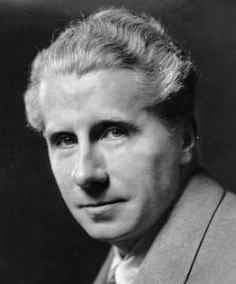
Hugh Lofting was a British author best known for his children's literature featuring the character Doctor Dolittle, a doctor who can speak to animals. His notable works include "The Story of Doctor Dolittle" and "The Voyages of Doctor Dolittle," both of which explore themes of empathy and adventure through the lens of animal communication. Lofting's stories have become classics in children's fiction.
Similar books
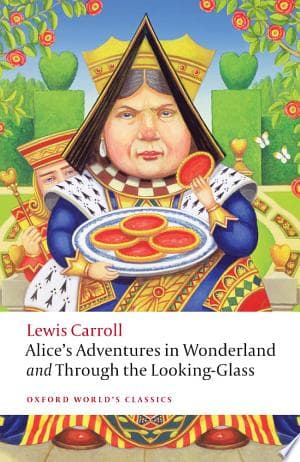
- Alice's Adventures in Wonderland
Lewis Carroll
4.0 (245k) average on GoodreadsFantasyClassic children's fantasy with eccentric characters and imaginative worlds.
- Pippi Longstocking
Astrid Lindgren
4.1 (168k) average on GoodreadsFantasyFeatures a quirky, independent protagonist and lighthearted adventures.
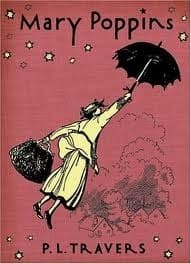
- Mary Poppins
P.L. Travers
4.0 (115k) average on GoodreadsFantasyWhile both 'Doctor Dolittle' and 'Mary Poppins' feature magical figures interacting with children and animals, 'Dolittle' emphasizes grand, geographical adventures and the scientific study of animal languages. 'Mary Poppins', in contrast, focuses on smaller-scale, domestic magic and moral lessons within a more confined London setting. Poppins' magic is often inexplicable and whimsical, whereas Dolittle's animal communication, while fantastical, is presented as a skill he has learned and perfected.
- Eat, Pray, Love
Elizabeth Gilbert
3.6 (1.5M) average on GoodreadsLifestyleA heartbroken writer leaves her conventional life for a year-long global search for pleasure in Italy, spiritual devotion in India, and unexpected love and balance in Bali.
- Wild: From Lost to Found on the Pacific Crest Trail
Cheryl Strayed
4.0 (615k) average on GoodreadsLifestyleAfter losing her mother and her marriage, a young woman impulsively hikes over a thousand miles of the Pacific Crest Trail alone, finding strength and healing in the unforgiving wilderness.
- Into Thin Air: A Personal Account of the Mount Everest Disaster
Jon Krakauer
4.2 (395k) average on GoodreadsLifestyleOn May 10, 1996, ambition and a sudden, violent storm turned Mount Everest into a deadly trap, leaving Jon Krakauer to tell the harrowing story of a disaster that took lives and shattered climbers' dreams.



Enjoyed the summary?
A summary gives you the shape of the book. The book itself has the detail, the examples and the voice.
Find The Voyages of Doctor Dolittle on AmazonAs an Amazon Associate, BookBrief earns from qualifying purchases. How we're funded