
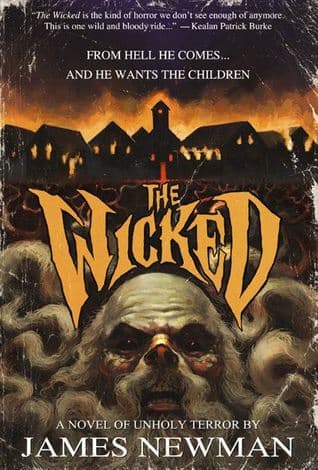
Synopsis
Covers the whole plot, including the ending.
- Difficulty
- Medium
- Pacing
- Moderate
- Mood
- Dark, Suspenseful, Terrifying, Desperate
- Read it if
- You enjoy dark, atmospheric horror with a focus on demonic possession and small-town dread.
- Skip it if
- You are sensitive to themes of child endangerment and graphic violence, or prefer less bleak narratives.
The Wicked Plot Summary
Covers the whole plot, including the ending.
The Heller Home Fire
The story begins with a fire at the Heller Home for Children in Morganville, North Carolina. The flames kill all the children and staff inside. This event is not just a tragedy; it awakens an ancient demonic entity named Moloch from its dormant state beneath Morganville. The suffering and death act as a summoning ritual. The fire leaves a deep scar on the community, but the true terror it unleashes is yet to manifest, slowly beginning to influence the unsuspecting residents.
The Littles Arrive in Morganville
David, Kate, and their seven-year-old daughter, Becca Little, move from New York City to Morganville, North Carolina. Their move is an attempt to escape the trauma of Kate's recent sexual assault, which has left their family fractured. David hopes the quiet, small-town atmosphere will help them heal and rebuild their lives. They do not know about the dark history and the growing evil that fills their new home. As they settle in, unease subtly enters their lives, hinting at the horrors to come.
Unsettling Occurrences
Soon after their arrival, Becca Little starts acting strangely and experiences unsettling things. She talks to an imaginary friend named 'Mr. Whispers' and describes seeing shadowy figures. Initially, David and Kate dismiss these as a child's imagination or stress from their move and family trauma. However, the occurrences become more frequent and disturbing, going beyond simple childhood fantasies. Becca's innocent descriptions of her 'friends' and their 'games' take on a sinister tone, suggesting a malevolent presence is trying to communicate with or influence her.
David's Investigation
Alarmed by Becca's increasingly disturbing behavior and his own growing unease, David investigates the town's history. He learns about the Heller Home for Children and the fire that destroyed it, killing everyone. His research leads him to local legends and whispers of a dark presence connected to the land. He discovers the Heller Home was built on a site with a history of unexplained deaths and disappearances, and that the fire may have been a ritual. The more he digs, the more he realizes Morganville holds a secret far older and more terrifying than he imagined.
Moloch's Influence Spreads
As David investigates Morganville's past, Moloch's influence over the town grows. Other children in Morganville begin to show similar strange behaviors to Becca, talking to unseen entities, having nightmares, and displaying unsettling aggression or withdrawal. The demon, drawn to the innocence and vulnerability of children, slowly corrupts them, preparing them for a darker purpose. Adults are also subtly affected; a pervasive sense of dread, paranoia, and unexplained irritability spreads through the community, creating a fertile ground for Moloch's plans to fully manifest.
Kate's Deterioration
Kate, already fragile from her recent sexual assault, feels increasingly isolated and tormented by the unfolding events. The supernatural occurrences in their home, combined with Becca's changed behavior, worsen her PTSD and mental state. She struggles to cope, often withdrawing or lashing out. Moloch's influence preys on her vulnerabilities, magnifying her fears and anxieties, making her doubt her own sanity and David's explanations. Her emotional and psychological decline worries David, who fears losing her completely to the encroaching darkness.
The Truth About Moloch
Through local lore, old texts, and the entity's increasingly direct manifestations, David finally uncovers the identity of the evil plaguing Morganville: Moloch. He learns that Moloch is an ancient, pagan demon, a devourer of souls, particularly drawn to the purity and life force of children. The Heller Home fire was not just an awakening; it was a sacrifice that gave Moloch immense power. The demon seeks to consume the souls of Morganville's children, and the town itself, to fully manifest its power and spread its evil beyond the town's borders.
The Town Turns
As Moloch's power peaks, its influence extends beyond the children, subtly manipulating Morganville's adults. A collective paranoia and hostility grip the town. Those who question the strange occurrences or try to fight back, like David, become targets of suspicion and aggression from their neighbors. The townspeople, unknowingly under the demon's sway, turn on each other, creating a terrifying atmosphere of distrust and fear. This manipulation isolates David and his family further, making their struggle against Moloch even more desperate and dangerous.
The Ritual Begins
Moloch's ultimate plan unfolds as it begins a town-wide ritual. Morganville's children, including Becca, are drawn towards a central location, often the site of the former Heller Home, under the demon's hypnotic influence. Their eyes are vacant, their movements compelled, as they walk towards their impending doom. This mass gathering marks the culmination of Moloch's preparations, as it seeks to perform a massive sacrifice to fully manifest and unleash its ancient evil upon the world. David realizes he has limited time to stop the demon before all the children are lost.
The Confrontation at the Heller Site
David, desperate to save Becca and the other children, races to the ruins of the Heller Home, the center of Moloch's power. He finds the children gathered, almost catatonic, as Moloch's monstrous form begins to materialize, feeding on their life force. David, armed with knowledge of the demon's weaknesses and fueled by paternal love, confronts the entity directly. He must find a way to break its hold over the children and banish it back to the hell from which it came, risking his own life in a desperate battle against an ancient, formidable evil.
The Sacrifice and the Aftermath
In a climactic struggle, David manages to disrupt Moloch's ritual, often requiring a significant sacrifice or act of selflessness. The demon is weakened or banished, but at a heavy cost. The children are freed from its direct influence, but the trauma of their experience and the lingering shadow of Moloch's presence leave deep psychological scars on them and the town. The Little family, though surviving, is forever changed. While Morganville is saved from immediate destruction, the memory of 'The Wicked' and the horrors it unleashed will forever haunt its residents, reminding them of the evil that once lurked beneath their peaceful façade.
Principal Figures
David Little
Protagonist
A father determined to protect his family from an ancient evil.
David is a loving husband and father, initially seeking to heal his family after a traumatic event in New York. He is pragmatic and skeptical but possesses an underlying resilience. When his daughter, Becca, starts exhibiting strange behaviors, he shifts from a focus on family therapy to an intense investigation into Morganville's dark history. His drive is fueled by his profound love for his family and a desperate need to protect them, making him increasingly brave and resourceful in the face of supernatural terror.
Relationships: Kate Little (Husband, protector, trying to reconnect after trauma.); Becca Little (Father, deeply protective, fighting for her soul.)
Kate Little
Supporting
A mother struggling with past trauma and present supernatural threats.
Kate is David's wife and Becca's mother. She is deeply affected by a recent sexual assault, which has left her emotionally vulnerable and prone to anxiety and depression. Her move to Morganville is meant to be a fresh start, but the escalating supernatural events exacerbate her PTSD, making her question her sanity and creating distance between her and David. Her struggle highlights the psychological toll of both personal trauma and external horror, making her a poignant figure of fragility and resilience.
Relationships: David Little (Wife, struggling to reconnect and trust after trauma.); Becca Little (Mother, protective but often overwhelmed by events.)
Becca Little
Supporting
A seven-year-old girl who becomes a target and conduit for the demon Moloch.
Becca is the innocent, seven-year-old daughter of David and Kate. Initially a typical child, her arrival in Morganville marks a terrifying change as she becomes Moloch's primary target and, at times, its unwitting vessel. Her innocent descriptions of 'Mr. Whispers' and other unseen 'friends' quickly turn sinister, making her a focal point of the horror. Her vulnerability and purity are what draw Moloch to her, making her the ultimate prize in the demon's plan to consume the souls of children.
Relationships: David Little (Daughter, primary focus of his protection.); Kate Little (Daughter, her well-being is a constant source of worry and a catalyst for Kate's fears.); Moloch (Target and temporary host.)
Moloch
Antagonist
An ancient, malevolent demon awakened by tragedy, hungry for children's souls.
Moloch is the primary antagonist, an ancient, pagan demon of immense power. It was dormant beneath Morganville until the mass death and suffering of the Heller Home fire provided the necessary energy to awaken it. Moloch is characterized by its insatiable hunger for the souls of children, which it uses to gain strength and fully manifest. It manipulates, corrupts, and instills fear, operating subtly at first before revealing its monstrous form. Its goal is to consume all the children of Morganville and spread its evil influence.
Relationships: Becca Little (Primary target and vessel.); David Little (Opponent, the one trying to stop its plans.)
Sheriff Brody
Supporting
The local sheriff, initially skeptical but eventually forced to confront the impossible.
Sheriff Brody is the head law enforcement officer in Morganville. He is initially portrayed as a pragmatic, small-town sheriff, more concerned with mundane crimes and maintaining order than with supernatural phenomena. He dismisses David's early concerns as stress or delusion. However, as the strange occurrences escalate and become undeniable, particularly involving the town's children, he is slowly forced to confront the terrifying reality that something unnatural is at play. His struggle to reconcile his rational worldview with the impossible adds to the pervasive sense of dread.
Relationships: David Little (Initially dismissive, later a reluctant ally.)
Dr. Eleanor Vance
Supporting
A local historian or occult expert who provides crucial information.
Dr. Vance is a secondary character, often a retired professor, historian, or local eccentric with a deep knowledge of Morganville's hidden history and local folklore. She serves as a crucial source of information for David, providing him with ancient texts, legends, or historical accounts that shed light on Moloch's existence, its nature, and potential weaknesses. Her research and insights are vital in helping David understand the true nature of the evil he faces, often at great personal risk to herself.
Relationships: David Little (Informant and guide.)
The Heller Home Children
Mentioned
Victims of the fire whose deaths awaken Moloch.
These are the children who tragically perished in the Heller Home for Children fire. Though deceased at the story's start, their suffering and death are the catalyst for Moloch's awakening and the ongoing horror in Morganville. They represent the innocent victims whose sacrifice inadvertently empowered the ancient evil, and their spectral presence or lingering energy may sometimes be felt, serving as a constant reminder of the tragedy that started it all.
Relationships: Moloch (Unwitting sacrifice, their deaths enabled its awakening.)
Mr. Whispers
Mentioned
Becca's 'imaginary friend,' a manifestation of Moloch's influence.
Mr. Whispers is the name Becca Little gives to her 'imaginary friend.' This entity is not truly imaginary but rather an early, subtle manifestation of Moloch's presence and influence. It communicates with Becca, slowly manipulating her and drawing her deeper into the demon's grasp. Mr. Whispers serves as a creepy and unsettling indicator of the encroaching supernatural danger, highlighting how Moloch preys on the innocence and vulnerability of children.
Relationships: Becca Little (Manipulative 'friend'.); Moloch (An extension or manifestation of the demon.)
Themes & Insights
The Corrupting Nature of Evil
This theme explores how ancient, malevolent evil, like Moloch, not only kills but corrupts, preying on innocence and turning communities against themselves. The demon's influence starts subtly with Becca's 'imaginary friend' and spreads to other children, twisting their minds and turning their purity into a tool for its dark ends. It also affects the townspeople, who become paranoid and hostile, turning on David when he tries to expose the truth. This shows how evil can erode society and individual sanity, as seen in Kate's declining mental state.
“It wants the children. All of them. Not just their lives, but their very souls.”
Trauma and Healing
The Little family's move to Morganville is an attempt to heal from Kate's sexual assault. This theme explores how past trauma can make individuals and families vulnerable, and how new horrors can worsen old wounds. Kate's PTSD is intensified by the supernatural events, making her struggle with reality and trust. David's protective instincts are amplified by his desire to shield his family from further harm. The story suggests that while external threats can be overcome, the scars of both personal and supernatural trauma often remain, influencing how characters cope and connect.
“They were moving from New York City to Morganville in hopes of repairing their own lives, which were recently shattered by an act of sexual violence.”
Parental Love and Sacrifice
At its core, 'The Wicked' is a story about a parent's desperate love and willingness to sacrifice everything for their child. David's entire journey, from skeptical father to demon-hunter, is fueled by his fierce love for Becca. He risks his life, his sanity, and his relationship with Kate to protect his daughter from Moloch. This theme emphasizes the primal bond between parent and child, illustrating how it can be a powerful force against overwhelming evil, even demanding the ultimate sacrifice to ensure a child's safety and soul.
“He would tear the world apart for her, even if it meant facing the devil himself.”
The Burden of History and Place
The town of Morganville itself is a character, burdened by a dark history that predates the Heller Home fire. Moloch's presence is tied to the land, suggesting that evil can be deeply rooted in a place, waiting for the right conditions to awaken. David's investigation into local legends and the Heller Home's history reveals that the town has always harbored a sinister secret. This theme highlights how the past can haunt the present, and how certain locations can become focal points for malevolent forces, trapping their inhabitants in a cycle of fear and suffering.
“An ancient demon lurks beneath the town of Morganville, an unholy creature conjured into existence by the Heller Home tragedy.”
Plot Devices & Literary Techniques
The Innocent Child as a Conduit
A child's purity and vulnerability make them a target and vessel for evil.
Becca Little, being a young, innocent child, serves as a primary conduit for Moloch. Her uncorrupted nature and open mind make her susceptible to the demon's influence, allowing it to communicate and manifest through her 'imaginary friend' persona. This device heightens the horror by threatening the most vulnerable character, making the stakes incredibly personal and terrifying for her parents, David and Kate. It also symbolizes the corruption of innocence, a common and effective horror trope.
The Slow Burn of Supernatural Revelation
Gradual escalation of supernatural events to build dread.
The story employs a slow burn approach to revealing the supernatural threat. Initially, Becca's strange behaviors are dismissed as childhood imagination or trauma-related issues. The manifestations of Moloch are subtle—whispers, shadows, unsettling dreams—before escalating to more overt and terrifying occurrences. This gradual escalation builds tension and dread, making David's realization of the truth more impactful and the eventual confrontation more terrifying, as the reader experiences the mounting horror alongside the characters.
The Isolated Town
A small, seemingly idyllic town hides a deep, ancient evil.
Morganville, North Carolina, functions as a classic isolated town setting. Its small-town charm initially offers a sense of refuge for the Little family, but this quickly turns into a trap. The isolation allows the ancient evil, Moloch, to thrive undetected for years and to exert its influence without immediate external intervention. The close-knit community, under the demon's sway, eventually turns on outsiders, further isolating the protagonists and increasing the sense of helplessness and claustrophobia.
The Unreliable Witness/Parental Doubt
Characters' perceptions are questioned, blurring lines between reality and delusion.
This device is primarily used through Kate's character and, to some extent, David's initial skepticism. Kate's existing trauma makes her an unreliable witness to the supernatural events, constantly questioning her own sanity and whether the horrors are real or a manifestation of her PTSD. David, too, initially struggles to believe Becca's stories. This creates internal conflict and doubt, making the unfolding horror more insidious and raising the stakes as characters must fight not only the external evil but also their own minds.
The Wicked Quotes
“The world was a tapestry woven with threads of light and shadow, and she was but a single, fraying strand.”
“Power, true power, isn't about what you can destroy, but what you can protect.”
“Some scars never heal, not truly. They just fade into the background, a constant hum beneath the skin.”
“The greatest lies are often whispered, not shouted, for they seek to corrupt from within.”
“Hope is a dangerous thing in these dark times. It can either fuel your fire or burn you to ash.”
“Magic isn't a gift; it's a burden. A responsibility that can crush the unprepared.”
“Even the most righteous cause can become wicked in the wrong hands.”
“Fear is a weapon, but courage is its shield.”
“The past casts a long shadow, even over the brightest of futures.”
“Loyalty is not given, it is earned, often through blood and sacrifice.”
“The whispers of the ancient ones are not forgotten, merely waiting for an ear to listen.”
“A kingdom built on lies will eventually crumble, no matter how grand its facade.”
“Sometimes, the only way to find your true path is to get lost first.”
Quiz
10 questions on the plot and the characters. Each answer comes with a short explanation.
Question 1
What is the name of the ancient demon that rises beneath the town of Morganville?
- Bael
- Moloch
- Abaddon
- Asmodeus
Show answer
B. Moloch The synopsis explicitly states the demon's name is Moloch, an unholy creature conjured by the Heller Home tragedy.
Question 2
From which city are the Littles (David, Kate, and Becca) moving to Morganville?
- Boston
- Los Angeles
- New York City
- Chicago
Show answer
C. New York City The Littles are moving from New York City to Morganville, North Carolina.
Question 3
What event is described as having recently shattered the Littles' lives before their move to Morganville?
- A natural disaster
- A financial crisis
- An act of sexual violence
- A serious illness
Show answer
C. An act of sexual violence The family's lives were recently shattered by an act of sexual violence, prompting their move.
Question 4
What specific type of building's tragedy is responsible for conjuring Moloch into existence?
- The Morganville Hospital
- The Heller Home for Children
- The Morganville Town Hall
- The Old Morganville Mill
Show answer
B. The Heller Home for Children Moloch was conjured into existence by the Heller Home tragedy, specifically a fire that consumed the Heller Home for Children.
Question 5
What is Moloch's primary desire, besides being hungry for the souls of the townspeople?
- To gain immense power over the adults
- To destroy all buildings in Morganville
- To possess the children
- To spread a plague throughout the town
Show answer
C. To possess the children The text states, 'But most of all, Moloch wants the children. It will not rest until it has them. All of them.'
Question 6
What is the name of the seven-year-old child in the Little family?
- Sarah
- Emily
- Becca
- Megan
Show answer
C. Becca The Little family consists of David, Kate, and seven-year-old Becca.
Question 7
What is the underlying thematic reason for the Little family's move to Morganville?
- To start a new business venture
- To escape a previous traumatic event and repair their lives
- To care for an ailing relative
- To seek out adventure in a new town
Show answer
B. To escape a previous traumatic event and repair their lives They are moving 'in hopes of repairing their own lives, which were recently shattered by an act of sexual violence,' indicating a theme of healing from trauma.
Question 8
How do the residents of Morganville initially perceive evil before Moloch's resurgence?
- They believed evil was entirely absent from their town.
- They thought they understood evil based on the Heller Home fire, but they were wrong.
- They were constantly on guard for ancient evils.
- They attributed all evil to natural causes.
Show answer
B. They thought they understood evil based on the Heller Home fire, but they were wrong. The text states, 'After a fire consumes the Heller Home for Children, the residents of Morganville, North Carolina thought they knew evil...They were wrong.' This implies their previous understanding was limited.
Question 9
What specific realization does David Little come to regarding his family's troubles in Morganville?
- That their financial problems are insurmountable.
- That his family's issues are far worse than he initially imagined, due to the town's demonic presence.
- That they should have never left New York City.
- That he is solely responsible for all their misfortunes.
Show answer
B. That his family's issues are far worse than he initially imagined, due to the town's demonic presence. David realizes 'that his family's troubles are worse than he could ever have imagined,' directly linking to the ancient demon lurking beneath the town.
Question 10
The synopsis implies a contrast between the Littles' personal trauma and the town's larger horror. What is the nature of this contrast?
- The Littles' trauma is supernatural, while Morganville's horror is mundane.
- The Littles' trauma is internal and human-caused, while Morganville's horror is external and demonic.
- Both the Littles' trauma and Morganville's horror are self-inflicted.
- The Littles are seeking horror, while Morganville is seeking peace.
Show answer
B. The Littles' trauma is internal and human-caused, while Morganville's horror is external and demonic. The Littles' lives were shattered by 'an act of sexual violence' (human/internal), while Morganville faces an 'ancient demon' named Moloch (external/supernatural). David discovers his family's troubles are 'worse than he could ever have imagined' because of this new, larger evil.
The Wicked FAQ
What is the central conflict driving the plot of 'The Wicked'?
The central conflict revolves around the ancient demon Moloch, which has been awakened by the tragedy at the Heller Home for Children and now preys on the residents of Morganville, particularly the children. The Little family, new to town and dealing with their own trauma, inadvertently become central to the struggle against this entity.
Who are the main protagonists, and what personal struggles do they face?
The main protagonists are the Little family: David, Kate, and their daughter Becca. They are moving to Morganville from New York City to escape the trauma of a recent act of sexual violence, a personal struggle that makes them particularly vulnerable and observant of the town's unsettling atmosphere.
What role does the Heller Home for Children fire play in the story?
The fire at the Heller Home for Children is the catalyst for the entire supernatural threat. It is explicitly stated that this tragedy is what conjured the ancient demon Moloch into existence, setting the stage for its reign of terror over Morganville.
What is Moloch's primary motivation and method of operation?
Moloch's primary motivation is an insatiable hunger for souls, especially those of children. It operates by lurking beneath Morganville, gradually consuming the townspeople and specifically targeting the most vulnerable, demonstrating a relentless and predatory nature.
How does the town of Morganville initially perceive the evil at play, and how does this evolve?
Initially, the residents of Morganville believed the fire at the Heller Home was the extent of their brush with evil. They were unaware of the true, ancient horror lurking beneath, a perception that slowly shifts as Moloch's influence grows and more inexplicable events occur.
Are there any subtle clues early on that indicate the true nature of Moloch beyond just a 'demon'?
The description of Moloch as 'ancient' and 'unholy' suggests a deeper, more primordial evil than a typical ghost or poltergeist. Its specific hunger for children's souls also hints at a connection to historical or mythological entities known for such sacrifices, rather than a common haunting.
How does the sexual violence impacting the Little family parallel or amplify the larger threat of Moloch?
The sexual violence endured by the Little family creates a profound sense of vulnerability and shattered security, mirroring Moloch's predatory nature and its targeting of the innocent. This personal trauma makes them acutely sensitive to the pervasive evil in Morganville, drawing a thematic link between human and supernatural depravity.
Are there any recurring symbols or motifs related to fire or innocence that connect the Heller Home tragedy to Moloch's actions?
The motif of fire, which consumed the Heller Home and conjured Moloch, is central, suggesting a destructive force that births a new kind of terror. The repeated emphasis on Moloch wanting 'the children' highlights the corruption of innocence as a key theme, linking the past tragedy to the demon's present desires.
Does the narrative hint at any prior attempts to contain or defeat Moloch, or is its awakening a novel event?
The text implies Moloch's awakening is a novel event triggered by the Heller Home tragedy, suggesting its existence was previously dormant or unknown to the current generation. There's no mention of past attempts to contain it, reinforcing the idea that this is a fresh and overwhelming threat for Morganville.
How does the Little family's pre-existing trauma affect their psychological response to Moloch's presence?
Their pre-existing trauma makes the Little family, particularly David and Kate, hyper-vigilant and prone to suspicion, but also potentially more resilient in confronting evil. Their recent experience with violence makes them less likely to dismiss the unsettling events in Morganville, as their sense of safety is already shattered.
In what ways does Moloch exploit the psychological vulnerabilities of the townspeople beyond just fear?
Moloch likely exploits existing grief, guilt, or despair within the townspeople, perhaps preying on their memories of the Heller Home tragedy or other personal failings. By targeting children, it also exploits parental love and protection, turning it into a source of intense psychological torment.
How does David's role as a father influence his actions and psychological state in confronting Moloch?
David's role as Becca's father intensifies his drive to protect his family, especially after their recent trauma, pushing him to confront Moloch directly. His psychological state is likely a blend of fear, desperation, and fierce paternal protectiveness, making him a formidable, if vulnerable, opponent.
What psychological impact does living in a town under Moloch's influence have on the average resident of Morganville?
Living under Moloch's influence likely creates a pervasive atmosphere of dread, paranoia, and helplessness among Morganville residents. As the demon's presence becomes undeniable, it would erode trust, foster suspicion, and potentially lead to a breakdown of community cohesion, leaving individuals isolated and terrified.
Could Moloch be interpreted as a metaphor for lingering trauma or unaddressed societal evil within Morganville?
Yes, Moloch could be interpreted as a powerful metaphor for unaddressed societal trauma or hidden evils within Morganville, specifically stemming from the Heller Home tragedy. Its ancient nature suggests that certain evils, if not confronted, can fester and manifest in monstrous forms.
Is there a debate to be had about whether Moloch's existence is purely supernatural or if it has a basis in human malevolence?
While explicitly called a 'demon,' its conjuration by a 'tragedy' involving human actions (the Heller Home fire) opens a debate. One could argue Moloch is a physical manifestation of the town's collective guilt, grief, or even the evil acts that led to the fire, blurring the line between supernatural and human malevolence.
What philosophical statement might the author be making by having a demon specifically target children?
By having Moloch specifically target children, the author might be making a philosophical statement about the fragility of innocence and the profound horror of its corruption. It could also symbolize the ultimate evil, which seeks to destroy hope and future generations, highlighting the most vulnerable aspects of humanity.
How does the setting of a small Southern town like Morganville contribute to the overall theme or atmosphere?
The setting of a small Southern town like Morganville often evokes a sense of close-knit community but also hidden secrets and insularity. This contributes to the atmosphere by making the horror feel more personal and inescapable, as there's nowhere to hide, and the evil can slowly corrupt the very fabric of local life.
Does the book suggest any paths to redemption or healing for the Little family, or is their journey purely about survival?
While the immediate focus is on survival against Moloch, their journey against this ultimate evil could inadvertently become a path to healing. By facing and overcoming an external horror, they might find a way to process and confront their internal trauma, suggesting redemption is possible through resilience.
Similar books
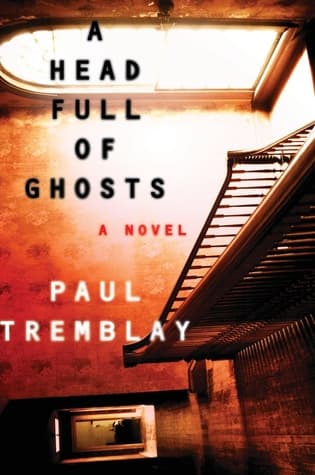
- A Head Full of Ghosts
Paul Tremblay
3.8 (46k) average on GoodreadsThrillerExplores demonic possession and family trauma with a psychological edge.
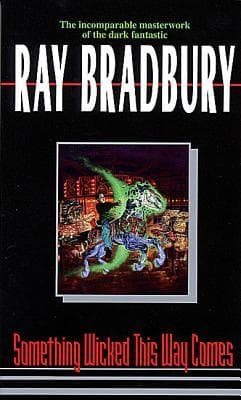
- Something Wicked This Way Comes
Ray Bradbury
3.9 (100k) average on GoodreadsFantasyFeatures a malevolent entity preying on a small town and its inhabitants.
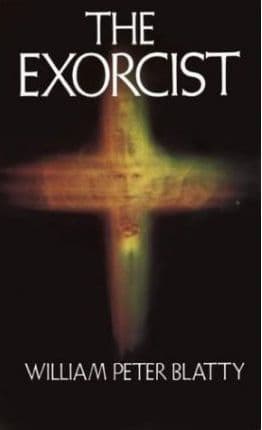
- The Exorcist
William Peter Blatty
4.2 (181k) average on GoodreadsThrillerA classic tale of demonic possession and the fight against pure evil.
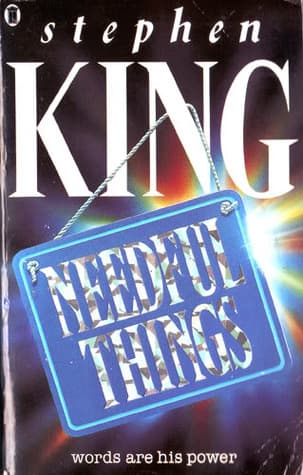
- Needful Things
Stephen King
3.9 (210k) average on GoodreadsThriller"The Wicked" offers a more direct, less satirical approach to small-town horror and moral decay. King's Leland Gaunt exploits existing human flaws with trickery, while Newman's Moloch is a more ancient, existential, and overtly malevolent threat embodying pure evil. "Needful Things" explores a broader spectrum of human vices, whereas "The Wicked" focuses intensely on the corrupting power of a singular demonic entity.
- Rosemary's Baby
Ira Levin
4.0 (112k) average on GoodreadsThrillerBoth novels feature a protagonist gradually realizing a sinister plot within a seemingly normal environment, leading to isolation. However, "The Wicked" trades the psychological terror of a hidden human conspiracy for a more overt, community-wide supernatural siege by a demonic entity. Levin's horror is more insidious and psychological, while Newman's leans into direct supernatural confrontation and grotesque ritual.
- The Haunting of Hill House
Shirley Jackson
3.8 (162k) average on GoodreadsThrillerBoth books excel in slow-burn atmospheric build-up and creating a pervasive sense of unease. Jackson's novel focuses on psychological horror and the house as an entity reflecting internal turmoil, whereas "The Wicked" externalizes the malevolence through Moloch, making the threat more tangible and communal rather than purely psychological and isolated to a single location or individual.

Enjoyed the summary?
A summary gives you the shape of the book. The book itself has the detail, the examples and the voice.
Find The Wicked on AmazonAs an Amazon Associate, BookBrief earns from qualifying purchases. How we're funded