
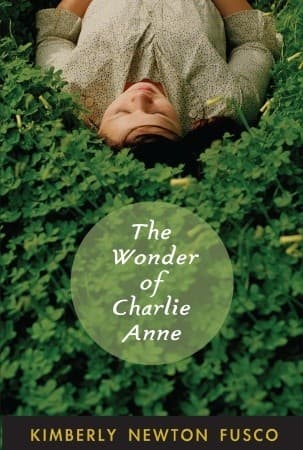
Synopsis
Covers the whole plot, including the ending.
- Difficulty
- Easy
- Pacing
- Moderate
- Mood
- Heartwarming, Hopeful, Historical, Emotional
- Read it if
- You enjoy historical fiction about friendship, overcoming adversity, and the American South during the Depression era, especially stories with strong female characters.
- Skip it if
- You prefer fast-paced plots or shy away from themes of racial prejudice and historical hardship.
The Wonder of Charlie Anne Plot Summary
Covers the whole plot, including the ending.
Departure and Despair
In 1934, during the Great Depression, ten-year-old Charlie Anne Mason's life in rural North Carolina changes when her father, Silas, leaves their farm to find work building roads up north. Charlie Anne, her older brother Joel, and younger sister Lucy are left with their rigid cousin, Mirabel. Mirabel enforces strict chores and offers little joy, making Charlie Anne miss her mother, who died three years prior. Charlie Anne finds comfort only by the river, a place she connects with her mother, and struggles with the changes and her father's absence.
The Arrival of Rosalyn and Phoebe
Charlie Anne's routine changes with the arrival of Old Mr. Jolly's new wife, Rosalyn. Rosalyn is a modern woman, notably wearing red pants, a scandalous sight in their conservative community. She brings Phoebe, a lively African American girl about Charlie Anne's age who has also recently lost her mother. Phoebe's arrival immediately sparks Charlie Anne's interest, contrasting with the dullness of her own home and Cousin Mirabel's strict rules. Phoebe's independent spirit and playful nature offer a needed distraction for Charlie Anne.
A Budding Friendship
At first, Charlie Anne and Phoebe are hesitant due to the racial prejudices in their community. They begin a tentative friendship. Phoebe, smart and curious, introduces Charlie Anne to new ideas and games, including reading and shared stories. Their interactions often happen in secret, away from neighbors and Cousin Mirabel, who disapproves of their cross-racial friendship. They find common ground in their shared experiences of loss and loneliness. Their bond deepens as they navigate their lives, finding comfort and understanding in each other.
Shared Dreams and Discoveries
As their friendship grows, Charlie Anne and Phoebe spend their days exploring the woods and riverbanks, sharing secrets and dreams. Phoebe, having lived in a different place, shares stories and knowledge that broaden Charlie Anne's world. They learn from each other's cultures and experiences. Phoebe shows Charlie Anne the beauty in strength, and Charlie Anne shares her love for nature around their farm. Their bond becomes a source of strength and joy, a secret haven from harsh realities, and a sign of their ability to see past societal differences.
Rising Tensions and Prejudice
The peaceful, though secret, friendship between Charlie Anne and Phoebe faces increasing threats from rising racial tensions in their small town. Whispers and judgmental looks turn into open acts of prejudice, fueled by economic worries of the Depression and deep-seated biases. Cousin Mirabel's disapproval of Phoebe and growing hostility from other townsfolk make it clear that their friendship goes against established norms. The girls become aware of the dangerous undercurrents of hatred that aim to divide them.
The Incident at the Store
The simmering prejudice boils over during a visit to the general store. Charlie Anne, Phoebe, and Rosalyn encounter clear discrimination and hostility from some white townspeople. Phoebe is openly disrespected and made to feel unwelcome. Rosalyn's attempts to defend her are met with scorn. This public incident deeply affects both girls, making the realities of racial hatred undeniable and personal. It forces Charlie Anne to confront prejudice directly and strengthens her resolve to protect her friendship with Phoebe, despite the fear it causes.
The Fire
The escalating hatred leads to a horrific act: Rosalyn and Phoebe's home is set on fire, believed to be arson motivated by racial prejudice. The fire is a devastating blow, destroying their home and threatening their safety. This event shakes the entire community, forcing many to face the extreme results of unchecked hatred. For Charlie Anne, it is a terrifying realization of the danger her friend faces, solidifying her commitment to standing up for what is right, even when it is difficult and scary.
Community Support and Resistance
After the fire, the community is divided. Some, like Charlie Anne's brother Joel and a few compassionate neighbors, offer support and help rebuild. Others remain hostile or fearful. Charlie Anne and Joel actively help Rosalyn and Phoebe, showing their solidarity. This period highlights the moral choices individuals must make when facing injustice, showing that even in a prejudiced society, some are willing to be kind and fight for what is right, even if it means going against social norms.
Charlie Anne's Stand
Inspired by Rosalyn's courage and Phoebe's strength, Charlie Anne finds her voice. She confronts Cousin Mirabel about her prejudices and, more importantly, stands up to other townspeople who spread hatred. This is a significant moment in her character growth. She moves from a quiet child to someone willing to advocate for justice and her friend. Her actions show the power of individual courage to challenge widespread prejudice, proving that even a child can make a difference when facing intolerance.
Reconciliation and Hope
Through the combined efforts of Charlie Anne, Joel, Rosalyn, and other sympathetic individuals, Rosalyn and Phoebe begin to rebuild their lives. The events force many in the town to rethink their prejudices. While not all hearts change, a significant shift occurs. The fire, though tragic, helps some to confront their biases and embrace empathy. Charlie Anne's father eventually returns, bringing stability, and he, too, comes to understand the importance of Charlie Anne's friendship with Phoebe. The ending offers a hopeful message about the capacity for people to grow and for communities to heal.
The Wonder of Charlie Anne Characters
Charlie Anne Mason
Protagonist
A sensitive and observant girl who learns to speak out against injustice.
Ten-year-old Charlie Anne is initially a quiet, somewhat withdrawn girl, deeply affected by the loss of her mother and her father's absence. She finds solace in nature, particularly by the river, and struggles under the strict guardianship of her cousin Mirabel. Her internal world is rich with memories and longing. She is naturally empathetic and possesses a strong moral compass, though she initially lacks the confidence to express it. Her experiences with Phoebe challenge her worldview and push her to confront societal injustices.
Relationships: Phoebe (Best friend, confidante, and catalyst for growth); Silas Mason (Father) (Beloved father whose absence deeply affects her); Mirabel (Strict, unsympathetic cousin and guardian); Joel (Supportive older brother); Rosalyn (Mentor figure, Phoebe's aunt/guardian)
Phoebe
Supporting
A spirited and intelligent African American girl who befriends Charlie Anne.
Phoebe is a vibrant, intelligent, and resilient African American girl who arrives in the prejudiced small town with her aunt, Rosalyn. She has also recently lost her mother, which creates an immediate bond of shared grief with Charlie Anne. Phoebe is well-read and articulate, bringing a broader perspective to Charlie Anne's sheltered life. Despite facing overt racism and discrimination, she maintains a strong spirit and a capacity for joy. Her presence challenges the town's racial norms and helps Charlie Anne to see the world beyond her immediate experiences.
Relationships: Charlie Anne Mason (Best friend and ally); Rosalyn (Caring aunt/guardian); Old Mr. Jolly (New step-uncle)
Rosalyn
Supporting
Old Mr. Jolly's unconventional new wife and Phoebe's guardian.
Rosalyn is a modern, independent woman who challenges the conservative norms of the 1930s rural community. Her distinctive red-pepper-colored pants are an immediate symbol of her unconventional nature. She is kind, courageous, and fiercely protective of Phoebe. Rosalyn possesses a strong sense of justice and is unafraid to speak her mind, even in the face of prejudice and hostility. She serves as a vital mentor figure for both Charlie Anne and Phoebe, modeling resilience and the importance of standing up for what is right.
Relationships: Phoebe (Niece and ward, whom she deeply loves and protects); Old Mr. Jolly (New husband); Charlie Anne Mason (Friend and mentee)
Mirabel
Antagonist/Supporting
Charlie Anne's rigid and prejudiced cousin.
Mirabel is Charlie Anne's strict and unsympathetic cousin who takes on the role of guardian after Silas leaves. She embodies the narrow-mindedness and racial prejudices prevalent in the community. Mirabel is obsessed with propriety, chores, and maintaining social order as she understands it. Her rigidity and lack of empathy make life difficult for Charlie Anne and her siblings. She actively disapproves of Charlie Anne's friendship with Phoebe and represents the societal pressures and biases that the girls must overcome.
Relationships: Charlie Anne Mason (Strict and disapproving guardian); Joel (Guardian); Lucy (Guardian)
Joel
Supporting
Charlie Anne's older brother, who is supportive and practical.
Joel is Charlie Anne's older brother, responsible and practical. He takes on many of the farm duties in their father's absence and often tries to mediate between Charlie Anne and Mirabel. While initially less vocal than Charlie Anne, Joel demonstrates a quiet strength and a strong moral compass. He supports Charlie Anne's friendship with Phoebe and is among the first to offer practical help and solidarity after the fire, showing his inherent goodness and willingness to defy societal prejudice when it matters.
Relationships: Charlie Anne Mason (Supportive brother); Mirabel (Guardian); Silas Mason (Father) (Son)
Silas Mason
Supporting
Charlie Anne's loving father, forced to seek work elsewhere.
Silas is Charlie Anne's kind and loving father, who is forced to leave his family and farm to find work building roads during the Great Depression. His absence is a central catalyst for Charlie Anne's initial despair and the challenges she faces. He represents the economic hardship and uncertainty of the era. While away, he remains a strong, positive memory for Charlie Anne. His eventual return brings a sense of stability and reassurance, and he demonstrates an open-mindedness that allows him to accept Charlie Anne's friendship with Phoebe.
Relationships: Charlie Anne Mason (Loving father); Joel (Son); Lucy (Daughter)
Old Mr. Jolly
Supporting
Rosalyn's husband and Phoebe's step-uncle.
Old Mr. Jolly is a kind, if somewhat passive, neighbor who marries Rosalyn. He brings Rosalyn and Phoebe into the community, inadvertently setting the stage for the story's central conflicts and friendships. He cares for Rosalyn and Phoebe but seems less equipped to challenge the deeply ingrained prejudices of the town than Rosalyn. His actions are driven by a desire for peace and a quiet life, but he ultimately supports his wife and Phoebe in their time of need.
Lucy
Supporting
Charlie Anne's younger sister.
Lucy is Charlie Anne's younger sister. She is portrayed as a typical younger sibling, often less aware of the deeper struggles around her than Charlie Anne or Joel. She provides moments of childlike innocence and often requires Charlie Anne's care and attention. Her presence underscores the family dynamic and the responsibilities Charlie Anne takes on in her father's absence.
Relationships: Charlie Anne Mason (Older sister); Joel (Older brother); Mirabel (Guardian)
The Wonder of Charlie Anne Themes
The Power of Friendship Across Divides
The main theme is the friendship between Charlie Anne and Phoebe. Despite racial prejudices and societal rules for separation, their bond goes beyond these barriers. Their shared experiences of loss and loneliness, along with their individual strengths, allow them to connect deeply. This friendship offers comfort, broadens their perspectives, and empowers them to resist hatred. For example, their secret meetings by the river symbolize a safe space where societal rules do not apply, letting their true connection grow.
“Our hearts are always able to expand.”
Confronting Prejudice and Injustice
The story directly addresses the widespread racial prejudice of the 1930s American South. It shows how hatred can grow in a community, leading to discrimination, fear, and violence, as seen in the general store incident and the arson of Rosalyn and Phoebe's home. The story emphasizes the importance of individual courage in facing such injustice. Charlie Anne's journey from quiet observer to outspoken advocate, and Rosalyn's firm defiance, show the moral need to stand up for what is right, even when it is dangerous or unpopular.
“It was like the town was holding its breath, waiting to see what would happen if someone dared to step out of line.”
Resilience in the Face of Adversity
The characters, especially Charlie Anne and Phoebe, show remarkable strength. Charlie Anne deals with her father's absence, her mother's death, and Cousin Mirabel's harshness. Phoebe endures her mother's loss, displacement, and the constant threat of racial hatred. Rosalyn also shows great strength after losing her home. Their ability to find joy, hope, and strength in each other and within themselves, despite hardship and tragedy, shows the human spirit's ability to keep going. The rebuilding efforts after the fire powerfully symbolize this theme.
“Even when everything felt broken, there was still a piece of beauty to find.”
The Meaning of Family and Community
The book explores different kinds of family—traditional, chosen, and broken. Charlie Anne's initial family is broken by economic hardship and death, leading to a strained relationship with Cousin Mirabel. However, the story highlights how a community can either hinder or support people. The kindness shown by Joel and other neighbors in helping Rosalyn and Phoebe rebuild demonstrates the positive potential of community. The prejudice of others shows its destructive side. Ultimately, the story suggests that true family and community go beyond blood ties to include those who offer love, support, and acceptance, challenging narrow societal definitions.
“Family wasn't just blood. It was who you chose to stand with.”
Plot Devices & Literary Techniques
Symbolism of the River
A place of solace, memory, and freedom.
The river holds deep symbolic meaning for Charlie Anne. It is where she feels closest to the memory of her deceased mother, a place of quiet contemplation and emotional release. Crucially, it also becomes a secret meeting place for Charlie Anne and Phoebe, away from the prying eyes and judgmental norms of the town. At the river, they can be themselves, freely express their friendship, and share their dreams, making it a powerful symbol of sanctuary, freedom, and the natural flow of connection that defies societal constraints.
The Red-Pepper Pants
A visual symbol of defiance and individuality.
Rosalyn's red-pepper-colored pants serve as an immediate and striking visual symbol of her unconventional nature, individuality, and defiance of societal expectations. In the conservative 1930s rural setting, a woman wearing brightly colored pants is scandalous and unheard of. This detail instantly marks Rosalyn as an outsider and a nonconformist, foreshadowing her willingness to challenge other social norms, particularly those related to racial prejudice. The pants are a bold declaration of self that sets her apart and makes her a target, but also an inspiration.
The Fire
A catalyst for change and a stark representation of hatred.
The arson of Rosalyn and Phoebe's home is a pivotal plot device. It serves as a stark, dramatic manifestation of the racial hatred simmering in the community, escalating the conflict to a terrifying level. While devastating, the fire also acts as a catalyst. It forces the characters, especially Charlie Anne, to confront the extreme consequences of prejudice and strengthens her resolve to act. It also galvanizes the more compassionate members of the community to come together and offer support, initiating a process of healing and challenging the status quo, even if slowly.
First-Person Narration (Charlie Anne's Perspective)
Provides intimate insight into a child's experience of complex issues.
The story is told from Charlie Anne's first-person perspective, allowing readers to experience the events through the eyes of a ten-year-old girl. This narrative choice effectively conveys her emotional landscape—her grief, loneliness, curiosity, fear, and eventual courage. It also makes the complex issues of racial prejudice and economic hardship accessible to a younger audience, grounding them in a child's personal observations and feelings. This perspective highlights the innocence that is confronted by harsh realities and makes her journey of understanding and advocacy particularly impactful.
The Wonder of Charlie Anne Quotes
“It was a rule that if you wanted to keep a secret, you had to write it down. Then it was like the words went into the paper and stayed there.”
“Sometimes when you were scared, you had to pretend you weren't, and sometimes pretending was enough to make it true.”
“The war had a way of shrinking everything, even the sky.”
“A good story was like a warm blanket on a cold night.”
“You couldn't always choose what happened to you, but you could choose what you did about it.”
“Hope was a tricky thing. It could make you feel good, but it could also hurt you if it didn't come true.”
“The world was full of wonders, even when it was full of war.”
“Grief was a heavy thing, like a stone in your pocket that you couldn't ever quite get rid of.”
“Some secrets were meant to be kept, and some were meant to be shared, even if it hurt a little.”
“Being brave didn't mean you weren't scared. It meant you did what you had to do anyway.”
“Families were like quilts, all different pieces sewn together, and sometimes the stitches got loose, but they were still a family.”
“The quiet held a lot of things. Sometimes good things, sometimes sad things, and sometimes things that just were.”
“A promise was a thing you held onto tight, like a thread that connected you to someone else.”
“Even in the darkest places, there was always a little bit of light, if you knew where to look.”
Quiz
10 questions on the plot and the characters. Each answer comes with a short explanation.
Question 1
Why does Charlie Anne's father have to leave home?
- He is going on a long vacation.
- He needs to build roads up north after the Depression hits.
- He is joining the military.
- He is moving to a new city for a better job.
Show answer
B. He needs to build roads up north after the Depression hits. The book states that Charlie Anne's father must go north to build roads after the Depression hits, leaving her and her siblings with their cousin.
Question 2
Who does Charlie Anne and her siblings live with after their father leaves?
- Their grandmother.
- Their Aunt Sally.
- Their rigid cousin, Mirabel.
- Their kind neighbor, Mr. Jolly.
Show answer
C. Their rigid cousin, Mirabel. After her father leaves, Charlie Anne and her siblings are left with their rigid cousin, Mirabel, and a farm full of chores.
Question 3
What is the only solace Charlie Anne finds after her father leaves?
- Reading books in the attic.
- Playing with her siblings in the barn.
- By the river, where the memory of her mother is strongest.
- Visiting the general store in town.
Show answer
C. By the river, where the memory of her mother is strongest. The book explicitly states, 'The only solace Charlie Anne finds is by the river, where the memory of her mother is strongest.'
Question 4
What unusual item of clothing does Rosalyn, Old Mr. Jolly's new wife, wear that surprises Charlie Anne?
- A feathered hat.
- Pants, the color of red peppers.
- A bright yellow dress.
- High-heeled boots.
Show answer
B. Pants, the color of red peppers. Rosalyn, Old Mr. Jolly's new wife, arrives 'in pants—pants!—the color of red peppers,' which is noted as unusual.
Question 5
What is Phoebe's background, similar to Charlie Anne?
- She is also an orphan.
- She has also lost her mother.
- Her father also went north to build roads.
- She also lives with a strict cousin.
Show answer
B. She has also lost her mother. Phoebe is described as 'a young African American girl who has also lost her mother,' creating an initial bond with Charlie Anne.
Question 6
What main challenge do Charlie Anne and Phoebe face together?
- A difficult school project.
- A natural disaster threatening their town.
- Hatred turning their town ugly due to racial prejudice.
- A disagreement with their families.
Show answer
C. Hatred turning their town ugly due to racial prejudice. The summary states, 'But when hatred turns their town ugly, it's almost more than they can bear,' referring to the racial tensions due to Phoebe being African American.
Question 7
What is the central theme of the story that Charlie Anne and Phoebe must prove?
- That money can solve all problems.
- That our hearts are always able to expand.
- That strict rules are always necessary.
- That loneliness is a permanent state.
Show answer
B. That our hearts are always able to expand. The concluding sentence of the summary states the central theme: 'Now it's up to Charlie Anne and Phoebe to prove that our hearts are always able to expand.'
Question 8
What specific historical period is the setting of 'The Wonder of Charlie Anne'?
- Post-World War II era.
- The Roaring Twenties.
- The Great Depression era.
- The Civil Rights Movement.
Show answer
C. The Great Depression era. The book's description mentions Charlie Anne's father leaving 'after the Depression hits,' placing the story during the Great Depression.
Question 9
Beyond companionship, what specific benefit does Phoebe bring to Charlie Anne's lonely days?
- She teaches Charlie Anne how to cook.
- She helps Charlie Anne with her farm chores.
- She is 'smart and fun and the perfect antidote' to Charlie Anne's loneliness.
- She introduces Charlie Anne to new relatives.
Show answer
C. She is 'smart and fun and the perfect antidote' to Charlie Anne's loneliness. The text describes Phoebe as 'smart and fun and the perfect antidote to Charlie Anne's lonely days,' highlighting her positive influence beyond just being a friend.
Question 10
The book is categorized as 'Children's, Historical Fiction, Young Adult.' Which aspect of the plot most strongly supports its 'Historical Fiction' categorization?
- The development of a strong friendship between two girls.
- The father's departure to build roads due to the economic impact of the Depression.
- The solace Charlie Anne finds by the river.
- The presence of a rigid cousin overseeing the children.
Show answer
B. The father's departure to build roads due to the economic impact of the Depression. The father's departure 'after the Depression hits' directly ties the story to a specific historical event and its economic consequences, which is a hallmark of historical fiction.
The Wonder of Charlie Anne FAQ
What is the central conflict Charlie Anne faces at the beginning of the story?
Charlie Anne is devastated when her father, a central figure in her life, is forced to leave their farm to find work building roads up north due to the Great Depression. This sudden departure leaves her and her siblings under the strict care of their rigid cousin, Mirabel, and burdened with unfamiliar farm chores, plunging Charlie Anne into loneliness and grief.
Who is Mirabel and what role does she play in Charlie Anne's life?
Mirabel is Charlie Anne's strict and unyielding cousin who takes charge of Charlie Anne and her siblings after their father leaves. She represents the harsh realities and increased responsibilities brought on by the Depression, enforcing a rigid routine and a farm full of chores, which initially stifles Charlie Anne's spirit and creativity.
How does Phoebe come into Charlie Anne's life, and what is unique about her arrival?
Phoebe arrives in town with Rosalyn, the new wife of Old Mr. Jolly, Charlie Anne's neighbor. What is unique is Rosalyn's unconventional appearance, wearing 'pants the color of red peppers,' and Phoebe being an African American girl, which immediately sets them apart in their Depression-era community and sparks Charlie Anne's curiosity.
What is the initial connection between Charlie Anne and Phoebe?
Both Charlie Anne and Phoebe have recently experienced the profound loss of their mothers, creating an immediate, unspoken bond of shared grief and loneliness. Phoebe's intelligence, fun-loving nature, and unique perspective quickly become a much-needed antidote to Charlie Anne's isolated and sorrowful days.
What external forces threaten Charlie Anne and Phoebe's friendship?
Their friendship is threatened by the escalating racial prejudice and hatred within their small town, fueled by the economic anxieties of the Depression. This societal ugliness manifests as discrimination and hostility towards Phoebe and Rosalyn, making their bond a target of community disapproval and outright bigotry.
What is the significance of the river for Charlie Anne?
The river is Charlie Anne's sanctuary and a powerful symbol of her mother's memory. It's where she feels closest to her deceased mother, finding solace and a space for reflection amidst her grief and the demanding new reality of her life under Mirabel's care.
How does Rosalyn, Old Mr. Jolly's new wife, challenge the town's norms?
Rosalyn challenges the town's norms not only by arriving in 'pants the color of red peppers,' a daring fashion choice for a woman in that era, but also by her independent spirit and her decision to bring Phoebe, an African American girl, into their predominantly white community, thus directly confronting racial prejudices.
Are there any subtle indications of the changing economic landscape beyond Charlie Anne's father leaving?
Yes, the scarcity of resources and the increased workload on children like Charlie Anne and her siblings, forced to manage a farm without their father, subtly underscore the widespread economic hardship. Mirabel's rigidness can also be seen as a coping mechanism for the pressures of the Depression.
How does Charlie Anne's initial grief manifest, and how does it evolve?
Initially, Charlie Anne's grief manifests as deep loneliness and a retreat to the river, a place associated with her mother. As she befriends Phoebe, her grief begins to transform; while still present, it becomes intertwined with new joys and a growing sense of purpose, expanding her emotional capacity beyond just sorrow.
What psychological impact does Mirabel's strictness have on Charlie Anne?
Mirabel's strictness initially stifles Charlie Anne's natural exuberance and sense of wonder, making her feel more isolated and burdened. It forces Charlie Anne to internalize her emotions and seek solace in private spaces, but it also inadvertently strengthens her resilience and yearning for connection.
How does the friendship with Phoebe contribute to Charlie Anne's emotional development?
Phoebe's friendship is crucial for Charlie Anne's emotional development; it introduces her to new perspectives, challenges her existing worldview, and provides a much-needed outlet for joy and understanding. Through Phoebe, Charlie Anne learns empathy, courage, and the importance of standing up against injustice, expanding her capacity for love and acceptance.
What internal conflict does Charlie Anne likely face when the town's hatred emerges?
Charlie Anne likely faces an internal conflict between her strong loyalty to Phoebe and the societal pressures to conform to the town's prejudices. She must reconcile her personal feelings of friendship and justice with the fear of ostracization or harm that could come from defending Phoebe and Rosalyn.
What is the overarching message about 'hearts expanding' that the book aims to convey?
The book aims to convey that even in the face of profound loss, hardship, and societal hatred, human hearts are capable of growth, empathy, and overcoming prejudice. It suggests that genuine connection and love can challenge and ultimately triumph over narrow-mindedness and fear, fostering a deeper understanding of humanity.
How does the setting of the Great Depression amplify the themes of the story?
The Great Depression setting amplifies the themes by creating an environment of scarcity and heightened anxiety, which often exacerbates existing prejudices and makes people more resistant to change or difference. It underscores the challenges of resilience, community, and finding hope amidst widespread despair, making the girls' friendship a powerful beacon.
Is the novel primarily about racial prejudice, or are there other equally strong themes?
While racial prejudice is a very strong and central theme, the novel is equally about friendship, resilience in the face of loss and hardship (the Depression, losing parents), the power of empathy, and the courage to challenge societal norms. The 'hearts expanding' message encompasses all these interwoven themes.
How does the title, 'The Wonder of Charlie Anne,' relate to the story's conclusion?
The title suggests Charlie Anne's inherent capacity for wonder and her journey of self-discovery. By the conclusion, her 'wonder' isn't just about childhood innocence, but her evolving moral compass and her ability to embrace kindness, empathy, and courage in the face of adversity, ultimately inspiring others and proving that hearts can expand.
Does the book suggest that individual actions can truly change entrenched societal hatred?
Yes, the book strongly suggests that individual actions, particularly those driven by courage and empathy, can make a significant difference in challenging and potentially changing entrenched societal hatred. Charlie Anne and Phoebe's combined efforts are portrayed as pivotal in demonstrating that love and understanding can overcome prejudice, even if change is gradual.
Similar books
- A Tree Grows in Brooklyn
Betty Smith
4.3 (388k) average on GoodreadsHistorical FictionA coming-of-age story about poverty and resilience in the early 20th century.
- Harry Potter and the Sorcerer's Stone
J.K. Rowling
4.5 (7M) average on GoodreadsFantasyRescued from a miserable life under the stairs, an orphaned boy discovers he's a wizard destined for a magical school, where he uncovers a dangerous secret tied to the dark wizard who murdered his parents.
- The Hobbit, or There and Back Again
J.R.R. Tolkien
4.3 (2.9M) average on GoodreadsFantasyA comfort-loving hobbit named Bilbo Baggins is whisked away by a mischievous wizard and a band of dwarves on an unexpected journey to reclaim stolen treasure from a fearsome dragon, discovering courage and a magical ring along the way.
- Harry Potter and the Goblet of Fire
J.K. Rowling
4.6 (2.6M) average on GoodreadsFantasyA bewildered Harry Potter, underage and thrust into a deadly Triwizard Tournament, must brave dragons, mermaids, and a resurgent dark magic to survive a year that will forever alter the wizarding world.
- Harry Potter and the Order of the Phoenix
J.K. Rowling
4.5 (2.5M) average on GoodreadsFantasyIn a year of oppressive secrets and the threat of Voldemort, Harry Potter and Dumbledore's Army secretly train for war, shown through Jim Kay and Neil Packer's dark illustrations.
- The Lightning Thief
Rick Riordan
4.3 (2M) average on GoodreadsFantasyThrust into a world of mythological monsters and divine treachery, an ordinary boy discovers he's the son of Poseidon and must embark on a perilous quest across modern America to prevent an Olympian war.






Enjoyed the summary?
A summary gives you the shape of the book. The book itself has the detail, the examples and the voice.
Find The Wonder of Charlie Anne on AmazonAs an Amazon Associate, BookBrief earns from qualifying purchases. How we're funded