
Synopsis
Covers the whole plot, including the ending.
- Difficulty
- Medium
- Pacing
- Moderate
- Mood
- Somber, Heartbreaking, Hopeful, Resilient
- Read it if
- You are looking for a poignant, character-driven story about the resilience of the human spirit amidst the horrors of the Holocaust, told from a child's perspective. Ideal for readers who appreciate historical fiction with strong emotional depth.
- Skip it if
- You prefer light-hearted reads, are sensitive to descriptions of war and suffering, or are not comfortable with the themes of loss and tragedy inherent in Holocaust narratives.
Then Plot Summary
Covers the whole plot, including the ending.
The Train Journey to Uncertainty
Felix and Zelda, captured by Nazis, are in a cattle car on a train to a concentration camp. Felix holds onto hope, fueled by his promise to Zelda that they will find new parents and be safe. He tries to comfort Zelda, who is scared. Zelda, a young Jewish girl who has suffered much, relies on Felix's stories and optimism, even when it seems untrue. Felix, always the storyteller, makes up tales of their future freedom, trying to distract Zelda from the train's terrifying reality. The journey is hard, with little food or water, and constant fear.
A Desperate Escape
As the train slows, Felix sees a chance. He notices a loose plank in the cattle car's floor. With effort and help from other prisoners, they open it. During a moment of confusion and gunfire outside, Felix pushes Zelda through the opening. He follows, landing hard. They scramble away from the tracks, avoiding shots from Nazi guards who know of the escapes. The escape is chaotic, with gunfire and shouts behind them. They run into the dense forest, hearts pounding, driven by the need to survive.
Lost in the Forest
Felix and Zelda are lost in a large forest, cold, hungry, and scared. Felix tries to keep Zelda's spirits up with stories and by pretending they are on an adventure. They look for food, finding small berries and roots. The forest is dangerous, with unknown sounds and shadows. They fear being found by Nazi patrols. Zelda, though strong, is often scared and tired, relying on Felix to lead. Felix acts as protector, his optimism a shield against their harsh reality. They find temporary shelter in hollow trees and under thick bushes, always moving, always looking for safety.
Encountering the Resistance
After days of walking, Felix and Zelda find a hidden camp in the forest. It is a group of Polish resistance fighters, led by a stern but kind man named Genia. At first, the fighters are careful of the children, fearing they might be spies or attract attention. But Felix's honesty and Zelda's vulnerability convince them to offer shelter. The fighters are a diverse group, united by their fight against the Nazis. They live a hard, disciplined life, always on guard. Felix and Zelda see the realities of war through these fighters, seeing their courage and their sadness.
Life with the Partisans
Life with the resistance fighters is hard. Felix and Zelda are given small jobs, like cooking or gathering wood. They learn about the fighters' missions, struggles, and losses. Felix tries to help, even telling stories to the tired fighters. He becomes close to Genia, seeing him as a possible new father. Zelda, still scared, finds some comfort in the routine and having other people around. But the constant threat of discovery by the Nazis remains. They see the fighters' determination but also their despair and the war's brutal results, showing them the grim reality of their world.
The Attack on the Camp
One day, Nazi soldiers find and attack the resistance camp. Gunfire and explosions fill the forest. Felix, Zelda, and the fighters fight, but they are outnumbered. During the battle, many fighters are killed or caught. Genia, trying to save the children, tells Felix to take Zelda and run, to find a safe place. Felix, sad but determined to protect Zelda, pulls her away from the fighting. He sees the violence and loss as they escape into the woods again, leaving behind their temporary home and the people who gave them hope.
On Their Own Again
After the attack, Felix and Zelda are alone again, shaken by the violence. They walk through the war-torn area, trying to avoid Nazis and destruction. Felix's optimism is tested, but he holds onto it for Zelda. They meet hungry peasants, see bombed villages, and face constant danger. Zelda becomes weaker and more frail. Felix tries to find food and shelter, his stories becoming more frantic as he tries to shield Zelda from the harsh truth of their struggle in a world that seems to want to destroy them.
A Brief Respite and a New Friend
Felix and Zelda eventually find a small, isolated farm. The farmer, a kind Polish man, and his wife, despite their own problems, feel sorry for the children and offer them food and shelter. They have a daughter, Bronia, who is Felix's age. For a short time, Felix and Zelda have a normal life, helping with farm work and sharing meals. Felix finds a friend in Bronia, and Zelda enjoys the simple comforts. But this peace is fragile; the threat of Nazis is always there, and the farmer worries about the risk of hiding Jewish children.
The Raid and a Sacrifice
Sadly, Nazi soldiers eventually raid the farm. The farmer and his family try to hide Felix and Zelda. In the chaos, the farmer makes a sacrifice, creating a distraction for the children to escape. Felix and Zelda see the Nazis' cruelty again, and the deep kindness and sacrifice of their temporary protectors. They flee into the night, heartbroken and carrying the weight of the farmer's sacrifice. This event further breaks Felix's hope; he deals with the repeated loss of those who help them and the war's endless cruelty.
Zelda's Deterioration and Felix's Despair
After the farm raid, Zelda's health quickly worsens. She becomes very sick, weak, and cannot walk. Felix, desperate, carries her through the snowy landscape, his own strength fading. He tries to keep her alive with his stories, but even his imagination starts to fail under the pressure. He finds a small, abandoned shed for shelter, trying to keep Zelda warm. He is filled with fear and sadness, realizing his promise to find new parents and safety might not be possible. His usual optimism is replaced by helplessness as Zelda slips away.
The Final Act of Love
As Zelda's condition becomes critical, Felix faces an unbearable choice. He knows she is suffering greatly and that her end is near. In an act of love, Felix decides to end Zelda's suffering, giving her a quiet, peaceful departure. He holds her close, whispering his most comforting stories, making sure her last moments are filled with love and warmth instead of fear. This sad moment marks the end of his journey with Zelda, leaving Felix alone and devastated, his childhood innocence shattered by the horrors he has seen and the choices he had to make.
Alone, But Not Broken
After Zelda's death, Felix is alone, full of grief but also hardened by his experiences. He buries Zelda carefully and continues his journey, no longer driven by the need to protect her, but by a deeper will to survive. His stories now hold loss and memory. He is no longer the innocent boy who believed in happy endings, but a survivor who has seen humanity's worst. The details of his continued journey are somewhat open, but it is clear that Felix, though scarred, will carry the memory of Zelda and his experiences, changed forever by the war.
Then Characters
Felix Salinger
Protagonist
A Jewish orphan and storyteller, trying to survive the Holocaust and protect his friend.
Felix is a young Jewish boy, around 10 years old, who clings to optimism and storytelling as a coping mechanism during the Holocaust. He is incredibly resilient, resourceful, and deeply compassionate, especially towards Zelda. Despite the horrific realities he faces, he maintains a childlike belief in good and tries to find the best in people. His imagination is his greatest asset and his biggest burden, as he constantly creates stories to explain the unexplainable and shield Zelda (and himself) from the truth. He feels a profound responsibility for Zelda's safety and well-being, often putting her needs before his own.
Relationships: Zelda (Best friend, surrogate sister, and his primary charge/responsibility); Genia (Temporary protector, leader of the partisans, and a father figure); Bronia (Temporary friend at the farm); Farmer and his wife (Temporary protectors and benefactors)
Zelda
Supporting
Felix's younger, vulnerable best friend, relying on his stories for comfort.
Zelda is a young Jewish girl, slightly younger than Felix, who is deeply traumatized by her experiences in the Holocaust. She is often quiet, fearful, and relies heavily on Felix's presence and his imaginative stories to make sense of their terrifying world. She represents innocence lost and the extreme vulnerability of children during wartime. Her physical and mental health deteriorates throughout the book due to the constant stress, hunger, and exposure. Despite her fragility, she possesses a quiet strength and deep affection for Felix, often mirroring his hopes and fears. Her decline serves as a stark reminder of the war's brutality.
Relationships: Felix Salinger (Best friend, protector, and storyteller)
Genia
Supporting
The stern but caring leader of the Polish partisan group.
Genia is the leader of a group of Polish partisans fighting against the Nazis. He is a pragmatic, hardened man, forced to make difficult decisions for the survival of his group. Initially wary of Felix and Zelda, he eventually shows compassion and allows them to stay in the camp. He embodies the struggles and sacrifices of the resistance fighters, constantly facing danger and loss. Despite his gruff exterior, he cares for the children and tries to protect them, ultimately ordering their escape during the Nazi attack on the camp, demonstrating a deep sense of responsibility and humanity amidst the brutality of war.
Relationships: Felix Salinger (Temporary protector and mentor); Zelda (Temporary protector)
Bronia
Supporting
The kind daughter of the farmer who offers Felix and Zelda temporary refuge.
Bronia is a Polish girl, approximately Felix's age, who lives on an isolated farm with her parents. She is kind, curious, and initially unaware of the full extent of the danger Felix and Zelda face. She offers Felix a brief glimpse of normal friendship and simple childhood joys. Her presence highlights the contrast between the lives of those directly targeted by the Nazis and those living under occupation. She helps her parents provide comfort and shelter to the Jewish children, demonstrating a quiet courage and compassion. Her innocent friendship with Felix is a fleeting moment of light in their dark journey.
Relationships: Felix Salinger (Temporary friend); Farmer and his wife (Parents)
Farmer and his wife
Supporting
A compassionate Polish couple who risk their lives to shelter Felix and Zelda.
This unnamed Polish farmer and his wife embody immense courage and humanity. Despite the severe risks and dangers from the Nazis, they choose to take in Felix and Zelda, providing them with food, shelter, and a brief period of peace. They are simple, hardworking people who believe in doing what is right, even when it means putting their own lives and their daughter's life in jeopardy. Their act of kindness is a powerful testament to the human spirit in the face of overwhelming evil. The farmer's ultimate sacrifice to save the children is a pivotal moment, showcasing the profound love and selflessness that existed even in the darkest times.
Relationships: Felix Salinger (Temporary protectors); Zelda (Temporary protectors); Bronia (Daughter)
Nazi Soldiers
Antagonist
The omnipresent and brutal force of oppression and destruction.
The Nazi soldiers represent the overarching antagonistic force in the novel. They are depicted as cruel, unfeeling, and utterly ruthless, carrying out the policies of the Holocaust with chilling efficiency. They are responsible for the capture of Felix and Zelda, the attack on the partisan camp, and the raid on the farmer's home. They are not portrayed as individuals with complex motivations, but as a collective, dehumanizing force of evil, symbolizing the systematic persecution and genocide of Jewish people and others during World War II. Their presence instills constant fear and drives the plot forward through acts of violence and oppression.
Then Themes
The Power of Storytelling and Imagination
Felix uses storytelling as a way to cope, for himself and to comfort Zelda. His stories often involve finding new parents and a happy future, offering hope in dark times. For instance, on the train or lost in the forest, Felix invents stories to distract Zelda from fear, hunger, and cold. This theme shows how imagination can help people survive psychologically, creating a temporary shield against unbearable truth, even when it becomes hard to maintain.
“I had a plan for me and Zelda. Pretend to be someone else. Find new parents, be safe forever.”
Loss of Innocence and Childhood
The novel shows how war affects children. Felix and Zelda face terrible things, seeing violence, death, and betrayal. Felix loses his childhood innocence as he takes on the job of protecting Zelda and making adult decisions, leading to the difficult choice he makes about Zelda's suffering. Their journey is a constant struggle that removes any normal childhood, replacing it with trauma, fear, and an early understanding of human cruelty and sacrifice.
“I wasn't a child any more. I was a protector. A survivor. A person who had seen too much.”
Hope and Despair
Throughout the story, Felix balances hope and despair. His optimism pushes him and Zelda forward, even when things are bad, like their escape from the train or time with the resistance fighters. However, this hope is constantly challenged by the Holocaust's realities—losing loved ones, constant threats, and repeated failures to find lasting safety. The novel explores how hope can motivate, but also how it can be fragile and broken by suffering, leading to deep despair.
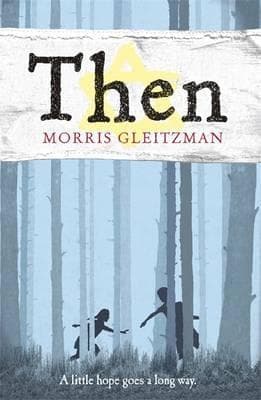
“A little hope goes a long way. But sometimes, even a lot of hope wasn't enough.”
Humanity and Dehumanization
The book contrasts the Nazis' extreme cruelty with others' kindness. The Nazis treat Jewish people as less than human, leading to persecution and genocide. In contrast, the Polish resistance fighters, the farmer and his family, and some other prisoners on the train show great compassion, courage, and selflessness, risking their lives to help Felix and Zelda. This theme explores the moral choices people make during wartime, showing human endurance and the ability to feel empathy even when there is widespread evil.
“Some people, I thought, even in the middle of all this horror, still found a way to be kind.”
Plot Devices & Literary Techniques
First-Person Narration (Child's Perspective)
Narrative told through the eyes of young Felix, shaping the reader's understanding.
The story is told entirely from Felix's first-person perspective. This device allows the reader to experience the horrors of the Holocaust through the eyes of a child, making the events more immediate, personal, and profoundly impactful. Felix's naive interpretations, his attempts to make sense of the incomprehensible, and his reliance on storytelling create a unique lens through which the brutal realities are filtered. This perspective emphasizes the loss of innocence and the psychological toll of war on children, often juxtaposing Felix's hopeful internal monologue with the grim external reality, heightening the emotional impact.
Storytelling as a Coping Mechanism
Felix's imaginative tales serve as a shield against trauma for himself and Zelda.
Felix constantly invents stories and scenarios, particularly for Zelda, to explain their harsh reality in more palatable terms or to offer a vision of a hopeful future. This isn't just a character trait but a core narrative device. It highlights the psychological need for narrative during extreme trauma, acting as a form of self-preservation. As the story progresses and the reality becomes too grim to ignore, Felix's stories become more desperate and eventually falter, mirroring his own declining hope and the overwhelming nature of their suffering. This device underscores the theme of the power and limits of imagination.
Symbolism of the Journey/Wandering
The constant movement of Felix and Zelda symbolizes their displacement and search for safety.
Felix and Zelda are almost constantly on the move: escaping the train, wandering through the forest, seeking refuge with partisans, moving to a farm, and then fleeing again. This perpetual journey is not merely a plot driver but a powerful symbol of the displacement, homelessness, and relentless pursuit faced by Jewish people during the Holocaust. It represents their lack of a safe place, their forced rootlessness, and the unending search for an elusive sanctuary. Each temporary haven is eventually destroyed, reinforcing the theme of constant threat and the fragility of safety during wartime.
Foreshadowing through Felix's Optimism
Felix's persistent hope often subtly hints at the inevitable challenges and disappointments.
Felix's unwavering optimism, while a coping mechanism, often serves as a form of tragic foreshadowing. When he confidently declares they will find new parents or that a situation will turn out well, the reader, with the benefit of historical context, understands the immense unlikelihood of such an outcome. This creates dramatic irony and builds tension, as the reader anticipates the inevitable shattering of Felix's hopes. For example, his conviction that the partisans will be their new family is soon dashed by the camp attack, making the subsequent events even more heartbreaking. It underscores the profound innocence Felix is losing.
Then Quotes
“Then I saw something that made my heart jump. A small boy, about my age, was hiding in the shadows.”
“I promised myself I would never forget what happened here. Not ever.”
“Sometimes the best way to stay alive is to pretend you're already dead.”
“Books are like friends. They keep you company when you're lonely.”
“We have to be careful who we trust. Not everyone is who they say they are.”
“Even in the darkest times, there are still good people.”
“I wish I could go back to before, when everything was simple.”
“Stories help us remember who we are.”
“Sometimes being brave means doing nothing at all.”
“The world is a big place, but right now it feels very small.”
“We have to keep moving, or they'll find us.”
“I don't understand why people hurt each other.”
“Every day is a gift, even the hard ones.”
“We have to stick together, no matter what.”
Quiz
10 questions on the plot and the characters. Each answer comes with a short explanation.
Question 1
What is Felix's primary goal at the beginning of 'Then'?
- To find his biological parents
- To escape to a neutral country
- To pretend to be someone else and find new parents for safety
- To join the resistance movement
Show answer
C. To pretend to be someone else and find new parents for safety Felix plans to disguise his and Zelda's identities to find new parents who can protect them from the Nazis, as they are Jewish orphans in danger during the Holocaust.
Question 2
Who is Zelda in relation to Felix?
- His sister
- His best friend
- A Nazi sympathizer
- A resistance fighter
Show answer
B. His best friend Zelda is Felix's best friend, and they are both Jewish orphans trying to survive together during the Nazi occupation of Poland.
Question 3
What major event disrupts Felix's plan in 'Then'?
- A natural disaster
- The arrival of the Nazis
- Zelda's betrayal
- Finding his real parents
Show answer
B. The arrival of the Nazis The Nazis' arrival forces Felix and Zelda to abandon their initial plan and face immediate danger, leading to their capture and the journey toward a concentration camp.
Question 4
Why are Felix and Zelda at risk of being sent to a concentration camp?
- Because they are orphans
- Because they are Jewish
- Because they are Polish citizens
- Because they are resistance members
Show answer
B. Because they are Jewish As Jewish children during the Holocaust, Felix and Zelda are targeted by the Nazis, who are systematically persecuting and deporting Jews to concentration camps.
Question 5
What is the significance of the title 'Then' in the context of the series?
- It refers to a specific date in history
- It indicates the second book in the series, following 'Once'
- It symbolizes the end of the war
- It represents Felix's future plans
Show answer
B. It indicates the second book in the series, following 'Once' 'Then' is the second book in Morris Gleitzman's series about Felix, continuing his story from 'Once' and followed by 'Now' and 'After', with the titles reflecting the chronological progression of events.
Question 6
How does Felix narrate the story in 'Then'?
- In third person omniscient
- Through letters to his parents
- In first person, as his own story
- As a diary entry from Zelda
Show answer
C. In first person, as his own story Felix narrates in first person, directly stating 'My name is Felix. This is my story,' which personalizes the harrowing experiences and emphasizes his perspective as a child during the Holocaust.
Question 7
What theme is highlighted by the phrase 'A little hope goes a long way' in the book's description?
- The inevitability of fate
- The power of hope in dire circumstances
- The importance of wealth
- The cruelty of war
Show answer
B. The power of hope in dire circumstances This phrase underscores the theme of resilience and hope, as Felix and Zelda cling to small hopes to survive the horrors of the Holocaust, reflecting the book's focus on perseverance.
Question 8
In what country is 'Then' primarily set?
- Germany
- Poland
- France
- Australia
Show answer
B. Poland The story is set in Poland during the Nazi occupation in World War II, where Felix and Zelda, as Jewish orphans, face persecution and the threat of concentration camps.
Question 9
What is a key challenge Felix and Zelda face in their attempt to escape?
- Lack of food and shelter
- Betrayal by friends
- Being captured and on the way to a concentration camp
- Finding transportation out of the country
Show answer
C. Being captured and on the way to a concentration camp The central conflict involves their capture by the Nazis and the imminent danger of being transported to a concentration camp, forcing them to consider escape despite overwhelming odds.
Question 10
How does the book 'Then' contribute to the overall series about Felix?
- It serves as a prequel to his earlier life
- It focuses on his life after the war
- It continues his story from 'Once' during the Holocaust
- It is a standalone story unrelated to the others
Show answer
C. It continues his story from 'Once' during the Holocaust 'Then' is the second book in the series, directly following 'Once', and it delves deeper into Felix's experiences as a Jewish orphan during the Holocaust, bridging his earlier and later struggles.
Then FAQ
What is 'Then' by Morris Gleitzman about?
'Then' follows Jewish orphan Felix and his friend Zelda as they attempt to survive the Nazi occupation of Poland during WWII. After being captured and transported toward a concentration camp, Felix devises a desperate plan to escape by pretending to be non-Jewish children and finding new parents who can protect them.
Why should I read 'Then'?
This book offers a powerful, age-appropriate introduction to Holocaust history through the eyes of a resilient child protagonist. Felix's unwavering hope and determination to protect Zelda create an emotionally gripping narrative that balances heartbreaking realities with moments of profound humanity.
What is the background/setting of 'Then'?
The story is set in Nazi-occupied Poland during World War II, primarily in rural and small-town environments where Felix and Zelda must navigate constant danger. The historical context of Jewish persecution and the systematic transport to concentration camps forms the terrifying backdrop to their journey.
What are the most memorable quotes from 'Then'?
Key quotes include Felix's opening declaration 'I had a plan for me and Zelda. Pretend to be someone else. Find new parents, be safe forever' and his recurring mantra 'A little hope goes a long way.' These lines encapsulate the novel's themes of survival through deception and the sustaining power of hope.
What writing style does Morris Gleitzman use in 'Then'?
Gleitzman employs a first-person narrative from Felix's perspective, using simple, direct language appropriate for young readers while conveying complex emotional truths. The prose balances stark realism with moments of poetic reflection, particularly in Felix's observations about human nature and survival.
What minor details add significant meaning to 'Then'?
Small moments like Felix's careful preservation of his storytelling notebook, even when abandoning other possessions, highlight how imagination remains his psychological refuge. The recurring motif of Felix noticing small kindnesses from strangers underscores that humanity persists even in the darkest circumstances.
What are some subtle foreshadowing moments in 'Then'?
Early references to Felix's previous experiences in 'Once' (the first book) foreshadow his resourcefulness, while his constant assessment of safe versus dangerous situations hints at the escalating threats they'll face. Zelda's occasional lapses into silence subtly indicate the psychological toll of their journey.
What unexpected character connections exist in 'Then'?
The relationship between Felix and Zelda—who isn't biologically related but whom Felix protects as family—forms the emotional core. Their connection to occasional helpers they encounter creates brief networks of resistance, showing how marginalized people support each other despite overwhelming danger.
What are Felix's unspoken motivations in 'Then'?
Beyond survival, Felix is driven by deep guilt over failing to protect others in his past and a compulsive need to preserve Zelda's innocence. His storytelling isn't just escapism—it's an attempt to maintain his own humanity and create a moral framework in a world that has abandoned morality.
What psychological complexities do Felix and Zelda exhibit?
Felix displays remarkable cognitive dissonance, balancing brutal pragmatism about their situation with persistent childhood optimism. Zelda exhibits trauma responses through selective muteness and attachment to Felix, while also demonstrating surprising resilience when following his protective instructions.
What are the major emotional turning points in 'Then'?
Key moments include their initial capture, which shatters Felix's plan of finding safe parents; encounters with both compassionate and hostile strangers that test their trust; and moments where Felix must make impossible choices about truth-telling versus protective deception for Zelda's sake.
How does the relationship between Felix and Zelda evolve?
Their bond deepens from practical companionship to profound familial commitment, with Felix increasingly assuming parental responsibility. Zelda transitions from complete dependence to moments of initiative that surprise Felix, creating a reciprocal relationship where they each give the other purpose.
Which parts of 'Then' remain ambiguous or open-ended?
The fate of many secondary characters they encounter is left uncertain, reflecting the historical reality of disappearances during the Holocaust. The ending doesn't provide definitive resolution about their long-term safety, instead focusing on their immediate survival and the persistence of hope.
What are controversial scenes or decisions in 'Then'?
Felix's decision to consistently deceive Zelda about the full horror of their situation sparks debate about protective lies versus truth. Some readers question whether the novel's accessible style adequately conveys Holocaust atrocities, while others argue it makes this history approachable for young readers.
'Then' ending explained: how it ends & what it means
The novel concludes with Felix and Zelda still in danger but having temporarily escaped capture, emphasizing that survival is an ongoing struggle rather than a final victory. The ending reinforces the central theme that hope persists through small acts of resistance and human connection, even when safety remains elusive.
How does 'Then' connect to the other books in Morris Gleitzman's series?
As the second book following 'Once,' 'Then' continues Felix's journey as a Jewish orphan during the Holocaust, with subsequent books 'Now' and 'After' exploring his postwar life. The series collectively traces how trauma and resilience shape a person across decades, with each book reflecting different stages of Felix's understanding of his experiences.
About the author

Morris Gleitzman is an Australian author known for his children's and young adult fiction. His notable works include "Then" and its sequel "Now," which explore themes of friendship and resilience against the backdrop of historical events. Gleitzman's writing often addresses complex issues with sensitivity and humor.
Similar books
- The Boy in the Striped Pajamas
John Boyne
4.2 (518k) average on GoodreadsChildren'sExplores the Holocaust through the innocent eyes of a child, highlighting friendship and tragic circumstances.
- The Diary of a Young Girl
Anne Frank
4.2 (2.7M) average on GoodreadsBiographyOffers a personal, harrowing account of Jewish life in hiding during the Nazi occupation, focusing on resilience and hope.
- The Book Thief
Markus Zusak
4.4 (1.8M) average on GoodreadsHistorical FictionWhile both are powerful Holocaust-era narratives, 'The Book Thief' uses a more mature, allegorical narrator (Death) and focuses on the psychological impact of war on a slightly older protagonist. 'Then' offers a more direct, immediate, and child-centric perspective on survival, making the immediate horrors and small acts of defiance more visceral for its young readership.
- Harry Potter and the Sorcerer's Stone
J.K. Rowling
4.5 (7M) average on GoodreadsFantasyRescued from a miserable life under the stairs, an orphaned boy discovers he's a wizard destined for a magical school, where he uncovers a dangerous secret tied to the dark wizard who murdered his parents.
- The Hobbit, or There and Back Again
J.R.R. Tolkien
4.3 (2.9M) average on GoodreadsFantasyA comfort-loving hobbit named Bilbo Baggins is whisked away by a mischievous wizard and a band of dwarves on an unexpected journey to reclaim stolen treasure from a fearsome dragon, discovering courage and a magical ring along the way.
- Harry Potter and the Goblet of Fire
J.K. Rowling
4.6 (2.6M) average on GoodreadsFantasyA bewildered Harry Potter, underage and thrust into a deadly Triwizard Tournament, must brave dragons, mermaids, and a resurgent dark magic to survive a year that will forever alter the wizarding world.






Enjoyed the summary?
A summary gives you the shape of the book. The book itself has the detail, the examples and the voice.
Find Then on AmazonAs an Amazon Associate, BookBrief earns from qualifying purchases. How we're funded