

Synopsis
Covers the whole plot, including the ending.
- Difficulty
- Easy
- Pacing
- Fast
- Mood
- Humorous, Cynical, Lighthearted, Satirical
- Read it if
- You enjoy satirical humor, deconstructing self-help tropes, or are a fan of PewDiePie's comedic style.
- Skip it if
- You are looking for genuine self-help, motivational content, or dislike dry, ironic humor.
This Book Loves You Plot Summary
Covers the whole plot, including the ending.
Introduction: The Promise of Mediocrity
The book begins with PewDiePie directly addressing the reader, setting a satirical, self-deprecating tone. He introduces the book not as a traditional guide to success, but as a manual for accepting mediocrity and avoiding hard work. Early pages show smiling, calm characters, suggesting that true happiness comes from low expectations and minimal effort. PewDiePie implies that readers will find comfort and ease by following his unusual advice, which often reverses common inspirational phrases. This introduction establishes the book's main idea: a humorous take on typical motivational literature, encouraging contentment with less.
Embrace Your Inner Failure
One early 'lesson' is the phrase, 'You can never fail if you never try.' This section includes a cartoon character happily sitting on a couch, avoiding any potential challenges. PewDiePie explains how this idea can free people from the anxiety of pursuing goals. He humorously suggests that by not trying anything important, one removes the chance of disappointment, leading to a more peaceful, though unproductive, life. The drawings show various situations where characters choose inaction over effort, always with a calm, untroubled look, highlighting the 'benefits' of giving up before starting.
The Illusion of Dreams
This section directly criticizes the common belief of 'following your dreams.' PewDiePie, through his text and absurd drawings, suggests that dreams are often a burden, leading to unnecessary stress and sadness. He shows characters happily discarding instruments, art supplies, and other symbols of ambition. For example, a character throws away a guitar with a look of relief, implying that the pressure to succeed as a musician is not worth the trouble. The overall message is that letting go of big ambitions creates mental and emotional space, allowing for a more relaxed, less demanding life, free from the constant pressure to achieve.
Don't Be Yourself; Be a Pizza
One of the book's most famous pieces of advice is, 'Don’t be yourself. Be a pizza. Everyone loves pizza.' This section features a bright drawing of a smiling pizza slice. PewDiePie playfully argues against 'being yourself,' which he suggests can lead to isolation or judgment. Instead, he proposes adopting universally liked traits, like those of a pizza, to ensure widespread acceptance and avoid conflict. The humor comes from the literal absurdity of the advice, yet it satirizes the social pressure to conform and be likable. It's a lighthearted jab at the often-stressful pursuit of authenticity in a world that often rewards conformity.
The Power of Procrastination
PewDiePie promotes procrastination not as a fault, but as a valid and even helpful way of life. Drawings show characters happily relaxing while untouched work sits nearby, often with a funny caption about 'doing it tomorrow.' He suggests that many tasks are not truly urgent and can be put off indefinitely, leading to more immediate enjoyment and less stress now. This section aims to reduce guilt about procrastination, presenting it as a deliberate choice for personal well-being rather than a lack of discipline. It's a humorous take on productivity culture, encouraging readers to embrace their natural tendency to delay tasks.
The Futility of Perfection
This part of the book advises readers to stop seeking perfection, calling it an exhausting and pointless effort. Drawings show messy, imperfect creations alongside text that celebrates their flaws. For instance, a drawing of a lopsided cake is presented as better than a perfectly symmetrical one, simply because less effort was spent. PewDiePie argues that accepting imperfections reduces stress and leads to greater contentment. He suggests that constantly trying for an ideal, which is often impossible, only leads to frustration and unhappiness. This section encourages self-acceptance and freedom from societal pressures to be flawless.
Why Bother with Exercise?
PewDiePie humorously questions the common emphasis on exercise and physical fitness. A cartoon character is shown enjoying a snack on the couch, while a gym full of struggling, unhappy people is in the background. The text playfully suggests that avoiding strenuous activity saves energy and prevents discomfort. While not openly promoting an unhealthy lifestyle, the advice is a satirical look at the often-intense societal pressure to be in peak physical condition. It encourages readers to prioritize comfort and relaxation over demanding physical routines, fitting the book's overall theme of embracing a less effortful existence.
The Virtue of Silence
This section promotes the idea that 'silence is golden,' not for wisdom, but to avoid saying something foolish. Drawings show characters with wide, awkward smiles, clearly having said something regrettable, in contrast to a calm character who simply stays quiet. PewDiePie's advice is to speak less to prevent social mistakes or the need to defend one's views. He suggests that by saying little, one can maintain an air of mystery or simply avoid any potential conflict or misunderstanding. It's a humorous and cynical take on social interaction, encouraging a passive approach to communication.
Money Doesn't Buy Happiness (But It Buys Pizza)
PewDiePie offers a playful view on money and happiness. While acknowledging the cliché that 'money doesn't buy happiness,' he quickly shows how it can buy things that bring simple joy, like pizza or video games. The drawings feature characters enjoying small, material pleasures, rather than grand, expensive ones. The underlying message is a playful critique of consumerism and the pursuit of extreme wealth, suggesting that true contentment often comes from accessible, everyday comforts. It reinforces the book's theme of finding joy in simple things and avoiding the stress of striving for immense riches.
The Joy of Being Average
The final sections of the book highlight the main theme, openly celebrating 'astounding mediocrity.' PewDiePie assures readers that it's fine, even good, to be average. Drawings show happy, ordinary people doing unremarkable things, free from the pressure to be exceptional. He argues that society's constant push to be extraordinary is tiring and unnecessary. Instead, accepting one's average status leads to a more peaceful and contented life. This concluding message strengthens the book's satirical take on traditional self-help, offering a comforting, though unusual, path to contentment by simply letting go of ambitious expectations.
Principal Figures
PewDiePie (Narrator/Author)
Protagonist (as authorial voice)
The satirical, self-deprecating guide to embracing mediocrity.
PewDiePie, as the authorial voice, serves as the unconventional guru of the book. He is presented as a relatable, slightly cynical, but ultimately comforting figure who challenges mainstream motivational tropes. His persona is one of playful rebellion against societal pressures to constantly strive for success, perfection, and self-improvement. He uses humor and absurdity to convey his messages, often undercutting serious advice with a punchline that encourages giving up or taking the easy way out. His driving force is to provide an alternative, less stressful path to contentment.
The Reader (Bro)
Protagonist (implied)
The target audience, encouraged to embrace a less stressful life.
The 'Bro' or reader is the implied protagonist, the one being guided through the book's unconventional wisdom. This character is initially presented as someone potentially burdened by societal expectations and the pressure to succeed. The book aims to transform the reader from a stressed striver into a relaxed, unbothered individual who finds joy in simple pleasures and the absence of effort. The reader is invited to shed their ambitions and embrace a more laid-back, 'pizza-like' existence, free from the anxiety of constant striving.
Relationships: PewDiePie (mentor/guide)
The Happy Procrastinator
Supporting (exemplar)
A recurring illustrated character embodying the joy of inaction.
This is a recurring archetype in the book's illustrations. The Happy Procrastinator is often depicted lounging on a couch, smiling serenely, while tasks or responsibilities loom in the background. They represent the ideal state of being that PewDiePie encourages: someone who has mastered the art of delaying effort without guilt, finding contentment in the present moment rather than stressing about future obligations. This character is a visual embodiment of the 'you can never fail if you never try' philosophy, living a life free from the pressures of productivity.
The Discarded Dreamer
Supporting (exemplar)
Illustrated characters who find relief in giving up their ambitions.
These are characters in the illustrations who are shown happily abandoning their aspirations. For instance, a character might be seen gleefully throwing away a guitar or paintbrushes. They represent the release from the burden of big dreams and the associated pressure to achieve. Their expressions convey relief and newfound freedom, illustrating PewDiePie's point that sometimes, giving up on ambitious goals can lead to greater peace and less stress. They are a visual counterpoint to the traditional 'follow your dreams' narrative.
The Pizza
Mentioned/Symbolic
A metaphorical figure representing universal likability and acceptance.
The pizza is not a character in the traditional sense, but a powerful symbol and a piece of advice. It represents the ultimate goal of being universally loved and accepted, without the complexities or judgments associated with 'being yourself.' The pizza is simple, comforting, and brings joy to many, embodying the idea of uncomplicated likability. It's a humorous and absurd metaphor for conforming to agreeable traits to avoid conflict and gain social approval, rather than striving for authentic self-expression.
The Overly Striving Individual
Antagonist (implied societal pressure)
The unseen force of societal expectation that the book pushes against.
This 'character' is an implied antagonist, representing the societal and internal pressures that PewDiePie's book aims to dismantle. It encompasses the relentless drive for success, perfection, and constant self-improvement that the book satirizes. While not a single named character, it's the collective force of expectations that leads individuals to stress, anxiety, and a feeling of inadequacy. The book's entire premise is a rebellion against the values promoted by this 'character,' advocating for a simpler, less demanding way of life.
Themes & Insights
The Subversion of Self-Help
The book challenges and satirizes traditional motivational and self-help literature. Instead of promoting ambition, hard work, and goal-setting, PewDiePie advises readers to accept mediocrity, give up on dreams, and prioritize comfort over effort. This theme is clear throughout, from the opening 'You can never fail if you never try' to the closing celebration of 'astounding mediocrity.' It redefines 'success' as being calm and stress-free, rather than achieving common milestones, turning typical inspirational phrases on their head.
“Your wasted life would be an inspiration to others. Think of all the pointless, unhappy striving you could simply give up.”
Embracing Mediocrity and Inaction
A main theme is celebrating being average and the value of inaction. The book suggests that the constant pressure to be exceptional is tiring and often leads to unhappiness. By accepting one's mediocrity and choosing not to make unnecessary efforts, people can find peace and contentment. This is shown in scenes where characters happily give up ambitions (like playing the guitar) or embrace procrastination. The book argues that a life free from the burden of high expectations is more fulfilling, even if it does not match society's definitions of achievement.
“You can never fail if you never try.”
Critique of Social Pressure and Conformity
The book subtly critiques the pressures people face to conform to societal ideals of success, beauty, and likability. The advice 'Don’t be yourself. Be a pizza. Everyone loves pizza' is a key example, humorously showing the desire for universal acceptance over true self-expression. Similarly, rejecting strenuous exercise or the pursuit of perfection can be seen as pushing back against outside demands. PewDiePie suggests that trying too hard to meet these external standards leads to stress, and that a simpler, less demanding approach to life can be more rewarding.
“Don’t be yourself. Be a pizza. Everyone loves pizza.”
Finding Joy in Simplicity and Comfort
Despite its cynical tone, the book ultimately promotes a type of happiness that comes from simple pleasures and a lack of stress. By encouraging readers to give up big ambitions, avoid difficult tasks, and embrace comfort, PewDiePie suggests a path to true contentment. This is seen in the praise for procrastination, the enjoyment of everyday activities, and the idea that 'money doesn't buy happiness (but it buys pizza).' The theme argues that true joy often comes not from extraordinary achievements, but from everyday comforts and freedom from too much pressure.
“Your life will become easier, more fabulous, more rewarding.”
Plot Devices & Literary Techniques
Satire and Irony
The primary comedic and thematic vehicle, subverting expectations.
The entire book is built upon satire and irony. PewDiePie uses these devices to create humor by presenting seemingly profound advice that is, in fact, absurd, self-defeating, or contrary to conventional wisdom. For example, advising readers to 'give up on your dreams' is ironic because it's presented as a path to a better life. This constant subversion of expectations forces the reader to re-evaluate common inspirational clichés and laugh at the often-unrealistic pressures of modern life. The humor derives from the gap between expected motivational messages and the actual, cynical advice given.
Absurdist Humor
Exaggerated and illogical scenarios used for comedic effect.
PewDiePie frequently employs absurdist humor, particularly through his illustrations and specific pieces of advice like 'Don’t be yourself. Be a pizza.' This device creates comedic impact by presenting illogical or extremely exaggerated situations as if they are perfectly reasonable. The absurdity serves to highlight the ridiculousness of the pressures the book is satirizing. By taking concepts to their illogical extremes, it makes the reader question the underlying logic of traditional 'self-help' and societal expectations, making the book both funny and thought-provoking.
Direct Address and Conversational Tone
Engaging the reader directly with a casual, friendly voice.
PewDiePie utilizes direct address, speaking directly to 'you,' the reader, throughout the book. This creates an intimate, conversational, and often conspiratorial tone, making the reader feel like they are receiving advice from a friend rather than a detached guru. The casual language and slang (e.g., 'Bro') further enhance this connection. This device makes the satirical messages more accessible and personal, drawing the reader into the book's unconventional worldview and making the humor more effective and relatable.
Visual Gags and Illustrations
Humorous drawings that amplify the satirical messages.
The book heavily relies on visual gags and colorful illustrations to complement and enhance its satirical text. These drawings often depict the absurd scenarios described, such as a happy procrastinator on a couch or someone gleefully discarding a guitar. The visual humor often provides an additional layer of irony or exaggeration, making the book's messages more impactful and memorable. The simple, cartoonish style also contributes to the lighthearted, non-serious tone, reinforcing the idea that the book is meant to be fun and thought-provoking, rather than a solemn guide.
This Book Loves You Quotes
“Don't be yourself. Be a pizza. Everyone loves pizza.”
“Never give up on your dreams. Unless your dream is to be a ninja. Because ninjas are silent, and you're not.”
“The early bird gets the worm, but the second mouse gets the cheese.”
“Life is like a box of chocolates. You never know what you're gonna get. But if you're me, you'll probably get the coconut one.”
“Don't just stand there, do something. Unless that something involves standing there. Then do that.”
“If at first you don't succeed, try, try again. Then quit. No point in being a fool about it.”
“Follow your heart. But take your brain with you. Just in case your heart does something stupid.”
“You are special. Just like everyone else.”
“If you don't have anything nice to say, don't say anything at all. Unless it's really funny. Then say it.”
“Be the change you wish to see in the world. Or just buy a cool hat. That works too.”
“It's okay to be weird. Weird is just a side effect of being awesome.”
“Don't let anyone tell you you're not good enough. Unless that person is your cat. Cats are usually right.”
“Every expert was once a beginner. Except for me. I was born an expert. At napping.”
Quiz
10 questions on the plot and the characters. Each answer comes with a short explanation.
Question 1
What is the primary message conveyed by the book 'This Book Loves You'?
- To strive for continuous self-improvement and success.
- To embrace mediocrity and give up on difficult aspirations.
- To always be yourself, no matter what others think.
- To find happiness through hard work and determination.
Show answer
B. To embrace mediocrity and give up on difficult aspirations. The book ironically suggests embracing mediocrity and giving up on dreams, as exemplified by sayings like 'You can never fail if you never try.'
Question 2
Which of the following is NOT presented as a potential outcome of following the book's advice?
- Your life will become easier.
- You will be seen as a chilled-out and wonderful human being.
- You will achieve all your lifelong ambitions.
- Your wasted life would be an inspiration to others.
Show answer
C. You will achieve all your lifelong ambitions. The book implies that following its advice will lead to an 'easier' and 'more fabulous' life, but certainly not the achievement of ambitions, rather the opposite.
Question 3
What kind of illustrations are mentioned as accompanying the inspirational sayings in the book?
- Minimalist black and white sketches.
- Abstract watercolor paintings.
- Beautifully illustrated.
- Photorealistic images.
Show answer
C. Beautifully illustrated. The description explicitly states that the book is 'a collection of beautifully illustrated inspirational sayings'.
Question 4
The saying 'You can never fail if you never try' is used to illustrate which concept in the book?
- The importance of perseverance.
- The freedom found in giving up and avoiding effort.
- The value of taking calculated risks.
- The inevitability of failure regardless of effort.
Show answer
B. The freedom found in giving up and avoiding effort. This saying is used to justify 'giving up on your dreams' and embracing 'astounding mediocrity,' highlighting the ironic theme of avoiding effort to avoid failure.
Question 5
What specific musical instrument is mentioned as something one should 'throw away' according to the book's philosophy?
- A piano.
- A drum set.
- A guitar.
- A violin.
Show answer
C. A guitar. The text explicitly states: 'Throw away that guitar! Give up on your dreams!' as an example of embracing mediocrity.
Question 6
The book suggests that embracing mediocrity would allow you to give up on what kind of striving?
- Meaningful, happy striving.
- Pointless, unhappy striving.
- Creative, artistic striving.
- Academic, intellectual striving.
Show answer
B. Pointless, unhappy striving. The text says, 'Think of all the pointless, unhappy striving you could simply give up.'
Question 7
What food item does the book ironically suggest one should be instead of being oneself?
- A burger.
- A taco.
- A pizza.
- A donut.
Show answer
C. A pizza. The final piece of advice given is: 'Don’t be yourself. Be a pizza. Everyone loves pizza.'
Question 8
How does the book characterize the 'human being' people would perceive you as if you lived by the principle 'You can never fail if you never try'?
- Ambitious and driven.
- Chilled-out and wonderful.
- Inspiring and successful.
- Controversial and rebellious.
Show answer
B. Chilled-out and wonderful. The text states, 'Imagine what a chilled-out and wonderful human being people would think you were if you lived by the simple principle 'You can never fail if you never try.'
Question 9
The book's target audience is described as 'everyone—or at least everyone willing to...' what?
- Work hard and pursue their passions.
- Give up and stop caring.
- Question societal norms and expectations.
- Seek profound personal growth and enlightenment.
Show answer
B. Give up and stop caring. The description concludes by stating the book is for 'everyone—or at least everyone willing to give up and stop caring.'
Question 10
What is the author's implied tone when suggesting that one's 'wasted life would be an inspiration to others'?
- Sincere admiration for a life without ambition.
- Genuine encouragement for a relaxed lifestyle.
- Ironic and satirical, mocking the idea of giving up.
- Neutral and objective reporting of consequences.
Show answer
C. Ironic and satirical, mocking the idea of giving up. The entire premise and specific phrases like 'wasted life would be an inspiration' and 'astounding mediocrity' clearly indicate an ironic and satirical tone, rather than sincere advice.
This Book Loves You FAQ
What is the core premise of 'This Book Loves You' by PewDiePie?
'This Book Loves You' presents itself as a collection of inspirational sayings designed to guide readers toward a more 'fabulous' and 'rewarding' life. However, it subverts traditional self-help by offering cynical, often humorous anti-advice, encouraging readers to embrace mediocrity, give up on dreams, and avoid effort to prevent failure.
Who is the intended audience for this book, given its unique blend of inspiration and satire?
While it has a 'children's, creativity, young adult' categorization, the book primarily targets young adults and older audiences familiar with internet culture and PewDiePie's comedic style. Its satirical nature requires an understanding of conventional self-help tropes to appreciate the humor and irony.
How does the book's illustration style contribute to its overall message?
The book features beautifully illustrated pages, often contrasting the cynical or absurd advice with aesthetically pleasing visuals. This juxtaposition enhances the humor and makes the subversive messages more palatable, creating a unique visual experience that reinforces the ironic tone.
Can you provide an example of a specific piece of 'anti-advice' from the book and explain its ironic intent?
One prominent piece of advice is, 'You can never fail if you never try.' While seemingly logical, the book twists this into an encouragement to abandon all effort and dreams, implying that a 'wasted life' free of striving is an 'inspiration to others.' This satirizes the fear of failure by promoting complete inaction.
What is the significance of the quote, 'Don’t be yourself. Be a pizza. Everyone loves pizza.'?
This quote is a prime example of the book's absurd humor and its rejection of conventional self-acceptance. It suggests that individuality can be a burden and that conforming to something universally loved, like pizza, is a simpler path to acceptance, satirizing the pressure to 'be yourself' while also offering a humorous escape.
Are there any recurring themes or visual motifs that tie the seemingly disparate pieces of advice together?
The overarching theme is a satirical deconstruction of self-help culture and the pressure to achieve. Visually, there's a consistent style that blends whimsical, almost childlike imagery with the often dark or ironic humor of the text, creating a cohesive aesthetic that underscores the book's unique voice.
Does the book ever offer genuine positive advice, or is it purely satirical?
While overwhelmingly satirical, the book's humor can be interpreted as a cathartic release from the pressures of modern life, which some might find genuinely positive. It doesn't offer conventional positive advice, but its rejection of unattainable standards could be seen as a form of dark encouragement.
How does PewDiePie's online persona influence the tone and content of 'This Book Loves You'?
PewDiePie's well-known persona, characterized by self-deprecating humor, irony, and a rejection of conventional celebrity, heavily influences the book's tone. The advice mirrors his online content, appealing to fans who appreciate his cynical yet playful worldview and understand his brand of humor.
Are there any subtle references or 'easter eggs' within the illustrations or text that fans of PewDiePie might recognize?
While the book is broadly accessible, fans might recognize the specific brand of humor and the underlying philosophical musings that often appear in PewDiePie's videos. The overall anti-establishment, slightly absurd, and self-aware tone is a direct reflection of his persona and long-standing inside jokes with his audience.
What psychological impact might the book's 'embrace your mediocrity' message have on readers?
Psychologically, this message can be both liberating and potentially demotivating. For those burdened by perfectionism, it offers a humorous permission to relax and accept flaws. However, for individuals lacking motivation, it could inadvertently reinforce inaction rather than inspiring a healthy balance.
How does the book play with the reader's expectation of a 'self-help' or 'inspirational' book?
The book masterfully subverts expectations by adopting the format and promise of a self-help book ('live your life... become easier, more fabulous') but delivers the exact opposite. This creates a cognitive dissonance that forces the reader to engage with the irony and question conventional motivational rhetoric.
Could the book's humor be seen as a coping mechanism for the anxieties of modern life and the pressure to succeed?
Absolutely. The book's humor, particularly its encouragement to 'give up on your dreams' and 'throw away that guitar,' can be interpreted as a satirical coping mechanism. It offers a comedic release from the intense societal pressure to constantly strive for success, providing a humorous 'permission' to simply exist.
Does the book encourage genuine cynicism, or is it more about a healthy skepticism towards unrealistic expectations?
It leans more towards a healthy skepticism, albeit exaggerated for comedic effect. While it presents as cynical, its ultimate goal seems to be to lampoon the often-unrealistic and superficial advice found in many self-help guides, encouraging readers to question rather than blindly follow, rather than promoting genuine, debilitating cynicism.
Is 'This Book Loves You' ultimately a positive or negative influence, considering its satirical content?
Its influence is highly subjective. For readers who understand and appreciate satire, it can be a positive, liberating force, encouraging critical thinking and self-acceptance through humor. For those who take its advice literally, it could be perceived as negative, promoting apathy. Its intent is undoubtedly to be a positive, albeit unconventional, influence.
How does the title, 'This Book Loves You,' contrast with the book's actual content?
The title is deeply ironic. 'This Book Loves You' implies unconditional support and positive affirmation, yet the content offers sardonic 'love' in the form of advice to give up and embrace mediocrity. This contrast immediately sets a subversive tone, signaling that the book's 'love' is unconventional and humorous.
Could the book be interpreted as a commentary on the superficiality of modern 'inspiration' and self-help culture?
Yes, absolutely. The book serves as a sharp commentary on the often superficial, generic, and sometimes unhelpful advice prevalent in modern inspirational and self-help culture. By taking these tropes to absurd extremes, it highlights their inherent flaws and lack of genuine utility in real life.
What message, if any, do you think PewDiePie ultimately wants readers to take away from this book?
PewDiePie likely wants readers to embrace individuality, question conventional wisdom, and find humor in life's struggles. The ultimate message isn't to literally give up, but to lighten up, be less hard on oneself, and recognize the absurdity of chasing unattainable perfection often promoted by mainstream media.
How does the book challenge traditional notions of success and failure?
The book radically challenges these notions by suggesting that avoiding effort eliminates failure, and that a 'wasted life' can be an 'inspiration.' It flips the script, implying that the relentless pursuit of success can be pointless and that there's value, or at least humor, in opting out of the rat race.
About the author

PewDiePie is a Swedish content creator known primarily for his work on YouTube, where he gained fame for his gaming videos and commentary. He authored "This Book Loves You," which features humorous and motivational messages. Most of his written works are in the realm of fiction.
Similar books
- Hyperbole and a Half: Unfortunate Situations, Flawed Coping Mechanisms, Mayhem, and Other Things That Happened
Allie Brosh
4.2 (177k) average on GoodreadsPsychologyFeatures similar illustrated humor and a self-deprecating, relatable tone, though less focused on direct satire of self-help.
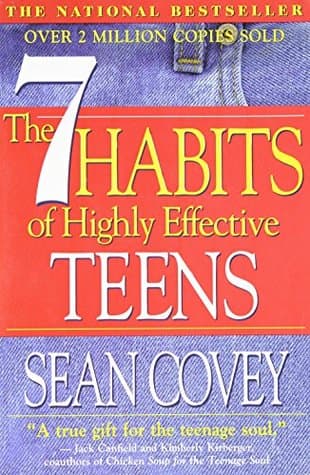
- The 7 Habits Of Highly Effective Teens
Sean Covey
4.1 (29k) average on GoodreadsBusinessSean Covey's book is a straightforward self-help guide for teenagers, focusing on principles like proactivity, goal-setting, and personal responsibility. It offers practical advice for improving self-esteem, relationships, and academic performance. This stands in direct opposition to "This Book Loves You," which satirizes the very notion of 'effectiveness' and 'perfection,' playfully advocating for procrastination and embracing failure rather than striving for improvement. Covey's approach is prescriptive and earnest, while PewDiePie's is descriptive and ironic.
- Harry Potter and the Sorcerer's Stone
J.K. Rowling
4.5 (7M) average on GoodreadsFantasyRescued from a miserable life under the stairs, an orphaned boy discovers he's a wizard destined for a magical school, where he uncovers a dangerous secret tied to the dark wizard who murdered his parents.
- The Hobbit, or There and Back Again
J.R.R. Tolkien
4.3 (2.9M) average on GoodreadsFantasyA comfort-loving hobbit named Bilbo Baggins is whisked away by a mischievous wizard and a band of dwarves on an unexpected journey to reclaim stolen treasure from a fearsome dragon, discovering courage and a magical ring along the way.
- Harry Potter and the Goblet of Fire
J.K. Rowling
4.6 (2.6M) average on GoodreadsFantasyA bewildered Harry Potter, underage and thrust into a deadly Triwizard Tournament, must brave dragons, mermaids, and a resurgent dark magic to survive a year that will forever alter the wizarding world.
- Harry Potter and the Order of the Phoenix
J.K. Rowling
4.5 (2.5M) average on GoodreadsFantasyIn a year of oppressive secrets and the threat of Voldemort, Harry Potter and Dumbledore's Army secretly train for war, shown through Jim Kay and Neil Packer's dark illustrations.





Enjoyed the summary?
A summary gives you the shape of the book. The book itself has the detail, the examples and the voice.
Find This Book Loves You on AmazonAs an Amazon Associate, BookBrief earns from qualifying purchases. How we're funded