
Synopsis
Covers the whole plot, including the ending.
- Difficulty
- Easy
- Pacing
- Slow
- Mood
- Atmospheric, Melancholy, Reflective, Awkward
- Read it if
- You appreciate a quiet, introspective coming-of-age story with beautiful black-and-white art, focusing on the nuances of family drama and the awkwardness of growing up.
- Skip it if
- You prefer fast-paced plots, clear-cut resolutions, or stories with significant fantasy/sci-fi elements.
This One Summer Plot Summary
Covers the whole plot, including the ending.
Arrival at Awago Beach and Immediate Tensions
Rose Wallace arrives at Awago Beach for her yearly summer vacation with her parents. Right away, Rose notices a quiet tension between her mother, Jenny, and her father. Her mother seems sad and withdrawn, often staying inside or walking alone. Her father tries to act normal. Rose is excited to see her younger summer friend, Windy, who is full of energy. They do their usual summer things, like swimming and exploring the beach, but Rose's mother's sadness makes Rose feel uneasy and confused about her parents' relationship.
Observation of Teenagers and Developing Curiosity
Rose and Windy spend their days exploring Awago Beach, but they start to notice the older teenagers who hang out at the convenience store and the beach. They are interested in Dunc, a local boy who works at the store, and his friends. Rose, who is almost a teenager, feels drawn to their more grown-up world. She watches how they act, their crushes, and their seemingly easy lives. She starts to like Dunc, thinking he is mysterious and attractive. This new interest helps her not think about her parents' problems, but it also shows her the complicated parts of growing up, as she and Windy try to understand the older kids' unwritten rules and dramas.
Jenny's Withdrawal and Rose's Growing Concern
As summer goes on, Jenny's sadness gets worse. She spends most of her time alone, often crying, and does not join family activities or eat well. Rose's father tries to comfort her but seems lost and upset too. Rose gets more worried and confused by her mother's behavior, often hearing quiet fights or seeing her mother's teary face. She tries to understand what is happening but mostly gets vague answers or reassurances that everything is fine. Her parents' distress makes Rose feel alone and anxious, and she starts to find comfort in her friendship with Windy and watching the older teens.
The Pregnant Teenager and Gossip
Rose and Windy hear local talk about a girl named Jenny, who is pregnant and thought to be with Dunc. They hear bits of conversations from the older kids and adults at the convenience store and the beach. The story of the pregnant teenager, her rumored boyfriend, and the quiet scandal interests Rose and Windy. It shows them the more serious and complicated parts of relationships and sex, far beyond what they understand as children. This story happens at the same time Rose starts to like Dunc and becomes aware of her changing body and feelings. It makes her think about what can happen with young love and adult choices.
Rose's First Period and Awkwardness
While her parents are having emotional problems and the older teens are having dramas, Rose has a big personal event: her first period. She feels confused, embarrassed, and like she is growing up. She tells Windy, who helps and makes jokes, but it clearly reminds Rose of the physical changes her body is going through. This event shows her becoming a teenager, making her more self-conscious about her body and her starting sexuality. It adds another layer to her summer, as she deals with family and social pressures, and also the changes inside herself, marking a clear step away from childhood.
The Fight and the Revelation
One evening, Rose hears a very intense and tearful fight between her parents. The fight is raw and emotional, and through their loud voices and painful confessions, Rose finally learns the truth: her mother was pregnant and had a miscarriage just before their trip to Awago. This explains her mother's deep sadness, withdrawal, and the quiet tension all summer. The news breaks Rose's naive idea of her family, making her face her parents' deep grief and how fragile life is. It is a moment of painful clarity that makes Rose lose some of her innocence, as she deals with a very adult sorrow.
Confronting Dunc and Disillusionment
Because of her crush and the rumors, Rose decides to ask Dunc at the convenience store about the pregnant Jenny. She asks him directly if he is the father. Dunc acts dismissive and annoyed, making it clear he is not interested in her questions or her romantic view of him. He denies being involved, or at least downplays it, and his casual, almost uncaring attitude deeply disappoints Rose. This talk breaks her perfect idea of Dunc and the older teenagers. It is a hard lesson about the difference between what she imagined and what is real. It is a moment where Rose starts to see the flaws in the 'adult' world she watched, marking a step towards disappointment.
A Tentative Reconciliation and Shared Grief
After the miscarriage is revealed, there is a small but noticeable change between Rose's parents. The grief is still there, but the secret is now out. Rose sees small comforting actions and attempts to talk between her mother and father, showing a slow and careful process of coming together. Rose also starts to process the news, feeling more empathy for her mother's pain and understanding her father's quiet struggle. This shared understanding, though painful, starts to close the emotional gap that had grown between them, allowing for a more honest family dynamic, even in their sadness.
The End of Summer and Lingering Changes
As the summer vacation at Awago Beach ends, Rose thinks about the big changes she has gone through. She has seen her parents' deep sorrow and their slow journey to heal, experienced her own physical and emotional changes, and gained a more realistic, less romantic, understanding of the adult world. Her friendship with Windy stays a steady source of comfort and shared experience. While the summer had sadness and confusion, it was also a time of significant growth and awakening for Rose. She packs up, not the same girl who arrived weeks earlier, carrying the lessons and memories of a summer that changed how she saw family, friendship, and herself.
Principal Figures
Rose Wallace
Protagonist
An eleven-year-old girl navigating the complexities of adolescence and family turmoil.
Rose is on the cusp of adolescence, caught between childhood innocence and the confusing world of teenagers and adults. She is observant, thoughtful, and sensitive, often internalizing the tensions she witnesses between her parents. Her summer is marked by her first period, a crush on Dunc, and a growing awareness of adult sexuality and heartbreak. She relies heavily on her friendship with Windy for comfort and shared exploration, but ultimately faces her personal and familial challenges with a quiet resilience. Her journey is one of profound self-discovery and the loss of innocence.
Relationships: Windy (Best friend and confidante); Jenny (Mom) (Daughter, initially confused by mother's sadness, later understanding and empathetic); Dad (Daughter, observes father's attempts to cope and comfort); Dunc (Crush, later a source of disillusionment)
Windy
Supporting
Rose's younger, energetic, and often humorous best friend.
Windy is Rose's loyal best friend, a few years younger and full of boisterous energy. She acts as a foil to Rose's more introspective nature, bringing lightness and humor to their summer adventures. Windy is curious, sometimes blunt, and provides a grounding presence for Rose amidst her emotional turmoil. She shares in Rose's observations of the older teens and offers unwavering support during Rose's personal milestones, like getting her first period. Her unfiltered reactions and youthful perspective help Rose navigate difficult situations and keep a connection to the simpler joys of childhood.
Relationships: Rose (Best friend and companion)
Jenny (Rose's Mom)
Supporting
Rose's mother, struggling with profound grief and depression.
Jenny is Rose's mother, who arrives at Awago Beach deeply depressed and withdrawn. Her sadness is the central mystery and source of tension for much of the story. She spends her days isolated, often crying, and is unable to connect with her family in her grief. Her emotional state is a direct result of a recent miscarriage, a secret she initially keeps from Rose. Her journey through the summer is one of intense personal suffering, gradual revelation, and a slow, painful process of healing and reconnection with her husband and daughter.
Relationships: Rose (Mother, distant due to grief, later a figure of empathy); Dad (Wife, shares a strained but ultimately loving relationship, processing shared trauma)
Rose's Dad
Supporting
Rose's father, attempting to hold his family together amidst his wife's depression.
Rose's father is a quieter, more subdued presence, trying his best to cope with his wife's depression and maintain a sense of normalcy for Rose. He often seems helpless and frustrated by Jenny's withdrawal but continues to make efforts to comfort her and engage with Rose. He carries his own unspoken grief over the miscarriage, which manifests as quiet concern and attempts to mediate the family's emotional landscape. He represents the supportive, yet sometimes overwhelmed, partner and parent, trying to navigate a profound family crisis with a quiet strength.
Relationships: Rose (Father, trying to protect and provide stability for his daughter); Jenny (Mom) (Husband, supporting his wife through grief while experiencing his own)
Dunc
Supporting
A local teenager who works at the convenience store and becomes Rose's first crush.
Dunc is an older teenager who works at the local convenience store in Awago Beach. He is the object of Rose's first crush and a figure of fascination for both Rose and Windy. He represents the allure and mystery of the older teen world. He is casually cool and somewhat indifferent, which only adds to his appeal for Rose. He is also at the center of local gossip regarding a pregnant girl named Jenny, which introduces Rose to the complexities and sometimes harsh realities of adult relationships and choices. His interactions with Rose are brief and ultimately lead to her disillusionment, marking a step in her loss of innocence.
Relationships: Rose (Object of Rose's crush and later disillusionment)
Jenny (pregnant teen)
Mentioned
A local teenager whose rumored pregnancy becomes a focal point of gossip.
Jenny is a local teenager in Awago Beach who is pregnant, and her situation becomes a significant source of gossip among the older teens and adults. Although she never appears directly as a character, her story serves as a parallel narrative that highlights themes of young love, responsibility, and the consequences of adult choices. Her story, particularly the rumors linking her to Dunc, deeply fascinates Rose and Windy, providing them with a glimpse into the more serious and complex aspects of life beyond their childhood experiences, and contributing to Rose's growing understanding of the world.
Relationships: Dunc (Rumored boyfriend/father of her child)
Gramma
Supporting
Windy's grandmother, a kind and observant adult at Awago Beach.
Gramma is Windy's grandmother, who is a warm and kind presence at Awago Beach. She represents a stable and traditional adult figure. She is often seen observing the girls and the broader community, offering quiet wisdom or small gestures of care. Her presence reinforces the generational aspect of the summer community and provides a contrast to the emotional turmoil within Rose's own family. She is a source of comfort and a reminder of the enduring rhythms of life at Awago Beach.
Relationships: Windy (Grandmother, caring figure); Rose (Friendly adult, part of the summer community)
Lana
Supporting
An older teenage girl, part of Dunc's social circle.
Lana is one of the older teenage girls that Rose and Windy observe. She is part of Dunc's social circle and represents the cool, slightly intimidating, and alluring world of adolescence that Rose is drawn to. Her interactions, often with other older teens, provide Rose and Windy with glimpses into more mature social dynamics, crushes, and the unspoken rules of their group. Lana's presence helps to build the atmosphere of the older teen world that Rose is so curious about and highlights the social hierarchy and aspirations of young adulthood.
Relationships: Dunc (Friend/acquaintance in the older teen group); Rose (Observed by Rose as part of the 'cool' crowd)
Themes & Insights
Loss of Innocence and Growing Up
The main theme is Rose becoming a teenager. The summer at Awago Beach makes her face adult issues, like her parents' grief, sex, and disappointment. Her first period, her crush on Dunc, and learning about her mother's miscarriage all show her losing her innocence. She learns that life is not always simple or happy, and that adults have their own problems, which changes how she sees the world and herself.
“This was the summer everything changed.”
Grief and Depression
The deep grief and sadness Rose's mother, Jenny, feels after a miscarriage, is a big theme. It affects the family's vacation, making Rose feel tense and confused. The book shows how isolating sadness can be and how hard it is to talk about such deep sorrow. It also shows how grief affects a whole family, as Rose and her father try to understand and deal with Jenny's pain, eventually leading to a shared, though painful, understanding and slow healing.
“Some secrets are too big to keep.”
Family Dynamics and Communication
The bad relationship between Rose's parents because of unsaid grief shows how complex family dynamics are and how important it is to talk. The initial silence and tension make Rose feel uneasy, as she tries to understand what is happening. When the miscarriage is finally revealed, though painful, it allows for more open talk and a careful path to healing, showing how sharing vulnerability can make family bonds stronger even when there is deep sadness.
“It was like they were speaking a different language than I was.”
Friendship and Support
The steady friendship between Rose and Windy helps Rose throughout the summer. Their bond gives comfort, humor, and a safe place to share experiences and secrets. Windy's young energy and directness balance Rose's thoughtful nature. Their shared observations of the older teens and their own personal events, like Rose's first period, make their connection stronger. Their friendship is a key source of emotional support, helping Rose deal with her family's difficult emotions and her own coming-of-age.
“It was good to have Windy. She was like a little sister I never had.”
Sexuality and Body Image
The book talks about early sexuality and body image through Rose's experiences. Her first period marks a big physical change and a new awareness of her developing body. Her crush on Dunc and her observations of the older teenagers' romantic and sexual interactions show her the complex parts of attraction and relationships. The talk about the pregnant Jenny further shows themes of sexuality, what happens next, and becoming an adult, making Rose think about who she is becoming.
“It was like my body was trying to tell me something, and I didn't know what it was.”
Plot Devices & Literary Techniques
Graphic Novel Format
Visual storytelling that enhances emotional depth and character expression.
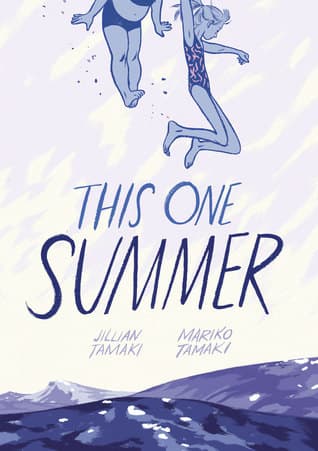
The graphic novel format is integral to 'This One Summer.' The artwork, characterized by its distinctive blue-and-white color palette, conveys mood and emotion more powerfully than text alone. Panel layouts, character expressions, and visual metaphors (like the waves or the changing light) communicate Rose's internal world, the unspoken tension between her parents, and the broader atmosphere of Awago Beach. The interplay between images and sparse text allows for subtle storytelling, leaving much to the reader's interpretation and drawing them into Rose's subjective experience.
Coming-of-Age Narrative
A story centered on the protagonist's journey from childhood to adolescence.
This One Summer is a quintessential coming-of-age story, focusing on Rose's transformative summer at Awago Beach. The narrative meticulously tracks her emotional, physical, and intellectual development as she confronts adult realities. Her experiences—from her first period and first crush to witnessing parental grief and understanding loss—all contribute to her maturation. The plot is structured around these milestones and revelations, showing her gradual shift from a naive child to a more aware and empathetic adolescent, fundamentally changing her perspective on life and her place within it.
Symbolism of Awago Beach
The setting as a microcosm for life's cycles and a catalyst for change.
Awago Beach functions as more than just a setting; it's a symbolic space. Traditionally a refuge and a place of unchanging summer joy, this particular summer it becomes a crucible for Rose's family's grief and her personal growth. The cyclical nature of summer vacations, the constant ebb and flow of the lake, and the predictable routines of the community contrast with the profound internal changes occurring within Rose and her family. The beach represents a liminal space where childhood ends and the complexities of adulthood begin, making it a catalyst for the story's themes of change and renewal.
Parallel Narratives
Contrasting Rose's family drama with the local teen gossip.
The story employs parallel narratives by juxtaposing Rose's internal family drama (her mother's depression and miscarriage) with the external gossip surrounding the pregnant local teenager, Jenny, and Dunc. This device allows the themes of sexuality, responsibility, and heartbreak to be explored from different angles. The external narrative of the older teens acts as a mirror and a premonition for Rose, offering her a glimpse into the adult world she is approaching, while also providing a distraction from her own family's unspoken sorrows. Both narratives contribute to Rose's evolving understanding of life's complexities.
This One Summer Quotes
“The lake was still. The air was still. Everything was still, except for us.”
“Being a teenager is like being a baby again. Everyone tells you what to do, what to wear, what to think.”
“Some secrets are like that. They sit in your stomach, heavy and uncomfortable, until you can't hold them in anymore.”
“It's hard to tell if someone's sad when they're always trying to make other people laugh.”
“Awago Beach was the kind of place where nothing ever changed, except for everything.”
“Sometimes you just want to punch something, even if you don't know why.”
“The quiet between them was thick, like the humid air before a storm.”
“Growing up is stupid. You just get more responsibilities and less fun.”
“It's weird how you can know someone your whole life, and then suddenly, you don't know them at all.”
“Every summer, it's like a reset button. You forget all the dumb stuff from school and just... are.”
“You can't fix everything. Sometimes you just have to let things be broken.”
“There's a difference between being alone and being lonely.”
“Sometimes the best way to understand something is to just watch it happen.”
“The summer air tasted like lake water and secrets.”
Quiz
10 questions on the plot and the characters. Each answer comes with a short explanation.
Question 1
What is the name of the beach town where Rose and her family spend their summers?
- Seaside Haven
- Awago Beach
- Lakeview Resort
- Whispering Pines
Show answer
B. Awago Beach The book explicitly states that Rose goes with her family to a lake house in Awago Beach every summer, which serves as their annual getaway.
Question 2
Who is Rose's close friend that she always meets at Awago Beach?
- Daisy
- Lily
- Windy
- Violet
Show answer
C. Windy Windy is described as Rose's friend who is always there, like the little sister she never had, and their friendship is central to the story.
Question 3
What significant change in Rose's parents' relationship makes this summer 'different'?
- They are planning to move permanently to Awago Beach.
- They have decided to adopt a child.
- They won't stop fighting, creating tension for Rose.
- They are unexpectedly joined by distant relatives.
Show answer
C. They won't stop fighting, creating tension for Rose. The synopsis clearly states that 'Rose's mom and dad won't stop fighting,' which is a major source of drama and makes this summer different for Rose.
Question 4
How do Rose and Windy primarily try to distract themselves from the adult drama around them?
- By focusing on competitive sports at the beach.
- By getting involved in the lives and problems of local teenagers.
- By reading many books and staying indoors.
- By planning a surprise party for Rose's parents.
Show answer
B. By getting involved in the lives and problems of local teenagers. The girls seek distraction from the family drama and find themselves with 'a whole new set of problems,' implying they become entangled in the lives of others, particularly the older teens at the beach.
Question 5
What overarching themes are explored in 'This One Summer' according to the description?
- Adventure, mystery, and treasure hunting.
- Secrets, sorrow, growing up, renewal, and revelation.
- Environmental activism and community organizing.
- Historical events and cultural preservation.
Show answer
B. Secrets, sorrow, growing up, renewal, and revelation. The synopsis explicitly describes the summer as one of 'secrets and sorrow and growing up,' and the story as one of 'renewal and revelation,' highlighting the core thematic elements.
Question 6
The book is described as 'heartbreaking, and ultimately hopeful.' What does this suggest about Rose's journey?
- She experiences only sadness without any resolution or growth.
- Despite difficult experiences, she finds understanding and a sense of moving forward.
- Her problems are entirely resolved by external forces, without her own effort.
- The story ends ambiguously, leaving all conflicts unresolved.
Show answer
B. Despite difficult experiences, she finds understanding and a sense of moving forward. The combination of 'heartbreaking' and 'hopeful' indicates that while Rose faces significant emotional challenges, she ultimately navigates them in a way that leads to personal growth and a positive outlook, reflecting 'renewal and revelation'.
Question 7
What is the primary genre of 'This One Summer'?
- Fantasy Adventure
- Young Adult Graphic Novel
- Historical Fiction
- Science Fiction Thriller
Show answer
B. Young Adult Graphic Novel The description clearly states that 'two stellar creators redefine the teen graphic novel' and lists the book under 'Young Adult' genre, making it a Young Adult Graphic Novel.
Question 8
How do Rose and Windy's differing ages and personalities contribute to their dynamic during this complex summer?
- Windy often leads Rose into more trouble due to her recklessness, while Rose tries to be the voice of reason.
- Rose, being on the cusp of her teen age, is more observant of adult issues, while Windy, as a younger friend, provides a contrasting innocence or simpler perspective.
- Their age difference causes significant friction, leading them to spend most of the summer apart.
- They both react to the adult world with equal cynicism and detachment, mirroring each other's views.
Show answer
B. Rose, being on the cusp of her teen age, is more observant of adult issues, while Windy, as a younger friend, provides a contrasting innocence or simpler perspective. The story focuses on Rose 'on the cusp of her teen age' and Windy as 'the little sister she never had.' This suggests that Rose is beginning to grasp the complexities of adulthood (like her parents' fighting and the older teens' lives), while Windy likely retains a more childlike view, creating a dynamic where their different stages of development offer varied perspectives on the summer's events.
Question 9
The phrase 'it's a good thing Rose and Windy have each other' emphasizes what critical aspect of the story?
- Their shared interest in competitive beach games.
- The vital role of their friendship as a support system amidst personal and family turmoil.
- Their ability to escape Awago Beach whenever problems arise.
- Their combined efforts to solve the mystery of Rose's parents' fighting.
Show answer
B. The vital role of their friendship as a support system amidst personal and family turmoil. Given the themes of 'secrets and sorrow and growing up' and the difficulties Rose faces with her parents, having each other signifies that their friendship provides crucial emotional support and companionship, making the challenges of the summer more bearable.
Question 10
Why might the creators choose a graphic novel format to tell this particular story of 'growing up'?
- To reduce the amount of text, making it a quicker read.
- The visual storytelling allows for nuanced portrayal of emotions, unspoken tensions, and the subtle shifts in adolescence that prose alone might struggle to capture as effectively.
- To appeal exclusively to a younger audience who prefers pictures over words.
- It's a modern trend, and the format doesn't significantly impact the storytelling.
Show answer
B. The visual storytelling allows for nuanced portrayal of emotions, unspoken tensions, and the subtle shifts in adolescence that prose alone might struggle to capture as effectively. Graphic novels excel at conveying complex emotions, subtext, and the passage of time through visual cues, paneling, and character expressions. For a story about the subtle and often internal process of 'growing up' and dealing with 'secrets and sorrow,' the visual medium can add layers of meaning and impact that are difficult to achieve in text-only formats, especially for a 'girl on the cusp of her teen age.'
This One Summer FAQ
What is "This One Summer" about?
"This One Summer" is a graphic novel about Rose, a pre-teen girl who spends her summer vacation at Awago Beach with her family and her friend, Windy. This particular summer, Rose observes the escalating tension and fighting between her parents, while also navigating the complexities of growing up, witnessing the drama of older teens, and experiencing the bittersweet transition from childhood innocence to the cusp of adolescence.
Why should I read "This One Summer"?
You should read "This One Summer" for its incredibly nuanced portrayal of pre-teen angst, family discord, and the universal experience of growing up. The graphic novel beautifully captures the feeling of a summer on the edge of change, blending poignant emotional depth with a realistic depiction of friendship and the awkwardness of adolescence through its stunning blue-toned artwork and relatable characters.
What is the background/setting of "This One Summer"?
The story is set during a summer vacation in Awago Beach, a quiet lakeside community where Rose's family has a long-standing tradition of renting a cottage. This specific setting evokes a sense of nostalgia and isolation, providing a backdrop where the characters' personal dramas unfold against the backdrop of a sleepy, unchanging summer town, highlighting the contrast between the static environment and the dynamic internal changes Rose experiences.
What are the most memorable quotes?
While graphic novels rely heavily on visual storytelling, memorable lines include Rose's internal musings on growing up, such as her reflections on the 'secrets' adults keep, or Windy's simple, direct observations that often cut through Rose's more complex thoughts. The most impactful 'quotes' are often found in the subtle expressions and body language Jillian Tamaki masterfully illustrates, conveying more than words could.
What writing style does the author use?
Mariko Tamaki employs a reflective and observational narrative style, often told through Rose's internal monologue, which gives readers deep insight into her thoughts and feelings. Jillian Tamaki's artwork complements this with a distinctive, fluid ink style, primarily in blue hues, creating an atmospheric and dreamlike quality that perfectly captures the hazy, transitional nature of the summer and Rose's emotional state.
What minor details add significant meaning?
The recurring motif of Rose and Windy watching horror movies, despite their young age, subtly reflects their growing awareness of darker, more complex realities in the adult world. Additionally, the casual conversations Rose overhears between older teens about relationships and pregnancy, though not directly involving her, provide glimpses into the 'adult' world she's beginning to perceive, adding layers to her understanding of her parents' struggles.
What are some subtle foreshadowing moments?
Early in the story, Rose's mother's frequent quiet sighs and her detached demeanor during family activities subtly hint at her underlying unhappiness and the marital problems brewing. Similarly, the initial awkwardness and strained silence between Rose's parents during meals or car rides foreshadow the more overt arguments and emotional distance that become central to the plot later on.
What unexpected character connections exist?
While not a direct connection, Rose's observation of Jenny, an older teen who works at the local store and is dealing with a secret pregnancy, creates an unexpected parallel to her own mother's emotional struggles. Rose projects her anxieties and curiosities onto Jenny, implicitly linking Jenny's situation to the adult world of secrets and consequences that Rose is beginning to understand through her parents' issues.
What are unspoken character motivations?
Rose's mother's unspoken motivation stems from a deep-seated unhappiness and feeling of being trapped, hinted at by her desire to have another baby and her quiet resentment towards her husband. Her withdrawal and emotional distance are a manifestation of her internal struggle, which she largely keeps hidden from Rose, trying to maintain a semblance of normalcy despite her turmoil.
What psychological complexities do characters exhibit?
Rose exhibits the psychological complexity of a pre-teen caught between childhood and adolescence, struggling with a burgeoning awareness of adult problems while still clinging to childish comforts. Her observations of her parents' strained relationship, coupled with her fascination with the older teens, create an internal conflict where she grapples with innocence lost and the confusing realities of adult emotions.
What are the major emotional turning points?
A major emotional turning point occurs when Rose overhears a particularly harsh argument between her parents, forcing her to confront the reality of their marital problems directly, rather than just sensing them. Another is her evolving understanding of Jenny's situation, which shifts from simple curiosity to a more empathetic, albeit still child-like, grasp of adult pain and difficult choices.
How do relationship dynamics evolve?
The central relationship dynamic between Rose and Windy evolves from pure, carefree childhood friendship to one tinged with Rose's growing maturity and occasional impatience with Windy's younger perspective. Concurrently, Rose's relationship with her parents shifts from an idealized, secure bond to one marked by her awareness of their flaws and the unspoken tensions between them, fundamentally altering her perception of her family unit.
Which parts remain ambiguous or open-ended?
The ultimate resolution of Rose's parents' marital issues remains ambiguous; while they have a moment of reconciliation, the long-term impact on their relationship and whether they truly resolve their core problems is left open-ended. Similarly, the exact future of Jenny and her pregnancy is not explicitly stated, reinforcing the theme that Rose is witnessing fragments of adult life without always understanding the full story or outcome.
What are controversial scenes or decisions?
One potentially controversial aspect is the portrayal of the older teens' casual sexual encounters and Jenny's secret pregnancy, as seen through Rose's young eyes. While not explicit, these elements introduce mature themes that some might find challenging for a Young Adult graphic novel, prompting discussions about innocence, sexuality, and the age-appropriateness of certain content.
"This One Summer" ending explained: how it ends & what it means
The book ends with Rose and her family leaving Awago Beach, returning to their regular lives. The final scenes show a subtle shift in Rose's perspective; she's still a child, but she carries the weight of her summer experiences – her parents' conflict, her observations of the older teens, and her own emotional growth. The ending signifies not a dramatic resolution, but a quiet, internal transformation, as Rose steps into the next phase of her life with a deeper, more complex understanding of the world and the people in it.
About the author

Mariko Tamaki is a Canadian author known for her work in graphic novels and young adult fiction. Her notable works include "This One Summer," which explores themes of friendship and adolescence, "Laura Dean Keeps Breaking Up with Me," a story about love and self-discovery, and "Skim," which addresses issues of identity and belonging.
Similar books
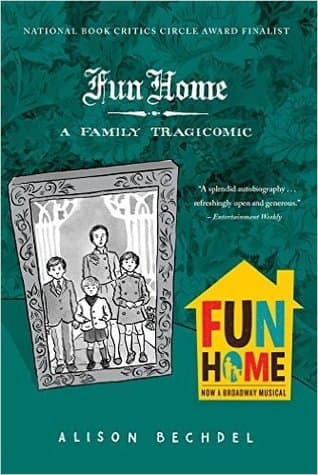
- Fun Home: A Family Tragicomic
Alison Bechdel
4.1 (130k) average on GoodreadsBiographyExplores complex family dynamics and coming-of-age through a graphic novel format.
- Blankets
Craig Thompson
4.0 (95k) average on GoodreadsSpiritualityA graphic novel about first love, growing up, and navigating family and faith.
- Skim
Mariko Tamaki
3.8 (13k) average on GoodreadsYoung AdultAnother graphic novel by Mariko Tamaki, also dealing with adolescence, identity, and complex emotions.
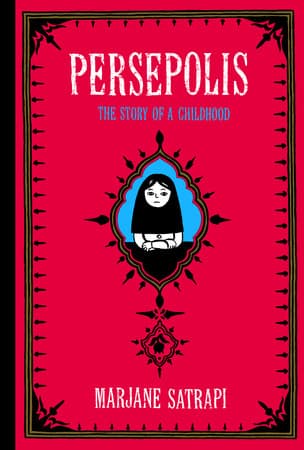
- Persepolis: The Story of a Childhood
Marjane Satrapi
4.3 (158k) average on GoodreadsBiography"Persepolis" focuses on coming-of-age amidst political upheaval and cultural identity, using a more direct and historical narrative. "This One Summer" is more introspective and domestic, exploring personal emotional development rather than grand societal shifts, though both are powerful graphic memoirs/bildungsromans.
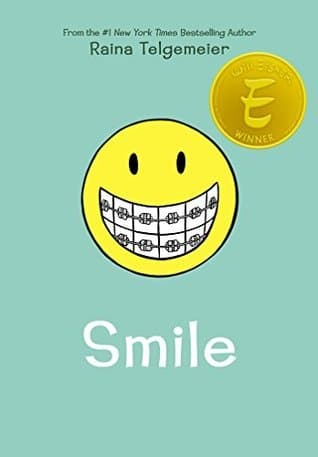
- Smile
Raina Telgemeier
4.3 (183k) average on GoodreadsChildren's"Smile" addresses themes of friendship, self-acceptance, and school life with a more accessible, humorous, and often lighter tone. "This One Summer" delves into darker, more ambiguous emotional territories with greater psychological depth and a more literary, introspective approach, appealing to a slightly older or different subset of YA readers.
- Harry Potter and the Sorcerer's Stone
J.K. Rowling
4.5 (7M) average on GoodreadsFantasyRescued from a miserable life under the stairs, an orphaned boy discovers he's a wizard destined for a magical school, where he uncovers a dangerous secret tied to the dark wizard who murdered his parents.



Enjoyed the summary?
A summary gives you the shape of the book. The book itself has the detail, the examples and the voice.
Find This One Summer on AmazonAs an Amazon Associate, BookBrief earns from qualifying purchases. How we're funded