
Synopsis
Covers the whole plot, including the ending.
- Difficulty
- Medium
- Pacing
- Moderate
- Mood
- Redemptive, Reflective, Intense, Hopeful
- Read it if
- You enjoy stories about redemption, the healing power of nature, and characters overcoming deep-seated anger and trauma. Perfect for readers interested in restorative justice themes and Native American cultural perspectives.
- Skip it if
- You prefer fast-paced action or shy away from stories with themes of abuse and intense emotional struggle.
Touching Spirit Bear Plot Summary
Covers the whole plot, including the ending.
Cole's Violent Act and the Circle Justice Proposal
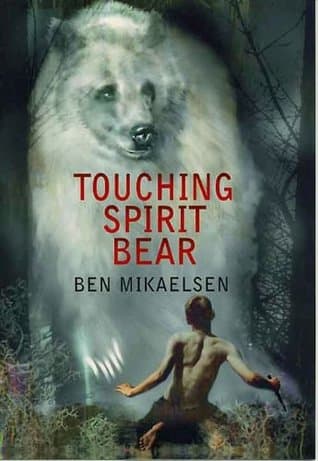
Cole Matthews, a fifteen-year-old repeat offender from Minneapolis, assaults his classmate, Peter Driscal, by smashing his head repeatedly against the sidewalk, causing severe physical and possible permanent brain damage. This act leads to serious legal trouble for Cole. Instead of immediate incarceration, Cole's probation officer, Garvey, proposes Circle Justice, a Native American restorative justice program, as an alternative. Cole, seeing it as an easier way out than prison, reluctantly agrees, despite his underlying anger and unwillingness to take responsibility. He attends his first Circle Justice meeting, where he pretends remorse, blaming everyone but himself for his situation, including his abusive father and neglectful mother.
Banishment to an Alaskan Island
During the Circle Justice meetings, a plan for Cole's rehabilitation is developed. With the support of Garvey, his Tlingit probation officer, and Edwin, a Tlingit elder who has also been banished, Cole is sentenced to a year of isolation on a remote island in Southeast Alaska. The idea is for him to connect with nature and reflect on his actions, away from the influences that have shaped his destructive behavior. Before leaving, Cole is given a traditional At.óow blanket, signifying trust and responsibility. He is flown to the island, where he is to build a shelter and survive with minimal supplies, under occasional supervision from Garvey and Edwin.
Cole's Initial Defiance and Encounter with the Spirit Bear
Upon arriving on the island, Cole's defiant nature quickly resurfaces. He burns down his shelter and all the supplies left for him, an act of protest against the banishment and his perceived unfairness. Believing he can escape the island and the consequences, he tries to swim away through the icy waters. However, the strong currents and cold quickly overpower him, forcing him back to shore. Exhausted and frustrated, Cole then encounters a white Spirit Bear, which he tries to attack with a spear, showing his anger and lack of respect for nature.
The Mauling and Near-Death Experience
In retaliation for Cole's aggressive act, the Spirit Bear attacks him, mauling him severely. Cole sustains broken bones, a crushed chest, and deep cuts, leaving him critically injured and barely clinging to life. He lies helpless and alone on the ground, enduring immense pain, hunger, and exposure. During this near-death experience, Cole's perspective begins to shift. He feels the cold rain, the pain, and the presence of the natural world around him. He observes a pair of sparrows and later a mother bird feeding its young, which sparks empathy and a desire to live.
A Glimmer of Hope and Rescue
As days pass, Cole's physical condition deteriorates, but his mental and emotional state begins a transformation. He hallucinates and reflects on his life, realizing his responsibility for his anger and the pain he has caused. He recognizes the beauty and power of nature and starts to feel remorse. He even considers eating a mouse, understanding the cycle of life and death. Just as he is near death, Garvey and Edwin arrive by boat to check on him. They find him barely alive, ravaged by the attack and exposure, but with a new, humble look in his eyes. They rush him to a hospital for urgent medical attention.
Recovery and the Second Chance
Cole spends time recovering in the hospital, both physically and emotionally. During his recovery, he expresses a genuine desire to return to the island, not as a punishment, but as a path to healing. He recounts his encounter with the Spirit Bear, claiming it was not an attack but a lesson. His sincerity surprises Garvey and Edwin, who see a true change in his demeanor. They realize his experience on the island was important and that he might finally be ready to take responsibility and confront his inner demons. The Circle Justice committee, however, is hesitant to grant him a second chance.
The Second Banishment and Building a New Life
After much debate and Cole's heartfelt plea, the Circle Justice committee grants him a second chance, but with stricter conditions. He must fund his own banishment and commit fully to the process. Cole returns to the island, this time with a different attitude. He diligently works to build a new shelter and meticulously follows Edwin's instructions, including daily soaks in the icy pond to control his anger and carrying a heavy ancestor rock up a hill to release his burdens. He begins to find peace in nature and learns the importance of patience, respect, and self-reliance, slowly healing his emotional wounds.
The Return of the Spirit Bear and Carving
During his second banishment, Cole continues his daily rituals and finds peace with the island. He eventually re-encounters the Spirit Bear, this time observing it with respect and understanding. He realizes the bear never intended to kill him, but to teach him. Inspired by the bear and his new understanding of life, Cole begins carving totems into a large log. Each carving represents an emotion or an animal he has encountered, symbolizing his journey of self-discovery, his anger, his healing, and his connection to the natural world. He learns to express himself through art rather than violence.
Peter Driscal's Arrival on the Island
News reaches the island that Peter Driscal, still suffering from the physical and emotional trauma of Cole's assault, is depressed and has attempted suicide. Garvey and Edwin, seeing Cole's transformation, propose an unprecedented step: bringing Peter to the island to heal alongside Cole. Peter, accompanied by his parents, arrives on the island, initially terrified and filled with hatred towards Cole. His parents are skeptical and fearful for their son's safety, but they are desperate for any solution to Peter's deteriorating condition. Cole is faced with the ultimate test of his healing: confronting his victim.
Reconciliation and Shared Healing
Initially, Peter wants nothing to do with Cole, lashing out and physically assaulting him. Cole, instead of retaliating, endures Peter's attacks, showing his newfound control and understanding. He patiently tries to connect with Peter, sharing his experiences and the lessons he learned from the island and the Spirit Bear. Slowly, Peter begins to trust Cole. One day, while doing their daily rituals, Cole and Peter witness the Spirit Bear together, a powerful and symbolic moment that solidifies their shared healing. Peter's anger and fear begin to subside, replaced by a sense of peace and forgiveness, as they carve the final circle into Cole's totem pole, representing their unity.
Touching Spirit Bear Characters
Cole Matthews
Protagonist
A troubled and angry teenager seeking redemption after a violent assault.
Cole is a fifteen-year-old juvenile delinquent from Minneapolis, driven by deep-seated anger, resentment, and a history of abuse from his alcoholic father and neglectful mother. He blames everyone else for his problems and initially manipulates the Circle Justice system to avoid prison. After being severely mauled by the Spirit Bear on the Alaskan island, he undergoes a profound transformation, learning humility, empathy, and personal responsibility. His journey is one of self-discovery and healing, moving from a defiant, destructive individual to a compassionate and self-aware young man.
Relationships: Peter Driscal (Victim of assault, later a friend and co-healer); Garvey (Probation officer, mentor, and advocate); Edwin (Tlingit elder, spiritual guide, and mentor); Mother (Cindy Matthews) (Neglectful but eventually supportive parent); Father (William Matthews) (Abusive and alcoholic parent)
Garvey
Supporting
Cole's Tlingit probation officer and advocate for Circle Justice.
Garvey is Cole's compassionate and persistent probation officer, a Tlingit Indian who genuinely believes in Cole's potential for change through Circle Justice. He has a deep understanding of human nature and the restorative power of traditional justice. Garvey acts as a mentor and a steadfast supporter for Cole, even when Cole's actions test his patience. He challenges Cole to take responsibility and provides the necessary guidance and resources for Cole's banishment, never giving up on him despite his initial defiance.
Relationships: Cole Matthews (Probation officer and mentor); Edwin (Colleague and fellow advocate for Circle Justice)
Edwin
Supporting
A Tlingit elder who guides Cole through his spiritual healing and banishment.
Edwin is a wise and stoic Tlingit elder who has himself experienced banishment and understands the profound healing power of nature and traditional ways. He serves as a spiritual guide and mentor to Cole, providing practical advice, philosophical insights, and challenging rituals (like the ancestor rock and icy pond soaks) that help Cole confront his anger and connect with the natural world. Edwin's calm demeanor and deep connection to his heritage are instrumental in Cole's transformation, teaching him patience, respect, and the interconnectedness of all living things.
Relationships: Cole Matthews (Spiritual guide and mentor); Garvey (Colleague and fellow advocate for Circle Justice)
Peter Driscal
Supporting
The victim of Cole's assault, struggling with physical and emotional trauma.
Peter is a scrawny, awkward ninth-grader who becomes the victim of Cole Matthews's violent rage. He suffers severe physical injuries, including brain damage, and profound emotional trauma, leading to depression and a suicide attempt. Peter represents the innocent victim of bullying and violence. His presence on the island for healing is a crucial turning point for Cole, forcing him to confront the direct consequences of his actions and providing an opportunity for true reconciliation and forgiveness. His initial fear and hatred of Cole slowly give way to trust and shared healing.
Relationships: Cole Matthews (Victim of assault, later a friend and co-healer); Mr. and Mrs. Driscal (Parents)
The Spirit Bear
Supporting
A mysterious white bear symbolizing power, wisdom, and spiritual guidance.
The Spirit Bear is a rare, pure white Kermode bear, revered in Tlingit culture as a symbol of power, wisdom, and honor. It is not a character in the human sense but a pivotal force in Cole's journey. The bear initially mauls Cole, an act that serves as a brutal wake-up call and catalyst for Cole's transformation. Later, its calm presence and re-encounters with Cole and Peter symbolize the healing power of nature, the interconnectedness of life, and the possibility of forgiveness and spiritual renewal. It represents the raw, untamed forces that teach humility and respect.
Relationships: Cole Matthews (Instigator of a life-changing encounter); Peter Driscal (Shared witness of its presence)
Cindy Matthews (Cole's Mother)
Supporting
Cole's initially neglectful mother who eventually finds her voice and supports him.
Cindy Matthews is Cole's mother, who initially appears weak and neglectful, often turning a blind eye to her husband's abuse and Cole's misbehavior. She is described as being afraid of her husband and passive in her parenting. However, as Cole's journey progresses, she begins to find her voice and stands up to her abusive husband, eventually divorcing him. She shows a genuine concern for Cole's well-being and actively participates in the Circle Justice process, eventually becoming a supportive figure in his life.
Relationships: Cole Matthews (Mother); William Matthews (Estranged husband)
William Matthews (Cole's Father)
Antagonist
Cole's abusive, alcoholic father.
William Matthews is Cole's abusive and alcoholic father, whose violent behavior and neglectful parenting are significant contributors to Cole's anger and resentment. He denies his abuse and initially tries to manipulate the Circle Justice system, much like Cole. His presence highlights the cycle of abuse and the environmental factors that shaped Cole's destructive personality. He represents the toxic influence Cole must overcome to heal, and his eventual arrest and imprisonment signify a break in that cycle.
Relationships: Cole Matthews (Abusive father); Cindy Matthews (Estranged wife)
Mr. and Mrs. Driscal
Supporting
Peter's concerned parents, initially skeptical but ultimately hopeful.
Mr. and Mrs. Driscal are Peter's parents, who are deeply distraught and fearful for their son's well-being after Cole's assault. They are initially highly skeptical of Circle Justice and Cole's sincerity, preferring traditional incarceration. Their primary concern is Peter's safety and recovery. Despite their reservations, they eventually agree to bring Peter to the island, driven by desperation to help their son. They witness Cole's transformation and Peter's slow healing, eventually finding a measure of peace and hope.
Relationships: Peter Driscal (Parents); Cole Matthews (Parents of the victim)
Touching Spirit Bear Themes
Responsibility and Consequences
The novel explores the theme of taking responsibility for one's actions and facing their consequences. Cole initially blames everyone else for his problems, refusing to acknowledge his role in Peter's assault. His banishment to the island, and especially the mauling by the Spirit Bear, forces him to confront the direct, painful consequences of his anger and defiance. Through his solitary struggle for survival and later his commitment to healing, Cole learns that true freedom comes from accepting responsibility and making amends, rather than evading blame. This is clear when he patiently endures Peter's attacks instead of retaliating.
“You figure out what you do with your life. You're the one who has to live with your choices.”
Healing and Forgiveness
A central theme is the difficult process of healing, both for the offender and the victim, and the power of forgiveness. Cole's physical healing on the island parallels his emotional and spiritual recovery. He learns to forgive himself and to seek forgiveness from others. Peter's arrival on the island shows that true healing often requires confronting the source of pain and offering forgiveness. Their shared experience with the Spirit Bear and the final carving on the totem pole symbolize their mutual journey towards reconciliation and peace, breaking the cycle of anger and resentment.
“To heal, you must truly forgive. Not just Peter, but yourself.”
The Power of Nature and Spirituality
The Alaskan wilderness helps Cole's transformation, showing nature's ability to heal and teach. Away from urban distractions, Cole is forced to confront himself and connect with the raw, beautiful natural world. The Spirit Bear acts as a spiritual guide, representing the wisdom and power of nature. Edwin's Tlingit rituals, such as the ancestor rock and the icy pond soaks, further show the spiritual connection to the land and the ancestral wisdom that guides self-discovery and emotional regulation.
“The island is a testing ground. It’s a place where you can learn to be humble, to respect yourself, and to respect life.”
The Cycle of Violence and Breaking Free
The novel explores how violence begets violence, tracing Cole's anger back to his father's abuse and his mother's neglect. Cole initially continues this cycle by bullying and assaulting Peter. The Circle Justice system offers an alternative to the punitive cycle of incarceration, aiming instead for restorative justice and healing. Cole's journey on the island is about breaking free from this inherited pattern of anger. His ability to control his rage when Peter attacks him, and his efforts to help Peter heal, show his success in breaking this destructive cycle and choosing empathy.
“You can’t heal others until you heal yourself.”
Plot Devices & Literary Techniques
Circle Justice
A restorative justice system based on Native American traditions.
Circle Justice is a community-based, restorative justice program rooted in Tlingit traditions, offered as an alternative to the conventional justice system. It aims to heal the victim, the offender, and the community by fostering understanding, accountability, and reconciliation. Instead of simply punishing, it focuses on addressing the root causes of the crime and finding ways for the offender to make amends. For Cole, it provides a chance for banishment to an Alaskan island, a setting crucial for his transformation, and ultimately facilitates Peter's healing by bringing him into the circle.
The At.óow Blanket
A traditional Tlingit blanket symbolizing trust, ownership, and responsibility.
The At.óow is a traditional Tlingit blanket that Garvey gives to Cole, signifying trust and ownership. Initially, Cole dismisses it, but it becomes a powerful symbol of the responsibility he carries, not just for his actions but for his heritage and his future. It represents the trust placed in him by the Circle and the expectations for his behavior. When Peter later touches the At.óow, it signifies a transfer of trust and a shared journey of healing, underscoring the interconnectedness of their paths.
The Totem Pole/Carving
A physical representation of Cole's emotional journey and spiritual growth.
Cole begins carving a totem pole into a log on the island, with each figure representing a significant animal or emotion he experiences during his banishment. It serves as a visual diary of his transformation, allowing him to express his feelings and process his experiences in a constructive way, rather than through violence. The carvings of animals like the whale, the wolf, and the Spirit Bear, along with symbols of anger and forgiveness, externalize his internal struggles and growth. The final circle carved with Peter signifies their shared healing and the completion of Cole's journey.
The Ancestor Rock
A physical ritual symbolizing the release of burdens and anger.
The ancestor rock is a large, smooth rock that Edwin instructs Cole to carry up a hill each day, then roll it down, symbolizing the release of his anger and burdens. This physical act is a tangible representation of Cole's emotional labor to let go of his past resentments and negative emotions. It's a daily ritual that reinforces the idea of taking responsibility for his emotional baggage and actively choosing to shed it, demonstrating his commitment to change and his understanding of the connection between physical effort and spiritual release.
The Icy Pond Soaks
A ritual representing control, clarity, and facing inner demons.
Edwin instructs Cole to soak in an icy pond every morning, followed by a walk up a hill. This ritual serves multiple purposes: the cold water forces Cole to control his breathing and his mind, teaching him self-discipline and how to manage his anger. It symbolizes washing away his past and gaining clarity. The subsequent walk is a physical challenge that helps him focus and connect with the present moment. This daily practice is crucial for his emotional regulation and for grounding him in the reality of his healing journey, forcing him to confront discomfort and build resilience.
Touching Spirit Bear Quotes
“Anger is a memory never forgotten.”
“Healing is a journey, not a destination.”
“The only thing you can control is yourself.”
“Sometimes what you're looking for is right where you left it.”
“You can't change the past, but you can change the future.”
“The Spirit Bear doesn't care about your anger.”
“True strength is not in fighting, but in healing.”
“We are all part of the circle of life.”
“Fear is a prison, but courage is the key.”
“Justice is not about punishment, but about healing.”
“The cold doesn't care if you're angry or sad.”
“Sometimes you have to hit bottom before you can rise.”
“Forgiveness is a gift you give yourself.”
Quiz
10 questions on the plot and the characters. Each answer comes with a short explanation.
Question 1
What is the name of the boy Cole violently attacks at the beginning of the story?
- Peter Driscal
- Garvey
- Edwin
- Cole's father
Show answer
A. Peter Driscal Cole attacks Peter Driscal in a parking lot, smashing his head against the sidewalk, which causes Peter potential permanent brain damage and sets the main conflict in motion.
Question 2
What alternative to prison is offered to Cole through the justice system?
- Community service
- Probation with therapy
- Circle Justice
- Military school
Show answer
C. Circle Justice Circle Justice is a system based on Native American traditions that focuses on healing for the offender, victim, and community, which Cole accepts to avoid prison.
Question 3
Where is Cole banished to as part of his Circle Justice sentence?
- A remote Alaskan island
- A juvenile detention center in Alaska
- A wilderness camp in Montana
- His grandparents' farm in the Midwest
Show answer
A. A remote Alaskan island Cole is sent to a remote Alaskan island for one year of banishment, where he undergoes a transformative experience after being mauled by the Spirit Bear.
Question 4
What animal mauls Cole on the island, leading to his near-death experience and change in perspective?
- A grizzly bear
- A pack of wolves
- A Spirit Bear
- A moose
Show answer
C. A Spirit Bear The Spirit Bear, a mysterious white bear of Native American legend, attacks Cole, causing severe injuries that force him to confront his mortality and shift from anger to humility.
Question 5
Initially, who does Cole blame for his situation before his transformation on the island?
- Only himself
- His alcoholic mother, abusive father, and Peter Driscal
- The justice system and society
- The Spirit Bear and nature
Show answer
B. His alcoholic mother, abusive father, and Peter Driscal Cole blames everyone but himself—his alcoholic mom, abusive dad, and Peter—for his problems, reflecting his lack of responsibility until the Spirit Bear attack forces introspection.
Question 6
What key realization does Cole have during his recovery from the Spirit Bear attack?
- That he should escape the island to avoid punishment
- That he must stop blaming others and take responsibility for his life
- That he should seek revenge on his parents
- That the Spirit Bear was a hallucination
Show answer
B. That he must stop blaming others and take responsibility for his life After being mauled, Cole's thoughts shift from anger to humility, and he realizes that to survive and heal, he must take responsibility instead of blaming others.
Question 7
According to the book's description, what does the Spirit Bear attack potentially save for Cole?
- His physical health only
- His reputation in the community
- His soul
- His relationship with his parents
Show answer
C. His soul Rescuers save Cole's body after the attack, but it is the Spirit Bear's mauling that may save his soul by catalyzing his emotional and spiritual transformation.
Question 8
What is a central theme explored in 'Touching Spirit Bear' regarding Cole's anger?
- Anger is always justified and should be expressed freely
- Anger can destroy or lead to healing, depending on how it's handled
- Anger is solely caused by external factors like parenting
- Anger is irrelevant to personal growth and justice
Show answer
B. Anger can destroy or lead to healing, depending on how it's handled The book examines the roots of Cole's anger without absolving him of responsibility, showing how pain can either destroy or lead to healing through accountability and transformation.
Question 9
How does the book portray the role of Circle Justice in addressing Cole's crime?
- As a punitive measure focused solely on punishment
- As a system that provides healing for the offender, victim, and community
- As an ineffective alternative that fails to reform Cole
- As a way to isolate offenders without support
Show answer
B. As a system that provides healing for the offender, victim, and community Circle Justice is based on Native American traditions and aims to heal all parties involved—Cole, Peter, and the community—contrasting with purely punitive approaches like prison.
Question 10
What broader societal issue does 'Touching Spirit Bear' question through Cole's story?
- The efficiency of modern transportation systems
- The impact of climate change on wildlife
- A society where angry people make victims of their peers and communities
- The benefits of technological advancements in education
Show answer
C. A society where angry people make victims of their peers and communities The book questions a society that allows angry individuals like Cole to harm others, exploring how systemic and personal factors contribute to such violence and the need for healing justice.
Touching Spirit Bear FAQ
What is 'Touching Spirit Bear' about?
The novel follows Cole Matthews, a violent juvenile offender who brutally assaults classmate Peter Driscal, causing potential brain damage. Offered Circle Justice as an alternative to prison, Cole is banished to a remote Alaskan island where he's mauled by a legendary white Spirit Bear. The attack forces Cole to confront his anger and shift from blaming others to taking responsibility for his life.
Why should I read 'Touching Spirit Bear'?
This book offers a powerful exploration of restorative justice through Circle Justice, contrasting it with punitive systems. It delves deeply into anger management, personal accountability, and healing from trauma, using Cole's physical and emotional journey as a compelling metaphor for transformation. The Alaskan wilderness setting creates a stark backdrop for Cole's internal struggle.
What is the background/setting of 'Touching Spirit Bear'?
The story begins in contemporary urban America where Cole commits his crime, then shifts primarily to a remote Alaskan island for his banishment. The island's harsh, isolated environment becomes both a prison and a crucible for Cole's transformation. Circle Justice introduces Native American traditions into the modern justice system as a central framework.
What are the most memorable quotes?
Key quotes include Cole's realization 'Anger keeps me from feeling the pain' and Garvey's teaching 'What you focus on becomes your reality.' The Spirit Bear's description as 'not white like snow, but white like light' symbolizes purity and truth. Cole's eventual understanding that 'Healing is about becoming whole' captures the book's central theme.
What writing style does the author use?
Ben Mikaelsen employs straightforward, accessible prose suitable for young adults, with vivid sensory descriptions of the Alaskan wilderness. The narrative alternates between action sequences (like the bear attack) and introspective passages exploring Cole's psychology. Dialogue is sparse but impactful, particularly in Circle Justice meetings and Cole's internal monologues.
What minor details add significant meaning?
Cole carving his anger into the totem pole represents externalizing his emotions, while soaking in the freezing pond becomes a ritual of purification. The at.óow (Tlingit blanket) Garvey gives Cole symbolizes inherited wisdom and connection. Cole noticing animal tracks he previously ignored shows his growing awareness of life beyond himself.
What are some subtle foreshadowing moments?
Early mentions of Cole feeling 'empty' despite his anger foreshadow his eventual emotional breakdown. Garvey's warning that 'the island will test you' directly precedes the Spirit Bear attack. Cole's initial dismissal of Circle Justice as 'a joke' contrasts with his later genuine participation, hinting at his capacity for change.
What unexpected character connections exist?
Edwin, the Tlingit elder supervising Cole's banishment, reveals he was once angry like Cole, creating a mentor-student bond. Peter's parents initially want vengeance but later participate in healing ceremonies. Cole's parents, though absent for most of the story, are revealed to have their own traumas that contributed to Cole's upbringing.
What are unspoken character motivations?
Cole's mother stays with his abusive father partly from financial dependence and low self-worth. Garvey pursues Circle Justice not just for Cole but to prove alternatives to incarceration work. Peter's silence after the attack stems from both brain injury and deep psychological trauma. Cole's father abuses alcohol to numb his own childhood pain.
What psychological complexities do characters exhibit?
Cole exhibits narcissistic traits initially, believing himself superior to others, which masks profound insecurity. His anger serves as a defense mechanism against vulnerability. Peter develops PTSD symptoms including selective mutism. Edwin demonstrates how wisdom can emerge from personal suffering, using his past anger to guide Cole.
What are the major emotional turning points?
The Spirit Bear mauling breaks Cole's physical and psychological resistance. His decision to help a baby sparrow represents his first altruistic act. When Cole voluntarily returns to the island after healing, it shows genuine commitment to change. The final scene where Cole and Peter meet demonstrates mutual, though fragile, healing.
How do relationship dynamics evolve?
Cole and Edwin's relationship shifts from forced supervision to genuine mentorship. Cole's attitude toward his parents moves from pure blame to understanding their limitations. Most significantly, Cole's relationship with himself transforms from self-loathing masked as arrogance to cautious self-acceptance. His connection to nature evolves from seeing it as an enemy to a teacher.
Which parts remain ambiguous or open-ended?
The exact nature of the Spirit Bear (real animal or spiritual manifestation) is left ambiguous. Whether Peter fully recovers cognitively isn't specified. Cole's future beyond the story's end is uncertain—whether he maintains his transformation or faces setbacks. The book doesn't definitively resolve whether Circle Justice would work for other offenders.
What are controversial scenes or decisions?
Some readers debate whether Cole's banishment constitutes cruel punishment or necessary intervention. The violent bear attack scene raises questions about using trauma as a catalyst for change. Cole's initial insincere participation in Circle Justice highlights ethical dilemmas about coerced rehabilitation. The ending's focus on healing rather than punishment challenges traditional justice approaches.
'Touching Spirit Bear' ending explained: how it ends & what it means
The novel ends with Cole returning to the island voluntarily and beginning to mentor Peter, who visits to confront his trauma. This shows Cole's transformation from perpetrator to healer and suggests healing is an ongoing process. The ending emphasizes that true justice involves restoration rather than punishment, with both victim and offender needing to heal together.
What symbolism is associated with the Spirit Bear?
The white Spirit Bear represents truth, purity, and inescapable reality—it forces Cole to confront his authentic self. As a creature of Native American legend, it connects to ancestral wisdom Cole initially rejects. The bear's non-aggressive demeanor until provoked mirrors how Cole's internal anger creates external violence. Its color symbolizes the blank slate Cole must create through genuine change.
How does Circle Justice differ from traditional punishment?
Circle Justice focuses on healing all affected parties—offender, victim, and community—rather than solely punishing the offender. It involves face-to-face meetings where everyone speaks, emphasizing accountability and empathy. Unlike prison, it addresses root causes of crime like Cole's anger and family trauma. The process continues even after sentencing, as shown when Cole voluntarily returns.
What role does nature play in Cole's transformation?
The Alaskan wilderness acts as both antagonist and teacher—its harshness breaks Cole's arrogance while its rhythms teach patience. Animals like the sparrow and bear become mirrors for Cole's emotional state. Natural elements (cold water, hunger, weather) force Cole to focus on survival rather than anger. Ultimately, nature provides the isolation necessary for introspection without distractions.
How does the book handle the theme of forgiveness?
Forgiveness is portrayed as a process rather than an event—Cole must first forgive himself before seeking others' forgiveness. Peter's family demonstrates conditional forgiveness that requires Cole's genuine change. The book suggests forgiveness benefits both parties but shouldn't excuse harm. Most importantly, Cole learns to forgive his parents while still holding them accountable.
Similar books
- Hatchet
Gary Paulsen
3.7 (309k) average on GoodreadsChildren'sFeatures a young protagonist surviving alone in the wilderness and undergoing a profound transformation.
- Harry Potter and the Sorcerer's Stone
J.K. Rowling
4.5 (7M) average on GoodreadsFantasyRescued from a miserable life under the stairs, an orphaned boy discovers he's a wizard destined for a magical school, where he uncovers a dangerous secret tied to the dark wizard who murdered his parents.
- The Hunger Games
Suzanne Collins
4.3 (6.4M) average on GoodreadsFantasyIn a future where children fight to the death on live television, Katniss Everdeen volunteers for the arena, turning a death sentence into a fight for survival and a spark of rebellion.
- 1984
George Orwell
4.2 (3.1M) average on GoodreadsPoliticsIn a future where surveillance and thought control are absolute, a man's search for truth clashes with the Party, showing that hope can be a form of rebellion.
- Divergent
Veronica Roth
4.2 (2.9M) average on GoodreadsFantasyIn a society divided by virtues, a sixteen-year-old's difference from the norm starts a rebellion that threatens her world.
- The Hobbit, or There and Back Again
J.R.R. Tolkien
4.3 (2.9M) average on GoodreadsFantasyA comfort-loving hobbit named Bilbo Baggins is whisked away by a mischievous wizard and a band of dwarves on an unexpected journey to reclaim stolen treasure from a fearsome dragon, discovering courage and a magical ring along the way.






Enjoyed the summary?
A summary gives you the shape of the book. The book itself has the detail, the examples and the voice.
Find Touching Spirit Bear on AmazonAs an Amazon Associate, BookBrief earns from qualifying purchases. How we're funded