

Synopsis
Covers the whole plot, including the ending.
- Difficulty
- Medium
- Pacing
- Moderate
- Mood
- Emotional, Resilient, Hopeful, Heartbreaking, Reflective
Trust Me Plot Summary
Covers the whole plot, including the ending.
The Orphanage and the Promise
The novel begins with the sudden death of Dulcie and May Taylor's parents, leaving them orphans. They are sent to a harsh orphanage in England, where their childhood is marked by deprivation and strict rules. The sisters find comfort in each other. A chance for a better life appears when they hear about a government plan to send orphaned children to Australia. Despite their fears, the authorities and nuns convince them this move is their best hope, giving them a fragile sense of optimism.
The Journey to a 'Better Life'
Dulcie and May, with many other orphans, begin a long and difficult sea voyage to Australia. The journey mixes excitement and fear; the children are torn between the promise of a new life and the sadness of leaving their past. They form tentative friendships, sharing dreams and worries. Dulcie, always protective, tries to shield May from the hardships and maintain hope. They arrive in Australia with anticipation, believing their promised 'better life' is finally near, unaware of the difficult truths ahead.
Arrival at the Convent and Disillusionment
In Australia, Dulcie and May do not find the welcome or opportunities they expected. Instead, they are taken to a remote, strict convent, which acts more like a labor camp. The 'better life' quickly proves to be a deception. The nuns are stern, subjecting the children to hard manual labor, little food, and harsh punishments. Education is minimal, and the promised care is absent. Dulcie feels a deep betrayal, her trust in adults shattered. She becomes fiercely protective of May, determined to shield her from their new reality.
The Hardship of Farm Labor
Conditions at the convent worsen. Dulcie and May, with other children, are sent to work on farms as indentured laborers. Dulcie and May are placed on a desolate farm run by an abusive couple. Their days are filled with relentless work, from dawn till dusk, with little food or rest. They endure severe physical and emotional abuse, further eroding Dulcie's spirit. She constantly fears for May's safety, as her younger sister is more vulnerable. Dulcie's strength is tested daily as she tries to protect May and find a way out.
Meeting Ross
Amidst her difficult life, Dulcie meets Ross, another orphaned boy sent to Australia who has also suffered. Ross is strong, resourceful, and quietly resilient, which draws Dulcie to him. They share their stories of betrayal and survival, finding comfort and understanding in each other. Ross becomes a source of hope for Dulcie, the first person she feels she can truly trust since her parents died. Their growing friendship offers Dulcie a much-needed emotional connection, making her feel less alone and sparking hope for a future beyond their current misery.
Escape and New Beginnings
Driven by their desire for freedom from abuse, Dulcie, May, and Ross carefully plan their escape from the farm. With coordination and a daring act, they flee their cruel overseers. The escape is dangerous and uncertain, but their determination propels them forward. They go to a nearby town, where they must quickly learn to be self-sufficient and blend in. Dulcie, now responsible for both her sister and Ross, finds menial jobs to earn money and secure a safe place to live. This new independence, though challenging, gives them a taste of the freedom they longed for.
Life in the City and New Challenges
Dulcie, May, and Ross eventually reach Sydney, hoping to disappear into the city and build a new life. Dulcie works as a domestic servant, while Ross takes various odd jobs. May, still young, struggles to adapt to their nomadic life and the constant fear of being discovered. City life brings its own challenges: poverty, the struggle for acceptance, and the threat of their past. Despite these difficulties, they create a semblance of a family, relying on each other. Dulcie remains fiercely protective of May, determined to ensure she has a better future, even as her feelings for Ross deepen.
Dulcie's Pursuit of Education
Despite her work and caring for May, Dulcie secretly wants an education, seeing it as the path to true independence for herself and her sister. She spends her limited free time learning, often reading by candlelight after May is asleep, and tries to teach May as well. Her desire for knowledge shows her resilience and her refusal to be defined by her past. This pursuit is risky, as it takes time from her duties and could draw unwanted attention. However, Dulcie's determination to improve her circumstances drives her, showing her unwavering hope for a brighter future.
May's Growing Independence and Conflict
As May grows older, she asserts her independence, often clashing with Dulcie's protective nature. May, having faced her own traumas, seeks a different kind of freedom and happiness, which sometimes conflicts with Dulcie's more cautious approach. She is drawn to the city's excitement and forms friendships outside Dulcie and Ross's immediate circle. This divergence creates tension between the sisters; Dulcie struggles to let go, while May resents Dulcie's attempts to control her. Their bond is tested as they navigate their individual desires and the complexities of growing up.
The Return of the Past
Just as Dulcie, May, and Ross find a fragile stability, shadows from their past return. People connected to the orphanage or their former employers, who might expose them as child migrants and runaways, appear. This resurgence of past threats creates immense fear, jeopardizing everything they have built. Dulcie must confront the trauma she tried to bury. The sisters must decide whether to keep running or face their past. This period tests their resilience and bond, forcing them to make difficult choices about their future.
Dulcie's Fight for Justice
Troubled by the injustices she and many other child migrants suffered, Dulcie begins to think about fighting for justice. She learns that others faced similar fates and that their stories have been silenced. This realization gives her a strong purpose, compelling her to speak out and expose the systemic abuses. However, this path is dangerous; it means publicly revealing her past and potentially facing powerful institutions. Dulcie grapples with the fear of reprisal and the emotional toll of reliving her trauma, but her conviction that the truth must be told grows stronger, fueled by her desire to prevent others from suffering the same fate.
Reconciliation and Forgiveness
Dulcie confronts the deep pain and betrayal she has carried, working through her inability to fully trust. She also seeks to mend the rift that has grown between her and May. Through honest conversations and shared memories, the sisters begin to understand each other's perspectives and how they coped with trauma. This reconciliation is difficult but ultimately strengthens their bond. Dulcie learns that true trust involves vulnerability and forgiveness, not just of others, but of herself. She comes to terms with her past, integrating it into her identity without letting it define her future.
A Future Forged in Trust
Having navigated their individual and shared traumas, Dulcie and Ross solidify their relationship, built on mutual understanding, shared experiences, and deep trust. Their love story is one of resilience and hope, showing that even after immense betrayal, connection and happiness are possible. They envision a future together, perhaps advocating for other child migrants, ensuring their stories are heard and justice is pursued. Dulcie, having overcome her trust issues, learns to embrace vulnerability and love, finding happiness and belonging with Ross. The novel ends with optimism, highlighting their commitment to a future defined by trust and enduring love.
Principal Figures
Dulcie Taylor
Protagonist
The resilient elder sister, fiercely protective and driven by a quest for truth.
Dulcie is the unwavering protagonist of the story, defined by her fierce protectiveness of her younger sister, May. Orphaned at a young age, she endures immense hardship, abuse, and betrayal, which shatters her innate trust in adults and institutions. Despite her trauma, Dulcie possesses an incredible resilience, an unyielding spirit, and a deep thirst for knowledge and justice. She is intelligent, observant, and harbors a quiet strength that allows her to survive and eventually thrive. Her journey is primarily about learning to trust again, both herself and others, and finding her voice to fight for what is right.
Relationships: May Taylor (Sister (deeply protective, sometimes conflicted)); Ross (Love interest, kindred spirit, fellow orphan); Convent Sisters (Abusers, betrayers of trust)
May Taylor
Supporting
Dulcie's younger sister, vulnerable yet seeking her own independence.
May is Dulcie's younger sister, initially presented as more vulnerable and dependent due to her age and the shared trauma of their early life. She experiences the same hardships as Dulcie but often reacts differently, sometimes seeking comfort in simpler pleasures or rebelling against Dulcie's protective instincts as she grows older. May's journey involves finding her own identity and voice separate from her sister's shadow. She is loving but also capable of making impulsive decisions, which sometimes puts her at odds with Dulcie. Her experiences shape her into a resilient young woman who eventually carves out her own path.
Relationships: Dulcie Taylor (Sister (protected, sometimes resentful)); Ross (Friend, Dulcie's partner)
Ross
Supporting
A fellow orphan survivor, Dulcie's love interest and pillar of support.
Ross is another child migrant who has endured similar harrowing experiences as Dulcie and May. He is a quiet, thoughtful, and incredibly resilient young man who quickly forms a bond with Dulcie. Ross understands Dulcie's pain and distrust without needing explanations, offering a rare sense of connection and solace. He is resourceful, practical, and becomes a vital source of support and stability for Dulcie and May, especially during their escape and early days of independence. His steady presence and unwavering loyalty help Dulcie begin to heal and learn to trust again, eventually becoming her love interest and partner.
Relationships: Dulcie Taylor (Love interest, kindred spirit, fellow orphan); May Taylor (Friend, Dulcie's sister)
The Convent Sisters
Antagonist
The cruel and deceptive figures overseeing the orphanage and convent in Australia.
The Convent Sisters represent the institutional betrayal that Dulcie and May experience. Far from offering the promised care and education, they subject the children to harsh discipline, forced labor, and emotional neglect, effectively operating a system of exploitation. They embody the hypocrisy of those who claim to be benevolent but inflict deep harm. Their actions shatter the children's trust in authority figures and religious institutions, leaving lasting scars. They are not individually explored in depth but serve as a collective antagonist, symbolizing the systemic abuse within the child migration scheme.
Relationships: Dulcie Taylor (Abusers, betrayers); May Taylor (Abusers, betrayers)
Mr. and Mrs. Smith (Farm Owners)
Antagonist
The brutal and exploitative couple who enslave Dulcie and May on their farm.
Mr. and Mrs. Smith are the proprietors of the desolate Australian farm where Dulcie and May are sent as indentured laborers. They are depicted as cruel, avaricious, and abusive figures who exploit the children for cheap labor, subjecting them to physical and emotional torment. They embody the worst aspects of the child migrant scheme, viewing the children not as individuals needing care but as disposable workers. Their brutal treatment is a significant source of trauma for Dulcie and May, pushing them to their breaking point and ultimately driving their desperate escape. They are archetypal antagonists, representing the immediate, personal suffering inflicted upon the children.
Relationships: Dulcie Taylor (Abusers, exploiters); May Taylor (Abusers, exploiters)
Themes & Insights
The Betrayal of Trust
This is the novel's central theme, shown through the repeated shattering of the protagonists' trust by those who promised to care for them. From their parents' absence, to the deceptive promises of a 'better life' in Australia, and the abuse by convent sisters and farm owners, Dulcie and May constantly face betrayal. This theme highlights the devastating impact of broken trust on a child's mind, leading to deep emotional wounds and difficulty forming healthy relationships. Dulcie's journey is about overcoming this betrayal and learning to trust again, both in others and in herself.
“It seemed everyone who ever stood up for them, who ever said 'trust me', somehow betrays that trust: their parents, teachers and the sisters at the convent.”
Resilience and Survival
Despite immense hardship, abuse, and neglect, Dulcie and May show extraordinary resilience. This theme explores the human ability to survive and even thrive in extreme adversity. Their ability to hold onto hope, protect each other, and adapt to brutal circumstances shows their inner strength. Dulcie, in particular, embodies this resilience through her determination to escape, educate herself, and ultimately fight for justice. The novel celebrates the spirit of those who refuse to be broken by their past and strive to create a better future.
“Even in the darkest corners of their lives, a small flame of hope refused to be extinguished.”
The Search for Identity and Belonging
As child migrants, Dulcie and May are stripped of their family, home, and cultural roots, leaving them adrift in a foreign land. This theme explores their struggle to find a sense of identity and belonging. They are 'lost children,' neither fully English nor fully Australian, constantly trying to find their place in a world that often rejects them. Their journey involves creating a new 'family' with Ross, building a home, and reclaiming their story. The search for belonging is not just about a physical place, but about finding self-worth and acceptance after being treated as disposable.
“They were children of nowhere, searching for a place to truly call their own.”
The Power of Sibling Bonds
The strong bond between Dulcie and May is a core element of the novel. In a world where all adult trust is shattered, their sisterly love provides comfort, motivation, and protection. Dulcie's fierce protectiveness of May drives many of her decisions, and their shared history creates a lasting connection. Even when their paths diverge and conflicts arise, their underlying love and commitment remain. This theme highlights how familial love can be a powerful force for survival and healing, offering solace and strength when all else fails.
“As long as they had each other, they could face anything. Their bond was the only thing that hadn't been broken.”
Plot Devices & Literary Techniques
Flashbacks and Memories
Brief glimpses into past trauma.
The novel uses occasional flashbacks and Dulcie's vivid memories to reveal the extent of the trauma she and May endured in the orphanage, on the farms, and during their early years. These brief, often haunting, recollections serve to deepen the reader's understanding of Dulcie's deep-seated distrust and fear, explaining her motivations and emotional barriers. They are not extensive, but rather sharp, impactful glimpses that underscore the lasting psychological scars of her past, making her journey of healing and learning to trust more poignant and earned. This device effectively illustrates the pervasive nature of trauma.
Symbolism of the Ocean Voyage
A journey of false hope and transition.
The long sea voyage to Australia symbolizes a forced transition and the initial false promise of a 'better life.' For the children, it represents both the severing of ties to their homeland and the naive hope for a new beginning. The vastness and uncertainty of the ocean mirror their own precarious situation, adrift between two worlds. Upon arrival, the 'new beginning' quickly turns into exploitation, making the journey a symbol of dashed hopes and the ultimate betrayal of trust. It sets the stage for the stark contrast between expectation and reality.
The 'Better Life' Deception
The core lie driving the child migration scheme.
This plot device is the central lie upon which the entire premise of the child migrant scheme is built. The promise of a 'better life' in Australia, with opportunities for education and a loving home, is repeatedly dangled before the orphaned children. This deception serves as a powerful catalyst for their journey and subsequent suffering. Its stark contrast with the brutal reality they face amplifies the sense of betrayal and injustice. It's a driving force for Dulcie's eventual quest for truth and justice, highlighting the systemic nature of the exploitation.
Quiz
10 questions on the plot and the characters. Each answer comes with a short explanation.
Question 1
What is the primary setting for the majority of the story after the sisters leave their home country?
- An orphanage in England
- A convent in England
- Australia
- A new orphanage in Ireland
Show answer
C. Australia The sisters are sent to Australia to begin a new life.
Question 2
Who are the main protagonists of the story?
- Dulcie Taylor and May Taylor
- Dulcie Taylor and Ross
- May Taylor and their parents
- The teachers at the convent
Show answer
A. Dulcie Taylor and May Taylor The story focuses on the experiences of the two sisters, Dulcie and May.
Question 3
What event leads to the sisters being sent away from home?
- Their parents abandon them
- A natural disaster
- Tragedy that deprives them of their parents
- They are sent to boarding school
Show answer
C. Tragedy that deprives them of their parents The book states that 'tragedy deprives little Dulcie Taylor and her sister May of their parents'.
Question 4
What is the initial promise of the 'new life' in Australia that turns out to be untrue?
- A life of luxury and freedom
- A life of education and opportunity
- A life of adventure and excitement
- A 'better life'
Show answer
D. A 'better life' The text explicitly states that the 'better life' promised in Australia turns out to be a lie.
Question 5
Which of the following is NOT mentioned as someone who betrays the sisters' trust?
- Their parents
- Teachers
- Sisters at the convent
- Ross
Show answer
D. Ross The text lists parents, teachers, and sisters at the convent as betraying trust. Ross is introduced as a kindred spirit and potential source of trust.
Question 6
What is the central internal conflict Dulcie faces regarding her past?
- Fear of returning to England
- Difficulty in forgiving her parents
- Learning to trust again after betrayals
- Struggling to adapt to the Australian climate
Show answer
C. Learning to trust again after betrayals Dulcie's main struggle is to 'get over the pain of the past and learn to trust again' after experiencing betrayals.
Question 7
Who is Ross, and what is his significance to Dulcie?
- A teacher who helps Dulcie
- A new guardian in Australia
- Another orphanage survivor and a kindred spirit
- A relative who finds them in Australia
Show answer
C. Another orphanage survivor and a kindred spirit Ross is described as 'another orphanage survivor' and Dulcie finds in him 'a kindred spirit'.
Question 8
What does the phrase 'trust me' in the book's description likely symbolize?
- A literal instruction given by characters
- The theme of betrayal and the difficulty of forming genuine connections
- A recurring motif in the Australian landscape
- The name of the orphanage the sisters attended
Show answer
B. The theme of betrayal and the difficulty of forming genuine connections Given that many characters who say 'trust me' end up betraying the sisters, the phrase highlights the central theme of broken trust and the struggle to find someone reliable.
Question 9
The question 'Does family always come first?' is posed. Based on the synopsis, what might this imply about the sisters' experience?
- They find their biological family in Australia
- The concept of family protection is challenged by their experiences of betrayal
- They prioritize their new friends over their biological family
- They are searching for their lost family members
Show answer
B. The concept of family protection is challenged by their experiences of betrayal The synopsis details betrayals from figures of authority and the loss of their parents, suggesting that the ideal of family always coming first or being a source of ultimate security is questioned by their harsh reality.
Question 10
What is Dulcie's ultimate struggle, beyond simply surviving?
- To become wealthy in Australia
- To find a husband quickly
- To gain admission to a prestigious school
- To find the strength to fight for her own happiness and her sister's
Show answer
D. To find the strength to fight for her own happiness and her sister's The final question posed in the synopsis is whether Dulcie 'has the strength to fight for her own happiness as well as that of her sister', indicating this is her ultimate challenge.
Trust Me FAQ
What is the main plot of Lesley Pearse's "Trust Me"?
"Trust Me" follows two young sisters, Dulcie and May, who are orphaned and sent from England to Australia to start a new life. Their journey is fraught with betrayal and hardship, testing Dulcie's ability to trust and fight for her own happiness.
What are the main themes in "Trust Me"?
The novel explores themes of family, betrayal, resilience, the search for belonging, and the challenge of learning to trust again after profound loss and disappointment.
Is "Trust Me" a romance novel?
Yes, romance is a significant element in "Trust Me" as Dulcie meets Ross, another survivor, and finds a potential connection and a kindred spirit, offering hope amidst her struggles.
Who are the main characters in "Trust Me"?
The central characters are sisters Dulcie Taylor and May, who are sent to Australia. Dulcie is the protagonist, and Ross is a key figure she meets.
What kind of challenges do Dulcie and May face?
The sisters face the trauma of losing their parents, the harsh realities of an orphanage and convent life, and the deception involved in their relocation to Australia, leading to a difficult and unfulfilled promise of a 'better life'.
Does "Trust Me" have a spiritual element?
While not explicitly a religious book, the themes of loss, hope, and finding inner strength can be interpreted as having spiritual undertones as Dulcie navigates her difficult journey.
Is "Trust Me" suitable for young adults?
Given its themes of young protagonists, romance, and dealing with difficult life experiences, "Trust Me" is generally considered suitable for a young adult audience.
What does the title "Trust Me" signify in the book?
The title "Trust Me" is deeply ironic, as many characters who tell Dulcie to trust them end up betraying her. It highlights Dulcie's struggle to find someone or something trustworthy in her life.
Does the book answer whether family always comes first?
The book explores the complexities of family, both biological and chosen. Dulcie fights for her sister, but also seeks her own happiness, suggesting that while family bonds are important, individual well-being and personal choices also play a crucial role.
What is the setting of "Trust Me"?
The story begins in England and then moves to Australia, where the sisters are sent to start a new life.
Similar books
- The Fault in Our Stars
John Green
4.2 (3.6M) average on GoodreadsYoung AdultWhile both books target a YA audience and incorporate romance, 'The Fault in Our Stars' excels in its authentic portrayal of young adult voices, emotional depth, and complex character relationships. Green's novel tackles difficult themes with nuance and wit, creating characters whose struggles and triumphs feel profoundly real, unlike the often simplistic emotional arcs in 'Trust Me'. The dialogue in Green's work is sharp and natural, whereas Pearse's can feel forced and expository.
- Speak
Laurie Halse Anderson
4.0 (485k) average on GoodreadsPsychologyBoth 'Trust Me' and 'Speak' deal with protagonists grappling with trauma and finding their voice, but Anderson's novel offers a far more raw, honest, and powerful exploration of these themes. 'Speak' delves into the protagonist's internal world with incredible depth and sensitivity, using metaphor and subtle character development to convey profound emotional states. In contrast, 'Trust Me' often relies on external plot points and less nuanced internal monologues to convey Tilly's journey, making her evolution feel less earned and impactful than Melinda's in 'Speak'.
- Eat, Pray, Love
Elizabeth Gilbert
3.6 (1.5M) average on GoodreadsLifestyleA heartbroken writer leaves her conventional life for a year-long global search for pleasure in Italy, spiritual devotion in India, and unexpected love and balance in Bali.
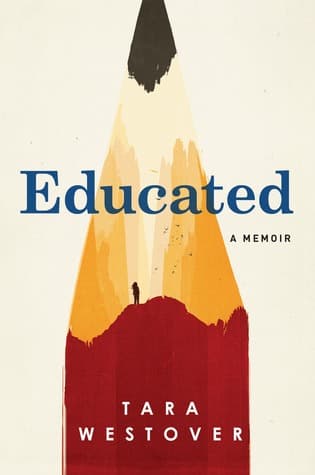
- Educated
Tara Westover
4.5 (796k) average on GoodreadsBiographyRaised in the Idaho mountains by fundamentalist survivalists, a young woman forges her own path to education, battling fierce family loyalty and personal demons to discover a world beyond her isolated upbringing.
- The Poisonwood Bible
Barbara Kingsolver
4.1 (659k) average on GoodreadsLiterary FictionA zealous missionary's rigid faith clashes with the Belgian Congo's wilderness and people, unraveling his family through the eyes of his five unforgettable women.
- Siddhartha
Hermann Hesse
4.0 (583k) average on GoodreadsHistorical FictionSiddhartha leaves a life of privilege and piety, embracing asceticism, wealth, and love to find enlightenment not in dogma, but in the whispers of a river and the unity of all existence.





Enjoyed the summary?
A summary gives you the shape of the book. The book itself has the detail, the examples and the voice.
Find Trust Me on AmazonAs an Amazon Associate, BookBrief earns from qualifying purchases. How we're funded