

Synopsis
Covers the whole plot, including the ending.
- Difficulty
- Easy
- Pacing
- Moderate
- Mood
- Humorous, Heartwarming, Nostalgic, Adventurous
- Read it if
- You enjoy heartwarming historical fiction with a strong sense of place and quirky characters, perfect for young readers.
- Skip it if
- You prefer fast-paced, high-stakes adventure or stories without a strong family focus.
Turtle in Paradise Plot Summary
Covers the whole plot, including the ending.
Departure for Key West
In 1935, eleven-year-old Turtle is sent by her mother to live with her mother's extended family in Key West, Florida. Her mother has a new housekeeping job in a wealthy household that does not allow children. Turtle, used to moving often and having a practical view of life shaped by the Great Depression, packs her few belongings, including a Shirley Temple doll she dislikes. Her mother, practical and somewhat detached, offers little comfort, stressing that their separation is temporary. Turtle rides a bus alone toward an unknown family and a new environment she has only heard about through letters.
Arrival in Key West and Meeting the Diaper Gang
When Turtle arrives in Key West, her Aunt Minnie, a bustling and kind woman, meets her. Turtle is immediately introduced to her many male cousins: Beans, Kermit, and Buddy. They are known as the 'Diaper Gang' because of their young ages and their grandmother, Nana Philly, constantly managing them. Turtle finds the household chaotic and the boys' antics overwhelming, especially their noisy games and their interest in a local 'treasure map.' She struggles with the lack of privacy and constant noise, feeling like an outsider in this unconventional family.
The Diaper Gang's Business Ventures
Turtle quickly learns that her cousins, the Diaper Gang, are always trying to earn money, often for candy or movies. These efforts include collecting discarded bottles, selling sponges they find, and even trying to sell their 'treasure map' to tourists. Turtle is initially skeptical of their methods, seeing them as impractical and childish. However, as she spends more time with them, she begins to see the cleverness behind their efforts. She slowly sheds her tough exterior and finds herself drawn into their world.
Encountering Slow Poke and the Treasure Map
Turtle meets Slow Poke, an eccentric old man who lives on a houseboat and is a local figure in Key West. Slow Poke is a family friend and often shares stories and local lore. He knows a lot about the legend of pirate treasure supposedly buried in Key West. The Diaper Gang believes their old map, passed down through generations, leads to this treasure. Slow Poke's stories spark their imagination and give Turtle a new perspective on the island's history, making her question the practicality she usually values.
The Search for Treasure Begins
Wanting riches and adventure, Turtle and the Diaper Gang begin a serious search for the pirate treasure. They follow clues on their inherited map, which leads them to various landmarks around Key West, including old trees, specific houses, and the local cemetery. Their quest involves comical mishaps, false alarms, and close calls with adults. Turtle, at first a reluctant participant, becomes more invested in the hunt, using her sharp wit and observational skills to help decipher the map.
Family Secrets and the Treasure's True Nature
As the treasure hunt continues, Turtle starts to put together clues about her family's history, especially about her grandmother, Nana Philly, and her deceased grandfather. She learns that the 'treasure' is not just gold and jewels but has a deeper, more personal meaning. The map, it turns out, was made by her grandfather, not as a guide to pirate gold, but as a sentimental journey through places important to his family. It leads to a hidden stash of money he had saved during his lifetime to provide for them. This discovery changes Turtle's understanding of wealth and family legacy.
The Found Treasure and Its Impact
Following the map's last clue, Turtle and the Diaper Gang finally unearth a tin box buried under a specific tree. Inside, they find not gold doubloons, but a substantial sum of money—the savings of Nana Philly's late husband. This discovery is a great relief for the family, who have been struggling financially during the Great Depression. The money helps them pay off debts, make necessary repairs to their home, and provides some security. Turtle realizes the true value of this treasure is not just its money, but the love and foresight of her grandfather.
Turtle's Growing Connection to Key West
During her time in Key West, Turtle slowly sheds her hardened, independent shell. She forms strong bonds with her cousins, joining their games and schemes, and learns to appreciate the unique culture and people of the island. She discovers the simple joys of community, family, and the natural beauty of Florida. The initial feeling of being an outsider fades, replaced by a sense of belonging. She learns to swim, enjoys local traditions, and finds herself genuinely happy, a feeling she had not often experienced in her nomadic life.
Mama's Visit and Turtle's Choice
Turtle's mother eventually visits Key West after her job ends. Turtle is excited but also nervous, realizing how much she has changed and how comfortable she has become with her Key West family. Her mother, still practical and somewhat distant, observes Turtle's transformation. Turtle feels torn between returning to her old life with her mother and staying in Key West, where she has found a true home and a sense of belonging for the first time. The decision weighs heavily on her, as she considers loyalty and her newfound happiness.
A New Home and Future
After much thought, Turtle decides to stay in Key West with her extended family. Her mother, understanding Turtle's happiness and the stability the family offers, agrees to let her remain. This marks a turning point for Turtle, as she finally finds a permanent home and a loving, chaotic family that accepts her completely. She fully embraces the Key West lifestyle, continuing her adventures with the Diaper Gang and looking forward to a future filled with warmth, community, and a sense of belonging she had always wanted.
Turtle in Paradise Characters
Turtle
Protagonist
An eleven-year-old girl who learns to open her heart in Key West.
Turtle is an eleven-year-old girl, initially pragmatic, independent, and somewhat cynical due to a life of constant movement and her mother's detached nature during the Great Depression. She is intelligent and observant, preferring to keep to herself and avoid emotional attachments. Her experiences have taught her to be self-reliant and to expect little from life. She dislikes her given name, 'Turtle,' and metaphorically lives inside a shell, protecting herself from potential hurt. She possesses a sharp wit and a surprising capacity for loyalty once she allows herself to connect with others.
Relationships: Mama (Distant but loving mother); Aunt Minnie (Warm, welcoming aunt); Nana Philly (Wise and central matriarch); Beans (Boisterous cousin, leader of the Diaper Gang); Kermit (Quiet, observant cousin); Buddy (Youngest, mischievous cousin); Slow Poke (Eccentric family friend and local historian)
Mama
Supporting
Turtle's practical and somewhat distant mother.
Turtle's mother is a hardworking woman trying to make ends meet during the Great Depression. She is practical, focused on survival, and often emotionally distant, which has led Turtle to become self-reliant. Despite her detachment, she loves Turtle and makes decisions she believes are best for her daughter's well-being, even if it means temporary separation. Her character represents the harsh realities faced by many during the era, forcing difficult choices for families.
Relationships: Turtle (Distant but loving mother-daughter relationship); Aunt Minnie (Sister)
Aunt Minnie
Supporting
Turtle's kind, bustling aunt who provides a warm home.
Aunt Minnie is Turtle's mother's sister and the primary caregiver for the Diaper Gang. She is a warm, energetic, and endlessly patient woman who embodies the spirit of family and community. She readily welcomes Turtle into her chaotic household and provides the stability and affection Turtle has often lacked. Minnie is the glue of the family, managing the boys and maintaining a lively, if unconventional, home.
Relationships: Turtle (Welcoming aunt); Mama (Sister); Nana Philly (Daughter); Beans, Kermit, Buddy (Mother)
Nana Philly
Supporting
The wise and matriarchal grandmother of the Key West family.
Nana Philly is the matriarch of the Key West family, a wise and observant woman who holds the family's history and secrets. She is a calming presence amidst the chaos of the Diaper Gang and often offers subtle guidance and insight. She possesses a deep understanding of her family's past, particularly concerning the 'treasure map' and her late husband's legacy. Her quiet strength and love for her family are evident in her actions and her stories.
Relationships: Turtle (Grandmotherly figure); Aunt Minnie (Mother); Beans, Kermit, Buddy (Grandmother)
Beans
Supporting
The leader of the Diaper Gang, full of schemes and energy.
Beans is Turtle's cousin and the oldest of the 'Diaper Gang.' He is energetic, boisterous, and the unofficial leader of his younger brothers. Beans is constantly concocting schemes to earn money, always with a sense of adventure and mischief. He is initially wary of Turtle but quickly accepts her into their group, appreciating her intelligence and resourcefulness during their treasure hunt. He embodies the carefree, adventurous spirit of Key West childhood.
Relationships: Turtle (Cousin and adventure partner); Kermit (Brother); Buddy (Brother); Aunt Minnie (Son)
Kermit
Supporting
The quiet and observant middle cousin of the Diaper Gang.
Kermit is the middle child of the Diaper Gang, often quieter and more observant than his brothers. He has a thoughtful nature and a keen eye for details, which proves useful during the treasure hunt. While he participates in his brothers' antics, he often provides a grounded perspective. He forms a strong bond with Turtle, often sharing quiet moments and insights that help her understand the family and the island.
Relationships: Turtle (Cousin and friend); Beans (Brother); Buddy (Brother); Aunt Minnie (Son)
Buddy
Supporting
The youngest and most mischievous member of the Diaper Gang.
Buddy is the youngest of the Diaper Gang, a mischievous and often messy toddler whose antics provide much of the comic relief. Despite his young age, he is fully integrated into his brothers' adventures, often unintentionally contributing to their schemes or creating new challenges. He represents the uninhibited joy and simplicity of childhood, and his innocent affection helps to soften Turtle's hardened exterior.
Relationships: Turtle (Youngest cousin); Beans (Brother); Kermit (Brother); Aunt Minnie (Son)
Slow Poke
Supporting
An eccentric local and family friend who knows Key West's history.
Slow Poke is an older, eccentric resident of Key West who lives on a houseboat. He is a local historian and storyteller, providing the children with tales of pirates, local lore, and insights into the island's past. He serves as a mentor figure, offering cryptic clues about the treasure and encouraging the children's imaginative pursuits. Slow Poke embodies the unique, laid-back spirit of Key West and its rich history.
Relationships: Turtle (Mentor/Storyteller); Diaper Gang (Friend and source of local knowledge); Nana Philly (Long-time acquaintance)
Turtle in Paradise Themes
Family and Belonging
The main theme is Turtle's journey to find family and belonging. Having lived a transient life, Turtle first struggles to connect with her Key West relatives. However, through shared adventures, daily chaos, and the unconditional love of Aunt Minnie and Nana Philly, she gradually opens up. The treasure hunt becomes a metaphor for uncovering the hidden value of family bonds. Turtle chooses to stay with her new family, showing that family is not just blood, but where one feels at home. This is clear in her change from a detached observer to a cherished member of the 'Diaper Gang'.
“Maybe it wasn't a treasure of gold and jewels. Maybe it was something else. Something better.”
The Nature of 'Treasure'
The novel explores what 'treasure' truly means. The children initially believe the map leads to pirate gold, symbolizing material wealth and an escape from their Depression-era struggles. However, the discovery of the buried money, saved by Nana Philly's late husband, reveals a treasure of foresight, love, and security for his family. This changes the idea of wealth from glittering gold to the practical, life-sustaining value of family provision and historical legacy. The true 'treasure' also includes the intangible riches Turtle finds: friendship, community, and a sense of belonging in Key West, which are more valuable than any material gain.
“It wasn't gold, but it was treasure. It was belonging.”
Coming of Age and Self-Discovery
Turtle's journey from New Jersey to Key West is a coming-of-age story. She starts as a hardened, cynical girl who had to mature quickly due to her circumstances. In Key West, away from her mother's influence, she can explore her own identity. Through her interactions with her cousins, her participation in their schemes, and her growing appreciation for Key West culture, Turtle learns to trust, to laugh, and to open her heart. She sheds her protective 'shell,' discovering a capacity for joy and connection she never knew she had. She ultimately decides where she truly belongs and who she wants to be.
“I was Turtle. And I was finally home.”
Resilience and Resourcefulness during the Depression
Set during the Great Depression, the novel highlights the resilience and resourcefulness of ordinary people in difficult times. Turtle's mother sends her away to get a job, showing the tough choices families faced. In Key West, the Diaper Gang's constant efforts to earn money—collecting bottles, selling sponges—illustrate the entrepreneurial spirit born out of necessity. The discovery of Nana Philly's husband's hidden savings emphasizes the foresight and planning needed for survival. This theme shows how communities worked together and individuals found creative ways to cope and even thrive amidst economic hardship, emphasizing the strength of the human spirit.
“Every penny counted, especially in the Depression.”
Plot Devices & Literary Techniques
The Treasure Map
A physical map that drives the plot and symbolizes family history.
The treasure map, supposedly leading to pirate gold, serves as the primary plot device, propelling Turtle and the Diaper Gang on their adventures. Initially a source of childish fantasy, it gradually reveals its true nature as a sentimental journey through family history, created by Nana Philly's late husband. It acts as a MacGuffin, driving the immediate action, but its true function is to uncover familial secrets and to lead the characters (and the reader) to a deeper understanding of what constitutes 'treasure' and legacy. It also serves as a bonding experience for Turtle and her cousins.
The 'Diaper Gang'
A collective name for Turtle's mischievous boy cousins.
The 'Diaper Gang' (Beans, Kermit, and Buddy) functions as a collective character and a plot device to challenge Turtle's preconceived notions and facilitate her emotional growth. Their chaotic energy, constant schemes, and boisterous play force Turtle out of her reserved nature. They represent the uninhibited joy and community she has lacked, drawing her into their world of adventure. Their collective presence provides both comic relief and the catalyst for Turtle's transformation from an outsider to a cherished family member, teaching her about loyalty, fun, and belonging.
Key West Setting (1935)
The unique historical and geographical location that shapes characters and plot.
The setting of Key West in 1935 is more than just a backdrop; it's a crucial plot device that influences the characters and narrative. Its isolation, unique culture, historical quirks (like the pirate legends and sponge diving), and the impact of the Great Depression create a distinct environment. The island's laid-back atmosphere contrasts with Turtle's previous transient life, allowing her to relax and open up. The historical context of the Depression provides the motivation for the treasure hunt and underscores the family's struggles, making the discovery of the 'treasure' even more impactful. The setting itself becomes a character, contributing to Turtle's self-discovery.
Shirley Temple Doll
A symbolic object representing Turtle's resistance to societal expectations and her own emotional guardedness.
The Shirley Temple doll, which Turtle secretly despises but carries with her, serves as a powerful symbol. Shirley Temple represents a saccharine, idealized version of childhood that Turtle, with her tough, pragmatic upbringing, rejects. The doll embodies the innocence and conventional femininity Turtle feels she cannot or does not want to embrace. It symbolizes her initial emotional guardedness and her resistance to being perceived as soft or vulnerable. As Turtle grows and opens up in Key West, her relationship with the doll subtly changes, reflecting her own transformation and acceptance of different facets of herself.
Turtle in Paradise Quotes
“Every family has its secrets. Some are just bigger than others.”
“Being eleven years old and knowing how to do laundry, that was a skill.”
“Sometimes the things you don't know are better left that way.”
“Florida wasn't just hot; it was a whole new kind of hot, the kind that made your clothes stick to you like a second skin.”
“It's a Depression, Turtle. Nobody's got extra for anything.”
“A good story always had a little bit of truth and a whole lot of imagination.”
“Sometimes you just had to make do with what you had, even if what you had wasn't much.”
“Families were like that. Messy and complicated and sometimes you wanted to throw them out with the bathwater, but you couldn't.”
“The ocean was a big, blue secret, always changing, always the same.”
“There were some things money couldn't buy, and family was one of them.”
“Life had a way of surprising you, even when you thought you knew all its tricks.”
“Being brave didn't mean you weren't scared. It meant you did it anyway.”
“Sometimes you had to leave home to find out where you truly belonged.”
“The past was like a turtle, slow and steady, but always catching up to you.”
Quiz
10 questions on the plot and the characters. Each answer comes with a short explanation.
Question 1
Why does Turtle have to leave her mother and go to Key West?
- Her mother wants her to experience a different lifestyle.
- Her mother gets a housekeeping job for a lady who doesn't like children.
- Turtle was misbehaving and needed a change of scenery.
- Her mother is sick and needs to recover in a quiet place.
Show answer
B. Her mother gets a housekeeping job for a lady who doesn't like children. Turtle's mother secured a housekeeping job, but the employer did not want children in the house, necessitating Turtle's move to Key West.
Question 2
What is the name of the 'Diaper Gang' that Turtle encounters in Key West?
- They are not called the 'Diaper Gang' in the book.
- Skeeter, Beans, and Kermit
- Pip, Skip, and Zip
- Dinky, Stinky, and Pinky
Show answer
B. Skeeter, Beans, and Kermit Turtle's boy cousins, who are often involved in various schemes, are Skeeter, Beans, and Kermit, collectively known as the 'Diaper Gang' because of their age and mischief.
Question 3
What era is the story 'Turtle in Paradise' set in?
- The Roaring Twenties
- The Great Depression
- World War II
- The Post-War Boom
Show answer
B. The Great Depression The book explicitly states it is 1935, a time when 'jobs and money and sometimes even dreams are scarce,' placing it squarely in the Great Depression era.
Question 4
What is the main reason the Diaper Gang is obsessed with finding pirate treasure?
- They want to buy a new boat for their grandfather.
- They believe it will solve their family's financial struggles.
- They want to impress Turtle with their adventurous spirit.
- They are collecting historical artifacts for a local museum.
Show answer
B. They believe it will solve their family's financial struggles. The boys are driven by the hope that finding treasure will bring wealth to their struggling family, a common theme during the Depression.
Question 5
What significant event brings the community of Key West together at the end of the book?
- A large fishing tournament.
- A hurricane that devastates the town.
- The arrival of a famous movie star.
- A successful treasure hunt.
Show answer
B. A hurricane that devastates the town. The climax of the book involves a powerful hurricane that forces the community to band together for survival and recovery.
Question 6
What is Turtle's initial impression of Key West and her new relatives?
- She is immediately delighted and feels at home.
- She finds it hot, strange, and full of ragtag boy cousins, making her uncomfortable.
- She is indifferent, having no strong feelings either way.
- She is excited by the prospect of adventure and treasure hunting.
Show answer
B. She finds it hot, strange, and full of ragtag boy cousins, making her uncomfortable. The synopsis states that 'Florida's like nothing Turtle's ever seen before though. It's hot and strange, full of ragtag boy cousins,' reflecting her initial discomfort and unfamiliarity.
Question 7
What does Turtle's mother send her in a package that causes some confusion and excitement among the cousins?
- A new dress and shoes.
- A box of old comic books.
- A collection of seashells.
- A map to a hidden treasure.
Show answer
B. A box of old comic books. Turtle's mother sends her a box of comic books, which are a novelty and highly valued by the cousins, leading to various bartering and trading schemes.
Question 8
How does Turtle's character evolve throughout her time in Key West?
- She becomes more withdrawn and isolated.
- She becomes more cynical and distrustful of others.
- She comes out of her shell, becoming more open, adventurous, and connected to her family.
- She remains unchanged, maintaining her initial guarded personality.
Show answer
C. She comes out of her shell, becoming more open, adventurous, and connected to her family. The synopsis highlights that 'Turtle finds herself coming out of the shell she's spent her life building, and as she does, her world opens up in the most unexpected ways,' indicating significant personal growth.
Question 9
What is the significance of the 'conch' identity for the residents of Key West?
- It's a derogatory term used by tourists.
- It signifies that they are native-born residents of Key West, proud of their heritage.
- It refers to their primary occupation as conch shell collectors.
- It's a secret code word used by the Diaper Gang.
Show answer
B. It signifies that they are native-born residents of Key West, proud of their heritage. Throughout the book, being a 'Conch' is a strong identifier for those born in Key West, representing a sense of belonging and local pride.
Question 10
What kind of 'treasure' does Turtle ultimately find or realize is most valuable during her time in Key West?
- A chest full of gold coins from a shipwreck.
- The love and connection of her family and a sense of belonging.
- A rare and valuable collection of seashells.
- A hidden stash of comic books even older than her own.
Show answer
B. The love and connection of her family and a sense of belonging. While the boys search for literal pirate treasure, Turtle's journey emphasizes the theme that true 'treasure' lies in familial bonds, community, and personal growth, as she finds a sense of belonging.
Turtle in Paradise FAQ
What is the main premise of 'Turtle in Paradise'?
The story follows 11-year-old Turtle in 1935, who is sent from Depression-era New Jersey to live with her extended family in Key West, Florida, after her mother takes a housekeeping job where children are not allowed. Turtle, a pragmatic and independent girl, must adapt to a new, unfamiliar environment filled with eccentric relatives and unexpected adventures.
Who are the primary characters Turtle encounters in Key West?
In Key West, Turtle meets her formidable Grandma Sylvie, her three boisterous boy cousins — Beans, Kermit, and Buddy — and her Aunt Minnie. She also forms a close bond with a local girl named Slow Poke, who introduces her to the island's unique culture and helps her navigate the new surroundings.
What is the historical setting of the book and how does it influence the plot?
The book is set in 1935 during the Great Depression. This era is crucial as it explains why Turtle's mother must send her away for work, highlights the family's financial struggles, and provides the backdrop for the various schemes and resourcefulness displayed by the Key West residents, including the search for pirate treasure.
What major adventure or mystery does Turtle get involved in with her cousins?
Turtle and her cousins become obsessed with finding buried pirate treasure, inspired by local legends and a map they believe to be authentic. This quest leads them on various escapades around Key West, including digging in unlikely places and encountering suspicious characters, providing much of the story's adventure.
How does Turtle's perspective on life change throughout the story?
Initially, Turtle is cynical and self-reliant, having learned not to expect much from life. By the end, her experiences in Key West, particularly the warmth of her family and the thrill of adventure, help her to open up, form genuine connections, and embrace a more hopeful and less jaded view of the world.
What is the significance of the 'diaper gang' and their activities?
The 'diaper gang' refers to Turtle's younger boy cousins, Beans, Kermit, and Buddy, who are constantly involved in various schemes to earn money, often involving collecting discarded items or selling sponges. Their entrepreneurial spirit reflects the resourcefulness needed to survive during the Depression and provides comic relief as well as practical contributions to the family.
Are there any real-life historical details or figures referenced in the book?
Yes, the book incorporates real historical details about Key West during the Depression, including the New Deal's efforts to revitalize the struggling island through tourism, such as painting houses and creating attractions. The story also subtly references the unique culture and demographics of Key West at that time, though without specific historical figures.
What is the underlying reason for Grandma Sylvie's strictness and resistance to change?
Grandma Sylvie's strictness stems from her deep-seated desire to protect her family and maintain order amidst the chaos of the Depression. Her resistance to change, particularly regarding the family's traditions and way of life, reflects a fear of losing what little stability they have and a longing for the past, which she perceives as more secure.
How does Turtle's relationship with her mother evolve, despite their physical separation?
Despite being separated, Turtle's relationship with her mother is subtly explored through their letters and Turtle's internal thoughts. Turtle understands her mother's difficult choices and ultimately appreciates the sacrifices made, leading to a deeper, more mature understanding and love between them, reinforced by the eventual hope of reunion.
What role does the theme of 'belonging' play in Turtle's journey?
The theme of belonging is central to Turtle's journey. Initially, she feels like an outsider, a 'turtle in her shell,' but through her experiences with her cousins, Slow Poke, and the rest of her Key West family, she gradually finds a sense of community and acceptance, realizing she belongs in this unconventional, loving household.
How does Turtle's initial cynicism serve as both a strength and a weakness?
Turtle's cynicism is a strength because it makes her pragmatic and resilient, allowing her to cope with difficult circumstances without being easily disappointed. However, it's also a weakness as it prevents her from fully engaging with others and experiencing joy and connection until she learns to let down her guard in Key West.
What is the symbolic significance of the 'treasure' in the story?
The 'treasure' initially represents literal pirate gold, symbolizing a quick fix to the family's financial woes. However, it ultimately symbolizes the invaluable experiences, family bonds, and personal growth Turtle gains in Key West, proving that true riches are found in relationships and self-discovery rather than material wealth.
How does the author use the setting of Key West to enhance the story's themes?
Key West's unique, isolated, and slightly eccentric atmosphere perfectly complements the story's themes of unconventional family, resourcefulness, and finding magic in the mundane. Its vibrant culture, tropical landscape, and historical context of Depression-era struggle provide a rich backdrop for Turtle's personal transformation and the family's adventures.
Is there a deeper meaning behind Turtle's nickname and her eventual 'coming out of her shell'?
Turtle's given name, 'Turtle,' directly reflects her guarded, self-protective nature at the beginning of the story, much like a turtle retreating into its shell. Her journey in Key West, where she learns to trust and connect with others, symbolizes her 'coming out of her shell,' becoming more vulnerable, open, and emotionally expressive.
What message does the book convey about family, particularly extended family?
The book strongly conveys that family, especially extended family, can be a source of unexpected love, support, and belonging, even if they are initially strangers or unconventional. It highlights how these bonds can provide stability and joy during challenging times, shaping one's identity and offering a sense of home.
How does the character of Slow Poke contribute to Turtle's development?
Slow Poke serves as Turtle's first true friend in Key West, acting as a guide to the island's unique customs and a confidante. Her easygoing nature and acceptance help Turtle to relax her guard, learn about friendship, and participate in the local culture, fostering Turtle's emotional growth and sense of belonging.
What is the significance of the cat, Smokey, in the narrative?
Smokey, the family cat, is a constant, comforting presence in the household. Beyond being a pet, Smokey symbolizes the simple, enduring comforts and the subtle, unspoken affection that exists within the family. His consistent presence offers a sense of normalcy and warmth amidst the family's various escapades and struggles.
How does the book explore the theme of childhood innocence during a difficult historical period?
The book explores childhood innocence by showing how Turtle and her cousins, despite living through the Depression, still find joy, adventure, and imagination in their daily lives. Their treasure hunt, games, and schemes demonstrate a resilient spirit and the ability to create their own world of fun and excitement, even when resources are scarce.
About the author

Jennifer L. Holm is an American author known for her children's and young adult fiction. Her notable works include "Sunny Side Up," "Turtle in Paradise," and "Penny from Heaven," which explore themes of family and friendship through engaging narratives. Holm's writing has received recognition, including multiple awards for her contributions to children's literature.
Similar books
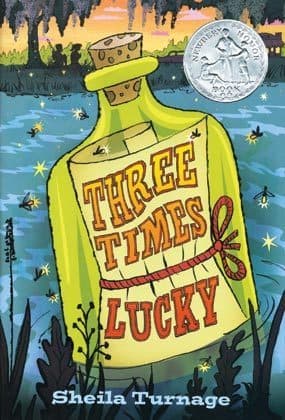
- Three Times Lucky
Sheila Turnage
4.0 (22k) average on GoodreadsChildren'sFeatures a strong, resourceful young female protagonist in a quirky Southern town solving mysteries.
- Moon Over Manifest
Clare Vanderpool
4.0 (31k) average on GoodreadsChildren'sHistorical fiction about a young girl sent to live with relatives in a new town, uncovering its past and her family's secrets.
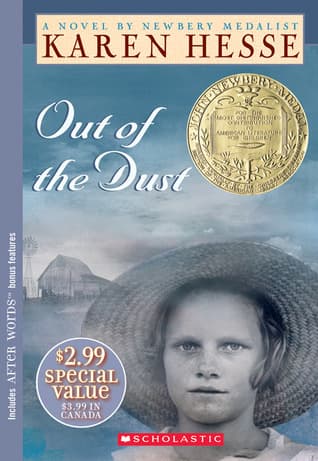
- Out of the Dust
Karen Hesse
3.8 (69k) average on GoodreadsChildren'sBoth Turtle in Paradise and Karen Hesse's Out of the Dust are historical fiction novels set during the Great Depression, featuring young female protagonists facing hardship and displacement. However, Out of the Dust is significantly grittier and more somber, written in free verse, focusing on the devastating impact of the Dust Bowl on Billie Jo and her family. While Turtle in Paradise maintains a tone of resilience and humor despite challenges, Out of the Dust delves into themes of grief, loss, and environmental devastation with a raw intensity that is far more emotionally demanding. Holm's work offers a more optimistic and adventurous lens on a difficult period, making it generally more accessible for younger middle-grade readers, whereas Hesse's novel is often considered for slightly older or more mature readers due to its intense themes and poetic structure.
- A Year Down Yonder
Richard Peck
4.1 (28k) average on GoodreadsChildren'sRichard Peck's A Year Down Yonder also features a young protagonist, Mary Alice, sent to live with an eccentric relative (Grandma Dowdel) during the Great Depression. Both books share a similar tone of wry humor and a focus on community and family in a rural, Depression-era setting. Like Turtle, Mary Alice is an observant outsider who adapts to her new, unconventional surroundings. However, A Year Down Yonder is set in a small Illinois town, offering a different regional perspective of the Depression. Peck's Grandma Dowdel is a more overtly mischievous and formidable character than anyone in Turtle's Key West family, and the humor in Peck's novel often stems from Grandma's cunning schemes and the consequences for the townspeople. While both authors excel at capturing period detail and crafting memorable characters, Holm's focus is more on Turtle's internal journey of finding belonging, whereas Peck's often highlights Grandma Dowdel's larger-than-life impact on her community.
- Harry Potter and the Sorcerer's Stone
J.K. Rowling
4.5 (7M) average on GoodreadsFantasyRescued from a miserable life under the stairs, an orphaned boy discovers he's a wizard destined for a magical school, where he uncovers a dangerous secret tied to the dark wizard who murdered his parents.
- The Hobbit, or There and Back Again
J.R.R. Tolkien
4.3 (2.9M) average on GoodreadsFantasyA comfort-loving hobbit named Bilbo Baggins is whisked away by a mischievous wizard and a band of dwarves on an unexpected journey to reclaim stolen treasure from a fearsome dragon, discovering courage and a magical ring along the way.




Enjoyed the summary?
A summary gives you the shape of the book. The book itself has the detail, the examples and the voice.
Find Turtle in Paradise on AmazonAs an Amazon Associate, BookBrief earns from qualifying purchases. How we're funded