

Synopsis
Covers the whole plot, including the ending.
- Difficulty
- Medium
- Pacing
- Moderate
- Mood
- Atmospheric, Suspenseful, Dark, Victorian
- Read it if
- You enjoy classic Gothic thrillers with a focus on psychological suspense and an innocent protagonist in peril.
- Skip it if
- You prefer fast-paced modern thrillers or dislike Victorian prose and intricate plot developments.
Uncle Silas Plot Summary
Covers the whole plot, including the ending.
A Childhood in Isolation
Maud Ruthyn, the protagonist and narrator, describes her isolated childhood at Knowl, her family's ancestral home. Raised by her reclusive father, Austin Ruthyn, and a kind governess, Madame de la Rougierre, Maud is shielded from the outside world. Her father is a wealthy, melancholic man with peculiar habits. He is troubled by a past scandal involving his younger brother, Silas Ruthyn, who was accused, though acquitted, of murder years ago. This reputation casts a shadow over Austin, shaping his worldview and Maud's upbringing, as he often speaks of the 'evil' in the world.
Austin Ruthyn's Will
Austin Ruthyn's health declines, and he becomes preoccupied with the afterlife and his wealth. In his will, he makes an unusual provision: Maud, after his death, is to live with his estranged brother, Silas Ruthyn, at Bartram-Haugh, until she comes of age or marries. This condition stems from Austin's belief that he owes Silas a chance at redemption, or perhaps to test Silas's character. Austin dies, leaving Maud a vast fortune and a unsettling guardianship. Maud is initially bewildered and fearful, having only heard whispers of her uncle's infamous past.
Arrival at Bartram-Haugh
Maud, accompanied by Madame de la Rougierre, travels to Bartram-Haugh, a dilapidated and isolated estate. The journey feels ominous, and the house, upon arrival, is even more dismal than Maud imagined. She meets her Uncle Silas, a seemingly frail and pious old man, confined to his bed or chair, known for opium use and an unsettling intensity in his eyes. Also present are Silas's boorish son, Dudley Ruthyn, and the sinister French governess, Madame de la Rougierre, who, to Maud's dismay, quickly asserts control over Maud's daily life and correspondence.
A Web of Deception and Fear
Life at Bartram-Haugh becomes a nightmare for Maud. Madame de la Rougierre, instead of being a comfort, becomes her chief tormentor, intercepting letters, spreading rumors, and isolating her. Dudley Ruthyn, Silas's son, makes crude advances and threats, reminding Maud of her vulnerable position. Uncle Silas, despite his apparent infirmity, subtly manipulates the situation, watching Maud with chilling intensity. Maud feels trapped, her fortune now a source of extreme danger. She suspects her uncle and his accomplices are plotting against her, perhaps even her death, to get her inheritance. The house itself, with its secret passages, adds to her dread.
The Mysterious Cousin Milly
During her confinement, Maud meets her cousin, Milly Ruthyn, a kind young woman who lives nearby. Milly is the daughter of Silas's deceased brother and does not know the full extent of the schemes at Bartram-Haugh. Their initial meetings offer Maud hope and a rare moment of connection. Milly's presence is a temporary comfort, and Maud confides some of her fears, though she is careful not to reveal the full danger. Milly, though somewhat naive, expresses concern for Maud and offers what little solace she can, showing the contrast between her innocence and the evil around Maud.
The Marriage Plot
Uncle Silas, through Madame de la Rougierre and Dudley, plots to force Maud into marriage with Dudley. Such a union would give Dudley, and by extension Silas, complete control over Maud's substantial inheritance. Maud resists, understanding that this marriage would seal her fate and effectively make her a prisoner for life, or worse. The pressure increases, with threats and psychological manipulation used to break her will. Maud's refusal only intensifies the malevolence directed at her, making it clear her life is in danger if she continues to defy their plans.
The Escape Attempt
Driven by desperation, Maud tries to escape Bartram-Haugh. She attempts to use a moment of distraction or a perceived weakness in her captors' surveillance. However, her attempt is quickly discovered and suppressed by Madame de la Rougierre and Dudley. This failed escape only tightens the noose around her, leading to stricter confinement and increased vigilance from her tormentors. The incident highlights her helplessness and the control Silas and his accomplices have over her, further isolating her and deepening her despair. She realizes that physical escape is nearly impossible without outside help.
The Impersonation Scheme
The plot reaches its climax when Maud is drugged and placed in her bed. The plan is to substitute her with another woman, a mentally ill local, whom Silas intends to murder, making it appear as though Maud has died. This scheme aims to get Maud's inheritance without directly implicating Silas. However, a crucial mistake occurs: the intended victim, the poor substitute, is mistaken for Maud and brutally murdered in her bed by Dudley and Madame de la Rougierre. Maud, still disoriented from the drug, witnesses parts of this horrifying event from a hidden spot, realizing the full extent of the evil she has escaped.
The Aftermath and Discovery
The murder of the substitute woman is soon discovered, throwing Bartram-Haugh into chaos. The local authorities are called, and an investigation begins. Maud, initially traumatized and disbelieved, eventually communicates the truth. Her testimony, combined with the evidence, exposes the plot. Dudley Ruthyn is apprehended for the murder. Uncle Silas, realizing his scheme has failed and his guilt is about to be exposed, dies of a sudden seizure, likely from stress and the failure of his plan. Madame de la Rougierre tries to flee but is also captured, facing justice for her role.
Resolution and Reflection
With the villains brought to justice and Silas dead, Maud is finally free from the terror of Bartram-Haugh. She inherits her fortune and can live a life free from immediate danger. The experience, however, leaves a lasting mark. She reflects on her father's will, understanding his intentions were perhaps noble but misguided, and that he ultimately placed her in grave danger. Maud finds solace in her newfound freedom and the lessons learned about human nature and evil. She eventually marries and lives a quiet life, shaped by the gothic horror she endured, but ultimately stronger and more self-aware.
Uncle Silas Characters
Maud Ruthyn
Protagonist
A naive heiress thrust into a world of deception and danger.
Maud is a sheltered, innocent young woman, raised in isolation at Knowl. She is intelligent, observant, and possesses a strong moral compass, though initially naive about the true nature of evil. Her father's will places her in a perilous situation, forcing her to confront the darkness of human nature. Despite her initial fear and helplessness, she demonstrates remarkable resilience and courage in the face of immense psychological and physical threats. Her wealth makes her both a target and, ironically, the source of her vulnerability.
Relationships: Austin Ruthyn (Devoted daughter, but also a victim of his misguided will.); Uncle Silas (His unsuspecting ward, then his intended victim.); Madame de la Rougierre (Her cruel and manipulative governess/tormentor.); Dudley Ruthyn (His intended bride and victim.); Milly Ruthyn (A kind cousin and brief confidante.)
Uncle Silas Ruthyn
Antagonist
Maud's enigmatic and sinister uncle, a master manipulator.
Silas is Austin Ruthyn's younger brother, a man with a dark past, having been acquitted of murder years prior. He is portrayed as an outwardly frail and pious invalid, often confined to his room, but beneath this facade lies a cunning, ruthless, and deeply avaricious mind. He is addicted to opium, which adds to his mysterious and unsettling aura. His primary motivation is greed, aiming to acquire Maud's vast fortune by any means necessary, including deception, coercion, and ultimately, murder. He orchestrates the entire plot against Maud with chilling precision.
Relationships: Austin Ruthyn (Estranged brother, whom he resents and exploits posthumously.); Maud Ruthyn (His niece and primary target for her inheritance.); Dudley Ruthyn (His crude and violent son, whom he uses as an enforcer.); Madame de la Rougierre (His accomplice and co-conspirator.)
Austin Ruthyn
Supporting
Maud's eccentric and philosophical father, whose will sets the plot in motion.
Austin Ruthyn is Maud's reclusive and wealthy father, a man of profound spiritual convictions and melancholic temperament. Haunted by his brother Silas's past and preoccupied with the nature of good and evil, he devises a peculiar will, believing he is giving Silas a chance at redemption by making him Maud's guardian. His intentions are perhaps noble but tragically misguided, as his decision places his beloved daughter in extreme peril. He represents a kind of intellectual and spiritual purity, contrasting sharply with the worldly corruption embodied by Silas.
Relationships: Maud Ruthyn (Devoted father, though his actions inadvertently endanger her.); Uncle Silas (Estranged brother, whom he feels a complex sense of duty towards.)
Madame de la Rougierre
Antagonist
Maud's cruel French governess and Silas's accomplice.
Madame de la Rougierre is Maud's former governess who, after Austin's death, reveals her true, sinister nature. She is a manipulative, vindictive, and thoroughly unpleasant woman, driven by greed and a desire for power. She acts as Silas's primary agent in tormenting Maud, intercepting her mail, spreading lies, and enforcing her isolation. Her foreign background is subtly used to enhance her 'otherness' and untrustworthiness in the eyes of the English characters. She is a key figure in the psychological abuse Maud endures at Bartram-Haugh.
Relationships: Maud Ruthyn (Her former governess, turned brutal captor and tormentor.); Uncle Silas (His loyal, though self-serving, accomplice.); Dudley Ruthyn (Co-conspirator in the plot against Maud.)
Dudley Ruthyn
Antagonist
Silas's boorish, violent son and Maud's unwanted suitor.
Dudley is Uncle Silas's crude, brutish, and physically imposing son. He is unintelligent but fiercely loyal to his father's schemes, driven by a desire for wealth and a base lust for Maud. He is a blunt instrument in Silas's plot, using intimidation and physical threats to control Maud. His presence at Bartram-Haugh contributes significantly to Maud's terror, as he represents a direct and immediate physical danger. He is the one who ultimately carries out the murder, albeit of the wrong person, making him directly responsible for a heinous crime.
Relationships: Uncle Silas (His father and partner in crime.); Maud Ruthyn (His intended, though unwanted, wife and victim.); Madame de la Rougierre (Co-conspirator in the plot against Maud.)
Milly Ruthyn
Supporting
Maud's kind and innocent cousin, a brief source of comfort.
Milly Ruthyn is a gentle, compassionate young woman, a distant cousin to Maud, who lives nearby with her mother, Lady Knollys. She is characterized by her sweetness, innocence, and genuine concern for Maud's well-being. Milly provides Maud with a much-needed emotional anchor during her ordeal at Bartram-Haugh, offering kindness and a brief respite from the constant dread. However, her naivety and limited influence mean she cannot truly intervene or save Maud from her predicament, serving more as a symbol of the goodness that still exists outside the corrupted world of Bartram-Haugh.
Relationships: Maud Ruthyn (A kind and supportive cousin.); Lady Knollys (Her mother.)
Lady Knollys
Supporting
Milly's mother, a well-meaning but somewhat detached relative.
Lady Knollys is Milly Ruthyn's mother and a distant relative of Maud. She is a respectable and well-intentioned woman, though somewhat oblivious to the true dangers Maud faces at Bartram-Haugh. She provides a safe haven for Milly and offers Maud some polite company, but her social position and lack of direct involvement in the Ruthyn family's machinations mean she can only offer limited assistance. She represents the respectable, unsuspecting society that exists outside the gothic horror, unable to comprehend the depths of depravity unfolding.
Relationships: Milly Ruthyn (Her daughter.); Maud Ruthyn (A distant relative and visitor.)
The Substitute Woman
Mentioned
An unfortunate, mentally ill woman used in Silas's murder plot.
This unnamed woman is a mentally ill and impoverished local resident, recruited by Silas and his accomplices to be murdered in Maud's place. She is a tragic figure, a victim of circumstance and the Ruthyns' depravity. Her role is purely instrumental, serving as the intended scapegoat in the elaborate murder plot. Her death is the shocking climax of the story, highlighting the extreme lengths Silas is willing to go to achieve his greedy aims and underscoring the horrific reality of the danger Maud escaped.
Uncle Silas Themes
The Nature of Evil
The novel explores the insidious nature of evil, showing it not always as overt monstrosity, but as cunning and hidden beneath a veneer of piety or infirmity. Uncle Silas, with his outwardly frail and religious demeanor, embodies this deceptive evil, while Madame de la Rougierre and Dudley represent more direct manifestations. The story suggests that evil can reside in unexpected places and is more dangerous when disguised. Maud's journey forces her to confront and understand the true depravity humans are capable of, particularly when driven by greed, as seen in the elaborate murder plot against her.
“Evil, after all, is not always grand and theatrical; it is often petty, calculating, and hidden in plain sight.”
Innocence Corrupted and Tested
Maud Ruthyn's journey is a tale of innocence thrust into a corrupt and dangerous world. Her sheltered upbringing leaves her unprepared for the malevolence she encounters. The novel details the psychological torment and fear she endures, systematically stripping away her naivety. Her purity and vulnerability make her an ideal victim, showing how easily innocence can be exploited. Ultimately, her survival signifies the resilience of the human spirit, even when faced with overwhelming darkness, though she is forever changed by the ordeal.
“I was like a lamb, led to the slaughter, knowing nothing of the butcher's knife.”
The Peril of Inheritance and Wealth
Maud's vast fortune is both her blessing and her curse. It is the sole reason she becomes the target of Uncle Silas's scheme. The novel critiques the corrupting influence of wealth, showing how it can drive individuals to extreme acts of cruelty. The inheritance itself becomes a plot device, creating a motive for murder and shaping Maud's destiny. Her father's will, intended with a misguided sense of duty, inadvertently places his daughter's wealth and life in jeopardy, showing how even well-intentioned decisions can have dire consequences when vast sums of money are involved.
“My fortune was a golden chain, binding me to a fate I dreaded.”
Confinement and Isolation
Confinement and isolation are central to Maud's terror. From her sheltered childhood to her virtual imprisonment, Maud is repeatedly cut off from the outside world. At Bartram-Haugh, Madame de la Rougierre actively intercepts her mail and prevents her from contacting allies, creating a suffocating sense of helplessness. This physical and psychological isolation amplifies Maud's fear, making her feel utterly alone and vulnerable to the schemes of Silas and his accomplices. The decaying, isolated mansion itself acts as a metaphor for her trapped state.
“The great house was a prison, and its silence a torment.”
Appearance vs. Reality
The novel plays with the deceptive nature of appearances. Uncle Silas appears as a frail, pious invalid, but is a cunning and ruthless villain. Madame de la Rougierre initially presents herself as a governess, only to reveal her cruel nature. Bartram-Haugh, while outwardly decaying, conceals hidden passages and sinister secrets. This theme keeps both Maud and the reader on edge, questioning who can be trusted and what lies beneath the surface. It shows that what is seen is often not what is true, adding to the psychological suspense.
“How often does the serpent hide its venom beneath the fairest leaves?”
Plot Devices & Literary Techniques
The Unconventional Will
Austin Ruthyn's peculiar will dictating Maud's guardianship.
Austin Ruthyn's will, which mandates Maud's residency with Uncle Silas, serves as the primary catalyst for the entire plot. It is an unusual and highly specific condition, born from Austin's complex spiritual beliefs and his desire to 'redeem' his brother. This device immediately places Maud in a vulnerable and dangerous situation, creating the central conflict. It also provides a moral ambiguity, as Austin's well-intentioned but misguided act ultimately endangers his daughter, highlighting the unforeseen consequences of controlling another's destiny, even posthumously.
Gothic Setting (Bartram-Haugh)
The decaying, isolated mansion that serves as Maud's prison.
Bartram-Haugh is a classic gothic setting: a dilapidated, isolated, and foreboding mansion with secret passages, echoing halls, and a pervasive sense of decay. It functions as more than just a backdrop; it is an active participant in Maud's terror. Its isolation prevents escape and outside intervention, while its labyrinthine layout and hidden spaces amplify the sense of mystery and threat. The atmosphere of the house reflects Maud's psychological state and the sinister events unfolding within its walls, enhancing the novel's suspense and dread.
The Double/Impersonation
The use of a substitute woman to impersonate Maud for a murder plot.
The device of the 'double' or impersonation is central to the climax of the novel. Silas and his accomplices plan to substitute Maud with another woman, a mentally ill local, to murder her in Maud's bed. This not only creates a terrifying near-miss for Maud but also underscores the depravity of the villains, willing to sacrifice an innocent life to achieve their ends. The confusion and the mistaken identity elevate the tension and horror, making the eventual discovery of the true victim a shocking and pivotal moment in the narrative.
First-Person Narration (Maud Ruthyn)
The story is told entirely from Maud's subjective perspective.
The novel is narrated entirely by Maud Ruthyn, offering a deeply personal and subjective account of her experiences. This first-person perspective allows the reader to fully immerse themselves in Maud's growing fear, confusion, and psychological torment. It builds suspense by limiting the reader's knowledge to what Maud herself perceives, making the revelations and twists more impactful. Her innocent and often naive viewpoint initially heightens the horror of the evil she encounters, making the reader experience the world through her vulnerable eyes.
Uncle Silas Quotes
“There are mysteries in life, not to be explained away by the vulgar arithmetic of the world.”
“Suspicion, once fairly lodged, is not easily dislodged.”
“It is a dreadful thing to be alone, utterly alone, with a secret that may destroy you.”
“The very air of the place seemed charged with a sinister, brooding spirit.”
“There are some natures so finely strung that they vibrate to every breath of evil.”
“What a strange thing is the human heart, how easily it can be swayed by fear, and how desperately it clings to hope!”
“He had that peculiar stillness which is sometimes the sign of profound thought, sometimes of profound cunning.”
“A great house, like a great family, has its own tragedies, its own secrets, its own slow decay.”
“The past, like a haunting shadow, stretches its long fingers into the present.”
“There is a kind of silent terror that is more dreadful than any spoken threat.”
“The truth, like murder, will out.”
“It is often the most innocent-seeming things that hide the greatest danger.”
“The night has a way of magnifying fears, of giving substance to the shadows of the mind.”
“There is a fatality in some lives that seems to draw them inevitably towards their doom.”
Quiz
10 questions on the plot and the characters. Each answer comes with a short explanation.
Question 1
At the beginning of the novel, what is Maud Ruthyn's financial situation after her father's death?
- She inherits her fortune immediately and completely.
- Her fortune is held in trust, and she is placed under the guardianship of her Uncle Silas.
- She is left penniless and must work for her Uncle Silas.
- She is given a small allowance but her fortune is controlled by a distant relative.
Show answer
B. Her fortune is held in trust, and she is placed under the guardianship of her Uncle Silas. Maud's father, Austin Ruthyn, stipulates in his will that Maud must live with his estranged brother, Silas, until she comes of age, at which point she will inherit her substantial fortune. This arrangement is central to the plot.
Question 2
What is the primary reason Maud's father, Austin Ruthyn, mandates that Maud live with Uncle Silas?
- To allow Silas to teach Maud about managing the family estates.
- To atone for a past injustice he believes he committed against Silas.
- To protect Maud from other unscrupulous relatives.
- To ensure Maud receives a proper religious education.
Show answer
B. To atone for a past injustice he believes he committed against Silas. Austin Ruthyn's will is influenced by his Swedenborgian beliefs and a sense of guilt regarding his brother Silas's past troubles, particularly a gambling scandal and the death of a man in Silas's room. He believes placing Maud with Silas will somehow 'redeem' Silas or atone for his own perceived failings.
Question 3
Who is Madame de la Rougierre?
- Maud's kind and protective aunt.
- A sinister French governess employed by Uncle Silas.
- A distant cousin who tries to help Maud escape.
- The housekeeper at Knowl, Maud's childhood home.
Show answer
B. A sinister French governess employed by Uncle Silas. Madame de la Rougierre is a French governess hired by Uncle Silas who quickly proves to be a cruel and complicit figure in the plot against Maud, actively tormenting and isolating her.
Question 4
What is Dudley Ruthyn's relationship to Maud?
- He is Maud's loyal servant.
- He is Maud's cousin, Uncle Silas's boorish son.
- He is Maud's suitor from a neighboring estate.
- He is Maud's half-brother.
Show answer
B. He is Maud's cousin, Uncle Silas's boorish son. Dudley Ruthyn is Uncle Silas's son and Maud's cousin. He is depicted as a crude, violent, and intimidating figure, deeply involved in his father's schemes.
Question 5
Where is Maud forced to live after her father's death?
- With her kind Aunt Ruthyn in London.
- At Knowl, her childhood home, under new management.
- At Bartram-Haugh, Uncle Silas's dilapidated mansion.
- In a secluded convent.
Show answer
C. At Bartram-Haugh, Uncle Silas's dilapidated mansion. Maud's father's will dictates that she must reside at Bartram-Haugh with Uncle Silas, a place that contributes significantly to the novel's Gothic atmosphere with its decay and isolation.
Question 6
What is the initial plan devised by Silas and his accomplices to acquire Maud's fortune?
- To force her into a marriage with Dudley Ruthyn.
- To prove her mentally unfit and have her fortune legally transferred.
- To murder her and make it appear as a suicide or accident.
- To convince her to sign over her inheritance voluntarily.
Show answer
C. To murder her and make it appear as a suicide or accident. Silas's primary scheme is to murder Maud before she comes of age, thereby inheriting her fortune, as the will stipulates that if she dies before inheriting, the fortune reverts to Silas.
Question 7
What significant event occurs in Maud's bedroom one night, initially intended for her?
- A fire is deliberately started, but quickly extinguished.
- Madame de la Rougierre is murdered in Maud's bed, mistaken for Maud.
- Maud is kidnapped and taken to a hidden dungeon.
- A letter from her lawyer is intercepted and burned.
Show answer
B. Madame de la Rougierre is murdered in Maud's bed, mistaken for Maud. In a pivotal plot twist, Madame de la Rougierre is found murdered in Maud's bed. The implication is that she was mistaken for Maud by the assassins, who were meant to kill Maud herself.
Question 8
What role does Lady Knollys play in Maud's life?
- She is a trusted family friend who provides Maud with an escape route.
- She is another of Silas's conspirators, feigning friendship.
- She is the local magistrate who investigates the crimes at Bartram-Haugh.
- She is a spiritual advisor to Uncle Silas.
Show answer
A. She is a trusted family friend who provides Maud with an escape route. Lady Knollys is a kind and discerning family friend who, sensing Maud's danger, arranges for her rescue and provides refuge, ultimately helping Maud escape the clutches of Silas.
Question 9
What is the ultimate fate of Uncle Silas?
- He is arrested and tried for his crimes.
- He commits suicide after his plans are thwarted.
- He dies suddenly, reportedly from natural causes, but under suspicious circumstances.
- He escapes the country and is never seen again.
Show answer
C. He dies suddenly, reportedly from natural causes, but under suspicious circumstances. After his plans unravel, Uncle Silas dies, ostensibly from a heart attack, but the circumstances are ambiguous, suggesting a potential role of his accomplices or the stress of his failed plot.
Question 10
Which of the following Gothic elements is MOST prominent in 'Uncle Silas'?
- Supernatural occurrences and spectral apparitions.
- A decaying mansion, psychological terror, and an innocent heroine in peril.
- Vampires and werewolves.
- Time travel and alternate realities.
Show answer
B. A decaying mansion, psychological terror, and an innocent heroine in peril. 'Uncle Silas' is a quintessential Gothic novel, featuring a vulnerable heroine (Maud), a menacing guardian (Silas), a decrepit and isolated setting (Bartram-Haugh), and a strong emphasis on psychological suspense and terror rather than overt supernatural elements.
Uncle Silas FAQ
What is the central premise of 'Uncle Silas'?
The novel follows Maud Ruthyn, a wealthy 17-year-old orphan, who is placed under the guardianship of her estranged and notoriously reclusive Uncle Silas upon her father's death. Her father's will, driven by a peculiar philosophical belief, dictates this arrangement, despite Silas's dark reputation stemming from a past murder accusation and gambling addiction.
Who is Maud Ruthyn, and what is her initial situation?
Maud Ruthyn is the innocent and sheltered protagonist, an heiress to a vast fortune. She lives a secluded life at Knowl, her family estate, before her father's death forces her into the unfamiliar and increasingly threatening environment of Bartram-Haugh, her uncle's decaying mansion.
What is the significance of Uncle Silas's past reputation?
Uncle Silas is widely believed to have committed a murder years ago, specifically that of a man named Charke, though he was acquitted. This lingering suspicion and his reclusive lifestyle contribute to the fearful atmosphere surrounding him, making Maud's guardianship under him deeply unsettling for those who know his history.
Who are the primary antagonists Maud encounters at Bartram-Haugh?
Maud is menaced by several figures at Bartram-Haugh, including her uncle's brutish son, Dudley Ruthyn, who harbors violent tendencies. The most insidious threat comes from Madame de la Rougierre, Maud's seemingly benevolent but ultimately sinister French governess, who is a key conspirator in the plot against her.
What is the ultimate goal of Silas and his confederates?
Silas and his co-conspirators, primarily Dudley and Madame de la Rougierre, aim to murder Maud and inherit her substantial fortune. They meticulously plan to make her death appear accidental or self-inflicted, thereby allowing Silas to claim her wealth as her legal guardian.
How does Maud's father's will contribute to her predicament?
Maud's father, an eccentric philosopher, explicitly stipulates in his will that Maud must live with Uncle Silas for a period, believing it will force Silas to confront his past and prove his innocence or guilt. This unusual clause directly places Maud in mortal danger, setting the entire plot in motion.
What is the role of Lady Knollys in Maud's life?
Lady Knollys is Maud's kind and protective aunt, who expresses strong reservations about Maud's placement with Uncle Silas. Despite her concerns, she is ultimately powerless to override the terms of the will, but her presence highlights the external anxieties surrounding Maud's situation.
What is the significance of the opium use mentioned in the novel?
Opium plays a subtle but crucial role, particularly in relation to Uncle Silas's character and his perceived infirmity. His reliance on it contributes to his recluse image and may also hint at a deeper psychological decay or a means to obscure his true intentions and alertness.
How does the setting of Bartram-Haugh contribute to the novel's atmosphere?
Bartram-Haugh is depicted as a decaying, isolated mansion, mirroring the moral decay and sinister intentions within. Its vastness, crumbling architecture, and remote location amplify Maud's sense of entrapment and vulnerability, creating a classic Gothic atmosphere of dread and suspense.
How does Maud's naivety evolve throughout her ordeal?
Maud begins as incredibly naive and trusting, almost willfully blind to the dangers around her. Her experiences at Bartram-Haugh, particularly the escalating threats and betrayals, force her to shed this innocence, developing a keen sense of suspicion and self-preservation, which is crucial for her survival.
What psychological elements make Silas a compelling antagonist?
Silas is compelling due to his ambiguous nature; he appears frail and pious, yet harbors a cunning and ruthless mind. His ability to manipulate perceptions and maintain a facade of innocence, despite his dark past and current machinations, creates a deeply unsettling psychological portrait of evil.
Discuss the psychological impact of isolation on Maud.
Maud's isolation at Bartram-Haugh is a key psychological torment. Stripped of her familiar surroundings and trusted companions, she is left vulnerable to gaslighting and manipulation, her perceptions of reality constantly challenged. This isolation intensifies her fear and sense of helplessness.
How does Madame de la Rougierre use psychological manipulation against Maud?
Madame de la Rougierre employs subtle psychological tactics, initially presenting herself as a kind confidante to gain Maud's trust. She then progressively isolates Maud, undermines her credibility, and instills fear, making Maud doubt her own sanity and observations, a classic form of psychological abuse.
Is Uncle Silas truly innocent of the past murder, or is it a red herring?
The novel strongly implies Silas is guilty of the past murder of Charke, despite his acquittal. The lingering suspicion and his current murderous plot against Maud suggest a consistent pattern of malevolence, making the past accusation a significant indicator of his true character rather than a distraction.
What philosophical statement might Le Fanu be making through Maud's father's will?
Le Fanu might be critiquing an overly intellectual or detached philosophical approach to human nature. Maud's father's belief that Silas could be redeemed or proven innocent through a forced encounter proves disastrously misguided, highlighting the danger of abstract ideals over practical wisdom and protection.
How does the novel challenge Victorian ideals of female vulnerability and strength?
While Maud initially embodies Victorian female vulnerability, her harrowing experiences force her to develop resilience and agency. Her survival through wit and courage, despite being a young woman in a patriarchal society, subtly challenges the passive ideal and demonstrates an innate strength under duress.
What is the significance of the resolution regarding Silas's fate?
Silas's death, though not directly at Maud's hand, serves as a form of poetic justice, as he perishes in the chaotic aftermath of his own schemes. His demise underscores the idea that evil ultimately consumes itself, providing a sense of moral closure to the intensely suspenseful narrative.
About the author

Joseph Thomas Sheridan Le Fanu was an Irish writer of Gothic tales, mystery novels, and horror fiction. He was a leading ghost story writer of his time, central to the development of the genre in the Victorian era. M. R. James described Le Fanu as "absolutely in the first rank as a writer of ghost stories". Three of his best-known works are the locked-room mystery Uncle Silas, the lesbian vampire novella Carmilla, and the historical novel The House by the Churchyard.
Similar books
- The Woman in White
Wilkie Collins
4.0 (132k) average on GoodreadsHistorical FictionFeatures an innocent heroine caught in a complex plot involving inheritance, deception, and sinister characters.
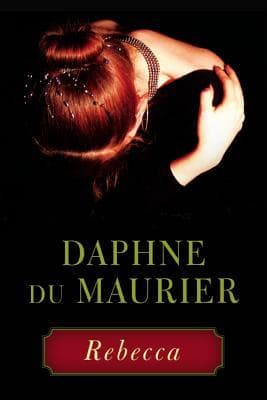
- Rebecca
Daphne du Maurier
4.2 (450k) average on GoodreadsThrillerExplores themes of a young woman entering a grand, isolated estate and facing psychological manipulation and a looming mystery.
- Jane Eyre
Charlotte Brontë
4.1 (1.6M) average on GoodreadsHistorical FictionFollows a young, vulnerable woman navigating a challenging environment with hidden dangers and moral dilemmas.
- Nineteen Eighty-Four
George Orwell
4.2 (5.5M) average on GoodreadsFictionWinston Smith dreams of truth and rebellion in a world where Big Brother watches all, but he confronts the terrifying power of a regime that controls not just actions, but thoughts.
- The Frozen River
Ariel Lawhon
4.4 (600k) average on GoodreadsFictionIn 1789 Maine, a heroic midwife's diary helps her expose a murder and get justice in a town that wants to silence her.
- A Man Called Ove
Fredrik Backman
4.4 (569k) average on GoodreadsFictionA stubborn widower, who lives by strict rules, finds his quiet world changed by a lively new family next door, making him face his past and find happiness in human connection.





Enjoyed the summary?
A summary gives you the shape of the book. The book itself has the detail, the examples and the voice.
Find Uncle Silas on AmazonAs an Amazon Associate, BookBrief earns from qualifying purchases. How we're funded