
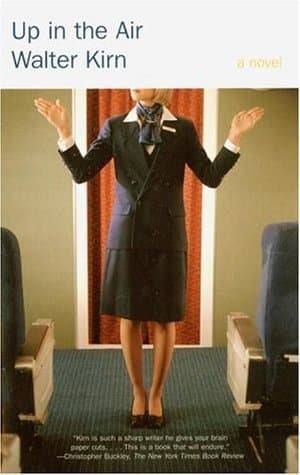
Synopsis
Covers the whole plot, including the ending.
- Difficulty
- Medium
- Read it if
- You are interested in a philosophical critique of corporate culture, the implications of constant travel and detachment, or the search for meaning in a transient professional life. Also, if you enjoyed the movie adaptation and want to delve deeper into the psychological underpinnings and satirical elements of the original story.
- Skip it if
- You are looking for a straightforward business success manual, a lighthearted travelogue, or a book that offers easy solutions to professional alienation. This book is more about existential questioning than practical advice.
Up in the Air Quotes
“To know me is to fly with me.”
“The goal is to die with nothing.”
“I am a member of a fellowship of air.”
“The more you carry, the less you can move.”
“I am a ghost in the machine.”
“The airport is my home.”
“We are here to make limbo tolerable.”
“Loyalty is a currency.”
“The world is divided into those who move and those who stay.”
“I fire people for a living.”
“Freedom is just another word for nothing left to lose.”
“The sky is my office.”
“We are all just passing through.”
“The art of packing is the art of living.”
Quiz
10 questions on the plot and the characters. Each answer comes with a short explanation.
Question 1
What is Ryan Bingham's primary occupation in 'Up in the Air'?
- Airline pilot
- Hotel manager
- Career Transition Counselor
- Business consultant
Show answer
C. Career Transition Counselor Ryan Bingham works as a Career Transition Counselor, a euphemistic term for someone who fires people for companies, which keeps him constantly traveling and forms the core of his identity in the book.
Question 2
What is Ryan Bingham's ultimate goal, referred to as his 'Holy Grail'?
- Becoming a CEO
- Finding true love
- Owning a luxury home
- Accumulating one million frequent flier miles
Show answer
D. Accumulating one million frequent flier miles Ryan's primary motivation throughout the book is to reach one million frequent flier miles, which he sees as a symbol of freedom and achievement in his rootless, airborne lifestyle.
Question 3
What term does Ryan use to describe the culture of airports, airplanes, and hotels where he spends most of his time?
- Skyworld
- Airworld
- Travelverse
- Nomadland
Show answer
B. Airworld Ryan coins the term 'Airworld' to refer to the transient, anonymous environment of airports, planes, and hotels where he finds a sense of belonging and contentment, despite its artificiality.
Question 4
Why does Ryan have a letter of resignation on his boss's desk at the start of the book?
- He is being forced to resign due to poor performance
- He hopes to join a mysterious consulting firm
- He wants to retire early
- He is protesting company policies
Show answer
B. He hopes to join a mysterious consulting firm Ryan has submitted his resignation because he is pursuing a potential job with a mysterious consulting firm, which represents a new phase in his career and life, even as he remains focused on his mileage goal.
Question 5
How does Ryan feel about his job as a Career Transition Counselor over the course of the book?
- He loves it and finds it deeply fulfilling
- He is indifferent and sees it only as a means to an end
- He has come to despise it but loves the travel lifestyle it enables
- He is proud of helping people through career changes
Show answer
C. He has come to despise it but loves the travel lifestyle it enables Ryan grows to despise the actual work of firing people, but he cherishes the 'Airworld' lifestyle it allows him to maintain, highlighting the book's theme of the psychic costs of modern rootlessness.
Question 6
What aspect of Ryan's wardrobe is specifically mentioned as part of his adaptation to constant travel?
- Custom-tailored suits
- Wrinkle-free slacks
- Waterproof shoes
- A single versatile jacket
Show answer
B. Wrinkle-free slacks Ryan's wardrobe includes wrinkle-free slacks, which symbolize his practical adaptation to life on the road, where convenience and anonymity are prioritized over personal style or comfort.
Question 7
According to the book's description, what does 'Up in the Air' combine in its narrative?
- Romantic escapades with travel tips
- Brilliant social observation with an acute sense of psychic costs
- Corporate espionage with family drama
- Historical analysis with futuristic predictions
Show answer
B. Brilliant social observation with an acute sense of psychic costs The book is noted for blending sharp social commentary on American business and travel culture with a deep exploration of the emotional and psychological toll of a rootless, disconnected existence.
Question 8
What begins to happen as Ryan gets closer to achieving his goal of one million miles?
- He receives a promotion at work
- He falls in love and settles down
- Conditions in his life start to deteriorate
- He becomes a celebrity in Airworld
Show answer
C. Conditions in his life start to deteriorate As Ryan nears his mileage milestone, his personal and professional life begins to unravel, forcing him to confront the emptiness and instability of his chosen lifestyle, a key turning point in the plot.
Question 9
What practical implication does Ryan's lifestyle have, as suggested by the book's themes?
- It leads to greater financial security and investment opportunities
- It fosters deep, lasting relationships with colleagues and clients
- It incurs high psychic costs due to rootlessness and anonymity
- It enhances physical health through constant movement
Show answer
C. It incurs high psychic costs due to rootlessness and anonymity The book argues that a life spent constantly traveling and avoiding roots, while offering freedom, comes with significant emotional and psychological drawbacks, such as isolation and a lack of genuine connection.
Question 10
How does Walter Kirn use Ryan's story to comment on broader American life, according to the book's description?
- By advocating for more government regulation of airlines
- By chronicling the decline of traditional office jobs
- By serving as a savvy chronicler of American life through social observation
- By predicting a future where everyone works remotely
Show answer
C. By serving as a savvy chronicler of American life through social observation Kirn positions Ryan's experiences as a microcosm of modern American existence, using his story to explore themes of mobility, identity, and the search for meaning in a commercialized, transient society.
Up in the Air FAQ
What is 'Airworld' in Up in the Air?
Airworld is Ryan Bingham's term for the transient, self-contained ecosystem of airports, airplanes, and hotels where he spends most of his life. It represents a culture of anonymity, routine, and detachment from traditional roots, offering him a sense of freedom and contentment despite its artificiality.
Does Up in the Air critique corporate culture?
Yes, the book offers a sharp critique of corporate culture through Ryan's job firing people and his pursuit of frequent flier miles as a hollow symbol of success. It highlights the psychic costs of rootlessness, alienation, and the dehumanizing aspects of modern business life.
How different is Up in the Air from the movie adaptation?
The book is darker and more philosophical, focusing on Ryan's internal struggles and the absurdity of 'Airworld,' while the film, starring George Clooney, adds a romantic subplot and a more streamlined, satirical take on corporate downsizing. Both share themes of isolation and the search for meaning.
What is Ryan Bingham's job in Up in the Air?
Ryan Bingham is a Career Transition Counselor, a euphemistic title for someone who fires people for companies. His job keeps him constantly traveling, reinforcing his disconnected lifestyle and fueling his obsession with accumulating frequent flier miles.
Does Up in the Air explore themes of freedom?
Yes, the book explores freedom through Ryan's quest for one million frequent flier miles, which he sees as liberation from his job and conventional life. However, it questions whether this freedom is genuine or just another form of confinement in the rootless 'Airworld.'
How different is Up in the Air from other business satires?
Unlike typical business satires that focus on office politics, Up in the Air delves into the psychological and philosophical impacts of a nomadic corporate life. It blends social observation with existential themes, making it a more introspective critique of American rootlessness.
What is the significance of the frequent flier miles in Up in the Air?
The one million frequent flier miles represent Ryan's 'Holy Grail'—a symbol of ultimate freedom and escape from his despised job. They drive the plot but also serve as a metaphor for the empty pursuits and material goals that define his rootless existence.
Does Up in the Air offer practical insights for frequent travelers?
While not a guidebook, it provides practical observations on the routines and mindset of constant travel, such as living out of a carry-on and navigating airport culture. These details underscore the book's themes of efficiency and detachment in modern life.
How does Up in the Air address the American Dream?
The book subverts the American Dream by portraying Ryan's pursuit of miles as a twisted version of success, highlighting how corporate mobility and material goals can lead to isolation and a loss of personal connections, rather than fulfillment.
What is the tone of Up in the Air?
The tone is perceptive, witty, and often melancholic, blending satire with wisdom. It critiques modern rootlessness while empathetically exploring Ryan's inner conflicts, making it both a social commentary and a philosophical reflection on existence.
About the author

Walter Kirn is an American author known for his fiction, including the novel "Up in the Air," which explores themes of modern life and disconnection. His work often delves into contemporary issues and personal identity, reflecting his keen observations of society. Kirn has also written essays and critiques, contributing to various publications.
Similar books
- Fight Club
Chuck Palahniuk
4.2 (499k) average on GoodreadsThrillerExplores themes of consumerism, corporate alienation, and the search for identity in a modern, often destructive, context.
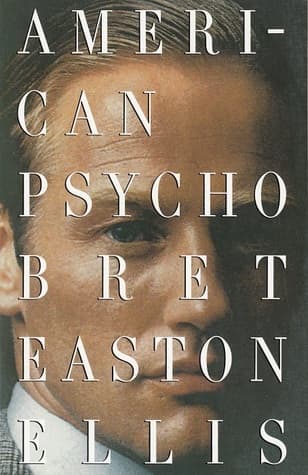
- American Psycho
Bret Easton Ellis
3.8 (242k) average on GoodreadsThrillerOffers a dark, satirical look at the superficiality, materialism, and psychological void within elite corporate culture.
- The Stranger
Albert Camus
4.1 (3k) average on GoodreadsFantasyExamines themes of existential detachment, the absurd, and an individual's struggle to find meaning in an indifferent world.
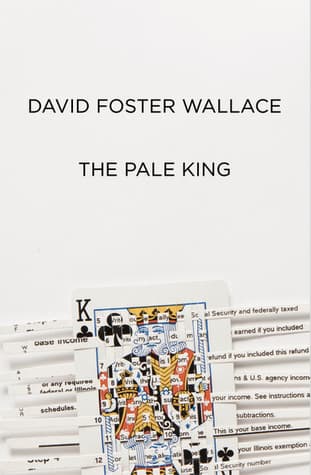
- The Pale King
David Foster Wallace
4.0 (15k) average on GoodreadsLiterary FictionWhile both novels explore alienation and the soul-crushing aspects of bureaucracy, Kirn's 'Up in the Air' focuses more on the physical and geographical dislocation of the corporate transient lifestyle (airports, hotels) rather than the internal drudgery and existential ennui of office work (IRS) found in Wallace's work. Kirn's critique is less about the absurdities of the system itself and more about the personal cost of navigating it.
- Catch-22
Joseph Heller
4.0 (723k) average on GoodreadsHistorical FictionHeller uses absurdism and satire to critique the dehumanizing logic of war and bureaucracy, with characters often victims of an illogical, inescapable system. Kirn's 'Up in the Air' offers a more realistic, albeit heightened, portrayal of contemporary business. Bingham is both an agent and a victim of the system, and the critique is more introspective about the personal toll of professional detachment rather than overtly satirical about systemic irrationality.
- Steve Jobs
Walter Isaacson
4.1 (957k) average on GoodreadsBusinessSteve Jobs was a visionary who fused creativity and technology to revolutionize six industries and shape our digital world.




Enjoyed the summary?
A summary gives you the shape of the book. The book itself has the detail, the examples and the voice.
Find Up in the Air on AmazonAs an Amazon Associate, BookBrief earns from qualifying purchases. How we're funded