

Synopsis
Covers the whole plot, including the ending.
- Difficulty
- Medium
- Pacing
- Moderate
- Mood
- Reflective, Bittersweet, Hopeful, Melancholy
- Read it if
- You enjoy character-driven stories about finding meaning and connection during an apocalypse, with a focus on young adult experiences and relationships.
- Skip it if
- You're looking for hard science fiction, fast-paced action, or a story with a definitive 'solution' to the impending doom.
We All Looked Up Plot Summary
Covers the whole plot, including the ending.
The Announcement
The lives of several students at North high are altered when news breaks that a large asteroid, Ardor, is on a collision course with Earth, with impact predicted in just two months. This revelation shatters the mundane existence of Peter, a basketball player struggling with an injury; Eliza, an artistic outcast ostracized for a past incident; Andy, a slacker and aspiring musician; and Anita, an overachiever burdened by parental expectations. The initial shock gives way to existential dread and a sudden questioning of their previous priorities and social hierarchies. The world around them, including their suburban Seattle neighborhood, begins a slow descent into chaos as society grapples with its imminent end, leaving the teenagers to navigate both global panic and personal transformations.
Breaking Free from Expectations
Anita, previously consumed by her parents' pressure for academic excellence and a prestigious college, experiences a shift. Realizing the futility of her efforts, she quits her AP classes and rejects her parents' plans, instead seeking out new experiences and connections. Meanwhile, Eliza, who has been socially isolated and bullied since nude photos of her were leaked online, finds a sense of liberation. With the impending apocalypse, the social stigma that once defined her begins to dissipate. She starts to engage with others more openly, no longer fearing judgment, and begins to reclaim her identity outside of the scandal.
Andy's Musical Awakening
Andy, a cynical slacker who once only dabbled in music, finds a new urgency in his songwriting. The asteroid's approach ignites a creative fire within him, compelling him to finish his songs and share his art. He begins busking in public spaces, drawing small crowds and finding an audience for his unique perspective on the impending doom. During this period, he starts to connect more deeply with Eliza, seeing past her reputation. Their shared understanding of being outsiders, coupled with Eliza's artistic sensibilities, starts a romantic connection. Andy's music becomes a way for him to process the global crisis and connect with others.
Peter's Existential Crisis
Peter, once defined by his promising basketball career, faces an existential crisis when a knee injury threatens his future just as the asteroid announcement hits. His dreams of a college scholarship and professional sports are shattered, rendering his past efforts meaningless in the face of global annihilation. He struggles with feelings of purposelessness and anger, initially clinging to the idea of physical training even as society crumbles. He begins to question the value of his previous ambitions and searches for new ways to define himself outside of his athletic identity. This leads him to confront his own insecurities and the superficiality of his past social standing.
Unlikely Friendships Form
As the two-month countdown progresses, the rigid social structures of North high begin to dissolve. Peter, Eliza, Andy, and Anita, who previously existed in separate social spheres, find their paths increasingly intertwined. Peter, initially dismissive of Eliza, finds himself drawn to her artistic sensibility and resilience. Anita, shedding her academic facade, seeks out new experiences and forms an unexpected bond with Andy. These friendships challenge their preconceived notions of each other and their own identities. The shared experience of impending doom acts as an equalizer, forcing them to look beyond superficial labels and find common ground in their shared humanity.
The Community's Decline
As the asteroid's arrival draws nearer, society around the characters begins to fray. Supermarkets are looted, public services decline, and a sense of lawlessness pervades. Some people succumb to despair, while others engage in hedonistic pursuits. However, amidst the chaos, there are also unexpected acts of kindness and community building. People start to connect on a deeper level, sharing resources and comfort. The students witness both the worst and best of humanity, forcing them to confront the fragility of order and the enduring power of human connection, even in the face of ultimate destruction. This societal breakdown serves as a backdrop for their personal transformations.
Love and Confession
With time running out, the characters confront their true feelings and desires. Andy and Eliza's connection deepens into a tender romance, as they find solace and understanding in each other. Peter, previously aloof, begins to acknowledge his feelings for Anita, who has shed her perfectionist shell and embraced a more authentic self. There are heartfelt confessions and moments of vulnerability that would have been impossible in their former lives. The impending end acts as a catalyst for these romantic relationships, stripping away pretense and encouraging genuine emotional honesty, allowing them to experience love in its purest, most urgent form.
The Art Project
Inspired by the desire to leave something behind, Eliza conceives of a collaborative art project: painting a mural on the side of a building, depicting their collective experiences and hopes. She rallies her new friends and other community members to participate, transforming a desolate wall into a symbol of their shared humanity. This project becomes a powerful symbol of their refusal to surrender to despair, a way to express their individual and collective voices, and a means of finding meaning in creation despite impending annihilation. The mural is a physical manifestation of their transformed identities and their desire for a lasting legacy.
Peter's Redemption
Peter, wrestling with his past mistakes and the superficiality of his previous life, seeks redemption. He takes on a protective role within their group and the wider community, using his physical strength not for sport, but for helping others. He confronts his former jock friends, rejecting their increasingly aggressive and self-serving behavior. His transformation is evident as he prioritizes the well-being of his new friends and acts with a sense of responsibility. This shift allows him to find a new kind of strength and purpose, demonstrating that true value lies not in accolades, but in compassion and connection.
Anita's Family Reconciliation
Anita, having fully embraced her newfound independence, attempts to reconcile with her parents. Their initial reaction is one of anger and confusion over her choices, but as the final days approach, a fragile understanding begins to emerge. Anita articulates her need to live authentically, even if only for a short time, and her parents, stripped of their societal ambitions, begin to see her as more than just an extension of their desires. This confrontation, though difficult, leads to a poignant moment of acceptance and love, allowing Anita to experience a genuine connection with her family free from the pressures that once defined their relationship.
The Final Concert
As the asteroid's impact draws imminent, Andy organizes a final concert, performing his completed songs for the gathered community. His music, born from his observations and experiences during the two-month countdown, resonates deeply with the audience, offering a sense of shared catharsis and connection. The concert becomes a powerful moment of collective humanity, a celebration of life and art in the face of oblivion. It solidifies Andy's identity as an artist and provides a poignant soundtrack to their final hours, demonstrating the enduring power of creation and shared experience.
Looking Up
In the novel's closing moments, Peter, Eliza, Andy, and Anita gather with others, looking up at the sky as Ardor approaches. They are no longer defined by their high school labels but by the genuine connections they've forged and the transformations they've undergone. They share a quiet, deep understanding, having lived more authentically in these two months than in their entire lives before. The ending is left open, focusing not on the impact itself, but on the human experience of facing the end with courage, love, and a renewed sense of self, highlighting that the true impact was on their lives, not just the planet.
Principal Figures
Peter
Protagonist
The once-promising athlete grappling with lost dreams and a search for new meaning.
Peter was the star basketball player, defined by his athletic prowess and the expectations that came with it. An injury prior to the asteroid announcement shatters his future, leaving him adrift and angry. He initially struggles with the meaninglessness of his former ambitions and his privileged social status. Throughout the two months, he grapples with his identity beyond sports, ultimately shedding his jock persona to become more empathetic and protective of others. He is initially drawn to Anita but develops a deeper understanding of himself through his interactions with the group.
Relationships: Anita (Initial crush, evolving into a deep, supportive romantic connection.); Eliza (Initially dismissive, later forms a respectful friendship.); Andy (Begins as acquaintances, develops into a supportive friendship.); His former jock friends (Eventually rejects their superficiality and aggression.)
Eliza
Protagonist
The artistic outcast who finds liberation and love in the face of the apocalypse.
Eliza is an artistic and introverted girl, ostracized by her peers after nude photos of her were leaked online. She carries the weight of social stigma and judgment, leading her to withdraw from others. The asteroid's impending arrival paradoxically frees her from these social constraints, allowing her to shed her fear of judgment and express herself more openly. She finds solace and connection in her art and with Andy, discovering a new sense of self-worth and belonging. Her resilience and creativity become a beacon of hope for the group.
Relationships: Andy (Romantic interest and artistic collaborator.); Peter (Forms an unlikely friendship.); Anita (Forms a supportive friendship.)
Andy
Protagonist
The cynical slacker who discovers his voice and purpose through music.
Andy is a laid-back, cynical musician who initially lacks direction and ambition. He uses humor and detachment as coping mechanisms. The asteroid's announcement sparks a profound creative awakening within him, transforming his casual interest in music into a passionate drive to create and share his art. He becomes the group's chronicler, using his songs to process the impending doom and connect with others. He forms a deep, tender relationship with Eliza, finding in her a kindred spirit and a muse. His music offers comfort and a sense of shared humanity to the community.
Relationships: Eliza (Romantic interest and artistic collaborator.); Anita (Forms a supportive friendship.); Peter (Develops a supportive friendship.)
Anita
Protagonist
The overachiever who rebels against parental expectations to live authentically.
Anita is a driven, intelligent overachiever, constantly striving for academic perfection to meet her demanding parents' expectations. She is initially rigid and consumed by her future plans. The news of the asteroid shatters her carefully constructed world, leading her to question the value of her past efforts and rebel against her parents' control. She sheds her perfectionist facade, seeking out new experiences and genuine connections. Her transformation involves embracing spontaneity and forming unexpected friendships, particularly with Andy and Peter. She ultimately finds a fragile reconciliation with her parents, based on genuine understanding.
Relationships: Peter (Develops a deep, supportive romantic connection.); Andy (Forms a supportive friendship.); Eliza (Forms a supportive friendship.); Her Parents (Initially strained and rebellious, evolves into a poignant reconciliation.)
Marcus
Supporting
Peter's former basketball teammate and friend, who succumbs to despair and aggression.
Marcus is Peter's former teammate and friend, representing the darker side of human response to the impending apocalypse. Initially a popular jock, he becomes increasingly aggressive and nihilistic as society breaks down, engaging in looting and rejecting any sense of communal responsibility. He serves as a foil to Peter's transformation, highlighting the divergent paths individuals can take when faced with ultimate doom. His actions underscore the fragility of social order and the potential for humanity to descend into selfishness.
Relationships: Peter (Former friend, relationship deteriorates as Peter evolves.)
Anita's Parents
Supporting
Ambitious and controlling parents who slowly come to terms with their daughter's choices.
Anita's parents are highly ambitious and place immense pressure on her to achieve academic and career success, seeing her as an extension of their own aspirations. They are initially shocked and angered by Anita's rebellion against their plans. As the asteroid's impact draws nearer, they are forced to confront the futility of their worldly ambitions. Their relationship with Anita is strained but ultimately leads to a poignant, albeit late, understanding and acceptance of her choices, revealing a deeper love beneath their controlling exterior.
Relationships: Anita (Strained and controlling, evolves into a fragile reconciliation.)
Principal Miller
Supporting
The school principal who attempts to maintain order amidst chaos.
Principal Miller represents the last vestiges of institutional authority and order at North high. He attempts to maintain a semblance of normalcy and routine even as the world around them unravels. His efforts highlight the human desire for structure and meaning, even in the face of inevitable destruction. While his authority eventually wanes, he symbolizes the initial resistance to chaos and the struggle to preserve societal norms.
Relationships: Students (Figure of authority.)
Ardor
Mentioned
The asteroid on a collision course with Earth.
Ardor is the celestial body whose impending impact serves as the central inciting incident and ultimate catalyst for all the character and societal transformations in the novel. It is not a character but a force of nature, an impersonal harbinger of doom that strips away the superficial layers of human existence. Its name, meaning 'passion' or 'intense desire,' ironically reflects the heightened emotions and urgent living it provokes in humanity. It represents the ultimate deadline, forcing introspection and a reevaluation of what truly matters.
Themes & Insights
The Meaning of Life in the Face of Death
The asteroid's impending impact forces the characters and society to confront what truly matters when time is finite. The superficial pursuits of high school labels, academic achievement, and athletic glory are rendered meaningless. Instead, the characters find meaning in authentic relationships, creative expression, and acts of kindness. Anita abandons her college applications, Andy dedicates himself to his music, and Peter finds purpose in protecting others. The novel suggests that true living is found not in future aspirations, but in present connections and self-expression, as seen in Eliza's art project which is a legacy.
“What do you do when the future is taken away? You live in the present. You live fully.”
The Dissolution of Social Hierarchies and Labels
Before the asteroid, the characters are rigidly defined by high school labels: the jock, the outcast, the slacker, the overachiever. The impending apocalypse shatters these artificial distinctions, revealing the shared humanity beneath. Eliza, once shamed, finds liberation. Peter sheds his jock persona. Anita abandons her overachiever facade. The crisis acts as an equalizer, forcing characters who would never have interacted to form deep, meaningful connections. This theme explores how external pressures create divisions, and how extreme circumstances can strip them away, allowing for genuine connection based on shared vulnerability and humanity.
“The asteroid stripped away everything artificial, leaving only what was real.”
The Power of Art and Creativity
Art, music, and creative expression are vital responses to existential dread. Andy's songwriting transforms him from a slacker into a purposeful artist, his music offering solace and a voice for the community's collective experience. Eliza, previously isolated, initiates a collaborative mural project, creating a lasting symbol of their shared humanity and hope. These creative acts are not just distractions; they are ways of processing grief, finding meaning, and leaving a legacy when all else is lost. Art becomes a means of connection and a defiant act against oblivion.
“We were going to die, but we were going to make something beautiful first.”
Love and Connection in the Face of Oblivion
The asteroid's approach accelerates and intensifies human relationships. Friendships form between unlikely pairs, and romantic connections deepen with an urgent sincerity. Andy and Eliza find deep love, as do Peter and Anita, in a short span of time. The impending end removes the pretense and fear of vulnerability, allowing characters to express their true feelings and forge strong bonds. This theme highlights the human need for connection and intimacy, suggesting that love is one of the most powerful and enduring aspects of the human experience, even when faced with ultimate destruction.
“We found each other not despite the end, but because of it.”
Rebellion Against Societal Expectations
Before the asteroid, characters like Anita are trapped by societal and parental expectations, striving for futures that suddenly become irrelevant. Anita's rebellion against her parents' academic demands is a central example, as she chooses to live authentically in the present. Peter also rebels against the expectations of his jock friends and the superficiality of his former life. This theme explores the pressure young people face to conform and succeed according to predetermined paths, and how a radical shift in circumstances can empower them to forge their own identities and values, even if only for a brief period.
“What was the point of a future that would never come?”
Plot Devices & Literary Techniques
The Inciting Incident: The Asteroid Ardor
The news of an impending asteroid collision that sets the entire plot in motion.
The announcement of Ardor's collision course with Earth serves as the primary inciting incident. It immediately disrupts the mundane lives of the protagonists and the entire global society. This event is not just a plot point; it's the catalyst for all character development, thematic exploration, and societal breakdown. It strips away all pretense and forces the characters to confront their identities, relationships, and the meaning of their existence. Without Ardor, the narrative would not exist, as it is the ultimate deadline that drives every subsequent action and transformation.
The Countdown Timer
The two-month timeline until impact, creating a sense of urgency and impending doom.
The explicit two-month countdown to the asteroid's impact is a crucial plot device. It generates constant tension and urgency, influencing every decision and emotional beat. This finite timeline forces characters to prioritize, act on their desires, and confront their fears without the luxury of deferral. It amplifies the emotional stakes of every interaction and transformation, making each moment feel precious and significant. The countdown serves as a relentless, external pressure that pushes the characters towards their inner transformations, creating a powerful narrative arc compressed into a short, intense period.
Multiple Perspectives (Alternating POVs)
The narrative is told through the alternating viewpoints of the four main protagonists.
The novel employs alternating first-person perspectives from Peter, Eliza, Andy, and Anita. This device allows the reader to gain deep insight into the internal struggles, transformations, and unique experiences of each character. It effectively demonstrates how the same global crisis impacts different individuals based on their prior lives, personalities, and social standings. This multiplicity of voices enriches the thematic exploration of identity, meaning, and connection, providing a comprehensive view of the human response to impending doom and highlighting the diverse ways people cope and grow.
Symbolism of Art (Mural, Music)
Creative expressions that serve as a testament to humanity and a form of legacy.
Art, in the form of Eliza's collaborative mural and Andy's music, functions as a powerful symbolic plot device. These creative acts are not just hobbies; they represent humanity's refusal to succumb entirely to despair. The mural becomes a tangible legacy, a collective statement against oblivion, while Andy's songs offer a voice to the shared human experience of facing the end. They symbolize hope, connection, and the enduring human spirit, proving that even in the face of annihilation, there is a profound need to create, to express, and to leave a mark, however brief.
We All Looked Up Quotes
“The thing about the end of the world is that it doesn't just happen. It's a process. And it starts long before the asteroid hits.”
“Maybe love was just a way of creating more problems for yourself, a way of multiplying the pain.”
“We were all just trying to figure out how to be alive when we knew we were going to die.”
“It’s not about what you do, it’s about who you are when you do it.”
“The world was ending, but life, in its perverse way, kept on happening.”
“Fear can make you do amazing things, or it can make you do terrible things.”
“We were all just waiting for the other shoe to drop, and the shoes were getting heavier every day.”
“There's something beautiful about knowing it's all going to end. It makes you appreciate everything a little more.”
“Maybe the greatest act of courage is to keep living, even when you know there's no point.”
“We were all looking up, but we were seeing different things.”
“The hardest part wasn't the knowing, it was the not knowing what to do with the knowing.”
“In the end, all we have is each other, and sometimes, that's enough.”
“You don't realize how much you have until you're about to lose it all.”
“The future was a concept that had lost all meaning.”
Quiz
10 questions on the plot and the characters. Each answer comes with a short explanation.
Question 1
What is the name of the asteroid threatening to hit Earth?
- Apophis
- Artemis
- Ardor
- Ares
Show answer
C. Ardor The asteroid threatening Earth and the characters' lives is named Ardor.
Question 2
Which character is initially portrayed as the 'athlete' and is a star basketball player?
- Andy
- Peter
- Eliza
- Ryan
Show answer
A. Andy Andy is the star basketball player and embodies the 'athlete' label at the beginning of the story.
Question 3
What is the initial predicted timeframe for Ardor's impact?
- One month
- Two months
- Six months
- One year
Show answer
B. Two months The asteroid is initially predicted to hit Earth in two months, setting the timeline for the characters' changes.
Question 4
What does Eliza decide to do with her time after the asteroid announcement, contrasting with her previous academic focus?
- She starts an online support group for teens.
- She dedicates herself to writing her novel.
- She tries to volunteer at a local charity.
- She attempts to learn a new language.
Show answer
B. She dedicates herself to writing her novel. Eliza, previously an overachiever, decides to focus on writing the novel she always dreamed of, letting go of her academic pressures.
Question 5
Which two characters develop a romantic relationship despite their contrasting social statuses before the asteroid announcement?
- Andy and Eliza
- Peter and Anita
- Ryan and Mi-Sun
- Sylvie and Andy
Show answer
B. Peter and Anita Peter, the outcast, and Anita, the popular girl, form an unexpected romantic bond as the world faces its end.
Question 6
What is the primary thematic shift the characters experience after the asteroid announcement?
- A focus on survival skills and hoarding resources.
- A desire to leave behind social labels and live authentically.
- An increased interest in scientific solutions to the problem.
- A widespread embrace of nihilism and despair.
Show answer
B. A desire to leave behind social labels and live authentically. The core theme of the book is how the impending doom encourages the characters to shed their high school labels and live more genuinely.
Question 7
What specific act of rebellion does Ryan, the 'slacker', undertake that causes significant trouble for him?
- He leads a protest against the government's handling of the crisis.
- He breaks into the school to destroy his academic records.
- He steals a car to go on a road trip with friends.
- He hacks into a national news network to spread a message.
Show answer
D. He hacks into a national news network to spread a message. Ryan, known for his hacking skills, takes a drastic step by hacking into a news network, which gets him into serious trouble.
Question 8
What is the ultimate fate of the asteroid Ardor, as revealed towards the end of the book?
- It is successfully diverted by a global effort.
- It breaks into smaller, harmless fragments upon atmospheric entry.
- It passes by Earth, having been miscalculated.
- It hits Earth, causing widespread destruction.
Show answer
C. It passes by Earth, having been miscalculated. In a twist, it's revealed that the asteroid's trajectory was miscalculated, and it passes harmlessly by Earth, leaving the characters to grapple with their changed lives.
Question 9
After the asteroid crisis ends, how do the characters generally cope with the return to 'normalcy'?
- They mostly revert to their old labels and behaviors, finding comfort in familiarity.
- They struggle to reintegrate, finding their previous lives meaningless and hollow.
- They immediately begin planning for future global threats, becoming activists.
- They celebrate their survival and embrace a more carefree, hedonistic lifestyle.
Show answer
B. They struggle to reintegrate, finding their previous lives meaningless and hollow. The characters find it incredibly difficult to return to their old lives, feeling that the 'normalcy' is now empty and meaningless after their profound experiences.
Question 10
Which character struggles with the realization that their artistic pursuit, undertaken during the crisis, now feels less significant without the impending doom as motivation?
- Andy, with his photography.
- Peter, with his music.
- Eliza, with her novel.
- Ryan, with his coding projects.
Show answer
C. Eliza, with her novel. Eliza, who poured herself into writing her novel during the crisis, finds her passion waning and her work feeling less important once the threat of Ardor is gone.
We All Looked Up FAQ
What is the central premise of 'We All Looked Up'?
The novel centers on a group of high school students in Seattle who learn that an asteroid, Ardor, is on a collision course with Earth, expected to hit in two months. This impending catastrophe forces them to re-evaluate their lives, relationships, and identities, shedding the social labels that previously defined them.
Who are the main characters and what are their initial archetypes?
The main characters include Eliza, the former dancer sidelined by injury; Andy, the popular athlete; Peter, the socially awkward outcast; Anita, the ambitious overachiever; and Ryan, the cynical slacker. Each character initially embodies a distinct high school stereotype, which they begin to challenge as the asteroid's arrival nears.
How does the asteroid's impending impact change the characters' daily lives and school environment?
Initially, there's a period of panic and societal breakdown, leading to school closures and a general abandonment of societal norms. However, as the initial chaos subsides, many characters return to a semblance of routine, albeit one profoundly altered by the knowledge of impending doom, focusing more on personal connections and fulfilling long-held desires.
What role does romance play in the story, given the apocalyptic backdrop?
Romance becomes a significant element as characters seek deep connections and comfort in the face of the end. Relationships form and shift rapidly, such as Eliza's evolving feelings for Peter and Andy's relationship with Anita, highlighting the urgency and intensity of human connection when time is limited.
Does the asteroid actually hit Earth at the end of the book?
The book concludes with the asteroid's impact, leaving the ultimate fate of the characters ambiguous. The focus is less on their survival and more on how they choose to live their final two months, emphasizing the journey of self-discovery and connection rather than a definitive resolution to the external threat.
What is the significance of Eliza's dance injury to her character arc?
Eliza's dance injury is crucial because it stripped her of her primary identity and passion even before the asteroid. The impending impact gives her a new perspective, allowing her to find meaning beyond dance and to explore other aspects of her personality, ultimately leading her to connect with Peter in unexpected ways.
How does Peter's interest in astronomy or science fiction foreshadow his role?
Peter's initial status as an outcast is partly due to his intense, solitary interests, including astronomy and science fiction. This background makes him uniquely suited to understand the scientific reality of Ardor, and his initial detachment allows him to observe human behavior with a certain clarity, eventually drawing him closer to Eliza.
Are there any subtle clues about the characters' fates beyond the direct impact?
While the book doesn't explicitly state who survives, it emphasizes the idea of leaving a legacy or making an impact on others. The characters' final acts and reflections suggest that their 'survival' might be in the memories they create and the changes they inspire in each other, rather than physical endurance.
What is the implied meaning behind the characters' 'last wishes' or bucket lists?
The characters' bucket lists, whether explicit or implied, serve as a reflection of their deepest desires and regrets. They represent attempts to reclaim agency, express unfulfilled dreams, or rectify past mistakes, highlighting what they truly value when confronted with the ultimate deadline.
How does the novel explore the concept of identity formation under extreme pressure?
The novel powerfully illustrates how external pressure can accelerate or redefine identity. Characters shed their pre-asteroid labels, not just because society's rules crumble, but because the urgency of impending doom forces them to confront their authentic selves and pursue genuine connections, revealing who they truly are beyond superficial roles.
What psychological effect does the 'two months' timeline have on the characters' decision-making?
The two-month timeline creates a sense of extreme urgency and a 'carpe diem' mentality, leading characters to make impulsive decisions they might otherwise avoid. It removes the fear of long-term consequences, allowing them to pursue desires, confront fears, and form intense bonds with unprecedented speed and emotional depth.
How does the book portray the different stages of grief or acceptance among the community?
The community experiences various stages, from initial denial and panic to a period of nihilistic abandon, followed by a settling into a form of collective acceptance or even a renewed appreciation for life. Individual characters like Anita and Ryan show distinct responses, reflecting different coping mechanisms in the face of an inescapable tragedy.
What role does hope play in a narrative where the end is inevitable?
Hope in 'We All Looked Up' shifts from hoping for survival to hoping for meaning, connection, and a well-lived final chapter. Characters find hope in their relationships, in acts of kindness, and in the pursuit of personal truths, proving that hope can exist even when the future is definitively bleak.
Is the novel making a statement about the value of human connection versus societal achievement?
Absolutely. The book strongly argues that in the face of ultimate destruction, human connection, empathy, and genuine relationships far outweigh societal achievements or material success. The labels and ambitions that once defined the characters become meaningless, replaced by the profound need for understanding and love.
How does the open ending contribute to the novel's overall message?
The open ending, where the asteroid hits but the characters' ultimate physical fates are not explicitly revealed, reinforces the novel's core message: the journey and the choices made during the final two months are more important than the destination. It emphasizes that living fully, even in the face of death, is what truly matters.
Could the asteroid 'Ardor' be interpreted metaphorically, beyond its literal meaning?
Yes, 'Ardor,' meaning passion or intensity, can be seen metaphorically as the catalyst that ignites the characters' true selves and deep desires. It represents the urgent force that compels them to live passionately and authentically, stripping away pretense and forcing genuine self-reflection.
What is the overarching message about 'living' that the book conveys?
The book conveys that true living isn't about avoiding death, but about embracing life's full spectrum – its joys, sorrows, connections, and self-discoveries – with intention and authenticity. It suggests that profound living often requires confronting one's mortality and shedding superficial concerns.
How does the title 'We All Looked Up' encapsulate the book's themes?
The title 'We All Looked Up' signifies a collective awakening and a shared fate. It represents the moment when humanity, previously focused on individual concerns, turned its gaze to a universal threat, forcing a re-evaluation of priorities and fostering a sense of shared humanity and interconnectedness.
About the author

Tommy Wallach is an author known for his work in young adult fiction. His notable books include "We All Looked Up," which explores themes of youth and existentialism, and "Thanks for the Trouble," a story about love and loss. Wallach's writing often delves into the complexities of adolescence and personal growth.
Similar books
- The 5th Wave
Rick Yancey
4.0 (388k) average on GoodreadsFantasyFeatures young protagonists navigating an apocalyptic event and forming new relationships under extreme pressure.
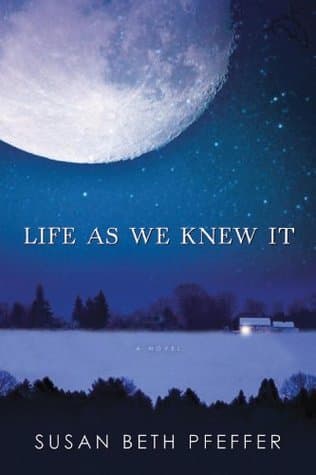
- Life As We Knew It
Susan Beth Pfeffer
3.9 (113k) average on GoodreadsFantasyExplores the day-to-day human experience and emotional impact of an impending or ongoing global catastrophe from a teen perspective.
- They Both Die at the End
Adam Silvera
4.1 (95k) average on GoodreadsFantasyFocuses on characters trying to live fully and find connection in their final days, with a strong emotional core.
- The Hunger Games
Suzanne Collins
4.3 (6.4M) average on GoodreadsFantasyIn a future where children fight to the death on live television, Katniss Everdeen volunteers for the arena, turning a death sentence into a fight for survival and a spark of rebellion.
- 1984
George Orwell
4.2 (3.1M) average on GoodreadsPoliticsIn a future where surveillance and thought control are absolute, a man's search for truth clashes with the Party, showing that hope can be a form of rebellion.
- Divergent
Veronica Roth
4.2 (2.9M) average on GoodreadsFantasyIn a society divided by virtues, a sixteen-year-old's difference from the norm starts a rebellion that threatens her world.





Enjoyed the summary?
A summary gives you the shape of the book. The book itself has the detail, the examples and the voice.
Find We All Looked Up on AmazonAs an Amazon Associate, BookBrief earns from qualifying purchases. How we're funded