
Core Idea
- Difficulty
- Easy
Key Takeaways from Weeds
The Resilience of the Unseen
Finding strength and beauty in overlooked corners of life.
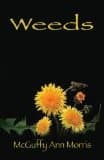
Morris suggests that 'weeds,' often seen as nuisances, show great resilience. This idea goes beyond just plants; it's a metaphor for human experience. It represents the quiet wins of those who succeed despite challenges or being ignored. The book's best insight is how it changes our view, making readers see value and beauty in what society usually discards. This challenges common ideas of success, implying that real strength comes from being adaptable and having an inner drive to grow, no matter the environment. It's a strong plea to notice the 'unseen' struggles and successes that shape lives away from the spotlight.
“The persistent green, pushing through cracks, a testament to life's unyielding will.”
In the book: The recurring imagery of dandelions, clover, and other 'weeds' throughout the collection, often depicted as pushing through concrete or thriving in neglected patches, serves as the primary evidence.
Try this: Cultivate an 'eye for weeds' in your own life and surroundings. Identify areas or individuals often overlooked and seek to understand their unique strengths and contributions. Practice reframing challenges as opportunities for resilient growth.
The Poetry of Mundane Observation
Elevating everyday moments to profound insights.
Morris is skilled at finding deep meaning in everyday observations. The book, though short, is full of moments where a simple description of a plant, a patch of ground, or a brief interaction turns into a deeper thought about life, change, or connection. This is more than just descriptive writing; it's an exercise in being present, asking readers to slow down and find the remarkable in the ordinary. The author's strength is her precise language and her ability to create feeling and thought from common scenes. This shows that important insights don't need grand stories, but rather close attention to life's small details.
“In the common, there is often an uncommon truth waiting to be unveiled.”
In the book: Poems detailing specific encounters with plants in a garden, or observations of weather patterns, consistently transition into broader philosophical musings.
Try this: Incorporate a daily practice of mindful observation. Spend 5-10 minutes focusing on a single mundane object or scene, noting details and allowing your mind to explore its deeper implications or connections. Journal these observations.
Life Cycles as Metaphor
Understanding personal growth through nature's rhythm.
The life cycle of plants—growing, blooming, dying, and being reborn—is a strong metaphor in 'Weeds.' Morris uses these natural processes to reflect on human experiences of change, loss, and new beginnings. This idea offers comfort about personal transitions, suggesting that endings often lead to new starts, and that even decay has its own beauty and purpose within life's larger system. It's a gentle reminder that our own struggles and changes are not isolated, but part of a universal, ongoing flow, much like the seasons.
“Each season brings its own lesson, each bloom its own farewell.”
In the book: Poems that explicitly describe the progression of seasons or the full life cycle of a plant, from seed to wilting, are prevalent.
Try this: Reflect on a personal period of significant change or loss. Instead of viewing it as an isolated event, consider how it fits into a larger 'life cycle' of your own growth and renewal, drawing parallels to natural processes.
The Quiet Power of Simplicity
Finding profound meaning in unadorned expression.
Morris's writing style is simple and direct. It lacks complex metaphors or language, which itself makes a powerful point. This plain approach lets the true emotion and clear observations stand out, making the writing accessible and easy to relate to. The book implies that deep truths don't need fancy presentation; sometimes, the most impactful insights come through simple language that connects directly with the reader's own experiences. This choice of style is deliberate and effective, valuing content over decoration.
“Truth often speaks loudest in the plainest words.”
In the book: The consistent use of short lines, simple vocabulary, and direct imagery throughout the collection.
Try this: When communicating important ideas, consider how you might strip away jargon or unnecessary complexity to convey your message with greater clarity and impact. Practice writing or speaking with directness.
Connection to Place and Earth
The grounding influence of local environment.
A strong sense of place fills 'Weeds,' grounding the poems in specific areas and local plants. This connection to the immediate environment is not just descriptive; it provides identity, comfort, and understanding. The book suggests that by watching and interacting with our local ecosystem, we can better understand ourselves and our place in the world. This idea is especially relevant in a society that is increasingly globalized and disconnected. It argues for returning to the tangible realities of one's surroundings. The earth, in Morris's verses, is a quiet teacher and a constant companion.
“The soil remembers, and so do I, the stories whispered by the wind through familiar leaves.”
In the book: Specific references to local plants, weather patterns unique to a region, and descriptions of a garden or backyard setting.
Try this: Spend time actively engaging with your local environment. Learn the names of local plants, observe seasonal changes, and consider how your immediate surroundings shape your experiences and perspectives.
The Beauty of Imperfection
Finding aesthetic value in the flawed and untamed.
Unlike societal norms that often prefer neat lawns and cultivated gardens, Morris celebrates the beauty of the 'weed'—the untamed, the imperfect, and the wild. This idea goes beyond plants, asking readers to rethink their own ideas of beauty and success. It argues against strict control and for accepting the natural, sometimes messy, order of things. The book gently pushes back against the human urge to sanitize and control, suggesting that real beauty often comes from allowing things to be as they are, with all their irregularities and spontaneous growth. This is a refreshing alternative to the common culture of curated perfection.
“Perfection is a myth; beauty often resides in the wild, untamed edges.”
In the book: Descriptions of 'weeds' thriving in unexpected places, often contrasted implicitly with human attempts at control or order.
Try this: Identify an area in your life where you strive for 'perfection.' Challenge this impulse by allowing for imperfection or embracing a less controlled outcome. Observe the unexpected beauty or freedom that emerges.
Memory and Nostalgia in Nature
Plants as anchors for personal history and reflection.
Morris often mixes observations of nature with personal memories and reflections. A specific plant or patch of earth can bring back many memories, linking the present to past experiences and feelings. This shows how our environment is deeply tied to personal history, holding our lived experiences. The point here is that by interacting with the natural world, we not only see its current state but also access a rich vein of personal and shared memory, creating a deeper sense of continuity and self-understanding. The book effectively uses nature as a way to trigger memories.
“Each leaf holds a whisper of what was, a silent echo of footsteps long gone.”
In the book: Poems where the description of a plant leads directly into a recollection of childhood, family, or a specific past event.
Try this: Take a walk in a familiar natural setting. Consciously allow your observations to trigger memories. Journal about the connections you find between the present landscape and your personal history.
The Quiet Act of Witnessing
The profound impact of simply observing and acknowledging life.
“To truly see is to offer a silent validation of existence.”
Quiz
10 questions on the main ideas. Each answer comes with a short explanation.
Question 1
What is the primary theme explored in McGuffy Ann Morris's "Weeds"?
- The beauty of nature in urban environments.
- The resilience and unexpected beauty found in everyday life experiences.
- The challenges of overcoming personal loss.
- The complexities of romantic relationships.
Show answer
B. The resilience and unexpected beauty found in everyday life experiences. The book is described as poetry based upon life experience and observations, implying a focus on the often overlooked aspects of life that can hold beauty and resilience.
Question 2
The title "Weeds" likely serves as a metaphor for what in the context of the poetry?
- Plants that are difficult to control.
- Unwanted or overlooked aspects of life that possess hidden value.
- The passage of time and decay.
- The struggles of poverty.
Show answer
B. Unwanted or overlooked aspects of life that possess hidden value. Weeds are often seen as undesirable but can also symbolize resilience and the ability to thrive in difficult conditions, mirroring the idea of finding beauty in ordinary life experiences.
Question 3
Based on the description, what kind of imagery might one expect to find in "Weeds"?
- Exotic and fantastical landscapes.
- Grand historical events.
- Commonplace scenes and ordinary moments.
- Abstract concepts with no visual representation.
Show answer
C. Commonplace scenes and ordinary moments. The poetry is based on life experience and observations, suggesting that the imagery will be drawn from the tangible, everyday world that the poet has witnessed.
Question 4
If "Weeds" focuses on life experiences, what is a likely emotional tone the reader might encounter?
- Consistently melancholic and despairing.
- Purely celebratory and joyful.
- A range of emotions reflecting the complexities of life, including moments of hardship and beauty.
- Detached and objective observation without emotional content.
Show answer
C. A range of emotions reflecting the complexities of life, including moments of hardship and beauty. Life experiences encompass a wide spectrum of emotions. Poetry based on these experiences would likely reflect this variety rather than a single, narrow emotional state.
Question 5
The phrase "observations" in the description suggests that the poetry might employ which literary device?
- Allegory.
- Symbolism.
- Detailed and specific sensory details.
- Stream of consciousness.
Show answer
C. Detailed and specific sensory details. Observations often involve noticing specific details about the world around us, which translates into poetry through vivid and concrete imagery.
Question 6
Considering the title and theme, what kind of reader might be most drawn to "Weeds"?
- Someone seeking escapism into fantasy worlds.
- Someone interested in philosophical treatises.
- Someone who appreciates introspective and grounded poetry that finds meaning in the ordinary.
- Someone looking for straightforward narrative fiction.
Show answer
C. Someone who appreciates introspective and grounded poetry that finds meaning in the ordinary. The focus on life experience, observations, and the metaphor of 'weeds' suggests an appreciation for poetry that delves into the real, often overlooked aspects of existence.
Question 7
If the poetry is "based upon life experience," what can be inferred about the author's perspective?
- The author likely draws from personal events and insights.
- The author is primarily reporting on historical facts.
- The author is creating fictional characters with no connection to reality.
- The author is presenting scientific research findings.
Show answer
A. The author likely draws from personal events and insights. Life experience is inherently personal. Poetry based on it implies a subjective and individual viewpoint derived from the author's own journey.
Question 8
The metaphor of 'weeds' could imply a critique of societal norms that often dismiss or devalue certain aspects of life or people. What kind of societal aspect might be implicitly examined?
- The importance of strict social hierarchies.
- The pursuit of unattainable ideals of perfection and beauty.
- The benefits of technological advancement.
- The necessity of rigid educational systems.
Show answer
B. The pursuit of unattainable ideals of perfection and beauty. Weeds are often considered imperfections or undesirable elements in a cultivated garden, mirroring how society might overlook or devalue things that don't fit conventional standards of beauty or success.
Question 9
Given the focus on "observations" and "life experience," how might the structure of the poems in "Weeds" differ from more formally structured poetic forms?
- They would strictly adhere to iambic pentameter and traditional rhyme schemes.
- They might be more free-form, mirroring the organic and sometimes unpredictable nature of life.
- They would exclusively use sonnet forms to convey depth.
- They would be written in prose rather than verse.
Show answer
B. They might be more free-form, mirroring the organic and sometimes unpredictable nature of life. Poetry rooted in lived experience and observation often benefits from a less constrained structure, allowing the poet to capture the nuances and flow of thoughts and feelings as they arise, much like free verse.
Question 10
The collection's title, "Weeds," in conjunction with its theme of finding beauty in life experiences, suggests a philosophical stance that values what over conventional notions of success or desirability?
- Material wealth and status.
- Societal approval and conformity.
- Authenticity and the inherent worth of the unpolished or overlooked.
- The pursuit of fame and recognition.
Show answer
C. Authenticity and the inherent worth of the unpolished or overlooked. The metaphor of 'weeds' finding beauty implies a celebration of things that are natural, persistent, and perhaps unconventional, valuing their intrinsic qualities rather than external validation or perceived perfection.
Weeds FAQ
What is the book 'Weeds' by McGuffy Ann Morris about?
'Weeds' is a collection of poetry that draws inspiration from the author's life experiences and keen observations of the world around her. The poems explore themes of everyday life, personal reflection, and the beauty found in ordinary moments.
What kind of themes are explored in McGuffy Ann Morris's 'Weeds'?
The poetry in 'Weeds' delves into a variety of themes, including personal growth, resilience, the passage of time, nature, and the emotional landscape of human connection. Morris often finds profound meaning in simple, everyday occurrences.
Is 'Weeds' a narrative poetry collection?
While some poems in 'Weeds' may tell stories or evoke narrative elements, the collection is primarily characterized by its focus on imagery, emotion, and reflective insights rather than a continuous plot. It's more about capturing moments and feelings.
Who would enjoy reading 'Weeds'?
Readers who appreciate introspective and observant poetry, lyrical language, and poems that resonate with relatable life experiences are likely to enjoy 'Weeds'. It's for those who find beauty and meaning in the everyday.
What is the writing style of McGuffy Ann Morris in 'Weeds'?
McGuffy Ann Morris's writing style in 'Weeds' is often described as lyrical, evocative, and grounded in sensory detail. Her language is accessible yet rich, allowing readers to connect with the emotional core of her observations.
Are the poems in 'Weeds' difficult to understand?
The poems in 'Weeds' are generally accessible, aiming for clarity and emotional resonance. While they invite thoughtful interpretation, they are not overly obscure or academic, making them enjoyable for a broad audience.
Does 'Weeds' offer advice or guidance?
'Weeds' is not a self-help book and does not offer direct advice. Instead, it offers reflections and insights derived from life experiences, which may prompt readers to consider their own perspectives and feelings.
Where can I buy 'Weeds' by McGuffy Ann Morris?
'Weeds' can typically be purchased through major online booksellers, independent bookstores, and potentially directly from the publisher's website. Availability may vary by region.
What does the title 'Weeds' signify in the context of the poetry?
The title 'Weeds' likely symbolizes the resilience, adaptability, and often overlooked beauty of things that grow persistently, much like the author's observations and reflections on life. It suggests finding value in the common and the enduring.
Similar books
- The Diary of a Young Girl
Anne Frank
4.2 (2.7M) average on GoodreadsBiographyDuring the Nazi occupation, a teenage girl's diary, written from a secret annex, shares observations on humanity, hope, and the wait for freedom.
- Twisted 1. Twisted love
Ana Huang
3.7 (1.7M) average on GoodreadsA quiet billionaire with a difficult past finds his guarded heart opening to the woman he must protect, but their growing passion uncovers dangerous secrets and a shared, traumatic history.
- Eat, Pray, Love
Elizabeth Gilbert
3.6 (1.5M) average on GoodreadsLifestyleA heartbroken writer leaves her conventional life for a year-long global search for pleasure in Italy, spiritual devotion in India, and unexpected love and balance in Bali.
- Night
Elie Wiesel
4.3 (970k) average on GoodreadsBiographyIn the darkness of Auschwitz and Buchenwald, a teenage Elie Wiesel faces the extermination of his family, the loss of his faith, and the lasting scars of humanity's deepest cruelty.
- Steve Jobs
Walter Isaacson
4.1 (957k) average on GoodreadsBusinessSteve Jobs was a visionary who fused creativity and technology to revolutionize six industries and shape our digital world.
- The Glass Castle
Jeannette Walls
4.3 (903k) average on GoodreadsBiographyJeannette Walls's memoir describes her unusual childhood with brilliant, free-spirited parents whose poverty-stricken life shaped her independence and love despite family problems.






Enjoyed the summary?
A summary gives you the shape of the book. The book itself has the detail, the examples and the voice.
Find Weeds on AmazonAs an Amazon Associate, BookBrief earns from qualifying purchases. How we're funded