
Synopsis
Covers the whole plot, including the ending.
- Difficulty
- Medium
- Pacing
- Moderate
- Mood
- Gritty, Hopeful, Emotional, Redemptive
- Read it if
- You enjoy stories about resilience, the healing power of animals, and overcoming adversity in a rural setting.
- Skip it if
- You are sensitive to themes of animal mistreatment and child abuse, or prefer lighter, less intense narratives.
What Comes After Plot Summary
Covers the whole plot, including the ending.
A New, Unwanted Home
Sixteen-year-old Iris Wight is reeling from her beloved veterinarian father's sudden death and the loss of her Maine home. With no other family, she is sent to live on a run-down farm in North Carolina with her Aunt Sue, a gruff woman she barely knows, and her cousin, Book, a large and quiet boy. Iris, a vegetarian and animal lover, is immediately upset by the farm's conditions, where animals are kept in poor health and treated badly. Her aunt's coldness and the sharp contrast to her old life leave Iris feeling alone and angry, setting the stage for immediate conflict.
Clash of Values
Life on Aunt Sue's farm quickly becomes a daily struggle for Iris. Her vegetarianism is mocked, and she is made to do chores involving animal care, which she finds upsetting given her aunt's rough methods. Aunt Sue shows no care for the animals, often neglecting them and using physical force. Iris, used to her father's gentle way with animals, secretly tries to give them better care, especially a pregnant goat named Daisy and her kids. This hidden rebellion increases the tension between Iris and her aunt, as Iris feels she must protect the animals.
A Secret Discovery and Growing Debt
Iris starts to notice that Aunt Sue is not only neglecting the farm animals but also mismanaging Iris's small inheritance from her father. Aunt Sue spends the money on things for herself, while the farm falls apart, and the animals suffer from lack of proper food and medical care. Iris feels a growing sense of betrayal and helplessness. She also finds her father's journal, full of his thoughts and vet notes. This connects her to him and strengthens her resolve to care for the animals herself, despite her aunt's control.
The Act of Rebellion
The breaking point comes when Aunt Sue announces she will slaughter two young goat kids, Daisy's children, for meat. Horrified, Iris acts on instinct and releases the goats into the woods, hoping to save them. This act of defiance enrages Aunt Sue. When she discovers the empty pen, she confronts Iris in a fit of uncontrolled anger. In a shocking act of violence, Aunt Sue orders her son, Book, to beat Iris. Book, despite his usual quiet nature, obeys, and Iris suffers a brutal beating that leaves her badly hurt.
Consequences and Intervention
The beating Iris endures leads to authorities stepping in. Aunt Sue and Book are arrested, and Iris is taken from the farm. She is placed with an unconventional but kind foster family, the Millers, who live in a house full of ferrets. This new environment is a sharp contrast to the farm, offering Iris a safe place to begin healing physically and emotionally. However, despite her relief at escaping Aunt Sue, Iris remains deeply worried about the animals left behind on the farm, feeling a responsibility she cannot shake.
Healing and New Connections
Living with the Millers, Iris slowly begins to heal from her physical wounds and the emotional trauma of the abuse. Mrs. Miller, a kind and understanding woman, provides a nurturing environment, while Mr. Miller's quirky love for his ferrets, which he calls 'dooking,' offers a welcome distraction. Iris initially struggles to connect, but the gentle nature of the ferrets and the Millers' steady support gradually help her to open up and process her grief and anger. She starts to find a sense of belonging she had not felt since her father's death.
The Weight of Responsibility
Despite her new safety, Iris is tormented by thoughts of the animals still on Aunt Sue's farm. She knows they are likely neglected and suffering without anyone to care for them. The memory of her father's dedication to animal welfare, along with her own deep care, makes her act. She tells the Millers about her concerns, wanting to return to the farm, even if it means facing traumatic memories and possibly her aunt, who is now out on bail awaiting trial. Her commitment to the animals is stronger than her fear.
A Tentative Return
With the Millers' understanding and support, Iris plans to visit the farm regularly to care for the animals. The Millers go with her, providing a buffer against Aunt Sue, who is now back on the farm. These visits are tense. Aunt Sue remains hostile and shows no regret, making Iris's task difficult and emotionally draining. However, Iris finds new purpose in caring for the neglected creatures, especially Daisy and her surviving kid. She discovers that Book, now out of jail, is also quietly trying to help the animals, showing a hidden kindness within him.
Uncovering Family Secrets
During her visits, Iris starts to understand more about her family's difficult past and why Aunt Sue is bitter. She learns that Book, despite helping with the beating, is not naturally bad but a result of his mother's harsh upbringing and manipulation. He shows subtle signs of regret and a quiet love for animals, like Iris. This understanding makes Iris's feelings towards him more complex, moving beyond simple anger to a more nuanced view of his character and the hard life he faces.
The Trial and Its Aftermath
The trial of Aunt Sue and Book for assault happens. Iris gives her testimony, bravely telling about the beating. Aunt Sue is found guilty and sent to prison. Book receives a lighter sentence, showing his forced involvement. While the conviction brings some justice and closure for Iris, it does not erase the trauma. The farm and its animals are left in a difficult situation. Iris realizes that her journey of healing and helping animals is far from over, and she must continue to fight for their well-being.
A New Future for the Farm
With Aunt Sue in prison, the future of the farm and its animals is unclear. Iris, supported by the Millers, looks for ways to ensure the animals are cared for properly. She finds a surprising ally in Book, who, free from his mother's influence, starts to actively help with the animals' care, showing a real desire to help. Together, they work to improve the farm's conditions, following the compassionate veterinary practices her father taught her. This cooperation marks a fragile but hopeful step towards healing and redemption for both cousins and the neglected farm.
Finding Her Voice and Purpose
As Iris continues to care for the farm animals, she fully embraces her love for animal welfare. She not only ensures their physical health but also speaks up for their rights and well-being in the community. The trauma she endured becomes a reason for her purpose. With the Millers' continued guidance and Book's quiet support, Iris begins to make a new path for herself, one where she can honor her father's legacy and use her experiences to make a difference. She finds her voice, not just for herself, but for those who cannot speak.
Principal Figures
Iris Wight
Protagonist
A grieving, compassionate teenager who finds strength in advocating for animals.
Sixteen-year-old Iris is an intelligent, sensitive, and deeply empathetic girl who loves animals. She is a vegetarian and holds her late veterinarian father in high esteem, having absorbed many of his values regarding the humane treatment of creatures. Initially shy and introverted, Iris is thrust into a harsh environment after her father's death, forcing her to confront grief, abuse, and the stark contrast between her ideals and her aunt's reality. Her love for animals becomes her driving force and a source of incredible resilience.
Relationships: Aunt Sue (Antagonistic; Iris is a victim of her aunt's abuse and neglect.); Book (Complex; initially an aggressor, he later becomes a quiet ally.); Mr. & Mrs. Miller (Supportive; her foster parents provide a safe and nurturing environment.); Her Father (Inspirational; his memory guides her moral compass and love for animals.)
Aunt Sue
Antagonist
Iris's cruel and neglectful aunt, driven by bitterness and a harsh worldview.
Aunt Sue is a hard-bitten, embittered woman who runs a struggling farm. She is physically and emotionally abusive, displaying little empathy for either animals or people, including her niece and son. Her motivations seem rooted in a lifetime of hardship and resentment, which she projects onto others. She is financially irresponsible, spending Iris's inheritance, and her farming practices are neglectful. Her character embodies the harsh realities and lack of compassion that Iris must overcome.
Relationships: Iris Wight (Abusive and antagonistic; she exploits and harms Iris.); Book (Manipulative and abusive; she controls and coerces her son.); Her Father (Iris's) (Strained and resentful; she likely held long-standing grudges against him.)
Book
Supporting
Iris's quiet, brutish cousin, who struggles under his mother's influence but holds hidden compassion.
Book is Aunt Sue's son, a large and seemingly simple boy who is initially presented as brutish and complicit in his mother's abuse. He is quiet and often follows his mother's orders, including the horrific act of beating Iris. However, as the story progresses, it's revealed that Book is deeply affected by his mother's control and possesses a latent kindness, particularly towards animals, that he struggles to express. He is a victim of his environment and his mother's manipulation.
Relationships: Iris Wight (Initially an aggressor, later a quiet, remorseful ally.); Aunt Sue (Subordinate and abused; he is controlled and coerced by his mother.)
Mr. & Mrs. Miller
Supporting
Iris's kind and eccentric foster parents who provide a safe haven and emotional support.
The Millers are Iris's foster parents, a compassionate and understanding couple. Mrs. Miller is nurturing and patient, offering Iris the emotional space she needs to heal. Mr. Miller is quirky and enthusiastic, particularly about his ferrets, which he uses as therapy animals. They provide a stark contrast to Aunt Sue, representing unconditional care, acceptance, and a safe, stable home. Their home, filled with 'dooking' ferrets, becomes a sanctuary for Iris, helping her reconnect with her love for animals in a positive way.
Relationships: Iris Wight (Nurturing and supportive; they act as her guardians and mentors.)
Iris's Father
Mentioned
Iris's deceased father, a beloved veterinarian whose values guide her actions.
Iris's father is a central, though unseen, character. A kind and compassionate veterinarian, he instilled in Iris a deep love and respect for animals and taught her the importance of empathy and care. His death is the catalyst for Iris's relocation and subsequent struggles. His memory, his journal, and his values serve as a moral compass for Iris throughout her ordeal, inspiring her to fight for the animals and to uphold his legacy.
Relationships: Iris Wight (Inspirational and foundational; his values shape her identity.)
Daisy
Supporting
A pregnant goat on the farm, symbolizing vulnerability and Iris's commitment.
Daisy is a pregnant goat on Aunt Sue's farm, representing the neglect and suffering of the animals there. Iris forms a special bond with Daisy, seeing her as particularly vulnerable and deserving of care. Daisy's well-being, and later her kids', becomes a focal point for Iris's determination to protect the farm animals. Her survival and the fate of her offspring directly motivate Iris's most significant acts of rebellion and advocacy, embodying the innocent lives Iris strives to save.
Relationships: Iris Wight (Symbolic; Iris's care for Daisy represents her broader commitment to animal welfare.)
Themes & Insights
The Redemptive Power of Animals
Animals are central to the characters' healing and growth. Iris's deep connection with animals, fostered by her veterinarian father, helps her through grief and abuse. The neglected farm animals, especially Daisy and her kids, give Iris a purpose and a reason to fight her aunt's cruelty. The Millers' ferrets, with their playful nature, offer gentle comfort that helps Iris process her trauma and begin to trust again. This theme shows how caring for and being with animals can heal emotional wounds and inspire strength.
“My dad used to say, 'Animals don't judge. They just need love.'”
Resilience in the Face of Adversity
Iris's journey shows the human spirit's ability to endure and overcome great suffering. After losing her father, her home, and then facing physical and emotional abuse from her aunt, Iris could easily give in to despair. However, her natural kindness and her commitment to the vulnerable animals on the farm fuel her strength. She finds the courage to stand up to her abuser, seek help, and eventually dedicate herself to a cause greater than herself, turning her trauma into a source of strength and advocacy. Her ability to recover and find purpose is central to the story.
“Even when everything else was falling apart, the animals needed me. That was enough.”
The Nature of Family and Abuse
The novel explores the complex and often painful relationships within families, especially through abuse and neglect. Aunt Sue represents a destructive form of family power, using her position to control and harm Iris and Book. The story looks at how abuse can repeat and how victims, like Book, can be forced to cause harm. In contrast, the Millers show a healthier, more loving family model, proving that family can be found in unexpected places and is defined by care and support, not just blood ties. This theme questions common ideas of family and highlights the lasting impact of both harm and healing within family structures.
“Some families are like fences, meant to keep you safe. Others are just meant to keep you in.”
Finding One's Voice and Purpose
Initially, Iris is a quiet, grieving girl who feels powerless. Her experiences on the farm, however, force her to confront unfairness and find her inner strength. Her decision to free the goats, her testimony in court, and her later commitment to caring for the farm animals are all steps in her journey to finding her voice. Her purpose changes from just surviving to actively speaking up for those who cannot speak for themselves. This theme highlights that personal trauma can lead to meaningful action and that discovering one's purpose can be a strong act of self-empowerment and healing.
“I realized then that my voice wasn't just for me. It was for them, too.”
Plot Devices & Literary Techniques
Symbolism of Animals
Animals represent vulnerability, innocence, and a path to healing and purpose.
The animals in the story, from Iris's father's patients to the neglected farm animals and the Millers' ferrets, serve as powerful symbols. The abused farm animals, particularly Daisy, symbolize the innocent and vulnerable who suffer silently, mirroring Iris's own plight. Caring for them gives Iris a tangible purpose and a way to channel her grief and anger into positive action. The ferrets, with their quirky 'dooking' and gentle nature, symbolize unconditional love and the therapeutic power of companionship, helping Iris to heal emotionally and physically. They represent the core values of empathy and care that Iris embodies.
The Father's Journal
A physical link to Iris's past, providing guidance and reinforcing her values.
Iris's discovery of her deceased father's journal is a crucial plot device. It serves as a tangible connection to her past and to the loving, ethical upbringing she received. The journal, filled with his veterinary notes and personal reflections, reinforces Iris's own compassionate values and gives her practical knowledge about animal care. It acts as a guide and a source of comfort, reminding her of her father's legacy and inspiring her to continue his work, even in the harshest of circumstances. It provides a moral compass when she feels lost and alone.
Contrast in Environments
The stark differences between Iris's homes highlight themes of safety, abuse, and belonging.
The novel effectively uses contrasting environments to underscore its themes. Iris's idyllic life in Maine with her veterinarian father, characterized by love and respect for animals, is sharply contrasted with the harsh, abusive reality of Aunt Sue's dilapidated North Carolina farm. This contrast immediately establishes the stakes and Iris's profound loss. Later, the Millers' warm, eccentric home, filled with ferrets and unconditional support, provides another stark contrast to the farm, representing a safe haven and a path to healing. These environmental shifts visually and emotionally reinforce Iris's journey from trauma to recovery and purpose.
First-Person Narration
Provides intimate access to Iris's thoughts, feelings, and trauma.
The story is told from Iris's first-person perspective, which is vital for conveying the depth of her grief, fear, and resilience. This narrative choice allows readers to experience her emotional turmoil directly, making her struggles with abuse, her longing for her father, and her unwavering commitment to the animals deeply personal and impactful. It fosters empathy and understanding, allowing the reader to witness her internal growth and the subtle shifts in her perception of herself and the world around her, particularly as she processes trauma and finds her voice.
What Comes After Quotes
“The wind was a living thing, pushing against her, trying to tell her something she didn't want to hear.”
“Sometimes you have to break things to see what's inside.”
“Grief was a thief, not just of people, but of time, of joy, of the future you thought you had.”
“The hardest part wasn't falling; it was hitting the ground and realizing you had to get back up.”
“Silence could be louder than any scream, especially when it was the silence of something missing.”
“The past wasn't a place you could visit; it was a shadow that followed you, always just behind your shoulder.”
“Hope was a dangerous thing, a tiny spark that could either light a fire or burn you to ashes.”
“You can't outrun what's inside you, no matter how fast you go.”
“The world keeps turning, even when yours feels like it's stopped.”
“Sometimes the only way to find your way back is to get completely lost first.”
“Secrets were like splinters; they festered if you didn't pull them out.”
“It wasn't about forgetting, but about remembering differently.”
“The future was a blank page, and for the first time, that didn't feel terrifying.”
Quiz
10 questions on the plot and the characters. Each answer comes with a short explanation.
Question 1
Where does Iris Wight move after her veterinarian father dies?
- A bustling city in New York
- A farm in North Carolina
- A quiet suburban town in Maine
- A remote cabin in the mountains of Vermont
Show answer
B. A farm in North Carolina After her father's death, Iris leaves Maine to live on a North Carolina farm with her aunt and cousin.
Question 2
What is Iris's dietary preference, which often puts her at odds with her aunt's farm life?
- Carnivore
- Pescatarian
- Vegetarian
- Vegan
Show answer
C. Vegetarian Iris is a vegetarian and animal lover, which clashes with her Aunt Sue's treatment of livestock.
Question 3
What specific act leads to Aunt Sue ordering her son, Book, to beat Iris?
- Iris refusing to do her chores
- Iris stealing money from Aunt Sue
- Iris setting two young goats free to save them from slaughter
- Iris arguing with Aunt Sue about her inheritance
Show answer
C. Iris setting two young goats free to save them from slaughter The climax of the conflict occurs when Iris sets two young goats free, leading to Aunt Sue's violent reaction.
Question 4
What happens to Aunt Sue and Book after Book beats Iris senseless?
- They flee the farm and are never seen again
- They are ordered to pay a large fine and apologize to Iris
- They are sent to jail
- They are placed on probation and required to attend therapy
Show answer
C. They are sent to jail The horrific act of Book beating Iris lands both him and his mother in jail.
Question 5
What kind of animals does Iris's offbeat foster family keep that are described as 'dooking'?
- Rabbits
- Ferrets
- Guinea pigs
- Hedgehogs
Show answer
B. Ferrets After the incident, Iris is sent to live with a foster family who owns 'dooking' ferrets, offering a new animal interaction.
Question 6
What is a central theme affirmed by the novel, as stated in the description?
- The inevitability of despair in the face of loss
- The futility of fighting against authority
- The redemptive power of animals and the resilience of the human spirit
- The corrupting influence of wealth and inheritance
Show answer
C. The redemptive power of animals and the resilience of the human spirit The novel explicitly affirms 'the redemptive power of animals and the resilience of the human spirit' as key themes.
Question 7
What is Aunt Sue accused of doing with Iris's inheritance?
- Investing it wisely for Iris's future
- Donating it to an animal charity
- Spending it herself
- Returning it to the state for safekeeping
Show answer
C. Spending it herself Aunt Sue is portrayed as exploiting Iris, including spending her small inheritance.
Question 8
Despite her new living situation, what crucial task does Iris feel compelled to undertake regarding the farm?
- Selling off all the remaining livestock for profit
- Demolishing the farm buildings to prevent future abuse
- Finding a way to take care of the animals back at the farm
- Ignoring the farm entirely and focusing on her new life
Show answer
C. Finding a way to take care of the animals back at the farm Even after being placed with a foster family, Iris feels a strong responsibility to care for the animals back at the farm.
Question 9
Which of the following best describes Aunt Sue's character?
- Compassionate and understanding
- Hardbitten and abusive
- Indifferent and neglectful
- Overly protective and strict
Show answer
B. Hardbitten and abusive The description explicitly calls Aunt Sue 'hardbitten' and details her mistreatment of livestock and striking Iris for small offenses, indicating an abusive nature.
Question 10
What is the primary conflict Iris faces throughout the story?
- Struggling to adapt to a new school environment and make friends
- Overcoming her fear of farm animals and learning to care for them
- Coping with grief and abuse, while fighting to protect animals and herself
- Dealing with financial hardship and finding a way to earn money
Show answer
C. Coping with grief and abuse, while fighting to protect animals and herself The core of the story revolves around Iris's struggles through grief and abuse, compounded by her efforts to protect animals, as highlighted in the book's premise.
What Comes After FAQ
What is the central conflict Iris faces when she moves to North Carolina?
Iris, a vegetarian and animal lover from Maine, is forced to live on a North Carolina farm with her hardbitten Aunt Sue and cousin Book after her father's death. She immediately clashes with Aunt Sue over the mistreatment of livestock and her aunt's abusive behavior, creating a profound conflict between Iris's values and her new environment.
How does Aunt Sue mistreat Iris and the farm animals?
Aunt Sue mistreats Iris by striking her for minor offenses and spending Iris's small inheritance. She also shows a clear disregard for the welfare of the farm animals, which deeply upsets Iris, leading to confrontations about the animals' living conditions and eventual fate.
What specific act leads to Aunt Sue and Book's arrest?
The pivotal act leading to their arrest occurs when Iris frees two young goats to save them from slaughter. An enraged Aunt Sue orders her son, Book, to beat Iris senseless as punishment, a horrific act of violence that results in both Book and his mother being jailed.
Who takes Iris in after Aunt Sue and Book are arrested, and what is unique about her new foster family?
After the arrest of Aunt Sue and Book, Iris is sent to live with an offbeat foster family. This family is unique because they keep ferrets, and their ferrets engage in a characteristic behavior known as 'dooking,' which is a chattering sound ferrets make when excited or happy.
What is Iris's ultimate goal regarding the farm and its animals after her foster placement?
Iris's ultimate goal is to find a way to take care of the animals back at Aunt Sue's farm, even though she is no longer living there. This commitment means she must confront Aunt Sue again, highlighting her unwavering dedication to the animals' welfare despite the personal danger.
What is the significance of Iris being from Maine and moving to North Carolina?
Iris's move from Maine to North Carolina highlights a significant cultural and environmental shift. Maine represents her past with her veterinarian father and a more empathetic approach to animals, while rural North Carolina, particularly Aunt Sue's farm, symbolizes a starkly different, harsher reality concerning animal husbandry and personal relationships.
How does Iris's vegetarianism connect to her father's profession?
Iris's vegetarianism is deeply rooted in her upbringing with her veterinarian father. His profession likely instilled in her a profound respect and empathy for animals, making her aversion to meat and animal mistreatment a natural extension of her values, which are further solidified by his passing.
Are there any subtle indications that Book might not be inherently cruel, or is he simply a product of his environment?
The narrative suggests Book's brutish actions are largely a product of his abusive mother's influence and environment. While he commits a horrific act, the story might subtly imply that he is more of an enforcer for Aunt Sue rather than inherently cruel, leaving room for interpretation regarding his individual agency and potential for change.
What is the symbolic meaning of the 'dooking' ferrets in Iris's foster home?
The 'dooking' ferrets symbolize a stark contrast to the suffering animals on Aunt Sue's farm. Their happy, chattering sounds represent joy, safety, and a healthy environment, providing Iris with a glimpse of positive human-animal relationships and a sense of normalcy and healing in her new foster home.
How does Iris's grief over her father's death manifest in her interactions with animals?
Iris's grief over her father's death is channeled into an intensified protectiveness and empathy for animals. Her inability to save her father translates into a fierce determination to save other vulnerable creatures, making her advocacy for the farm animals a coping mechanism and a way to honor her father's memory and values.
What psychological impact does Aunt Sue's abuse have on Iris, beyond the physical harm?
Beyond the physical harm, Aunt Sue's abuse likely inflicts deep psychological trauma on Iris, fostering feelings of powerlessness, betrayal, and fear. This trauma could manifest as anxiety, difficulty trusting adults, and a heightened sense of responsibility for those weaker than herself, such as the farm animals.
How does Iris's resilience develop throughout the story?
Iris's resilience develops through enduring severe abuse, navigating a new and hostile environment, and finding the courage to act on her convictions. Her ability to keep fighting for the animals, even after being beaten and removed from the farm, demonstrates a profound inner strength and an unwavering commitment to her values.
In what ways do animals serve as a therapeutic presence for Iris?
Animals serve as a profound therapeutic presence for Iris by offering unconditional companionship, a sense of purpose, and an outlet for her empathy. Caring for them provides a distraction from her own pain, validates her compassionate nature, and helps her feel connected and grounded amidst her traumatic experiences, fostering healing.
Is Aunt Sue's cruelty purely malicious, or could there be underlying psychological reasons for her behavior?
While Aunt Sue's cruelty appears malicious, there could be underlying psychological reasons for her behavior, such as generational trauma, financial stress, or her own past experiences of abuse or neglect. The book might hint at a cycle of violence, suggesting her actions are not solely born of evil but perhaps of unaddressed pain or hardship.
How does the book challenge traditional notions of family and care?
The book challenges traditional notions of family by presenting Aunt Sue, a blood relative, as abusive and uncaring, while an 'offbeat' foster family offers safety and support. It suggests that true family is defined by love, empathy, and care, rather than biological ties, and that chosen families can be more nurturing than biological ones.
What is the overarching message about the 'redemptive power of animals' in the novel?
The overarching message is that animals possess a unique ability to heal emotional wounds and provide purpose. For Iris, her connection to animals offers solace, empowers her to act, and helps her navigate profound grief and trauma, affirming their essential role in fostering resilience and redemption in human lives.
Could Iris's actions of freeing the goats be seen as reckless, or are they entirely justified?
While freeing the goats leads to severe consequences for Iris, her actions are presented as entirely justified from her perspective. Driven by a deep moral conviction against animal cruelty and a desire to save innocent lives, her act, though 'reckless' in its immediate outcome, is portrayed as a courageous and empathetic stand.
How does the author use the setting of a North Carolina farm to enhance the story's themes?
The North Carolina farm setting enhances the story's themes by providing a stark backdrop for animal mistreatment and rural poverty, contrasting sharply with Iris's previous life. It underscores themes of survival, the clash of values between urban and rural life, and the harsh realities of agricultural practices, making Iris's struggle more visceral.
What role does the 'small inheritance' play in the conflict between Iris and Aunt Sue?
The 'small inheritance' serves as a significant point of conflict, as Aunt Sue's spending of it highlights her greed and disregard for Iris's well-being and future. This act of theft further solidifies Iris's perception of Aunt Sue as exploitative and uncaring, deepening the animosity between them beyond just the animal welfare issues.
About the author

Steve Watkins is an author known for his fiction, including the novel "What Comes After." His works often explore themes of loss and resilience, engaging readers with compelling narratives and character development.
Similar books
- Walk Two Moons
Sharon Creech
4.0 (151k) average on GoodreadsChildren'sA young girl moves to a new place after her mother's death, navigating grief and family secrets.
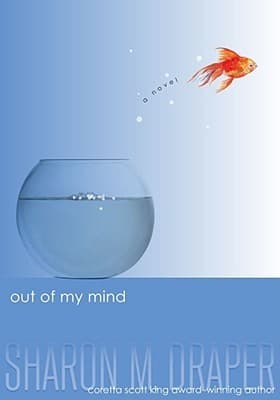
- Out of My Mind
Sharon M. Draper
4.4 (111k) average on GoodreadsChildren'sWhile both 'What Comes After' and 'Out of My Mind' feature protagonists facing significant challenges and finding their voice, Draper's novel focuses on physical disability and communication, whereas Watkins centers on socio-economic displacement and rebellion. Draper's strength lies in its profound empathy and unique perspective on non-verbal communication, offering a different kind of 'unwanted home' (the protagonist's own body). Watkins explores external societal pressures and the burden of inherited responsibility more directly, making the 'act of rebellion' a more outward, defiant act compared to Melody's internal struggle for recognition.
- The Hate U Give
Angie Thomas
4.5 (504k) average on GoodreadsYoung AdultBoth books tackle serious societal issues and the protagonist's struggle to find their voice amid injustice. Thomas's 'The Hate U Give' delves into racial injustice and police brutality, making the 'clash of values' overtly about systemic racism and community loyalty. 'What Comes After' explores a more personal 'clash of values' related to rural vs. urban life and familial expectations, with the 'trial and its aftermath' being more personal than public. While both protagonists experience a profound 'uncovering family secrets' that shapes their actions, Starr Carter's journey is a public one of activism, whereas Watkins's protagonist's journey is more focused on personal and familial redemption and rebuilding. Thomas's narrative is often cited for its powerful social commentary (e.g., Sims, R. (2018). The Hate U Give and the Power of Young Adult Literature.), offering a different lens on adolescent agency.
- Harry Potter and the Sorcerer's Stone
J.K. Rowling
4.5 (7M) average on GoodreadsFantasyRescued from a miserable life under the stairs, an orphaned boy discovers he's a wizard destined for a magical school, where he uncovers a dangerous secret tied to the dark wizard who murdered his parents.
- The Hunger Games
Suzanne Collins
4.3 (6.4M) average on GoodreadsFantasyIn a future where children fight to the death on live television, Katniss Everdeen volunteers for the arena, turning a death sentence into a fight for survival and a spark of rebellion.
- To Kill a Mockingbird
Harper Lee
4.3 (4.5M) average on GoodreadsHistorical FictionIn the 1930s Jim Crow South, Harper Lee writes about racial injustice, moral growth, and the quiet courage of a lawyer father, Atticus Finch, as seen through his young daughter's eyes.





Enjoyed the summary?
A summary gives you the shape of the book. The book itself has the detail, the examples and the voice.
Find What Comes After on AmazonAs an Amazon Associate, BookBrief earns from qualifying purchases. How we're funded