

Synopsis
Covers the whole plot, including the ending.
- Difficulty
- Medium
- Pacing
- Moderate
- Mood
- Heartbreaking, Resilient, Reflective, Hopeful
- Read it if
- You want an immersive, deeply human account of the Sudanese Civil War and the refugee experience, told through the eyes of a resilient protagonist.
- Skip it if
- You prefer lighthearted reads or struggle with graphic depictions of war, displacement, and the challenges of cultural assimilation.
What Is the What Plot Summary
Covers the whole plot, including the ending.
The Home Invasion and the Beginning of the Story
The story begins with Valentino Achak Deng's apartment in Atlanta, Georgia, being invaded by three young men: Michael, Julian, and Matt. They tie him up, ransack his home, and steal his belongings. This event prompts Valentino to tell his full life story, which is woven with the unfolding home invasion. He thinks about the irony of seeking safety in America only to be attacked in his own home, drawing comparisons to the violence he experienced in Sudan. The robbers' actions and dialogue show their own struggles and ignorance, setting a complex tone for Valentino's recollections of his past.
Life in Marial Bai and the First Attack
Valentino recounts his early childhood in the peaceful Dinka village of Marial Bai, Sudan. He describes his family, communal life, and traditional Dinka culture, including his father's cattle and his mother's care. This period is a time of innocence and relative security, despite the tensions of the Second Sudanese Civil War. The peace ends when Arab militia attack Marial Bai. Valentino is separated from his family in the chaos, seeing violence and the destruction of his home. This event starts his journey as a 'Lost Boy' of Sudan.
The Journey to Pinyudo Refugee Camp
After the attack on Marial Bai, Valentino, now separated from his family, joins a group of boys, all orphans or separated from their parents, who are fleeing the violence. They begin a long and dangerous walk eastward, seeking refuge in Ethiopia. This journey is marked by extreme hardship: starvation, thirst, disease, attacks by wild animals, and the constant threat of more violence from soldiers or militias. Valentino learns to survive by relying on his wits, the kindness of strangers, and the friendship of his fellow Lost Boys, including his friend William K. This section shows the suffering and strength of the children as they cross vast, unforgiving lands.
Life in Pinyudo Refugee Camp
Valentino and the other Lost Boys eventually reach Pinyudo Refugee Camp in Ethiopia, set up by the UNHCR. Here, they find some stability and community. Valentino attends school, learns English, and forms close bonds with other boys. He describes the daily routines of camp life, the challenges of getting food and resources, and the efforts made by the boys and aid workers to create a sense of normalcy. Despite improvements, life in Pinyudo is still difficult, marked by resource scarcity, health issues, and the psychological scars of their past experiences. He also meets Moses, a respected elder who offers guidance.
The Fall of Mengistu and the Exodus from Ethiopia
The peace in Pinyudo ends with political upheaval in Ethiopia. The Mengistu regime collapses, leading to renewed conflict and the forced expulsion of Sudanese refugees. Valentino and thousands of other boys are again forced to flee, this time back towards Sudan, crossing the Gilo River under fire. Many die during this chaotic and terrifying exodus. This experience is more traumatic than the initial flight, as the boys face deliberate attacks and mass drownings. Valentino's survival is due to his determination and a series of fortunate escapes.
Kakuma Refugee Camp, Kenya
After the difficult escape from Ethiopia, Valentino makes his way to Kakuma Refugee Camp in Kenya. Kakuma is a harsh and overcrowded camp in a desolate desert. Valentino spends many years here, enduring extreme heat, dust storms, hunger, and tribal tensions among the refugees. Despite these challenges, he continues his education, improving his English skills and gaining a deeper understanding of the world. He also deals with the loss of his family and the uncertainty of his future, holding onto the hope of resettlement and a better life. He becomes a leader among his peers, often mediating disputes.
Resettlement to America
After years in Kakuma, Valentino is among the thousands of Lost Boys chosen for resettlement to the United States. He undergoes interviews and medical examinations, a process filled with both hope and apprehension. His journey to America is a turning point, offering a chance for safety, education, and a future free from war. He arrives in Fargo, North Dakota, a stark contrast to the African landscapes he has known. This new beginning is full of culture shock, loneliness, and the challenges of adapting to a completely different society while still carrying the weight of his past experiences.
Adjusting to American Life and the Search for Family
In America, Valentino faces the complexities of integration. He works various jobs, from grocery stores to hotels, to support himself and send money back to his family in Sudan, whom he eventually reconnects with. He moves from Fargo to Pittsburgh and then to Atlanta, seeking better opportunities and a more familiar climate. He experiences both kindness and prejudice, marveling at American abundance while struggling with its materialism and superficiality. A significant part of his American life is dedicated to the difficult process of trying to bring his sister and other family members to the United States, facing bureaucratic hurdles and financial strain.
The Resolution of the Home Invasion
Back in the present, the home invasion in Atlanta concludes. After taking what they want, the three robbers, Michael, Julian, and Matt, eventually leave Valentino's apartment. During their time there, Valentino tries to connect with them, even offering them food and trying to understand their motives. He sees glimpses of humanity and desperation in their actions, refusing to demonize them completely. As they depart, Valentino is left alone, reflecting on the experience and how it mirrors the cycles of violence and displacement he has seen throughout his life. He begins the slow process of cleaning up and rebuilding, both physically and emotionally.
The Aftermath and the Purpose of Storytelling
In the aftermath of the robbery, Valentino deals with the lingering trauma and the practicalities of reporting the crime and dealing with insurance. He continues to reflect on the robbers, particularly Michael, and the societal factors that might have led them to such acts. This final section reinforces the novel's overarching theme of shared humanity and the power of storytelling. Valentino, though affected, remains committed to sharing his narrative, not just as a personal memoir but as a look at the experiences of all Lost Boys and a plea for greater understanding and compassion in a world with conflict and inequality. His story becomes a bridge between cultures.
Principal Figures
Valentino Achak Deng
Protagonist
A Dinka Lost Boy of Sudan who survives unimaginable hardship and resettles in America.
Valentino is a deeply resilient, reflective, and compassionate individual. From a happy childhood in Marial Bai, he is thrust into a brutal world of war, forced to walk thousands of miles, endure starvation, disease, and violence. Despite immense suffering, he maintains a profound sense of humanity, curiosity, and a desire for education. He is a keen observer of human nature, capable of seeing complexity even in his attackers. His primary drive is survival, followed by a longing for peace, community, and the well-being of his family. He often acts as a leader and mediator among his peers.
Relationships: Michael (One of the robbers in Atlanta; Valentino attempts to understand his motivations.); William K (Close friend and fellow Lost Boy, who shares much of Valentino's journey.); Moses (An elder in Pinyudo who offers guidance and a sense of fatherly presence.); His Mother and Father (His initial anchor; he carries their memory and seeks to reconnect with and support them.)
William K
Supporting
Valentino's steadfast friend and fellow Lost Boy throughout their journey.
William K is one of Valentino's closest companions, sharing the harrowing journey from Sudan to Ethiopia and Kenya. He is often depicted as more pragmatic and sometimes more cynical than Valentino, but his loyalty and friendship are unwavering. He provides emotional support and a sense of shared experience, helping Valentino cope with the traumas they face. William K represents the collective experience of the Lost Boys, mirroring many of Valentino's struggles and triumphs. He is a constant presence, a brother figure who understands Valentino's past without needing explanation.
Relationships: Valentino Achak Deng (Best friend and brother-in-arms, sharing the entire refugee journey.)
Michael
Antagonist/Supporting
The leader of the three young men who rob Valentino's apartment in Atlanta.
Michael is the most articulate and seemingly intelligent of the three robbers. He is initially aggressive and intimidating, but as the home invasion progresses, Valentino perceives moments of vulnerability, desperation, and even a strange kind of logic in his actions. Michael represents the societal failures and personal struggles that can lead to crime in America, offering a contrasting perspective to Valentino's own experiences with violence. He is not a purely evil character, but a product of his environment, driven by poverty and a misguided sense of entitlement.
Relationships: Valentino Achak Deng (Robber and victim, but also a complex, almost philosophical, interaction.); Julian (Accomplice and follower.); Matt (Accomplice and follower.)
Moses
Supporting
An elder in Pinyudo Refugee Camp who acts as a mentor to Valentino and other boys.
Moses is a wise and respected Dinka elder who provides guidance, comfort, and a sense of traditional authority to the Lost Boys in Pinyudo. He embodies the resilience of Dinka culture and its emphasis on community and wisdom. Moses offers Valentino moral support and a connection to the cultural heritage they have lost, serving as a surrogate father figure. His presence highlights the importance of leadership and the preservation of identity even in the most dire circumstances. He teaches the boys lessons about patience and the importance of their Dinka identity.
Relationships: Valentino Achak Deng (Mentor and surrogate father figure.)
Julian
Supporting
One of the younger, more impressionable robbers in Valentino's apartment.
Julian is depicted as the youngest and most naive of the three robbers. He is less assertive than Michael and seems more uncomfortable with the violence and intimidation, often looking to Michael for direction. His actions suggest a lack of experience and a vulnerability that Valentino observes. Julian represents the potential for both good and bad, a young man who might be easily led. His presence adds a layer of complexity to the robbery, preventing the perpetrators from being monolithic villains.
Relationships: Michael (Accomplice and follower.); Matt (Accomplice.)
Matt
Supporting
The most aggressive and violent of the three robbers.
Matt is portrayed as the most overtly aggressive and physically threatening of the robbers. He is quick to resort to violence and intimidation, showing little empathy. His actions contrast sharply with Valentino's quiet resilience and Michael's more calculated demeanor. Matt embodies the raw, unthinking brutality that Valentino has encountered in different forms throughout his life, both in Sudan and now in America. He serves as a reminder that violence can manifest in various contexts and through different individuals, regardless of their background.
Norah
Supporting
Valentino's sister, whom he works to bring to America.
Norah represents Valentino's enduring connection to his family and his homeland. Though she doesn't appear directly in much of the narrative, her presence is felt through Valentino's efforts to find her and eventually bring her to America. She symbolizes the hope for family reunification and the responsibility Valentino feels towards his surviving relatives. Her existence underscores the personal cost of war and the long-term impact on families torn apart by conflict. Valentino's determination to help her is a driving force in his American life.
Relationships: Valentino Achak Deng (Sister, whom Valentino deeply cares for and works to support.)
Themes & Insights
The Enduring Power of Storytelling
Valentino's decision to tell his story, prompted by the home invasion, is central to the novel. He believes that sharing his experiences is essential for understanding, remembrance, and healing. His narrative is about the human need to make sense of trauma and to communicate it to others, bridging cultural divides. By recounting the horrors he faced and the lessons he learned, he gives voice not only to himself but to all the 'Lost Boys' and victims of war, ensuring their experiences are not forgotten. The book's structure, moving between present and past, emphasizes the act of narration.
“I will tell you what happened. I will tell you everything. But I will tell you in my own time, in my own way. I will tell you the story of my life. This is what I want to do. This is what I must do.”
Loss of Innocence and the Search for Home
The novel shows Valentino's abrupt loss of innocence when his village is attacked. He is forced to grow up quickly, facing death, starvation, and violence at a very young age. This theme is linked to his constant search for 'home' – first a safe place, then a place of belonging, and finally a sense of internal peace. From Marial Bai to Pinyudo, Kakuma, and eventually America, Valentino is always looking for a place where he can feel secure and truly belong, a place that can replace the home he lost. This search is not just physical but also spiritual and emotional.
“What is the what? It is the thing that makes us go. It is the thing that takes us from one place to another. It is the thing that makes us leave home, and then makes us want to find it again.”
Shared Humanity and the Cycles of Violence
A theme is Valentino's ability to see shared humanity even in his oppressors, both in Sudan and in America. He reflects on the desperation of the Arab militia and the lostness of the young men who rob him in Atlanta, refusing to paint them as purely evil. This perspective challenges simple ideas of good versus evil, suggesting that violence often comes from cycles of poverty, ignorance, and historical injustice. By drawing parallels between the violence in Sudan and the crime in America, the novel highlights the universal nature of suffering and the need for compassion across all divides.
“They were young men, and they were lost. Just like I had been lost, so many years ago. But their lostness was different. Their lostness was a choice, in some ways.”
Resilience and the Will to Survive
Valentino's entire journey shows the strength of the human spirit. Despite enduring war, starvation, disease, forced marches, and displacement, he consistently finds the will to survive. This strength comes from internal resilience, the bonds of friendship, and hope for a better future. The narrative shows not just individual endurance but also the collective strength of the 'Lost Boys' who supported each other through dire circumstances, demonstrating humanity's capacity to persist against overwhelming odds.
“We were not just surviving, we were living. We were learning. We were becoming. We were the Lost Boys, and we were found.”
The Promise and Disillusionment of America
For Valentino and many Lost Boys, America represents the promise of safety, opportunity, and freedom. The novel explores both the fulfillment of this promise and the subsequent disillusionment. While America offers refuge and a chance for education, Valentino also encounters cultural misunderstandings, materialism, loneliness, and crime (the home invasion). He deals with adapting to a new society while reconciling it with the trauma of his past. The American dream is presented as real but also nuanced, challenging, and not without its own struggles.
“America was a land of wonders, a land of plenty. But it was also a land of loneliness, a land of confusion. It was a land that promised everything, and sometimes gave nothing.”
Plot Devices & Literary Techniques
Framing Device: The Home Invasion
Valentino's present-day robbery in Atlanta frames and punctuates his past narrative.
The home invasion serves as a powerful framing device, interweaving the present-day narrative with Valentino's extensive flashbacks. It grounds the epic historical journey in a contemporary, personal crisis. The immediate threat in his Atlanta apartment provides both a dramatic impetus for his storytelling and a poignant contrast to the earlier, larger-scale violence he experienced. This device allows the author to explore the lingering effects of trauma, the complexities of different forms of violence, and Valentino's reflective process as he recounts his life under duress, highlighting that even in safety, the past can intrude.
First-Person Narrative (with authorial intervention)
Valentino recounts his own story, but the author's presence is acknowledged.
The novel is primarily told from Valentino Achak Deng's first-person perspective, giving an intimate and authentic voice to his experiences. This narrative choice allows readers to deeply connect with his emotional journey, thoughts, and reflections. However, the author, Dave Eggers, occasionally breaks the fourth wall, acknowledging his role in transcribing and shaping Valentino's story. This meta-narrative element adds a layer of authenticity and self-awareness, reminding the reader that this is a true story, meticulously documented, and emphasizes the collaborative nature of its creation. It reinforces the idea of the 'story' itself as a powerful entity.
Juxtaposition
Contrasting scenes and experiences to highlight thematic connections.
Juxtaposition is used throughout the novel to draw stark comparisons between Valentino's experiences. The idyllic life in Marial Bai is juxtaposed with the brutal attack that follows. The relative safety of Pinyudo is juxtaposed with the forced exodus across the Gilo River. Most notably, the violence and hardship of Sudan are juxtaposed with the challenges and different forms of 'lostness' Valentino encounters in modern America, particularly during the home invasion. This device emphasizes the universality of certain human experiences—suffering, resilience, and the search for belonging—across vastly different cultural and geographical contexts.
Symbolism of the 'What'
The ambiguous 'what' represents the unknowable future, fate, or underlying truth.
The title itself, 'What Is the What,' refers to an abstract concept that Valentino grapples with throughout his life. The 'what' symbolizes the elusive meaning behind his suffering, the unknown path of the future, the ultimate purpose of his survival, or perhaps the fundamental truth of human existence. It represents the questions that cannot be fully answered, the forces beyond individual control, and the constant search for understanding in a world often devoid of clear logic. It encourages readers to ponder the deeper philosophical implications of Valentino's journey.
What Is the What Quotes
“We are the lucky ones. We are the ones who get to choose. We are the ones who get to decide what we do with our lives. We are the ones who get to make a difference.”
“When you are a refugee, you learn to live with the idea that you are always in transit. You are always moving, always looking for a place to stop, but you never really stop.”
“The world is not fair, and it never will be. But that doesn’t mean we shouldn’t try to make it better.”
“We were not looking for trouble, but trouble found us. It always does.”
“To be a Lost Boy is to be a ghost, to be an absence. You are there, but you are not. You are seen, but you are not recognized.”
“Home is not a place, it’s a feeling. And sometimes, you can find that feeling in the most unexpected places.”
“The greatest gift you can give someone is your time. Because when you give your time, you are giving a portion of your life that you will never get back.”
“Memory is a tricky thing. It can be a comfort, or it can be a curse. Sometimes, it’s both.”
“Survival is not enough. We must live. We must find joy. We must find purpose.”
“The only thing worse than being alone is being alone in a crowd.”
“When you have nothing, you have nothing to lose. And that can be a very powerful thing.”
“We are all connected, whether we know it or not. Our lives are intertwined, and our actions have consequences far beyond what we can imagine.”
“Sometimes, the hardest thing to do is to forgive. Not for them, but for yourself.”
“Hope is a dangerous thing. It can keep you alive, but it can also break your heart.”
Quiz
10 questions on the plot and the characters. Each answer comes with a short explanation.
Question 1
What is the name of the main character whose life story is chronicled in the novel?
- Achak Deng
- Valentino Achak Deng
- Deng Achak
- Valentino Deng
Show answer
B. Valentino Achak Deng The main character's full name, as introduced in the novel, is Valentino Achak Deng.
Question 2
Which country does Valentino's journey as a 'Lost Boy' primarily begin in after he is separated from his family?
- Kenya
- Uganda
- Sudan
- Ethiopia
Show answer
C. Sudan Valentino's journey begins in his home country of Sudan, from which he is forced to flee due to civil war.
Question 3
What is the primary reason Valentino and thousands of other boys are forced to leave their homes in Sudan?
- A severe famine
- Religious persecution and civil war
- Natural disaster
- Forced conscription into the army
Show answer
B. Religious persecution and civil war The boys are displaced due to the Second Sudanese Civil War, driven by religious and political conflicts.
Question 4
What is the significance of the title 'What Is the What' in relation to Valentino's experiences?
- It refers to the specific name of a refugee camp.
- It symbolizes the elusive answers and understanding Valentino seeks about his past and suffering.
- It is a phrase from a traditional Sudanese folk tale.
- It represents the central question posed by the UN about the Lost Boys' future.
Show answer
B. It symbolizes the elusive answers and understanding Valentino seeks about his past and suffering. The title 'What Is the What' represents Valentino's ongoing struggle to comprehend the meaning of his immense suffering and the 'what' that drives such atrocities.
Question 5
Which major city in the United States does Valentino eventually resettle in as a refugee?
- New York City
- Seattle
- Atlanta
- Boston
Show answer
C. Atlanta After his long journey, Valentino is resettled in Atlanta, Georgia, where he faces new challenges.
Question 6
What specific event occurs in Valentino's Atlanta apartment that serves as a framing device for much of his storytelling?
- He receives a letter from his long-lost family.
- He is robbed and assaulted by intruders.
- He hosts a reunion with other Lost Boys.
- He gives an interview to a journalist.
Show answer
B. He is robbed and assaulted by intruders. While being held captive and robbed in his Atlanta apartment, Valentino recounts his life story to the intruders and the reader.
Question 7
What is the primary role of Dave Eggers, the author, in the creation of this novel?
- He is a fictional character within the story.
- He is the editor of Valentino's original manuscript.
- He is the ghostwriter, telling Valentino's true story in a fictionalized memoir format.
- He provides academic commentary on the Sudanese conflict.
Show answer
C. He is the ghostwriter, telling Valentino's true story in a fictionalized memoir format. Dave Eggers wrote 'What Is the What' as a fictionalized autobiography based on extensive interviews and collaboration with the real Valentino Achak Deng.
Question 8
During his time in the refugee camps in Ethiopia and Kenya, what significant challenges do Valentino and the other Lost Boys face beyond basic survival?
- They struggle with cultural assimilation into the local Ethiopian and Kenyan societies.
- They are constantly at risk of being drafted into local militias and armed groups.
- They face discrimination from the UN aid workers.
- They are forced to learn new languages to communicate with the camp authorities.
Show answer
B. They are constantly at risk of being drafted into local militias and armed groups. Beyond the challenges of hunger and disease, the boys in the camps, particularly Pinyudo, faced constant threats of forced conscription by various armed factions, including the SPLA.
Question 9
How does Valentino's relationship with his 'foster family' in America, particularly Mama and Papa, evolve throughout the narrative?
- It remains consistently supportive and positive, providing him with a stable foundation.
- It becomes strained as he struggles to meet their expectations and adapt to American life.
- He quickly distances himself from them, preferring to live independently.
- They eventually return to Sudan with him to help rebuild his village.
Show answer
B. It becomes strained as he struggles to meet their expectations and adapt to American life. Valentino's relationship with his foster family becomes complex and strained. He feels pressure to succeed and conform, leading to misunderstandings and a sense of alienation, despite their good intentions.
Question 10
What is the ultimate message or theme conveyed by Valentino's resilience and his decision to tell his story?
- The inevitable triumph of good over evil in all circumstances.
- The importance of individual survival at any cost, regardless of others.
- The enduring human spirit, the search for identity, and the power of bearing witness to unimaginable suffering.
- A critique of American immigration policies and refugee resettlement programs.
Show answer
C. The enduring human spirit, the search for identity, and the power of bearing witness to unimaginable suffering. The novel powerfully conveys themes of resilience, the quest for identity amidst loss, and the profound importance of telling one's story to ensure that the suffering and experiences of the Lost Boys are not forgotten.
What Is the What FAQ
What is the central premise of 'What Is the What'?
The novel follows the extraordinary life of Valentino Achak Deng, a 'Lost Boy' of Sudan, from his childhood in a Sudanese village, through his arduous journey across Africa fleeing civil war, to his eventual resettlement and struggles in modern-day Atlanta, Georgia. It explores themes of displacement, survival, and the search for belonging against a backdrop of immense tragedy.
Who is Valentino Achak Deng and what is his significance to the story?
Valentino Achak Deng is the protagonist and narrator, a fictionalized version of a real 'Lost Boy' whose life story forms the backbone of the novel. His experiences as a child soldier, refugee, and immigrant provide a firsthand account of the Sudanese civil war's impact and the challenges of adapting to a new culture.
What major historical events are depicted in the book?
The book vividly portrays the Second Sudanese Civil War, including the brutal attacks on villages, the forced marches of the 'Lost Boys' to refugee camps in Ethiopia and Kenya (like Pinyudo and Kakuma), and the subsequent resettlement program in the United States. These events are crucial to understanding Valentino's journey and trauma.
Where does the story primarily take place?
The narrative shifts between Valentino's childhood and refugee experiences in Sudan, Ethiopia, and Kenya, and his present-day life in Atlanta, Georgia. The stark contrast between these settings highlights the profound cultural and personal transitions he undergoes.
What is the significance of the title, 'What Is the What'?
The title refers to a Dinka riddle or a philosophical question posed by Valentino's adopted father, Michael, which he struggles to answer throughout his life. It symbolizes the search for meaning, understanding, and identity amidst chaos and the unknown, reflecting Valentino's ongoing quest for truth and purpose.
How does the author, Dave Eggers, connect with Valentino Achak Deng?
Dave Eggers met the real Valentino Achak Deng in the United States and spent years interviewing him, recording his story. Eggers then wrote the novel in the first person, giving Valentino's voice directly to the reader, and all proceeds from the book go to the Valentino Achak Deng Foundation.
What is the role of the robbery in Atlanta in the narrative structure?
The home invasion and robbery Valentino experiences in Atlanta serves as a framing device for the entire novel. As he lies tied up, awaiting his fate, his mind wanders through his past, allowing him to recount his life story to the reader, often addressing his captors directly.
Are the characters in the book, beyond Valentino, based on real people?
While Valentino is a fictionalized version of a real person, many of the characters he encounters throughout his journey – fellow Lost Boys like William K., or figures in the refugee camps and Atlanta – are composites or inspired by real individuals Valentino knew. Eggers aimed to capture the authenticity of his experiences and relationships.
What is the significance of the American women who help Valentino in Atlanta, like Mary and Martha?
Mary and Martha represent the kindness and generosity Valentino encounters in America, offering him a place to stay and helping him navigate his new life. However, they also symbolize the often-misguided or superficial understanding some Americans have of the refugee experience, highlighting cultural gaps and differing perspectives on charity.
How does Valentino's past trauma manifest in his present-day life in Atlanta?
Valentino's past trauma manifests as deep-seated fear, a constant sense of insecurity, and difficulty forming lasting relationships. He struggles with the mundane aspects of American life, often comparing them to his extreme past, and the robbery triggers acute flashbacks and a re-evaluation of his hard-won peace.
What psychological impact does the loss of family have on Valentino?
The separation from his family, particularly his mother and father, leaves a profound psychological void in Valentino. He carries the guilt of survival and a lifelong yearning for connection, often seeing his fellow Lost Boys as a surrogate family but always feeling the fundamental absence of his biological kin.
How does Valentino cope with the moral ambiguities and violence he witnesses and participates in?
Valentino copes by internalizing a strong moral compass instilled by his elders, even as he is forced to commit acts for survival. He often reflects on the 'goodness' and 'badness' of actions, seeking justification or understanding for the violence around him, and striving to maintain his humanity.
What role does humor play in Valentino's narrative, despite the tragic circumstances?
Humor serves as a vital coping mechanism for Valentino and his companions, providing moments of levity and humanity amidst unimaginable suffering. It allows them to maintain their spirits, forge bonds, and find small pockets of joy, demonstrating resilience and the enduring human capacity for hope.
How does the novel explore the concept of 'home' for a refugee like Valentino?
The novel explores 'home' as a fluid and elusive concept for Valentino, shifting from his ancestral village, to temporary refugee camps, and finally to America. He constantly seeks a place of belonging and safety, realizing that 'home' is not just a physical location but also a state of mind and a connection to community and identity.
What commentary does the book offer on the Western perception of African refugees?
The book critiques the often-simplistic or romanticized Western perception of African refugees, showing that while intentions may be good, there's often a lack of understanding of their complex trauma and the challenges of assimilation. It highlights the dehumanizing aspects of being seen as merely a 'Lost Boy' or a charity case.
How does Valentino's relationship with God or spirituality evolve throughout the story?
Valentino's relationship with God is complex and evolves from childhood faith to periods of doubt and questioning in the face of immense suffering. He grapples with why God allows such atrocities, yet often returns to prayer and a sense of spiritual guidance as a source of strength and hope.
What is the significance of Valentino's decision to tell his story?
Valentino's decision to tell his story is an act of bearing witness, ensuring that the experiences of the Lost Boys and the horrors of the Sudanese civil war are not forgotten. It is also a way for him to process his own trauma, find meaning in his suffering, and advocate for others still struggling.
Does the novel offer a hopeful or pessimistic outlook on humanity?
The novel presents a nuanced outlook. While it unflinchingly depicts humanity's capacity for cruelty and violence, it also showcases extraordinary resilience, kindness, and the enduring spirit of survival and hope. Valentino's journey, despite its tragedies, ultimately leans towards a message of perseverance and the power of the human spirit.
About the author
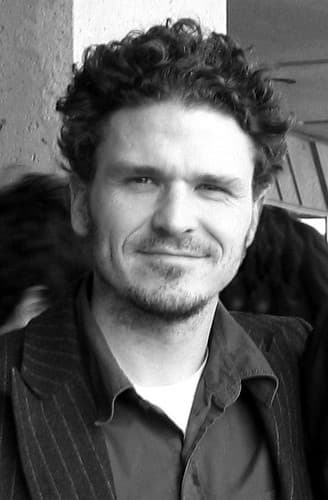
Dave Eggers is an American writer, editor, and publisher. He wrote the 2000 best-selling memoir A Heartbreaking Work of Staggering Genius. Eggers is also the founder of Timothy McSweeney's Quarterly Concern, a literary journal; a co-founder of the literacy project 826 Valencia and the human rights nonprofit Voice of Witness; and the founder of ScholarMatch, a program that matches donors with students needing funds for college tuition. His writing has appeared in several magazines.
Similar books
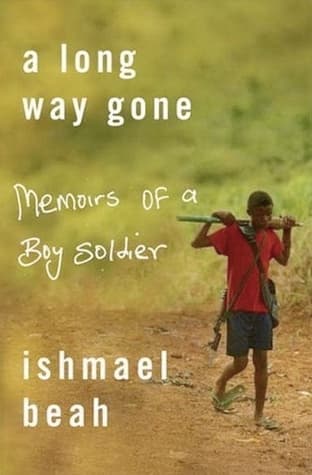
- A Long Way Gone: Memoirs of a Boy Soldier
Ishmael Beah
4.2 (163k) average on GoodreadsBiographyShares a similar focus on the experience of a child caught in an African civil war and the long-term impact of trauma.
- The Kite Runner
Khaled Hosseini
4.3 (2.4M) average on GoodreadsHistorical FictionExplores themes of war, displacement, guilt, and the search for redemption across different cultures.
- To Kill a Mockingbird
Harper Lee
4.3 (4.5M) average on GoodreadsHistorical FictionIn the 1930s Jim Crow South, Harper Lee writes about racial injustice, moral growth, and the quiet courage of a lawyer father, Atticus Finch, as seen through his young daughter's eyes.
- The Great Gatsby
F. Scott Fitzgerald
3.9 (3.8M) average on GoodreadsHistorical FictionIn the opulent Roaring Twenties, a mysterious millionaire's lavish parties hide his desperate, tragic pursuit of a lost love, exposing the emptiness within the American Dream.
- Pride and Prejudice
Jane Austen
4.3 (3M) average on GoodreadsHistorical FictionIn a society focused on status and money, Elizabeth Bennet navigates love and pride, challenging Mr. Darcy and social expectations to find true affection.
- Angels & Demons
Dan Brown
3.9 (2.7M) average on GoodreadsThrillerA Harvard symbologist races through Rome's ancient sites, deciphering cryptic clues to unmask the Illuminati and stop a vengeful plot to destroy the Vatican with a stolen antimatter weapon.





Enjoyed the summary?
A summary gives you the shape of the book. The book itself has the detail, the examples and the voice.
Find What Is the What on AmazonAs an Amazon Associate, BookBrief earns from qualifying purchases. How we're funded