

Core Idea
- Difficulty
- Easy
- Read it if
- You love magical realism, stories about the power of storytelling, rich cultural folklore, or a tender exploration of grief, family secrets, and finding your voice.
- Skip it if
- You prefer strictly realistic fiction, dislike fantasy elements in contemporary settings, or are not interested in character-driven narratives focusing on emotional development.
Key Takeaways from When You Trap a Tiger
Stories as Living Entities
Folktales are not static narratives but powerful, breathing forces with agency.
Keller shows that stories have a life of their own, able to appear in the real world and affect events. The magical tiger, a direct representation of Halmoni's Korean folktales, is the main way this idea is presented. This suggests that stories are not just entertainment or history, but active parts of human experience, shaping destinies and demanding attention. The book asks readers to consider the real impact of the tales we tell and inherit, implying they have a power beyond their words. This living quality of stories is central to the novel's magical realism, blurring the lines between myth and reality.
“Some stories refuse to stay bottled up...”
In the book: The literal appearance of the magical tiger from Halmoni's stories, who interacts directly with Lily and proposes a deal, is the strongest evidence. The tiger's insistence on retrieving what was 'stolen' from stories further solidifies their agency.
Try this: Reflect on the dominant stories in your own life – family histories, cultural myths, personal narratives. Consider how they might be subtly (or not so subtly) guiding your decisions and perceptions. Are there 'stories' you need to acknowledge, confront, or perhaps even rewrite to alter your reality?
Related ideas: magical-realism, narrative-power, folklore-impact
The Weight of Unspoken Truths
Family secrets, particularly those surrounding grief and illness, create a tangible burden.
The 'thing' Halmoni stole from the tigers represents an unresolved past, specifically her hidden grief and the secrets she kept from her family about her past and her illness. This unacknowledged burden shows up as a literal magical debt, affecting her health and the family's well-being. Keller highlights how keeping the truth, even with good intentions, can create tension and imbalance within a family. Lily's quest is not just about a magical tiger, but about uncovering these unspoken truths to bring healing and resolution to her grandmother and the entire family. The novel suggests that silence can be as impactful as direct action.
“Long, long ago, Halmoni stole something from the tigers. Now they want it back.”
In the book: Halmoni's mysterious illness, directly linked to the tiger's demand for the 'stolen stories,' and the family's general avoidance of discussing her past or the severity of her condition, point to the burden of unspoken truths.
Try this: Identify areas in your family or personal life where difficult conversations are being avoided. Consider the potential long-term impact of these silences. Practice initiating open, empathetic dialogue, even when it's uncomfortable, to prevent unspoken burdens from festering.
Related ideas: family-secrets, grief-processing, intergenerational-trauma
Finding Your Voice Through Story
Empowerment comes from claiming your narrative and speaking your truth.
Lily starts the story as a quiet, somewhat reserved girl, often overshadowed by her outgoing sister, Sam. Her journey to understand the tiger's deal and her grandmother's past makes her speak her thoughts, ask hard questions, and ultimately, tell her own version of events. This process of 'finding her voice' is linked to her engagement with stories—both those she hears and those she creates. It is through her active role in the narrative, rather than just listening, that she gains power and confidence. Keller suggests that owning one's story is a basic act of self-empowerment, important for handling complex challenges and asserting one's identity.
“Lily must find her voice...and the courage to face a tiger.”
In the book: Lily's internal struggle with speaking up, her growing confidence as she investigates Halmoni's past, and her eventual ability to speak directly to the tiger and make her own terms are clear indicators of her finding her voice.
Try this: Practice active listening and then articulate your own perspective clearly and respectfully, even in challenging situations. Consider journaling or creative writing as a way to explore and solidify your personal narrative, strengthening your 'voice' for real-world interactions.
Related ideas: self-empowerment, identity-formation, communication-skills
The Nuance of Deals and Consequences
Magical bargains, like real-life choices, often hide unforeseen complexities and costs.
The magical tiger's first offer to Lily—return what was stolen for Halmoni's health—seems simple but quickly shows its layers of deception and hidden costs. This is a powerful comparison for the complexities of life's choices and the often-unforeseen results of our decisions, especially when driven by desperation or incomplete information. Keller emphasizes that seemingly simple solutions can lead to bigger problems, and true resolution requires deeper understanding and often a braver, less transactional approach. It is a warning against quick fixes and a call for careful thought about long-term impacts, both magical and ordinary.
“But deals with tigers are never what they seem!”
In the book: The tiger's initial vague offer, the subsequent revelations about what 'stolen' truly means, and the emotional toll on Lily as she grapples with the implications of the deal, all demonstrate the deceptive nature of the bargain.
Try this: Before making significant decisions, especially those that seem 'too good to be true,' thoroughly investigate all potential hidden costs and long-term implications. Consult trusted advisors and consider worst-case scenarios to avoid unintended negative consequences.
Related ideas: ethical-decision-making, consequence-awareness, critical-thinking
Intergenerational Connection Through Culture
Shared cultural heritage, especially storytelling, bridges generational gaps and fosters understanding.
The novel shows how Korean folklore and storytelling connect Halmoni and Lily. Through these shared cultural stories, Lily begins to understand her grandmother's past, her struggles, and her identity. The stories give Lily a way to interpret her current magical reality and connect with her heritage deeply. Keller highlights the importance of passing down cultural traditions, not just as historical items, but as living tools for connection, empathy, and self-discovery across generations. This cultural transmission is shown as a source of strength and healing for the family.
“This uplifting story brings Korean folklore to life as a girl goes on a quest to unlock the power of stories and save her grandmother.”
In the book: Halmoni's storytelling is the direct source of the magical tiger's existence. Lily's growing understanding of Korean folktales and their relevance to her family's situation directly leads to her breakthroughs in solving the mystery and connecting with Halmoni.
Try this: Engage with and learn about your own family's cultural heritage, whether through stories, traditions, or language. Seek out opportunities to share these with younger generations to foster a deeper sense of connection and identity.
Related ideas: cultural-heritage, intergenerational-learning, folklore-studies
The Transformative Power of Empathy
Understanding another's perspective, even a magical tiger's, is key to resolution.
Lily's journey is not just about solving a mystery, but about developing deep empathy. At first, she sees the tiger as an enemy, a threat to her grandmother. However, as she learns more about Halmoni's story and the tiger's reasons, she begins to understand the tiger's perspective—its grief, its sense of loss, and its desire for resolution. This change from seeing an enemy to feeling empathy allows Lily to move beyond a simple deal and seek a more meaningful solution. Keller argues that true understanding and resolution often come not from overpowering an opponent, but from understanding their pain.
“If stories were written in the stars ... this wondrous tale would be one of the brightest.”
In the book: Lily's realization that the tiger is not purely malicious but is driven by its own form of grief and a desire to reclaim what it believes it's owed, changes her approach from confrontation to negotiation based on understanding.
Try this: In conflicts or disagreements, actively try to understand the underlying motivations and emotions of the other party. Practice perspective-taking exercises to build empathy, which can often lead to more collaborative and lasting solutions.
Related ideas: empathy-building, conflict-resolution, perspective-taking
Sibling Bonds as a Source of Strength
Sisterhood provides crucial support and a grounding force amidst chaos.
While Lily is the main character, her sister Sam plays an important role, contrasting Lily's quiet nature and offering steady support. Sam's more outgoing personality and practical approach often balance Lily's thoughtful tendencies. Their sisterly bond, despite typical sibling arguments, shows resilience and mutual care. Faced with magical challenges and family secrets, their shared experience and reliance on each other show the importance of family connections as a source of emotional strength and stability. Keller subtly highlights that even strong individuals need a supportive network to handle life's extraordinary difficulties.
“With the help of her sister and her new friend Ricky, Lily must find her voice...”
In the book: Sam's consistent presence, her willingness to believe Lily's fantastical claims, and her active participation in helping Lily uncover secrets and confront the tiger, all showcase the strength of their bond.
Try this: Nurture and appreciate your close familial or friendship bonds. Recognize that even if you're a strong independent person, having a supportive network is crucial for navigating life's challenges and maintaining emotional well-being.
Related ideas: sibling-relationships, social-support, family-dynamics
The Art of Storytelling as Healing
Crafting and sharing stories can mend past wounds and offer new beginnings.
Ultimately, the conflict with the tiger and Halmoni's healing come through storytelling itself. It is not about simply returning a physical object, but about acknowledging, retelling, and re-contextualizing the 'stolen' stories. Lily's ability to create a new narrative, one that honors the past but also allows for a future, is what truly brings peace. Keller suggests that stories are not just reflections of reality, but tools for actively shaping it. By taking control of the narrative, by giving voice to suppressed experiences, people can bring about deep emotional and even physical healing, changing old wounds into new strengths. This is the ultimate 'magic' of the book.
“A sparkling tale about the power of stories and the magic of family.”
In the book: The climax where Lily, using her newfound voice and understanding, tells a new story to the tiger, which satisfies its demands and brings peace to Halmoni, directly illustrates storytelling as a healing mechanism.
Try this: Consider writing your own personal narrative, focusing on significant life events or challenges. How would you retell them to create a sense of empowerment or resolution? Explore creative outlets like writing, art, or music to process emotions and reframe experiences.
Related ideas: narrative-therapy, creative-expression, emotional-healing
When You Trap a Tiger Quotes
“Some stories are like paper boats. They float down a stream, and you can only watch them go. Other stories are like anchors. They dig into the earth and hold you in place.”
“Sometimes you have to break a rule to do something good.”
“The tiger didn't just want the stories. It wanted the magic that came with them.”
“Grief is a strange thing. It can make you feel like you're shrinking, like you're disappearing.”
“A secret is only a secret if you keep it. Once you tell it, it's just a story.”
“Maybe being brave isn't about not being scared. Maybe it's about being scared and doing it anyway.”
“Some stories are meant to be shared. Some are meant to be kept close.”
“The past isn't just a memory. It's a living thing, always changing, always pulling you back.”
“There are different kinds of magic. Not all of it sparkles.”
“Sometimes the most important thing you can do for someone is to listen.”
“Stories don't just tell you things; they make you feel things.”
“You can't trap a tiger without getting a little wild yourself.”
“Family is like a story. It has its ups and downs, its happy parts and its sad parts, but it's always ours.”
“The hardest stories to tell are usually the ones that need to be told the most.”
Quiz
10 questions on the main ideas. Each answer comes with a short explanation.
Question 1
What prompts Lily and her family to move in with Halmoni at the beginning of the story?
- Halmoni won the lottery and wanted them closer.
- Halmoni's house needed renovations, and they were helping.
- Halmoni is sick and needs care.
- Lily's parents got new jobs in Halmoni's town.
Show answer
C. Halmoni is sick and needs care. The story explicitly states that Lily and her family move in with her sick grandmother, indicating Halmoni's illness as the reason.
Question 2
What magical creature, straight out of Halmoni's Korean folktales, appears to Lily?
- A dragon
- A phoenix
- A magical tiger
- A mischievous goblin
Show answer
C. A magical tiger The book description clearly states 'a magical tiger straight out of her halmoni's Korean folktales arrives'.
Question 3
What did Halmoni supposedly steal from the tigers 'long, long ago'?
- A precious jewel
- Their magical powers
- Something essential to their existence, which is the focus of the quest.
- A basket of magical fruits
Show answer
C. Something essential to their existence, which is the focus of the quest. The premise of the story is that Halmoni stole 'something' from the tigers, and they want it back. The specific item is revealed throughout the story, but the general concept of 'something essential' is correct.
Question 4
What deal does one of the tigers offer Lily?
- Eternal youth for Lily in exchange for a story.
- Halmoni's health in exchange for returning what was stolen.
- A wish granted if Lily can outsmart the tiger.
- Protection for her family if she leaves the village.
Show answer
B. Halmoni's health in exchange for returning what was stolen. The description states, 'And when one of the tigers approaches Lily with a deal--return what her grandmother stole in exchange for Halmoni's health--Lily is tempted to agree.'
Question 5
Who helps Lily on her quest to understand the family secret and face the tiger?
- Her parents and a wise elder.
- Her sister and her new friend Ricky.
- Only Halmoni, through her stories.
- A magical spirit guide.
Show answer
B. Her sister and her new friend Ricky. The summary mentions, 'With the help of her sister and her new friend Ricky, Lily must find her voice...and the courage to face a tiger.'
Question 6
A core theme of the book, as highlighted in the description, is the power of what?
- Wealth and material possessions.
- Scientific discovery and innovation.
- Stories and the magic of family.
- Physical strength and bravery in battle.
Show answer
C. Stories and the magic of family. The text explicitly states, 'Tae Keller...shares a sparkling tale about the power of stories and the magic of family.'
Question 7
The phrase 'deals with tigers are never what they seem!' implies what about the nature of the tiger's offer?
- The tiger is benevolent and always keeps its word.
- The deal will have hidden costs or consequences, making it dangerous.
- The tiger is testing Lily's intelligence, not her integrity.
- The deal is a simple transaction with no emotional implications.
Show answer
B. The deal will have hidden costs or consequences, making it dangerous. This phrase is a common trope in folklore, warning that magical bargains, especially with powerful or tricky beings, often come with unexpected or detrimental strings attached.
Question 8
What is the primary internal struggle Lily faces throughout her journey, as described in the summary?
- Learning to control her own burgeoning magical powers.
- Overcoming her fear of the dark and solitude.
- Finding her voice and the courage to face the tiger.
- Deciding whether to stay with her family or seek adventure.
Show answer
C. Finding her voice and the courage to face the tiger. The description states, 'Lily must find her voice...and the courage to face a tiger,' highlighting her personal growth and internal journey.
Question 9
The book combines a contemporary family story with elements from what cultural tradition?
- Japanese mythology.
- Chinese legends.
- Korean folklore.
- Vietnamese folktales.
Show answer
C. Korean folklore. The text clearly states, 'This uplifting story brings Korean folklore to life' and mentions 'Halmoni's Korean folktales.'
Question 10
The Booklist review describes the story as one of the brightest if 'stories were written in the stars'. What does this imply about the story's impact or quality?
- It is a science fiction story about space travel.
- It is a highly memorable, significant, and perhaps timeless tale.
- It is visually stunning but lacks deep meaning.
- It is a complex narrative that is difficult to understand.
Show answer
B. It is a highly memorable, significant, and perhaps timeless tale. Comparing a story to 'one of the brightest' stars implies it stands out for its brilliance, impact, and lasting quality, suggesting it's memorable and significant.
When You Trap a Tiger FAQ
What is 'When You Trap a Tiger' about?
'When You Trap a Tiger' is a Newbery Medal-winning novel about a young girl named Lily who encounters a magical tiger from her grandmother's Korean folktales. The tiger demands the return of something her grandmother stole, leading Lily on a quest to uncover family secrets and save her halmoni.
Who is the main character in 'When You Trap a Tiger'?
The main character is Lily, a shy Korean-American girl who moves with her family to live with her sick grandmother. Lily is the one who encounters the magical tiger and embarks on a journey of self-discovery and courage.
Does the magical tiger really exist in the story, or is it a metaphor?
Within the narrative of 'When You Trap a Tiger,' the magical tiger is presented as a real, tangible entity from Korean folklore that interacts directly with Lily. While it carries symbolic weight, its presence is not merely metaphorical within the story's world.
What role does Korean folklore play in 'When You Trap a Tiger'?
Korean folklore is central to the story, with the magical tiger and the concept of stories themselves being deeply rooted in traditional tales. The book weaves these cultural elements into a contemporary narrative, exploring themes of heritage and the power of storytelling.
Is 'When You Trap a Tiger' suitable for all ages?
While the book explores complex themes like illness and loss, its accessible language and hopeful tone make it suitable for middle-grade readers, generally ages 8-12. It's a heartwarming story about family, courage, and the magic of stories.
How does 'When You Trap a Tiger' differ from other books about magical creatures?
'When You Trap a Tiger' stands out by deeply integrating Korean folklore and cultural identity with its magical elements. Unlike some fantasy novels, it grounds its magic in family history and the power of storytelling, making the fantastical feel intimately personal.
What is the significance of 'stories' in the book?
Stories are a fundamental theme in the book, representing family history, cultural heritage, and a source of power and truth. Lily learns that stories can be both a burden and a gift, holding secrets, shaping identities, and ultimately offering healing and understanding.
Does Lily make a deal with the tiger, and does it work?
Lily is tempted to make a deal with the tiger to save her grandmother's health. While she does engage with the tiger, the story explores the complexities and dangers of such bargains, emphasizing that 'deals with tigers are never what they seem' and that true solutions come from within.
About the author

Tae Keller is an author known for her work in children's literature. Her notable book, "When You Trap a Tiger," explores themes of family and cultural heritage through a magical narrative. Keller's writing has garnered significant recognition, including the Newbery Medal.
Similar books
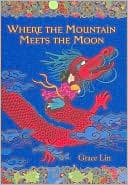
- Where the Mountain Meets the Moon
Grace Lin
4.3 (37k) average on GoodreadsFantasyFeatures a young protagonist on a quest, interwoven with traditional Chinese folklore and the magic of storytelling.
- The Diary of a Young Girl
Anne Frank
4.2 (2.7M) average on GoodreadsBiographyDuring the Nazi occupation, a teenage girl's diary, written from a secret annex, shares observations on humanity, hope, and the wait for freedom.
- Twisted 1. Twisted love
Ana Huang
3.7 (1.7M) average on GoodreadsA quiet billionaire with a difficult past finds his guarded heart opening to the woman he must protect, but their growing passion uncovers dangerous secrets and a shared, traumatic history.
- Eat, Pray, Love
Elizabeth Gilbert
3.6 (1.5M) average on GoodreadsLifestyleA heartbroken writer leaves her conventional life for a year-long global search for pleasure in Italy, spiritual devotion in India, and unexpected love and balance in Bali.
- Night
Elie Wiesel
4.3 (970k) average on GoodreadsBiographyIn the darkness of Auschwitz and Buchenwald, a teenage Elie Wiesel faces the extermination of his family, the loss of his faith, and the lasting scars of humanity's deepest cruelty.
- Steve Jobs
Walter Isaacson
4.1 (957k) average on GoodreadsBusinessSteve Jobs was a visionary who fused creativity and technology to revolutionize six industries and shape our digital world.





Enjoyed the summary?
A summary gives you the shape of the book. The book itself has the detail, the examples and the voice.
Find When You Trap a Tiger on AmazonAs an Amazon Associate, BookBrief earns from qualifying purchases. How we're funded