
Synopsis
Covers the whole plot, including the ending.
- Difficulty
- Easy
- Pacing
- Moderate
- Mood
- Whimsical, Melancholy, Hopeful, Magical, Emotional
- Read it if
- You enjoy whimsical, emotional middle-grade fantasy with a focus on grief, healing, and friendship, set in a uniquely imagined world.
- Skip it if
- You prefer fast-paced, action-heavy plots or stories without a strong emotional core focused on processing loss.
Whichwood Plot Summary
Covers the whole plot, including the ending.
The Mordeshoor's Burden
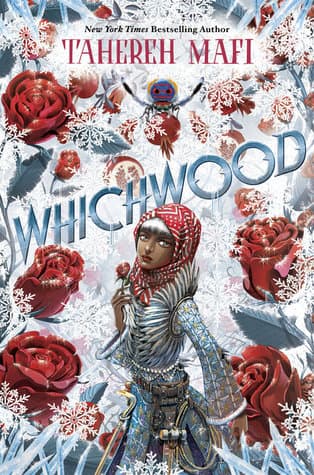
Laylee, a young girl in the quiet village of Whichwood, is the only mordeshoor left. Her job is to wash the dead and guide their souls. Her mother, also a mordeshoor, died years ago, and her father, lost in grief, is now silent and distant. Laylee's hands and hair are slowly turning silver, showing her growing loneliness and the magical cost of her work. She lives alone, surrounded by death and lacking joy, finding small comfort in her routines and occasional visits from villagers.
A Plea from the Beyond
During one preparation, Laylee meets the soul of a young girl who will not cross over. This is unusual; souls typically want to leave Whichwood. The girl's lingering presence and pleas for help worry Laylee, suggesting something is wrong with the afterlife's usual process. This encounter makes Laylee question her duties and Whichwood's spiritual health, which has become increasingly bleak since her mother's death.
The Arrival of Strangers
Laylee's daily life is interrupted by two colorful children: Alice and Oliver. They are from Furthermore, a land of bright colors and magic, and their presence contrasts with Whichwood's muted tones. Alice is curious and outspoken, and Oliver is quiet and observant; they are clearly not from this world. Their arrival brings Laylee a mix of worry and a strange, new hope, as she had forgotten color and companionship. They seem to be looking for something, or someone, in Whichwood.
A Quest Revealed
Alice and Oliver tell Laylee why they are there. They are searching for a powerful color lost from Furthermore. Without this color, their own vibrant world is fading, threatening to become as bleak as Whichwood. They believe the missing color might be linked to Whichwood's somber state and Laylee's connection to the dead. This news links their fates, as Laylee realizes her village's decay might be part of a larger magical imbalance.
The Whispers of the Dead
As Laylee spends time with Alice and Oliver, she understands the real problem with the lingering souls. The souls are not just refusing to go; many are trapped, unable to cross over because the path to the afterlife is incomplete or corrupted. This is directly related to the missing color, which is vital for the souls' journey. Laylee's ability to speak with the dead lets her hear their pleas and understand their situation, confirming the urgency of Alice and Oliver's mission and the seriousness of the crisis.
A Journey to the Heart of Whichwood
Guided by clues from the trapped souls and their own instincts, Laylee, Alice, and Oliver travel deeper into Whichwood. They navigate difficult landscapes and meet mystical beings and challenges that test their courage and growing friendship. Laylee, at first hesitant, finds an inner strength she did not know she had, while Alice's cleverness and Oliver's quiet wisdom are essential. They begin to uncover Whichwood's past and its link to the wider magical world.
Confronting Grief and Memory
During their journey, Laylee faces her deep grief over her mother's death and her father's sadness. She learns that her mother's death was not just natural but connected to the magical imbalance affecting Whichwood and Furthermore. The missing color, it turns out, was something her mother had protected, and its loss contributed to her death. This discovery is painful but also empowering, giving Laylee a clearer understanding of her family's history and her mordeshoor duties.
The Missing Color's Keeper
The trio discovers a surprising truth: Laylee's grieving father is unknowingly keeping the lost color. In his despair after his wife's death, he absorbed the color, thinking it would help him hold onto her memory. This trapped the color and caused the widespread magical decay. He has been living in a colorless world, unable to process his grief. This creates a new challenge: how to get the color back without hurting Laylee's father further.
The Act of Release
With Alice and Oliver's help, Laylee confronts her father with understanding and love, not anger. She helps him finally process his grief, explaining the results of his actions and the hope that releasing the color will bring. Through a powerful emotional and magical act, Laylee's father lets go of the missing color. As it returns to the world, Whichwood begins to regain its vibrancy, and the path for the trapped souls to the afterlife is restored. Laylee's silvering hands and hair start to return to normal.
A World Reborn
With the color restored, Whichwood changes from bleak to subtly beautiful and full of renewed life. The trapped souls finally cross over, finding peace. Laylee's father slowly begins to heal, emerging from his grief. Laylee herself finds a new purpose and belonging, no longer burdened by loneliness. Her friendship with Alice and Oliver, formed through their shared journey, grows, and she realizes that even in a world touched by death, there can be color, hope, and connection.
Whichwood Characters
Laylee
Protagonist
The last mordeshoor of Whichwood, burdened by duty and grief.
Laylee is a young girl living in Whichwood, isolated by her unique role as a mordeshoor. She is quiet, responsible, and deeply lonely, having lost her mother and effectively her father to grief. Her hands and hair are turning silver, a physical manifestation of her magical connection to the dead and her emotional state. She carries a profound sense of duty and a quiet longing for connection and color in her monochrome world. She is initially hesitant and afraid, but possesses a deep well of empathy and resilience.
Relationships: Laylee's Mother (Deceased, beloved, also a mordeshoor, whose memory guides Laylee.); Laylee's Father (Grief-stricken and withdrawn, unknowingly holding the missing color.); Alice (Friend and companion from Furthermore, brings color and vibrancy to Laylee's life.); Oliver (Friend and companion from Furthermore, quiet and observant, provides calm support.)
Alice
Supporting
A vibrant, curious girl from Furthermore, on a quest to restore color.
Alice is a spirited and outspoken girl from the magical land of Furthermore. She is characterized by her vibrant appearance and her endless curiosity, often speaking her mind without hesitation. She is fiercely loyal and determined, driven by her mission to find the lost color and save her world from fading. Her vivacious personality provides a stark contrast to Laylee's somber existence, and she often acts as the catalyst for action and adventure.
Relationships: Laylee (Friend and companion, brings a new perspective and emotional depth to Alice's quest.); Oliver (Friend and companion, often provides a calm counterpoint to Alice's impulsiveness.)
Oliver
Supporting
A quiet, observant boy from Furthermore, a loyal friend.
Oliver is Alice's companion from Furthermore, a quiet and thoughtful boy who observes more than he speaks. He is often the voice of reason and calm, providing a grounding presence for the more impetuous Alice. Despite his reserved nature, he is intelligent, resourceful, and deeply loyal to his friends. His subtle insights and unwavering support are crucial to the success of their quest.
Relationships: Laylee (Friend and companion, shares a quiet understanding with Laylee.); Alice (Friend and companion, often balances Alice's energy with his calm demeanor.)
Laylee's Father
Supporting
A man consumed by grief, unknowingly holding the missing color.
Laylee's father is a once-vibrant man who has been utterly broken by the death of his wife. He lives in a state of profound grief and withdrawal, barely acknowledging Laylee's presence. Unbeknownst to himself, he absorbed the lost color in his despair, believing it to be a way to preserve his wife's memory, thereby contributing to the decay of Whichwood and Furthermore. He is a tragic figure, trapped by his sorrow until Laylee helps him confront and release it.
Relationships: Laylee (Daughter, relationship is strained by his grief and withdrawal, but ultimately healed.); Laylee's Mother (Deceased wife, his profound love and grief for her are central to his character.)
Laylee's Mother
Mentioned
The previous mordeshoor, whose legacy and death profoundly affect Laylee.
Laylee's mother was a mordeshoor before her, a kind and loving presence whose death cast a long shadow over Laylee's life and Whichwood itself. Her memory serves as a guide for Laylee, and her connection to the missing color is a crucial plot point. Though deceased, her influence is deeply felt throughout the story, shaping Laylee's duties and the very nature of the magical crisis.
Relationships: Laylee (Daughter, her memory is a guiding force for Laylee.); Laylee's Father (Husband, his grief over her death drives much of the plot.)
The Trapped Souls
Supporting
Souls of the deceased, unable to cross over due to the missing color.
These are the spirits of the dead in Whichwood who, unlike typical souls, are unable to move on to the afterlife. They manifest as lingering presences, sometimes whispering or making their distress known to Laylee. Their inability to depart is a key indicator of the magical imbalance affecting Whichwood and Furthermore, and their pleas for help drive much of the plot's urgency. They represent the consequences of the lost color.
Relationships: Laylee (Their guide and the only one who can hear and help them.)
Whichwood Themes
Grief and Healing
The novel explores the destructive power of unresolved grief and the difficult path to healing. Laylee's father is an example; his inability to process his wife's death leads him to unknowingly trap a vital color, causing widespread magical decay. Laylee herself struggles with loneliness and the loss of her mother. The journey to restore the color is a journey of emotional healing for individuals and for Whichwood, showing that facing sorrow is necessary for new life and vibrancy. This is clear when Laylee helps her father release the color and his grief.
“Grief, I've learned, is really just love. It's all the love you want to give but cannot. All of that unspent love gathers in the corners of your eyes, the lump in your throat, and in that hollow part of your chest. Grief is just love with no place to go.”
The Power of Connection and Friendship
Laylee's isolated life in Whichwood changes with Alice and Oliver's arrival. Their friendship brings color, laughter, and companionship to her once-colorless world. Through their combined efforts, shared vulnerabilities, and mutual support, they overcome challenges and restore balance to Whichwood and Furthermore. The story shows that even the heaviest burdens can be lessened, and difficult problems solved, through the strength of genuine human (and magical) connection. Their bond helps Laylee find her voice and strength.
“Sometimes, the only way to find yourself is to get a little lost with someone else.”
Duty vs. Desire
Laylee is bound by her inherited duty as a mordeshoor, a role that isolates her and demands personal sacrifice. Initially, she performs her tasks with resignation, feeling trapped. However, as the story progresses, she questions her duty, especially when souls cannot move on. Her desire for connection, color, and a normal life conflicts with her grim responsibilities. Ultimately, she redefines her duty, seeing it not as a burden but as a unique power that, when combined with her desire for healing and connection, allows her to create change.
“A duty, she'd learned, was only a burden if you forgot why you were carrying it.”
Color as a Metaphor for Life and Emotion
Color is a main symbol in the novel. Whichwood is shown as lacking vibrant color, reflecting Laylee's emotional state and the village's spiritual decay. Furthermore, in contrast, is full of color, symbolizing life, joy, and magic. The loss of a specific color from Furthermore directly affects Whichwood, trapping souls and causing bleakness. The restoration of color signifies not just a physical change but a deep emotional and spiritual renewal, indicating the return of hope, healing, and the full range of human experience. When Laylee's world regains color, so does her spirit.
“Color, she realized, wasn't just something to be seen. It was something to be felt.”
Plot Devices & Literary Techniques
The Mordeshoor's Silvering
Laylee's hair and hands slowly turn silver, reflecting her magical burden.
This physical manifestation serves as a potent visual metaphor for Laylee's increasing isolation, the magical toll of her duties, and the draining effect of Whichwood's colorless state. It externalizes her internal struggles and the unique, heavy responsibility she carries. The silvering also foreshadows her deep connection to the magical forces at play and signals the severity of the spiritual imbalance affecting her world. As the story progresses and healing begins, the silvering starts to recede, marking her personal and the world's recovery.
The Missing Color
A vital color lost from Furthermore, causing decay in both worlds.
The missing color functions as the central MacGuffin and the primary driving force of the plot. Its absence creates the magical imbalance that affects both Furthermore and Whichwood, trapping souls and draining the world of its vibrancy. The quest to find and restore this color directly links the two seemingly disparate worlds and provides a tangible goal for the protagonists. It is also deeply symbolic, representing lost joy, memory, and the full spectrum of emotional and magical life that needs to be restored.
The Trapped Souls
Spirits unable to cross over, signaling a deeper magical problem.
The inability of souls to move on from Whichwood serves as a crucial plot device that highlights the severity of the magical crisis and the urgency of the protagonists' quest. It provides direct evidence that something is profoundly wrong with the afterlife and the spiritual fabric of the world. These lingering presences also give Laylee unique insights and clues, as she is able to communicate with them, thereby advancing the plot and deepening her understanding of the problem. They are a constant reminder of the stakes involved.
Whichwood's Monochrome State
The village is depicted in muted, colorless tones, reflecting its spiritual decay.
The visual depiction of Whichwood as largely monochrome serves as a powerful setting device that immediately establishes the village's somber atmosphere and Laylee's emotional state. It visually represents the absence of joy, hope, and vibrant life. This stark contrast with the colorful world of Furthermore emphasizes the dire consequences of the magical imbalance and highlights what is at stake. As the story progresses, the gradual return of color to Whichwood visually signifies the healing and renewal taking place within the story and its characters.
Whichwood Quotes
“The wind was a storyteller, and it spoke of old things, of forgotten things, and of things that were yet to be.”
“Sometimes, the bravest thing you can do is ask for help.”
“A heart that loves is a heart that can be broken, but it is also a heart that can heal.”
“The world was a book, and those who did not travel read only one page.”
“True strength isn't about never falling, it's about getting up every time you do.”
“There are some wounds that time cannot touch, only understanding.”
“To forget is sometimes to forgive, but to remember is to truly learn.”
“The most beautiful things are often the most fragile.”
“Magic isn't about what you can do, it's about what you choose to do.”
“Every ending is just a new beginning, if you know where to look.”
“Silence can be louder than any scream, if you listen closely enough.”
“It is in the darkest places that the brightest stars shine.”
“Sometimes, the greatest adventure is simply finding your way home.”
“Fear is a compass that points to what you need to overcome.”
Quiz
10 questions on the plot and the characters. Each answer comes with a short explanation.
Question 1
What is Laylee's specific role in the village of Whichwood?
- She is the village baker, providing food for the living.
- She is the sole remaining mordeshoor, washing the bodies of the dead.
- She is a weaver, creating tapestries for the homes.
- She is a storyteller, entertaining the children of the village.
Show answer
B. She is the sole remaining mordeshoor, washing the bodies of the dead. Laylee's central role in Whichwood is that of the mordeshoor, responsible for preparing the dead for the afterlife, a task she inherited after her mother's death.
Question 2
What physical changes does Laylee notice happening to herself as a result of her work and loneliness?
- Her eyes are turning golden, and her skin is becoming translucent.
- Her hands are stiffening and turning silver, as is her hair.
- She is growing taller rapidly, and her voice is deepening.
- Her skin is developing a faint blue hue, and she can see in the dark.
Show answer
B. Her hands are stiffening and turning silver, as is her hair. The description explicitly states that Laylee's hands are stiffening and turning silver, just like her hair, indicating the toll her work and isolation are taking on her.
Question 3
What event plunged Laylee's father into grief and caused him to lose his wits?
- A terrible plague that swept through Whichwood.
- The loss of his family fortune.
- The death of Laylee's beloved mother.
- A magical curse placed upon him.
Show answer
C. The death of Laylee's beloved mother. The synopsis clearly states that Laylee's father was 'driven by grief' after her 'beloved mother died,' leading to his decline.
Question 4
How is Laylee's world 'turned upside down' according to the synopsis?
- A massive earthquake strikes Whichwood, destroying her home.
- She discovers a hidden magical artifact that grants her wishes.
- A pair of familiar strangers appears, leading to rediscovery of color, magic, and friendship.
- She is forced to leave Whichwood and embark on a dangerous quest alone.
Show answer
C. A pair of familiar strangers appears, leading to rediscovery of color, magic, and friendship. The text explicitly states that 'a pair of familiar strangers appears, and Laylee’s world is turned upside down as she rediscovers color, magic, and the healing power of friendship.'
Question 5
What core theme is suggested by Laylee's rediscovery of 'color, magic, and the healing power of friendship'?
- The inevitability of despair and isolation.
- The importance of embracing change and finding connection after loss.
- The dangers of magic and the need to avoid it.
- The superiority of solitude over companionship.
Show answer
B. The importance of embracing change and finding connection after loss. Laylee's journey from loneliness and physical changes to rediscovering 'color, magic, and the healing power of friendship' strongly suggests a theme about overcoming loss and finding solace and growth through connection.
Question 6
The book 'Whichwood' is described as a 'companion to Furthermore'. What does this imply about its relationship to the previous book?
- It is a direct sequel, continuing the same main character's story.
- It features entirely new characters and a completely unrelated world.
- It exists in the same magical world or universe as 'Furthermore', possibly with returning characters or shared lore.
- It is a non-fiction guide to the world of 'Furthermore'.
Show answer
C. It exists in the same magical world or universe as 'Furthermore', possibly with returning characters or shared lore. A 'companion' novel typically means it shares the same universe, setting, or some characters with a previous work, but doesn't necessarily continue the exact same plot or protagonist as a direct sequel would.
Question 7
What is the primary emotion Laylee experiences and struggles with before the arrival of the strangers?
- Anger and resentment towards her father.
- Excitement for adventure and new experiences.
- Ever-increasing loneliness and fear.
- Overwhelming joy and contentment with her life.
Show answer
C. Ever-increasing loneliness and fear. The text explicitly states that Laylee's 'own ever-increasing loneliness and fear' are things she finds 'easier still to ignore,' highlighting her struggle with these emotions.
Question 8
Considering the context of 'Whichwood' as a 'companion to Furthermore' and the appearance of 'familiar strangers,' what specific connection might these strangers have to the previous book or its world?
- They are merchants from a neighboring kingdom, completely unrelated to 'Furthermore'.
- They are characters who appeared in 'Furthermore', now venturing into Whichwood.
- They are magical creatures native to Whichwood, previously unknown.
- They are simply new friends Laylee makes, with no prior connection to any other story.
Show answer
B. They are characters who appeared in 'Furthermore', now venturing into Whichwood. The phrase 'familiar strangers' in a 'companion' novel strongly suggests that these characters are not new to the series' readers, implying they appeared or were known from 'Furthermore'.
Question 9
The description states Laylee is 'destined to spend her days washing the bodies of the dead and preparing their souls for the afterlife.' What does this imply about the spiritual beliefs or practices within the world of Whichwood?
- Death is seen as a final end, with no afterlife concepts.
- Specific rituals are believed to be necessary to guide souls after death.
- Souls are believed to be reincarnated immediately without intervention.
- The dead are simply left to decay naturally, without ceremony.
Show answer
B. Specific rituals are believed to be necessary to guide souls after death. The phrase 'preparing their souls for the afterlife' directly indicates a belief system where specific actions (Laylee's work) are crucial for the spiritual journey of the deceased.
Question 10
Given the magical and fantastical elements, and the protagonist's unique role, what literary genre does 'Whichwood' most strongly align with, beyond just 'Children's, Young Adult'?
- Realistic Fiction
- Historical Fiction
- High Fantasy or Fairy Tale Fantasy
- Science Fiction
Show answer
C. High Fantasy or Fairy Tale Fantasy With elements like 'magic,' 'souls for the afterlife,' 'silver hair and hands,' and its connection to 'Furthermore,' the book clearly fits into a High Fantasy or Fairy Tale Fantasy subgenre, characterized by magical worlds and often quest-like narratives.
Whichwood FAQ
What is Laylee's primary role in the village of Whichwood at the beginning of the story?
Laylee is the last remaining mordeshoor in Whichwood, a sacred duty that involves washing the bodies of the dead and preparing their souls for the afterlife. This responsibility falls entirely on her shoulders after her mother's death and her father's subsequent decline.
How has Laylee's appearance changed due to her duties as a mordeshoor?
Laylee's hands have become stiff and are turning silver, mirroring the color of her hair, which has also changed. These physical transformations are a direct consequence of her constant contact with the deceased and the magical nature of her work.
Who are the 'familiar strangers' that arrive and change Laylee's world?
The familiar strangers are Alice and Oliver, characters from the companion novel 'Furthermore.' Their arrival brings an unexpected burst of color and magic back into Laylee's monochrome existence, disrupting her isolated routine.
What is the significance of the village name 'Whichwood'?
The name 'Whichwood' evokes a sense of mystery and a liminal space, fitting for a village where the living interact so closely with the dead. It suggests a place of choices, magic, and perhaps a touch of the uncanny, reflecting Laylee's unique role.
How does Laylee's grief for her mother manifest throughout the story?
Laylee's grief for her mother is a profound and constant presence, driving her isolation and her dedication to her duties, even as they take a toll on her. Her inability to fully process her loss contributes to her emotional numbness and the fading of color in her world.
What is the magical connection between Laylee's mordeshoor duties and her physical changes?
Laylee's silvering hair and hands are a direct magical consequence of her prolonged exposure to the dead and the spiritual energy released during the washing rituals. This transformation signifies her deep, mystical bond with the afterlife and the toll it takes on her living body.
How does Alice's ability to see and manipulate color impact Laylee?
Alice's vibrant perception and manipulation of color directly contrast Laylee's increasingly monochrome world, acting as a catalyst for Laylee to rediscover beauty and emotion. Alice's magic helps Laylee literally and figuratively see the world in a new light, reintroducing vibrancy into her life.
What role does Oliver play in Laylee's journey of healing?
Oliver, with his more grounded and empathetic nature, offers Laylee quiet support and understanding. He represents a different kind of magic – the healing power of genuine friendship and companionship – helping Laylee process her trauma and find comfort.
Is there a larger magical system or lore connecting 'Whichwood' to 'Furthermore'?
Yes, 'Whichwood' exists within the same fantastical world as 'Furthermore,' sharing its unique magical properties, such as the personification of emotions, the significance of color, and the existence of distinct magical lands. The arrival of Alice and Oliver directly links the two narratives.
How does Laylee's isolation contribute to her psychological state?
Laylee's extreme isolation, caused by her unique duties and her father's withdrawal, leads to profound loneliness and a sense of emotional numbness. This solitude prevents her from processing her grief and contributes to her world literally losing its color, reflecting her internal state.
What is the psychological impact of Laylee's father's grief on her?
Her father's grief-driven madness and subsequent abandonment leave Laylee feeling utterly alone and burdened, accelerating her own decline. His inability to cope forces Laylee to prematurely take on immense responsibilities, denying her a childhood and a parental figure.
How does the author use the fading of color to represent Laylee's emotional state?
The fading of color in Laylee's world is a powerful metaphor for her deepening grief, loneliness, and emotional detachment. As she becomes more burdened and isolated, her perception of the world literally loses its vibrancy, reflecting her internal desolation.
What does the ending suggest about Laylee's future and her role as a mordeshoor?
The ending suggests that Laylee has found a way to reconcile with her unique destiny, embracing her role as a mordeshoor with renewed hope and connection. While her duties remain, she is no longer consumed by loneliness, indicating a future where her magic is balanced by friendship and self-acceptance.
How does 'Whichwood' explore themes of grief and healing differently from other YA fantasies?
'Whichwood' uniquely intertwines the literal manifestation of grief (fading color, physical transformation) with a fantastical duty, portraying healing not as an eradication of pain but as finding connection and purpose within it. It focuses on the quiet, internal journey rather than grand quests.
What is the significance of friendship in Laylee's journey of rediscovery?
Friendship is paramount in Laylee's rediscovery, as Alice and Oliver provide the external catalyst and emotional support Laylee desperately needs. Their presence breaks her isolation, allowing her to process her grief and rediscover joy, proving that human connection is a powerful healing force.
Could Laylee's silvering hands and hair be interpreted as a form of magical aging or transformation?
Yes, the silvering could be interpreted as a form of magical aging or a unique transformation specific to her role, where the weight of her duties and constant interaction with the dead subtly alters her living form. It signifies her becoming more attuned to the liminal space she inhabits.
How does the book challenge traditional notions of death and the afterlife for its target audience?
The book presents death not as a terrifying end, but as a natural transition, with the mordeshoor's role emphasizing care and respect for the departed. It subtly introduces young readers to the concept of preparing souls, making the afterlife a more integrated and less frightening part of existence.
What message does Laylee's journey convey about finding purpose amidst hardship?
Laylee's journey conveys that true purpose can be found even in the most difficult and lonely circumstances. Despite her immense burdens, she learns to embrace her unique role and finds strength and beauty in her connection to both life and death, ultimately choosing to continue her sacred work with a renewed spirit.
About the author
Tahereh Mafi is an American author known for her young adult fiction, particularly the "Shatter Me" series, which includes "Shatter Me," "Ignite Me," "Restore Me," "Fracture Me," and "Defy Me." She also wrote "A Very Large Expanse of Sea," a standalone novel that explores themes of identity and acceptance. Mafi's work often blends elements of fantasy and contemporary issues.
Similar books
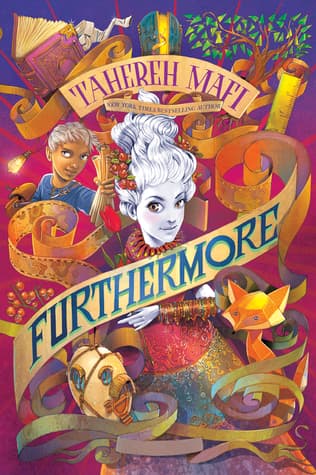
- Furthermore
Tahereh Mafi
3.9 (13k) average on GoodreadsFantasyIt's the companion novel, sharing the same author and a similar whimsical, magical tone and focus on a unique world.
- Harry Potter and the Sorcerer's Stone
J.K. Rowling
4.5 (7M) average on GoodreadsFantasyRescued from a miserable life under the stairs, an orphaned boy discovers he's a wizard destined for a magical school, where he uncovers a dangerous secret tied to the dark wizard who murdered his parents.
- The Hunger Games
Suzanne Collins
4.3 (6.4M) average on GoodreadsFantasyIn a future where children fight to the death on live television, Katniss Everdeen volunteers for the arena, turning a death sentence into a fight for survival and a spark of rebellion.
- 1984
George Orwell
4.2 (3.1M) average on GoodreadsPoliticsIn a future where surveillance and thought control are absolute, a man's search for truth clashes with the Party, showing that hope can be a form of rebellion.
- Divergent
Veronica Roth
4.2 (2.9M) average on GoodreadsFantasyIn a society divided by virtues, a sixteen-year-old's difference from the norm starts a rebellion that threatens her world.
- The Hobbit, or There and Back Again
J.R.R. Tolkien
4.3 (2.9M) average on GoodreadsFantasyA comfort-loving hobbit named Bilbo Baggins is whisked away by a mischievous wizard and a band of dwarves on an unexpected journey to reclaim stolen treasure from a fearsome dragon, discovering courage and a magical ring along the way.





Enjoyed the summary?
A summary gives you the shape of the book. The book itself has the detail, the examples and the voice.
Find Whichwood on AmazonAs an Amazon Associate, BookBrief earns from qualifying purchases. How we're funded