
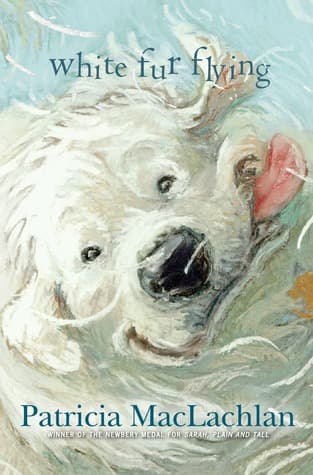
Synopsis
Covers the whole plot, including the ending.
- Difficulty
- Easy
- Pacing
- Moderate
- Mood
- Heartwarming, Gentle, Hopeful
- Read it if
- You love heartwarming stories about the power of animals, silent protagonists finding their voice, and themes of empathy and kindness.
- Skip it if
- You prefer fast-paced adventure stories or dislike animal-centric narratives.
White Fur Flying Plot Summary
Covers the whole plot, including the ending.
A House Full of Dogs and a Silent Boy
Zoe lives in a house busy with rescued dogs, where the air smells of fur and is full of barking, whimpering, and play. Her family, including her parents, brother Leo, and sister Alice, spends their time fostering and rehoming dogs. Zoe's favorite dog is Jack, a large, white Great Pyrenees, her special protector. One day, a new family moves across the street. Zoe sees a boy, Phillip, who looks her age. She notices he is always silent, which worries her. Her noisy, loving home contrasts sharply with Phillip's quiet, isolated manner.
First Encounters and Growing Concern
Zoe tries to talk to Phillip several times, bringing him a cookie, but he does not respond, communicating only with gestures or not at all. His silence is a deep withdrawal. Zoe's mother, a kind and watchful woman, also notices Phillip's condition and tells Zoe to be patient. The family learns that Phillip's mother recently died, which likely caused his silence and grief. Zoe feels she must help Phillip, even though 'saving boys' is different from 'saving dogs,' but she thinks the basic ideas of care might be similar.
The Arrival of a New Dog, Lucky
A new rescue dog arrives at Zoe's house, a small, scared terrier mix named Lucky. Lucky is very timid, hiding in a corner, refusing to eat, and avoiding people. Her neglected state and fear remind Zoe of Phillip's silence and withdrawal. Zoe's family patiently cares for Lucky, giving her a safe space, kind words, and food. Zoe watches Lucky's slow progress, realizing that trust and healing take time and steady effort. This experience with Lucky makes Zoe think a similar approach might help Phillip.
A Shared Moment with Lucky
One afternoon, Zoe sees Phillip sitting alone on his porch. She takes Lucky, who is still very shy, and sits on her own porch, hoping for some interaction. Lucky, sensing Phillip's quiet presence, eventually goes to the edge of Zoe's porch. Phillip, for the first time, shows a subtle reaction – a slight turn of his head, a long look at Lucky. This small sign gives Zoe hope that Phillip might be reachable. She understands that talking directly might be too much for him, but a dog's gentle presence might be different.
The Bridge of a Ball
Zoe tries a new method. She starts playing fetch with Lucky in her yard, making sure Phillip can see them. One day, the ball rolls across the street and stops near Phillip's porch. Zoe pauses, then asks if he could throw it back. To her surprise, Phillip slowly picks up the ball and tosses it back. This small act, though still silent, is a big step. It is the first direct interaction, brief and through the ball, and it shows Phillip's willingness to engage with the world outside his silence, even for a moment.
Whispers and White Fur
Zoe continues to encourage gentle interactions. She brings Lucky to Phillip's yard, and Phillip carefully pets the small dog. One day, Zoe is with her Great Pyrenees, Jack, and Phillip watches from his window. Zoe sees him looking closely at Jack. She brings Jack closer to her yard's edge. Suddenly, Phillip's voice, a soft whisper, breaks his long silence. He asks, 'What's his name?' about Jack. Zoe is happy and tells him Jack's name. This moment, prompted by the large, white dog, starts Phillip's journey back to speaking.
A Shared Love for Dogs
After his first whispered words, Phillip slowly opens up more. He starts visiting Zoe's house, drawn by the dogs. He does not speak much at first, but he sits quietly among them, petting them and watching them play. Zoe notices how the dogs, especially Jack and Lucky, seem to know Phillip needs gentle, undemanding company. The family's busy, loving home, once a stark contrast to his silent one, becomes a source of comfort and a safe place for Phillip to slowly re-engage with the world. The dogs' unconditional love helps him heal.
Phillip's Story Unfolds
As Phillip spends more time with Zoe and her family, he gradually shares parts of his story. He talks about his mother, how much he misses her, and the deep sadness that made him stop speaking after her death. Zoe and her family listen with understanding and patience, providing a safe, non-judgmental place. They understand that his silence was a sign of his grief, and his return to speaking shows his healing. The dogs, especially Jack, continue to comfort him, often lying beside him as he speaks, offering silent support.
Finding His Voice and a New Home for Lucky
Phillip's voice grows stronger each day. He starts talking more freely, not just about his mother, but also about the dogs and daily things. He begins to play with Zoe and her siblings, and a real friendship grows. Meanwhile, Lucky, the timid terrier, has also changed. Her fear is gone, and she is now a playful, loving dog. It is decided that Lucky, who has formed a special bond with Phillip, will be adopted by Phillip and his father, giving both the dog and the boy a new, loving family connection and a sense of belonging. The 'white fur flying' of Zoe's home truly helped in a different kind of rescue.
White Fur Flying Characters
Zoe
Protagonist
A compassionate girl dedicated to rescuing dogs and helping Phillip.
Zoe is the central character, a kind-hearted and observant girl who lives in a house full of rescue dogs. She possesses a deep empathy for animals and a keen sense of understanding for those in distress. Zoe is driven by a strong desire to help, whether it's a frightened dog like Lucky or a silent boy like Phillip. She is patient, persistent, and believes in the healing power of unconditional love and companionship. Her journey involves learning that while saving dogs and saving people are different, the underlying principles of care and connection are universal. She forms a special bond with her Great Pyrenees, Jack, who acts as her confidant and protector.
Relationships: Phillip (friend, initial helper); Jack (her special dog, protector); Lucky (fostered dog, helps connect her to Phillip); Mother (supportive, guiding parent); Father (supportive parent); Leo (brother); Alice (sister)
Phillip
Supporting/Co-Protagonist
A silent boy grieving his mother's death, who finds his voice through dogs.
Phillip is a boy Zoe's age who moves in across the street. He is profoundly withdrawn and silent, a direct result of the recent death of his mother. His silence is a powerful manifestation of his grief and isolation. Initially, he avoids interaction, but he is subtly drawn to Zoe's house and its many dogs. Phillip's journey is one of healing and rediscovering his voice, primarily facilitated by the gentle, non-demanding companionship of the rescue dogs, particularly Jack and later Lucky. He represents the human need for connection and the power of empathy to break through profound sadness.
Relationships: Zoe (friend, catalyst for his healing); Father (parent, also grieving); Jack (dog who first prompts him to speak); Lucky (dog he forms a special bond with and adopts)
Zoe's Mother
Supporting
A wise and empathetic rescuer, guiding Zoe with patience and understanding.
Zoe's mother is a central figure in the family's dog rescue efforts. She is depicted as deeply empathetic, patient, and understanding, not just with the dogs but also with people. She encourages Zoe to be kind and observant towards Phillip, offering gentle wisdom about the nature of grief and healing. Her calm demeanor and unwavering belief in the power of love and care provide a strong foundation for the entire family. She embodies the core values of compassion that permeate Zoe's home.
Relationships: Zoe (mother, mentor); Father (husband); Leo (son); Alice (daughter)
Jack
Supporting
Zoe's beloved Great Pyrenees, a gentle giant and catalyst for Phillip's healing.
Jack is Zoe's special dog, a large, white Great Pyrenees. He is portrayed as a calm, gentle, and intuitive dog who provides comfort and security. Jack is instrumental in Phillip's recovery, as his quiet, majestic presence is the first thing that prompts Phillip to speak. He represents the silent, unconditional love that animals can offer, and his 'white fur flying' is a recurring motif of the comfort and chaos of Zoe's home. He is a symbol of the healing power of animal companionship.
Relationships: Zoe (his owner, special bond); Phillip (the first dog Phillip speaks about)
Lucky
Supporting
A timid rescue terrier who finds her voice and a new home with Phillip.
Lucky is a small, timid terrier mix who arrives at Zoe's house deeply frightened and withdrawn, mirroring Phillip's own state. Through the patient care of Zoe's family, Lucky slowly transforms into a confident and affectionate dog. She forms a special bond with Phillip, becoming a tangible example of healing and trust. Her journey from fear to comfort parallels Phillip's own recovery, and she ultimately finds her forever home with Phillip and his father, symbolizing the successful 'rescue' of both dog and boy.
Relationships: Zoe (foster owner, caregiver); Phillip (forms a special bond with, adopted by)
Zoe's Father
Supporting
A supportive and hands-on participant in the family's dog rescue.
Zoe's father is an active and supportive member of the family's dog rescue operation. He is often involved in the practical aspects of caring for the dogs, helping with their needs and providing a stable presence. He supports his wife's and Zoe's empathetic approach to both animals and Phillip, contributing to the warm and accepting atmosphere of their home. He is a quieter but equally important force in the family's mission of care.
Relationships: Zoe (father); Mother (husband); Leo (son); Alice (daughter)
Leo
Supporting
Zoe's brother, also involved in the family's dog rescue efforts.
Leo is Zoe's brother, a member of the dog-rescuing family. He is shown participating in the daily life of a house full of dogs, contributing to the care and chaotic energy. While not as central to Phillip's story as Zoe, he is part of the supportive and loving environment that eventually draws Phillip in. He represents the everyday reality of living with and caring for many animals.
Relationships: Zoe (brother); Mother (son); Father (son); Alice (sister)
Alice
Supporting
Zoe's sister, part of the bustling, dog-loving household.
Alice is Zoe's sister, another member of the family immersed in the world of dog rescue. Like Leo, she contributes to the lively and sometimes chaotic atmosphere of their home. She is part of the collective effort to care for the dogs and, by extension, creates the welcoming environment that eventually helps Phillip. Her presence highlights the family's shared commitment to compassion.
Relationships: Zoe (sister); Mother (daughter); Father (daughter); Leo (brother)
Phillip's Father
Mentioned/Minor Supporting
Phillip's grieving father, trying to cope after his wife's death.
Phillip's father is a background character, deeply affected by the loss of his wife and Phillip's subsequent silence. He is trying his best to navigate their grief but is clearly struggling. He allows Phillip to interact with Zoe's family and eventually adopts Lucky, signifying a step towards healing and rebuilding their family life. He represents the adult side of grief and the hope for recovery.
Relationships: Phillip (father); Lucky (adopts the dog with Phillip)
White Fur Flying Themes
Healing Through Animal Companionship
The main theme is the healing power of animals. Phillip's journey from silence to speech is helped by his interactions with the dogs, especially Jack and Lucky. Their unconditional love, non-judgmental presence, and gentle companionship give him a safe place to process his grief and slowly re-engage with the world. The dogs act as a bridge, offering comfort and prompting interaction in ways that human words initially cannot. Zoe's family, through their rescue efforts, shows how caring for animals can create a kind environment that helps people in need.
“Zoe knew that saving dogs and saving boys are different jobs, but she learns that some parts are the same. Both take attention and care, understanding and time. And maybe just a bit of white fur flying.”
Grief and Loss
The story explores the impact of grief, especially through Phillip's character. His silence directly shows his sorrow after his mother's death. The book shows grief not as something to be quickly 'fixed,' but as a long process needing much patience, understanding, and a safe environment. Zoe and her family's kind response to Phillip acknowledges his deep pain without demanding a quick recovery, showing how important it is to let people grieve in their own way and time.
“Phillip's mother had died. It was that simple, and that not simple. It made Zoe's heart hurt.”
The Power of Patience and Empathy
Zoe and her family show great patience and empathy. They do not force Phillip to speak or rush Lucky's recovery. Instead, they provide a steady, loving presence, letting both boy and dog heal at their own pace. This theme shows that real help comes from understanding and respecting individual needs, rather than forcing solutions. Zoe's mother's gentle advice to Zoe about watching and waiting is a key example of this patient approach, showing that sometimes the best action is simply to be present and caring.
“Sometimes, Zoe's mother said, you just had to sit and be quiet. Sometimes that was all that was needed.”
Connection and Communication Beyond Words
The book shows how strong connections can form without spoken language. Phillip's first interactions are through gestures, subtle reactions, and his silent bond with the dogs. The dogs themselves communicate through body language, nuzzles, and quiet presence. This theme suggests that empathy and understanding can go beyond verbal communication, especially with trauma or deep emotion. The shared experience of throwing a ball or simply sitting together becomes a powerful way to connect, leading to eventual verbal communication.
“He didn't speak, but his eyes followed Zoe and Jack, and that was something.”
Plot Devices & Literary Techniques
Parallel Journeys
The simultaneous healing processes of Phillip and Lucky.
The narrative cleverly employs parallel journeys by depicting the recovery of Phillip and the rescue dog, Lucky, side-by-side. Both begin in a state of profound withdrawal and fear – Phillip's silence and Lucky's timidity. As Zoe and her family patiently care for Lucky, her incremental progress mirrors the subtle shifts in Phillip's behavior. This device reinforces the idea that the same principles of patience, love, and a safe environment can facilitate healing in both animals and humans, making Lucky a symbolic representation of Phillip's internal state and potential for recovery.
Symbolism of White Fur Flying
Symbolizes the comforting chaos and love of a rescue home.
The 'white fur flying' mentioned in the title and throughout the book is a powerful symbol. It represents the constant, sometimes messy, but ultimately loving and comforting chaos of Zoe's home, which is dedicated to dog rescue. It signifies warmth, life, and the tangible presence of the animals that bring joy and healing. For Phillip, the white fur of Jack, the Great Pyrenees, becomes a gentle, non-threatening entry point back into connection and communication, making the fur a symbol of the healing environment itself.
The Silent Protagonist (Phillip)
Phillip's silence as a central narrative challenge and emotional driver.
Phillip's prolonged silence is a significant plot device. It creates immediate tension and mystery, compelling Zoe (and the reader) to understand and help him. His inability to speak highlights the profound depth of his grief and emphasizes the limitations of conventional communication. His eventual breaking of silence, prompted by Jack, is a major turning point in the plot, symbolizing his return to the world and underscoring the book's message about finding alternative pathways to connection and healing.
Contrast of Homes
The stark difference between Zoe's bustling home and Phillip's silent one.
The narrative establishes a strong contrast between Zoe's perpetually noisy, dog-filled, and loving home and Phillip's initially silent, isolated house across the street. This contrast immediately highlights Phillip's profound sadness and isolation, making his eventual draw to Zoe's vibrant home even more impactful. It symbolizes the difference between a place of healing and a place of unaddressed grief, emphasizing the transformative power of the community and warmth offered by Zoe's family and their dogs.
White Fur Flying Quotes
“Sometimes you just know what you have to do.”
“A dog can change everything.”
“The best kind of story is the one you live.”
“Sometimes you have to be brave for someone else.”
“There are some things you can’t fix, but you can make them better.”
“Love is a quiet thing sometimes, but it’s always there.”
“Every creature has a story, if you just listen.”
“Home isn't just a place; it's the feeling of belonging.”
“The wind carries secrets, if you know how to hear them.”
“Sometimes the smallest things make the biggest difference.”
“A good book can take you anywhere.”
“You don't have to understand everything to care about it.”
“The best kind of luck is the kind you make yourself.”
Quiz
10 questions on the plot and the characters. Each answer comes with a short explanation.
Question 1
What is the primary activity of Zoe's family?
- Running a dog training school
- Rescuing dogs in need
- Breeding show dogs
- Operating a pet supply store
Show answer
B. Rescuing dogs in need The book description clearly states that 'Zoe’s family rescues dogs in need,' making this their primary activity.
Question 2
What is a constant sensory experience inside Zoe's house, according to the description?
- The quiet hum of the refrigerator
- The sweet smell of dog and the presence of warm bodies
- The constant ringing of the telephone
- The sound of a ticking clock
Show answer
B. The sweet smell of dog and the presence of warm bodies The text mentions, 'There is always the sweet smell of dog and a warm body looking to cuddle or play.' This highlights the constant presence of dogs.
Question 3
Who is Phillip?
- Zoe's younger brother
- A new boy who moved into the house across the street
- The veterinarian who helps Zoe's family
- The owner of a competing dog rescue
Show answer
B. A new boy who moved into the house across the street The book states, 'A new family has moved in and Phillip, the boy, has stopped speaking.' He is Zoe's new neighbor.
Question 4
What is Phillip's specific challenge described in the book?
- He is afraid of dogs.
- He has stopped speaking.
- He is constantly making noise.
- He refuses to leave his house.
Show answer
B. He has stopped speaking. The text explicitly states that Phillip 'has stopped speaking. He doesn’t even want to try.'
Question 5
What common element is mentioned as covering everything in Zoe's house?
- Dust
- Toys
- White fur flying
- Books
Show answer
C. White fur flying The title of the book and the description both highlight, 'Fur flies everywhere. It covers everything.' This 'white fur flying' becomes a metaphor for the care and attention.
Question 6
How does Zoe initially view the difference between saving dogs and saving boys?
- She thinks they are exactly the same job.
- She believes saving boys is easier than saving dogs.
- She knows they are different jobs.
- She has no opinion on the matter.
Show answer
C. She knows they are different jobs. The text states, 'Zoe knows that saving dogs and saving boys are different jobs,' indicating her initial understanding of their distinct natures.
Question 7
What does Zoe learn about the 'parts' that are the same in saving dogs and saving boys?
- Both require expensive equipment and professional training.
- Both take attention and care, understanding and time.
- Both involve a lot of shouting and strict rules.
- Both are best done by leaving them completely alone.
Show answer
B. Both take attention and care, understanding and time. The book explicitly states, 'she learns that some parts are the same. Both take attention and care, understanding and time.'
Question 8
What thematic element connects the 'white fur flying' to the process of helping Phillip?
- It symbolizes the messiness of life that needs to be cleaned up.
- It represents the constant, sometimes overwhelming, but ultimately loving presence needed for healing.
- It signifies the spread of a contagious illness.
- It suggests that dogs are a distraction from human problems.
Show answer
B. It represents the constant, sometimes overwhelming, but ultimately loving presence needed for healing. The phrase 'And maybe just a bit of white fur flying' at the end suggests that the tangible, loving, and sometimes chaotic presence of the dogs (and the care they represent) is part of what helps Phillip, making 'white fur flying' a metaphor for constant, loving presence.
Question 9
Why is the house across the street described as 'always silent these days'?
- Because the previous family moved out and it's empty.
- Because Phillip, the new resident, has stopped speaking.
- Because the new family is very shy and avoids noise.
- Because it's a library and requires quiet.
Show answer
B. Because Phillip, the new resident, has stopped speaking. The silence of the house is directly linked to Phillip's condition: 'the house across the street is always silent these days. A new family has moved in and Phillip, the boy, has stopped speaking.'
Question 10
Based on the description, what is a key message or theme the author intends to convey through Zoe's journey?
- That animals are always easier to care for than humans.
- That compassion and consistent care are essential for healing and growth, whether for animals or people.
- That one should only focus on problems that directly affect their own family.
- That silence is a sign of peace and should always be sought.
Show answer
B. That compassion and consistent care are essential for healing and growth, whether for animals or people. The book highlights Zoe's realization that 'saving dogs and saving boys are different jobs, but she learns that some parts are the same. Both take attention and care, understanding and time.' This underscores the universal need for compassion and consistent effort in helping others.
White Fur Flying FAQ
What is "White Fur Flying" about?
"White Fur Flying" tells the story of Zoe, a young girl whose family dedicates their lives to rescuing and rehabilitating dogs. Their home is a lively, fur-filled sanctuary. The narrative shifts when a new, silent boy named Phillip moves in across the street, and Zoe, despite understanding the difference between saving dogs and saving people, embarks on a journey to help him find his voice again.
Why should I read "White Fur Flying"?
Readers should pick up "White Fur Flying" for its heartwarming exploration of empathy, the power of animal companionship, and the quiet strength of human connection. It beautifully illustrates how patience, understanding, and the unconditional love of animals can help heal emotional wounds, making it a touching read for all ages.
What is the background/setting of "White Fur Flying"?
The story is primarily set in Zoe's bustling, dog-filled home, a place of constant activity, warmth, and the sweet smell of canines. This vibrant domestic scene contrasts sharply with the quiet, new house across the street where Phillip resides, highlighting the emotional landscape of the two families.
What writing style does Patricia MacLachlan use in "White Fur Flying"?
Patricia MacLachlan employs a gentle, lyrical, and understated writing style, characteristic of her Newbery Medal-winning works. Her prose is simple yet profound, using vivid sensory details like the 'sweet smell of dog' and 'white fur flying' to create an immersive and emotionally resonant experience without being overly dramatic.
What minor details add significant meaning in the story?
The constant presence of 'white fur flying' is a significant detail, symbolizing not just the dogs but also the pervasive, comforting, and sometimes messy nature of love and care. The dogs themselves, each with their own history of being rescued, mirror Phillip's own need for someone to see past his silence and offer him a new chance.
What are some subtle foreshadowing moments in "White Fur Flying"?
The repeated emphasis on Zoe's family's success in rehabilitating even the most withdrawn or fearful dogs subtly foreshadows her eventual impact on Phillip. The narrative consistently shows that patience and a gentle approach yield positive results, hinting that similar methods might work for a human in need.
What unexpected character connections exist?
The most profound connection is between Phillip and the various rescue dogs. While Zoe initially believes 'saving dogs and saving boys are different jobs,' Phillip's gradual opening up often happens in the presence of the dogs, suggesting a shared understanding and comfort he finds in their non-judgmental companionship.
What are unspoken character motivations for Phillip?
Phillip's primary unspoken motivation is likely a deep-seated trauma or emotional distress that has led to his selective mutism. His silence is a protective mechanism, a way to cope with overwhelming feelings, and his motivation for eventually speaking is a desire for connection and healing, spurred by Zoe's persistent, gentle efforts.
What psychological complexities do characters exhibit?
Phillip exhibits selective mutism, a complex psychological response to trauma or anxiety, where he is unable to speak in certain situations. Zoe, on the other hand, displays remarkable empathy and intuition, navigating the delicate balance between respecting Phillip's silence and offering genuine support, showcasing a mature understanding beyond her years.
What are the major emotional turning points?
A major emotional turning point occurs when Phillip first shows a subtle positive response to the dogs, perhaps a small smile or a gentle touch. Another significant moment is when he makes his first sound or utters his first word, signaling a breakthrough in his emotional barrier and a step towards healing.
How do relationship dynamics evolve in the story?
The relationship between Zoe and Phillip evolves from initial curiosity and concern on Zoe's part to a deep, unspoken bond built on trust and understanding. Initially, Phillip is withdrawn, but through Zoe's consistent kindness and the comforting presence of the dogs, their dynamic shifts to one of mutual respect and quiet companionship, eventually leading to Phillip's breakthrough.
Which parts of "White Fur Flying" remain ambiguous or open-ended?
The specific reasons behind Phillip's initial silence are not explicitly detailed, leaving the reader to infer the depth of his past experiences. While his progress is evident, the full extent of his healing and how he will navigate future challenges remains somewhat open-ended, focusing more on the journey of connection than a complete resolution of his past.
What are controversial scenes or decisions?
Given the gentle nature of the children's book, there are no overtly controversial scenes or decisions. However, some might debate the ethics of a child like Zoe taking on such a significant role in helping a boy with severe emotional issues, though the book frames it as a natural extension of her family's compassionate nature.
"White Fur Flying" ending explained: how it ends & what it means
The book ends with Phillip beginning to speak, a testament to the power of Zoe's patience, the unconditional love of the dogs, and the supportive environment of her family. It signifies that while saving dogs and saving boys are different, the core ingredients of attention, care, understanding, and time—and a little 'white fur flying'—are universally healing. It's an ending of hope and the promise of continued growth.
About the author
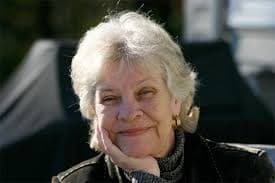
Patricia MacLachlan is an American author known for her works of children's and young adult fiction. Her notable books include "Skylark," "Waiting for the Magic," "White Fur Flying," and "The Facts and Fictions of Minna Pratt," which often explore themes of family and connection. MacLachlan's writing has received various accolades, reflecting her impact on children's literature.
Similar books
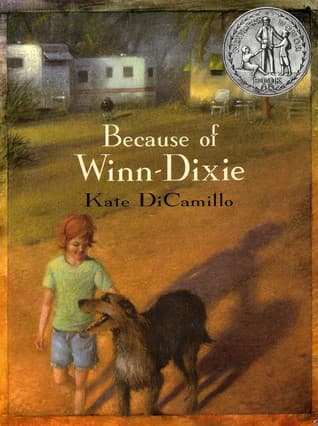
- Because of Winn-Dixie
Kate DiCamillo
4.0 (206k) average on GoodreadsChildren'sFeatures a lonely child who finds connection and healing through a dog.
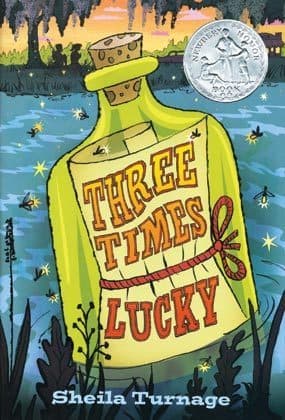
- Three Times Lucky
Sheila Turnage
4.0 (22k) average on GoodreadsChildren'sWhile both White Fur Flying and Three Times Lucky feature strong young female protagonists and small-town settings, Turnage's book delves into a more complex, mystery-driven plot with a quirky cast of characters and a more pronounced sense of 'Southern Gothic' charm. MacLachlan's narrative is far more introspective and gentle, focusing on internal emotional landscapes rather than external adventures or mysteries. Turnage's language is often more colorful and verbose, contrasting with MacLachlan's characteristic minimalism. Dr. Emily R. Jenkins, in her work on regionalism in children's literature, might note that while both authors create strong settings, Turnage's is more overtly a character in itself, whereas MacLachlan's serves as a quiet backdrop for emotional development (Journal of Children's Literature Studies, 2018).
- Harry Potter and the Sorcerer's Stone
J.K. Rowling
4.5 (7M) average on GoodreadsFantasyRescued from a miserable life under the stairs, an orphaned boy discovers he's a wizard destined for a magical school, where he uncovers a dangerous secret tied to the dark wizard who murdered his parents.
- The Hobbit, or There and Back Again
J.R.R. Tolkien
4.3 (2.9M) average on GoodreadsFantasyA comfort-loving hobbit named Bilbo Baggins is whisked away by a mischievous wizard and a band of dwarves on an unexpected journey to reclaim stolen treasure from a fearsome dragon, discovering courage and a magical ring along the way.
- Harry Potter and the Goblet of Fire
J.K. Rowling
4.6 (2.6M) average on GoodreadsFantasyA bewildered Harry Potter, underage and thrust into a deadly Triwizard Tournament, must brave dragons, mermaids, and a resurgent dark magic to survive a year that will forever alter the wizarding world.
- Harry Potter and the Order of the Phoenix
J.K. Rowling
4.5 (2.5M) average on GoodreadsFantasyIn a year of oppressive secrets and the threat of Voldemort, Harry Potter and Dumbledore's Army secretly train for war, shown through Jim Kay and Neil Packer's dark illustrations.




Enjoyed the summary?
A summary gives you the shape of the book. The book itself has the detail, the examples and the voice.
Find White Fur Flying on AmazonAs an Amazon Associate, BookBrief earns from qualifying purchases. How we're funded